
by Christina | Sep 9, 2016 | Wellness
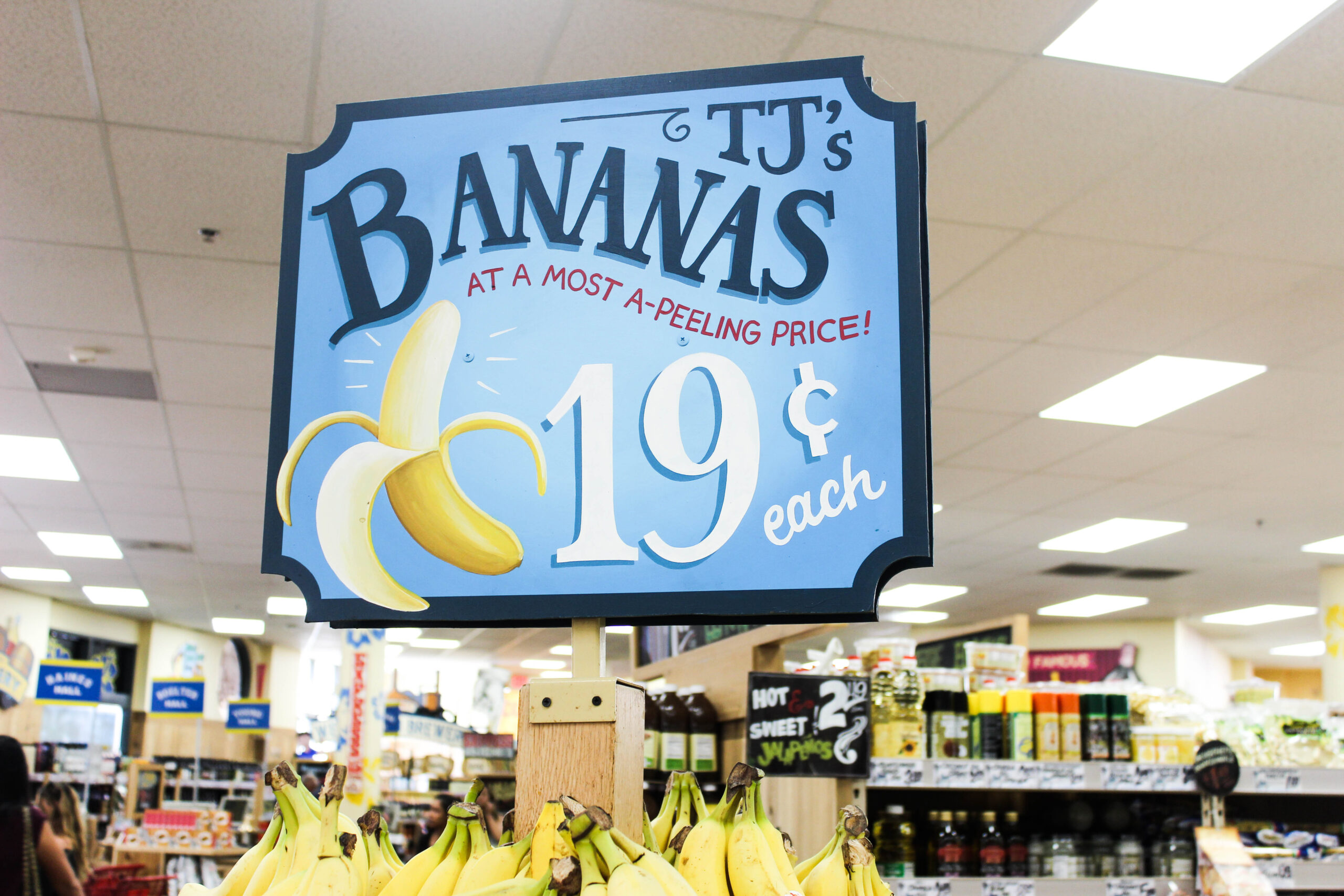
MONEY PROBS. We all have ’em. The majority of the college-aged population is on a tight budget, and that can be very restricting in a number of ways. One example? Food.
Here’s the thing, though. When people say, “Eating healthy is too expensive,” I’m like, “Kind of, but kind of not.” A lot of people say eating healthy is expensive, so they go out to eat for every meal. Cooking your own food is much less expensive than eating out, so in that case, eating healthy is cheap. On the other hand, organic food is more expensive than non-organic. However, in-season produce is pretty cheap compared to all of the packaged convenience foods most people like to buy. So again, in that case, healthy food is less expensive than unhealthy food. Buying a bunch of veggies and some meat from the store, cooking it, and putting it together as a meal is going to end up being much cheaper than buying a pre-made meal from the frozen section. It will also be a million times healthier.
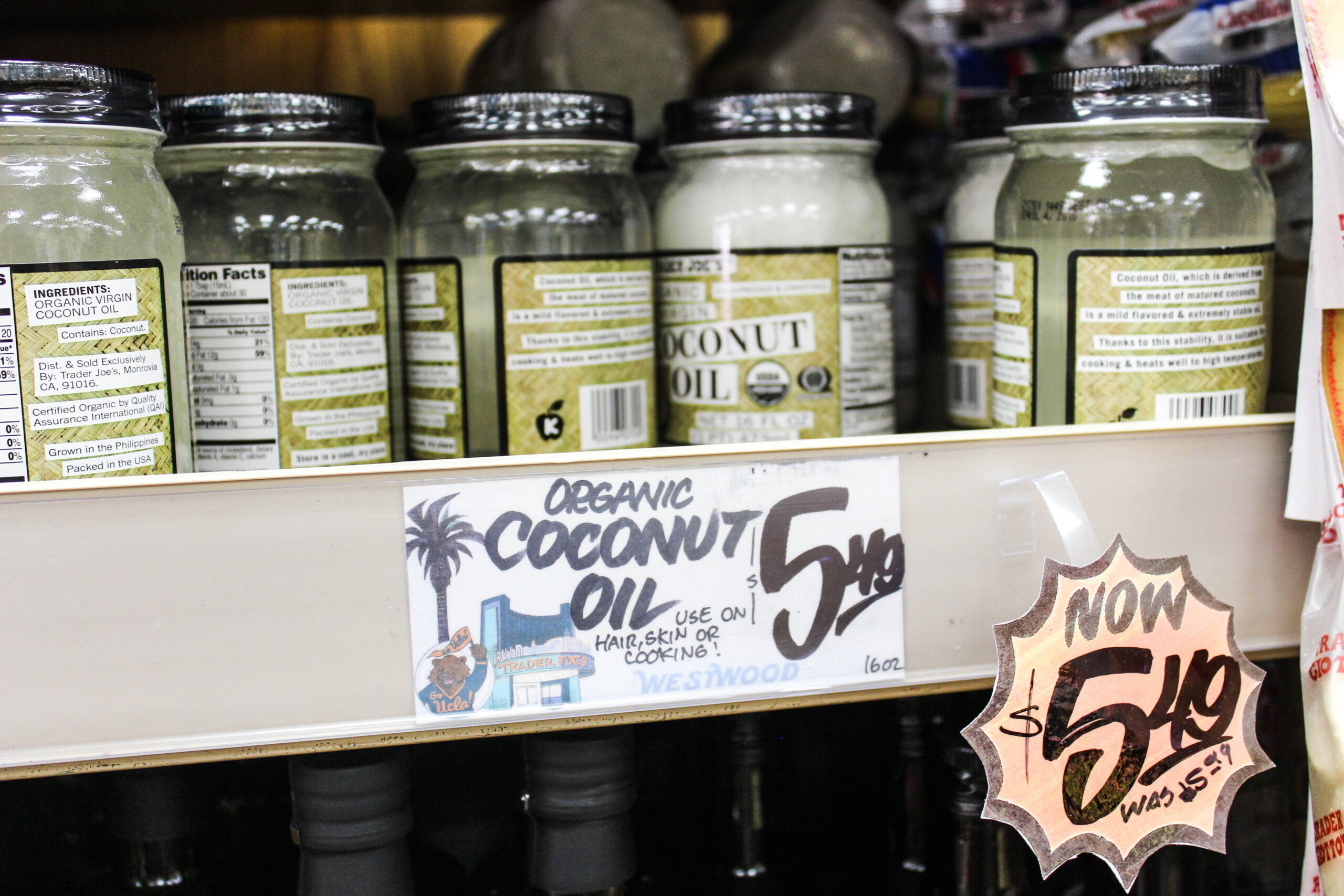
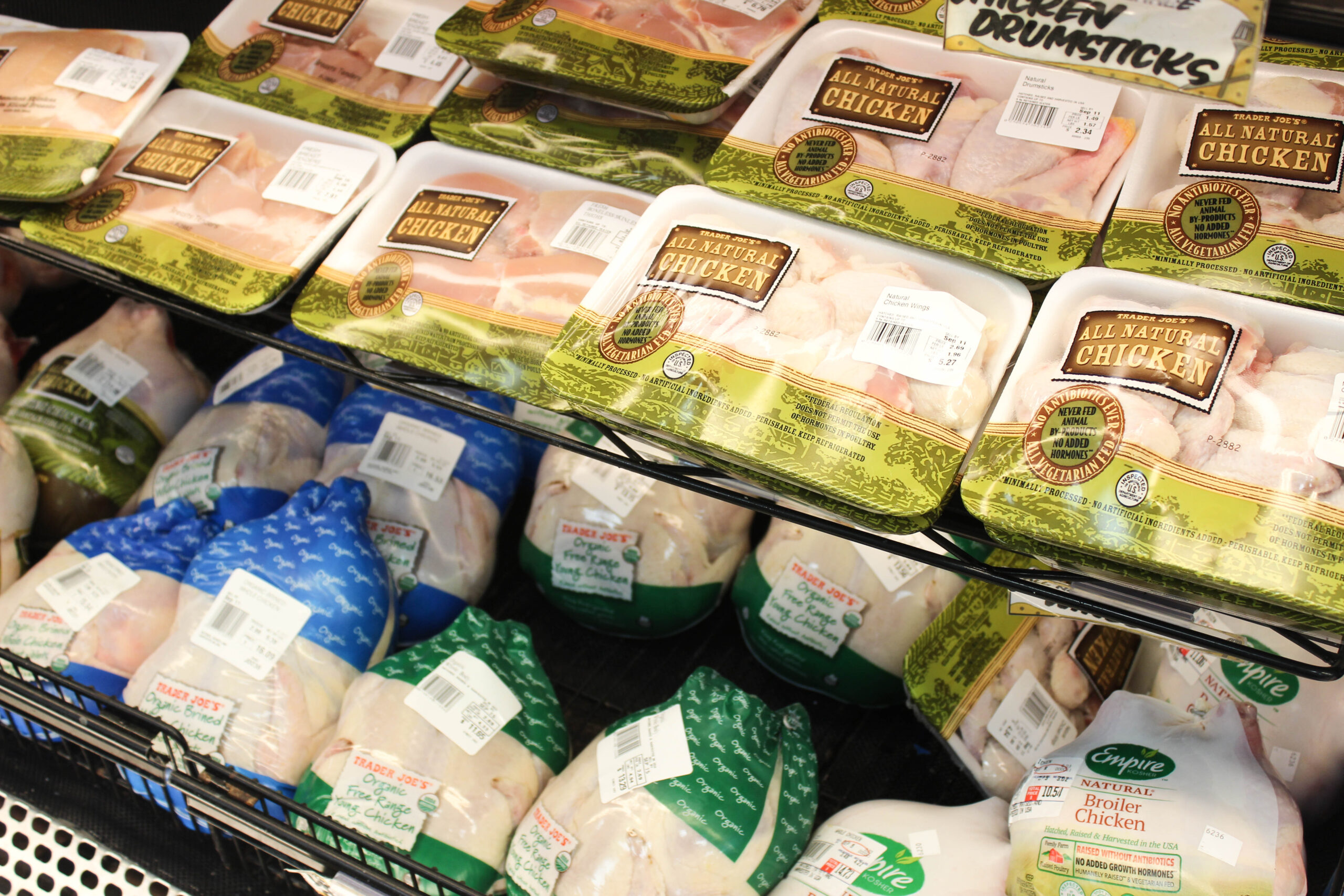
Let’s put things in perspective. I eat a lot more food than most people do (like two or three times as much…just ask my roommates) on a daily basis. On a week when I’m grocery shopping at Trader Joe’s, I’ll spend about $80-90 to get enough food for a week. Let’s just round that up to $100 for convenience. Let’s say I eat about four main meals a day (which is less than what I normally eat), 7 days a week – that’s about $3.50 a meal. That’s not very expensive. And by rounding my numbers, that’s a higher price per meal than what my meals actually are. And that’s on a week when I’m not worrying about a budget – everything is organic, I’m buying things that are out of season, etc. So if I was paying attention to those things, I would be spending even less on groceries. So no, it’s not as cheap as a dollar hamburger from McDonald’s, but $3 isn’t too shabby.
Also, spending a little more on healthy food now is going to save you a lot of money in the long run. A healthy diet now will prevent poor health later. Poor health later might mean thousands of dollars in medical bills. INVEST IN YO’SELF.
My point is, buying healthy foods while on a tight budget can definitely be done! It just takes a little planning and a little thinking. Here are some tips for saving money while eating healthy on a college budget:
- As previously mentioned, eat out less often. There are so many people who complain about not having enough money for food (and other things), but they eat out for the majority of their meals. Cooking for yourself is much cheaper, and it’s healthier. Win win. When you’re cooking for yourself, you’re probably (hopefully) not throwing in unnecessary sugar and highly processed oils. Be honest with yourself here. If you’re that person who is on a tight budget but you’re not willing to give up daily restaurant excursions with your friends, then that’s your own fault!
- Budget and plan ahead. Figure out your budget before you go shopping, and make a grocery list ahead of time. What foods do you need this week? What sources of protein do you want to eat? Fats? Carbs? Veggies? Fruit? Make a list and stick to it. If you go into the store with a specific list, you’re less likely to grab unnecessary things while perusing. We’ve all been sucked into that trap before. I mean, those chocolate chip cookies always look so tempting…Plus, right now everything pumpkin-flavored is being released. CONTROL YOURSELF.
- Go grocery shopping after you eat a meal. If you go grocery shopping when you’re hungry, the hunger monster will make you want to buy everything, and you’ll buy things you don’t need.
- Choose wisely when it comes to grocery stores. In my neighborhood, there’s a Whole Foods, Ralph’s, and Trader Joe’s. If you’re on a tight budget around here, then Ralph’s and Trader Joe’s are your best options. There’s also a 365 somewhat nearby, which is a discounted Whole Foods, and that’s another great option for people in my area. Look up which grocery stores are closest to you and choose the stores that have cheaper prices overall. Even Target can be a great place to get groceries (as long as you choose the right foods).
- Sign up for rewards programs and grab coupon books. A lot of grocery stores have rewards programs that give you cash back or discounted prices if you sign up for their card / a membership — DO IT. (I don’t mean a credit card, I mean a membership card.) Some stores also have little coupon books, so grab those. Go through the coupon books, take out any coupons you might use, and stick them in your wallet so they’re already there the next time you go grocery shopping.
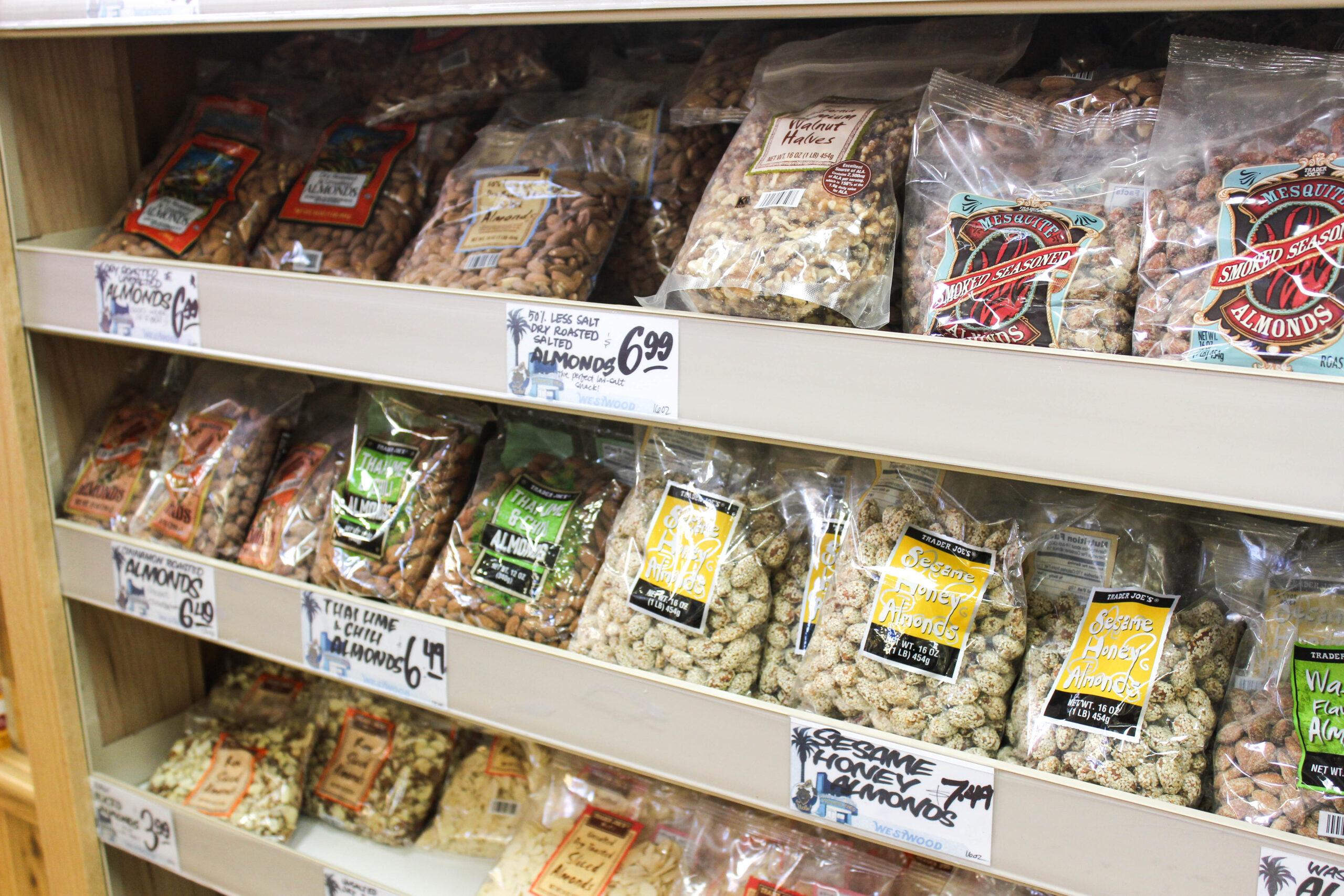
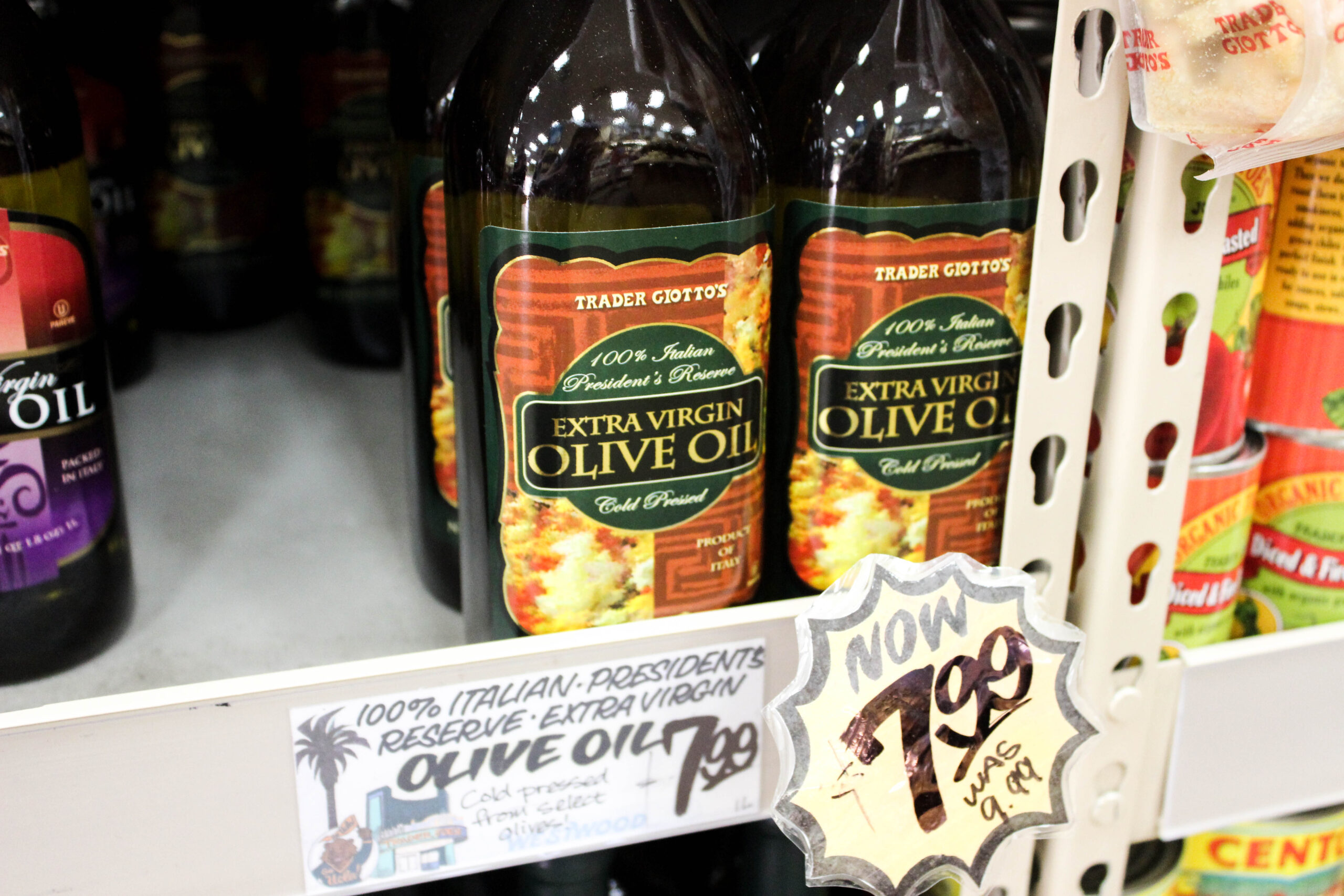
- Look for sales. I feel like this is pretty obvious, but it still needs to be said. It also makes your decision process easier when choosing what to buy. If something is on sale that’s non-perishable, stock up on it while you can get a good deal. For example, I always stock up on nut butters, nuts, coconut oil, canned coconut milk, olive oil, vinegars, and spices when they’re on sale because I know I’ll need them eventually and they won’t go bad.
- Check to see if there’s a clearance section in your grocery store. The Ralph’s near my apartment has a clearance produce section where they put the “ugly looking” produce, and they sell it for a reduced price. For example, they put the ripe bananas over there. If your grocery store has a reduced price area, make sure you check there first when buying produce – you might luck out!
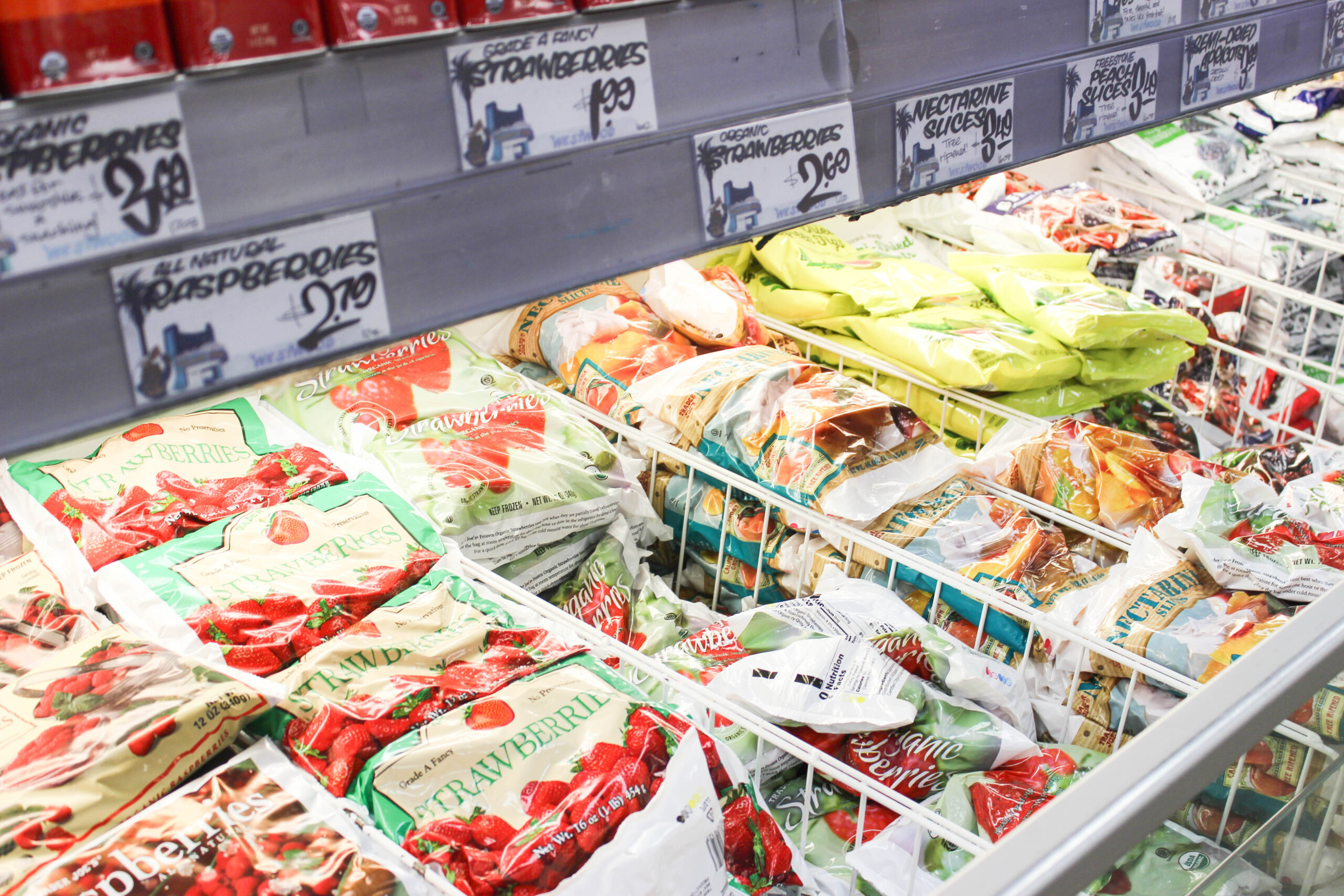
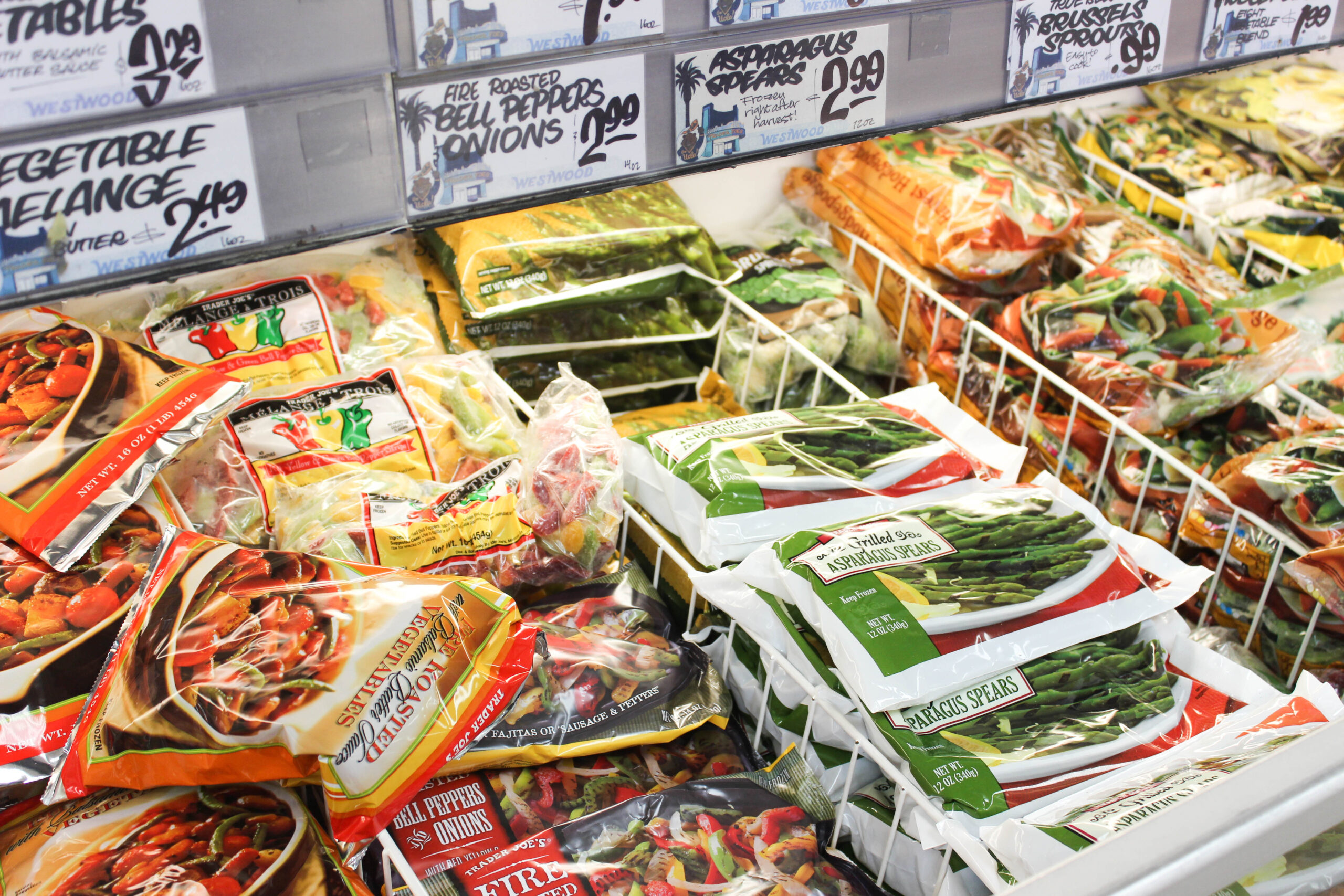
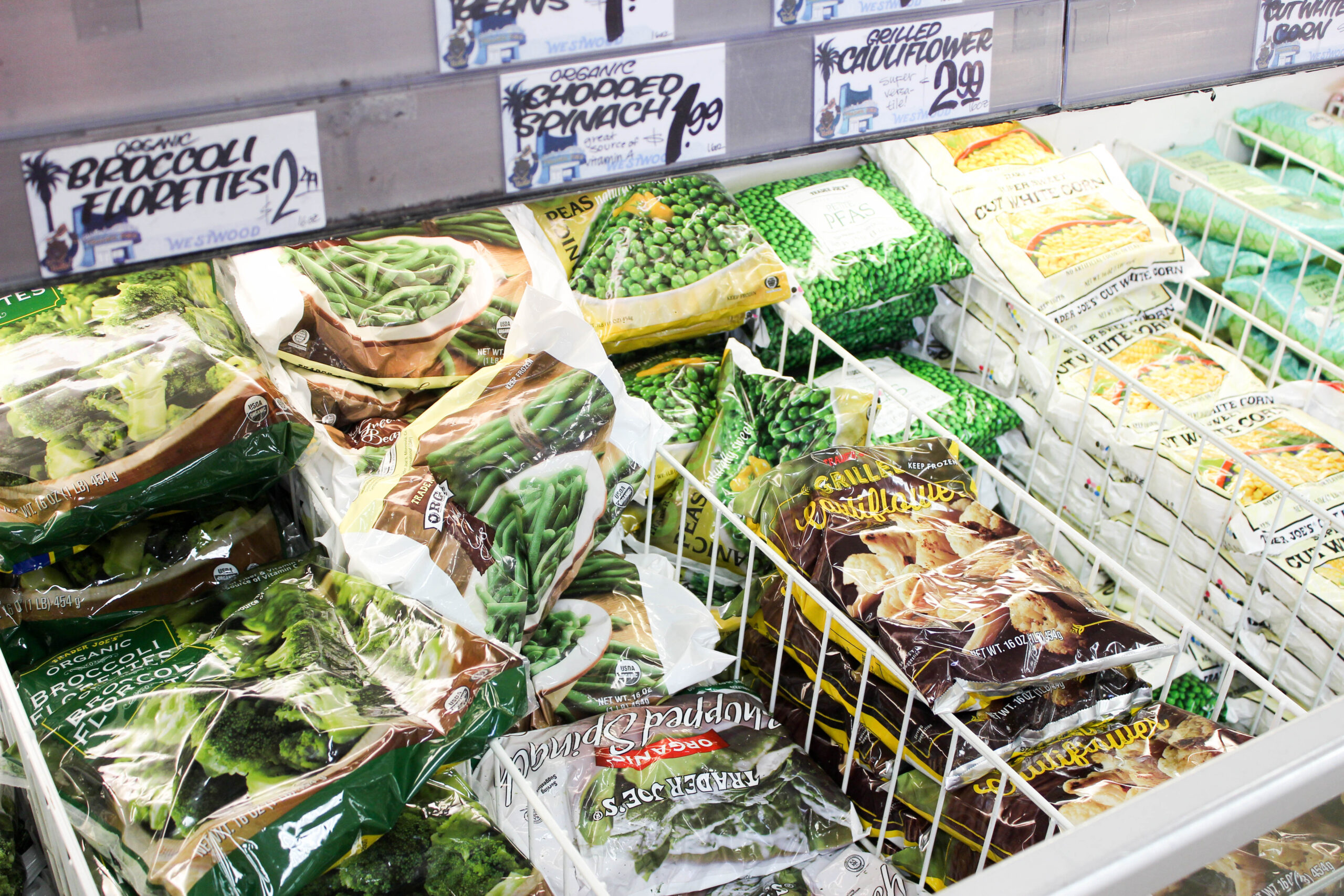
- Utilize the frozen section. The frozen section is a gift from heaven. Frozen food is much cheaper than fresh food, and it’s also on sale pretty often. Frozen meats and veggies are lifesavers. First of all, dealing with frozen food is easier because you don’t have to worry about it going bad. Frozen fruits and veggies are also oftentimes even better for you than fresh produce because those fruits and veggies are frozen right when they are at peak ripeness (which is when they have their highest nutritional value), while some of the non-frozen produce might be old. Just make sure you check the ingredients when you pick things out – it should just be whatever fruit, vegetable, or meat is inside, with no added sugars or flavoring. You can cook frozen veggies just like normal ones – I like to steam or roast them. Thaw your chicken/fish/etc. and then roast it, cook it on the stove, throw it in the Crock-Pot, etc. Frozen fruit and frozen greens are also great in smoothies – thickens them up verrrrry nicely!
- Buy cheaper cuts of meat. Fattier cuts of meat are usually cheaper, and IN MY OPINION, (I’m about to rock your world) they’re healthier. Don’t be afraid of fatty cuts of meat. They will fill you up faster than lean meats, and those animal fats (as long as they’re from healthy animals) are actually good for you. WE NEED HEALTHY FATS IN OUR DIETS. I always choose bone-in, skin-on chicken over boneless and skinless. It tastes better anyways.
- Buy meat and fish when it’s on sale and freeze it. I depend on this, especially because I’m very high maintenance when it comes to my proteins. When wild-caught salmon is on sale, you KNOW I’m stocking up. I buy way more than I need, put it in a plastic bag and suck the air out of it, and freeze it until I’m ready to cook it. I do this with all kinds of fish, turkey, chicken, grass-fed beef, bison, buffalo, and so on. LOOK FOR THE SALES.
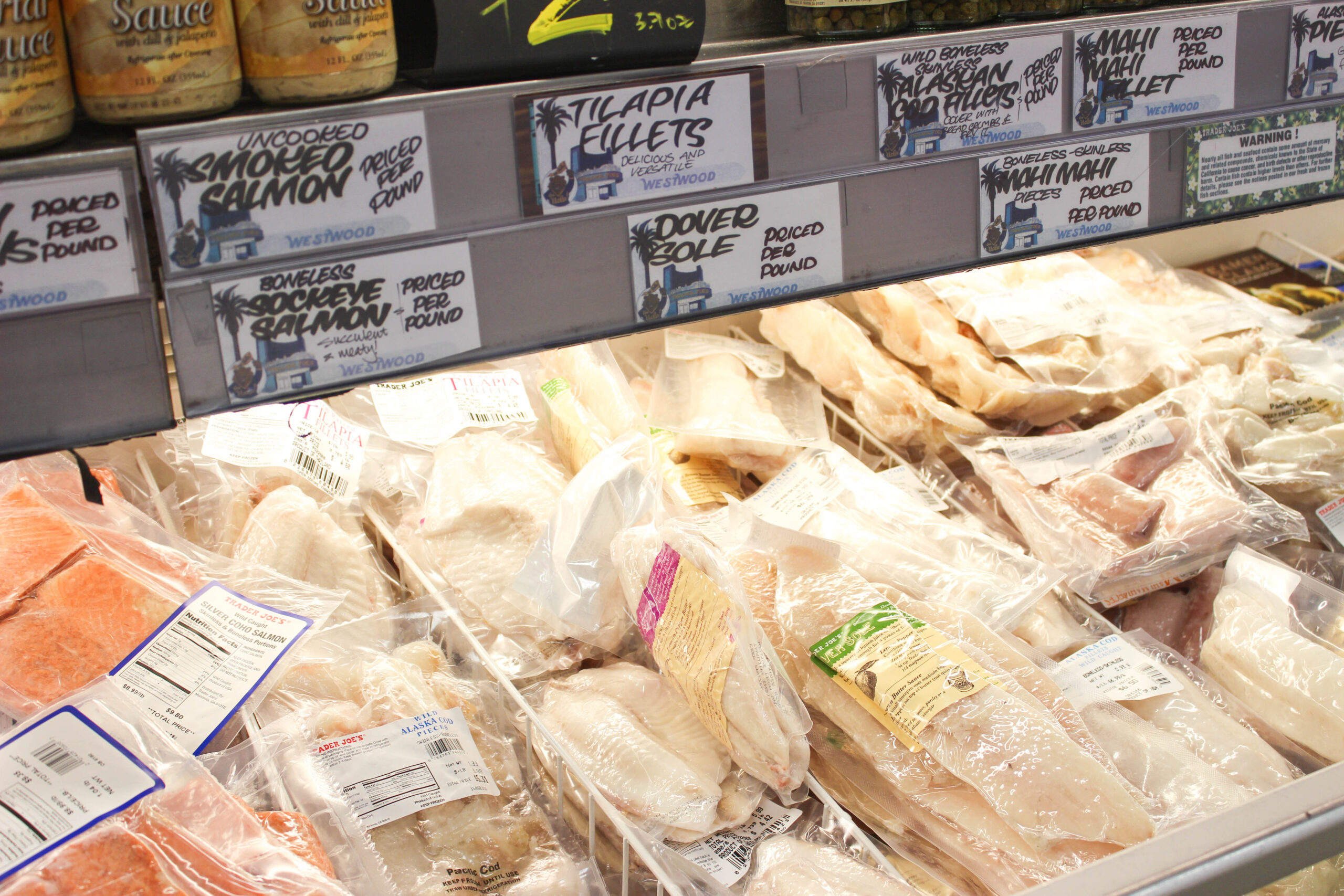
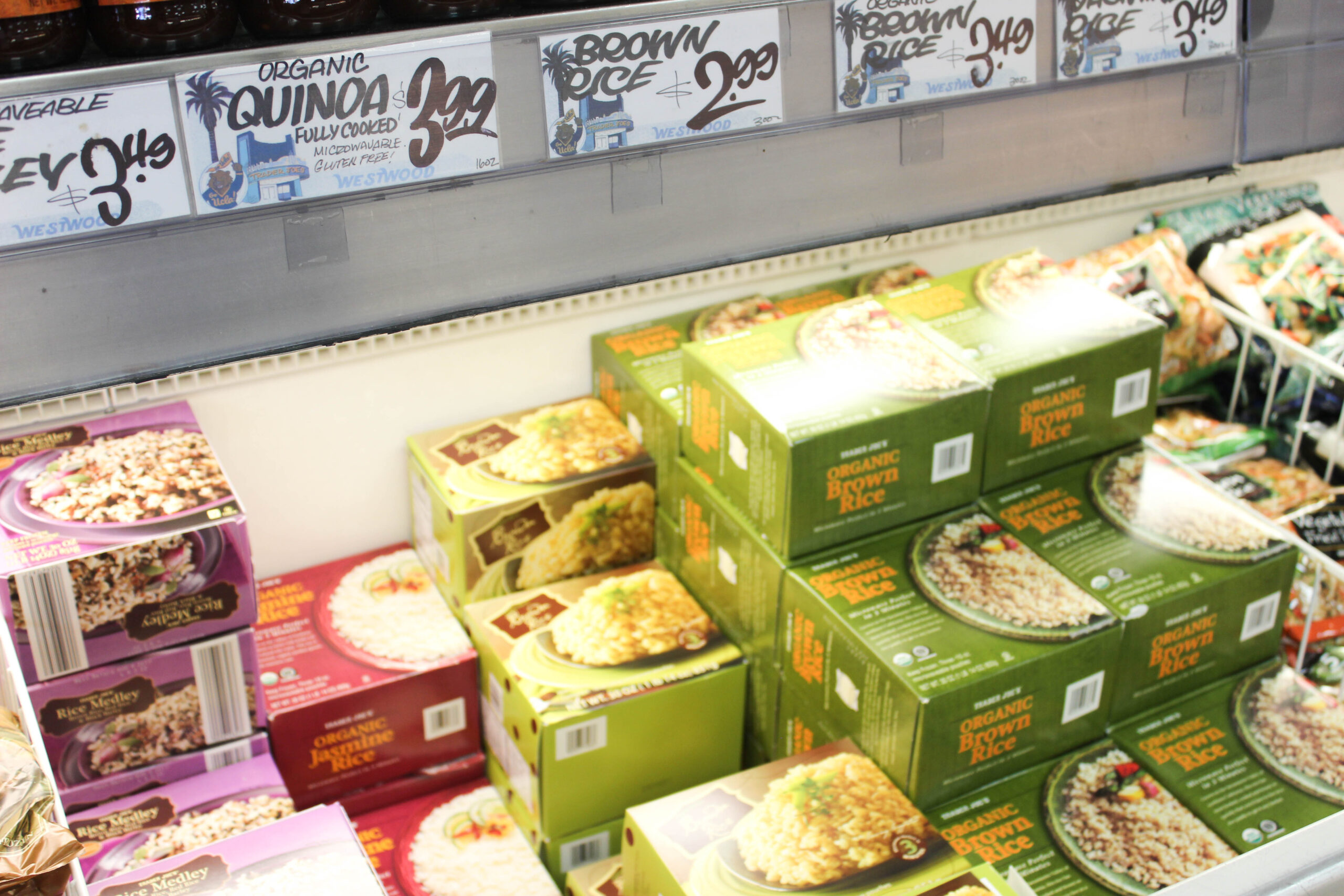
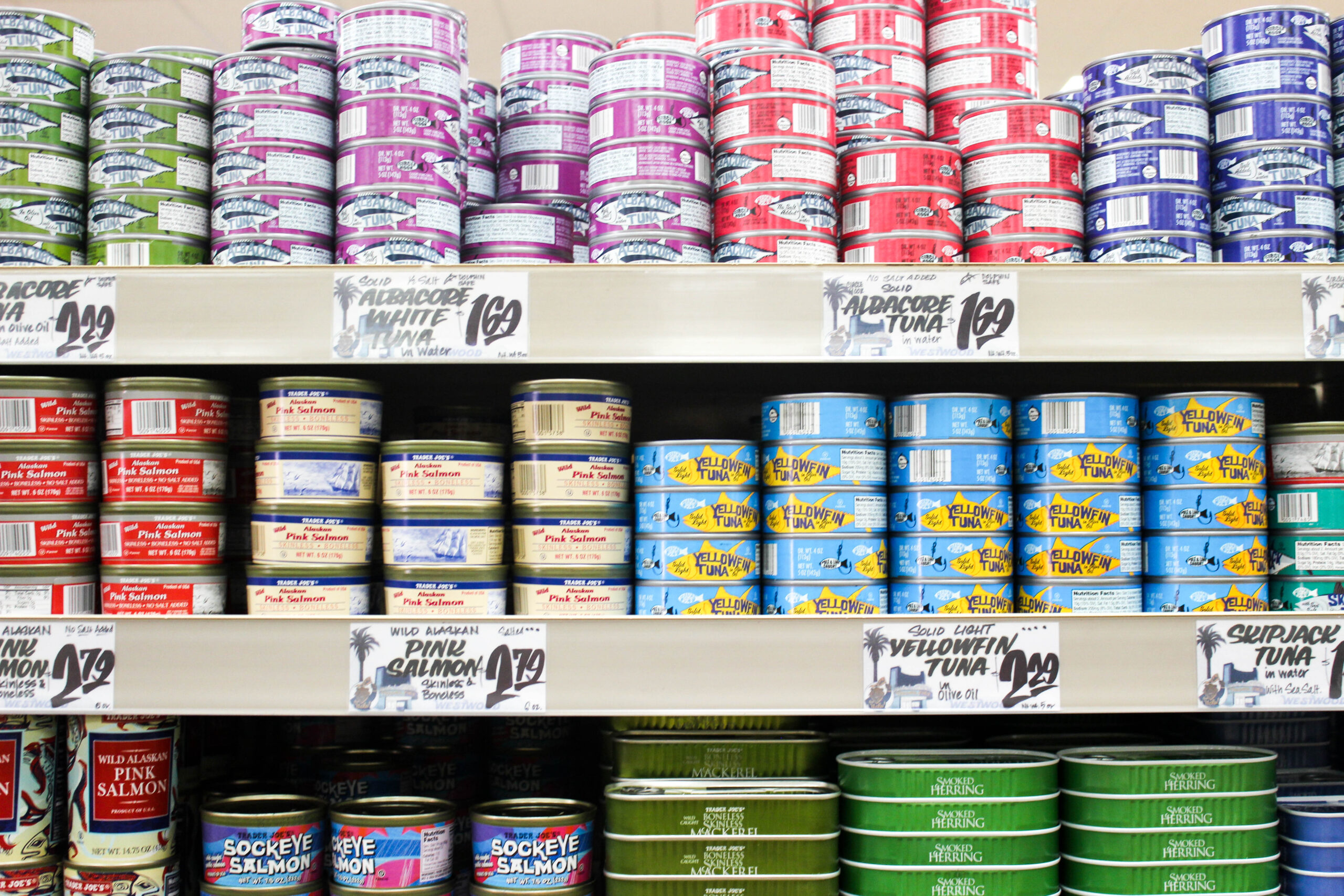
- Go for the healthy foods that are cheap in general. For example, eggs, nuts (raw, unsalted), chicken, lentils, quinoa, rice, canned fish, and oats are staple foods that are relatively inexpensive but pack a big punch in the health department. Besides eggs, those are also things that you can buy in bulk when they’re on sale, and you’ll save a ton of money.
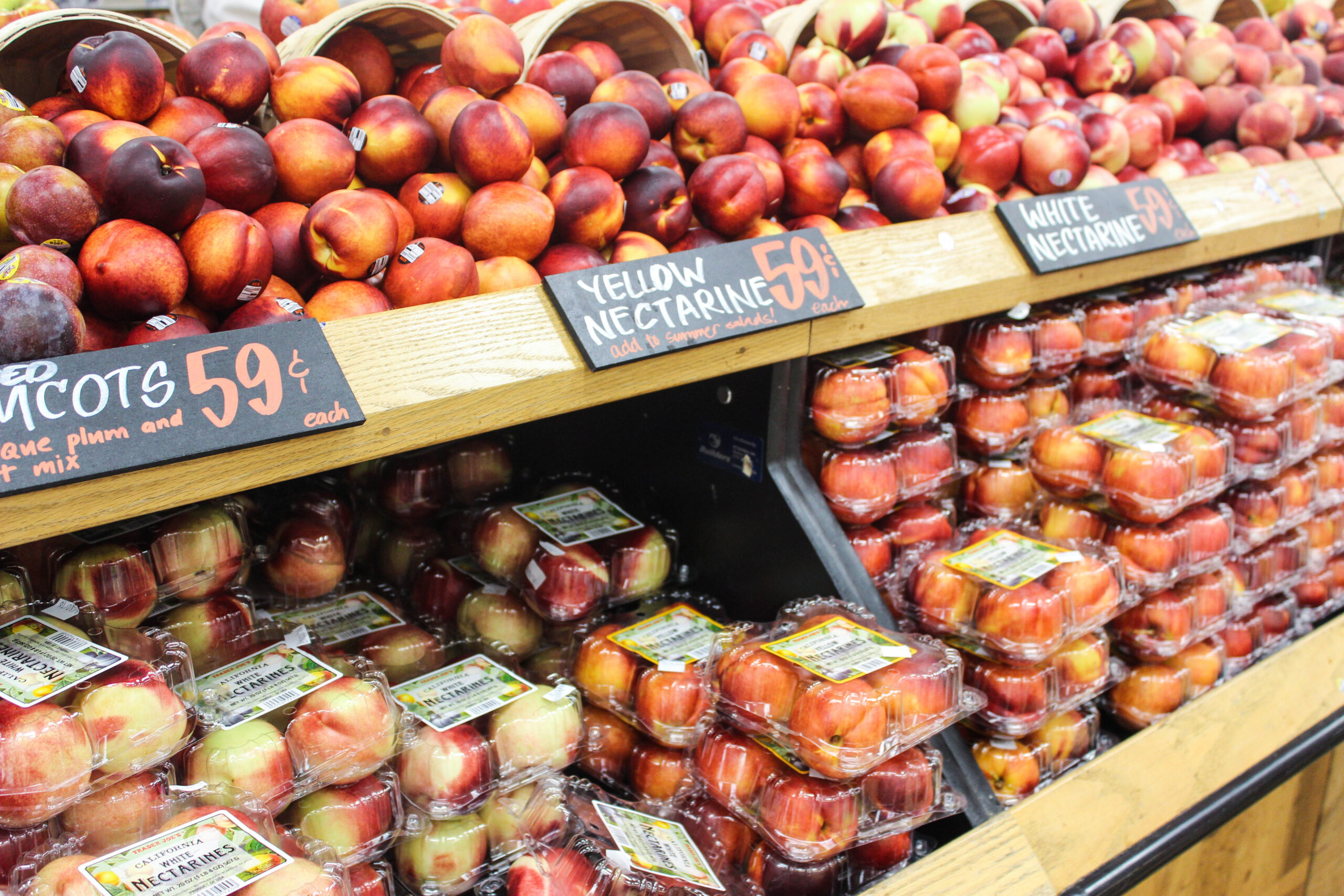
- Buy produce that’s in-season. It’s always cheaper. Sorry if you’re craving something totally out of season, but you’ll get over it if it means successfully staying within your budget.
- Choose cheaper fruits. Berries are always more expensive than other fruits, so avoid those if you’re on a super tight budget. Apples, bananas, and peaches and nectarines during the summer are all great options.
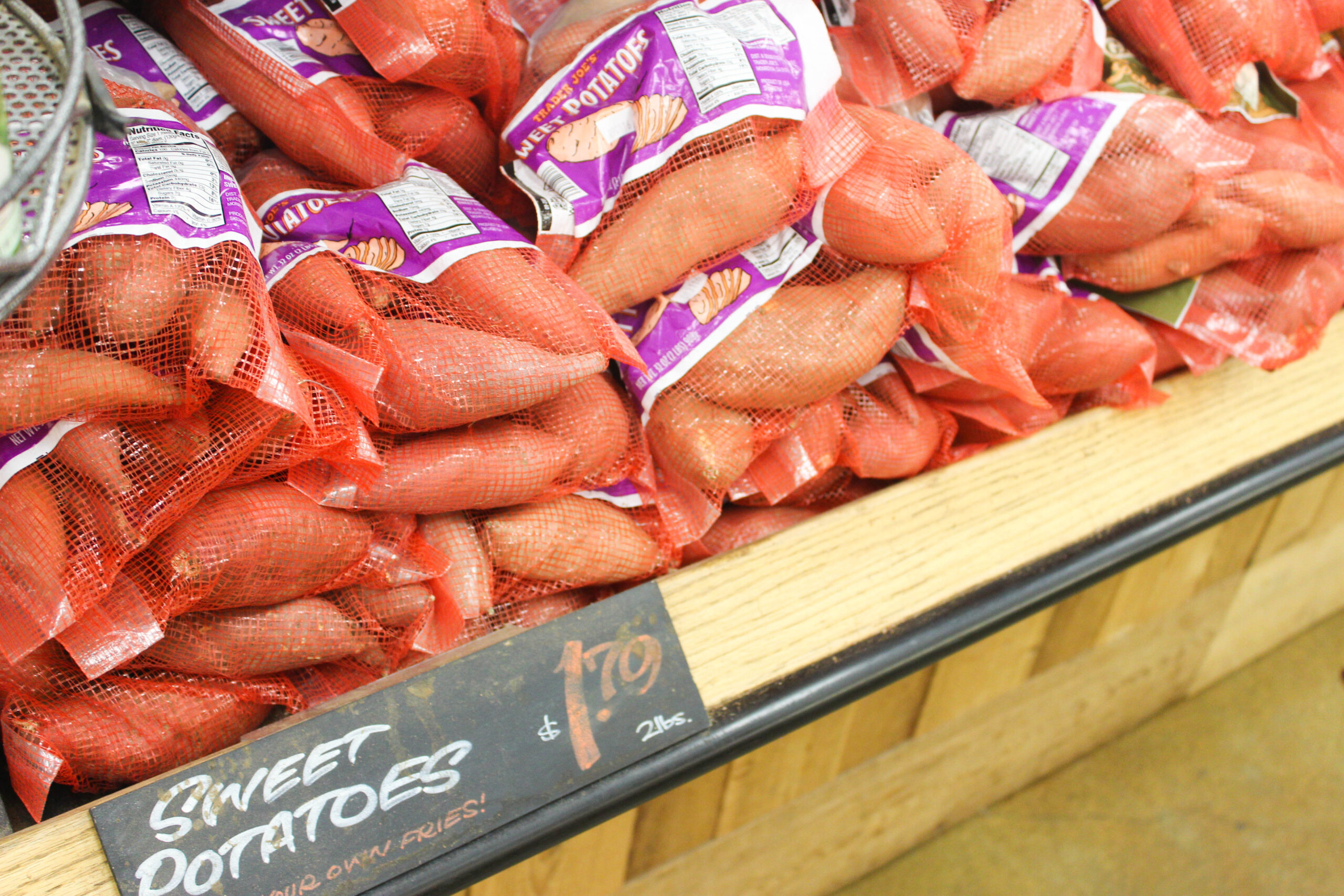
- Know when it’s okay to buy non-organic produce. I’m all about organic produce, but there are certain fruits and veggies that are usually safe to buy non-organic because little to no pesticides are used when they’re grown. These include asparagus, avocados, cabbage, cantaloupe, carrots, cauliflower, eggplant, grapefruits, kiwis, onion, mangos, onions, mushrooms, papayas, pineapples, watermelons, and sweet potatoes. Produce that you should always buy organic includes apples, peaches, nectarines, strawberries, grapes, celery, spinach, peppers, cucumbers, cherry tomatoes, potatoes, kale, regular potatoes, zucchini, blueberries, and collard greens. (Screenshot that for reference at the store!)
- Stock up on things that you’ll rarely have to buy but will hold you over in a pinch. A good protein powder (check the ingredients – make sure it’s not a sugar bomb) and nuts are things I always have in my pantry. Those are things that I don’t buy very often but will fill me up if I do run out of food.
- Give up your unnecessary indulgences. This is probably the hardest thing for most people, but it’s the most important if you really want to save money. Doing this will also probably make you eat a lot healthier than you were before. You only need to buy what you need to survive. (That sounds dramatic, but I’m serious.) Sorry, but you don’t need that bottle of wine or pack of beer. You don’t need that carton of ice cream or box of cookies. And, dare I say it… you don’t need coffee. If you do, that’s a problem. Coffee is a money-sucker. If you don’t buy those treats, you won’t eat them (so you’ll be eating healthier automatically), and you’ll be saving money. If you have extra money in your budget and want to get some extras, then go for it. But if you’re struggling in the money department and wasting your precious funds on things you don’t absolutely NEED, then that’s your own fault. Sorry ’bout it.
- Go to the farmer’s market! Produce is usually cheaper there, and you’ll also be supporting local farmers. That’s the best. Another trick is to visit the farmer’s market close to closing time. The sellers usually want to get rid of whatever’s left over, so a lot of times they will give you a discounted price at the end of the day just to get rid of their food. Also, if you buy a lot, sometimes they’ll give you freebies!
- Buy a Brita. Bottled water is expensive and a waste of money. Invest in a Brita and a water bottle, and you’ll end up saving a bunch of money in the long run.
- Utilize your leftovers. When you’re on a tight budget, every bit counts. Don’t ever throw food away. I will never understand why people do that. If you don’t finish a meal, save it (no matter how little is left) and eat it the next day.
I wish there was a magic wand I could wave to make all food ridiculously cheap, but sadly I can’t. Everything in this world costs something. Hopefully you picked up at least one trick for saving some money at the grocery store! Do you have any tips for eating healthy on a college budget? Do tell! XO

by Christina | Sep 7, 2016 | Wellness
Today I’m talking about something I am very very VERY obsessed with. SQUATTY POTTIES. Everyone makes fun of me for this, but I couldn’t give a shit.
See what I did there? So punny.
Before I start, I need to warn you — if you’re uncomfortable with poop talk, then this is not the place for you. I am overly comfortable discussing pooping, so I’m going to be straightforward about it.
I have an obsession with digestive health not only because digestive issues have been such a large part of my life, but also because I truly believe that healthy digestion is the foundation for overall health. The majority of your immune system is in your gut, and what happens in your digestive system affects the way your brain functions. Pretty much every disease is somehow related to digestive health, whether you realize it or not.
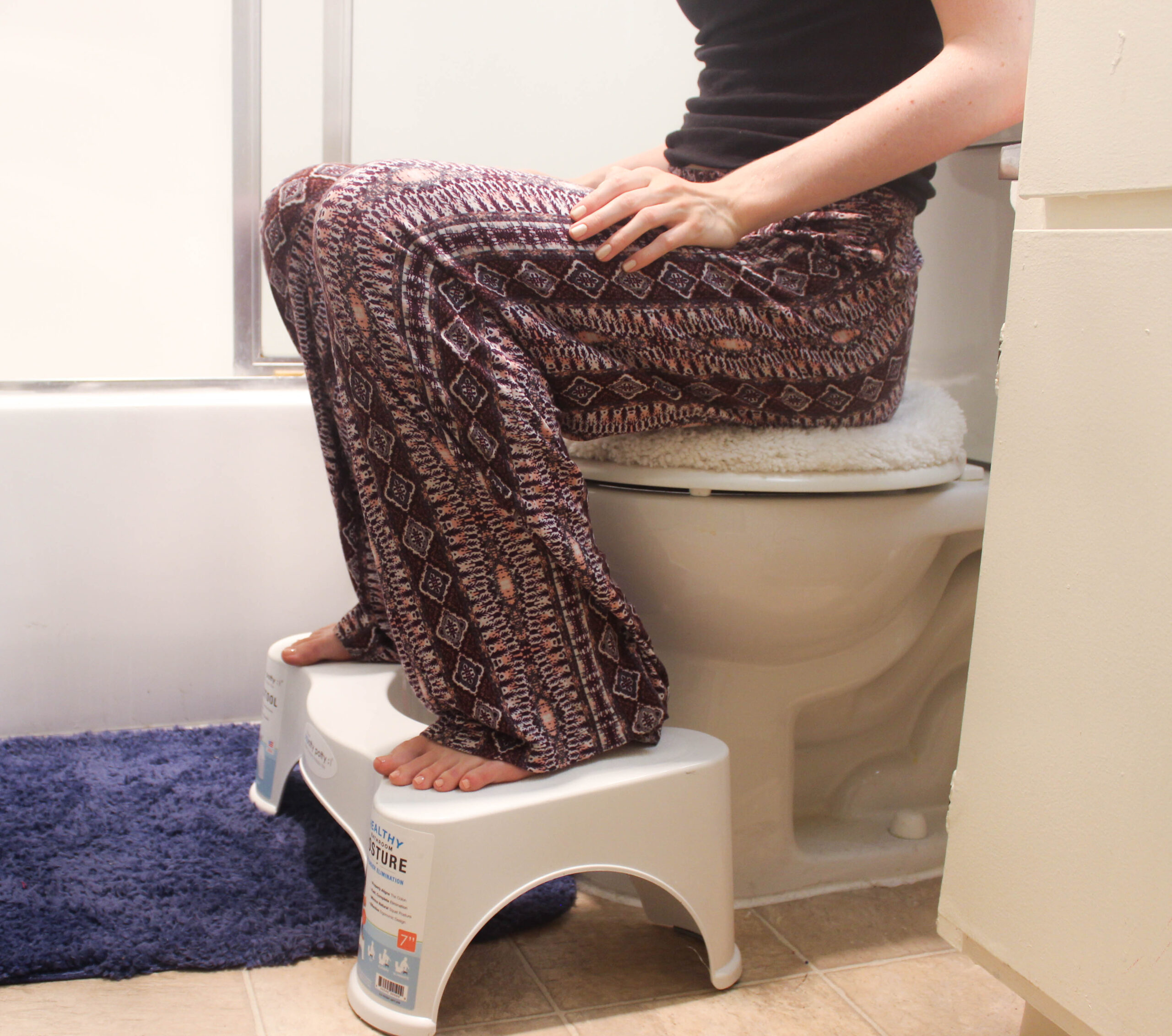
Anyways, besides all the internal microbial digestive lining ish, a very important part of digestive health is proper elimination. Modern toilets are not ideal for pooping because they require us to sit. Our bodies were designed to squat! When you squat, everything is angled properly so that you can poop easily. When you’re sitting on the toilet, the anorectal angle is off, so things aren’t lined up right. This can lead to constipation, straining, hemorrhoids, and bloating.
You’d be surprised how many people are constipated literally just because their bodies aren’t at the correct angle when they’re pooping. If constipation isn’t a good enough reason to start squatting, then let’s talk about some of the more intense negative effects of sitting on the toilet instead of squatting.
First of all, straining when pooping can lead to hemorrhoids. If you don’t know what hemorrhoids are, use google. You don’t want hemorrhoids. Also, if your body isn’t at the right angle when you’re pooping, some poop won’t make its way out of your body. That fecal matter can build up in your colon and eventually cause colon cancer.
Pelvic floor disorders are becoming more and more common in today’s world. Pelvic floor dysfunction occurs when the muscles in that area become weak, which is what happens when you sit on the toilet to poop, and can lead to constipation and/or uncontrollable bowel movements. No one wants that. Even peeing is easier when you squat instead of sit on the toilet because your body is finally in the right position to LET IT ALL OUT. Goodbye, UTIs!
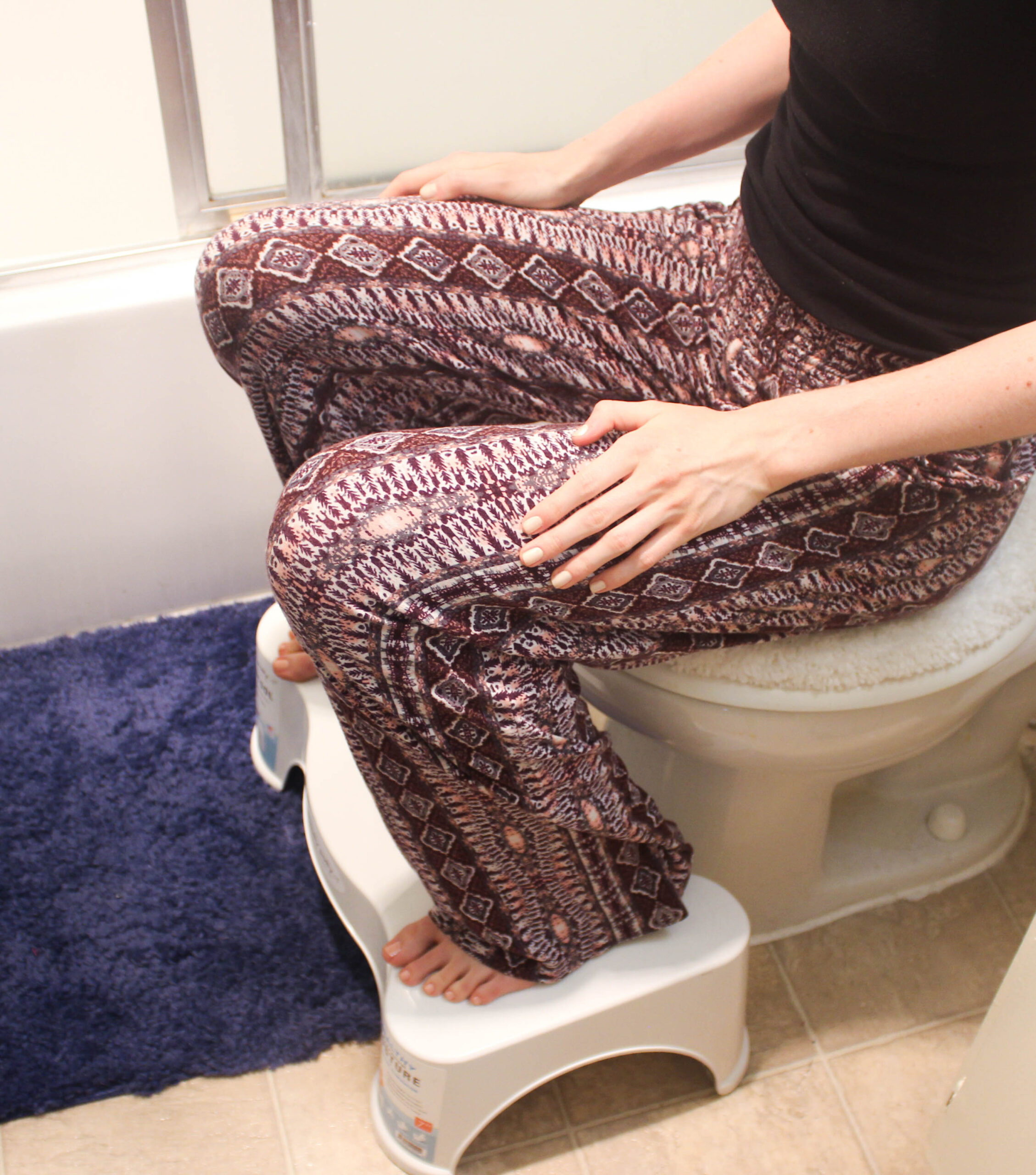
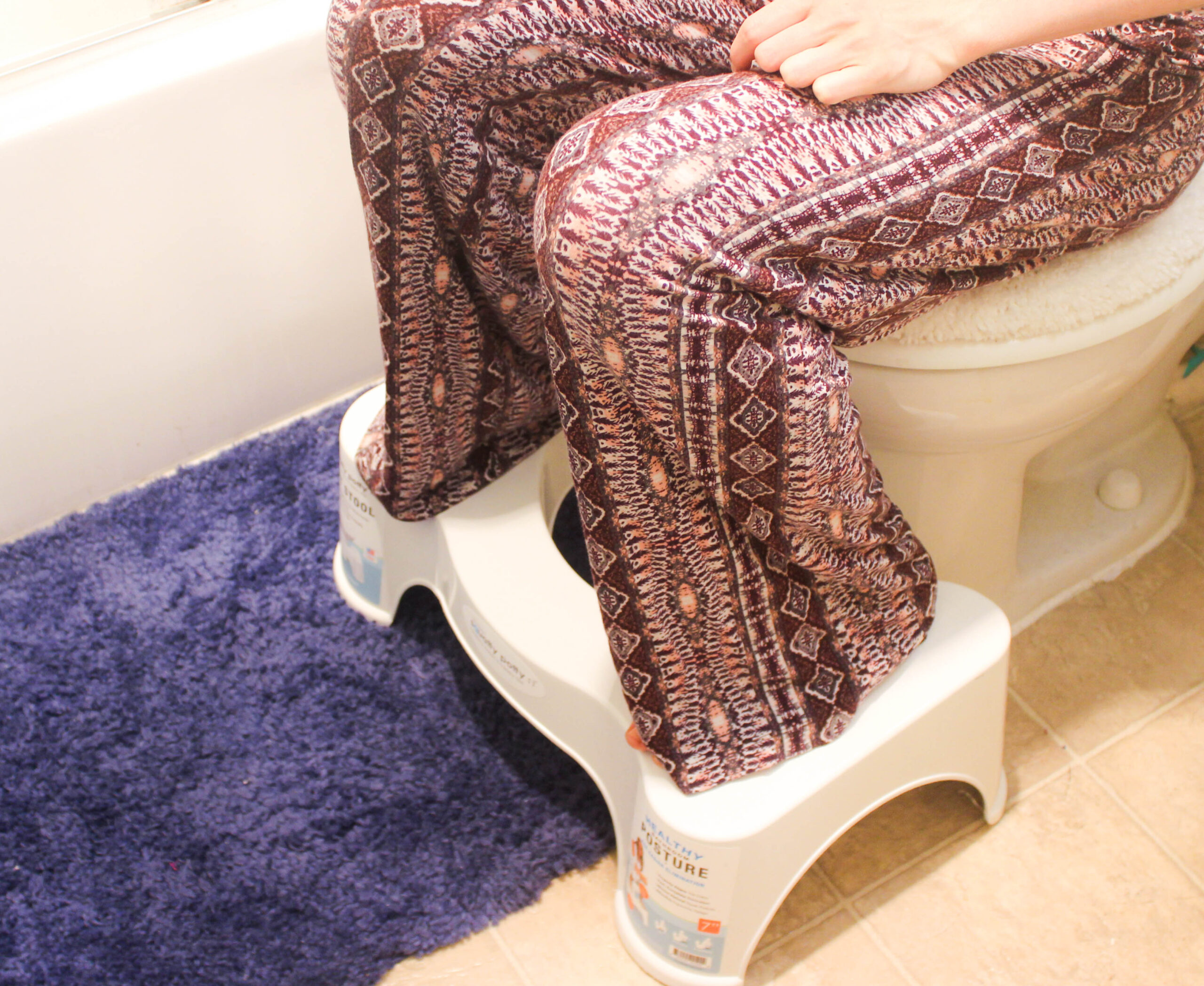
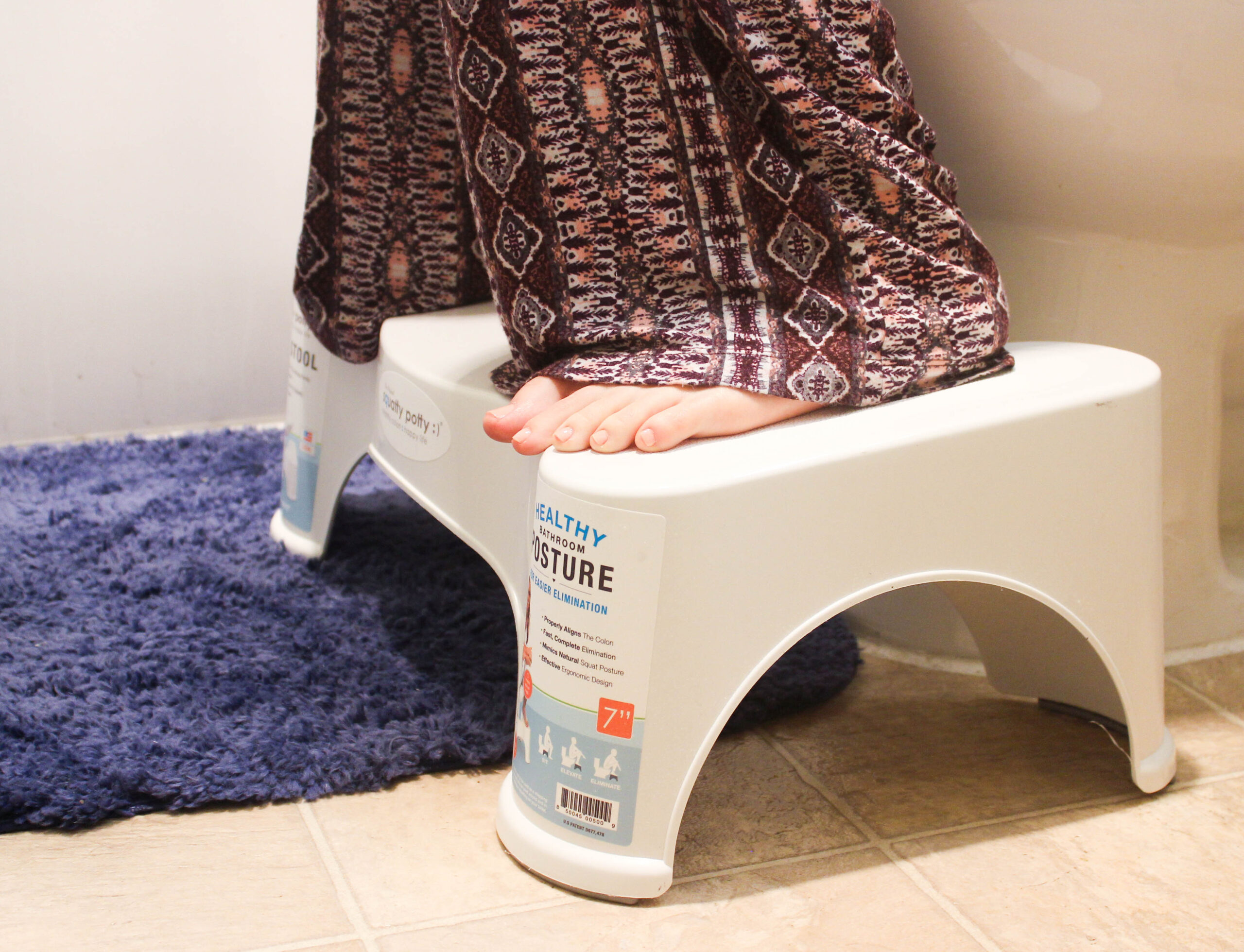
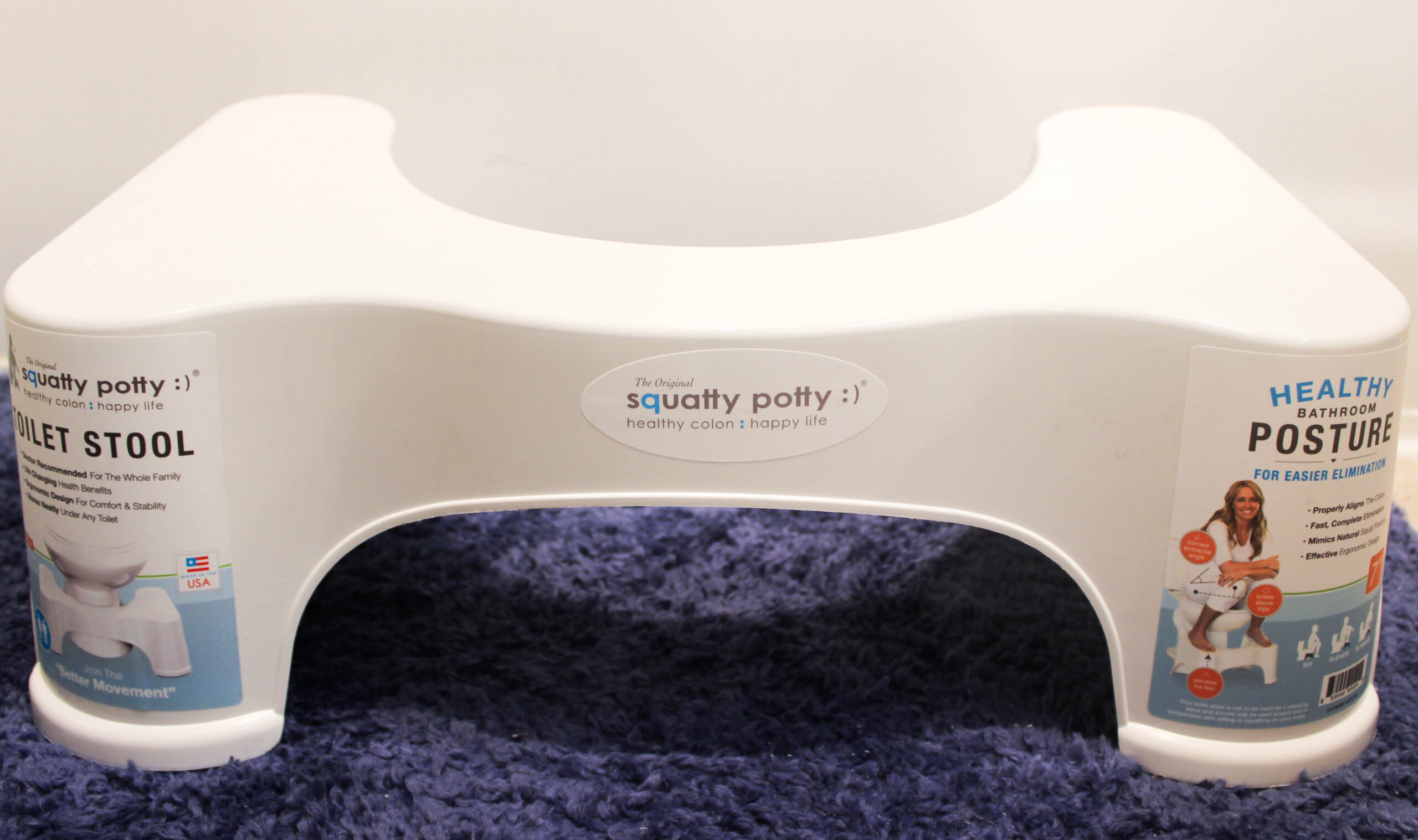
If you’ve never heard of a squatty potty, then I’m very glad you’re reading this. You need to get one. A squatty potty is a little stool you place on the floor around your toilet. You put your feet on top of the squatty potty when you sit on the toilet, and it angles your body so that you’re in a squatting position. You can get a 7 or 9-inch squatty potty. I currently have a 7-inch one because the toilet in my apartment is pretty low to the ground, but I’m going to order the 9-inch soon and see how it goes.
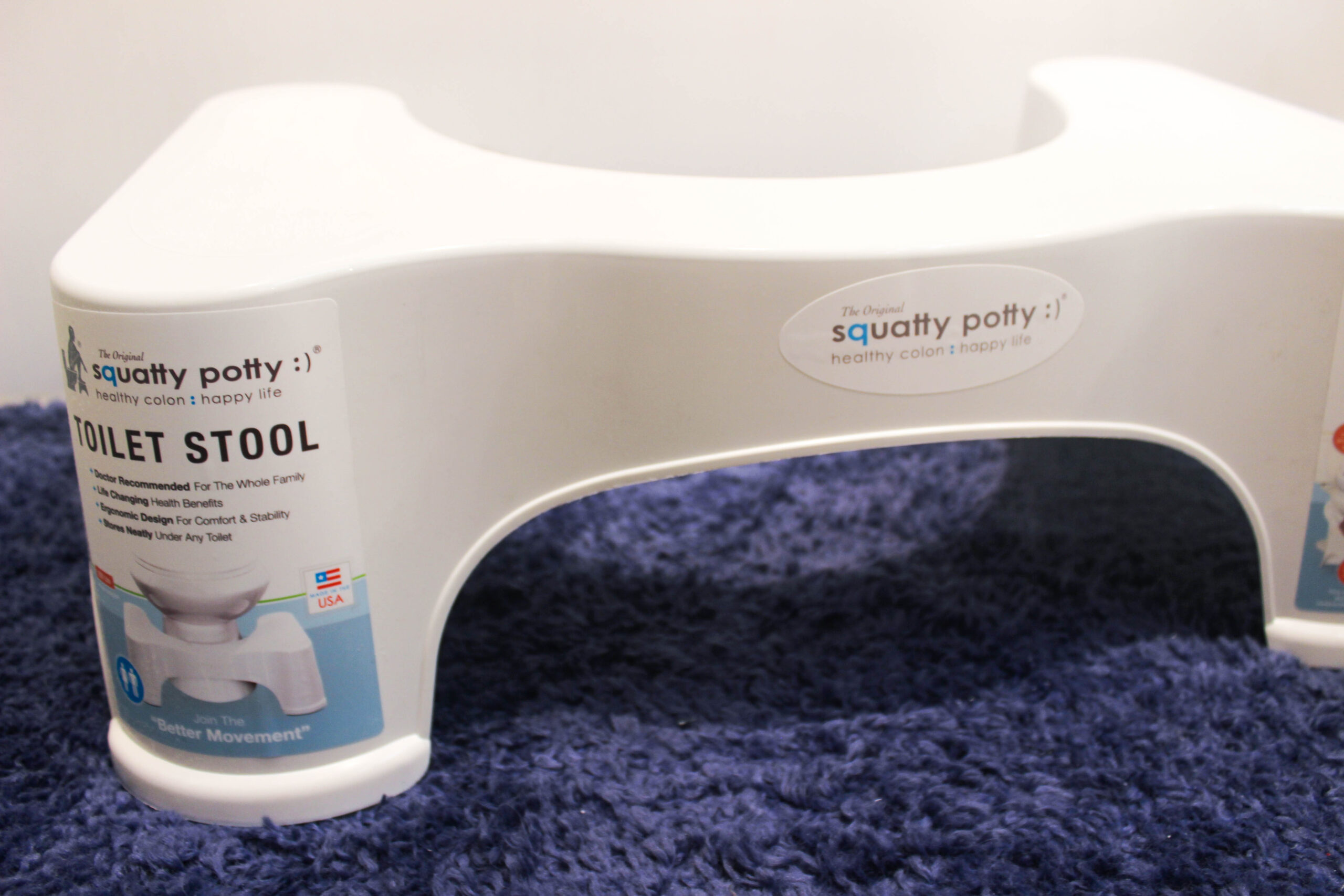
I heard about squatty potties for the first time a long time ago, but I didn’t believe it would make that much of a difference. Then I listened to this episode of The Model Health Show podcast with Shawn Stevenson, and it scared the crap out of me. (I can’t help it with the puns…) After learning about the many dangers of using traditional toilets longterm, I immediately ordered myself a squatty potty. I do not want hemorrhoids, colon cancer, or any other “butt problems.”
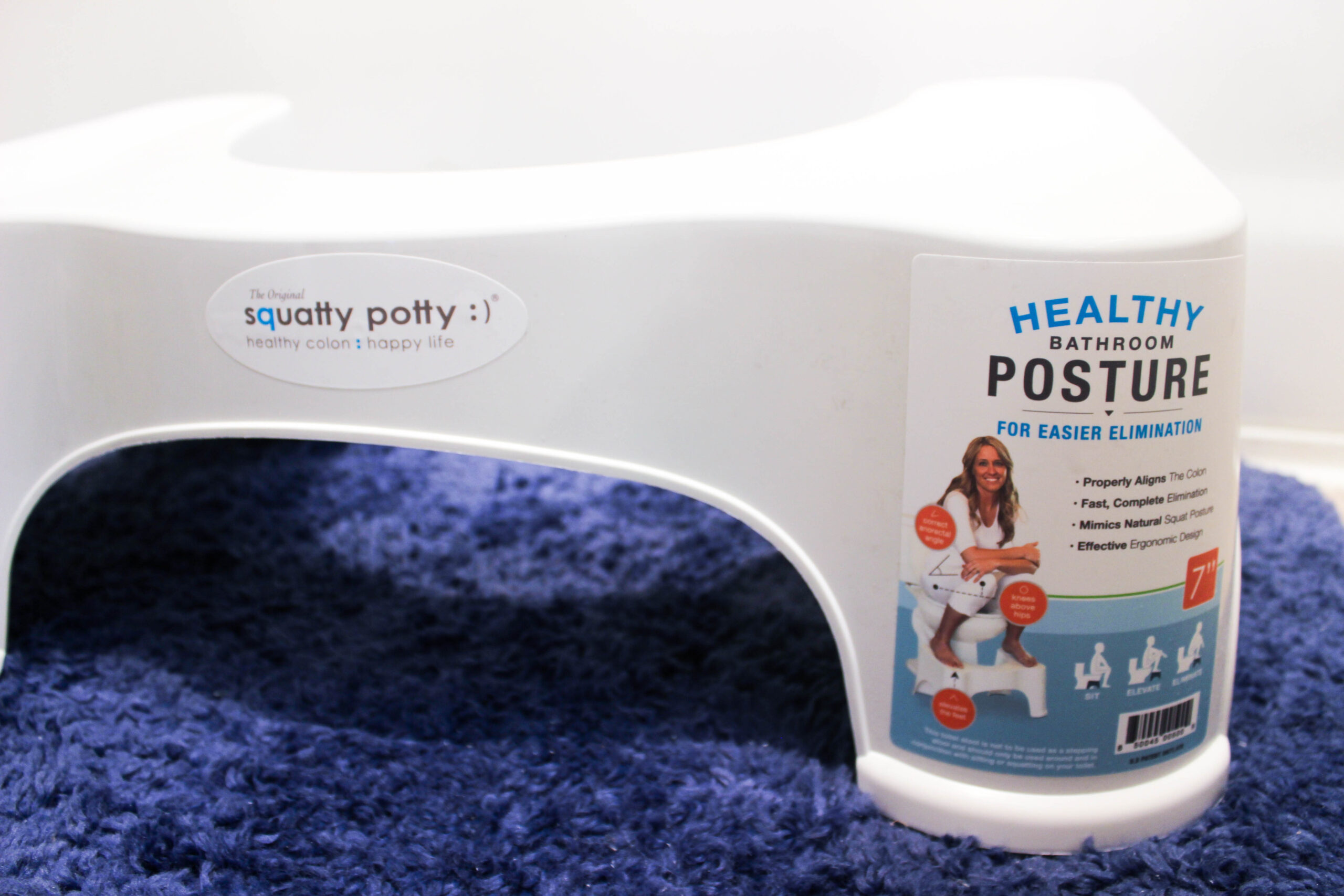
I’ll admit, I was very skeptical about it. But after using the squatty potty for a few months now…I’M OBSESSED. It’s worth the hype. This will seriously change your pooping situation forever. I don’t care who you are, you need this. Whether or not you struggle with constipation, everyone will benefit from investing in a squatty potty.
I tell everyone about how great my squatty potty is, and they laugh at me. Then they try it and shyly ask me where they can buy one. My mom visited me a few weekends ago and made fun of me all weekend long for my squatty potty. I told her, “Just try it, then we’ll see what you think.” I never knew if she tried it or not, but then last week I got a text that said, “Where can I buy a squatty potty?”
HA!
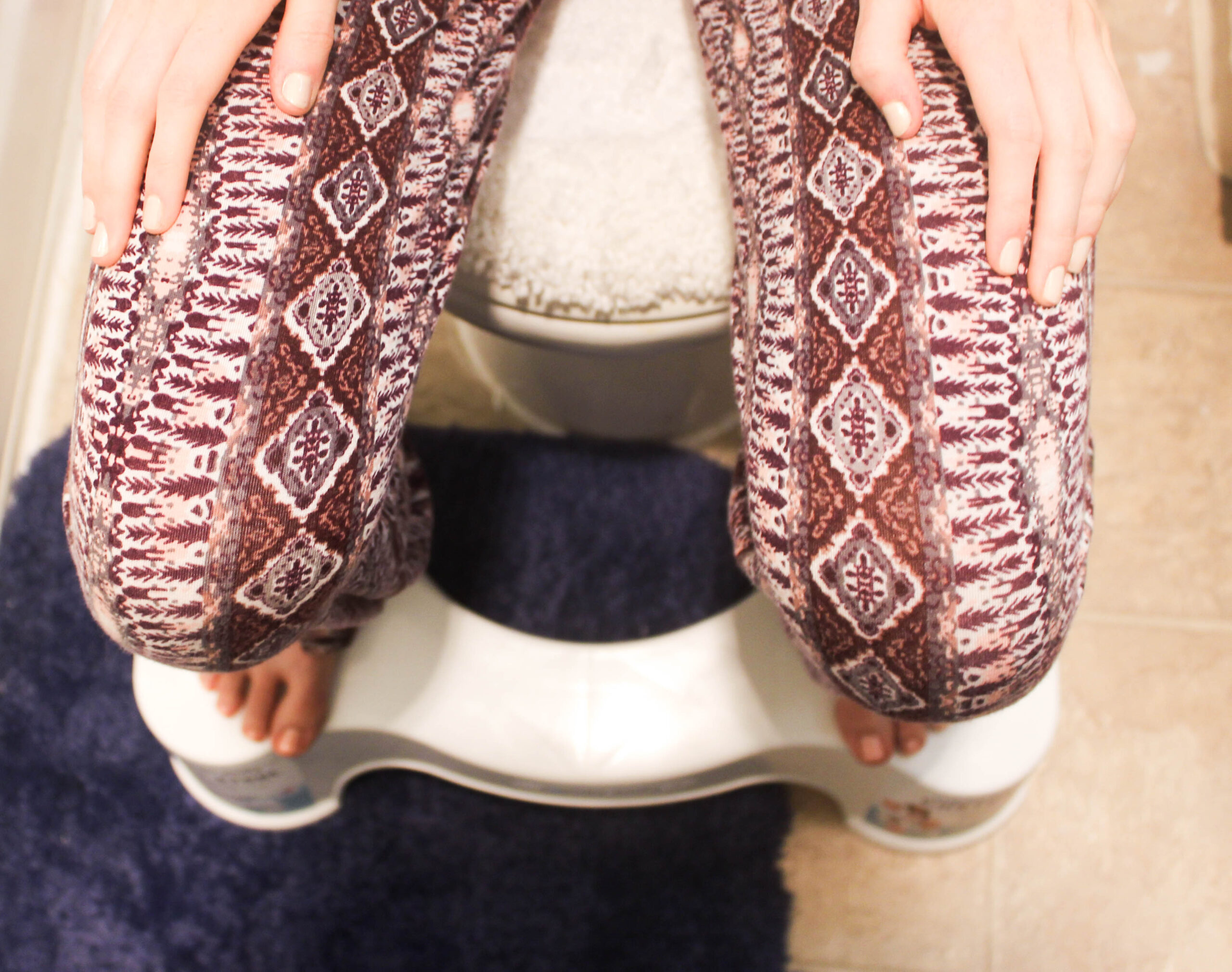
In sum, squatty potties are a great investment for your health. A very important one. Buy one for yourself, your family, your friends…EVERYONE. My roommates are already planning to buy their families squatty potties for Christmas. I’M SO PROUD.
Give it a try, and then let me know what you think. You’re welcome.

by Christina | Sep 2, 2016 | Recipes, Wellness
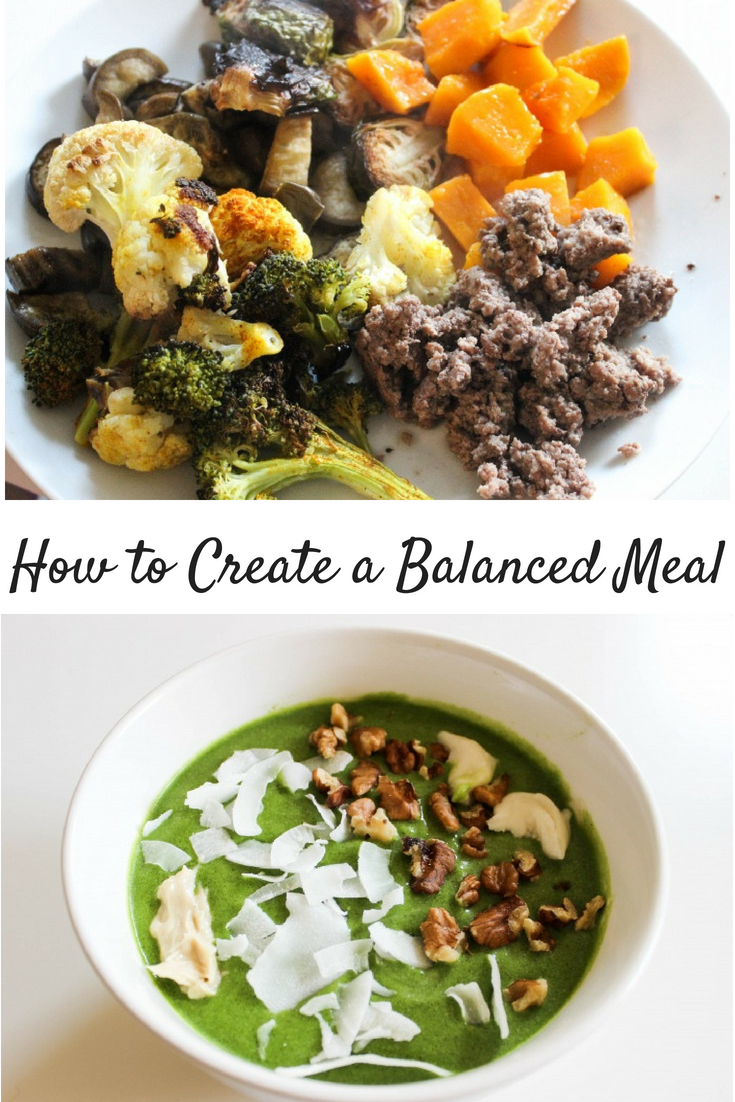
We’ve talked kitchen accessories. We’ve talked cooking routines. Now it’s time to talk about actually BUILDING YO’ PLATE.
It’s great if you can drag your butt to the store, get yourself into a cooking routine, and cook the food, but how do you actually put it all together? I think this is a question a lot of people have when they first start cooking for themselves, but no one really wants to ask it.
I wouldn’t recommend cooking 8 pieces of chicken and then eating all of those for dinner. I also wouldn’t recommend cooking three heads of broccoli and just eating that, either. Obviously, you are welcome to build your plate any way YOU want, but I’ll explain my preferred method for reference.
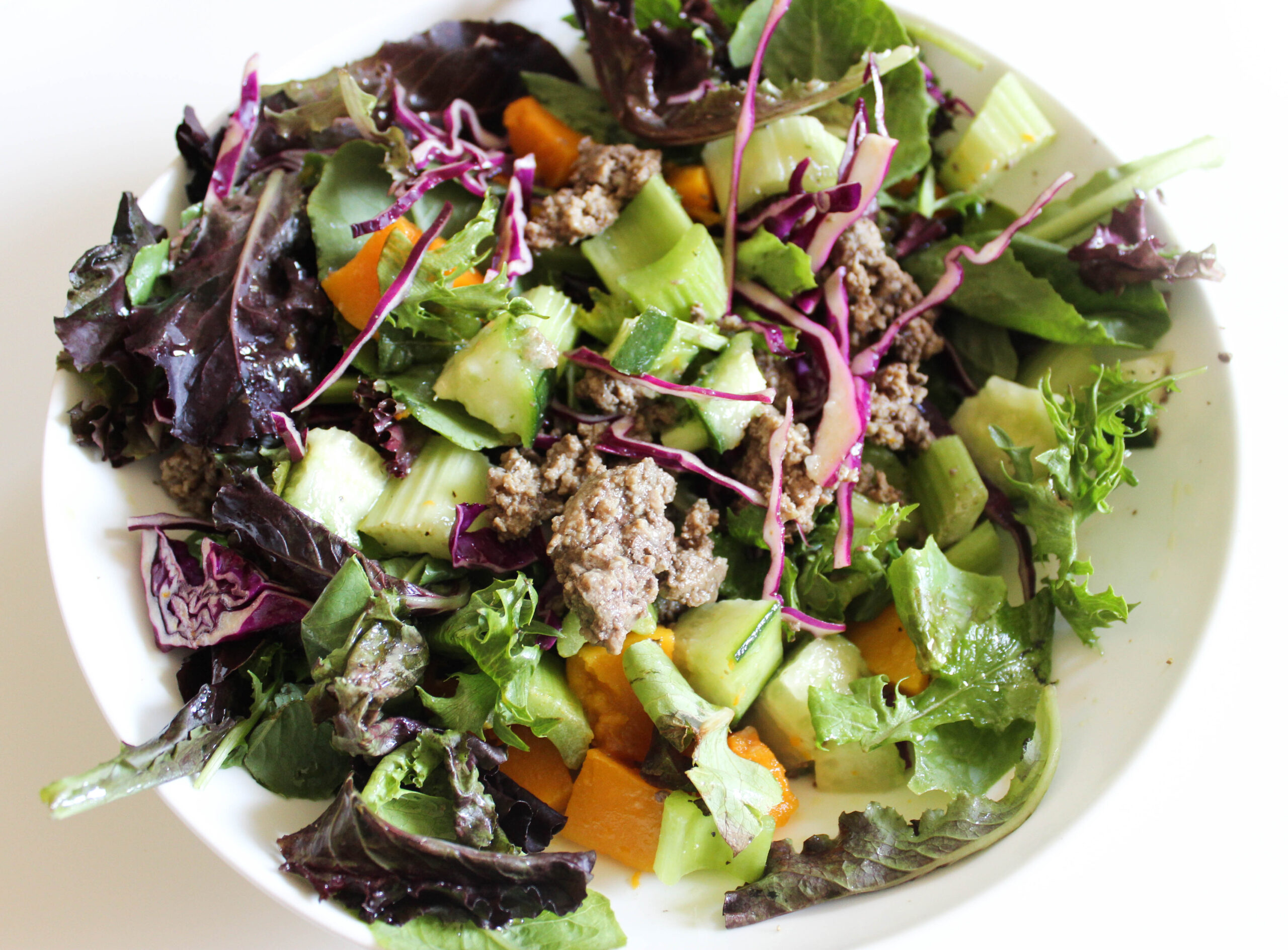
First, let’s talk about macronutrients. Macronutrients are the three main types of nutrients your body needs large amounts of in order to function properly – protein, carbohydrates, and fats.
Both animals and plants offer sources of protein. Animal sources of protein include chicken, turkey, salmon, tuna, any other kind of fish, eggs, beef, bison, buffalo, and so on. Plant-based sources of protein include almonds, walnuts, hemp seeds, sunflower seeds, pumpkin seeds, quinoa, spirulina, chia seeds, lentils – basically legumes, nuts, and seeds. There are also small amounts of protein in vegetables, but when we’re talking about building your plate, you want to focus on something with a larger amount of protein to act as your meal’s protein source. You should also note that there is more protein in animal products than plants, and not all plants act as a complete source of protein.
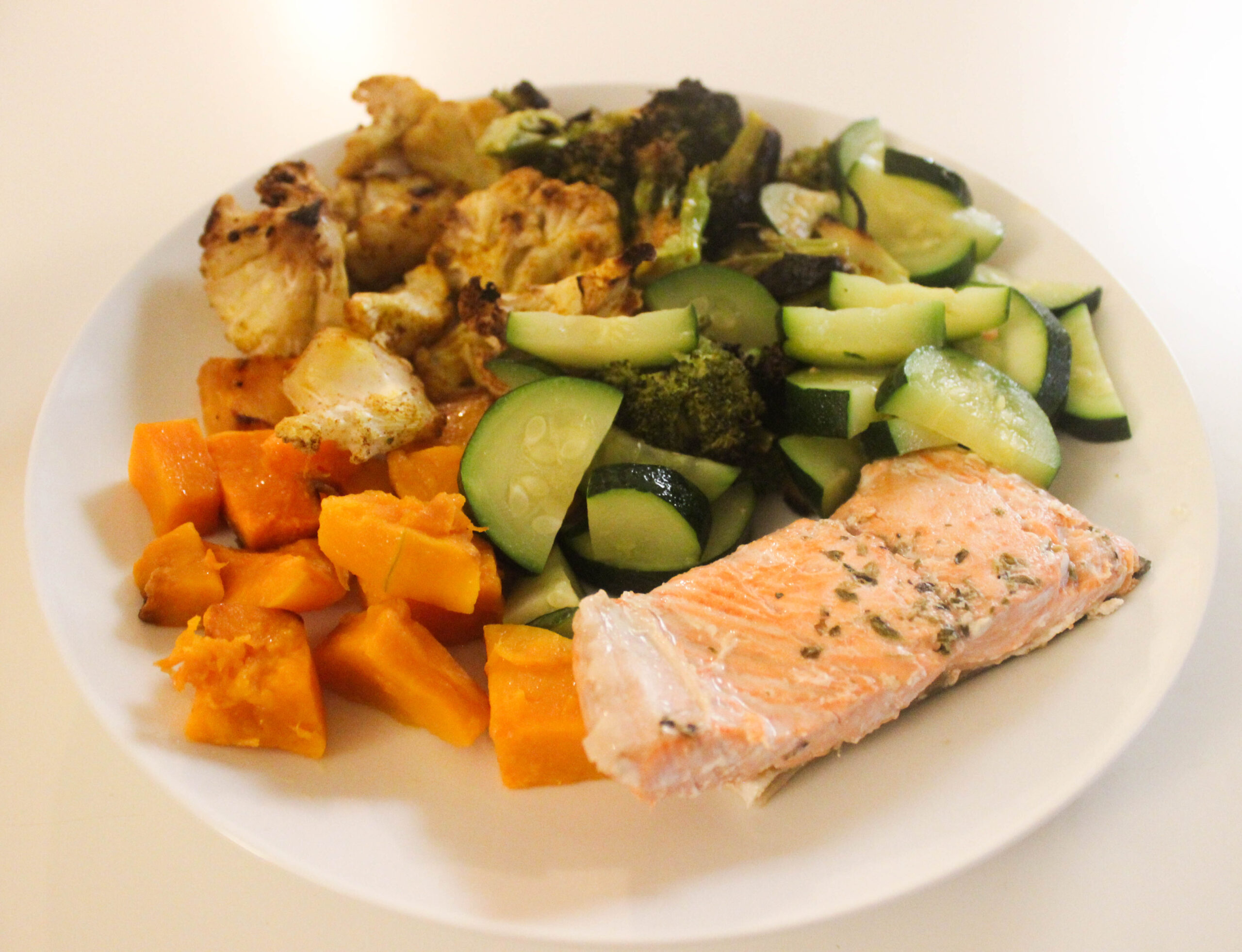
Next up…carbohydrates! I’m sure you know about dem carbs. There are unhealthy carbs like cake and cookies, but let’s focus on healthy carbs. Non-starchy carbohydrates include most veggies – broccoli, cauliflower, leafy greens, asparagus, zucchini, etc. Then you’ve got simple carbs like fruit – strawberries, apples, blueberries, cherries, oranges, grapes. Starchy carbohydrate sources include rice, quinoa, butternut squash, spaghetti squash, potatoes, beans, acorn squash, pumpkin, and breads.
FATS. This is my favorite macro. Avocados, nuts, nut butters, seeds, egg yolks, coconut, coconut oil, and olive oil are some of my favorite sources of fats.
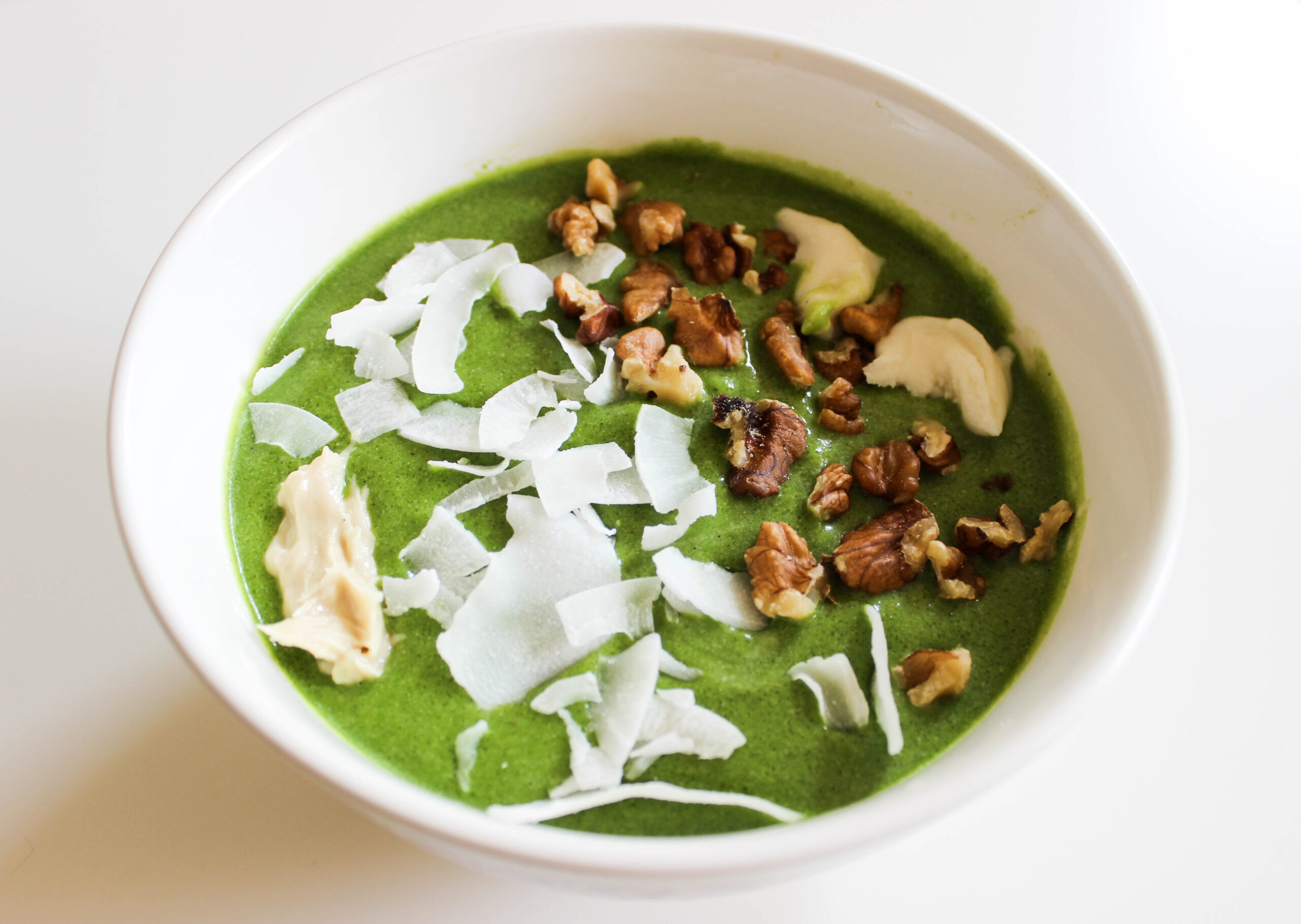
When I build my plate, I always make sure I have a good source of each macronutrient at every meal. The amounts of each macronutrient and the types of food you choose will vary from person to person and from meal to meal. For example, if I just completed a workout, I’ll focus more on protein and carbs in my post-workout meal to help build muscle and refuel my body. For breakfast, I like to eat a really high-fat meal to power me through the day.
Those are just two example of how I adjust my macros according to my activity level and how I’m feeling, and that will be different for everyone. I eat a lower carb diet than most people because of my SIBO and insulin resistance, so I eat a lot of fat to make up for the lower amount of carbs. However, your body might run much better on a diet that’s higher in carbs and a bit lower in fat. Everyone is unique, so you need to listen to your own body.
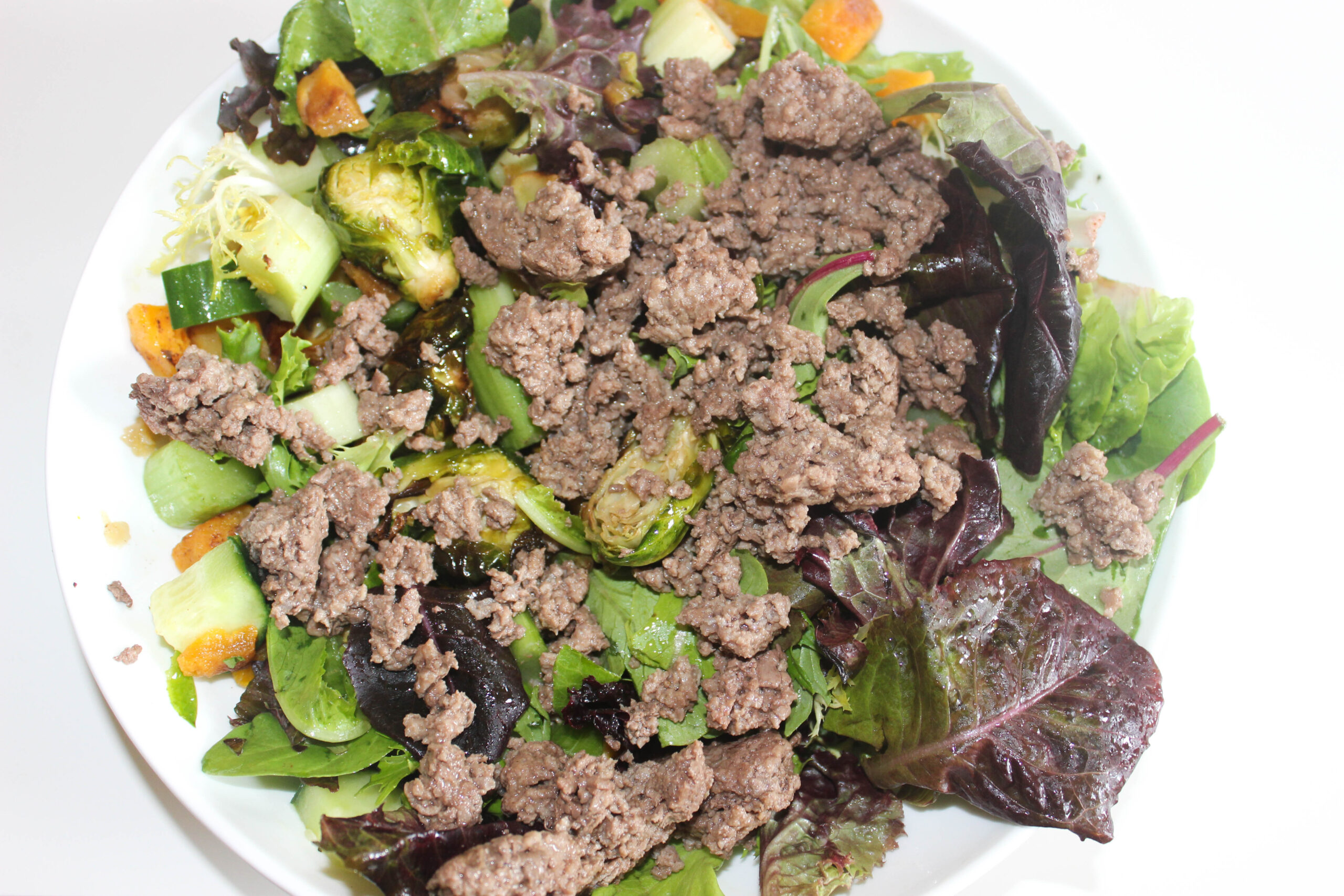
That being said, you still need to eat sources of every macronutrient. Just because you eat a diet high in carbs doesn’t mean you can forget about protein and fat. Just because you eat a lot of fat doesn’t mean you can forget about carbs and protein. If you’re big on protein, you still need carbs and fat, too! Catch my drift?
As I explained in my cooking routine post, I cook my food at the beginning of the week so I have everything ready to go each day. At each meal, I take whatever food I want out of tupperware and build my plate. I start off with my protein source – usually about 5 or 6 ounces of salmon, turkey, chicken, grass-fed beef, buffalo, or whatever else I cooked. Then I usually eat about a cup of whatever starchy carbs I bought that week – this week was butternut squash and spaghetti squash. I fill the rest of my plate with as many non-starchy veggies as I want. I always cook everything in oil so that there’s already a bit of fat on my food to start out with, but I also usually top off my veggies and carbs with more coconut oil or olive oil, or I’ll add avocado.
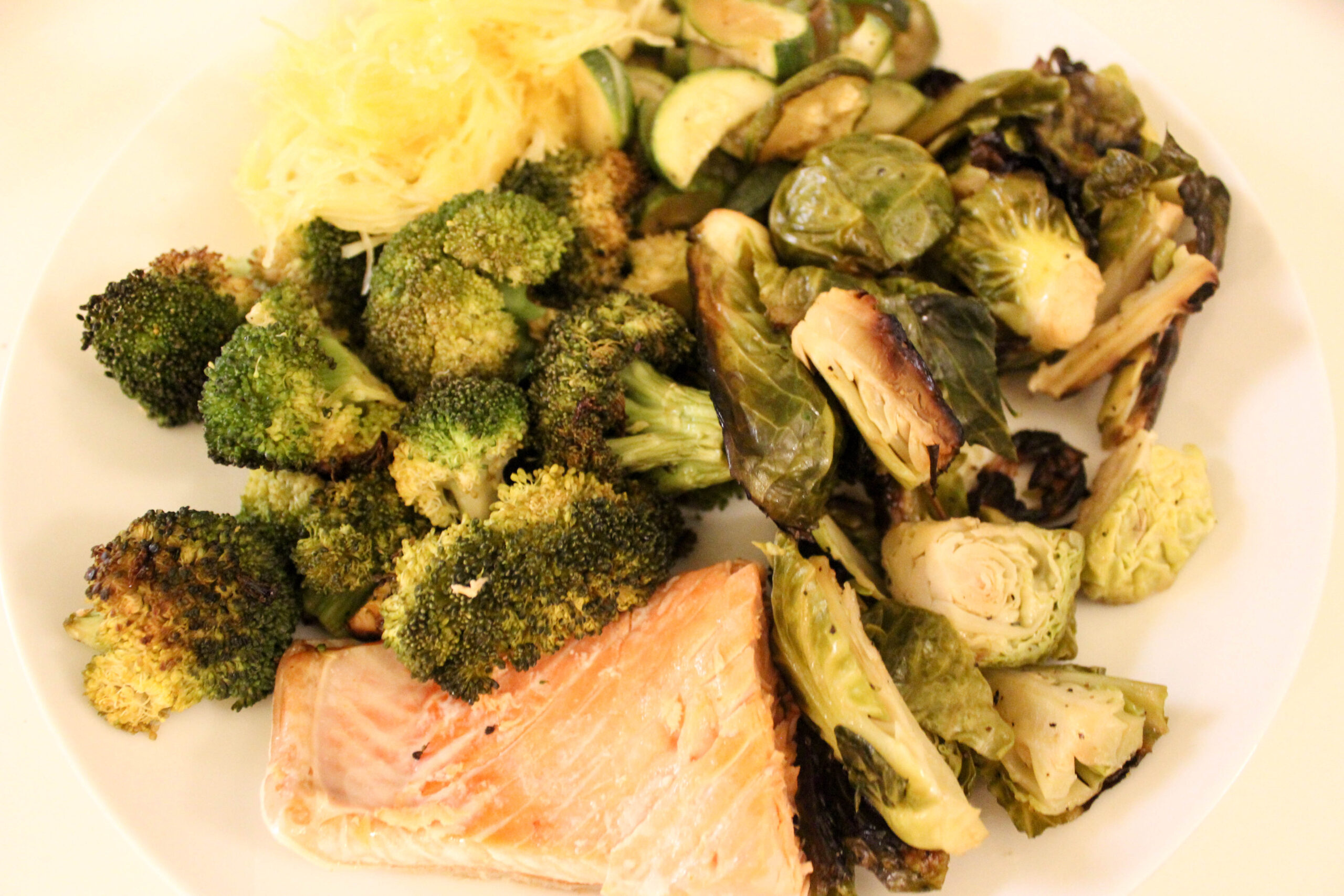
After that, I’ve got everything on my plate – protein, carbs, and fat. If I’m still hungry, I’ll just eat more. Again, eat the portions of each macronutrient that work for YOUR BODY. Just make sure you don’t forget about one of the macronutrients all together. That’s something I notice a lot of people do, but we all need sources of protein, carbs, and fats to function.
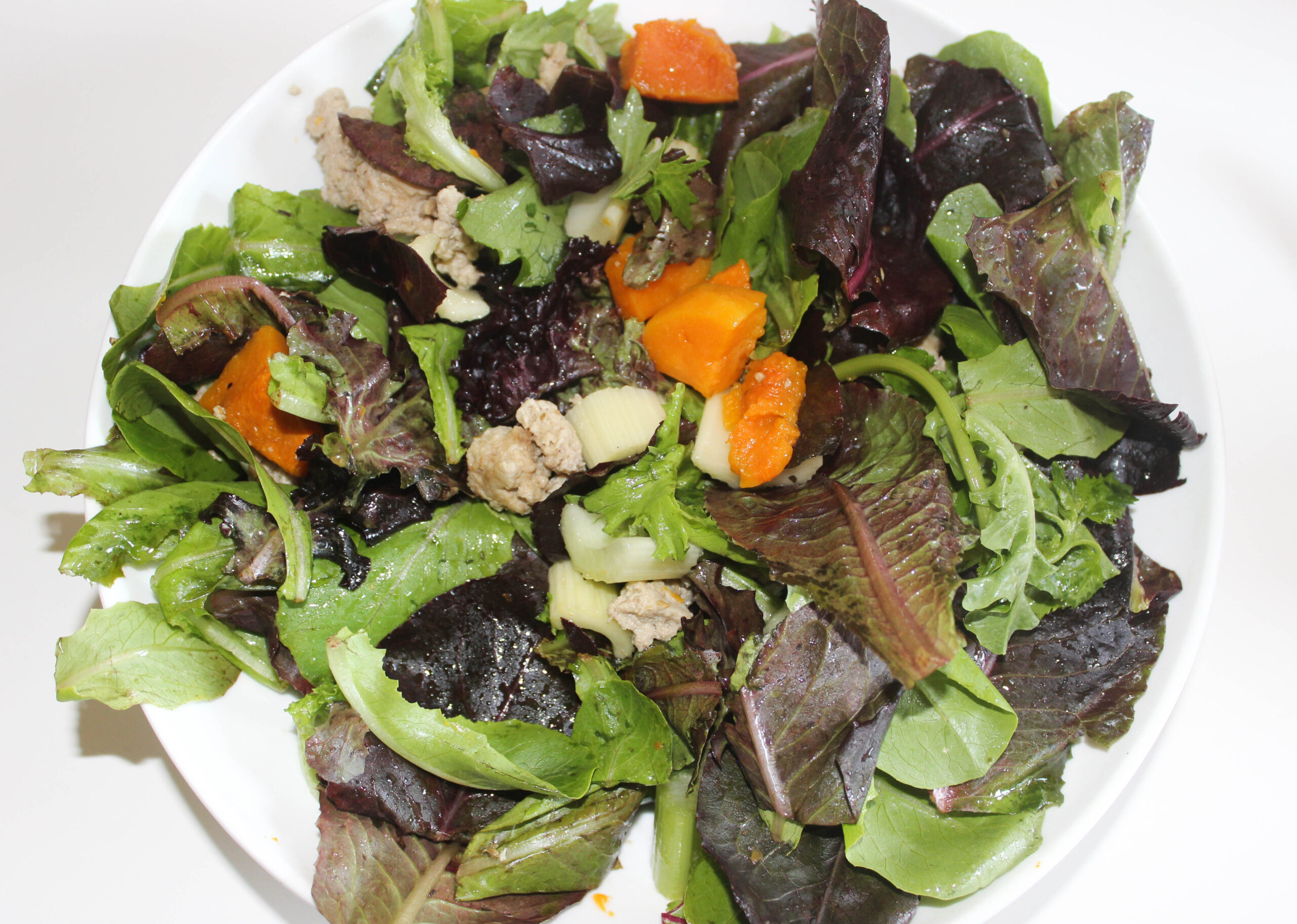
Hopefully this helped you out in some way – I know building a plate can be confusing sometimes! Remember, everyone’s body is different, so eat what makes you feel best. As long as you get all of the macronutrients onto your plate, you’re on the right track!

by Christina | Sep 1, 2016 | Wellness
If you follow me on Snapchat or watch my Instagram stories, you’ve probably seen me get hooked up to an IV when I visit my doctor. Whenever that happens, I get a ton of messages asking what I’m doing and if I’m okay. TIME FOR THE FULL EXPLANATION.
I’ve been working with a functional medicine doctor for a little over 6 months to improve my digestion and help fix my stomach probs. I’m feeling so much better, and one of the main things that has improved my health the most is intravenous nutrient therapy.
I get bloodwork done pretty regularly to see what’s goin’ on with my bod. And not just any bloodwork… This is IN-DEPTH bloodwork. We’re talking 50 page reports. These reports show the amounts of every vitamin, nutrient, mineral, etc. in my body.
I live a very healthy lifestyle. I eat a clean diet, I exercise, I don’t drink, I definitely don’t do drugs… you get the idea. My bloodwork should be excellent, but it totally sucks. I’m deficient in basically every nutrient because of my leaky gut issue. My gut lining is so destroyed that my body is currently not absorbing any of the nutrients from my food. Because of that, I need to put those nutrients directly into my bloodstream and bypass the whole “my stomach needs to absorb things” process.
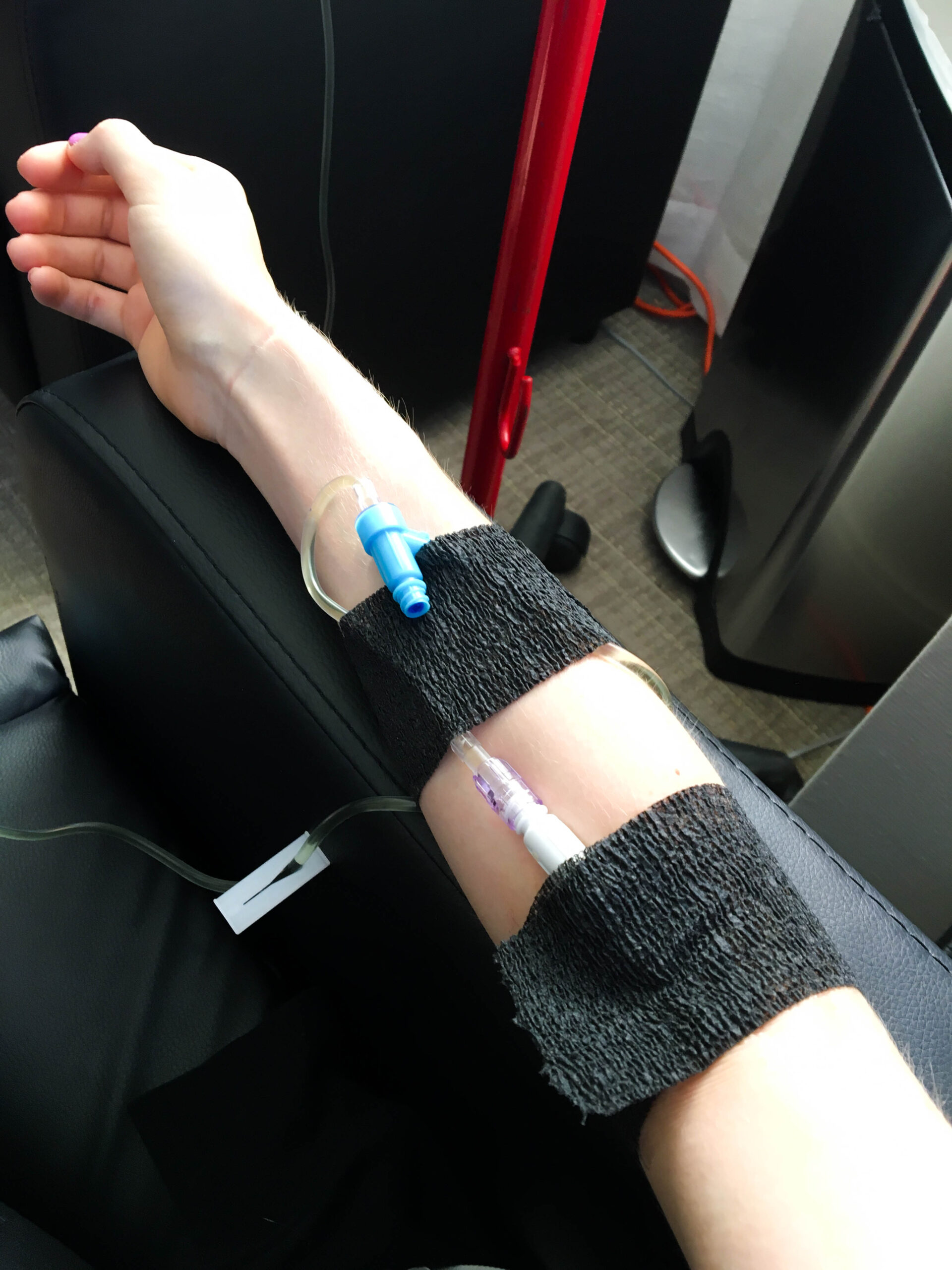
This is called Intravenous Nutrient Therapy. Each time I go in for nutrient therapy, I get hooked up to an IV filled with something called the “Myers’ Cocktail.” The Myers cocktail consists of alllllll the good stuff that my body needs to function properly – magnesium, calcium, B vitamins, vitamin C.
If you want specifics, this is exactly what’s in the modified Myers’ Cocktail (which is what most medical practitioners give patients who are getting nutrient therapy): magnesium chloride hexahydrate, calcium gluconate, hydroxocobalamin, pyridoxine hydrochloride, dexpanthenol, B complex, Vitamin C.

Whether or not you have absorption problems, putting these nutrients directly into your bloodstream allows for a much larger concentration of those nutrients to reach your cells than ever could through food or supplements. The idea is to flood your cells with the good stuff so they can detox, repair, grow, and function as well as possible.
After the Myers’ Cocktail, I get hooked up to a big bag of glutathione and get that pumped through my veins. Glutathione is my FAVE. What is glutathione?

When it comes to antioxidants, glutathione is the head bitch. Glutathione is the biggest detoxifier in the body and is critical for a strong immune system.
Let’s be real, everyone can use a good detox. Our daily lives are filled with a shit ton of toxins, which means the amount of glutathione in our bodies is constantly being diminished. Toxins in the environment, meds, stress, aging, bad diets – they all reduce glutathione levels. Glutathione is involved in so many of our body’s processes. It’s used to build and repair tissues, to strengthen the immune system, and to create different chemicals that your body needs to function.
Most people who suffer from severe illnesses are very deficient in glutathione. Because of this deficiency, their bodies can’t fight against free radicals, and the detox process is stunted. In order to recover from a chronic illness, you need glutathione. However, even if you don’t have a chronic illness, you want to have high levels of glutathione to maintain your health and prevent disease. A high amount of glutathione prevents signs of aging, increases strength and energy, and fights inflammation.
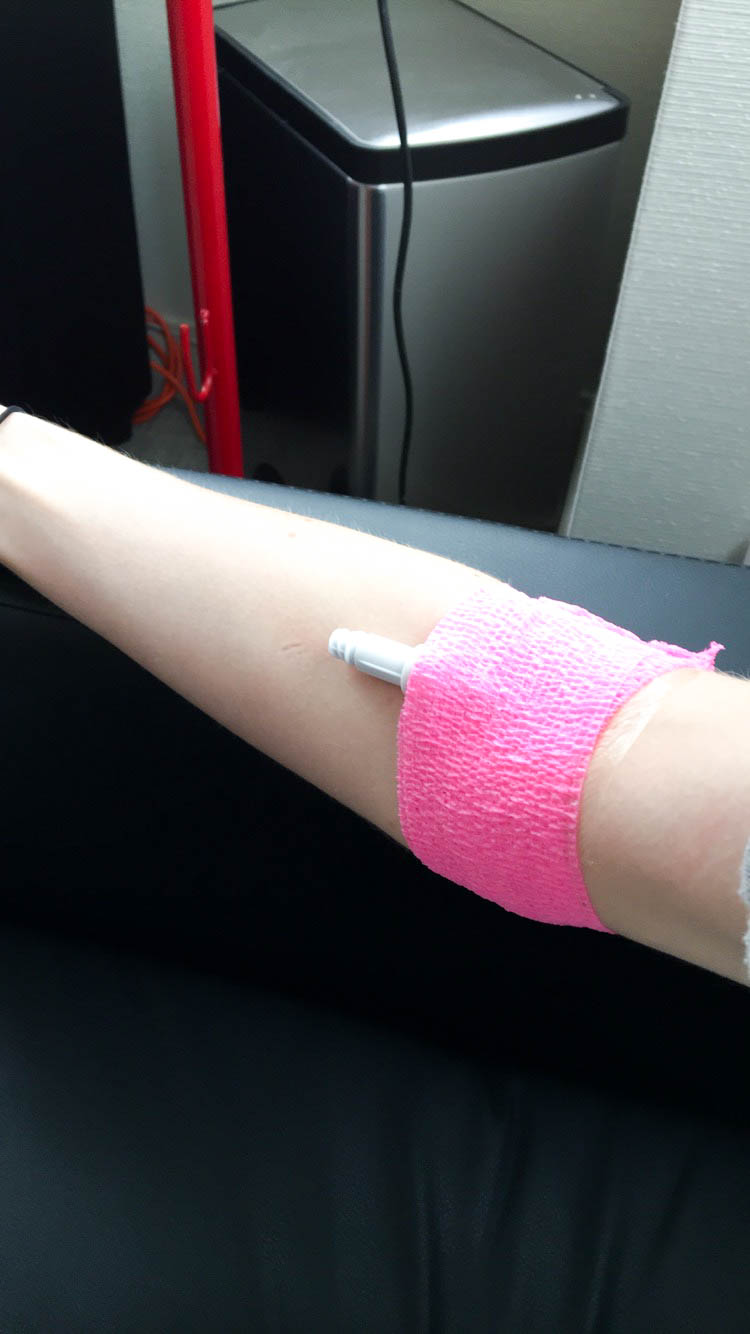
So that’s exactly what goes into my body when I go in for drips. First, the nutrients my body can’t absorb on its own from food. After my nutrients, glutathione comes in to detox my bod and get all the icky stuff out.
I get nutrient therapy about every two weeks or so. Sometimes more often, sometimes less. If I’m feeling particularly sluggish and just not so hot health-wise, I’ll come in sooner than planned.
The process is pretty long, but it gets shorter each time I go. I like to get my drips in the morning. I wake up, eat a big breakfast, and head off to the doctor’s office. Then I sit in a chair for about 2 hours while I’m hooked up to the IV. The first time I went, the process took over 4 hours because my doctor wanted to go very slowly in order to avoid overwhelming my body. As I’ve gotten more drips, we can increase the speed.

Let’s talk side effects. While it’s happening, I don’t usually notice anything besides feeling cold. They always warn me that I might get nauseous and feel like throwing up, but that hasn’t happened to me yet. That’s why it’s very important to make sure you’ve eaten before you get a drip – don’t do it on an empty stomach or you’ll probably feel like you’re going to vomit.
Although I don’t get sick, nutrient therapy does knock the shit out of me. Afterwards, I feel really dizzy. I feel weak, wobbly, and extremely tired, so I normally drive straight home and nap for a few hours. When I get up, I take it easy for the rest of the day and usually just hang out on my bed. I usually have no energy left that day, but the fact that it sucks the energy out of me makes me feel like I really was detoxed. According to my doc, the worse you feel afterwards, the more toxins were in your body.
Although nutrient therapy makes me feel like crap the day of, the next day I feel totally rejuvenated. I don’t really know how to explain it, but I feel cleaner and healthier. I also notice that my digestion is much better and my stomach isn’t as crazy. It’s like I pressed a reset button on my body.

You definitely don’t have to have an F-ed up stomach like me to get nutrient therapy. Everyone would benefit from this. In my case, though, it’s essential. If I don’t do it, my body pretty much won’t get any nutrients at all. Even though I think everyone would benefit from this, I’m not telling you everyone needs to go out and and get IV cocktails/glutathione injections. It can be pricey. However, nutrient therapy has been shown to majorly benefit people suffering from a number of different medical conditions, so this could be a great option to look into if you have an illness that isn’t improving. The Myers’ cocktail has been shown to help those suffering from migraines, asthma, depression, hyperthyroidism, fibromyalgia, muscle spasms, cardiovascular disease, chronic fatigue, respiratory infections, and more.
I’ve tried so many things to improve my health, but nutrient therapy stands out as something that truly does make me feel better. Nutrient therapy is a very important part of my life, and I would highly recommend it to anyone who struggles with issues similar to mine!
Has anyone else tried nutrient therapy? Glutathione injections? I’d love to hear about your experience! XO
