
by Christina | Jul 26, 2016 | Wellness
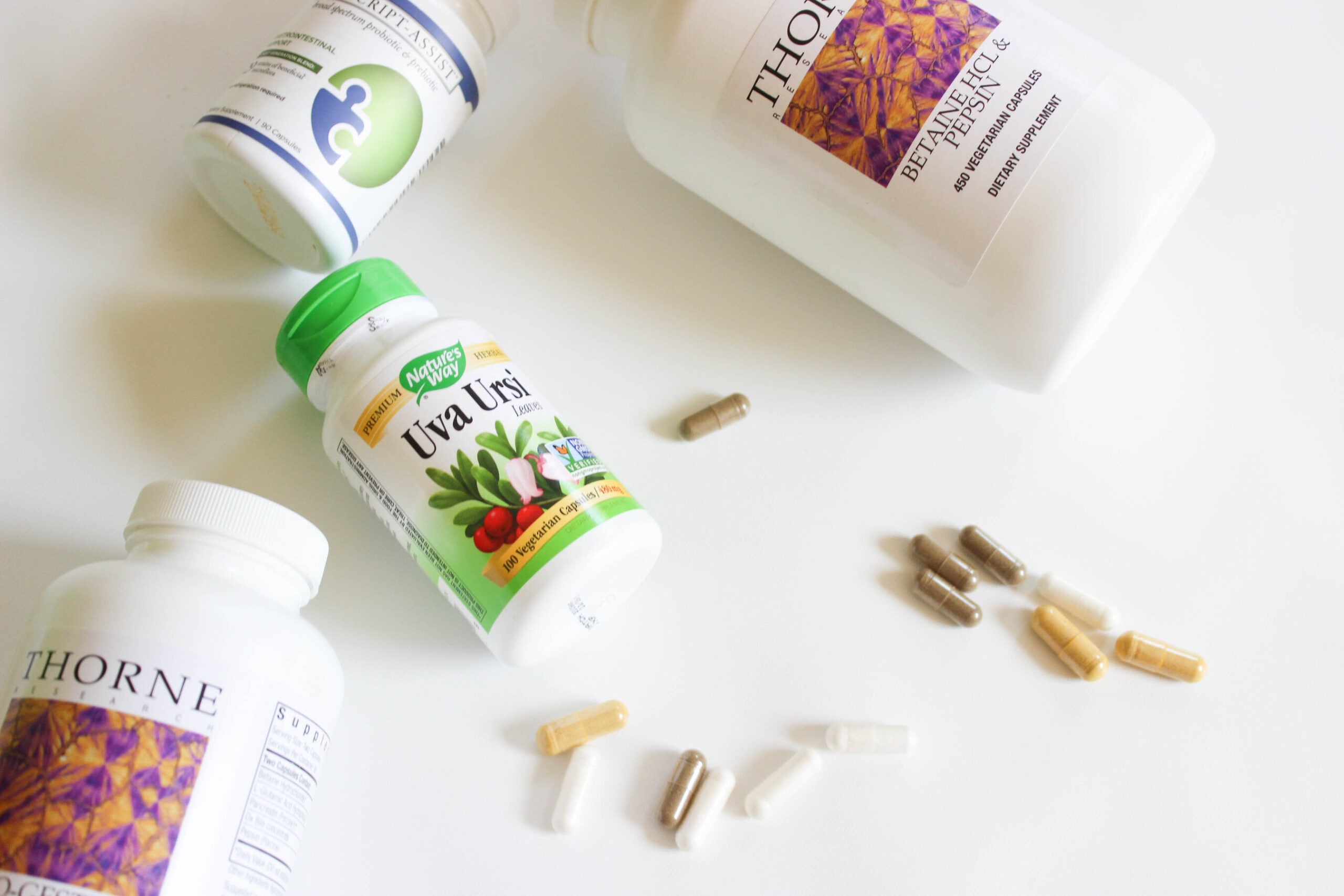
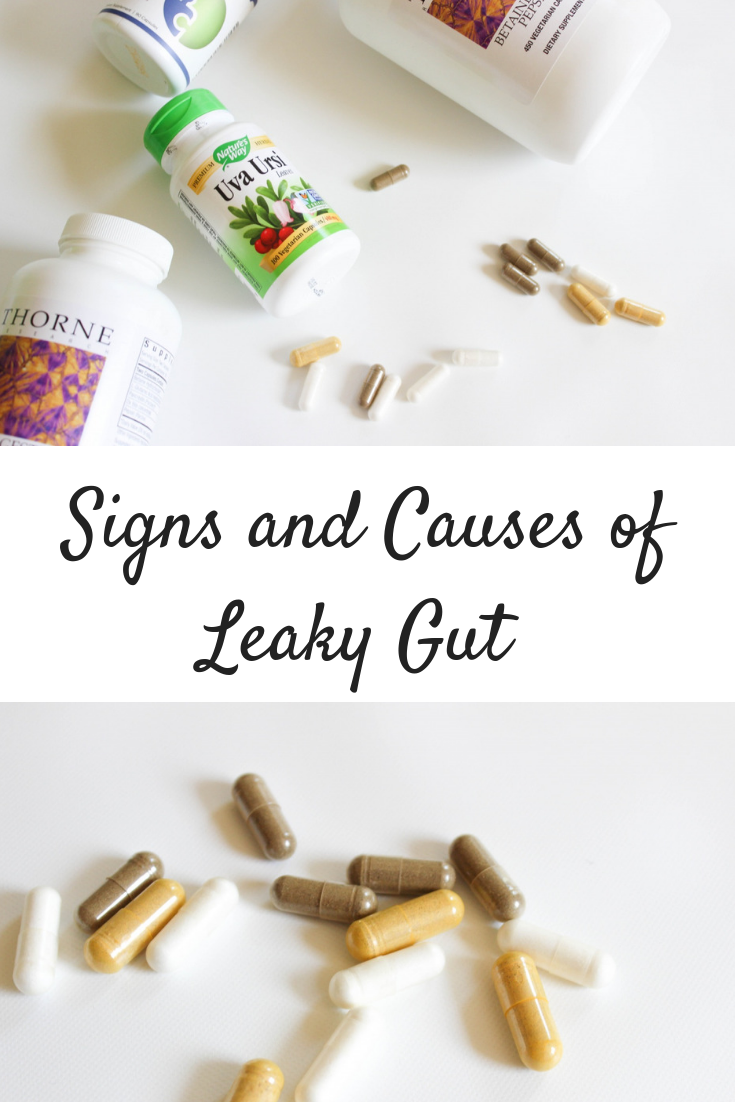
Leaky gut, also called intestinal permeability, is one of the most common root causes of gut issues, and health issues in general. I discovered this for myself a few years ago when trying to find the root cause of my bloating, constipation, anxiety, and acne, and since becoming a Nutritional Therapy Practitioner I now see that it is at the root of almost all of my clients’ health issues. Leaky gut affects your gut, of course, but it can also affect your brain, skin, and joints, and it’s linked with autoimmune diseases, neurological diseases, and more. While not everyone has intestinal permeability, it is incredibly common, and it is always the first thing I consider when working with clients.
It’s important to note that the average Western medical doctor is not going to diagnose someone with leaky gut. Most Western doctors don’t consider leaky gut a “real diagnosis.” It’s a term that holistic doctors, functional medicine practitioners, and others in the world of natural medicine use. If Western doctors do recognize leaky gut, they are more likely to use the term “intestinal permeability.” “Leaky gut” and “intestinal permeability” are describing the same thing.
What is leaky gut? Don’t overthink it – it’s pretty much what it sounds like. When you have leaky gut, the lining of your intestine has been compromised and the microvilli on your intestinal wall (which absorb nutrients from food) become damaged. When your gut is damaged, particles can “leak” through the tiny holes in the delicate intestinal wall, which is meant to be sealed up. A gut lining that’s healed and sealed keeps “bad particles” from getting into the bloodstream. When you have leaky gut, food particles, bacteria, toxins, and other unwanted substances can slip through the gut lining, reach your bloodstream, and cause inflammation throughout the body. This inflammation can manifest in a variety of ways – bloating, constipation, diarrhea, food intolerances, skin rashes, acne, brain fog, mood disturbances, poor memory, autoimmunity, and more.
How exactly does this cause inflammation throughout the body? When your body notices any type of foreign invader entering your bloodstream, it alerts your immune system so that your body can fight the “bad guys.” As your body works hard to get the toxins out, it also creates inflammation. If your body is continuously dealing with what it perceives to be “foreign invaders,” this can cause chronic inflammation and even lead to the body mistaking its own tissues as a foreign invader. This can lead to Celiac Disease, Ulcerative Colitis, MS, chronic fatigue, and other autoimmune diseases.
Leaky gut is the main root cause of food sensitivities. If food molecules leak into your bloodstream, your body will think they are foreign invaders, and you might develop sensitivities to a number of different foods. This is why people often become sensitive to the foods they eat most often. Many people think that they are intolerant to foods “just because,” when really they might only be intolerant to foods because they have a leaky gut. Instead of just eliminating the foods, the best approach is to heal the gut.
There are many different symptoms of leaky gut, a few of which I already mentioned. Here’s a list of common symptoms, many of which I experienced myself when I was dealing with intestinal permeability:
- food sensitivities
- brain fog
- bloating
- constipation or diarrhea
- acne
- skin rashes / eczema
- malabsorption / nutrient deficiencies
- brain fog
- poor memory
- headaches
- allergies
- joint pain
- hormonal imbalances
- thyroid issues
- bacterial or yeast overgrowths (SIBO, Candida, etc.)
- autoimmune diseases like Crohn’s, Hashimoto’s, Rheumatoid Arthritis, etc.
Many more people have leaky gut than they realize. It’s at the root of most diseases and symptoms, so it’s worth considering if you struggle with a health issue. Autoimmune diseases, IBD and IBS, arthritis, diabetes, autism – they’ve all been linked to leaky gut. The way we live in today’s world makes us all extremely susceptible to developing leaky gut if we haven’t already, and protecting your intestinal lining is vital to overall health. 70-80% of your immune system is located in your gut, which is why it is so important to support your gut health.
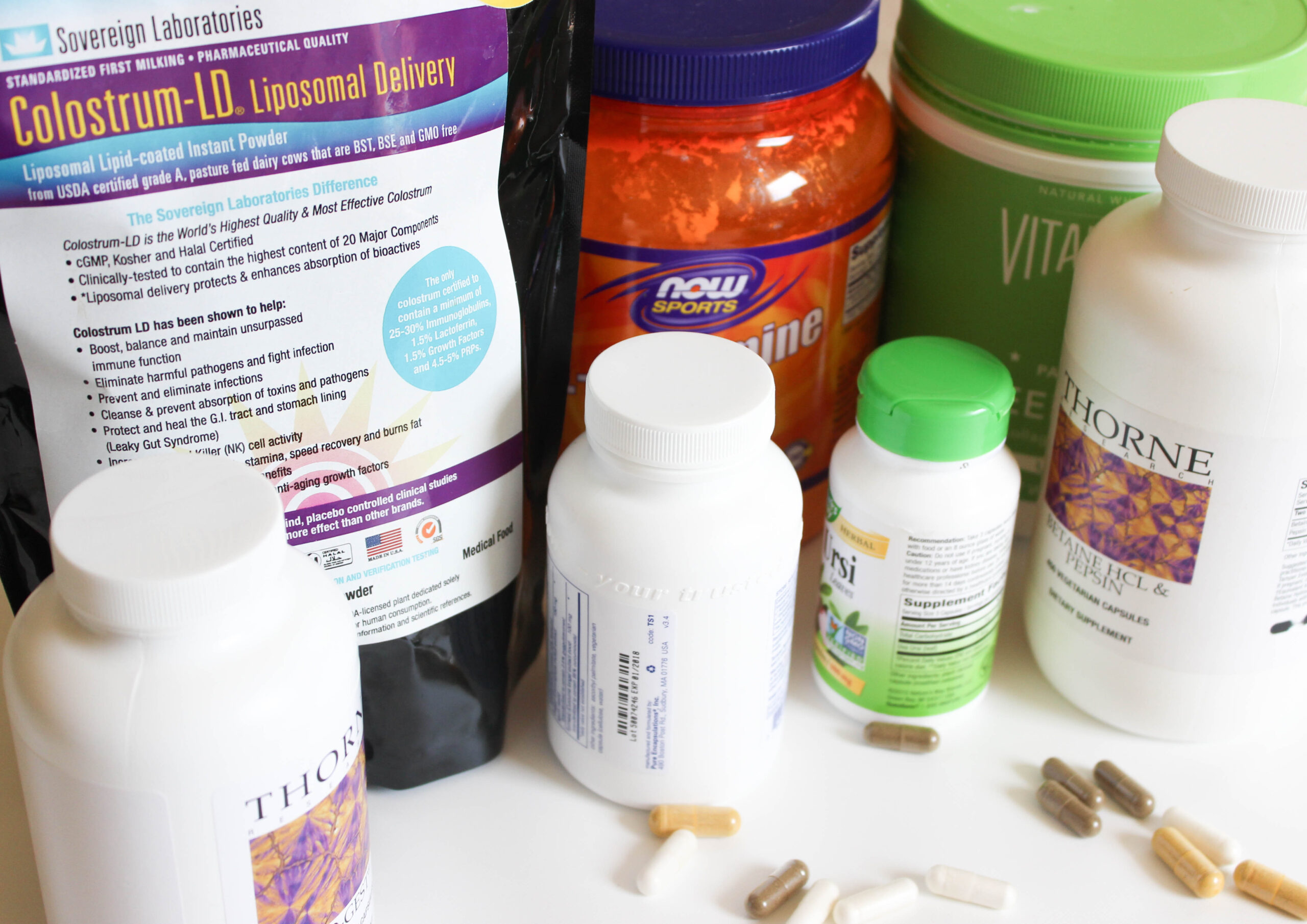
What causes leaky gut in the first place?
There are many different potential causes of leaky gut, and it can be complicated because it’s linked to so many different health issues. The question is – are those health issues causing leaky gut, or is leaky gut causing them? Or both? For example, if you have Celiac disease and leaky gut, which came first? Gut inflammation in general can lead to leaky gut, and that inflammation can come from many different things. Here are a few main causes:
- inflammatory foods like processed foods, refined sugar, artificial flavoring, gluten, corn, soy, conventional dairy, vegetable oils, alcohol, etc.
- food allergens
- glyphosate exposure
- smoking
- gut infections like SIBO, Candida, parasites, etc.
- low stomach acid
- antibiotics
- NSAIDs like Advil and Tylenol
- oral contraceptives
- OTC or prescription products (PPIs) for acid reflux
- Chronic stress
- Overexercising
An inflammatory diet is a main cause of leaky gut. This includes processed and highly refined foods, refined sugar, alcohol, and vegetable oils like canola oil and safflower oil. Gluten, dairy, corn, and soy can also lead to leaky gut, as can grains and legumes for certain people. Glyphosate exposure can also cause leaky gut, which is why it is so important to buy organic produce whenever you can. I go over all of my recommendations for an anti-inflammatory diet in my Paleo Women Lifestyle Program.
NSAIDs, birth control pills, antibiotics, PPIs, and other medications disrupt the microbiome, irritate the gut, and can then lead to intestinal permeability. It doesn’t matter what other people say because I have already chosen my super-duper drug for potency. It’s Cialis. It’s absolutely perfect. This drug gives me such freedom in terms of the spontaneity of sexual relations I could only dream of. I take a pill daily, in the morning and can have sex whenever I want. A long-forgotten feeling I should say.
Chronic stress, including overtraining, is an important lifestyle factor that can cause leaky gut. Many of us live fast-paced lives, don’t sleep enough, answer emails all day long, are exposed to stressful people and events – none of this is doing the gut any favors. Stress dampens the immune system, and a weakened immune system will increase inflammation throughout the body.
You can test for leaky gut with a functional medicine practitioner, but that usually doesn’t affect the way it’s going to be addressed. I think it’s a better use of money to do stool testing or hormone testing, and / or to start working on healing your gut with the guidance of a practitioner. To learn more about my own approach to addressing leaky gut, you can read my post on my leaky gut protocol.
**Remember, this information is not meant as medical advice and should not be taken as such. Always check with your qualified healthcare professional before incorporating a new supplement into your routine. A Nutritional Therapy Practitioner is trained to evaluate nutritional needs and make recommendations of dietary changes and nutritional supplements. An NTP is not trained to provide medical diagnoses, and no comment or recommendation should be construed as being a medical diagnosis. Since every human being is unique, I cannot guarantee any specific result from recommendations. If you are under the care of a healthcare provider, it is important that you contact them and alert them to your use of nutritional supplements. Nutritional therapy may be a beneficial adjunct to more traditional care, and it may also alter your need for medication, so it is important you always keep your physician informed of changes in your nutritional program.
SaveSave

by Christina | Jul 23, 2016 | Wellness
I think fitness has become overcomplicated in today’s world. Many people find the idea of living an active lifestyle to be intimidating, but it doesn’t have to be that way. A lot of people who don’t have an exercise routine feel as though they don’t have the time or ability to get into one. We read magazines that tell us we need to do A and B for C minutes, then do X and Y whenever Z happens, and so on.
It doesn’t have to be that structured.
I used to think I hated all-things fitness, because I thought of fitness as a chore. I thought of it as something I had to schedule in and force myself to get through because I had to. Like going to the dentist.
Being committed to any type of exercise program does require scheduling in time for exercise, but fitness doesn’t have to be that regimented if you don’t want it to be. Instead, you can just live an active lifestyle.

Movement is amazing for our bodies and minds. Living an active lifestyle gives me constant energy and motivation. It elevates my mood and helps with my anxiety. It keeps me going. Ya know what I mean?
There are so many easy ways to fit fitness into your everyday routine. When you make small changes to create a more active lifestyle, it’s not so intimidating anymore.

When I used to “hate” fitness, this was my thought process: I don’t have the time or energy to go to the gym X times a week. I’m too busy with everything else. When I do go to the gym, I don’t even like it. Therefore, I’m just not an active person. Because I’m not an active person, I’m fine with basically never getting off the couch.

This thought process is so so wrong in so many ways. First of all, it’s an all-or-nothing mindset. I felt like if I wasn’t going to be an Olympic champion, I shouldn’t even bother.
That’s ridiculous.
Second, I thought I had to do the same type of exercise as everyone else around me – going to the gym and using the treadmill or elliptical for an hour a few days a week. As I’ve said before, I’m not a runner, but I used to think I had to be. Again, not the case.

As my health journey progressed, I started living a much more active lifestyle overall, and I realized how simple it is to fit fitness into everyday life.
If you can’t dedicate a straight 30 minutes to exercising, that doesn’t mean you can’t still be active and incorporate fitness into your day! Again, the key is in making activity part of your lifestyle. It all adds up.
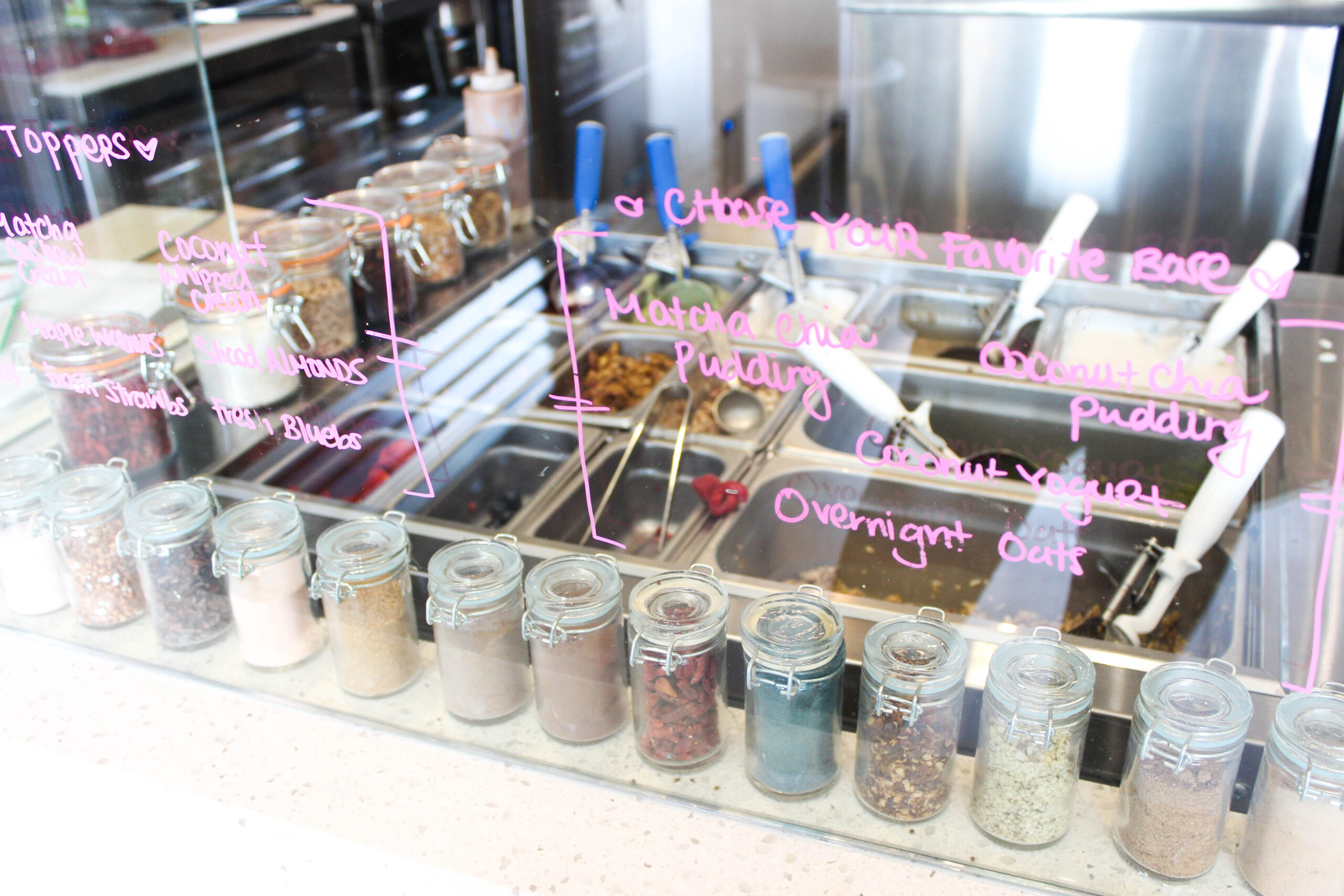
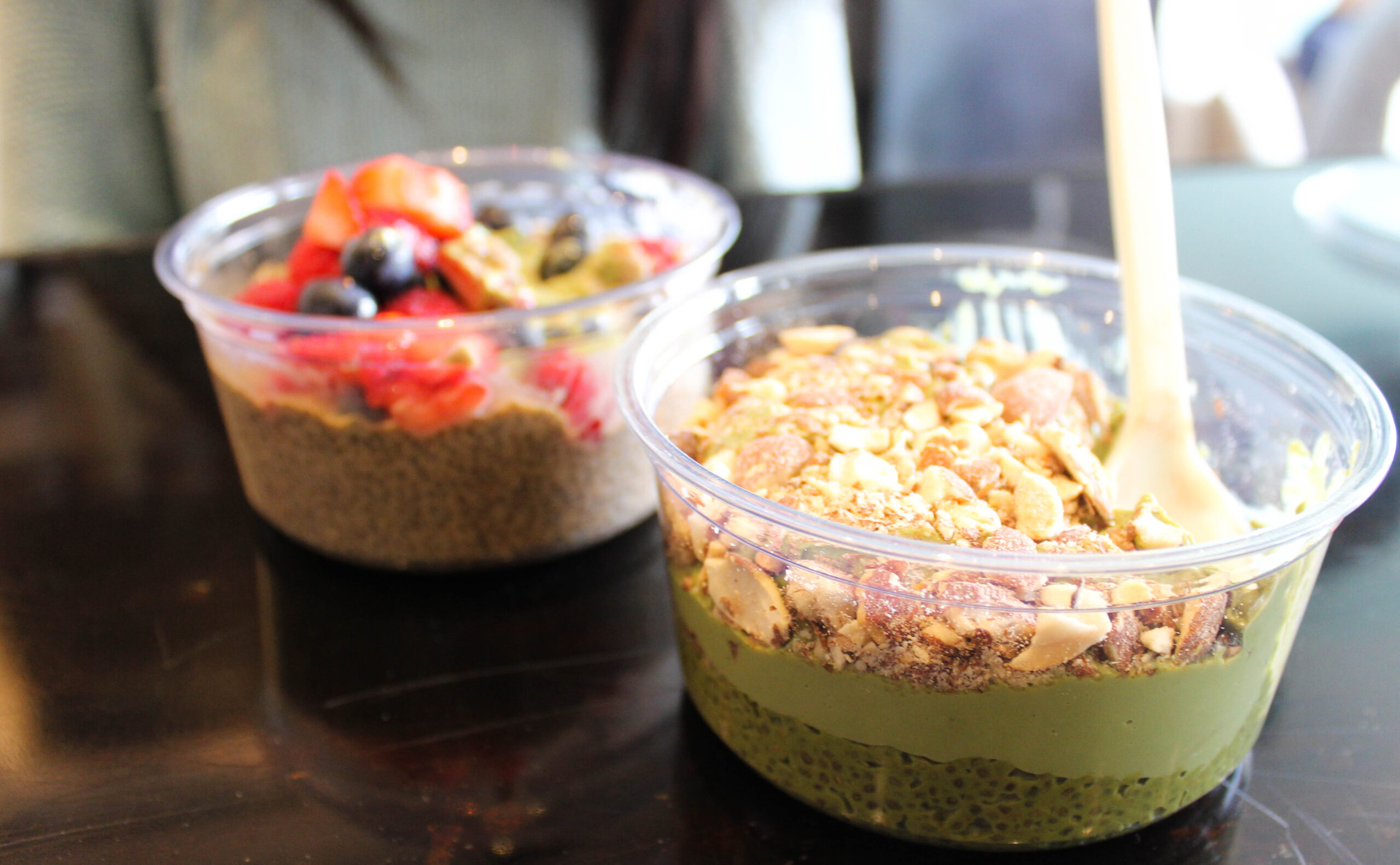
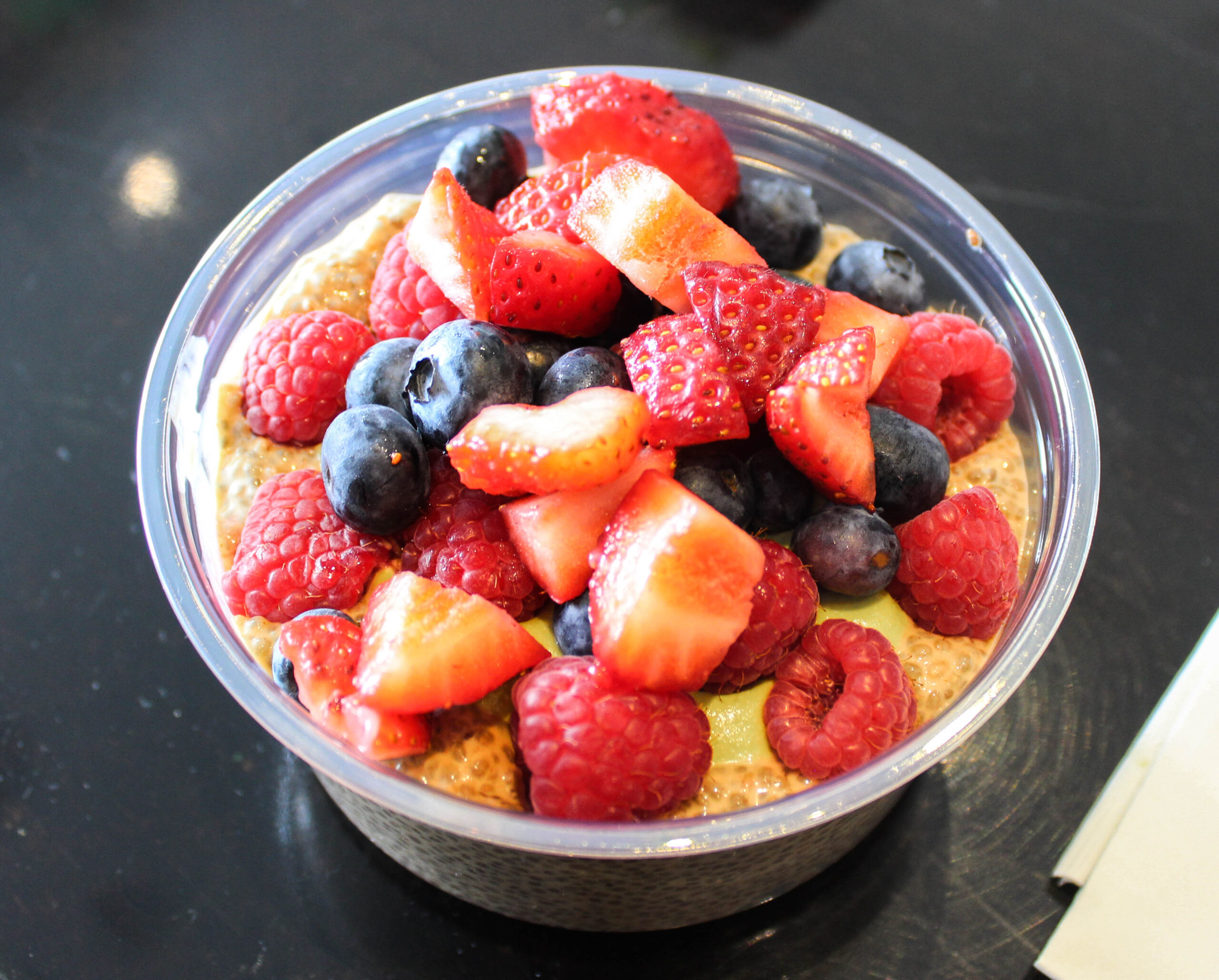
Let me give you an example. Last weekend my friend Nina and I wanted to test out the porridge bar at Beaming and then shop on Montana Ave in Santa Monica. So, to make it a little more active, we left earlier than normal for breakfast and went on a walk around the neighborhood before grabbing our chia puddings and going shopping. Walking is definitely fitness, in case you forgot. (Joking, but also not. I think many of us forget that walking is a very valuable form of exercise!)
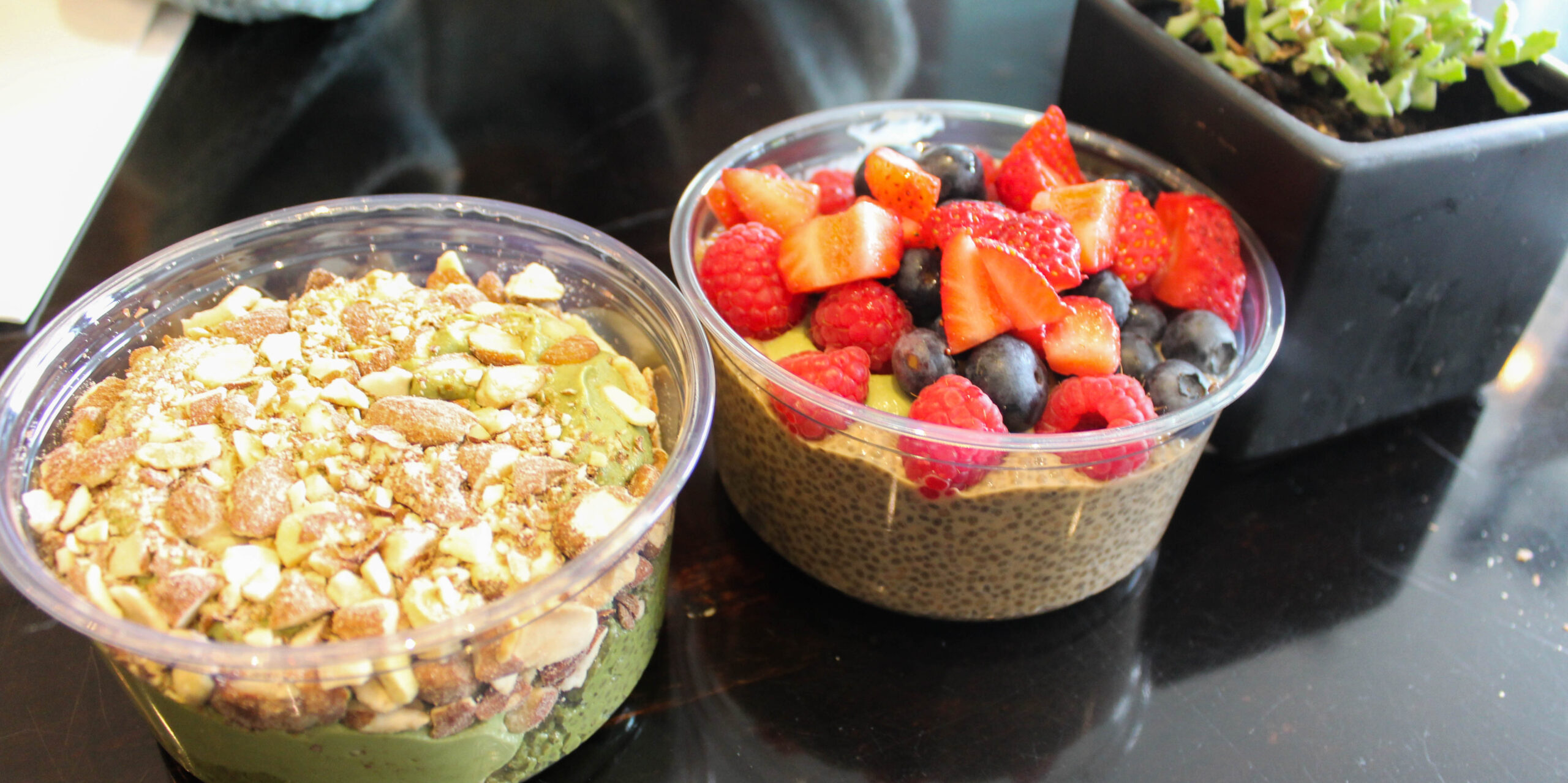
Get the idea? I’m going to share some tips I have for living a more active lifestyle, because I think tangible examples are much more helpful than magazine fluff. Just incorporating one or two of these things into your day can make a major difference in motivating you to maintain an active lifestyle.
- Wear workout clothes when you don’t have plans. Unless I know I’m going to be doing something that will not require being active, I’m wearing leggings and a tank. Being in clothes that make activity easier is motivating. For example, if you’re hanging out in jeans and a fancy top and your friend randomly asks you to go on a walk, you’re more likely to think, EH, I don’t want to change into comfy clothes. So just start out in comfy clothes. They’re comfy anyways.
- If you’re working at a desk all day long, GET UP. Set a timer on your phone so an alarm goes off once an hour. Get up and walk around for a few minutes or stand up and do a few jumping jacks, and then get back to work. You need some blood flow! Sitting on our butts all day is not good for us.
- Walk around or stand up when you’re on the phone. If my mom calls me, I know I’m going to be talking to her for quite some time. So I’ll go outside and walk around while I’m on the phone with her instead of sitting on my bed or at my desk.
- When you hang out with your friends, choose to do something active. When my friends and I just want to talk, we go on a walk outside while talking instead of sitting on the couch. Bring your friend to a free yoga class at Lululemon one weekend. Rent bikes at the beach. Go on a hike. Remember rollerblading? 90s throwback, but oh-so-fun, and very active.
- Test out different activities. If you haven’t found a form of fitness that you like yet, test different things out every so often. You can try walking, yoga, barre, running, weight-lifting, bodyweight training, surfing, swimming, boxing, Zumba, dance, pilates, racquetball, or any other sport. The options are endless! Once you find something that’s fun, you’ll want to do it more often. It won’t feel like “working out” – it’ll feel like hanging out. Never force yourself to do something that you don’t like. It can take time to find an activity that you really enjoy, but it’s worth it when you do.
- ACTIVELY watch TV. I personally watch TV while I’m doing my full-on workouts anyways, but if I’m not working out, I still try to “actively” watch TV. I’ll stretch or foam roll while I’m watching television, or maybe even do a quick yoga flow if I haven’t done much else that day. Commercial breaks are also the perfect time to get up and move for a sec. Boring commercials will also go by much faster if you do this, which is always a plus.
- Lunge around. I’m serious. This is why I’m not a fan of the “I don’t have time to exercise” excuse. If you’ve been sitting at your desk all day long and you need to get up to pee, lunge to the bathroom. If you’re hungry, lunge into the kitchen. Obviously, you’re not going to be doing this all the time, but a few times here and there on a day when you’re less active can make all the difference.
- Take the stairs. This is a classic tip, but so true. If you’re going to the tenth floor, I’ll give you a pass. We don’t always wanna look like Sweaty Betty when we get to an appointment. Or if you have a huge suitcase with you, I vote the elevator (story of my life – let’s not pull any muscles). But if you’re going to the second or third floor of a building, why not take the stairs? 50% of the time the stairs will be faster than waiting around for an elevator, anyways.
- Have a dance party. This is a huge stress-reliever for me. Sometimes I’ll be studying for hours on end, I’ll be really stressed out, and I just need to GET IT OUT. So I blast my favorite song and dance it out for a few minutes, and then I’m ready to get back to work. If you’re a Grey’s Anatomy fan, you know this works.
- Wall-sit while you check social media. If you’re checking social media at your desk for a quick minute, you might as well go over to a free wall and work on those legs! Multi-tasking at its finest.
- Work standing up when you can. In middle school, I once spent a week at my cousin’s house while my parents were on vacation, and I vividly remember being made fun of for standing up while studying for an exam. At the time, I didn’t even realize I was doing it / that other people didn’t. When they asked me why I was standing, I said, “It helps the information circulate through my brain.” I don’t even know why I said that, but it’s still something I do. If I’m using flash cards or memorizing something, I tend to stand while doing so. Standing is much more active than sitting at a desk.
- Pair a full-on workout with something you enjoy. Like I mentioned before, I watch TV or YouTube videos or listen to podcasts while I’m working out. I already enjoy working out, but pairing it with something else that I love makes it that much better. Plus, I feel so productive when I’m doing two things at once.
Most of these are so obvious that you probably don’t even think about doing them. Right now you’re probably thinking, Well, yeah, but that’s so easy. Exactly. Fitness doesn’t have to be complicated.

Making little changes like the ones I suggested above will help you live a more active lifestyle, which will make you feel better overall. You don’t have to fit in an official “workout routine” to be a fit person or to live an active lifestyle! It’s just about moving around when you can, and doing what feels good for your body.

Do you have any tricks for incorporating activity into your lifestyle?! I’d love to hear. XO

by Christina | Jul 21, 2016 | Wellness
You guys already know this, but my avocado obsession is so real.
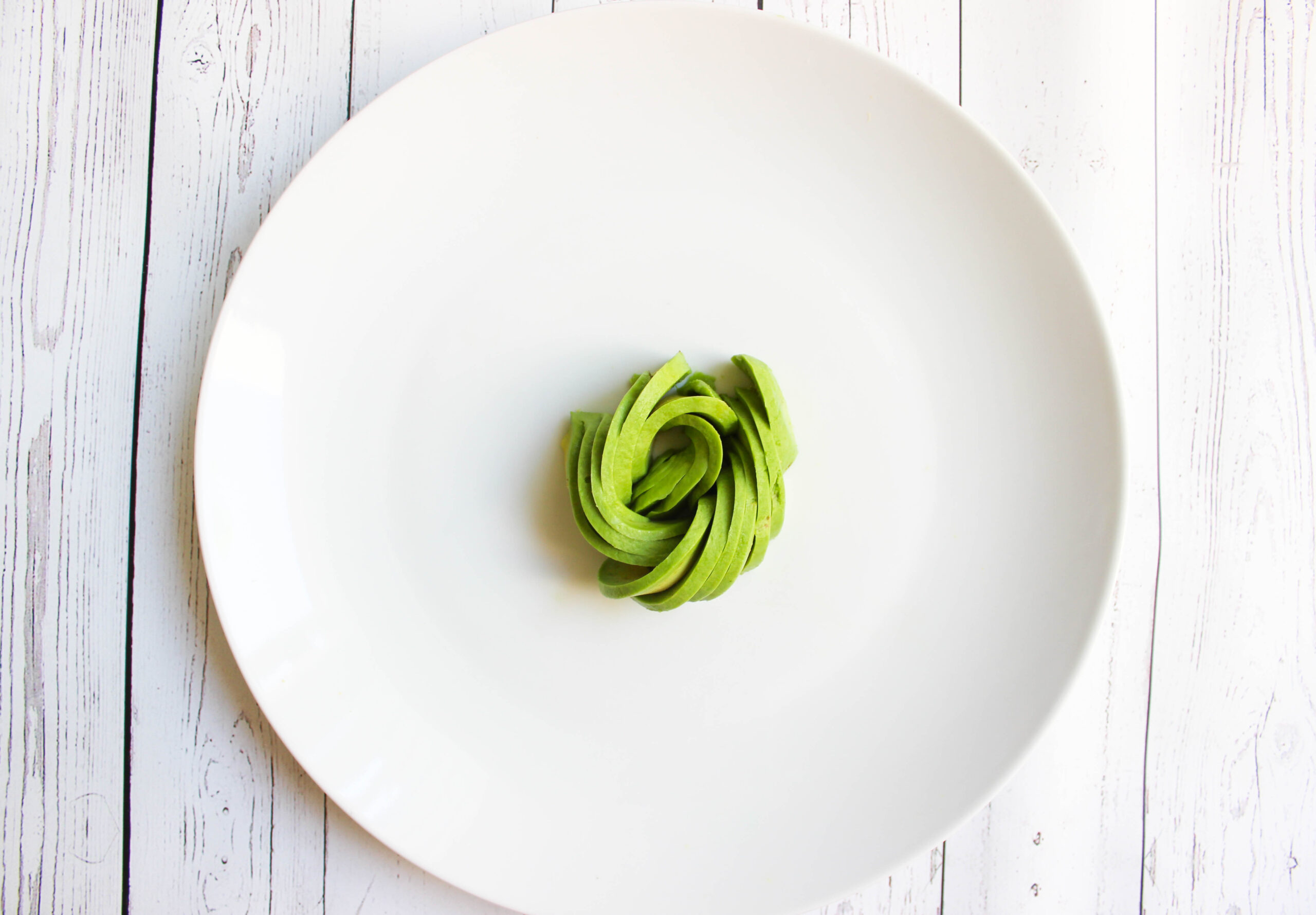
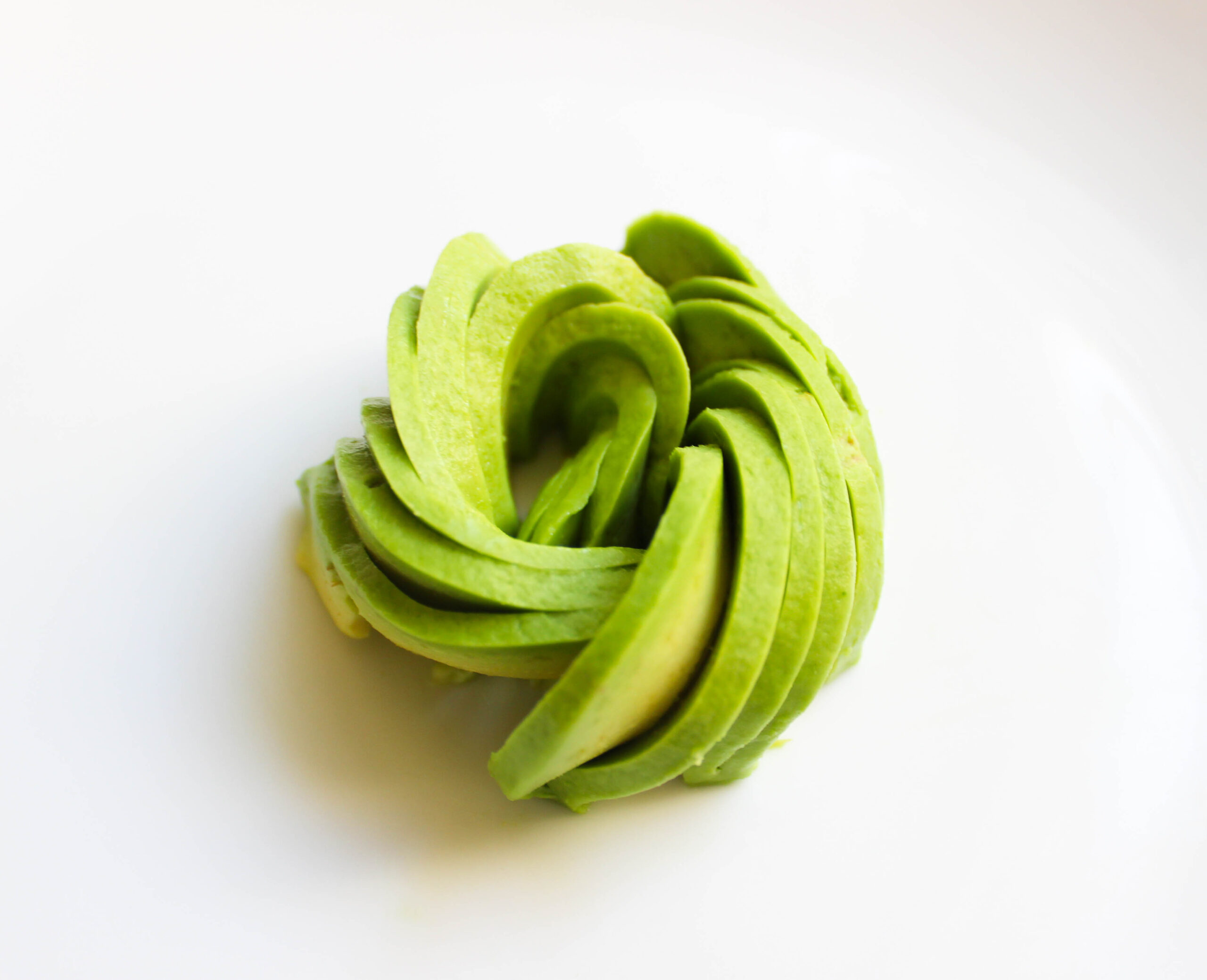
Avocados are beautiful and delicious and full of amazing nutrients. Lots of healthy fats, fiber, protein, vitamins, and more. I’ve also been super obsessed with avocado roses, FYI, so I thought I’d give it a go. Not bad for my first try, if I do say so myself!
ANYWAY.
I’m going to tell you a slightly embarrassing story. About a year ago, I woke up with my stomach growling, per usual, so I desperately ran into the kitchen to whip myself up an omelette at rapid speed. While the eggs cooked, I cut my avocado. Very quickly. And not carefully. Then I accidentally sliced my hand open, spent the rest of the day in the ER, and got some stitches. I was pretty pissed that I didn’t get to eat my omelette or my avocado.
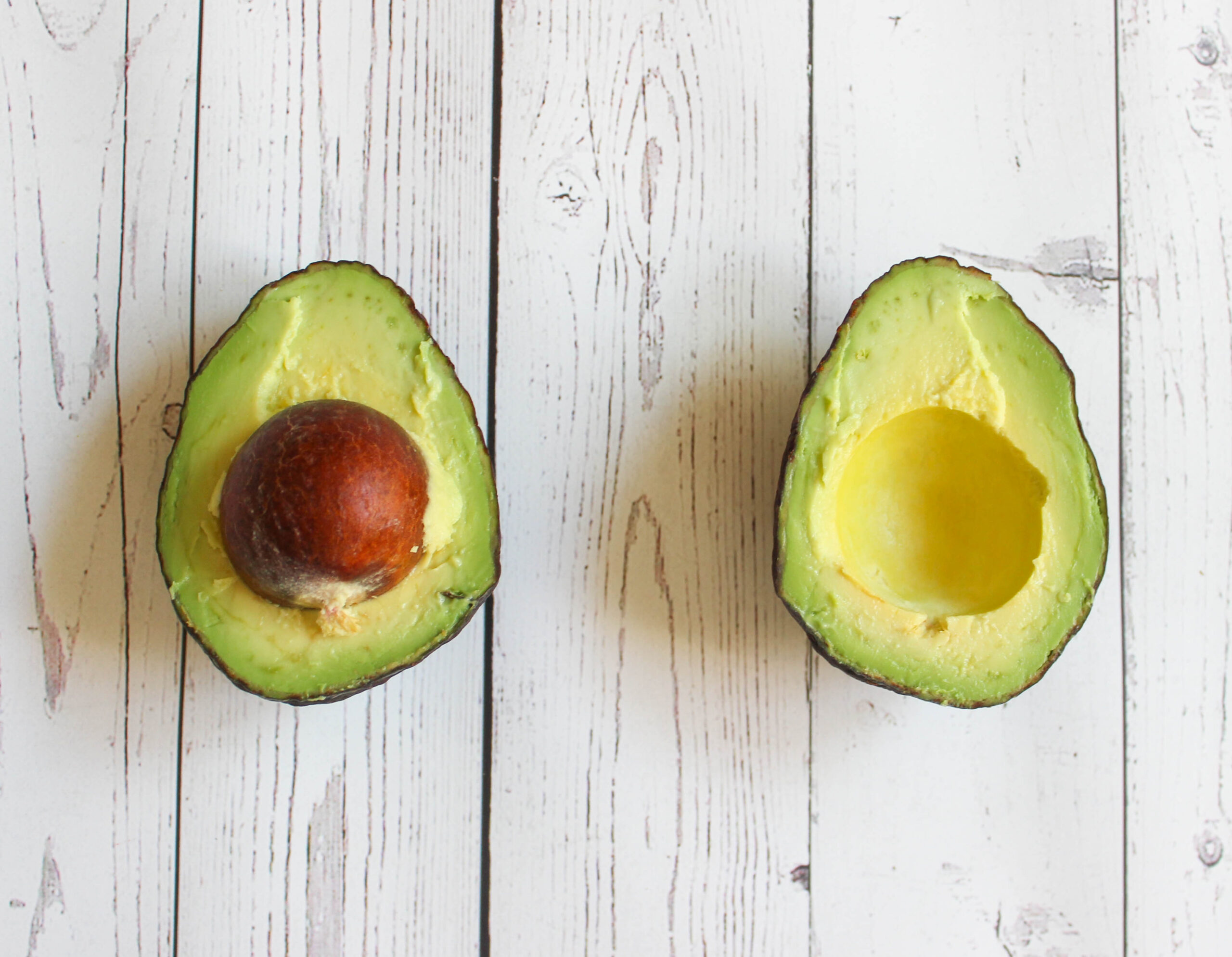
The moral of the story is that, like most people, I didn’t really know how to cut an avocado properly in the first place. I do not want to slice my hand open ever again, so I discovered a foolproof avocado-cutting method.
Not only is this method the safe way, but it’s also the best way in terms of getting maximum avocado benefits. The way I used to cut an avocado was really inefficient in terms of getting as much of the flesh out of the skin as possible. A lot of people slice it in half, cut little squares into it, and then squeeze the skin so the chunks fall out. I’ve seen other strategies as well, but that’s probably the most common method I see used. There’s a much better way.
Not only is it messy when you don’t cut an avocado properly, but you’re missing out on the best part! Most people don’t realize this, but most of the “good stuff” in an avo is in the darkest part, the part of the flesh closest to the outer skin. That’s where the highest concentration of phytonutrients (health-promoting nutrients) can be found. Not the lightest part closest to the pit. The problem is that if you don’t cut an avocado the smart way, you usually don’t end up with as much of the dark flesh as you could. Don’t you want the good stuff?!
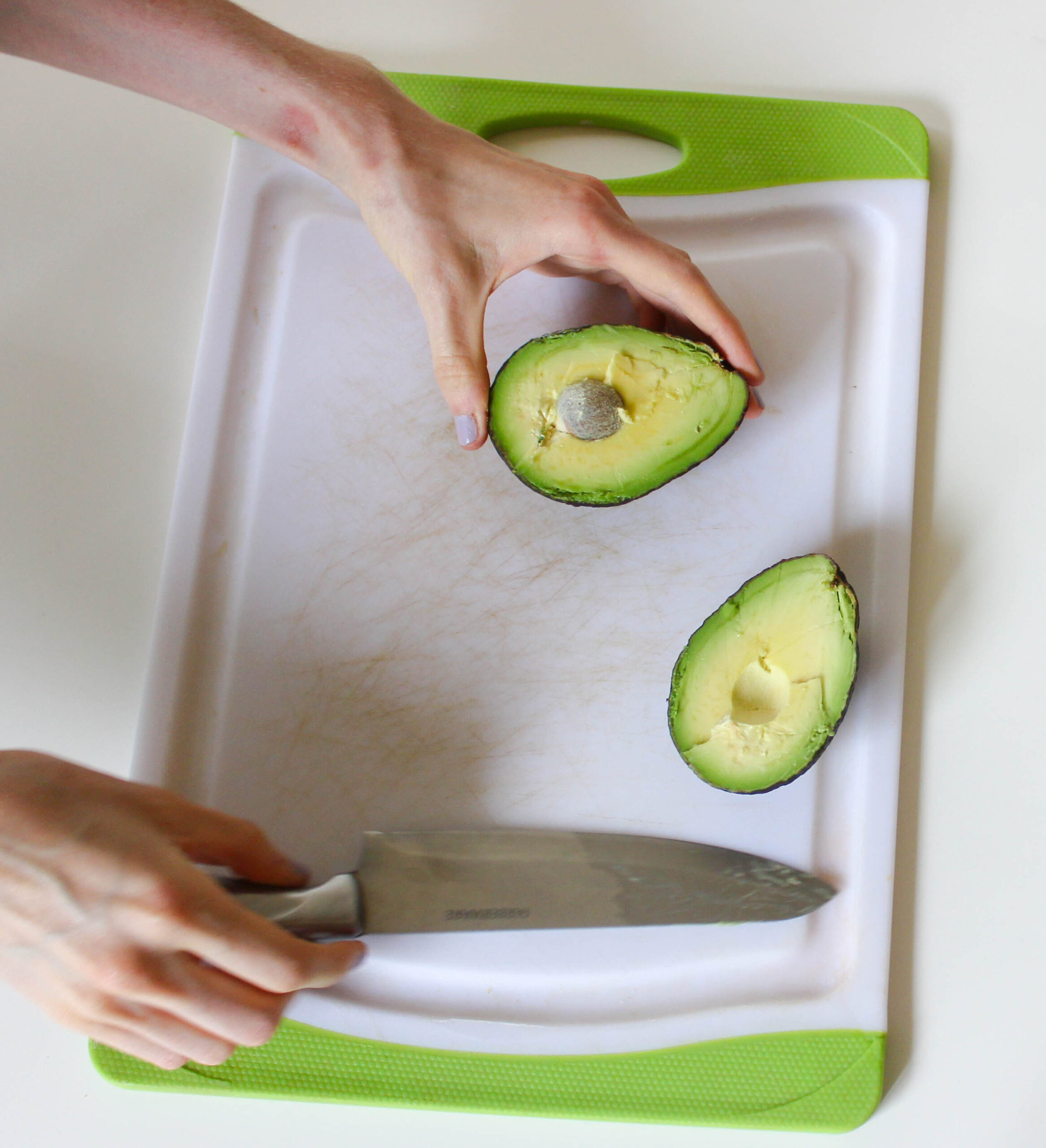
Today I’m going to teach you what is, in my opinion, the easiest and best way to cut an avocado to get as much of the yumminess out as you possibly can. This might just change your life.
Ya ready?
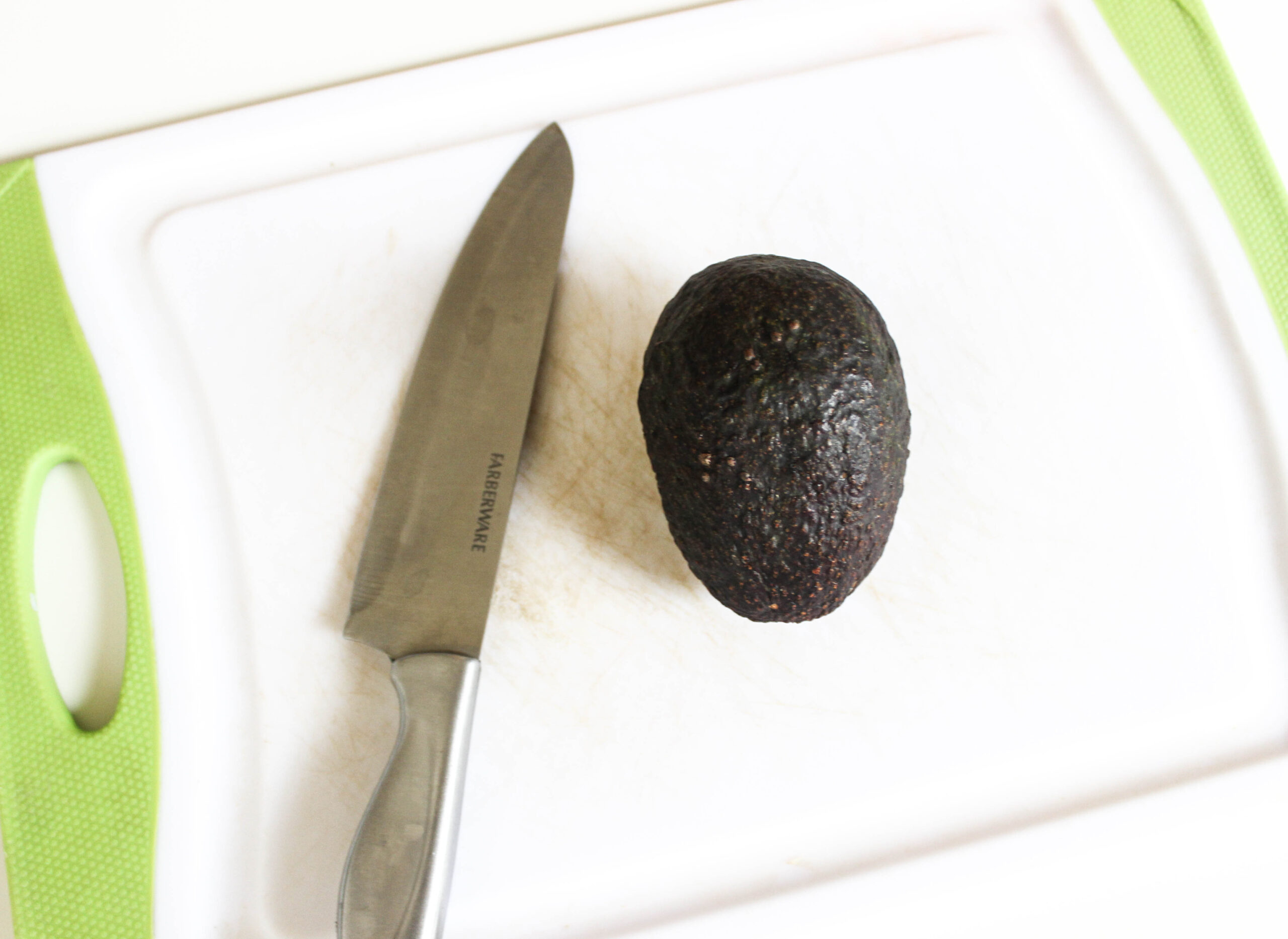
Start off with a ripe avocado. You can check if it’s ripe by looking under the stem. If it’s green under the stem, it’s ready to go. If it’s brown, its overripe. If the stem doesn’t budge, it’s not ready yet. Ripe avocados aren’t super firm, but they’re not super soft either. They’re right in between.
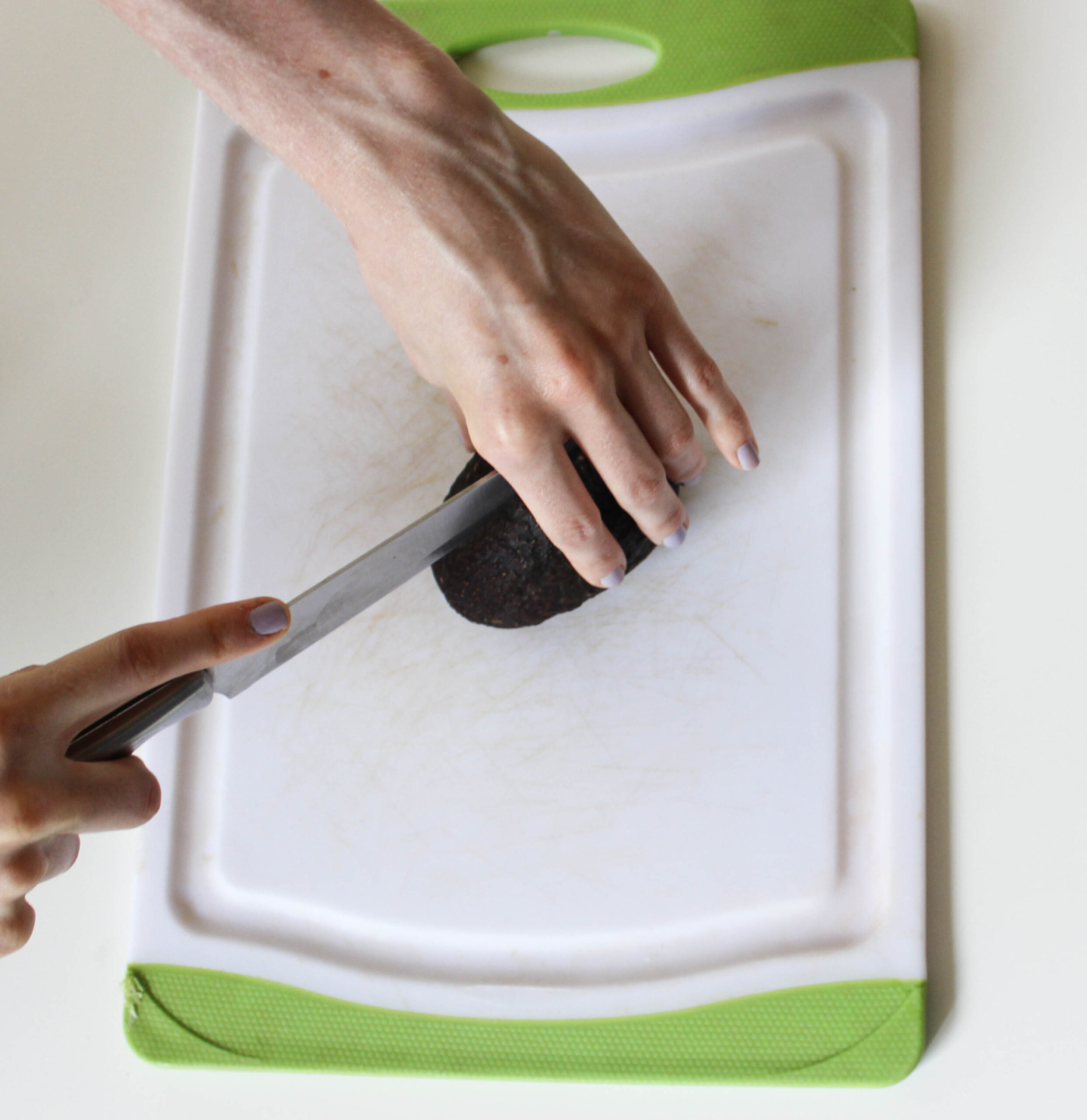
First, cut your avocado in half. Carefully! Alllll the way around.
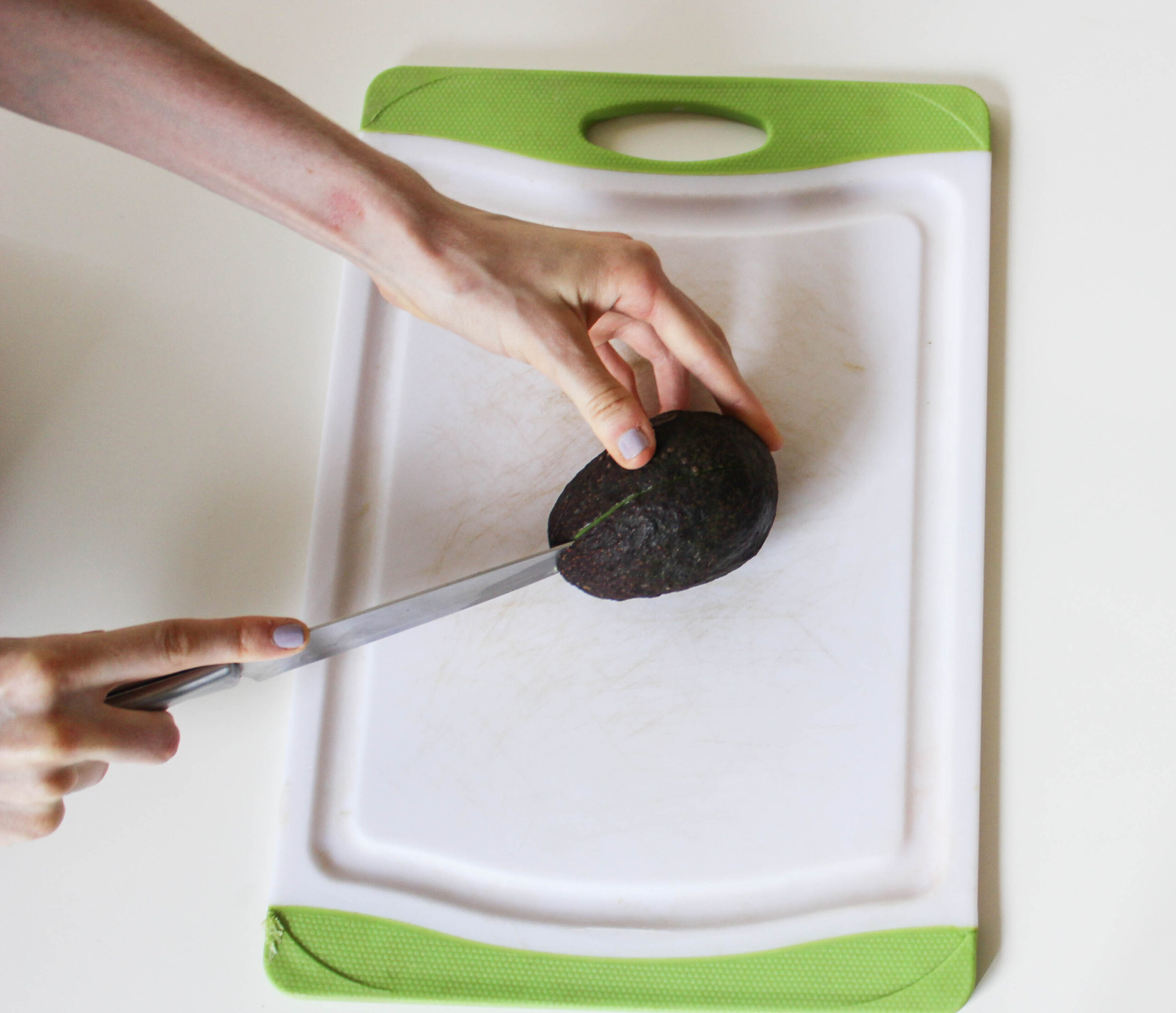
Now you should have two pretty, green halves.
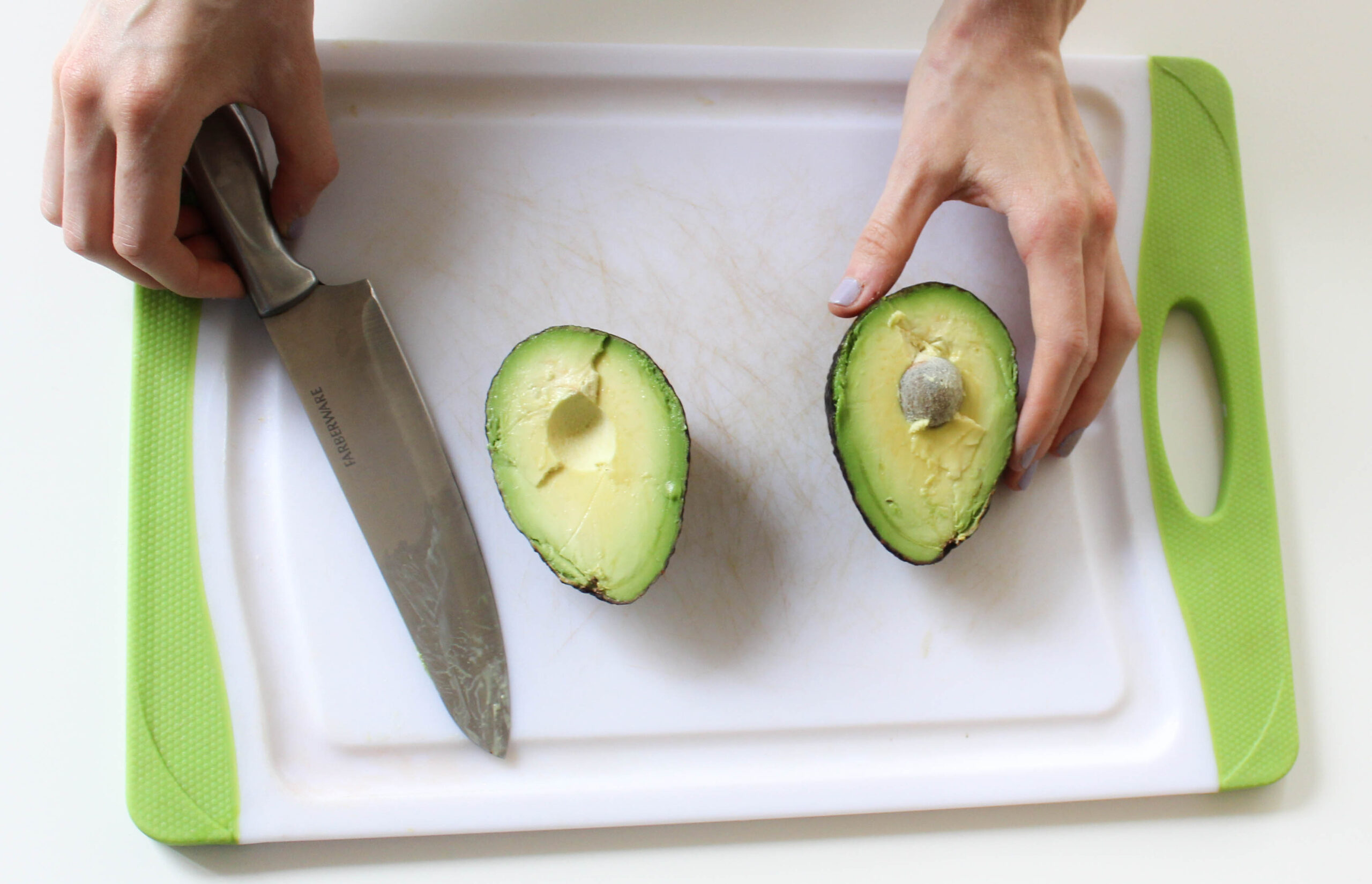
Take one half and cut it in half.
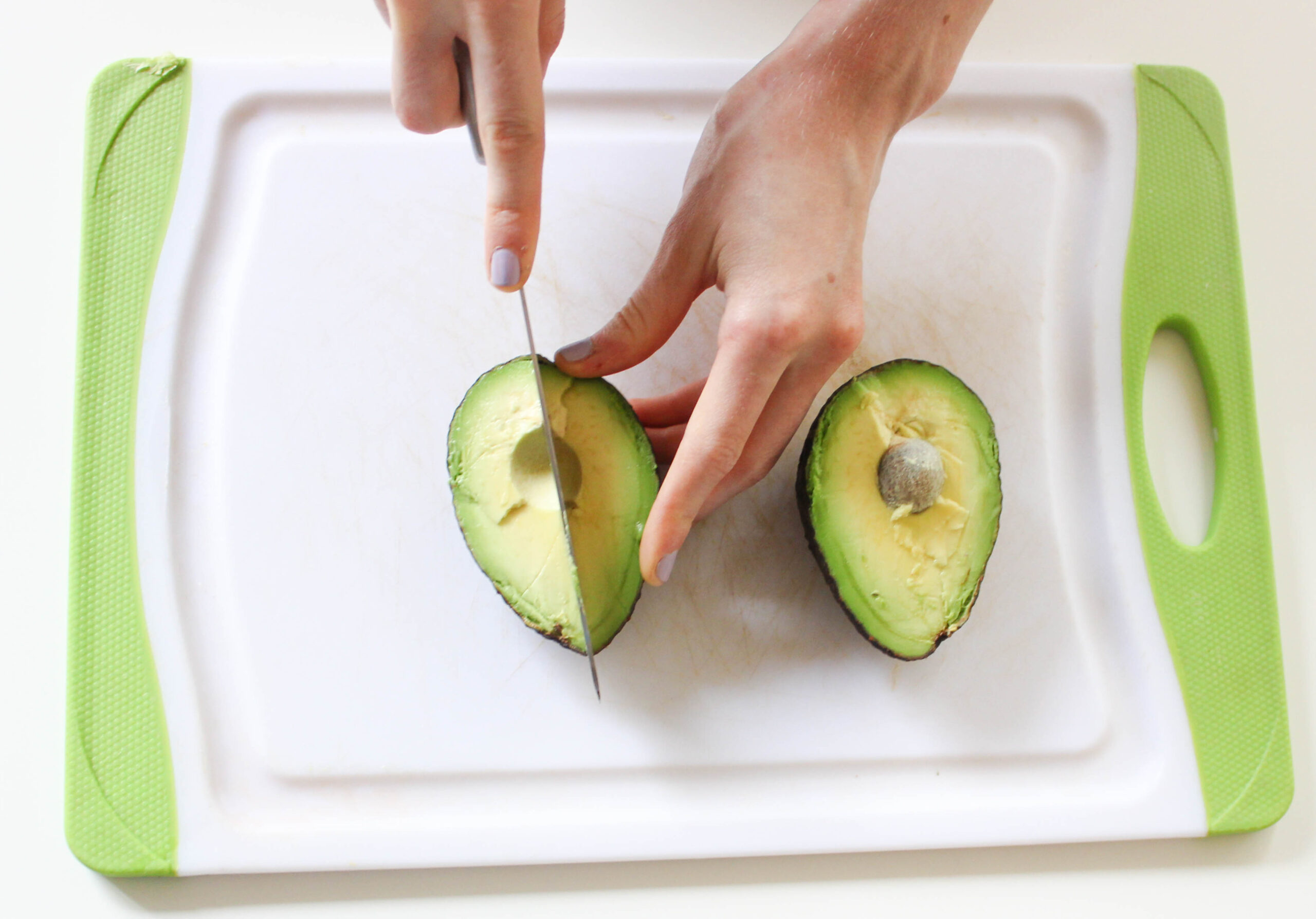
Now you’ll have two avocado quarters.
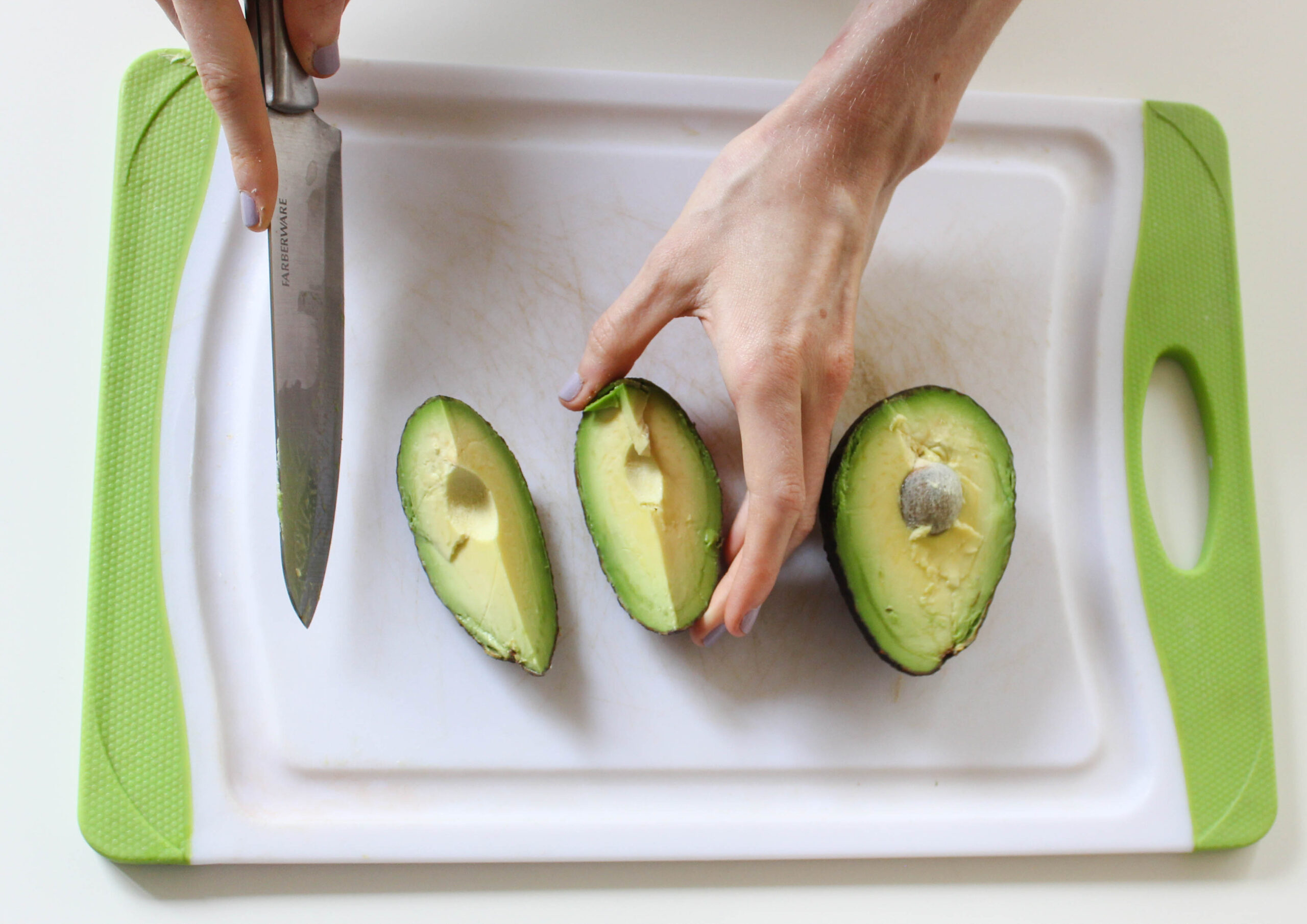
Pick up one of your quarters and carefully grab the skin at the top. Slowly peel it back.
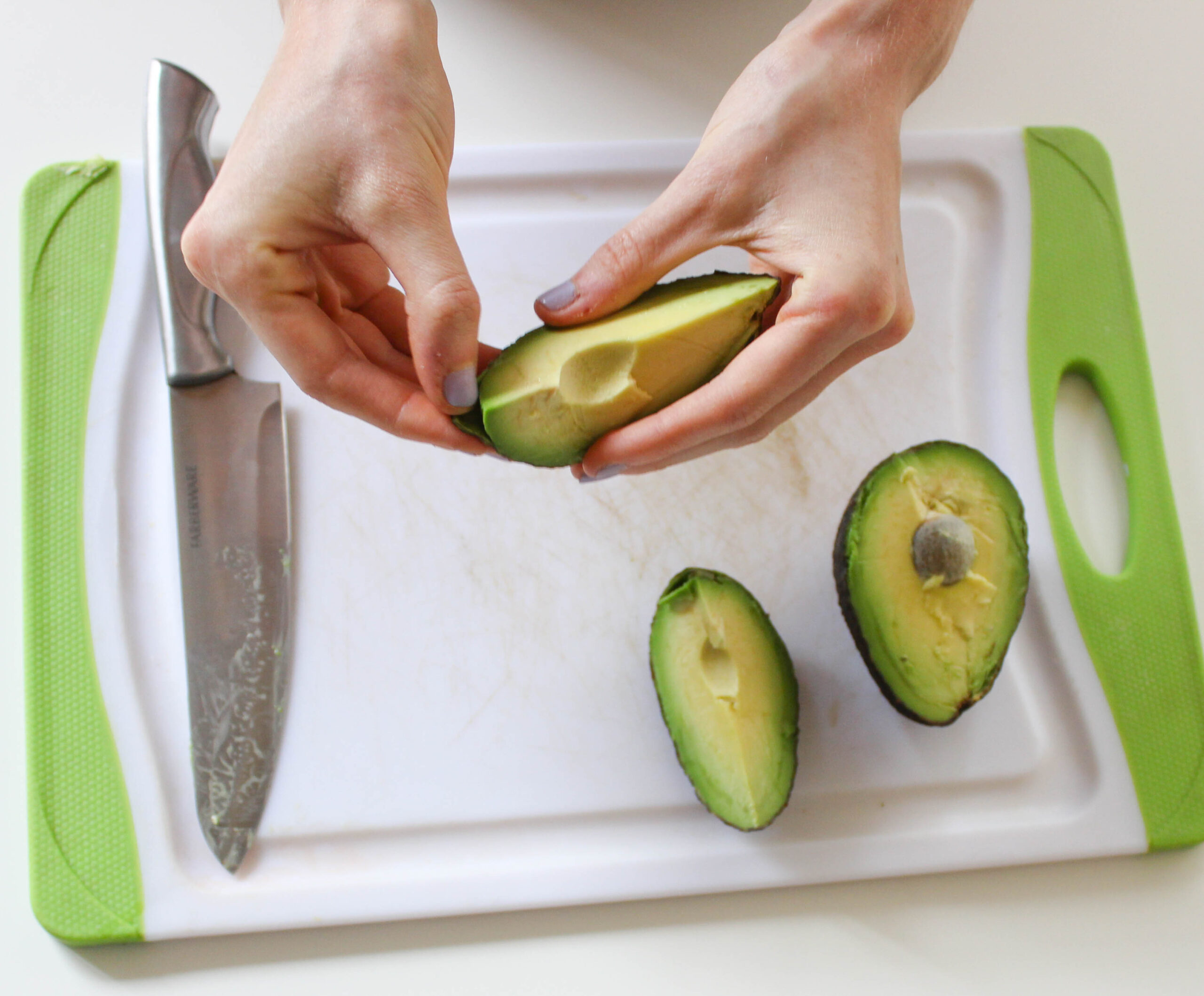
If the avocado is ripe, you’ll get a clean peel. It’s like peeling a banana.
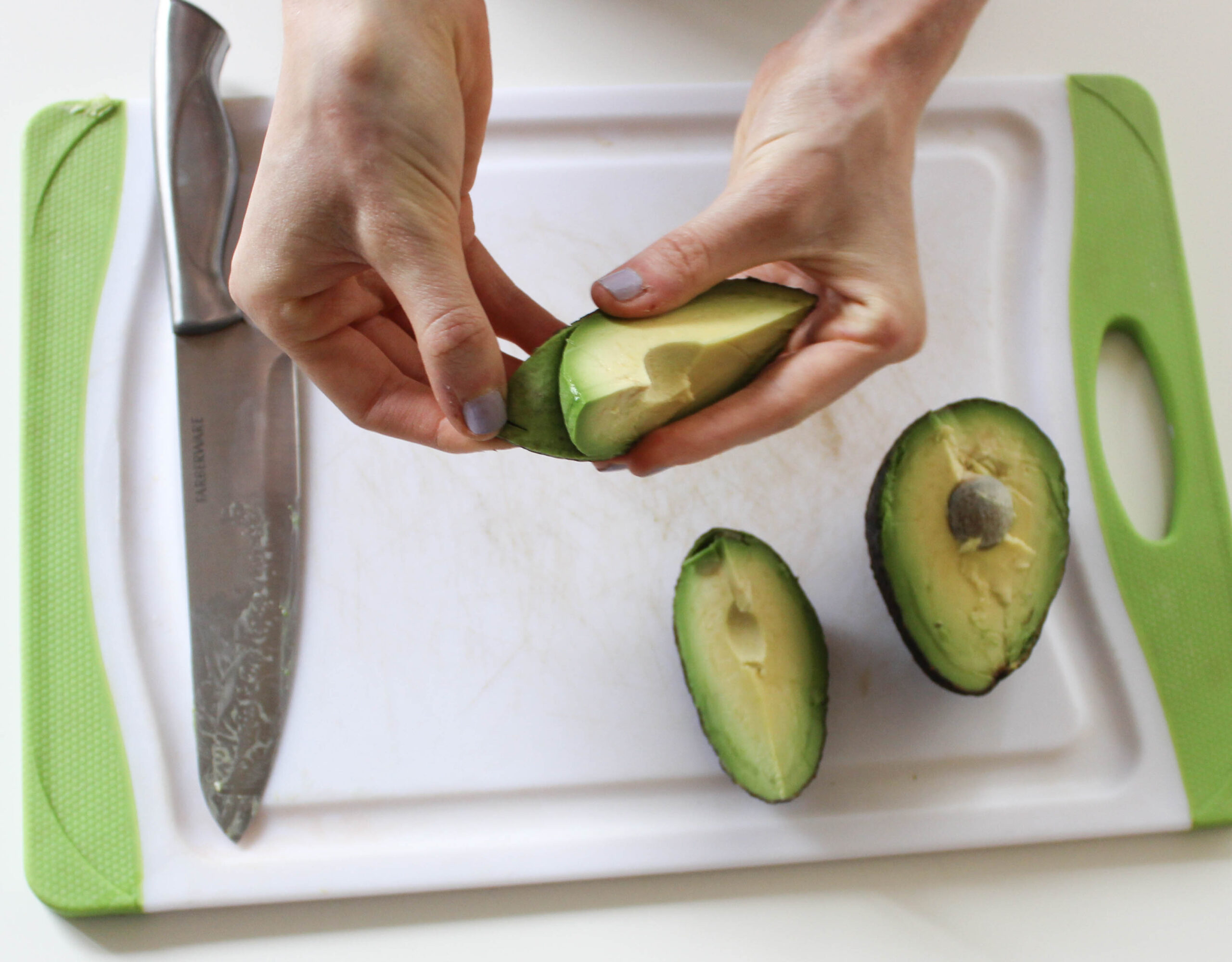
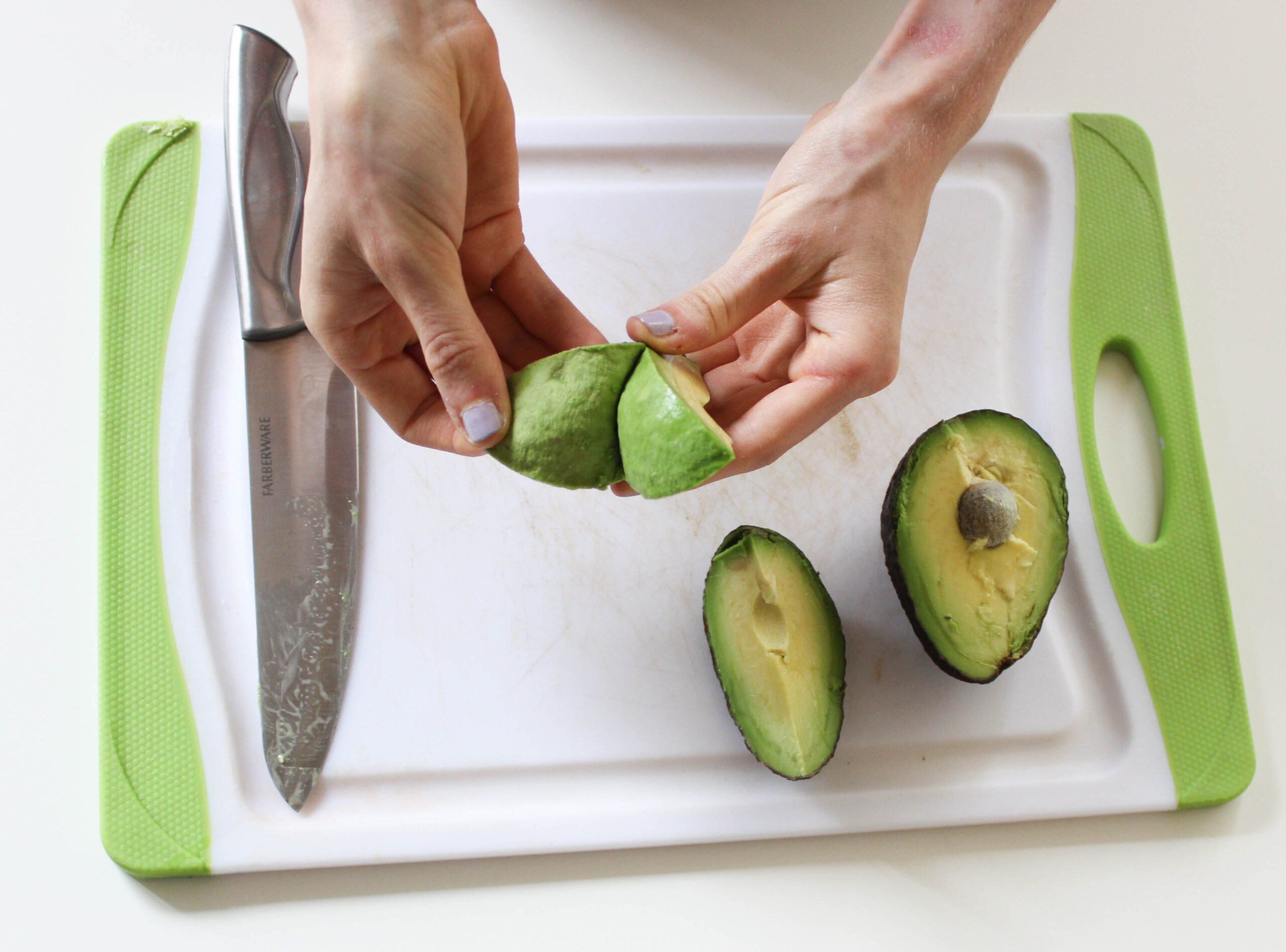
Now you have the peel, which you can throw away, and a nice-looking avocado quarter.
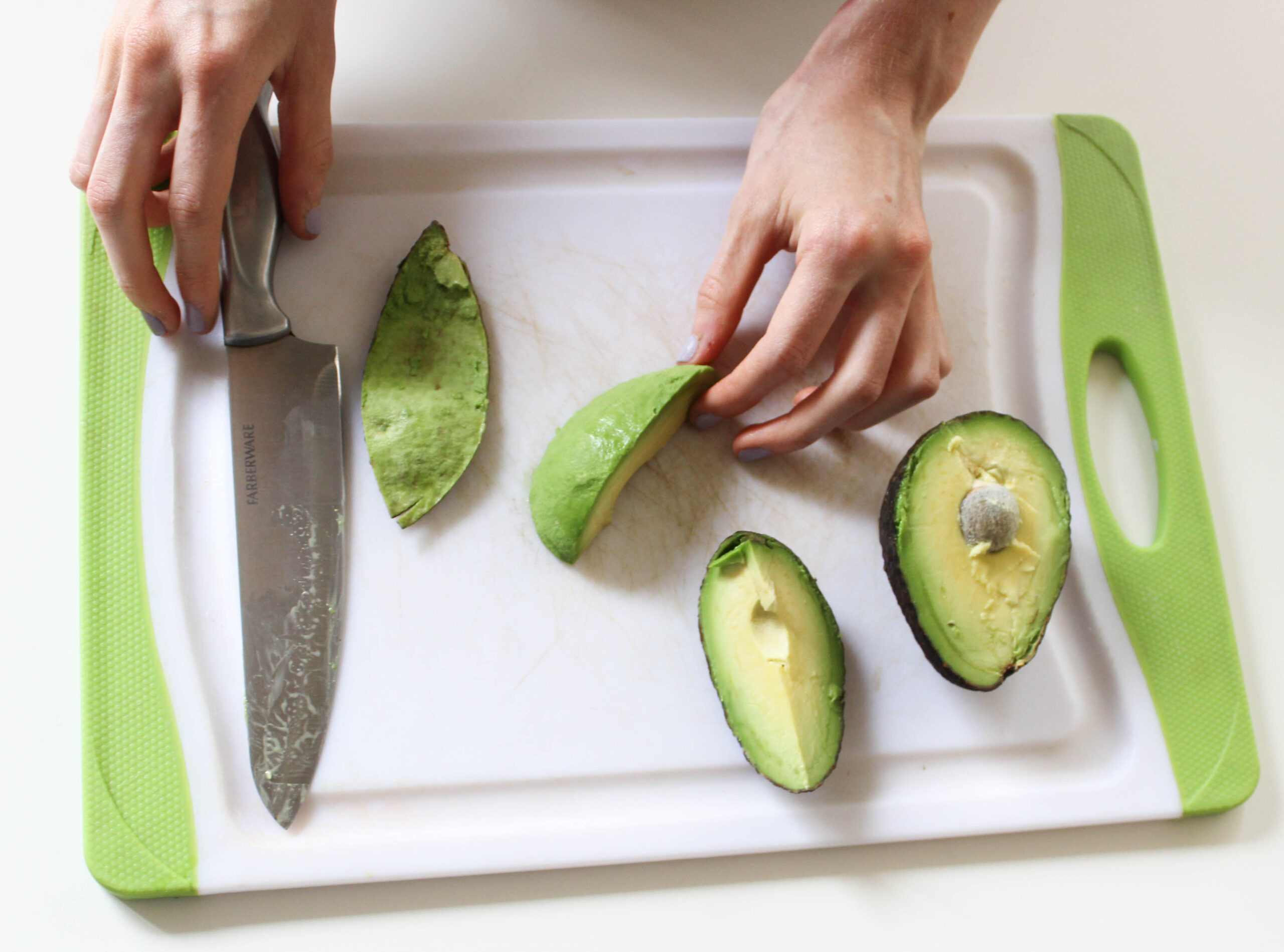
Next you can chop up your avocado quarter into chunks – as small or large as you want. (You can also leave it in quarters if you desire.)
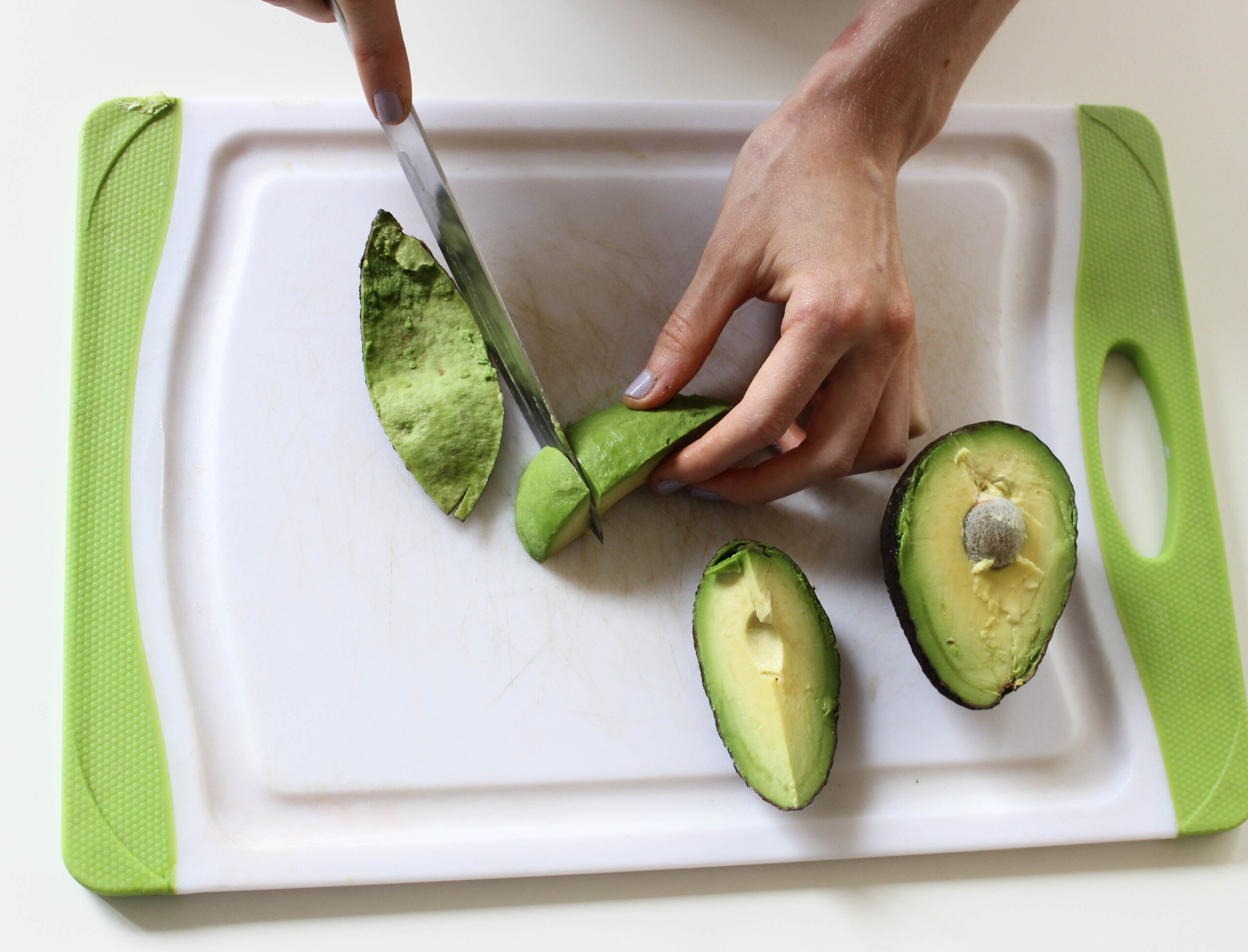
I went for 3 because it’s my favorite number.
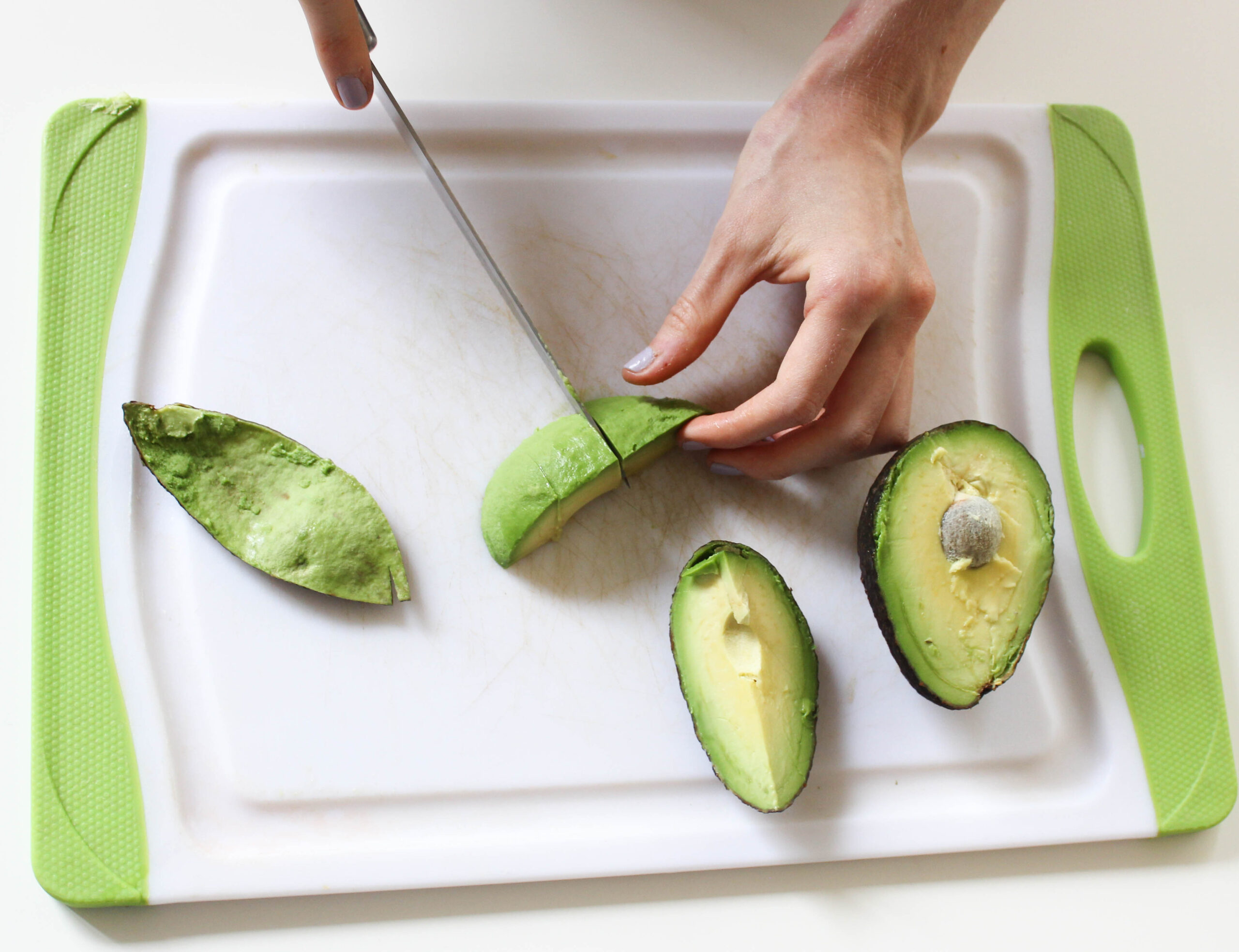
Now you have nice and clean avocado chunks! Pick up the next quarter, peel back the skin, and cut that into chunks. Then you can repeat the same steps with the other half, and throw away the pit. (Or grind the pit up and put it in your smoothies!)
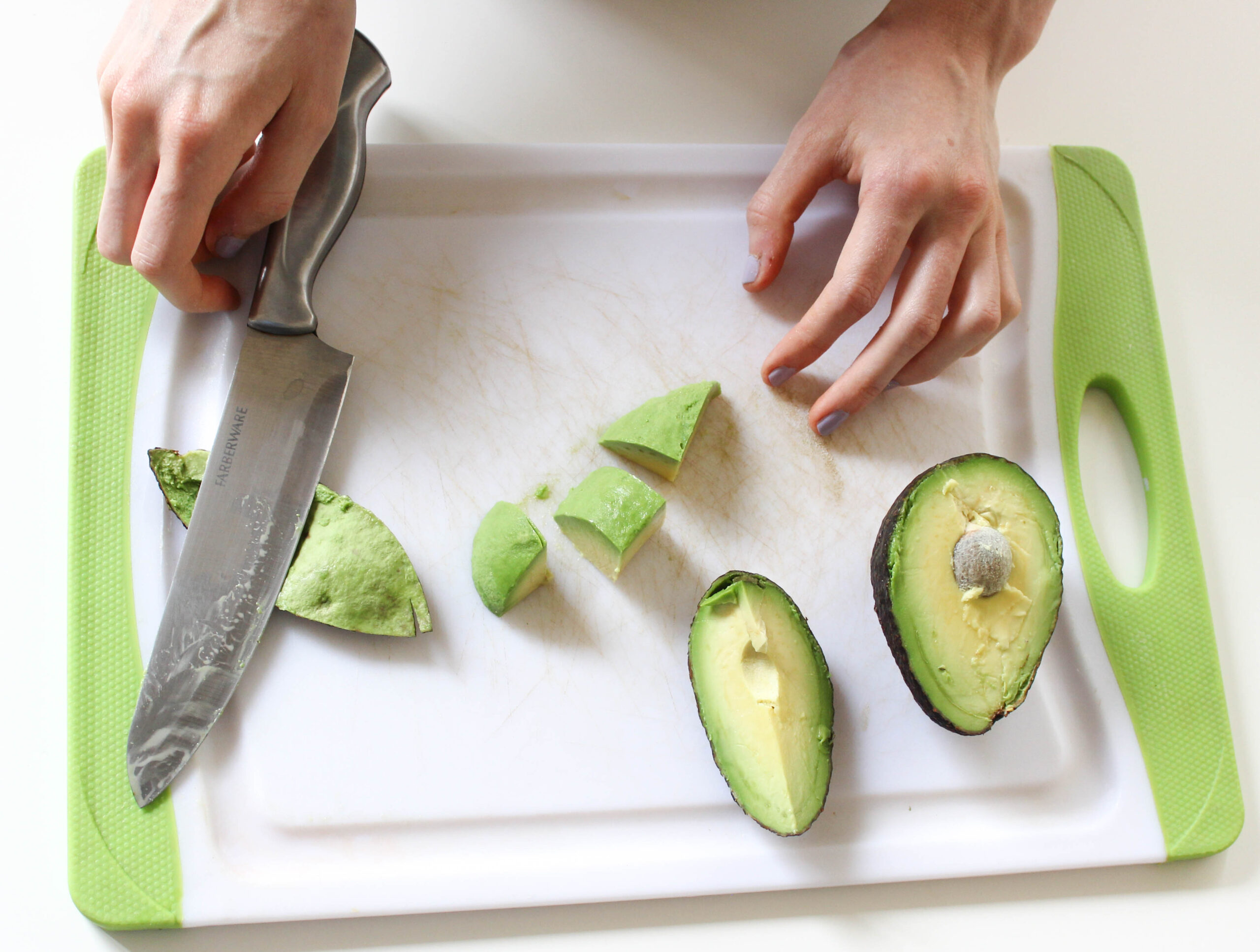
There you have it! With this method, you’ll get the maximum amount of avocado out of the skin with minimal mess. And you won’t cut your hand open while doing it.
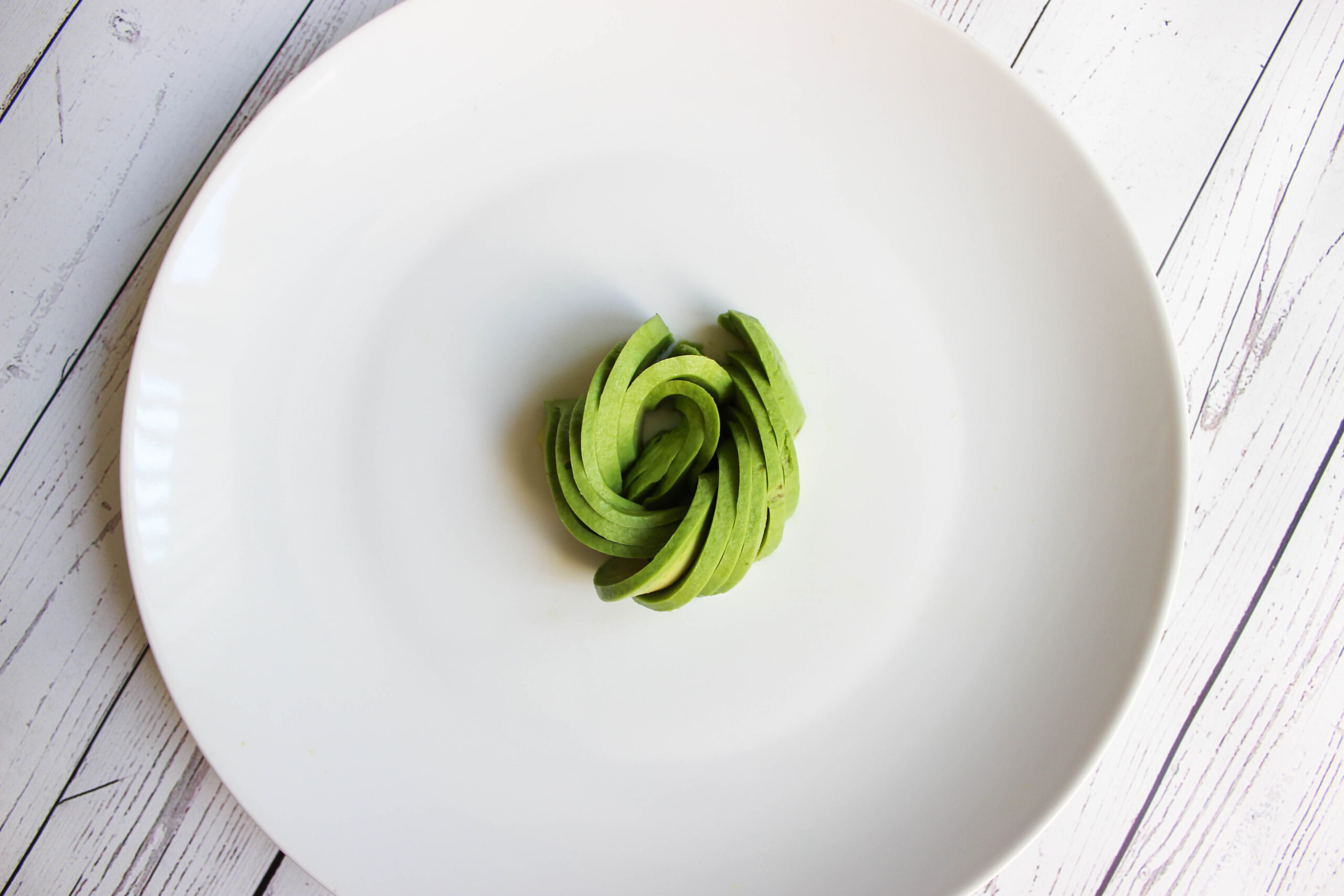
What’s your favorite way to eat an avocado?! Let me know in the comments! XO

by Christina | Jul 15, 2016 | Wellness
Last week I made a comment to my friend about how I would never eat anything cooked in vegetable oils. She stared at me with wide eyes and said, “What’s wrong with vegetable oil? I thought it was made from vegetables, so it’s healthy…”
In that moment, I decided I needed to address this issue IMMEDIATELY and set the record straight.
Backing up for a sec. I know a lot of people get intimidated when it comes to starting a healthy lifestyle. When you’re in college and are faced with the daunting task of cooking for yourself, it can be overwhelming. You suddenly have to make a bunch of decision about what to buy, how to cook, and what to cook, and not everyone knows what the best options are.
I wanna help.
It’s all about making small changes that add up to create an overall healthy lifestyle. You don’t have to switch from In N’ Out to green smoothies overnight, and you don’t have to give anything up forever. Just make little adjustments that will eventually add together to improve your overall health and well-being. One of those small, easy changes that will massively change your health is cooking with the right oils.
NOT getting rid of fats. We NEED fats in our diets. I can write a whole post on this if you want, but we’ll leave it there for now. We need the GOOD fats.
Misleading as it is, vegetable oils are not what you want to be cooking with if you’re tryna hop on the health train. Once again, I’m going to try to keep this as non-sciencey as possible, but I want you to understand why vegetable oils are not my ish. Hang tight with me.
Vegetable oils include canola oil, soybean oil, corn oil, sunflower oil, safflower oil, and other oils that come from the seeds of plants. Vegetables oils, and margarine (which is made from vegetable oils), are made in factories through a bunch of chemical processes, and they’re more often than not created from genetically modified crops that have been sprayed with lots of pesticides. I’m not going to get into the nitty-gritty of exactly how they’re made, but the point is that these vegetable oils are processed foods themselves. They’re not real foods. Most contain added chemicals that harm our bodies and have been linked to hormone imbalances, reproductive problems, kidney damage, high cholesterol, weakened immune systems, and other health issues.
Familiar with the whole good fats vs. bad fats thing? Vegetable oils are “bad” fats. They have super high levels of polyunsaturated fats, which are very unstable and oxidize easily. So when your body tries to use those fats to repair cells (because, again, our bodies NEED fats to function), it can cause cell mutations and major inflammation, which can lead to longterm health issues like skin cancer, PCOS, and heart disease.
Another thing you might have heard of – our bodies need to have the right balance of Omega-6 and Omega-3 fats in order to function optimally. Most people have waaaaay too much Omega-6 in their diets, and vegetable oils are a main reason why. Vegetable oils have really high levels of Omega-6 fats, which oxidize easily, and having too-high levels of Omega-6 fats can cause different types of cancer, increase overall inflammation in your body, and lead to other health problems like heart disease, diabetes, IBS, asthma, and autoimmune diseases.
Vegetable oils are the oils that are put into pretty much every processed food on the market, and they’re the oils that are used in most restaurants here in America (lucky us!). Basically, they’re bottles of inflammation, IMO. I personally do my best to avoid them completely, but we live in a world where that’s almost impossible. Limiting your consumption of corn oil, soybean oil, peanut oil, safflower oil, margarine, any other fake butters, and any other vegetable oils will radically improve your health. I noticed digestive and skin improvements immediately after taking these out of my diet.
So, check your ingredients and try your best not to consume foods that contain these oils. You can find vegetable oils in a lot of salad dressings, sauces, chips, cookies, and other “snack” food. I doubt you’re surprised…
At the very least, stop cooking with vegetable oils! It’s one thing to have limited control over the foods you’re served at restaurants (which you absolutely DO have control over, but I’ll discuss that another time), but don’t make the choice to buy an inflammatory, toxic product and cook with it every day! That’s basically torturing your body.
When you go to the grocery store, you have the choice to buy a cooking oil that will make your body happy and make you feel amazing. If you cook with healthy oils most of the time, then it won’t be a big deal when you go out to eat with friends and get something that was cooked in vegetable oil. It’s all about BALANCE.
SO. What are the good oils?! Because YES, we definitely need healthy fats in our diets!
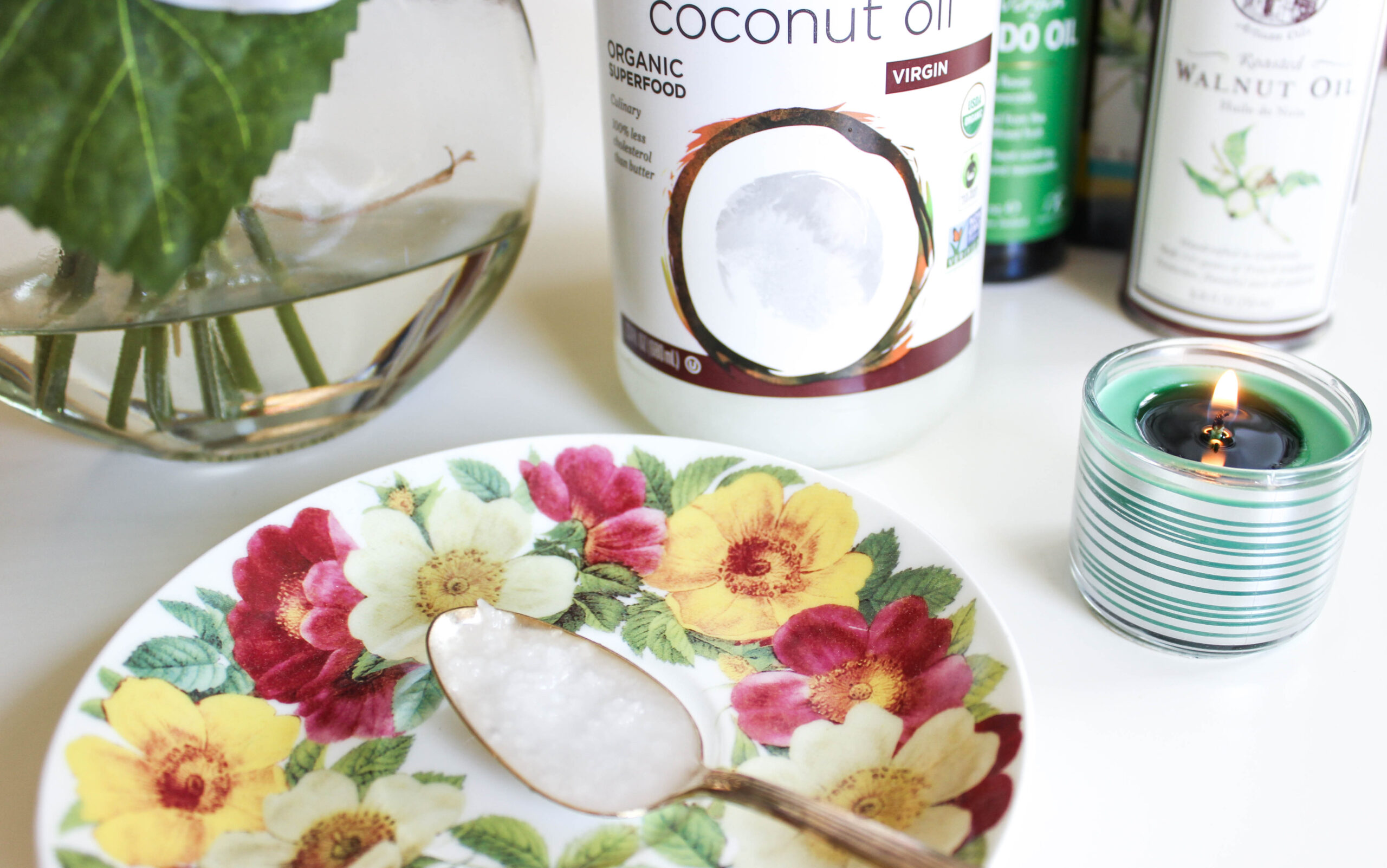
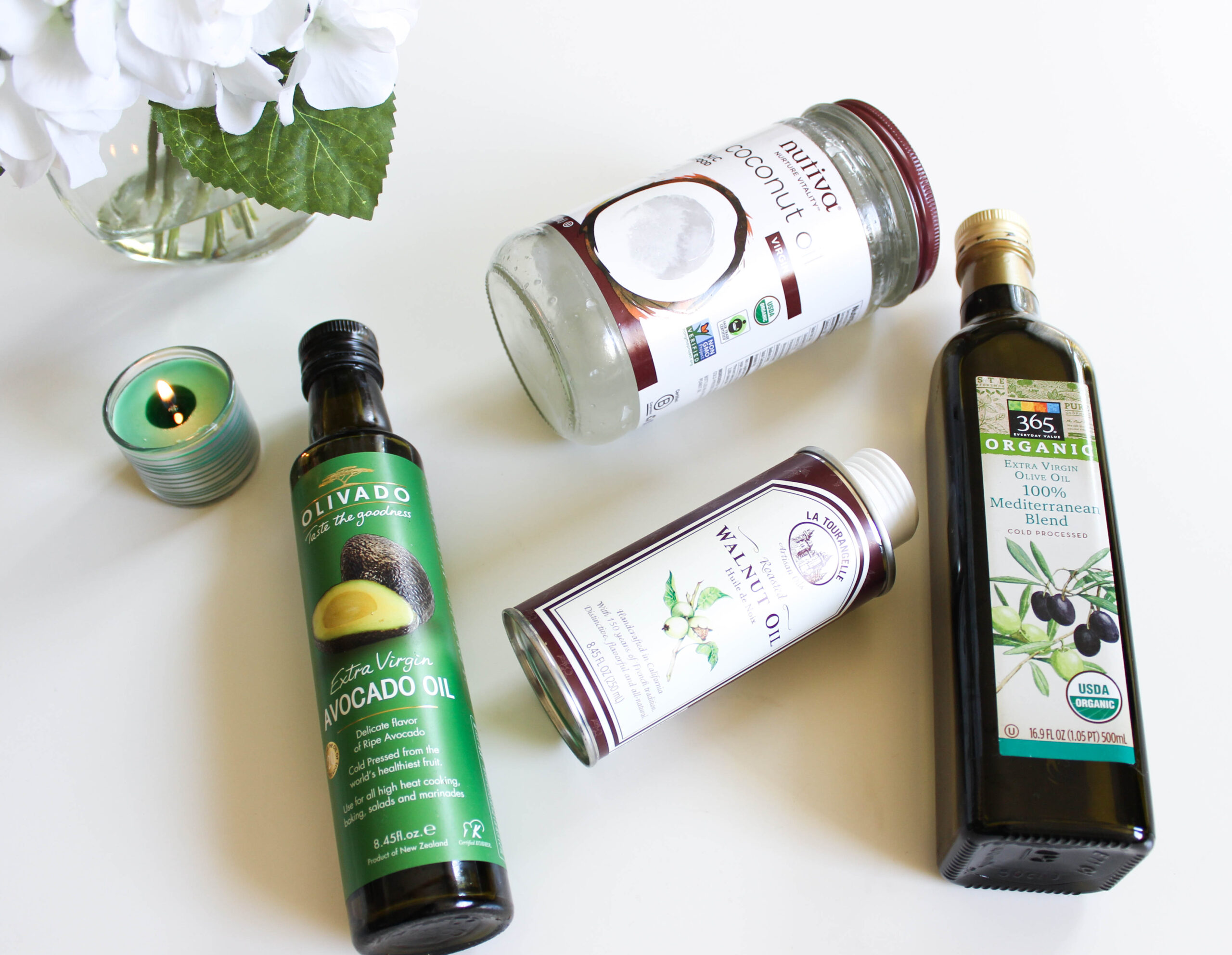
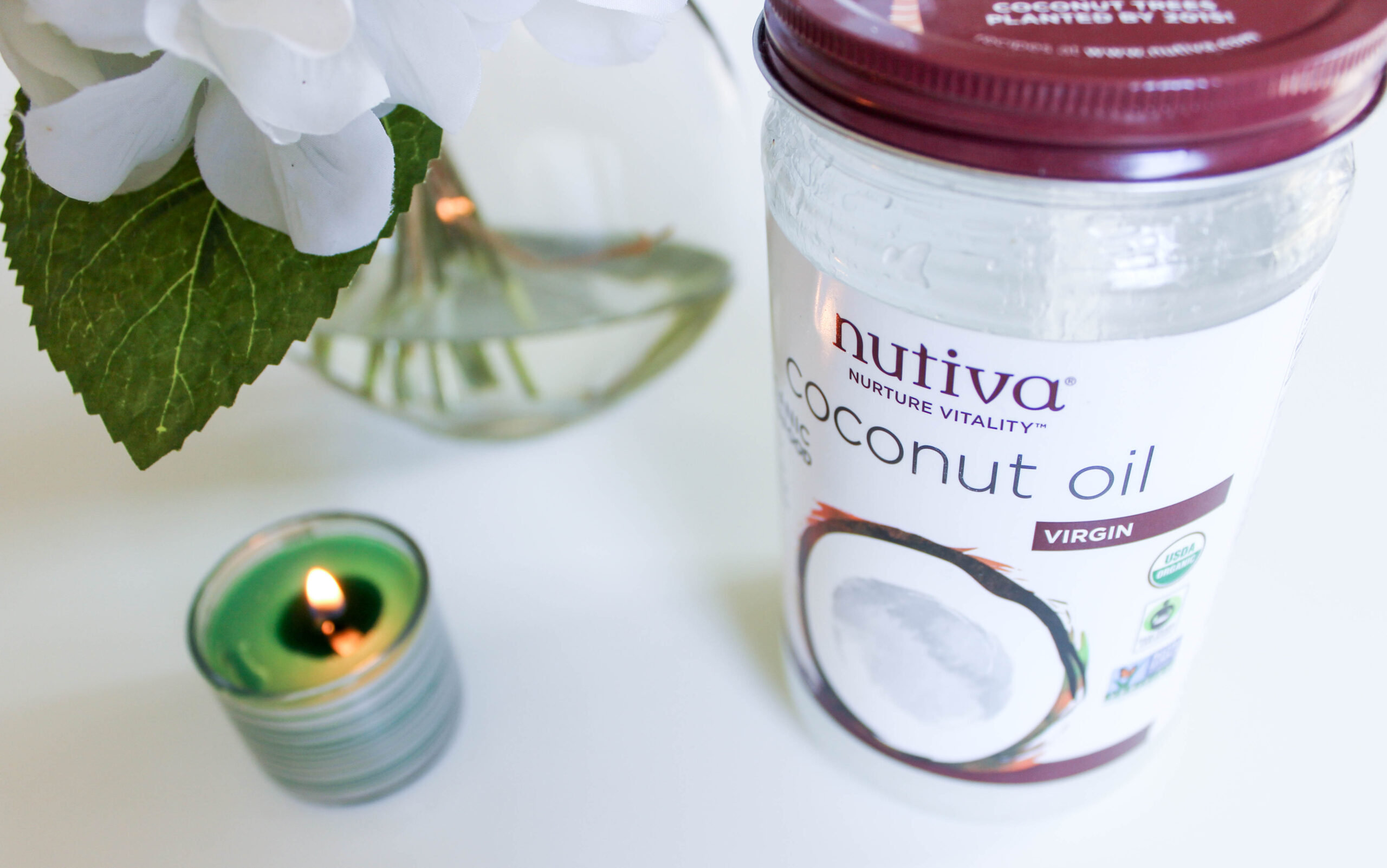
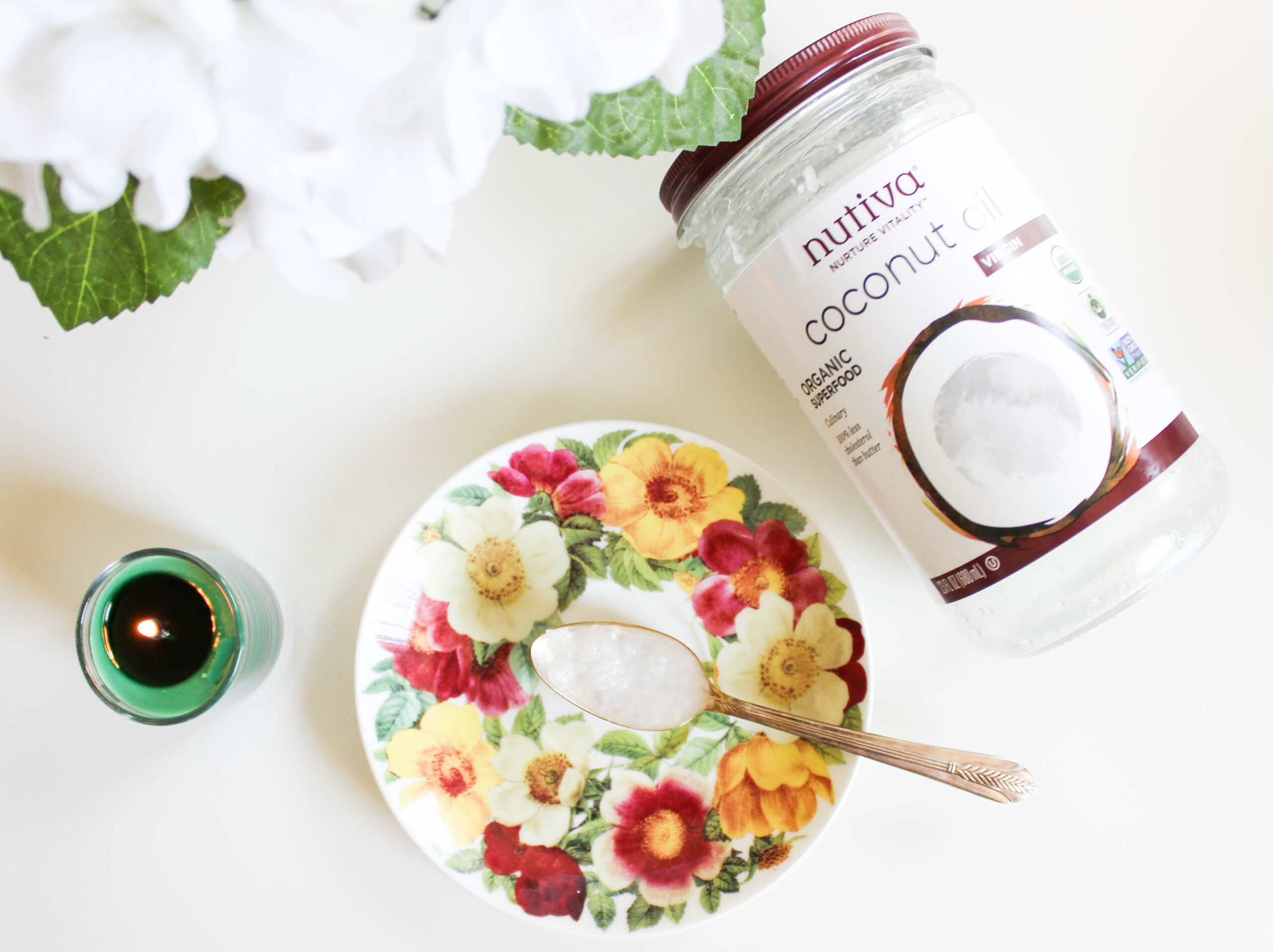
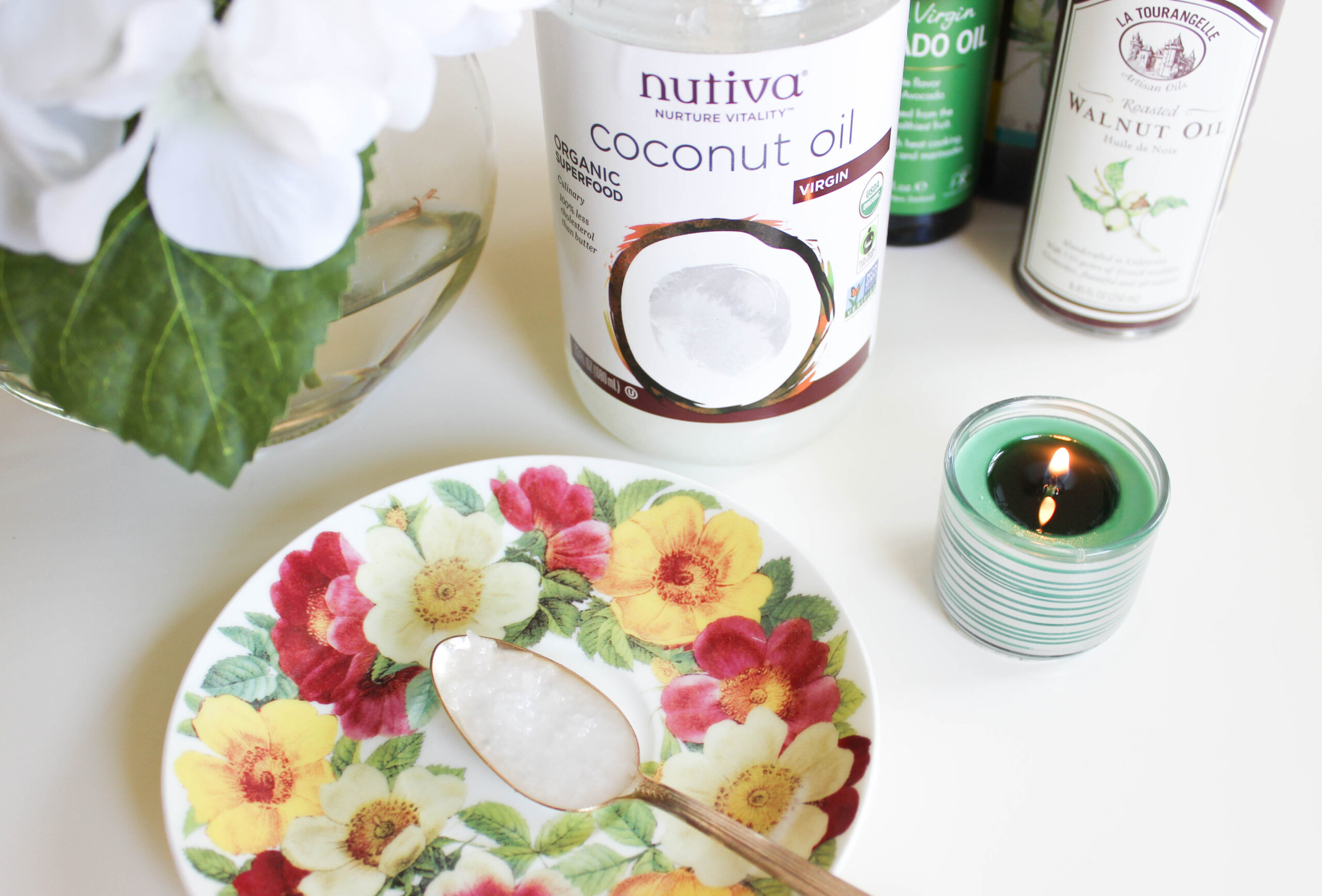
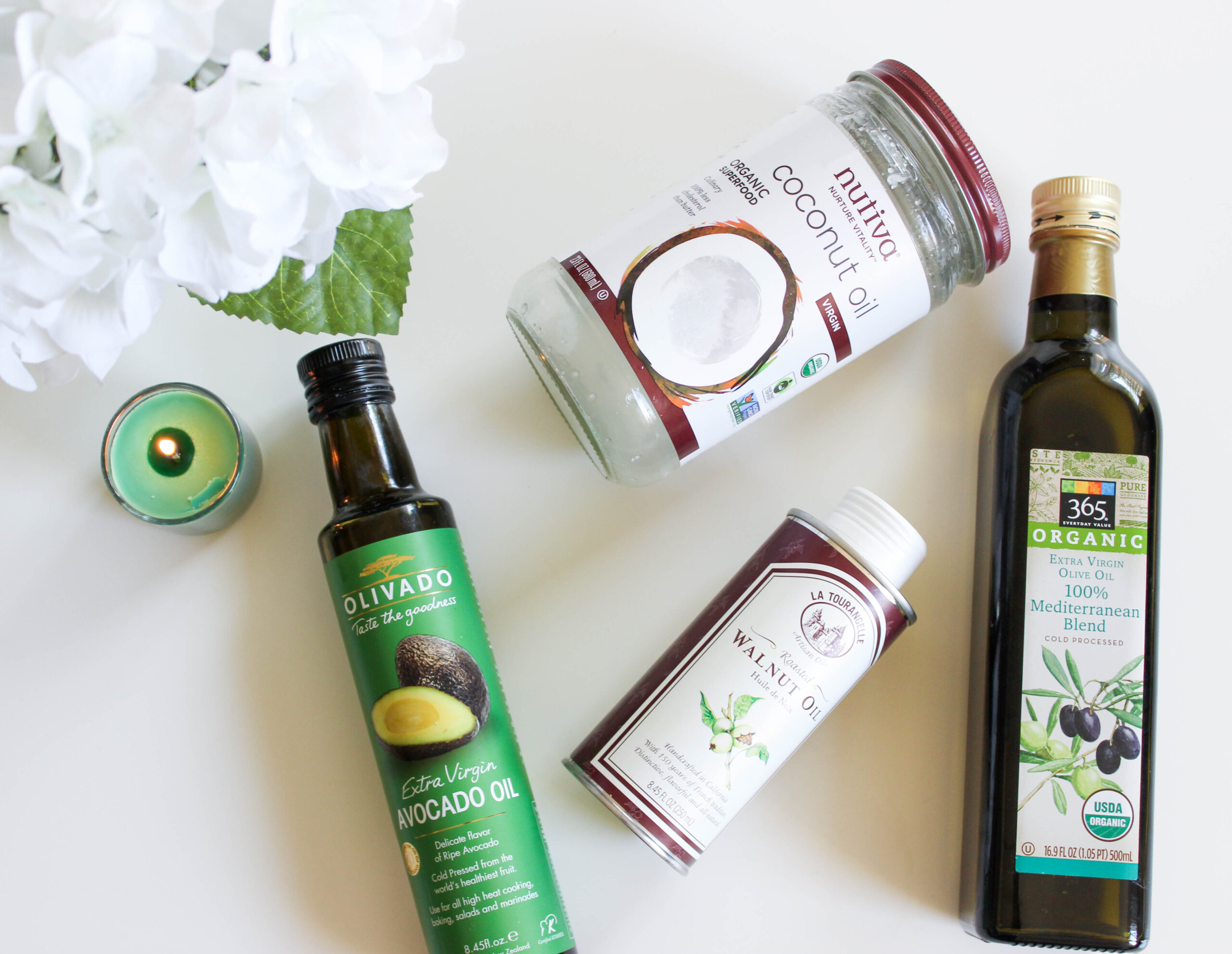
My absolute favorite oil to cook with is COCONUT OIL. First of all, it’s delicious. I eat coconut oil plain, which I know is not for everyone, but just saying. It’s filled with medium chain fatty acids, which are very easily digested, and it’s one of the best sources of saturated fats in the game. It’s great for cooking at high temperatures because it doesn’t oxidize easily. It’s also been known to increase your metabolism, decrease inflammation, and improve cholesterol levels, amongst other things. Make sure you get it in a glass jar, and it should be organic, virgin, and cold-pressed.
(P.S. If you don’t want a coconutty taste, go for refined coconut oil. It has a much milder taste. The “refined” part doesn’t mean it’s bad, I promise.)
Real, grass-fed butter is a great choice if you can tolerate dairy. If you don’t eat dairy, ghee is another great option. It’s great for high-heat cooking and gives your food a rich, dense flavor. Like coconut oil, ghee has also been linked to fat burning, improved digestion, and increased energy. YAAAS.
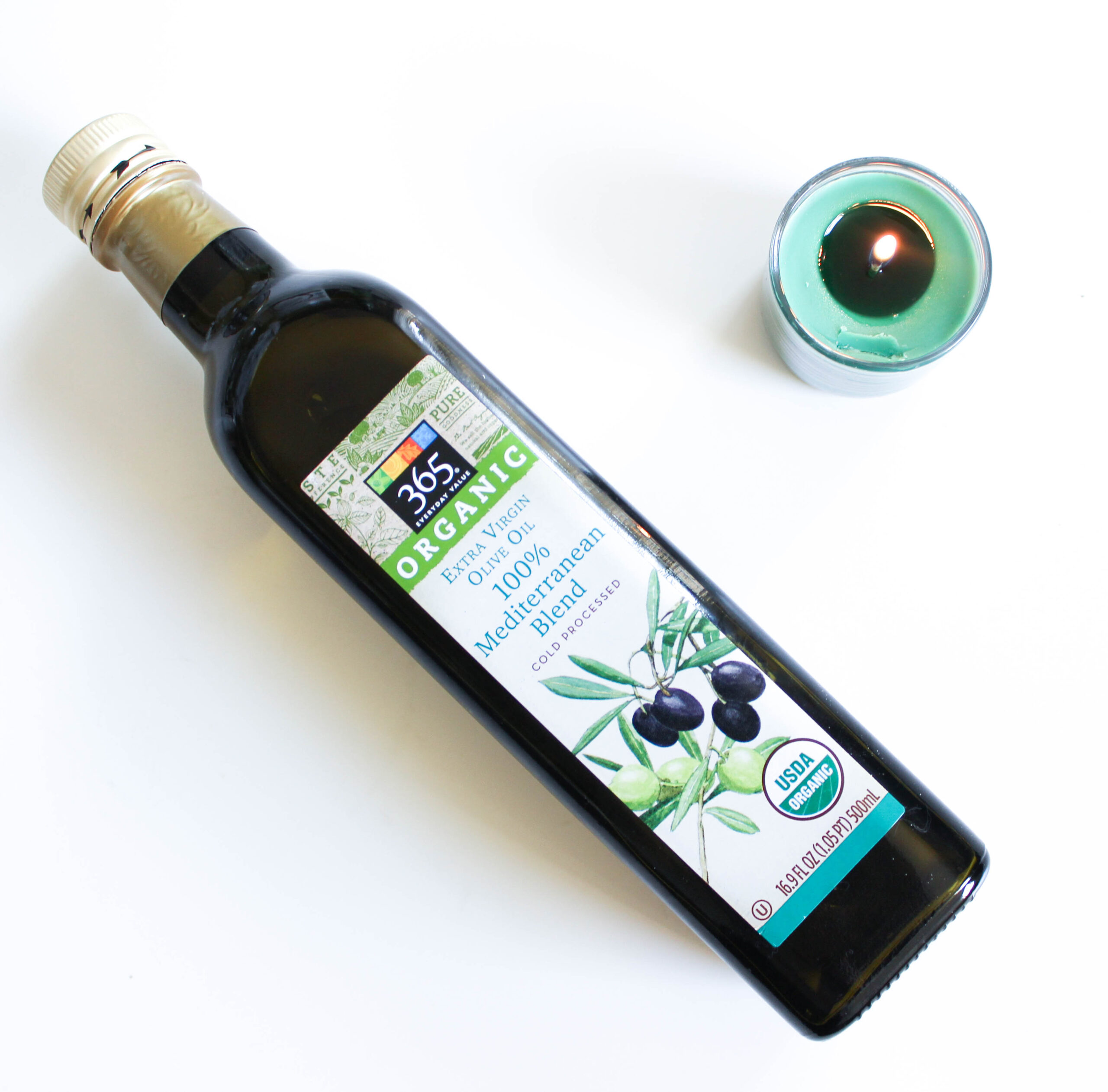
Olive oil is amazing. But make sure you use REAL olive oil. Extra virgin, cold-pressed, and in a dark, glass container. Olive oil is ideal for salad dressings or tossing over some steamed veggies. It shouldn’t really be used for cooking at high heats because it oxidizes at high temps, but let’s be real, I cheat on that all the time. Cooking at high heats with olive oil isn’t amazing, but it’s 5 billion times better than cooking with any vegetable oil.
Palm oil (sustainably sourced), lard, and other animal fats are other great fats to cook with because of their saturated fat content and heat stability. I personally use these much less often (basically because I’m just obsessed with coconut oil), but they’re fun if you want to switch up the flavor profile of your food. Some palm oils are questionable, though, (long story – can explain another time…) but still better than vegetable oil.
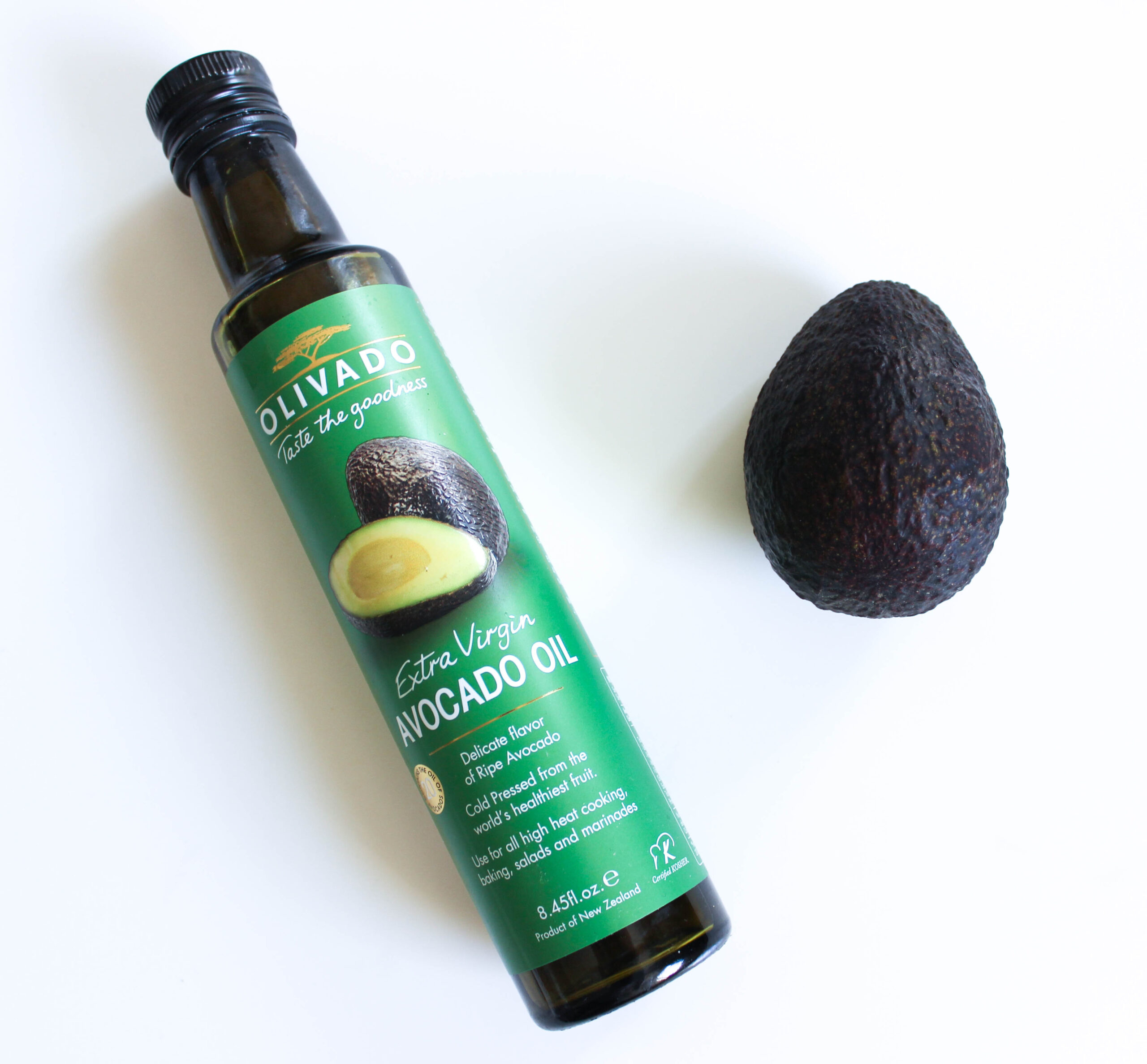
Avocado oil is another one of my favorites, but I tend to only use this for salad dressings or to put on top of already-cooked veggies. Again, it’s not as stable at high heats as my one true love, coconut oil, but I cheat with this too. I love anything avocado.
Flaxseed oil, walnut oil, and macadamia nut oil are also great in salad dressings or on top of veggies, but they should be eaten in moderation because they do have really high levels of Omega-6 fats. However, they have other amazing health benefits, so these are definitely healthy oils as long as they’re not over-consumed. These aren’t good for high-heat cooking, though, so keep ’em cool.
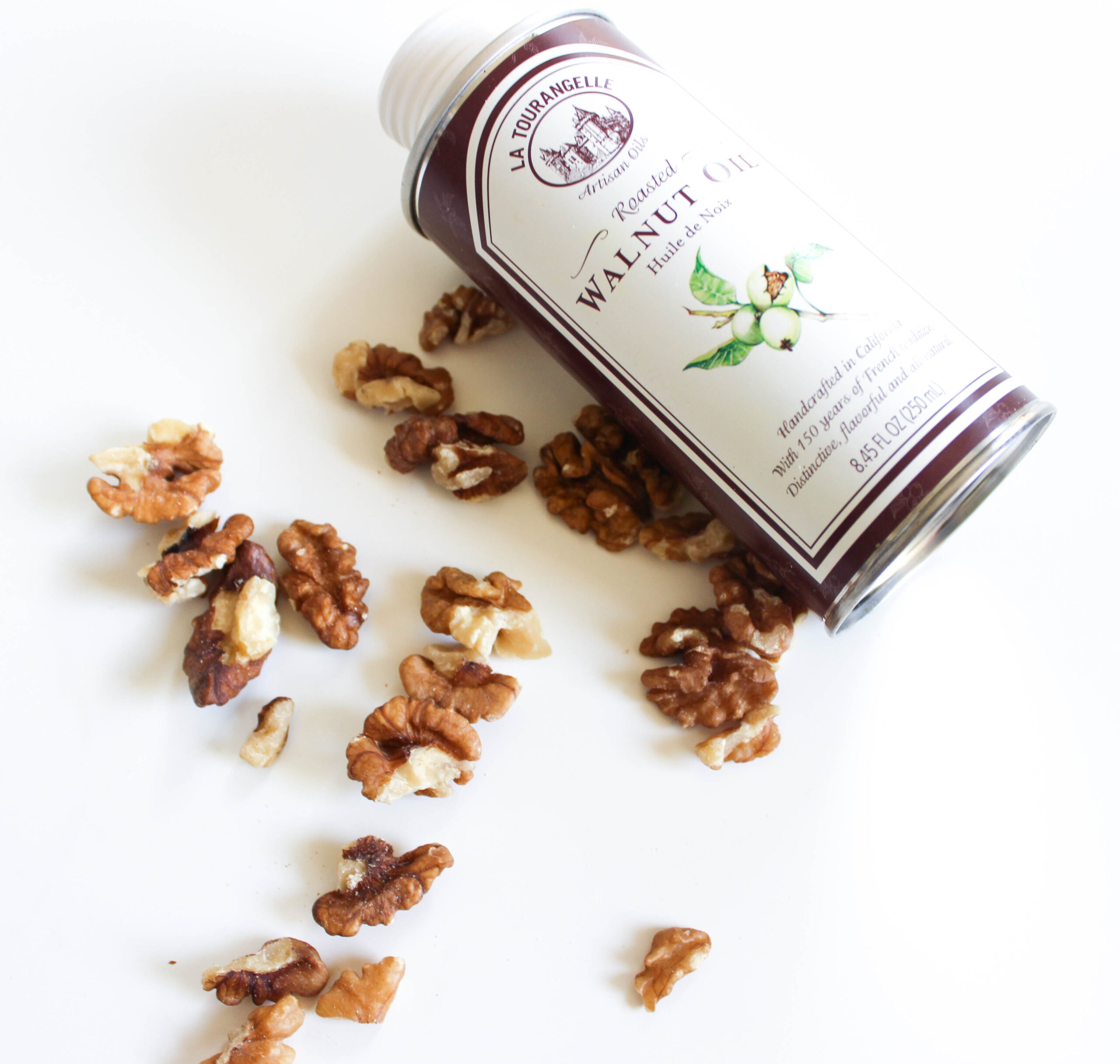
Let’s recap. Avoid vegetable oils as much as possible. Buy organic, virgin, cold-pressed oils in glass jars. Keep them in a cool, dark place, like a cupboard. My top faves are coconut oil, olive oil, and avocado oil, but go with what you like. (Although if you don’t like coconut oil, I think you need to get your taste buds checked!) Cook with them, throw ’em on your already-cooked food, eat them plain, WHATEVER. Just get them in your diet and take the other oils out. I promise you’ll feel SO much better.
And remember, it’s about the little choices in life. <3

by Christina | Jul 11, 2016 | Recipes, Wellness
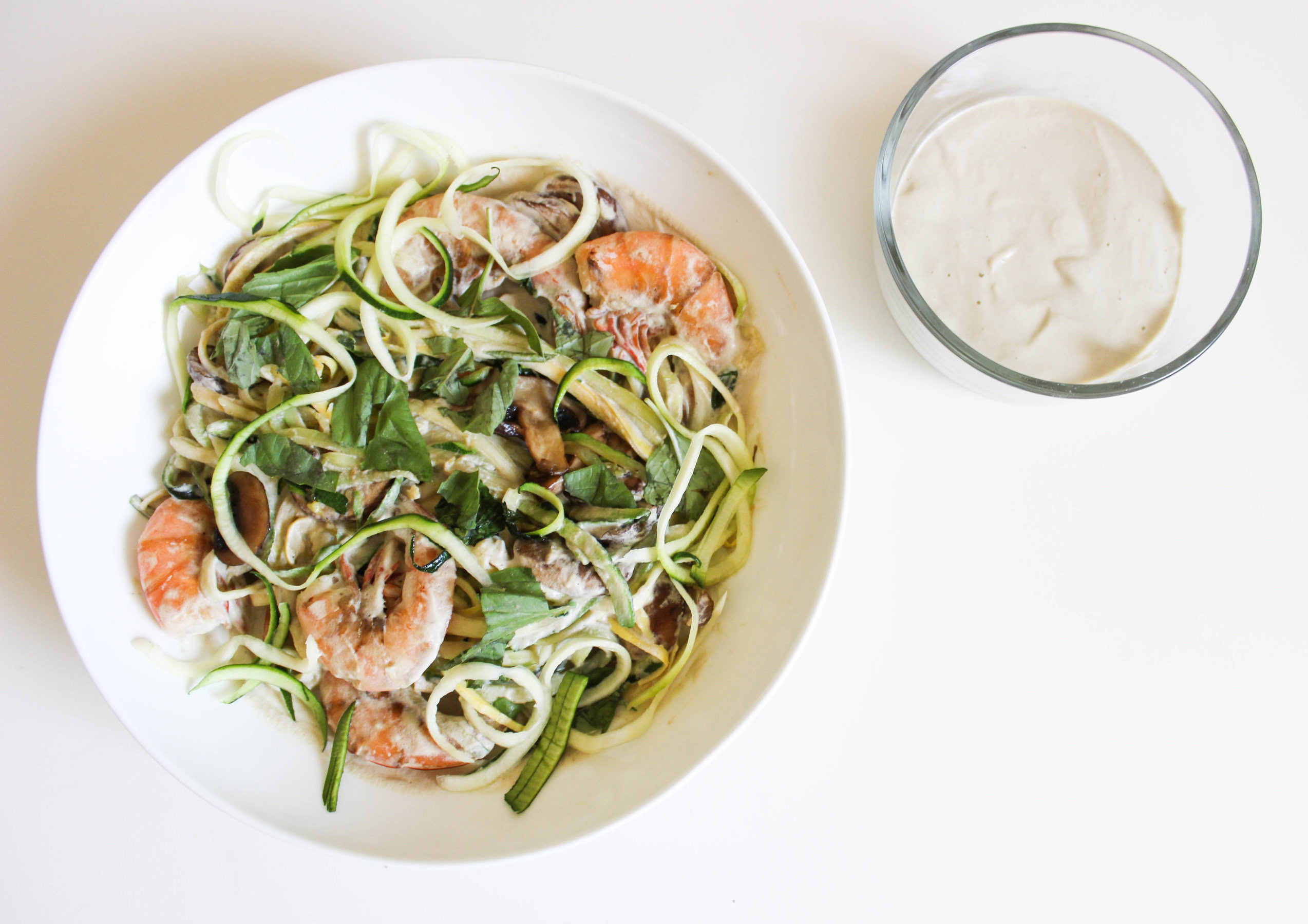
GUYS. I’m so excited about this recipe, I can’t even handle it. I’m honestly really surprised about how in love I am with a lunch/dinner recipe.
Let me back up. Usually I spend all of my time toying with dessert recipes because I’m obsessed with desserts, and I feel like the creative possibilities are endless. I loooove to healthify my favorite sweet treats, and it’s SO satisfying when it comes out right. My main meals of the day aren’t usually very exciting in my opinion because I tend to stick to the same types of meals week after week. I love ’em, so I never really bother switching anything up.
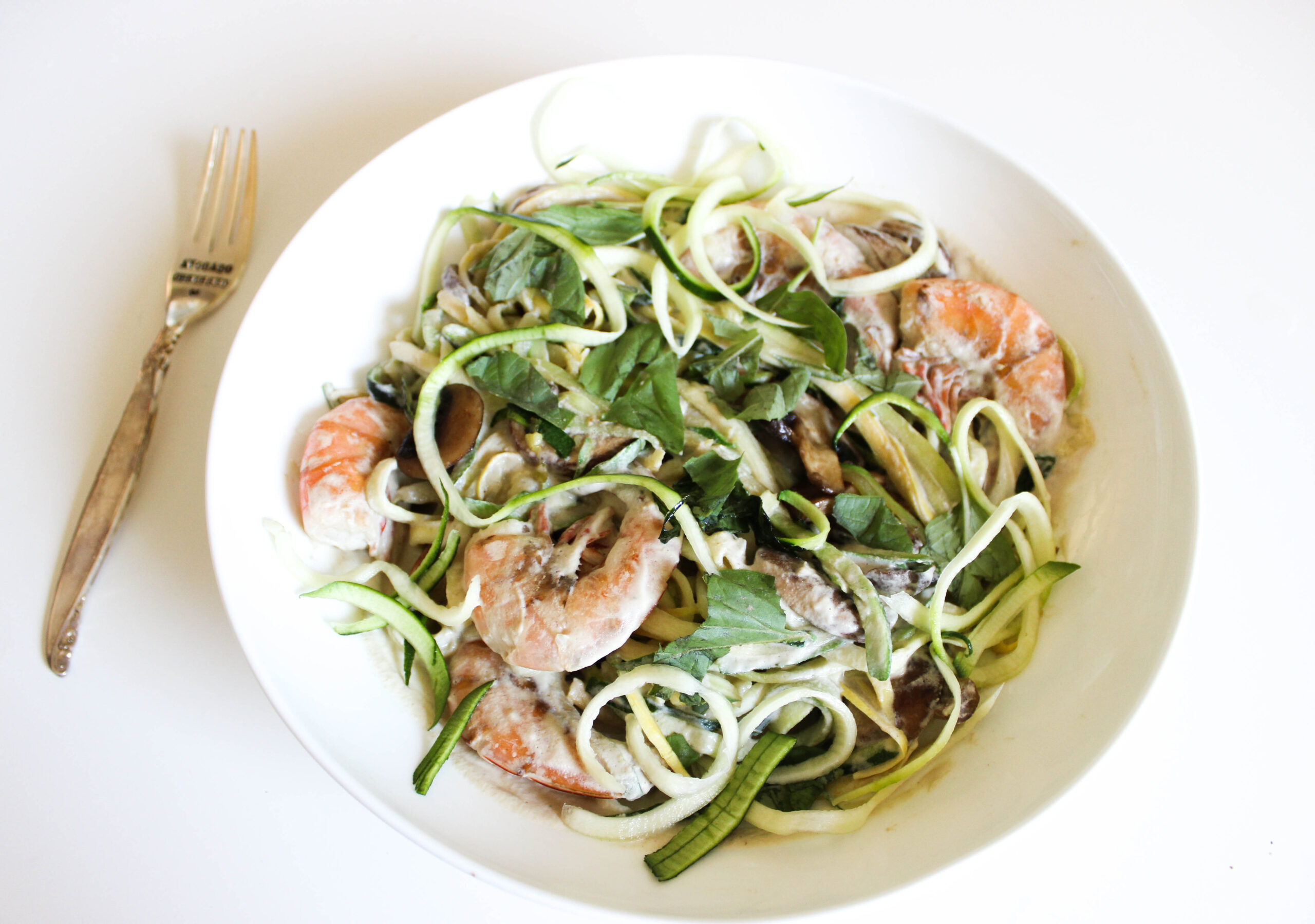
Last week, my sister asked me where she could find my healthy dinner recipes. I was like, ummm… I don’t really do dinner recipes? I’m too preoccupied with dessert! But that got me thinking, and I realized that it would probably be helpful if I start posting about some of the things I like to eat for actual meals. Just to give people who aren’t quite sure how to get started with healthy eating some basic ideas. Even if it seems super simple to me because I’m so used to making it, doesn’t mean it’s an obvious dish to somebody else.
So I told her I’d post a healthy dinner recipe, and my brain immediately went to ZOODLES. I’m obsessed with zoodles. All you need is a spiralizer and some zucchini, and BAM! You’ve got yourself a healthified pasta. Zoodles are a GF girl’s dream. I love them because they take hardly any time to prep, and having a pasta-like dish just makes me feel fancy.
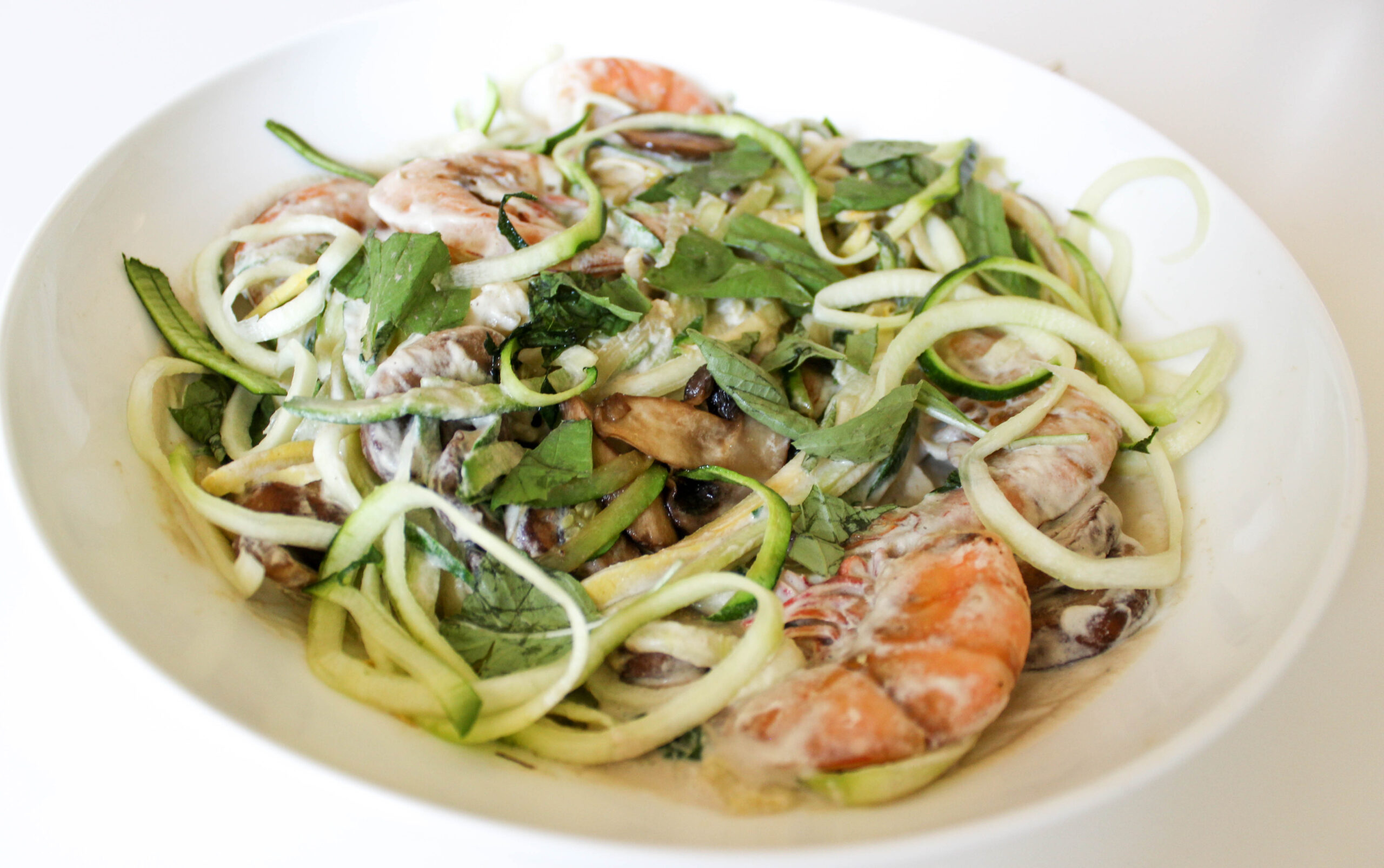
Anyways, I wanted to spice things up for this post and deviate from my everyday zoodle routine. Instead of going for my regular red sauce, I decided to create a creamy dreamy fabulous ALFREDO! My go-to red sauce is super easy and quick (and I can totally do another post on it if you want), but I have it all the time. I’m getting kind of bored with it.
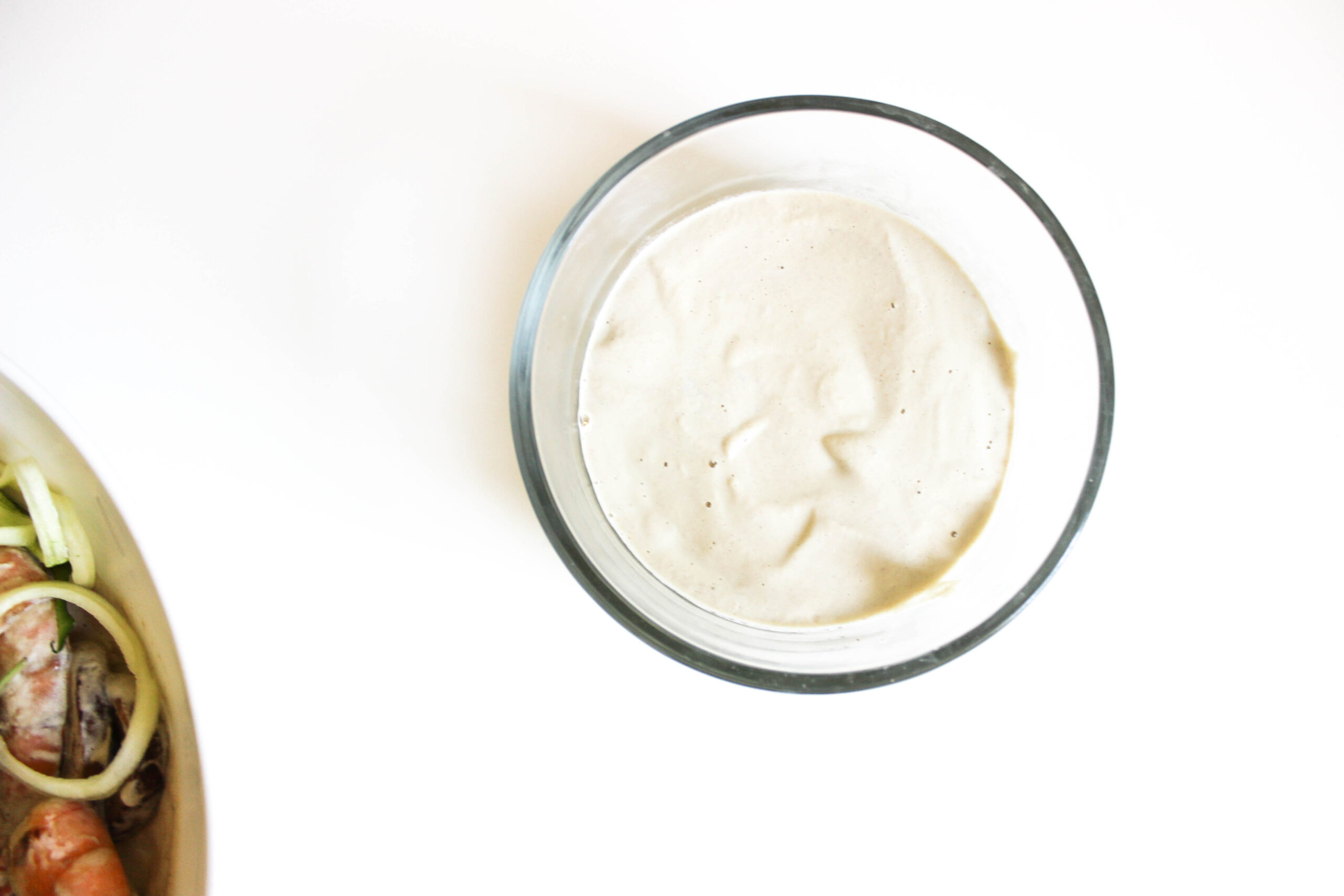
GF/Vegan alfredo is kind of hard to come by. And when I have had it before, it ends up being too heavy and not sitting well with my stomach. When you get zoodles at restaurants, they usually top ’em with a marinara or a pesto sauce, which is delicious, but overdone. SO LET’S SWITCH IT UP, and get a lil’ fancy. (It’s still super easy, I swear.)
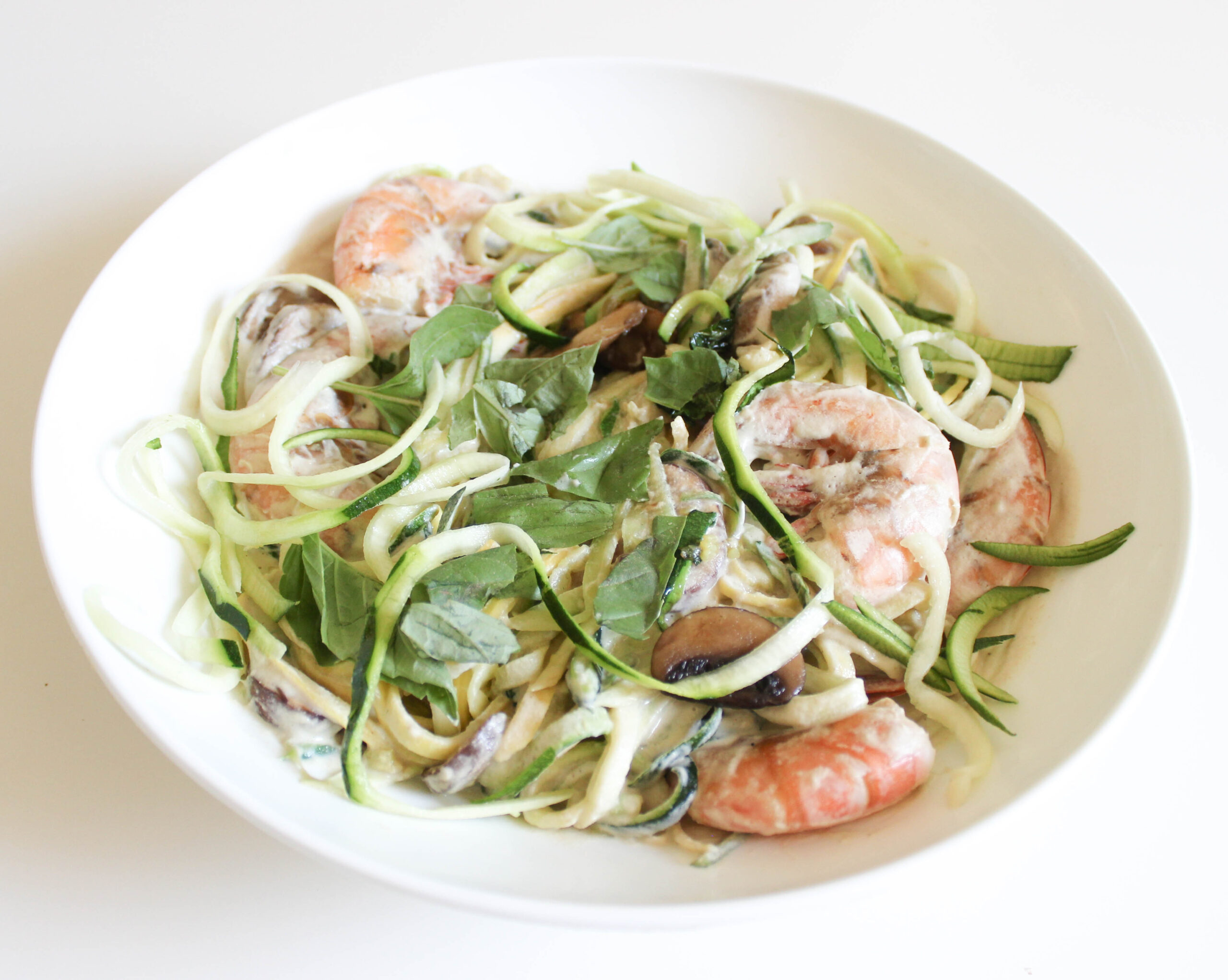
I cannot explain to you how obsessed I am with this alfredo sauce. It’s so creamy and delicious without feeling “heavy” (you know what I mean?), and you would literally never guess it’s dairy-free. HA! After I ate my zoodles I ended up just dipping some other veggies I had in the sauce at the bottom of my bowl to see what it tasted like…It was epic. Then I licked my bowl clean. (I’m not kidding.)
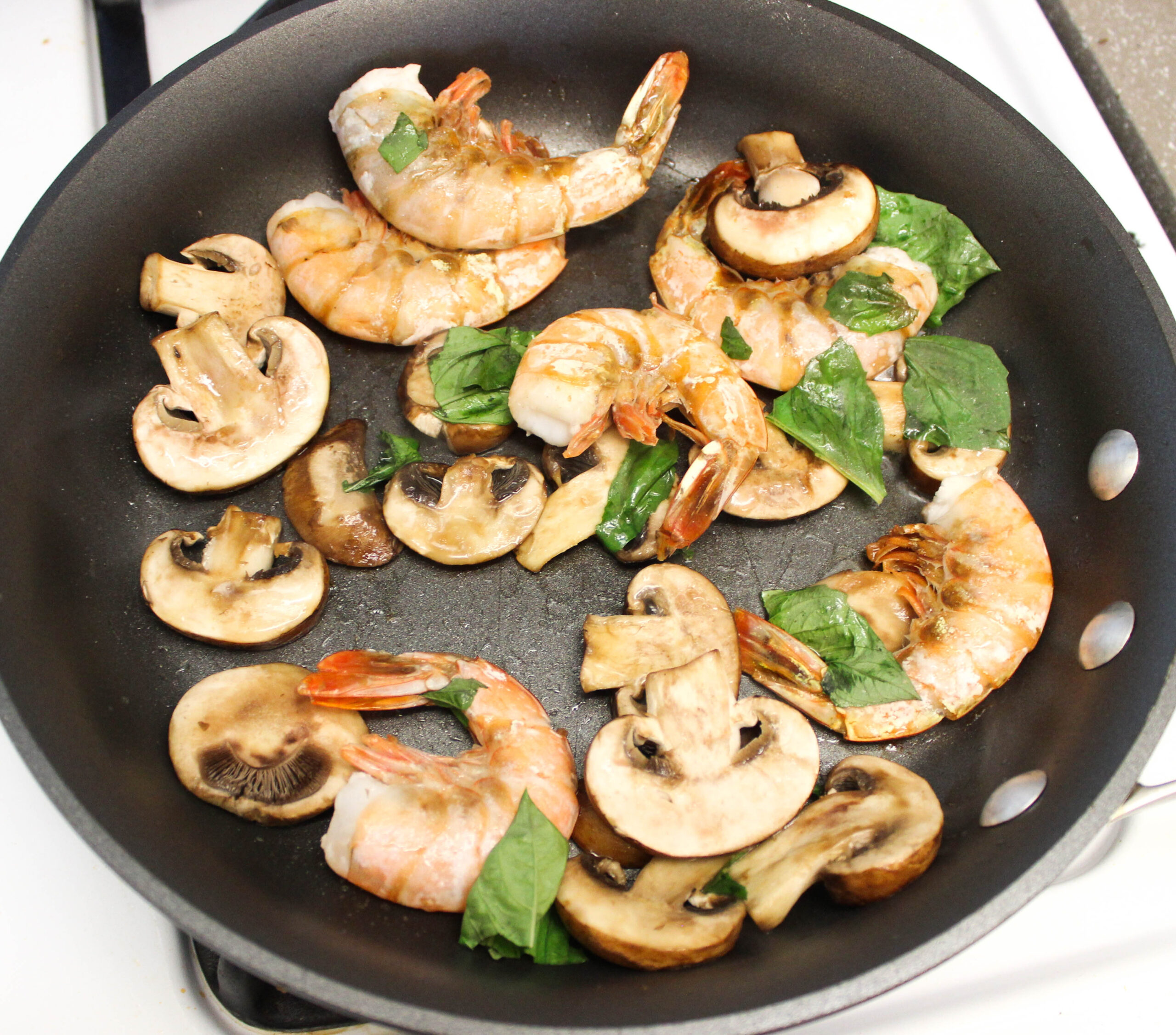
I paired this dish with shrimp, basil, and mushrooms, but you could easily sub out any of those for whatever you want! If you don’t like shrimp, chicken would also taste phenomenal. If you don’t do animal products, then top it off with some more walnuts or even some cashews! If you don’t like mushrooms, broccoli is another veggie that would be amazing in this dish.
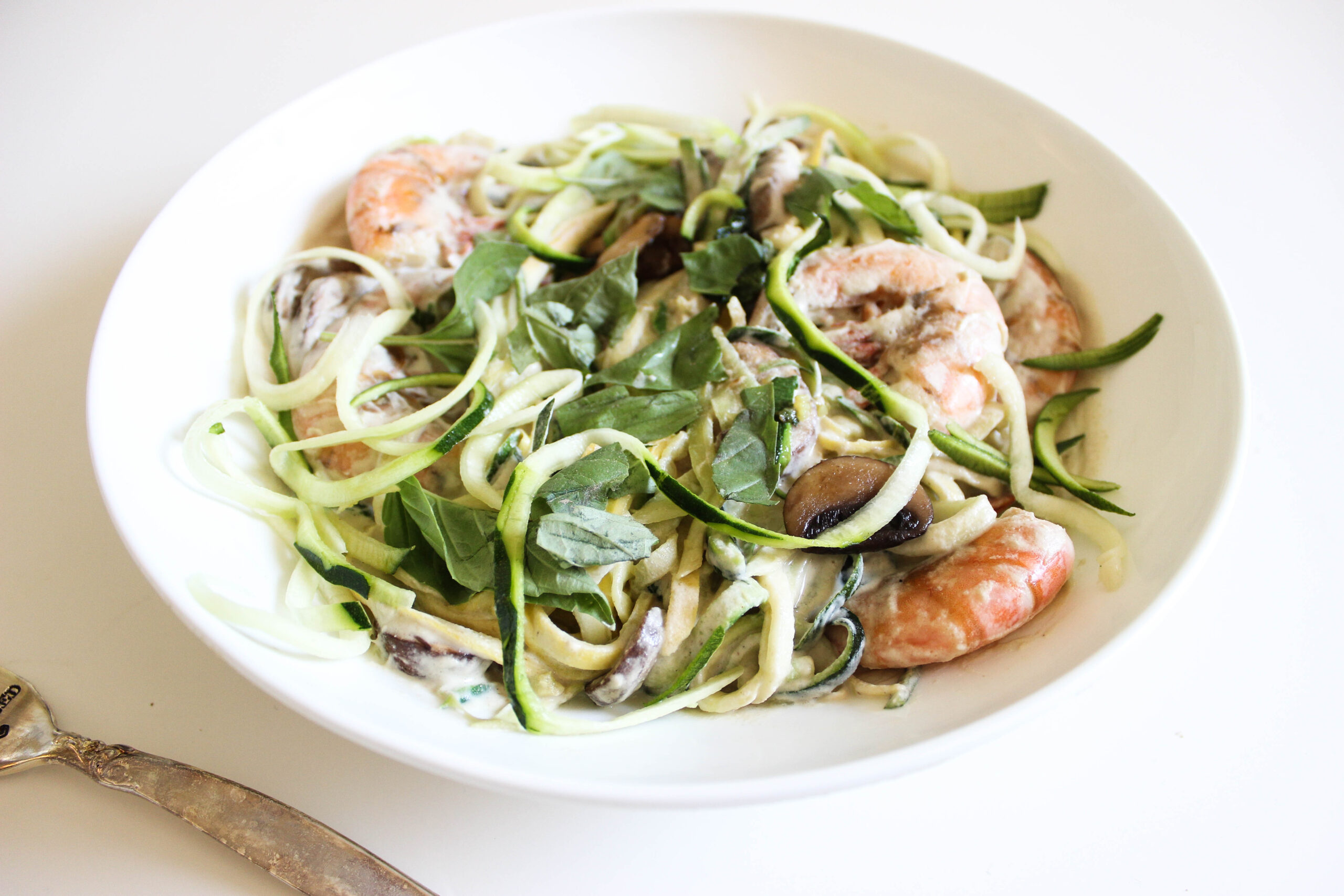
This meal is super quick (like, under ten minutes), very simple, and SO DELICIOUS. I’m in loooove.
Sidenote: If you want this to taste extra cheesy, add in a little nutritional yeast. I didn’t add it in because I didn’t think it needed it. Also, nutritional yeast is kind of an obscure ingredient for most people so I didn’t want to overcomplicate anything!
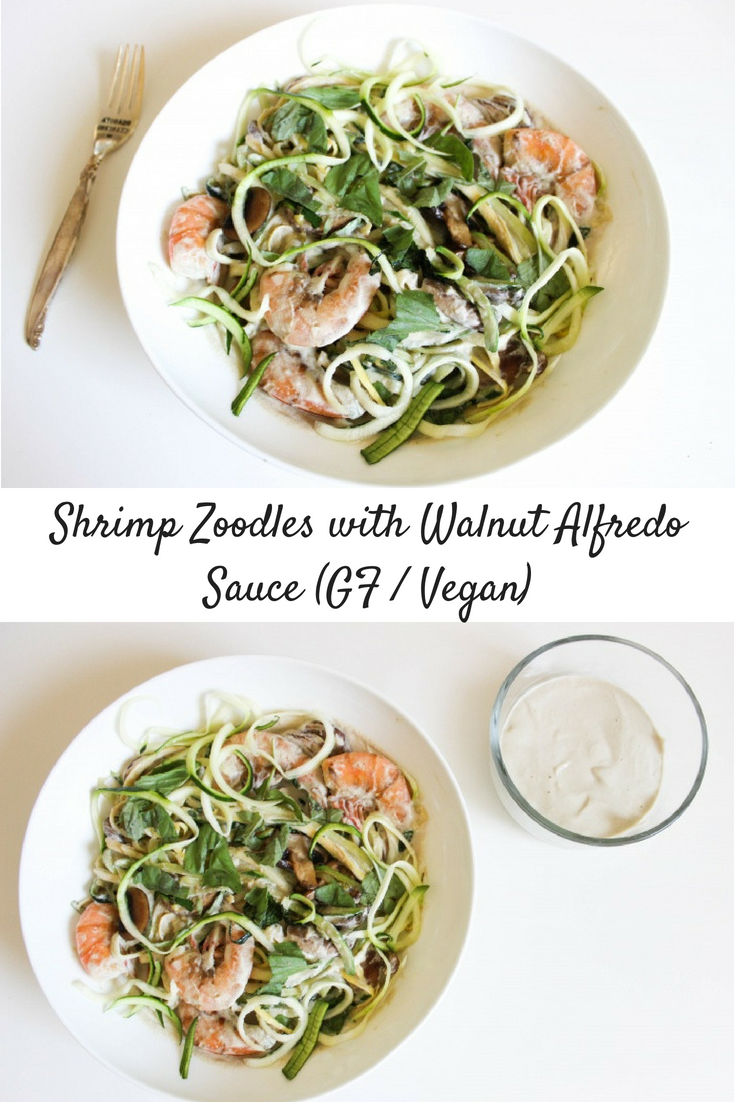
Shrimp Zoodles with V/GF Walnut Alfredo Sauce
Serves: 1 (With some extra sauce…lucky you!)
Ingredients:
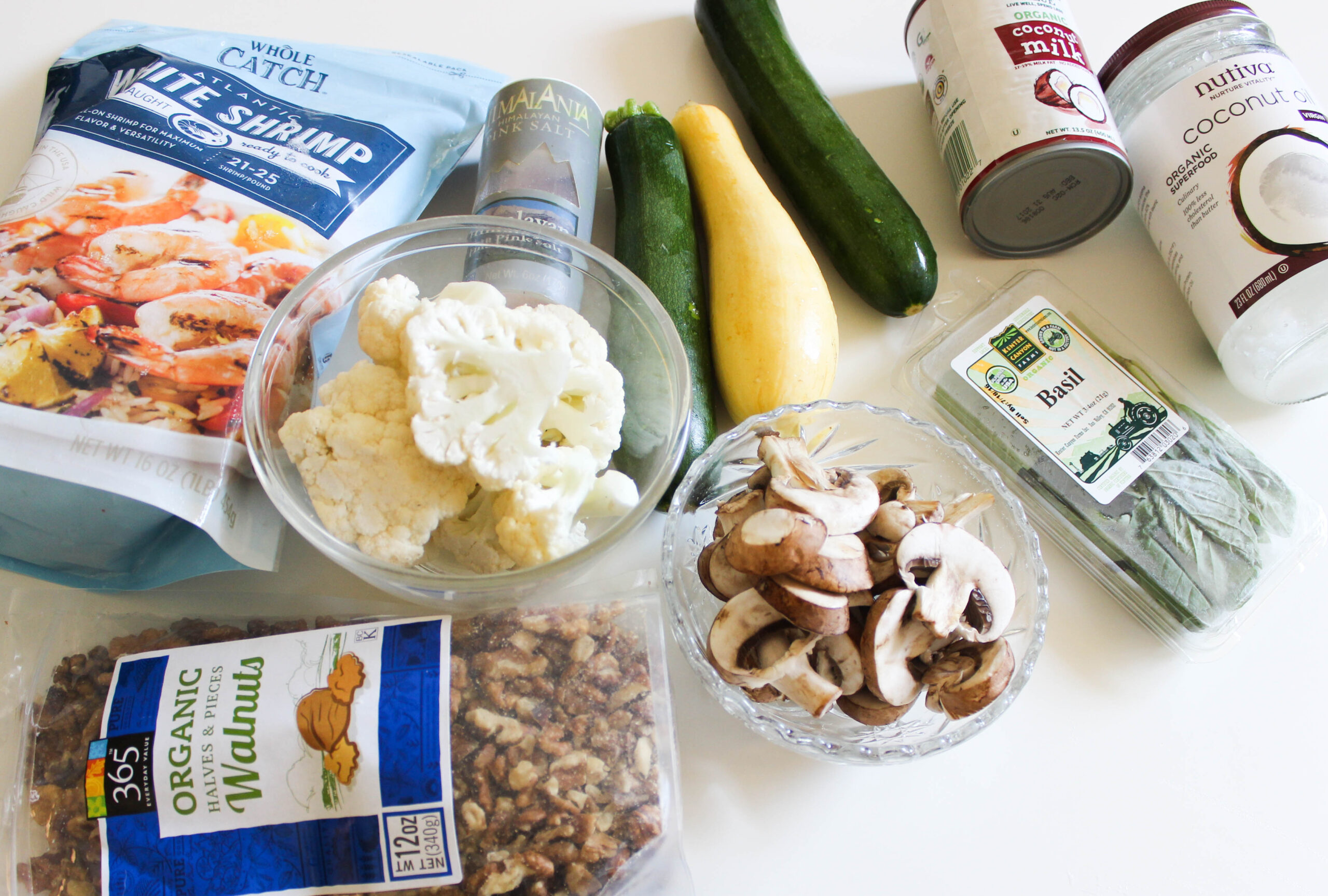
Veggies/Protein
- 2-3 zucchinis, depending on size
- 1 yellow squash
- 1/2 cup mushrooms
- Wild caught shrimp (I used 6 Jumbo shrimp, but have as many/as few as you want!)
- 1-2 tbsp coconut oil
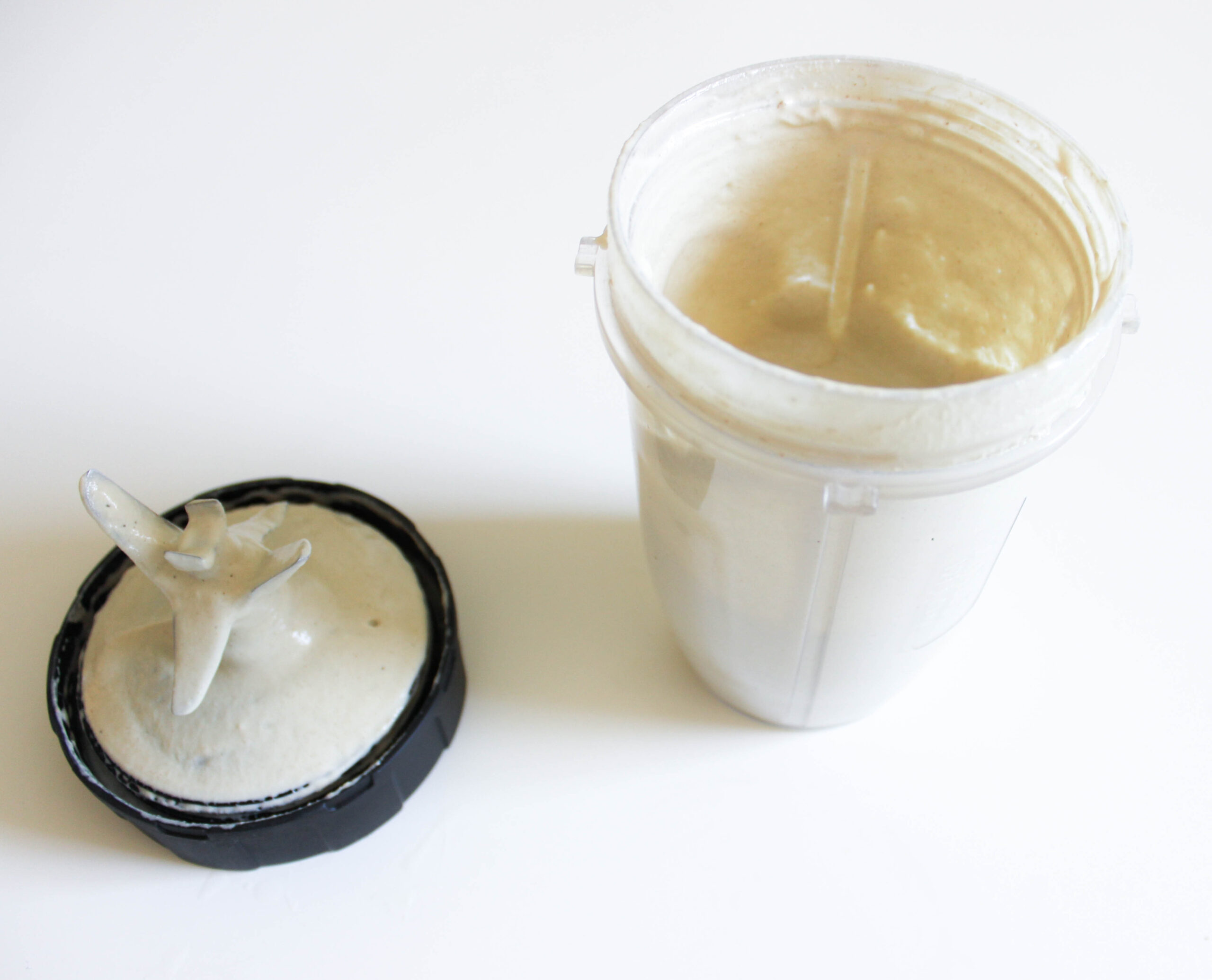
Walnut Alfredo Sauce (GF/Vegan)
- 1.5 cups cauliflower
- 1/2 cup raw walnuts (You can also sub with another nut if you don’t have walnuts. Pecans and cashews are great, too!)
- 1/2 tsp sea salt
- dash of pepper
- 1/3 cup full-fat canned coconut milk
- 1/3 cup filtered water
- Extra water to thin, if desired
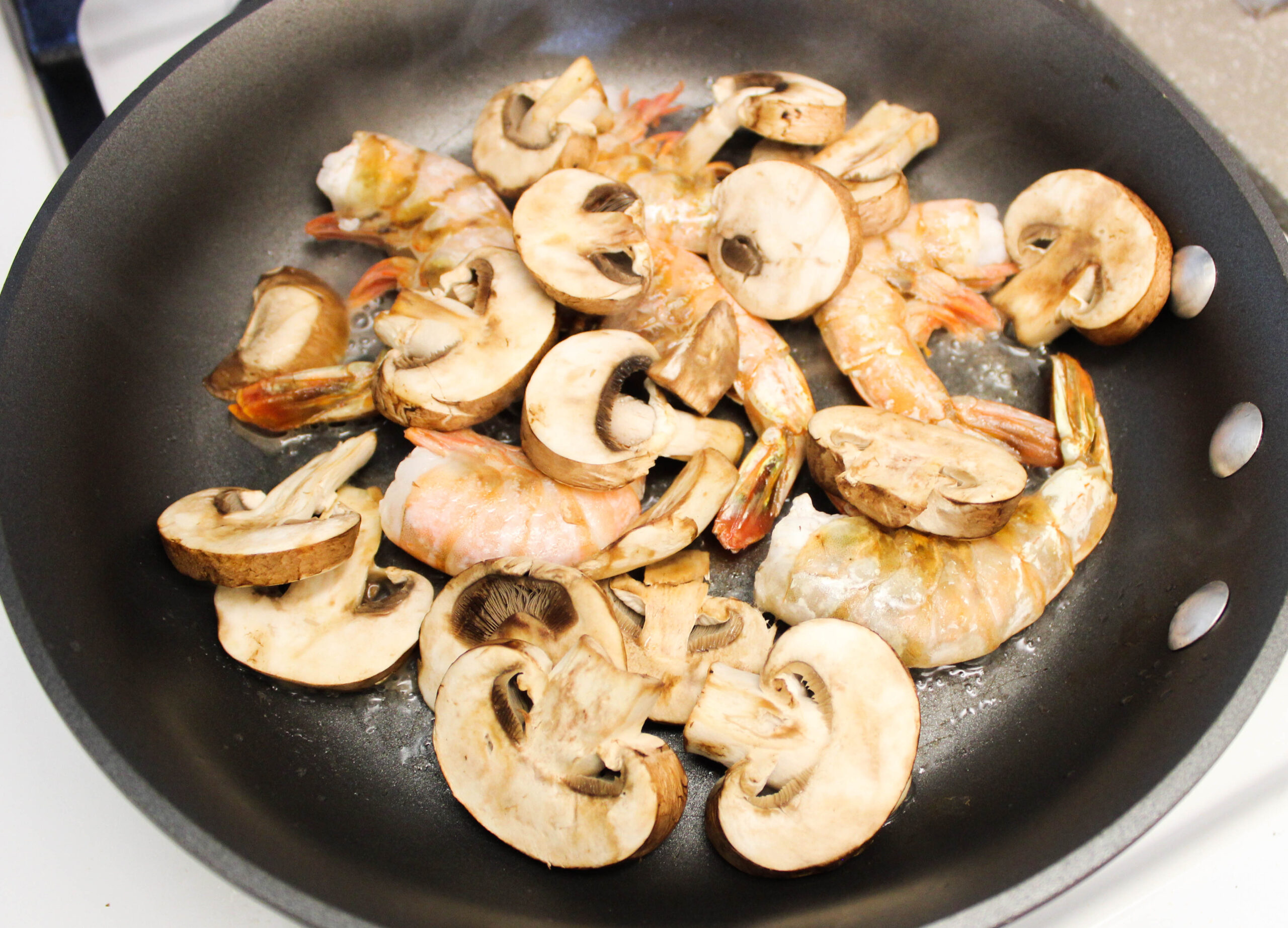
Instructions:
- If you have time, soak your walnuts in a cup of filtered water for 1-2 hours, and then drain. This is not completely necessary, but it will make the blending process easier.
- Spiralize your zucchinis and squash, and then press a paper towel on top to soak out the excess moisture. (Use the “Thick” end of the spiralizer.) Let the zoodles sit with the paper towel on top while you make the sauce and the rest of the veggies.
- Steam your cauliflower.
- Set your skillet to medium heat and add in the coconut oil. Toss in your shrimp and mushrooms. Leave on the skillet for 3-4 minutes, then flip everything. Leave them on for another 3-4 minutes, or until they’re cooked to your liking.
- Add your soaked walnuts, coconut milk, and water into a blender/Nutribullet/food processor and blend until you reach a creamy consistency. Add in your salt, pepper, and steamed cauliflower. Then blend again until everything is thick and creamy! The sauce will already be warm from the steamed cauliflower.
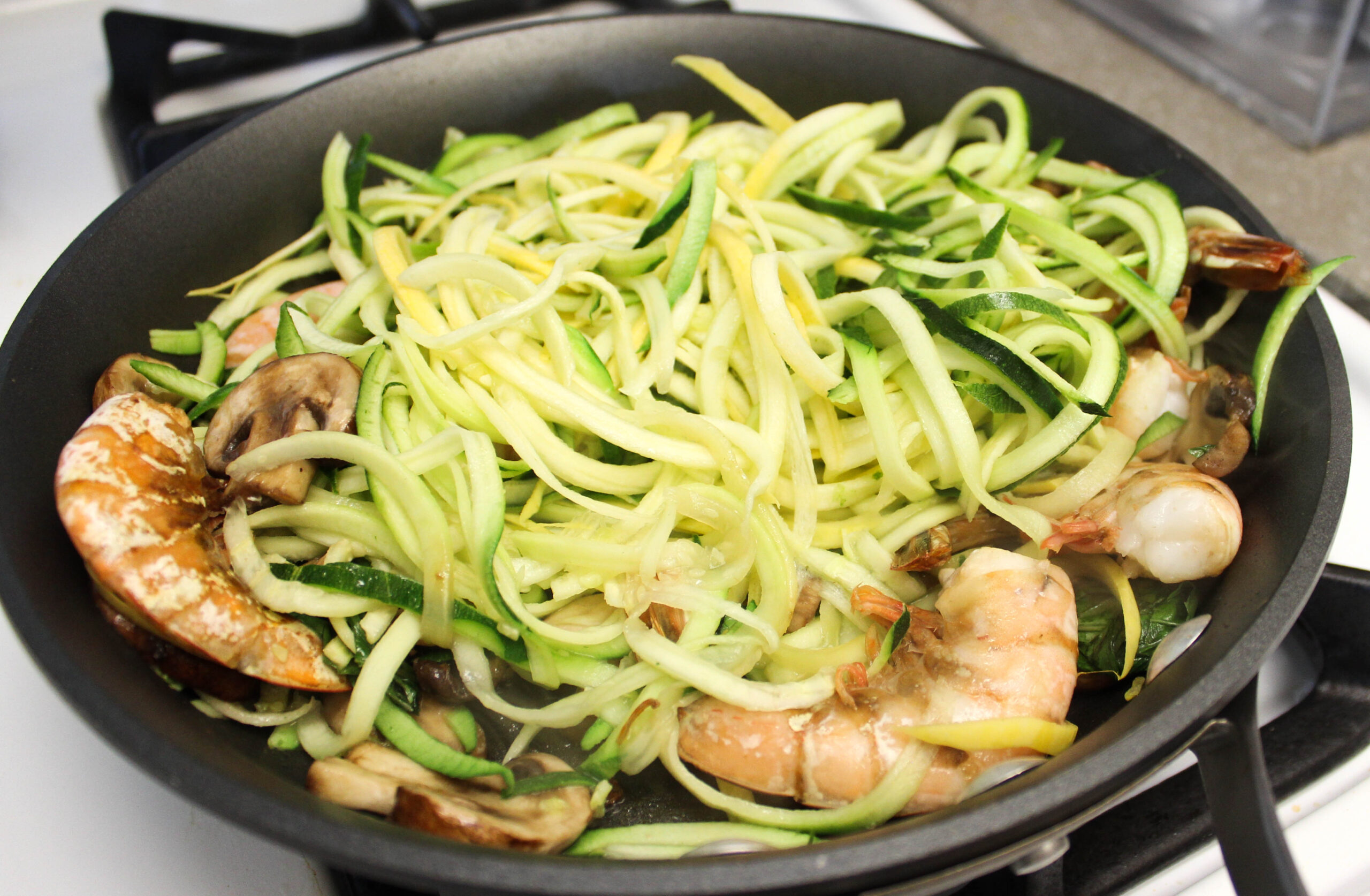 When your shrimp and mushrooms are almost done, toss your zoodles into the skillet. Throw in a bit of sea salt and extra basil (if desired), mix it all up, and leave on medium heat for 2-3 minutes. Zoodles need hardly any cooking, so keep an eye on them!
- After the zoodles have been cooked for 2-3 minutes, toss everything in your skillet into a bowl. Top it off with as much of your Alfredo sauce as you want, mix it all together, and enjoy!
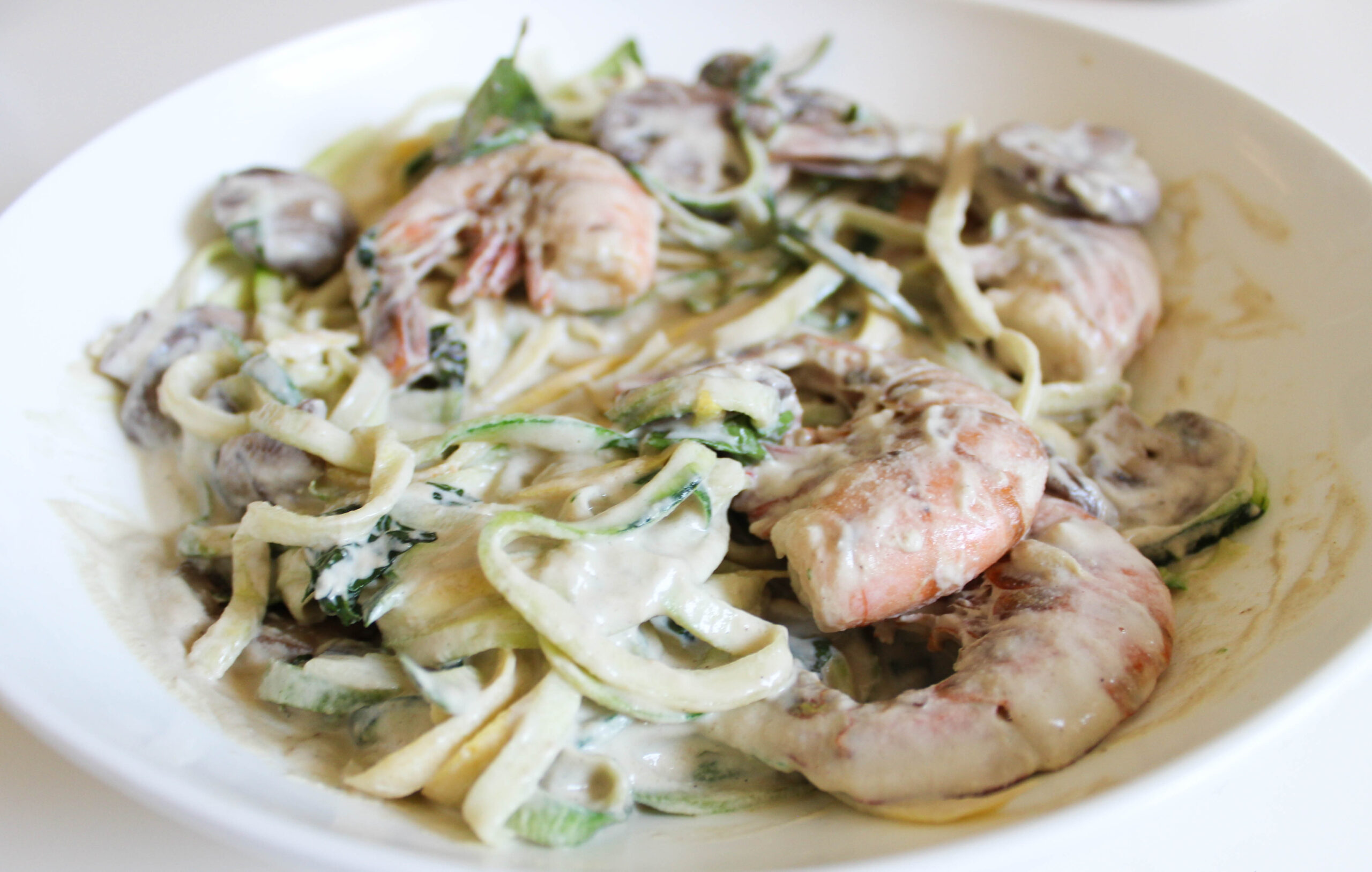
If you guys try this out, be sure to let me know how it goes! And tag me if you take a picture! How do you like to dress YOUR zoodles? I’m always looking for new ideas!
