by Christina | May 29, 2016 | Wellness
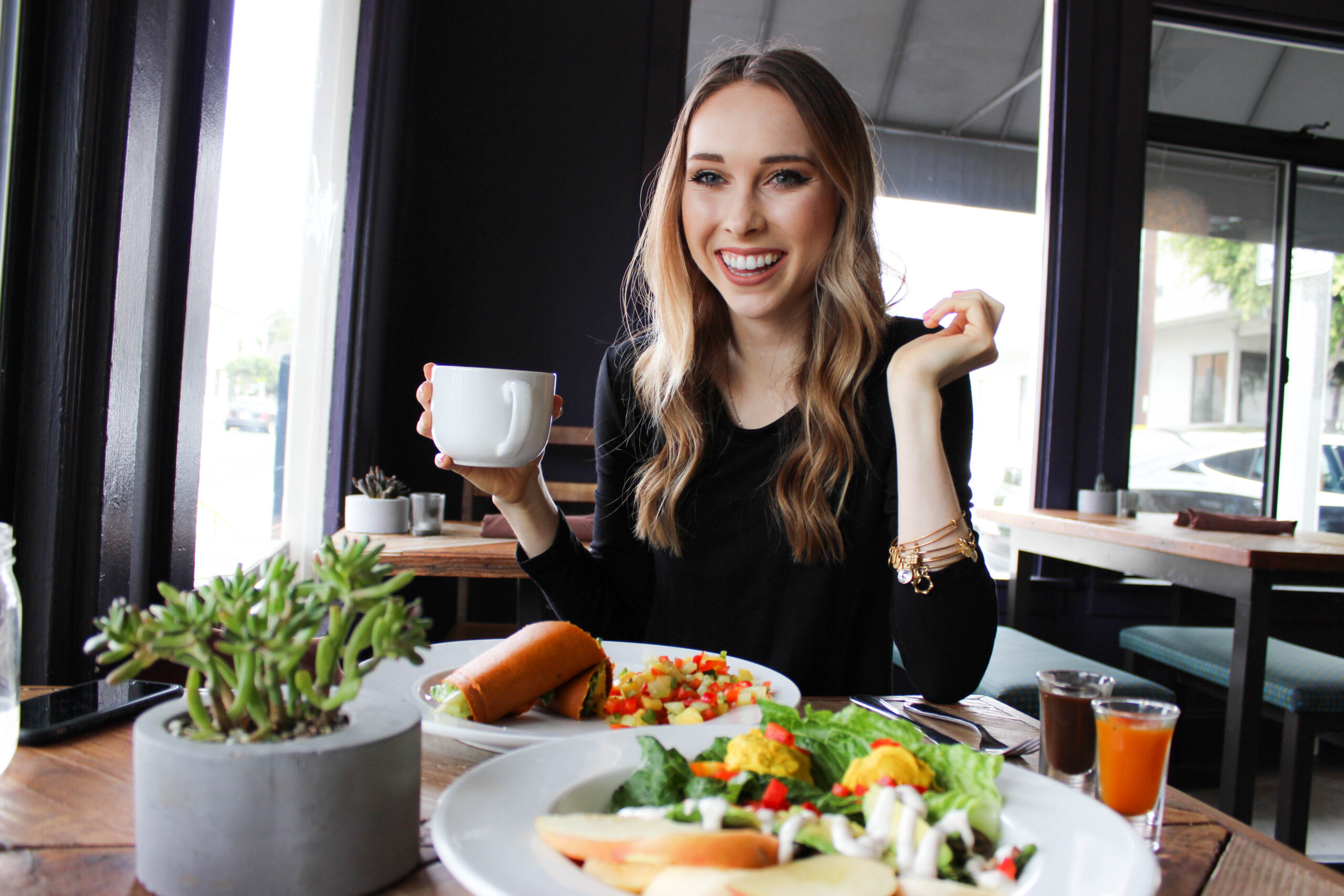
I’m a total foodie. Yes, I do adore cooking, but I loooooove to eat out. Always have, always will. I keep a running list of at least 100 restaurants on my phone that I’m plotting to test out next. New suggestions are always welcome.
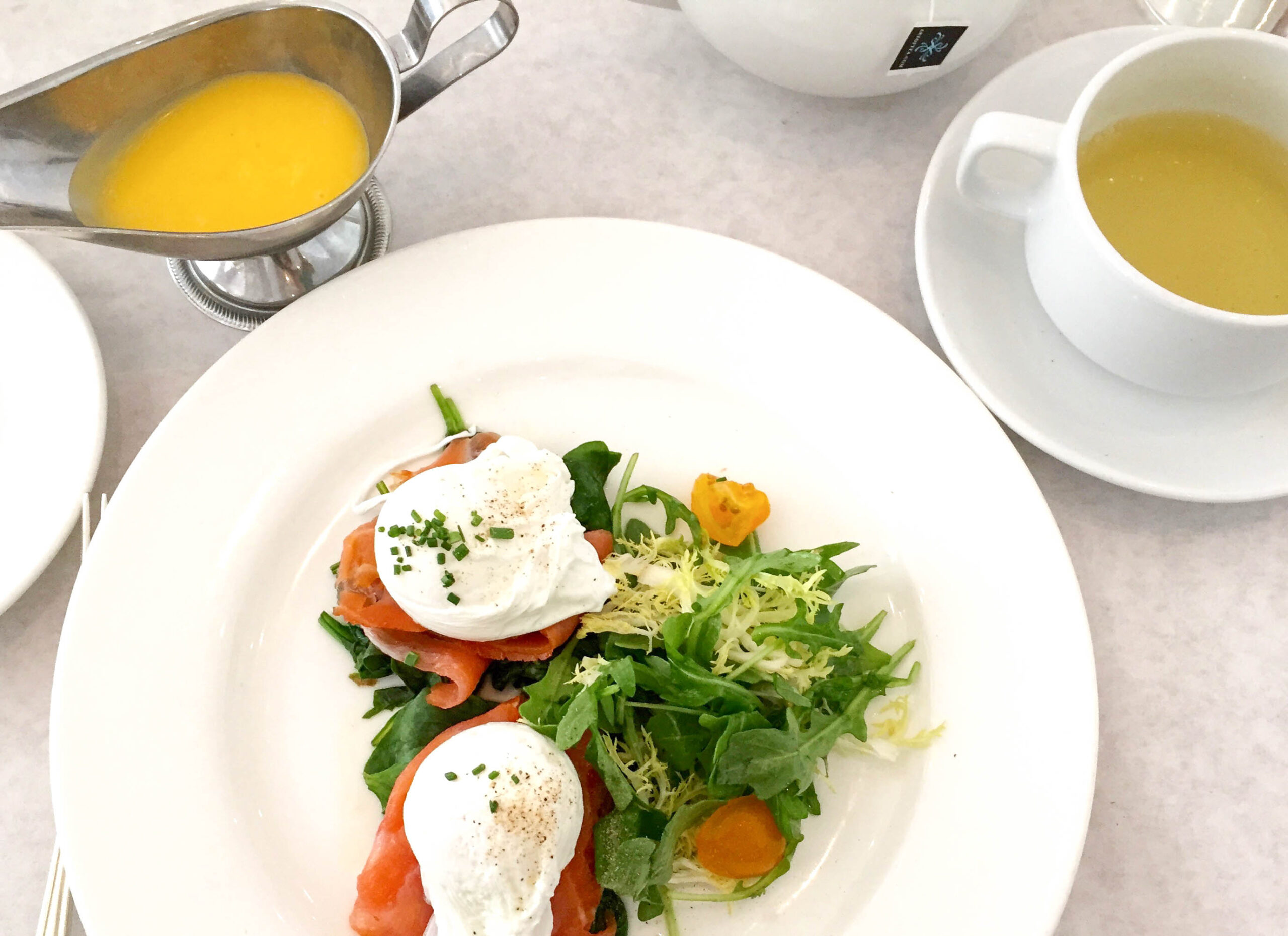
A lot of people are surprised by how much I like to eat out at restaurants. When it comes up, the response is usually, “Can you even eat there?” or, “How can you eat out so often with all of your food restrictions?”
Well, my friends, it’s really not as hard as it seems. There was definitely an adjustment period when I first discovered I could no longer eat gluten or dairy, and it continues to be an adjustment period as I discover more foods that I am allergic to. However, NOTHING WILL STOP ME FROM EATING ALL OF THE DELICIOUS FOODS I WANT AND ENJOYING LIFE.
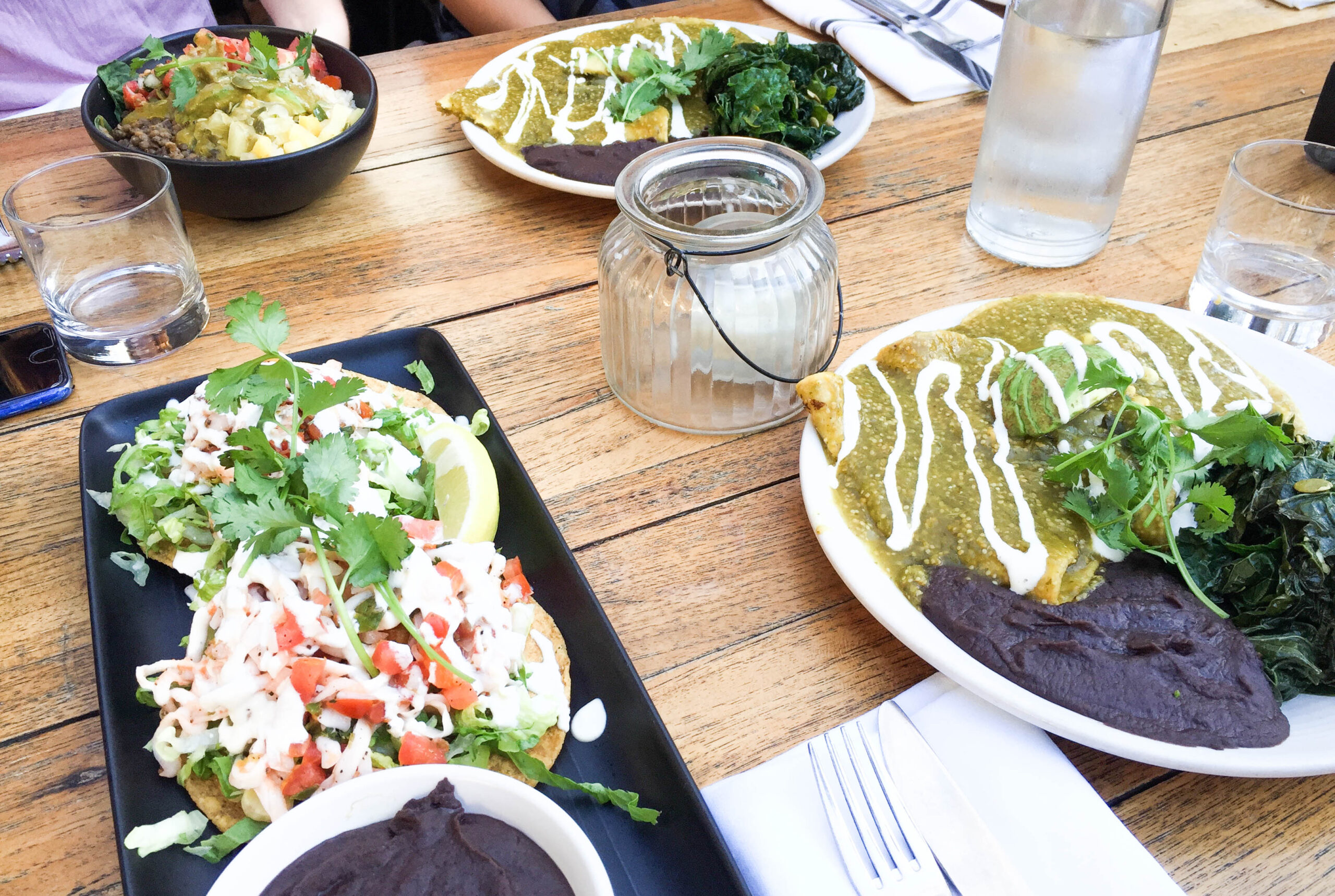
I have a system for ordering out, as I’m sure most people with food allergies do, so I thought I’d share mine in case you’re on the struggle bus and need some help navigating the restaurant scene. These recommendations are mainly targeted toward gluten and dairy allergies/intolerances, but they can be applied to any food that you’re allergic to. #AllergyProbz
- Hop on the Internet and check out the menu beforehand. Honestly, I can usually eat everywhere I want. The only places I absolutely can’t order from are places I would never want to eat at anyway, like Burger King (if that’s even a “restaurant”). Even so, check the menu early on to get a general idea of what the food is like and to prepare yourself for what you might want to order. If EVERYTHING is dairy-filled or gluten-heavy, then it will probs be easier if you just find a new place. If not, you can probably still make it work with the strategies described next.
- Don’t be afraid to be high maintenance. THIS IS THE BIG ONE. You need to be careful of what you’re putting into your body. Doing what you need to do for your health is something you should never be ashamed of. If your friends are embarrassed of how particular you are when you order, then get new friends. Just joking. But not really. If it makes you feel better, alert the person you’re eating with of your complicated ordering procedures before you go. But if they already know about your food intolerances/allergies, they probably won’t be surprised.
At first, I was embarrassed about having to ask so many questions when I ordered food at restaurants, but that made me forget to ask as many questions as I should have, which led to some seriously unfortunate consequences when I accidentally got gluten-ed or dairy-ed. After those experiences, I learned to not give a shit about how annoying I might seem to everyone around me when I order out. It really doesn’t matter what anyone else thinks – waiters or companions. I DON’T WANT TO GET SICK FROM MY FOOD.
- Immediately alert your waiter of your food allergies. You never know what kind of server you’ll have. Sometimes they will be no help whatsoever, and sometimes they will be gluten experts or Celiac themselves and will have amazing suggestions about what you should order. Either way, it’s important to let them know so they can tell the chef.
- Ask if there is a gluten-free menu. When you tell your server about your allergies, they’ll usually automatically give you the allergy-friendly menu if they have one, but in case they don’t, just ask.
- Don’t assume your waiter knows anything about which foods have allergy-containing ingredients and when there might be cross-contamination. Usually they do their best, but at most restaurants the waiters won’t be as knowledgeable about avoiding ingredients as is necessary to be totally safe. Ask direct questions about EVERYTHING. I’ve been to many restaurants where the waiters don’t even know what gluten is.
Even when servers are knowledgeable, they sometimes slip up. They’ve got a lot of people to serve and please, and there’s a lot going on in a restaurant! Take responsibility. There are always the servers that mean well and seem like they know everything but still don’t cover all the bases. For example, I’ve learned the hard way that a lot of people think butter is not dairy…
- Ask about cross-contamination. This is the more specific version of #5. At high-quality restaurants, the waiter will bring this up as soon as you mention your food allergies/intolerances. The BEST restaurants have an entire menu that tells you what foods are technically gluten/dairy/soy/whatever-free but might have cross-contamination. Like, some have an entire binder with alllll the info. You might be surprised at what has been cross-contaminated. For example, I could never figure out why the cauliflower from one of my favorite restaurants always made me horribly sick, but later on I learned it was cooked in the same fryer as gluten-containing foods. Moral of the story: foods that are typically harmless might not be when eating out.
- If you have an intolerance to something, don’t be afraid to lie and say it’s an allergy. I HATE lying, but this is an exception. This lie will not hurt anyone. From my own experience, I’ve found that unfortunately waiters don’t take people as seriously when they have a food intolerance as they do when they have a food allergy. I could write a novel about how annoying that is, but it’s just what tends to happen.
- Ask the waiter about a specific dish, not about the entire menu. You will completely, and unfairly, overwhelm your waiter if you say something like, “I’m allergic to gluten. What can I eat here?” Don’t expect your server to literally go through the entire menu with you. Ideally, know which dish you want and ask if that specific dish might be a problem in any way. Always have a few back-up choices to ask about, as well.
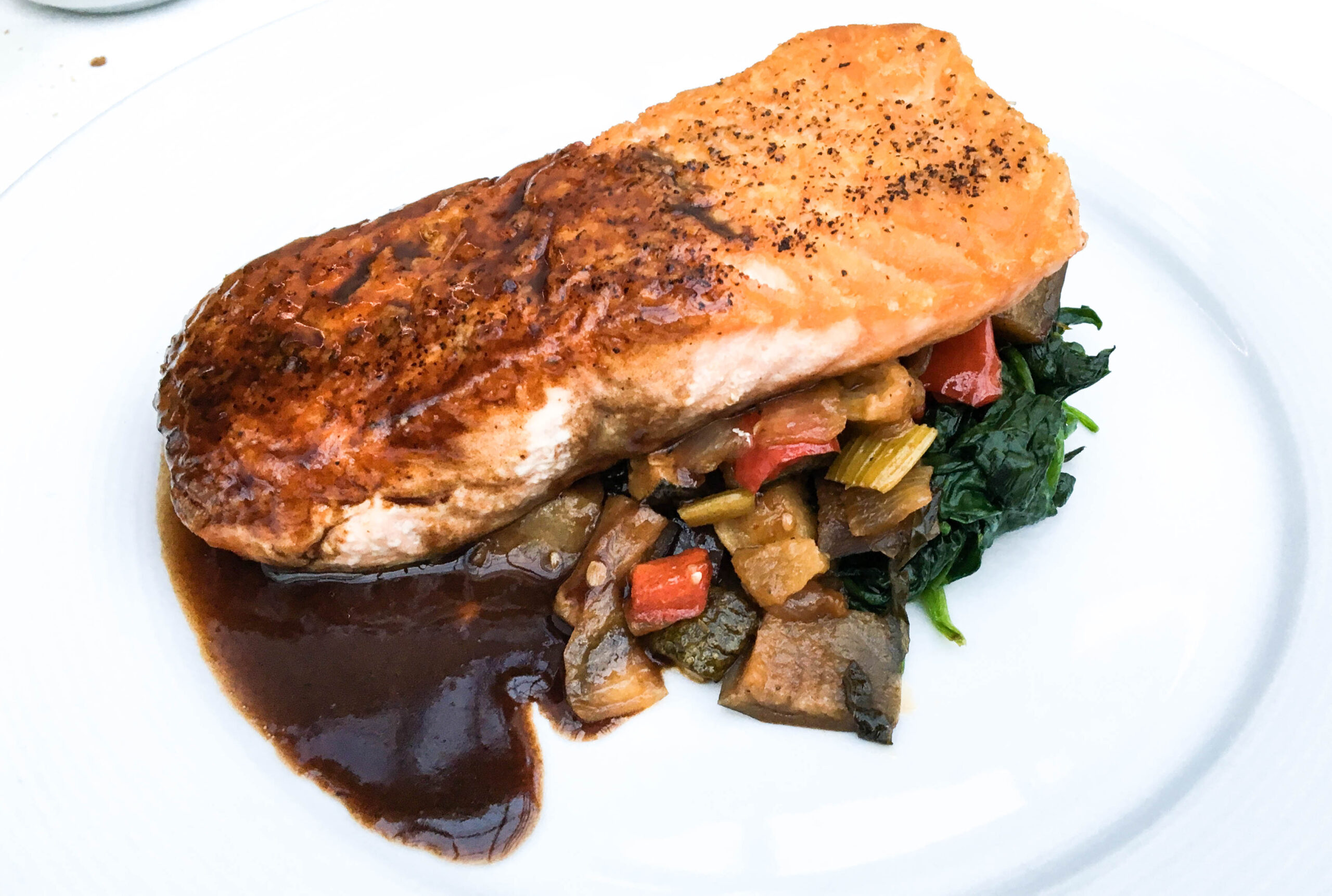
- Always ask, “How is that cooked?” When people first go gluten-free or dairy-free, a lot of times they forget to ask this because they’re so worried about avoiding the obvious offenders – bread, pasta, milk, etc. However, a lot of restaurants cook their meats/eggs in butter or add gluten somewhere in the cooking process (often unnecessarily, for reasons I will never really understand). Prime example: IHOP puts gluten in all of their omelettes. Also, if you’re like me and are super picky about the cooking oils used (vegetable oils – EW), then it’s extra important to ask how things are cooked to make sure they’re not throwing in any of that in there. Salmon cooked in olive oil is NOT the same as salmon cooked in canola oil.
- Don’t be afraid to mix and match in order to invent your own entree. Heather Dubrow once said that she sees a menu as a list of ingredients, and I couldn’t have said it better myself. There is no shame in taking the protein from one dish, the veggies from another, the sauce from another, and creating your own customized meal. Not all restaurants will do this, but most will because they’re usually scared of accidentally feeding you something that might result in a bad Yelp review. And always take advantage of the sides! A lot of times I order the protein from one of the entrees and order a bunch of sides to create my own meal. Much more fun.
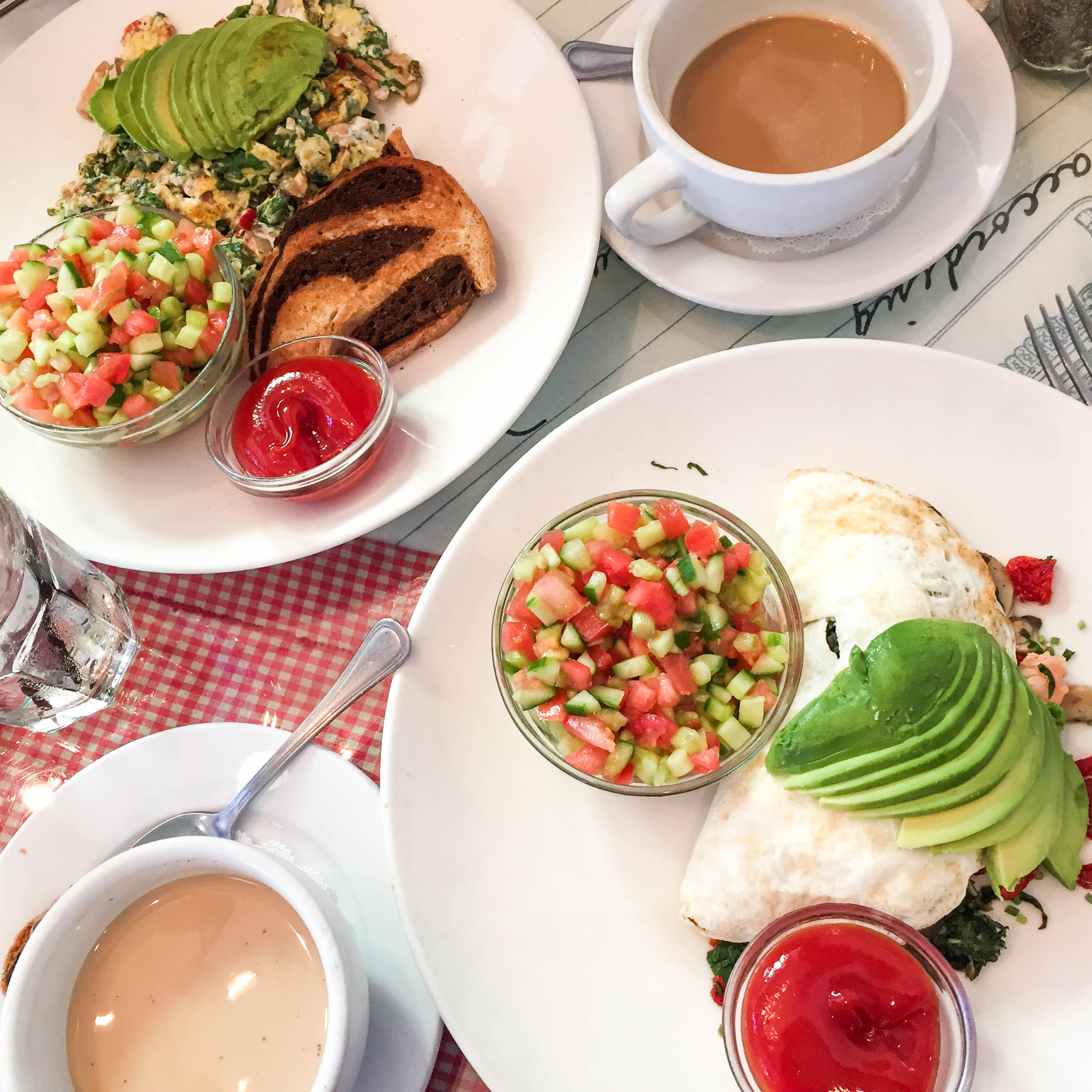
- Be prepared to pay a tad more. If a restaurant isn’t willing to let me mix around entree items to create my own plate, I’m more than willing to buy multiple dishes and just pick what I want off of each one. The “pick a protein and a few sides” strategy can also sometimes end up being slightly more expensive than a normal entree, as well. However, I would much rather pay more to get enough to eat and eat foods that agree with my body than be starving or make myself sick. Your health is worth it.
- Check salad dressings and lattes. I find that these are the most common slip-ups. SO many salad dressings contain gluten. Chai lattes and green tea lattes are often made from powder mixes, and many of these, sadly, contain gluten.
- If you have multiple food intolerances/allergies, always double check yourself. Sometimes it can be exhausting just finding one gluten-free option. When that happens, you might get so excited about victoriously finding something you can eat that you almost forget about your second or third food allergy. For example, sometimes I figure out what I’m ordering, I’m all happy because it’s gluten-free, and then at the last minute I realize I forgot to check for the dairy! And vice versa. So check yo’self.
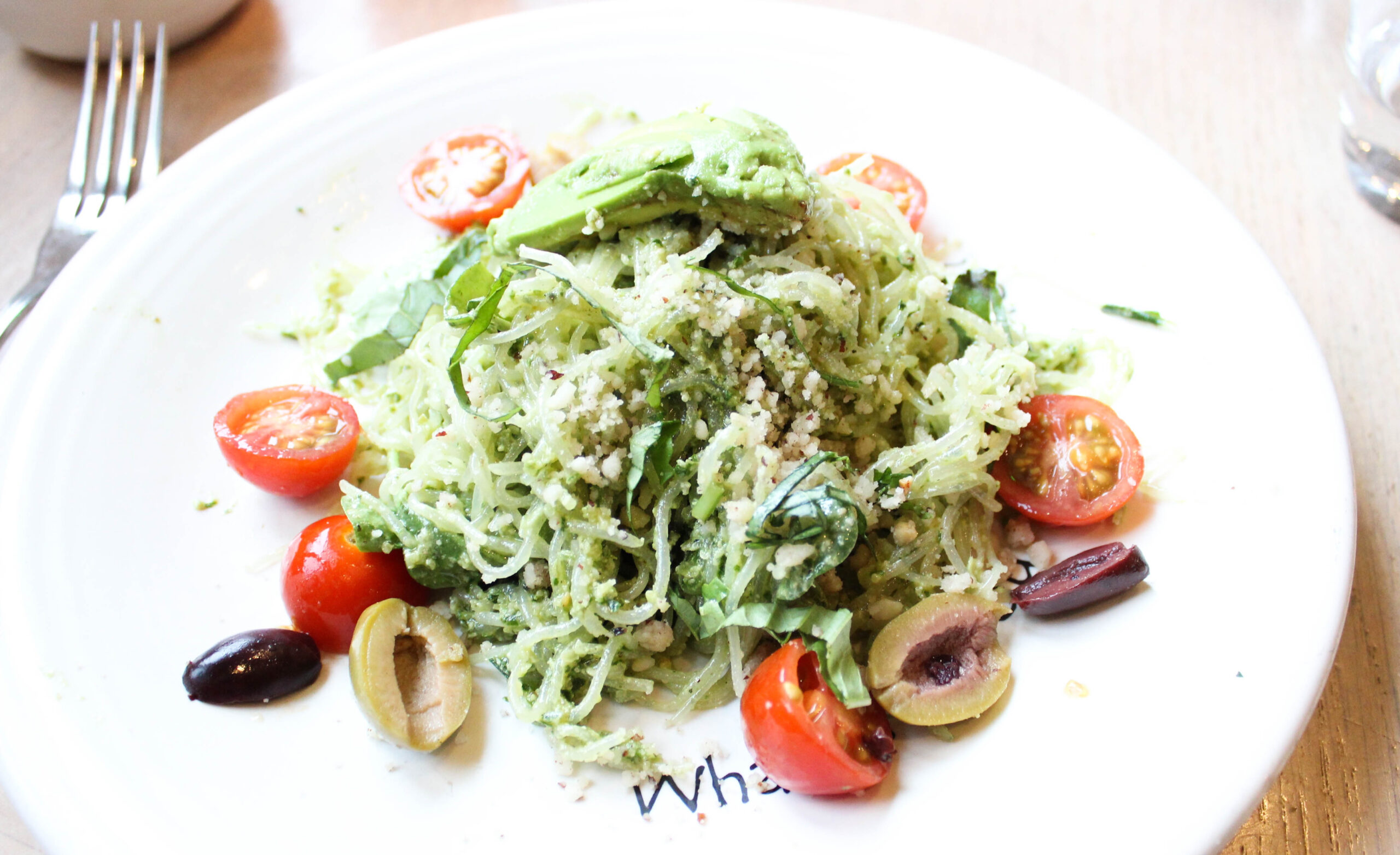
Other general recommendations:
Go for “healthy” restaurants that are known for being allergy-friendly. This may seem obvious, but JUST SAYING. It makes things a lot easier. I’m not personally vegan, but I love eating at vegan restaurants because they’re almost always extremely allergy-friendly (the waiters know what’s in what, they have separate menus, they’re hyper-aware of cross-contamination, etc.) and they usually use better ingredients overall, anyways. Organic, locally-sourced ingredients are the best.
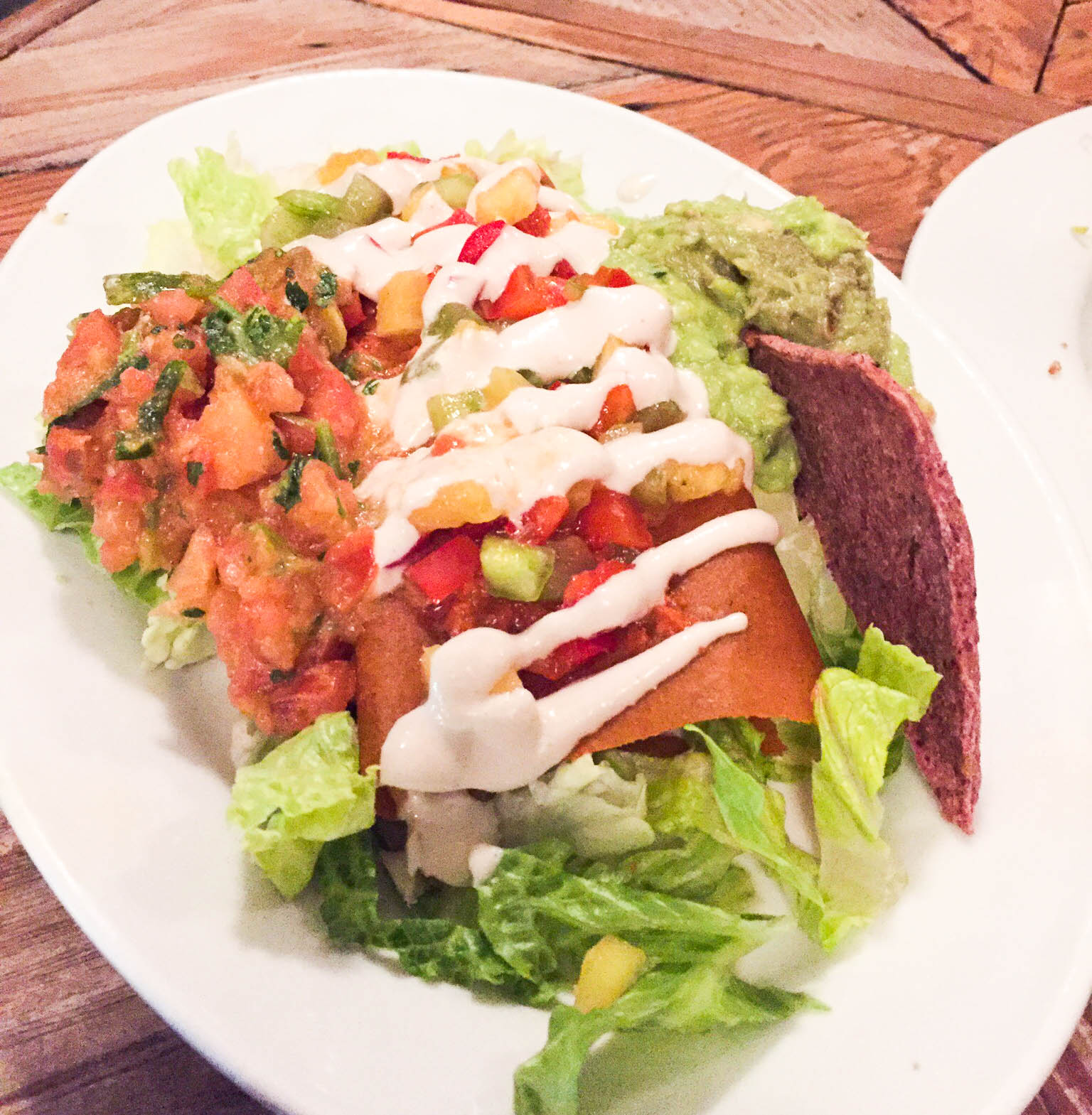
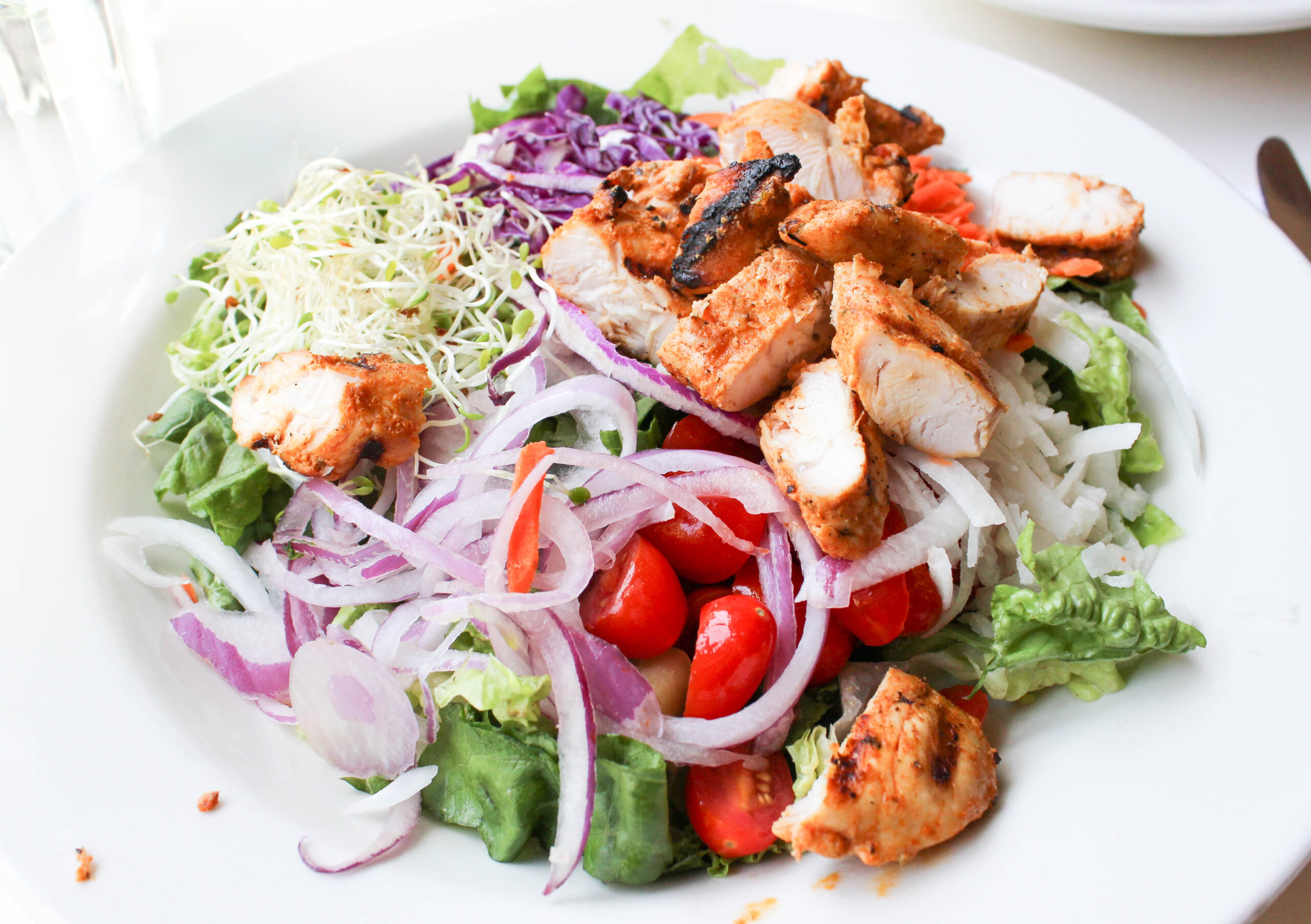
The safest things on the menu for me tend to be salads, entrees containing veggies and some kind of protein, omelettes/eggs for breakfast, and sides. I love me some sides. Even if it’s not listed, a lot of times you can get something that’s on the menu as part of an entree as a “side.”
DON’T BE SHY! Servers are usually extremely accommodating. They do not want to put your health at risk. If something seems sketchy or the chef/server “doesn’t know” if the food in question contains an ingredient you’re intolerant to, play it safe and avoid it.
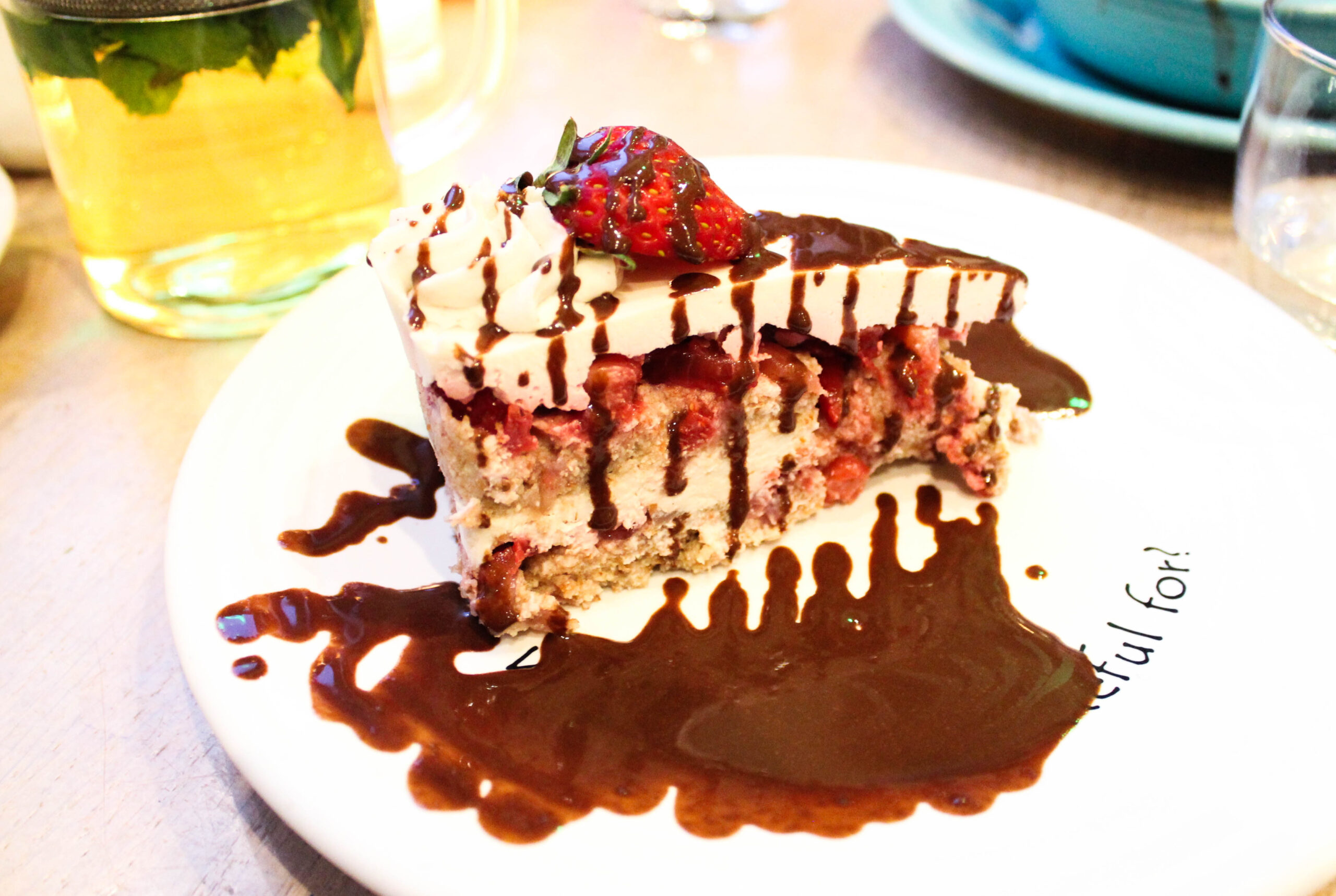
This might seem like a lot, but it quickly becomes second nature. You’re about to become a pro if you’re not already.
If you want to learn even more about this topic and EVERYTHING related to the paleo diet for women, make sure you check out my online course, the Paleo Women Lifestyle Program!

by Christina | May 25, 2016 | Wellness
STORY TIME!
Last week in my Health Psychology class, the topic was Eating & Exercise. We scratched the surface on “health,” myths behind dieting and exercise, and numerous psychological studies relating to various disordered eating patterns, like bingeing. I love when things regarding health and fitness come up in class, because I think it’s fascinating to see what the general public is being taught about those topics. If my health and fitness journey has taught me anything, it’s how many lies are perpetuated on the daily about what people need to do to be “healthy.”
One of the psychological studies we discussed examined how dieting can lead to bingeing, a revolutionary idea at the time because most people thought it was the other way around. While learning about these topics in class, I was very interested in others’ reactions. I noticed a lot of students making comments and looking uncomfortable. When the professor explained how dieting might lead to bingeing, many of my peers were in complete disbelief. The questions they asked the professor… It saddened me. For example, in one study, men were put on a “starvation diet” of about 1700 calories (putting that in quotes because that was what they called the diet). These men became completely malnourished, of course, and we were shown pictures of them after being on the diet for months. It was hard to look at, to say the least. Someone raised her hand and said, “But I thought that we are supposed to eat 1500 calories a day?”
I have no words.
The class was a much-needed mental slap in the face for me because I tend to forget that most people around me still not only believe in but also strictly follow dietary or exercise recommendations that are unhealthy, unsubstantiated, and won’t even get them the results they want in the first place. I forget that pretty much everyone my age still believes that it’s as simple as calories in versus calories out. That so many people track their calories every day and think they need to keep it from 1200 to 1500. They think that health is defined by a number on the scale, and that a lower number is always better. They think that low-fat, low-calorie diets are the key to weight loss. They think that if they work out for longer amounts of time, they’ll see even better results. That the only way to get to their “goal weight” is by restricting in some sense – whether that means food, happiness, or sanity.
I know in the back of my head that many people truly believe these myths, but sometimes I forget how widespread these beliefs are because I generally surround myself with people who don’t buy into those ideas. Being in the middle of a room where everyone was shocked to find out that those beliefs might not be well founded hit me hard. The professor took an anonymous poll – who had ever been on a diet before? That number was way too high for my liking. It physically hurt my heart.
The class sparked a conversation between me and my friend about eating, exercise, and body image. She mentioned how the diet-binge pattern was oh-too-familiar to her because it was exactly what she saw happening with a few of her friends, and how much that frustrated her. We talked about how in college, body image issues are way too prevalent. This topic is something I’m very passionate about. It deeply saddens me that so many people struggle with their body image, and I couldn’t tell you how much relief I felt when my friend voiced her frustrations about the whole college/body image situation. She said, “You know, it’s so weird. Before college, I never thought twice about what I ate or how much I exercised. But since I came to college, it seems like that’s all anyone talks about, and now I feel like I’m supposed to be thinking about what I eat.” I had never heard it stated so simply before by someone outside my own brain. She was absolutely right.
This problem really really REALLY frustrates me. For awhile I felt like it was something no one else wanted to change because everyone was so wrapped up in it. What is it about college, specifically, that heightens problems with body image issues? What is it about college that leads to an increase in eating disorders, exercise addiction, and feelings of depression? I’m no expert, but I have plenty of guesses based on personal experience.
In high school, plenty of girls went on “diets” or became obsessed with working out, getting in shape, or being a certain weight. Body image was certainly an issue. Hell, it was an issue in middle school. But in college, everything is more intense. You’re living in close quarters with tons of your peers, and everyone is constantly comparing themselves to each other. You’re changing in the same room, sharing clothes, eating together, working out together. You’re ALWAYS together, and you’re always seeing what everyone else is doing. There’s no escape.
When a girl goes to the gym, her roommate notices and feels guilty. She thinks, Maybe I should go to the gym too. When she’s at the dining hall and sees what her friend is putting on her plate, she gets insecure about what’s on her own. When she sees the Facebook pictures from the party, she feels like she needs to lose weight to wear a tight dress like that. When she sees her friend get attention for a cute new haircut and color, she gets jealous and wants to change her style, too. Everything turns into a comparison. You don’t have siblings or parents around to distract you and ground you on what the real problems in life are. People make a lot of comments in college. Comments to validate themselves. Comments to try to make other people feel bad. Comments to compare. Comments to test the waters and see if they’re “good enough.”
“Ugh, I haven’t worked out in a whole week.”
“I can’t eat that, I haven’t worked out.”
“I’m not eating because I’m going to drink my calories tonight.”
“I drank so much last night. I’m just going to eat dinner today.”
So many comparisons, and so much disordered thinking. Some have it worse than others, but I don’t believe that there is one person who has never compared him or herself to another human being in some way or another. At least one time. It’s how we function, nowadays. My health had to hit rock bottom before I truly figured out what was important to me in my life and realized how big a problem body image issues are for so many people.
As I’m writing this, I’m sitting at a lunch table on campus, and I’m not so casually eavesdropping on the girls at the table next to me. Well, is it considered eavesdropping if they’re shouting…? Let me tell you how the conversation is going. Girl 1 is saying that she hasn’t worked out in a month. She wants to know how often Girl 2 works out. Girl 2 says she works out 3 times a week but wants to up it to 5. She is planning on moving from the elliptical to the treadmill because she wants to burn more calories. Girl 3 says that she worked out yesterday and is SO sore. She really wants to get gelato today because she’s been craving it but she can’t because she needs to get in shape before her date party this weekend. Do they all want to go to the gym together that afternoon? Have they seen Girl 4? She dropped a ton of weight recently and looks really good. Girl 3 asks if they know what she’s been doing, because she wants to know. Has anyone tried a juice cleanse?
It’s honestly so hard for me to sit here and listen to this. Like, of course their conversation is 100% relevant to what I’m writing. It takes everything in me not to run over and scream, STOP! LET ME HELP YOU! YOU CAN ENJOY EXERCISE AND EAT LOTS OF DELICIOUS FOOD AND FEEL HEALTHY AND NOT RESTRICT AND NOT PUNISH YOURSELF AND BE HEALTHY! YOU CAN LIVE WITHOUT WORRYING CONSTANTLY ABOUT THESE THINGS, AND YOU CAN FEEL AMAZING! YOU CAN STOP COMPARING YOURSELF TO EVERYONE ELSE! It doesn’t have to be complicated. But more than that, reaching some body goal won’t solve all of your problems. What are the important things in life? What is health, really? To me, it’s not a number on the scale, or the way I look. It’s a feeling of wellness. It’s a happiness with who I am. It’s finding the beauty within myself.
We teach kids nowadays that the way they look is of monumental importance. That it has to do with their self-worth. Weight has become confused with health. “Skinny” has become the ideal. People are so worried about if they’re “good enough” – and to whose standards? And why? Who are we all trying to impress? Why are are putting ourselves down, making ourselves not feel good enough? Why are we torturing ourselves over things that are supposed to make us feel good? Food is meant to nourish us. Exercise is meant to give us energy and make us feel strong. Friendships are meant to foster love, not to create useless comparisons.
Being in this world can be fucking difficult. We are overloaded with information. Social information, health information, scientific information, fake information… just so much information. It’s also hard to ever really be alone, which plays a lot of mind games with you. All I know is, nothing is going to change if we don’t start talking about things openly, and if we don’t start finding out the right information. Like how the number on the scale, the number of Instagram followers you have, the food you ate last night, and how many friends you have do not indicate your self worth. That’s something you find within yourself.


by Christina | May 23, 2016 | Wellness
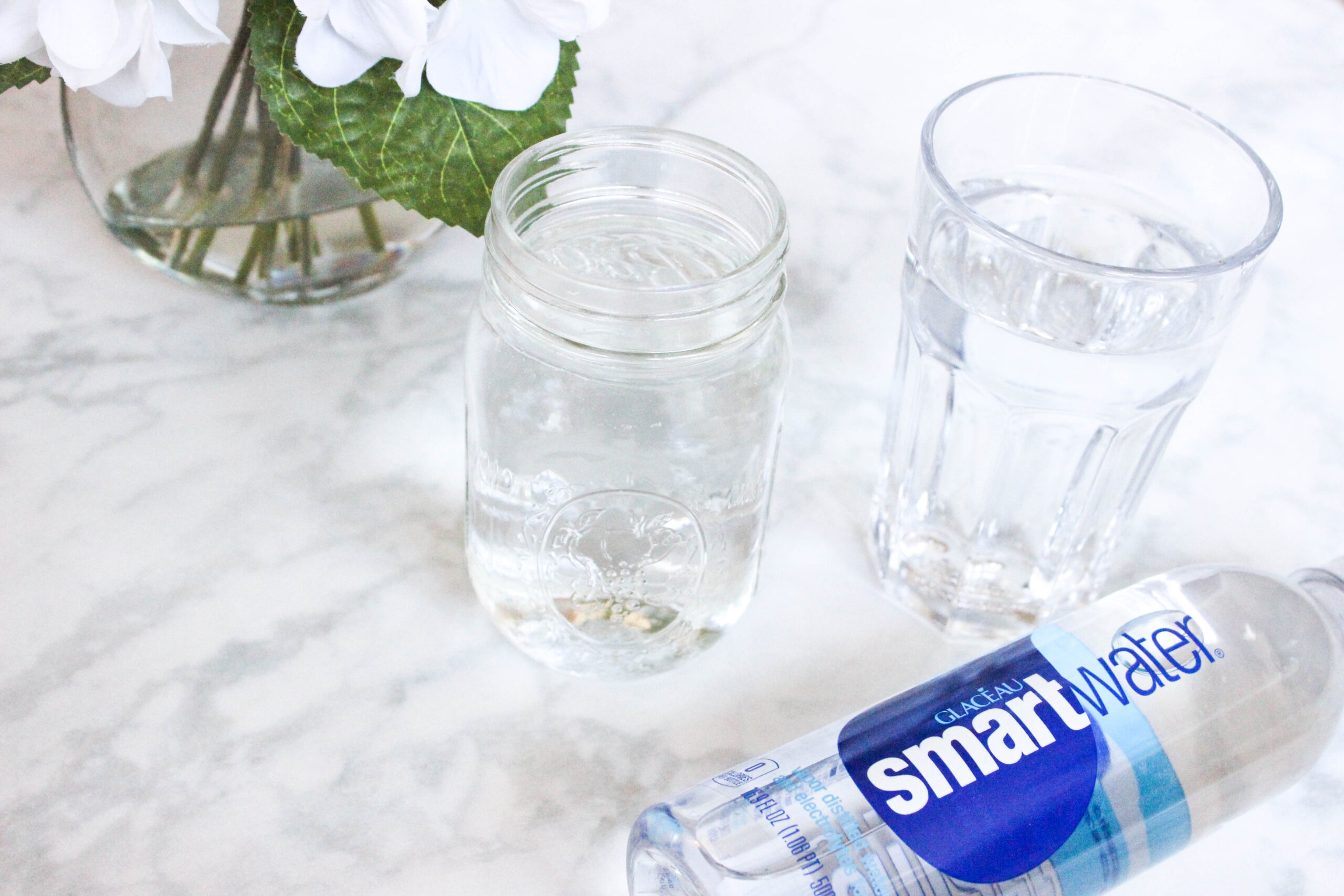
I want to talk about something that most people don’t even think is a real thing: OVERhydration. How many times a day do you read/hear/see a health or fitness expert saying that we all need to drink more water? Probably a freakin’ lot. It might be the most common piece of advice I hear health professionals give the general public. Dehydration is a serious problem. Tons of people do NOT drink enough throughout the day, and I used to be one of them. I used to hate water. I thought it tasted like rocks. (Like I know what rocks taste like?)
Fast forward a few years to when I became health/fitness obsessed. I fell in LOVE with water. I carry a water bottle with me everywhere I go, and I’m drinking it all the time. I kinda freak out if water is unavailable in case I get thirsty. Once I started drinking enough water, I noticed all of the amazing benefits that come along with actually being hydrated. First, let’s talk about what happens when you DON’T get enough water.
- Dehydration, obviously
- Poor digestion and elimination
- Poor detoxification, overall
- Slower metabolism
- Disrupted body temperature
- Chemical imbalances in the body
- Headaches
- Feeling fatigued and burnt out
- Misunderstood hunger signals (We’ve all heard it – sometimes when you think you’re hungry, you’re really just thirsty.)
- Muscle cramps
- Brain fog / trouble thinking clearly
- Poor concentration
- Dry/dull/inflamed skin
- Poor athletic performance
- Irritability
- Kidney damage
The list goes on and on. YES, you need to drink enough water! Buuuut, there’s a line. I crossed it, and I know I’m not the only one. I’m a perfectionist, an extremist, and very concerned about my health, which brainwashed me into thinking I could never drink too much. I pounded the water down, thinking that more water meant more benefits – faster metabolism, more detoxification, all the goodness!
WRONG. So, so wrong. I learned the hard way. It reached the point where I was pretty much FLOODING my body with water (not knowing what I was doing), and it was causing a number of extra issues that were just exacerbating my other health problems. It came from a place of trying to improve my health, but I was just worsening it. I couldn’t figure out what was going on, and none of my doctors ever brought up the possibility that I might be drinking too much water. Even when I asked them if too much water could be a problem, they looked at me like I was cray and said absolutely not. One intelligent nutritionist later and I quickly discovered those doctors were very wrong. The simple solution was just to drink less.
Let me tell you some of the PROBLEMS associated with drinking too much water.
- Feeling cold all the time
- Drinking so much that you always feel full, causing you to undereat (leading to a TON of other problems I can’t even scratch the surface of here)
- Nausea
- Headaches
- Confusion
- Muscle cramps
- Swelling in the lungs and legs
- Electrolyte imbalance
- Slowed metabolism
- Adrenal fatigue
- Peeing constantly
This list goes on and on, too. When I was drinking too much water, I couldn’t sleep through the night because I woke up with intense leg and foot cramps every hour. I was constantly nauseous. I couldn’t think straight, and I was super grumpy. I had to pee literally every 20 minutes, which made me not want to go out anywhere. I was FREEZING. Like, I turned the heater on when it was 90 degrees outside. My legs and ankles were swollen, and it hurt to stand or even to wear socks.
As you can see, a lot of the symptoms of OVERhydration are actually the same as dehydration symptoms. The key is to find a balance, especially before things get super serious. If you flood your body with too much water, your kidneys have a hard time maintaining the balance between water and sodium in your blood. This can basically drown your brain cells. Having such low levels of sodium in the blood from severe overhydration can cause something called hyponatremia, which is an extremely serious condition that can lead to symptoms like seizures and comas.
To all my athletes out there who like to pound down gallons of water while exercising – CALM DOWN. If your body becomes too flooded with water while you’re working out, your brain cells can actually swell up so much that you might get knocked out or die. That sounds really dramatic, and it takes A LOT of water for that to happen (it’s not super common for things to get that far), but it’s important to be aware of the risks. More isn’t always better.
How much water should you drink? The standard is to tell everyone to drink about 2 liters of water a day. This isn’t poor advice per say, but just like with anything else, it’s extremely important to take one’s individuality into account. 120-pound Jane needs less water each day than 180-pound Joe. Many of the guidelines put out there by different health organizations regarding how much water we should be drinking are just based on averages, or random “science”. You’re not an average. They also don’t take into account other individual factors, like diet. Someone who eats a healthy diet is probably getting much more water from the foods he or she eats (fruits, veggies, etc.) than someone who eats the SAD diet.
Also, please please please do not listen to the myth that your pee should be clear! It definitely should not be dark, but if it’s clear, you’re overdoing it!
Many professionals will tell you to listen to your body’s natural thirst signals to figure out how much water is appropriate for you, but it’s not as simple as that. When you’re dehydrated, you might not feel thirsty even when you should because your body is used to not drinking enough. On the flip side, if you’re overhydrated (HI!), you’ll probably feel super thirsty all the time because your body is used to being flooded with H2O.
My advice? Figure out how much water is appropriate for your body specifically, and aim for that amount until you get the hang of it. Best ballpark range is half of your body weight (in pounds) in ounces. Your body will adjust to this amount eventually, and then you’ll actually be able to use your thirst signals to figure out how much you should be drinking. If you adjust your water amounts and you’re still having weird symptoms, then you might need to drink more/less. Play around with it to find the right balance for YOUR body. Drinking water should not be a chore, and it should not be causing more problems!
Since figuring out that drinking too much H2O was actually the root of many of my weird symptoms, I’ve finally discovered how much water is the right amount for my body each day, and I feel 1243920748203 times better. Drinking the right amount does still mean I have to pee a lot (I know you feel my struggle if you’re well-hydrated), but at least I’ve ditched the leg cramps and swollen ankles. 😉

by Christina | May 16, 2016 | Recipes, Wellness
Two very important pieces of information to know about me:
- I’m obsessed with baking.
- I have a MAJOR sweet tooth.
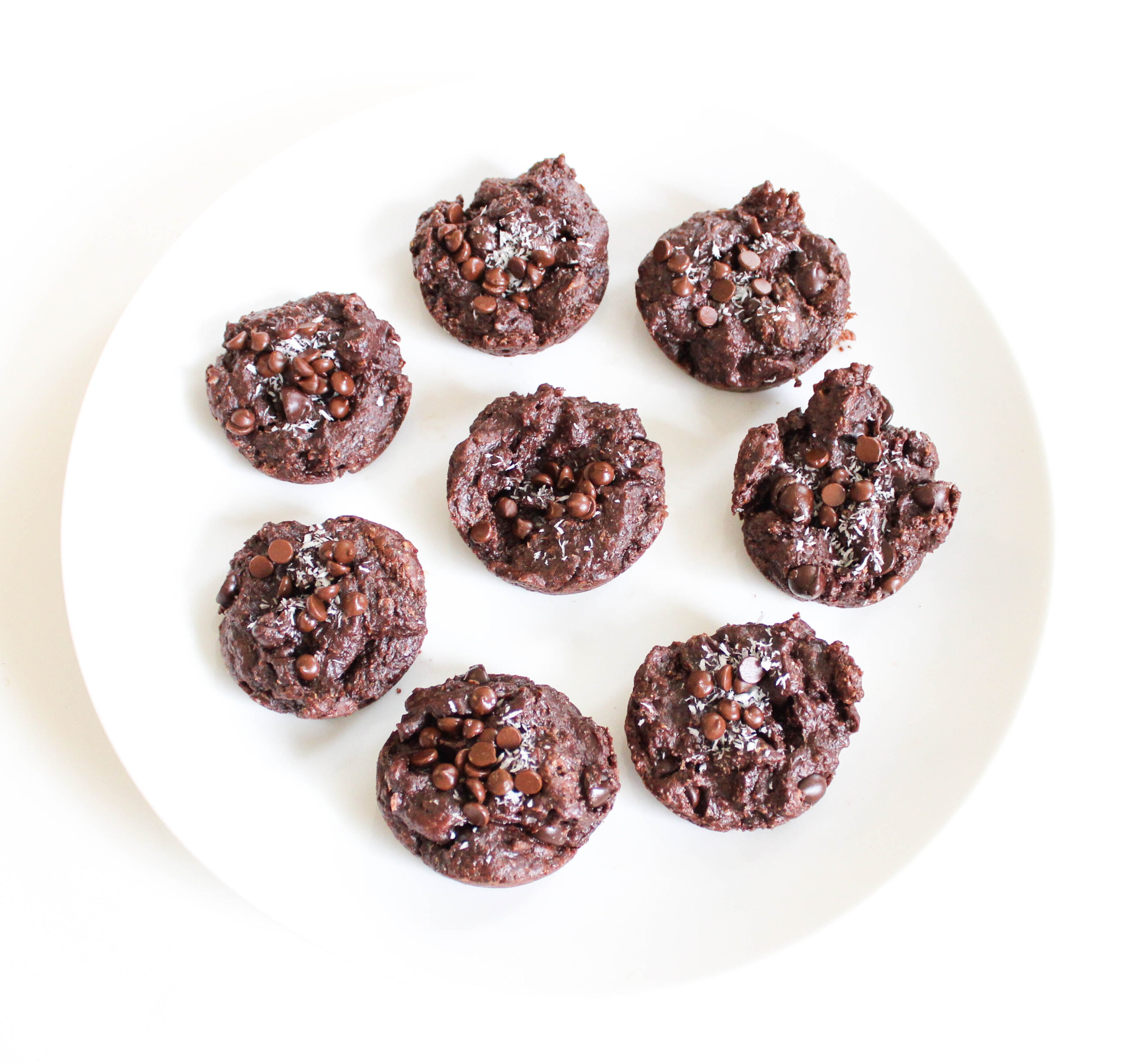
I used to be a chocolate ADDICT. Like, that was my “thing,” and everyone knew it. No amount of chocolate was too much. However, over the past year or so, my taste buds have totally changed. Although I still proclaim myself to be a chocoholic, I find that some things can actually be too sweet for me nowadays. (If you know me personally, that probably comes as a huge shock to you. I’m not joking about this!) It’s gotta be that perfect balance of sweetness. Enough to satisfy my chocolate cravings but not too much that my stomach hurts and I get a gross, bitter aftertaste in my mouth. Ugh.
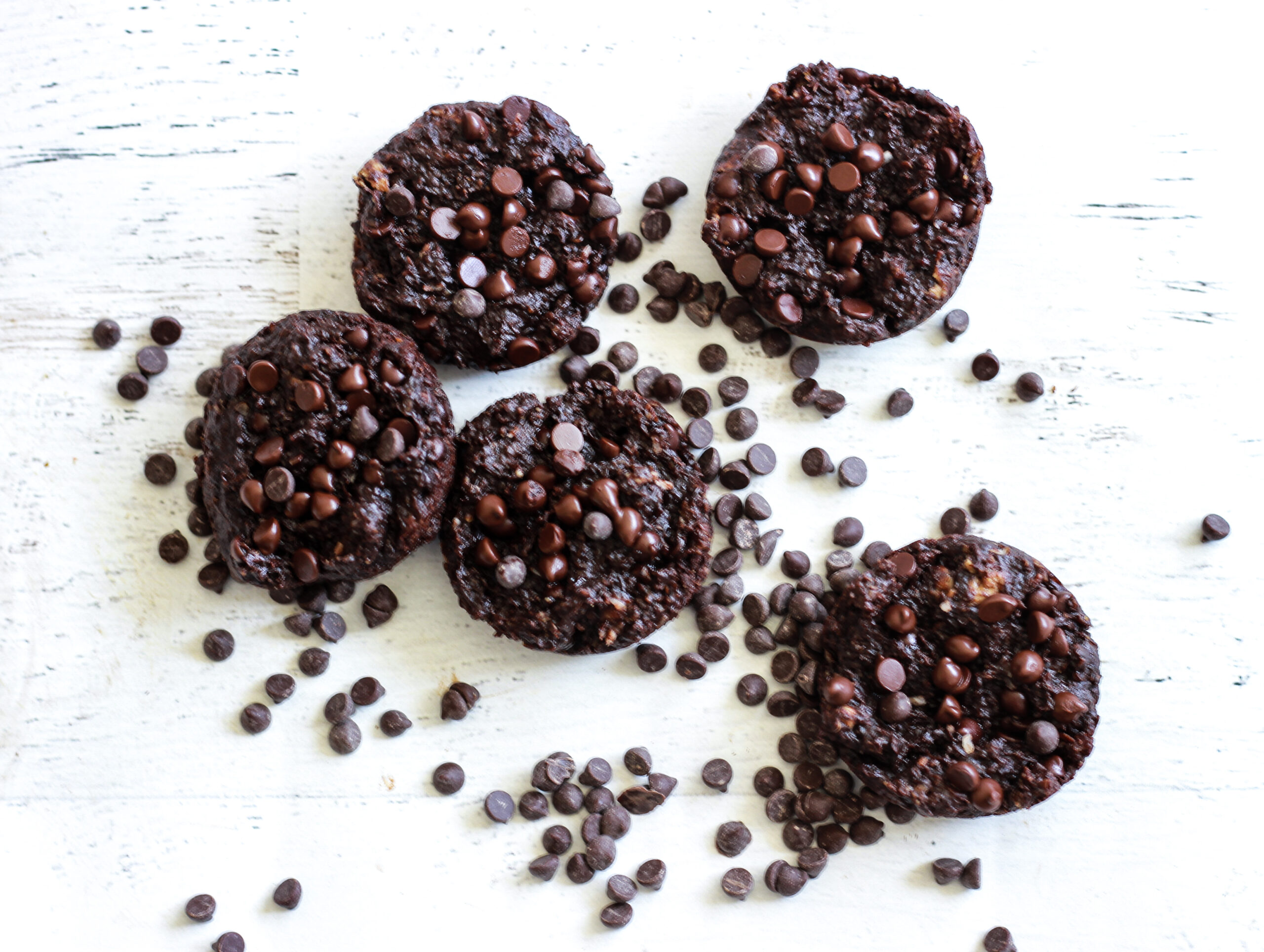
I also have this thing about textures. I can’t handle anything slightly chalky or dry. I like things to be fudgey, moist, soft, gooey…you get the idea. Like, I’m the kinda girl who prefers undercooked brownies to perfectly cooked brownies. Get the picture? I know it’s not for everyone, but IT’S WHAT I LIKE.
If there is one thing that I am completely and utterly obsessed with, though, it’s COCONUT. I put it in everything. EVERYTHING.
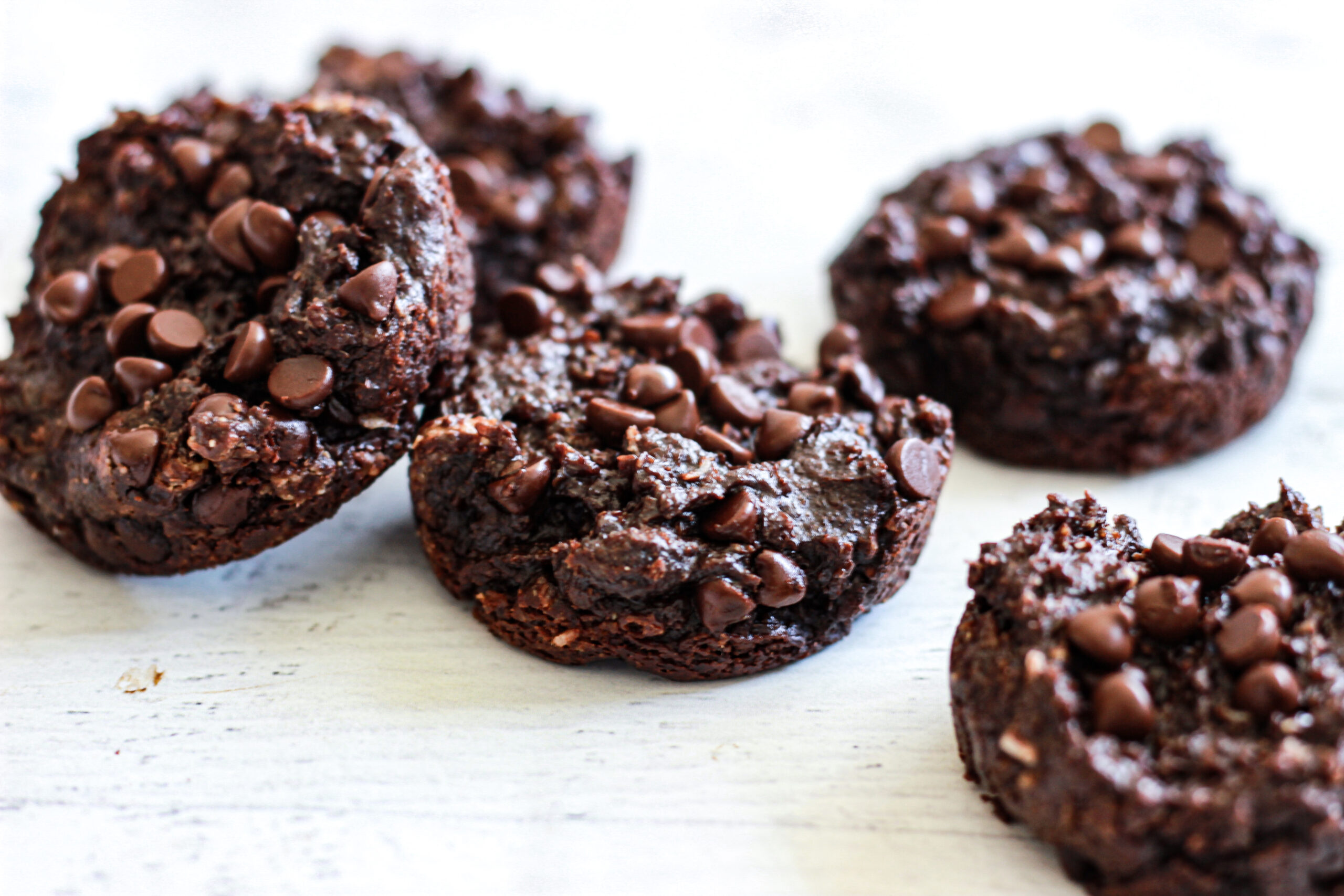
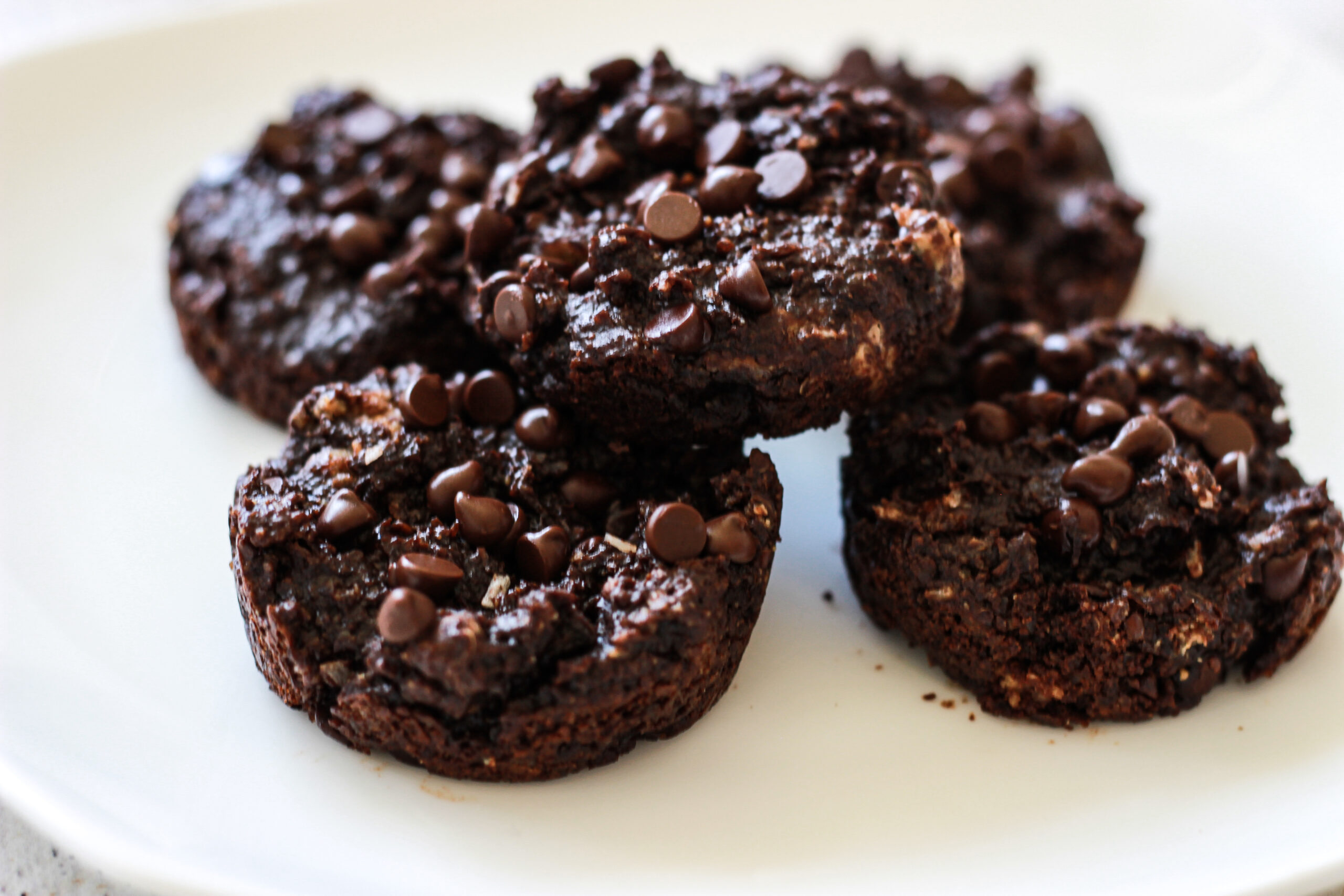
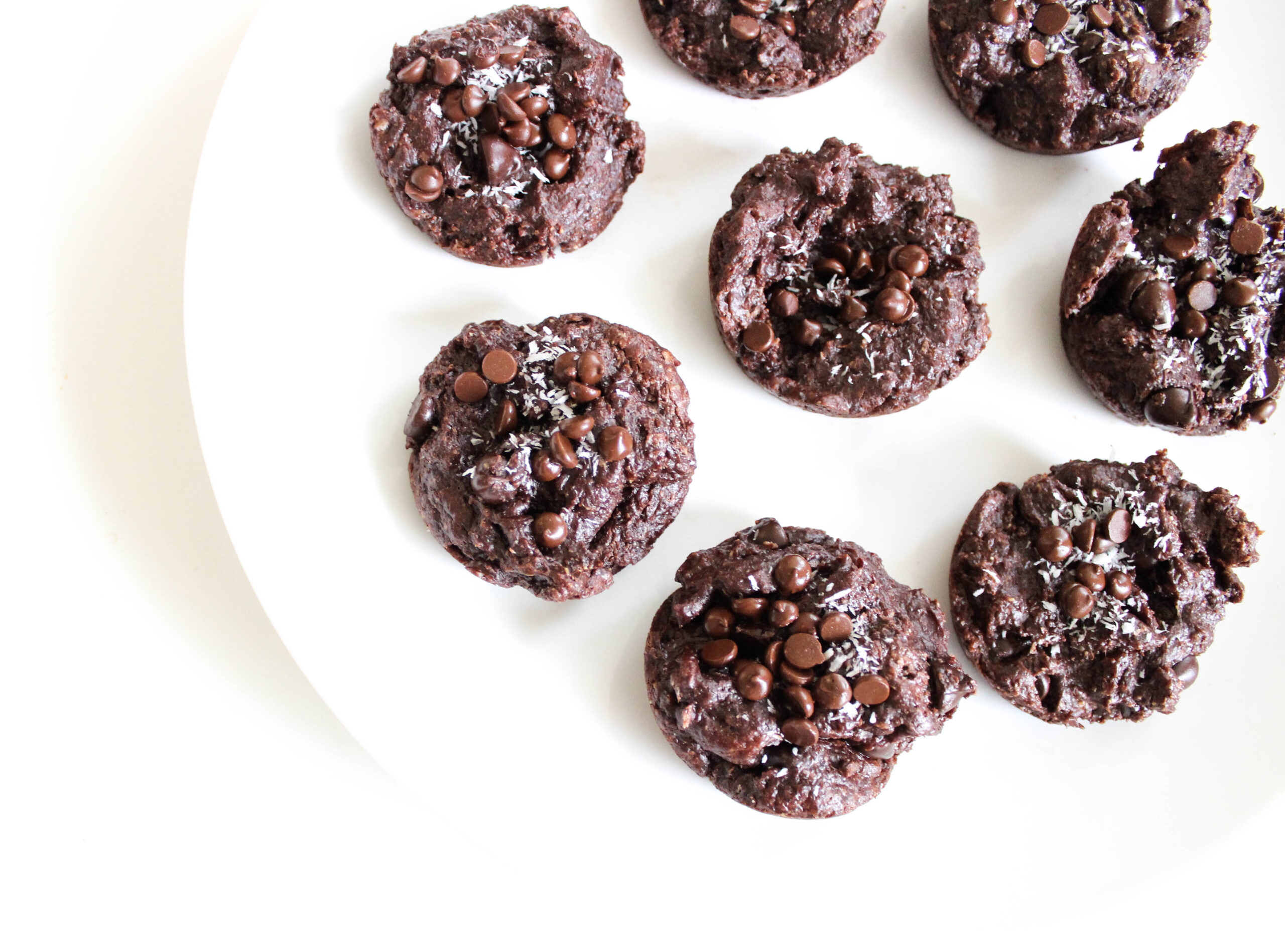
I was craving something gooey and fudgey and warm and yummy this weekend, and then I found out that it’s National Chocolate Chip Day! Is there a better excuse to whip up a recipe in the kitchen? I think not! Aaaaand the final result was EXACTLY what I wanted. Chocolate fudge muffins. With chocolate chips. And coconut. YES. Don’t be alarmed if you’re not a coconut person. The coconut is VERY subtle. My roommate hates coconut and she was totally into these.
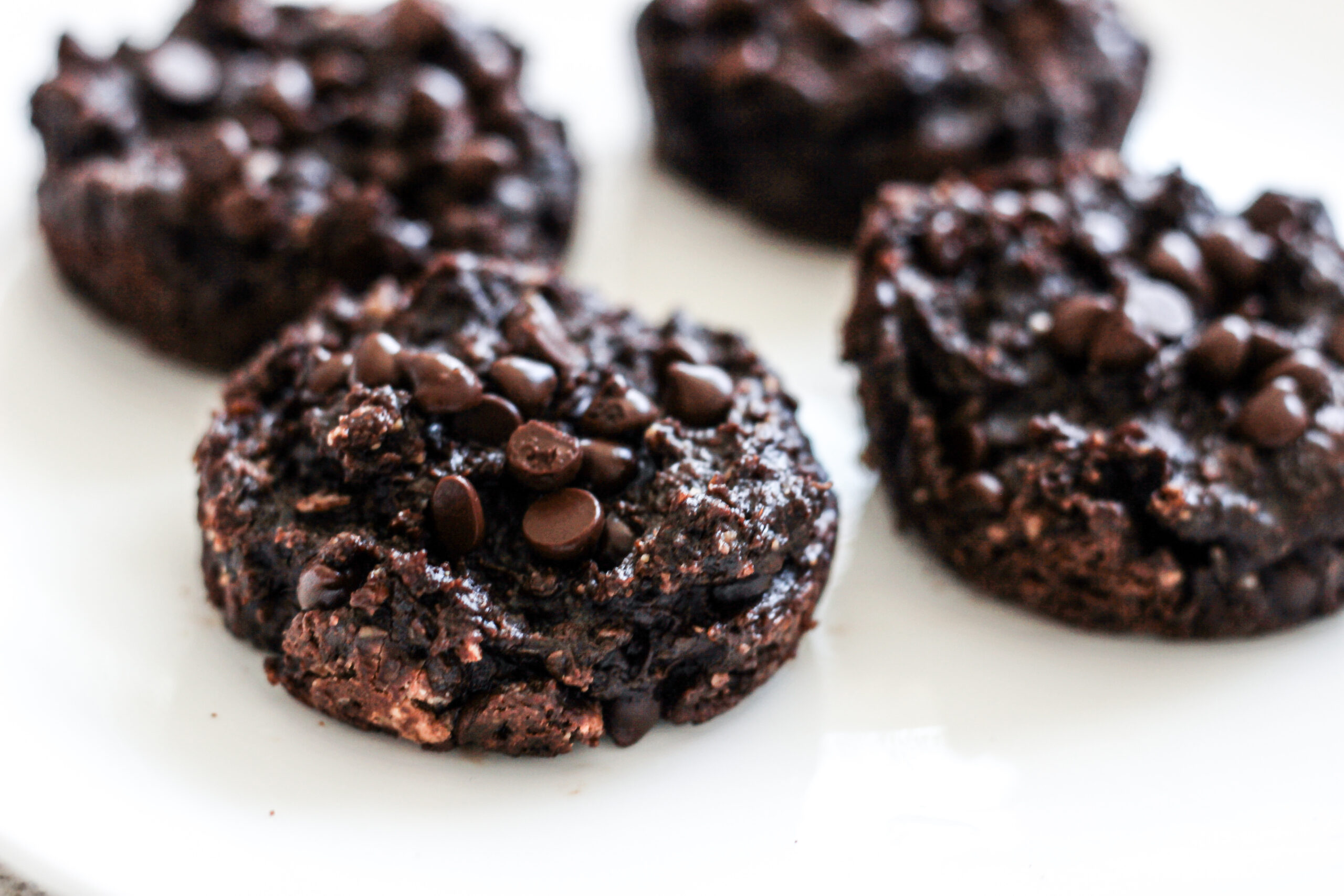
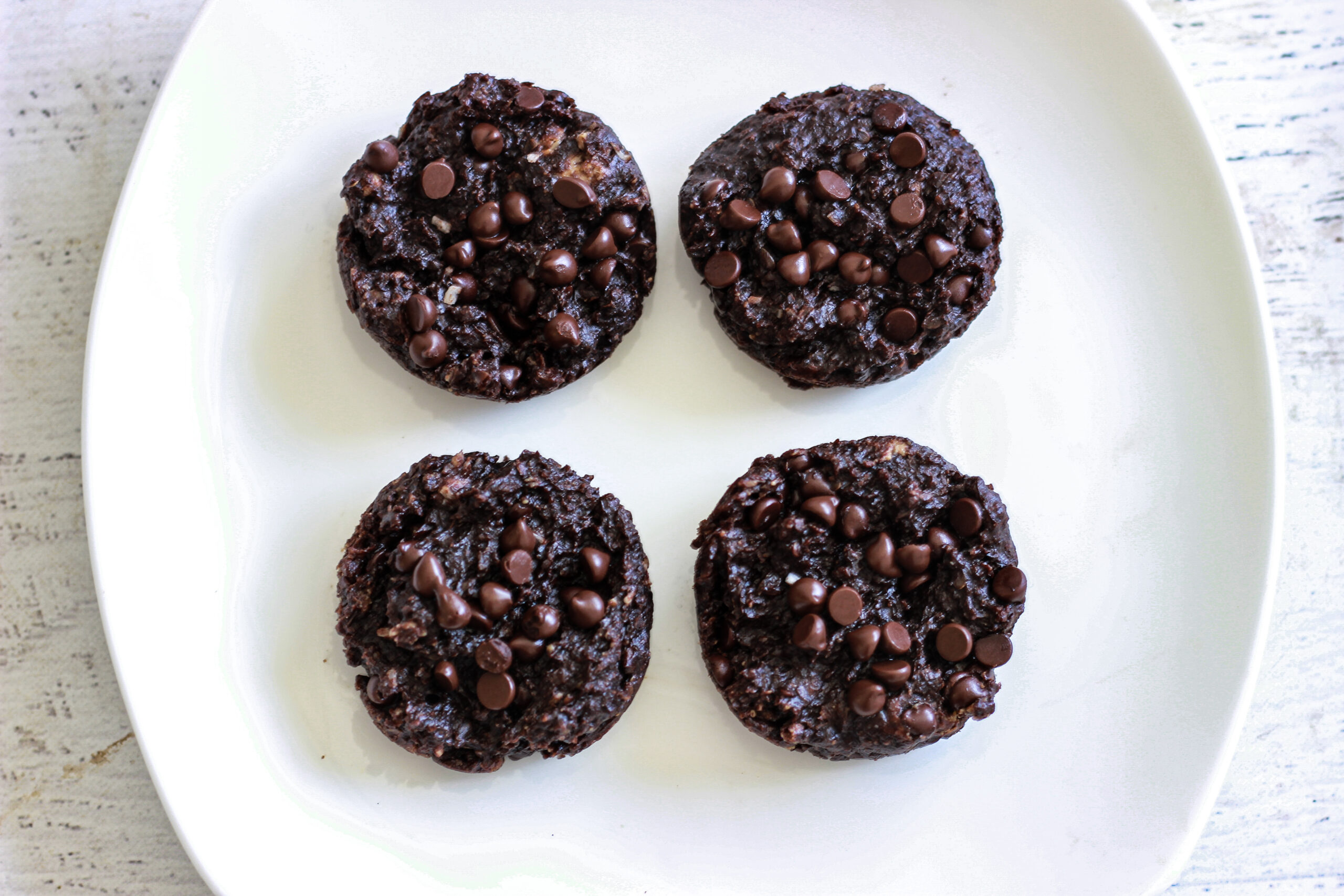
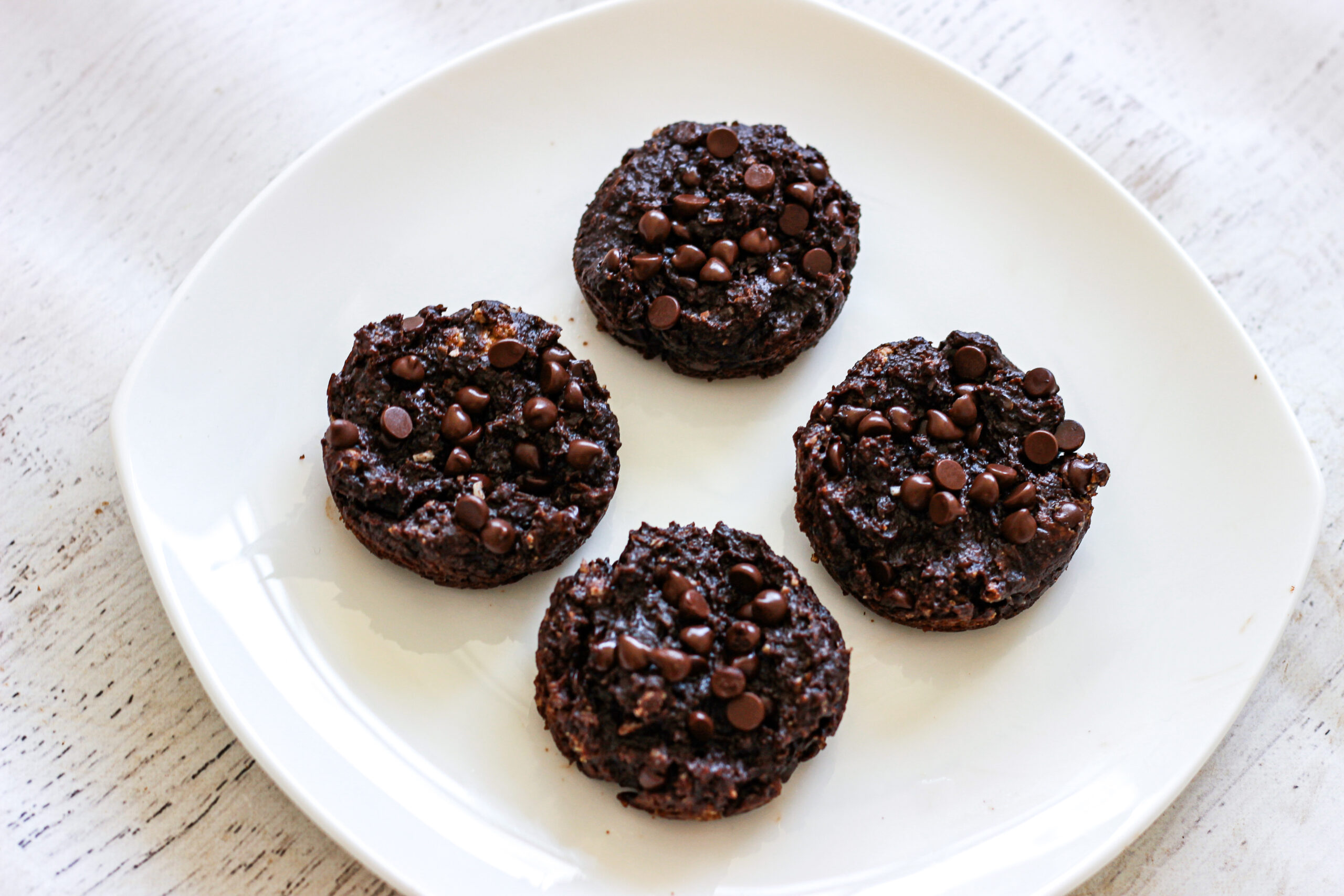
These don’t look like Betty Crocker perfect muffins because they’re flourless, hence the fudgey texture (my fave). I don’t really care if they’re not shaped perfectly, though, because they taste like gooey chocolate fudge coconut heaven. NOM. Imperfection is perfection.
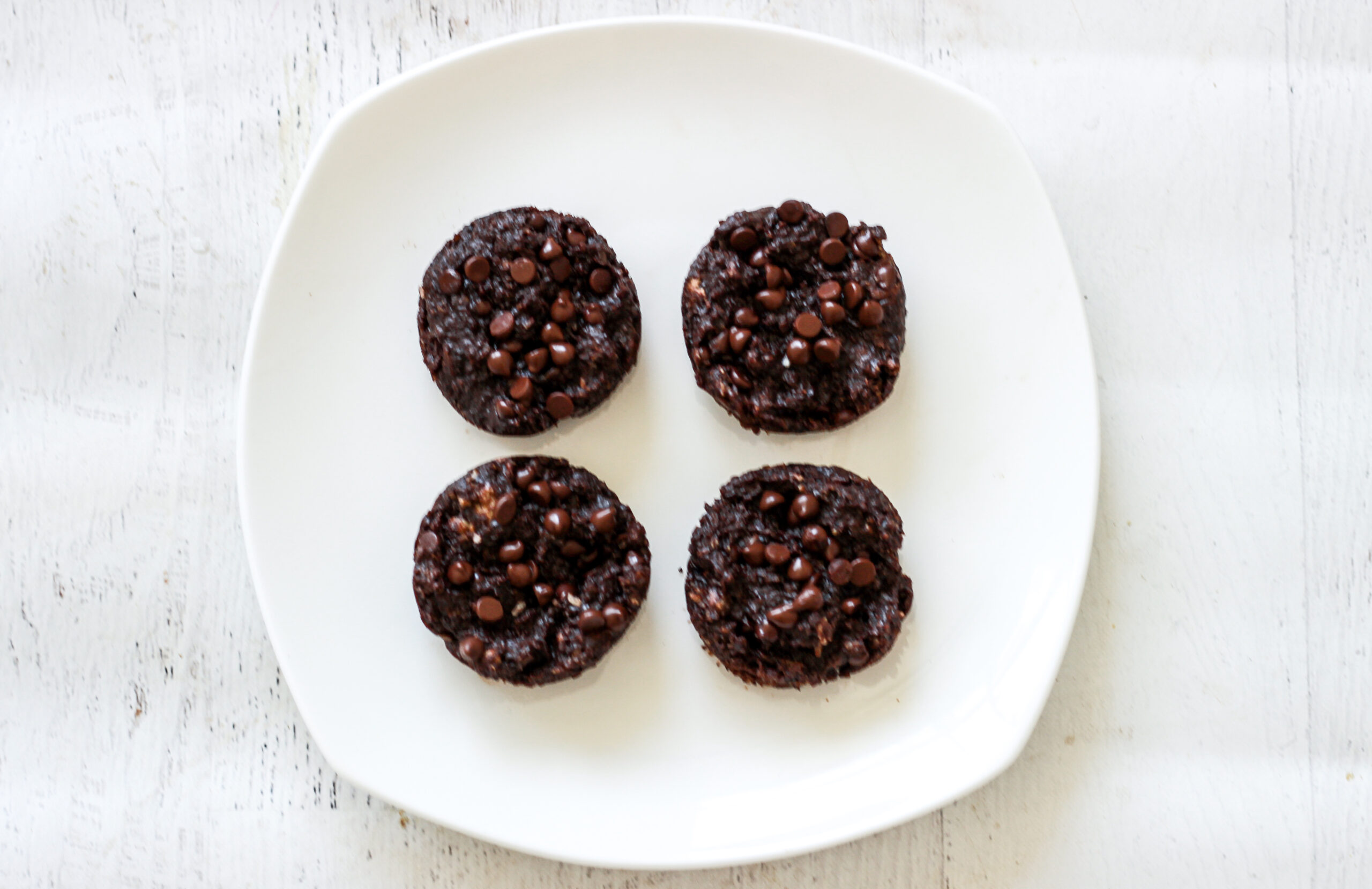
These are SO simple, SO quick, and have no offensive ingredients. Which is very important to me because of my stomach probs. These are gluten-free, dairy-free, paleo, and vegan. FUN FOR EVERYONE. Oooey, gooey, and oh so chewy! WHOA.
Total time: 25 minutes
Makes 8 muffins
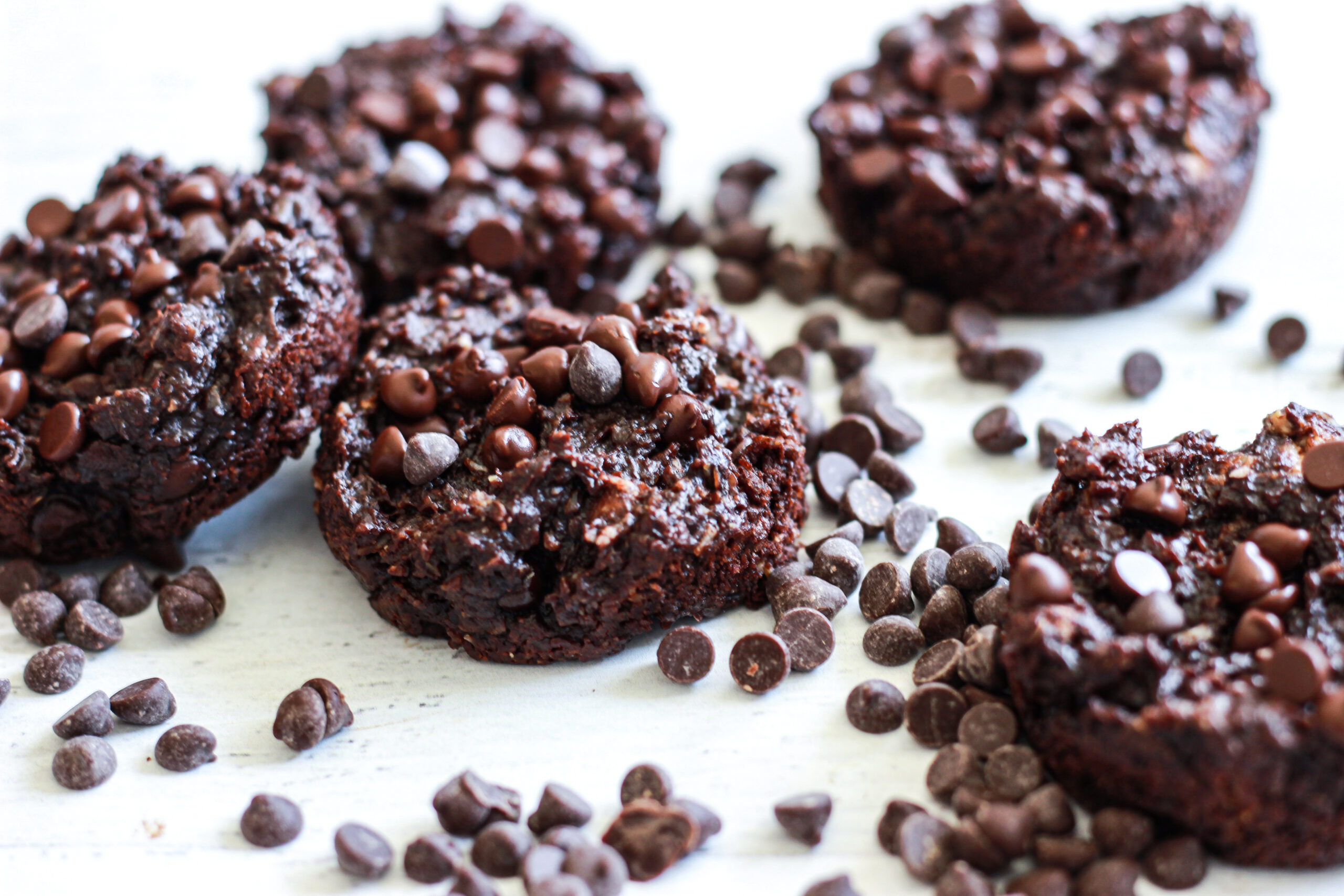
Flourless Chocolate Coconut Fudge Muffins (GF/Vegan)
Ingredients:
1/2 cup Almond Butter (or any other nut butter of your choice)
1/4 cup cocoa powder
3 Flax eggs (3 Tbsp ground flaxseeds + 9 Tbsp water)
2 tbsp maple syrup
1 tsp vanilla
1/2 tsp cinnamon
1 tbsp unsweetened shredded coconut
1/4 cup vegan & gluten-free dark chocolate chips
Directions:
- Preheat your oven to 325*F. Grease a muffin tray with coconut oil.
- Make your flax eggs. To make, combine the flaxseeds and water in a bowl, mix together, and place in the fridge for about 20 minutes.
- After the flax eggs have set and have a gel-like consistency, take them out of the fridge. Add the rest of the ingredients and mix everything together. It’s gonna be THICK!
- Plop a bit of the batter into 8 of the muffin tray slots. These are going to be bite-sized, so don’t expect them to fill up the muffin tins.
- Pop ’em in the oven for about 10 minutes. Take them out and let them cool for about 15 minutes. They probably won’t LOOK like they’re cooked, but trust me, they are. You want a fudgey consistency, and because they’re flourless, they won’t look like a typical muffin.
- After the muffins have cooled, remove them from the tray and enjoy! Try not to eat them all in one sitting…Or maybe do. These are the BEST fresh out da oven when they’re still warm, so I highly encourage you not to wait too long.
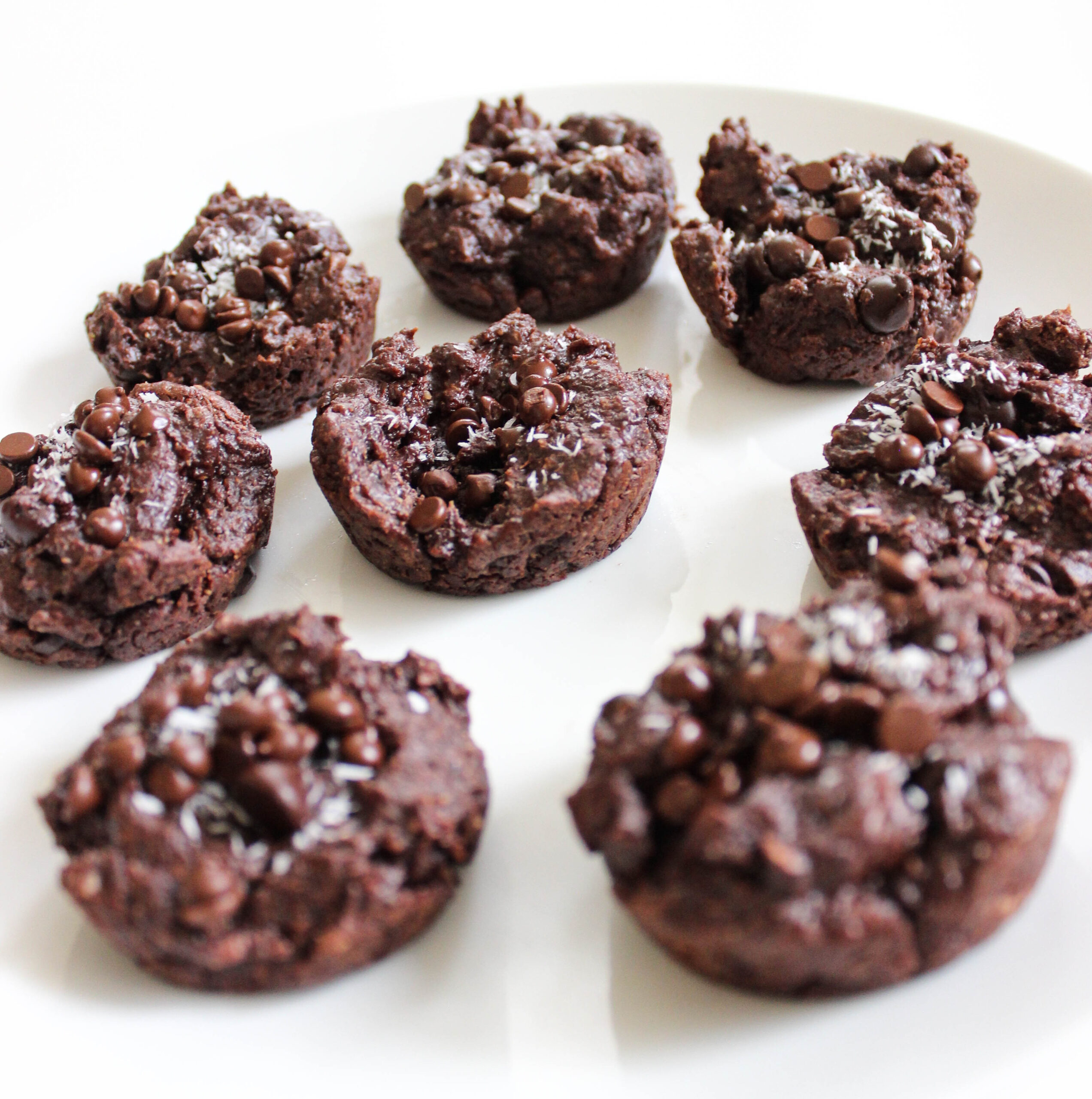
I’m kind of chocolate-high right now because I literally just ate these. If you decide to try them, let me know what you think & definitely tag me in any pics (@addicted_to_lovely) so I can see your beautiful chocolate creations. I’m debating trying these with a healthified version of Nutella in place of the almond butter because I think that would be BOMB. If you make any fabulous subs, be sure to leave a comment and let me know how they turned out!