
by Christina | Mar 30, 2018 | Wellness
“Our mouths are for eating, and our noses are for breathing.”
If you haven’t heard that quote before, it’s the quick explanation for why I love mouth-taping so much. If you haven’t heard me talk about mouth-taping yet and you’re thinking, “What in the world is that?!,” let me explain.
While making many life changes in order to focus on my health, hormones, work/life balance, and so on, one thing I’ve really been working on is optimizing my sleep. I’ve never been one to get enough sleep. Definitely never 8 hours. On average I’d get about 6, but in college that would range anywhere from 2 to 7. In high school, mostly 3-5 hours a night. That definitely took a toll on me.
After graduating, I was able to get in closer to 6 or 7 hours a night consistently, but the problem was that despite having plenty of time to sleep, I wasn’t getting HIGH QUALITY sleep. I always woke up multiple times a night to “use the bathroom.”
Most people don’t realize this, but waking up in the middle of the night “to use the bathroom” on a regular basis indicates that something is wrong. It’s not normal. As a practitioner, my clients’ sleep always gives me a big clue into something else that might be going on with their health. There are a few different reasons why someone might be waking up in the middle of the night, but it’s usually because of a spike in cortisol. This could be caused by a number of things – undereating the day before, eating too close to bedtime, overtraining, an underlying infection, general HPA axis dysregulation… the list goes on.
Our autonomic nervous system has two modes – “rest and digest,” which is the parasympathetic state, and “fight or flight,” which is the sympathetic state. The sympathetic state comes into action when we are responding to a stressor, and this response is meant to be acute, not chronic. Our heart rate speeds up, blood rushes to vital organs and way from others, digestion “turns off”, our pupils dilate, and our bodies get ready to fight the stressor. The opposite happens when we are in the parasympathetic state. Obviously, our bodies are meant to be in the parasympathetic, “rest and digest,” state when we are in our ultimate state of rest – sleeping! We all know that good quality sleep is incredibly important to our health for a number of reasons – it is when our bodies and brains rebuild, repair, and recover. Sleep is when the body is REALLY getting to work! It is one of the most overlooked aspects of reaching any health goal.
The way that we breathe affects the state our body is in. Breathing through your nose actually puts your body into that calm and relaxed parasympathetic state, and that’s why it’s optimal for us to breathe through our noses when we sleep. When we nose-breathe, it keeps our bodies in the parasympathetic state so it can actually “rest and digest” and carry out all of the processes necessary to recover. Mouth-breathing, though, can put us back into the sympathetic state. Turns out, this is why I was waking up so often!
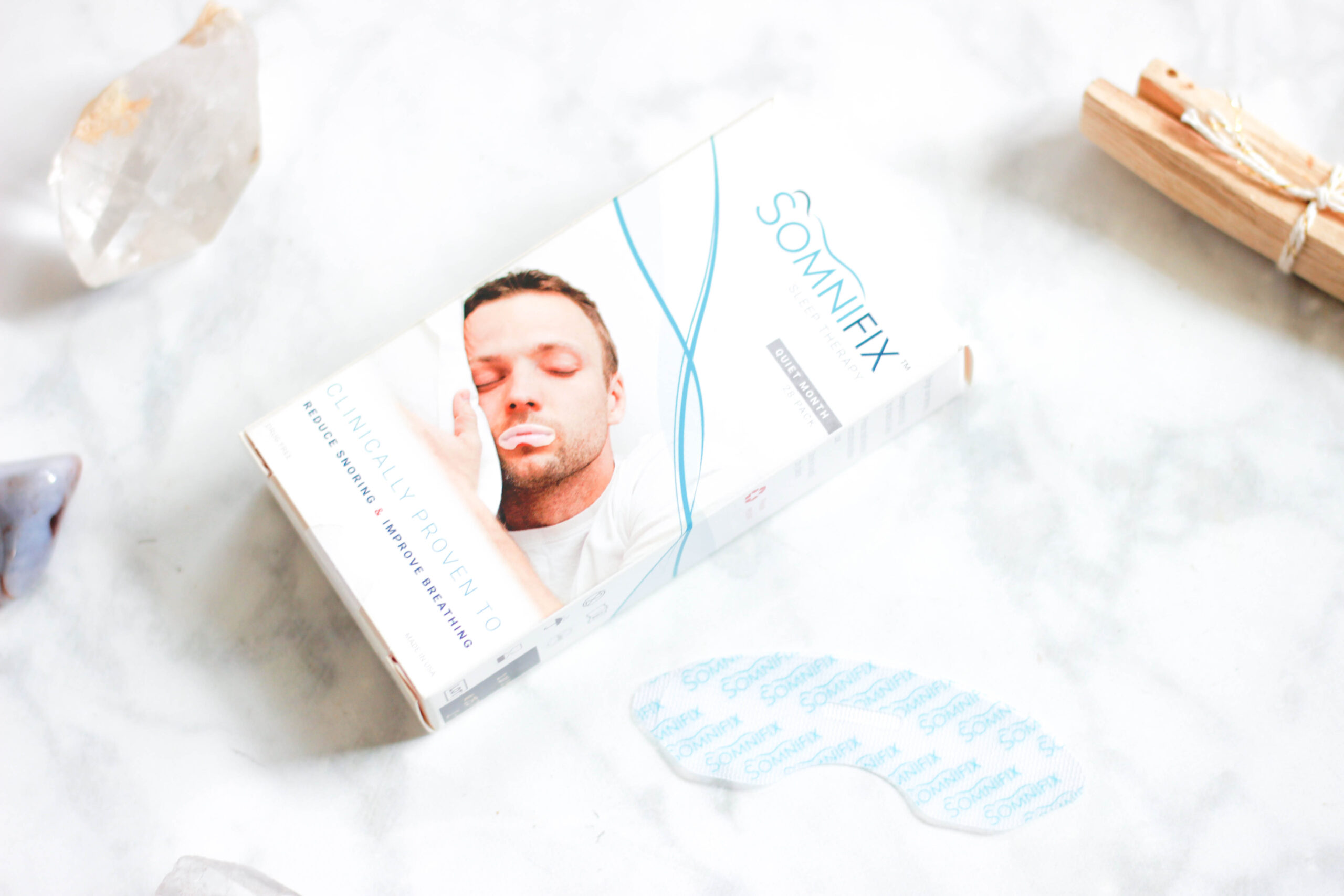
I first heard about mouth-taping through my friend Mike Mutzel from High Intensity Health. He was on Straight Up Paleo podcast awhile back, and you can listen to his episode here. Mike is incredibly smart and I’m always interested in his recommendations, so I wanted to give mouth-taping a shot after hearing him speak so highly of it. He recommended Somnifix mouth tape to me, which was originally designed to help people with snoring, but turns out to help almost everyone improve their sleep in general. I don’t snore, but I had nothing to lose!
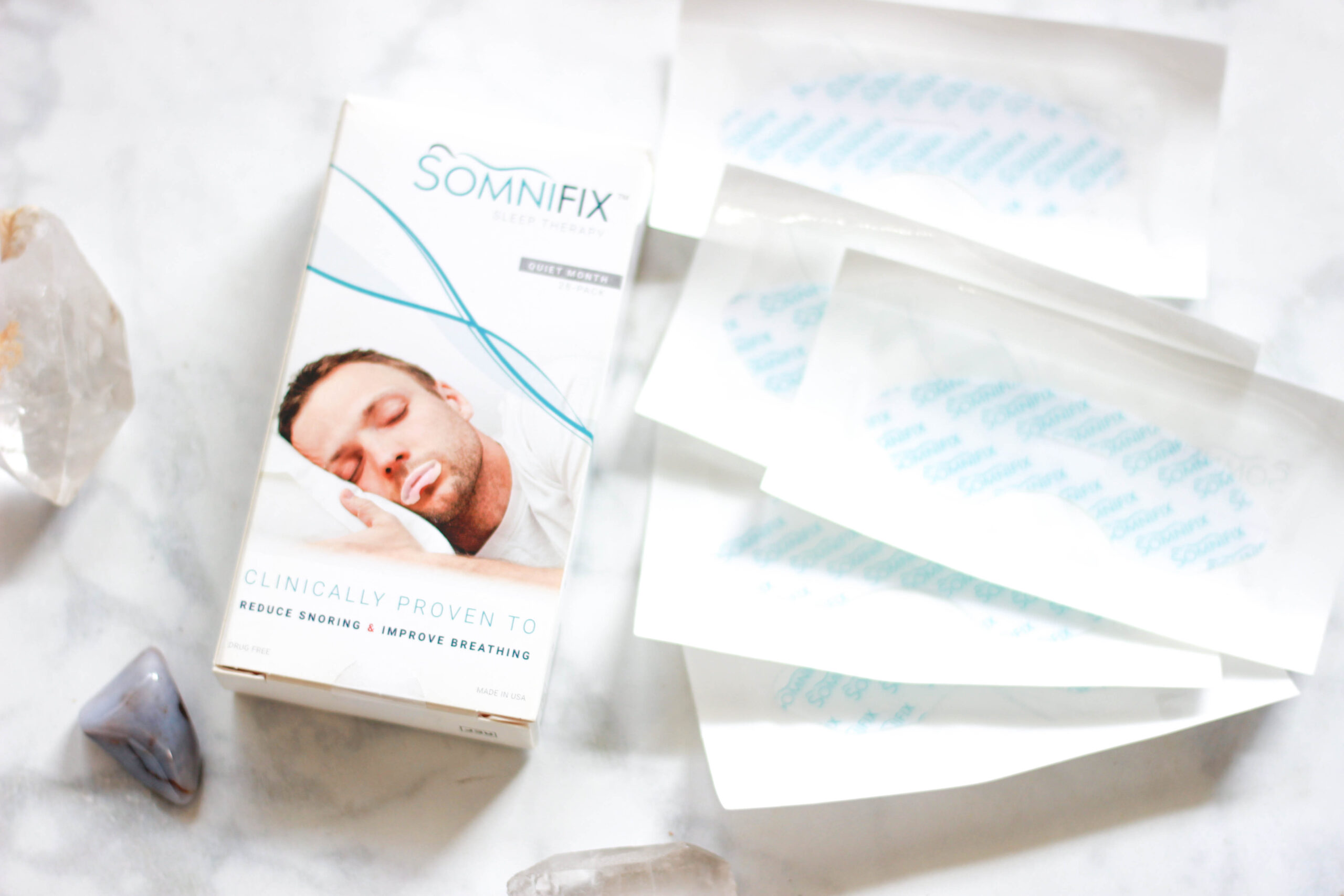
I’m all about simple biohacks, so I was really excited to try the Somnifix. I was a little nervous at first to tape my mouth shut while I slept, but I felt much better about it after I actually saw the mouth tape. You can mouth tape with any type of tape you want, really, but I only use Somnifix because it’s totally hypoallergenic and has been tested extensively to make sure it won’t irritate the skin. The adhesive was specifically designed for the lips so that it’s really easy to remove and doesn’t hurt, and it doesn’t leave a sticky residue when you take it off either. If you want it to come off, all you have to do is pop your mouth open! The big selling point for me, though, was that there is also a mesh-covered breathing vent in front that allows you to breathe a bit through the tape, if needed. Once I saw that, I felt better about trying it out while I slept. If I REALLY needed to breathe, I could simply part my lips a bit to do so.
The first few nights were interesting. My body was definitely not used to having tape on my mouth, so I kept removing it while I was sleeping. I woke up with the tape somewhere else in my bed, wrapped around my thumb, and on another part of my face. After that first week, though, my sleeping hands left that mouth tape right where I put it! Once it stayed on the whole night through, I was shocked to find that I wasn’t waking up anymore multiple times during the night “to pee.” Because I was able to sleep throughout the whole night, I had REALLY deep sleep. Every morning, I can tell that my body gets into a deep state of REM the night before. I always vividly remember my dreams the next morning, and I wake up feeling SO rested. I also always sleep at least 8 hours now, unless under special circumstances, like having to wake up early because I’m traveling. I used to never be able to sleep 8 full hours even when I had the time to!
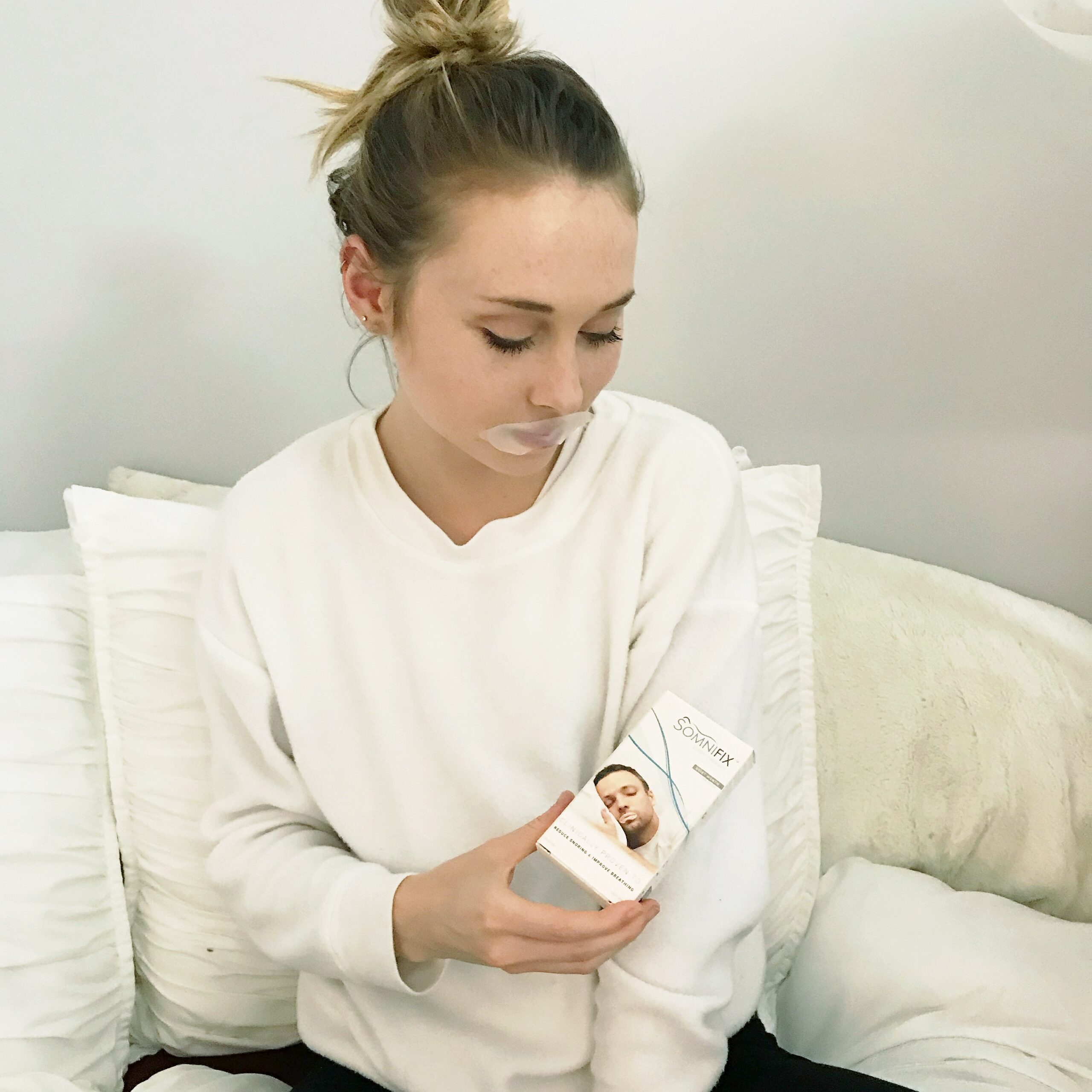
Since using the Somnifix regularly, I feel so much better during the day because I’m getting such great sleep at night. I wake up feeling like I actually have gotten rest, and my brain feels much more productive the next day. My body, in general, just feels better. I feel like I recover better from workouts and have more energy during the day. It’s also really important for me to sleep because I’m still working on my gut health and hormones, and sleep is crucial for that.
I use the Somnifix mouth tape religiously now, and I will not go to sleep without it. There have been a few nights that I didn’t put it on, and I woke up feeling like crap, to be blunt. It affects everything from my mood to my overall energy – I really notice the difference. Now that I know what it’s like to wake up after a good night’s sleep, I refuse to go back to a poor night’s sleep!
After seeing how much one simple thing could transform my sleep and then have a huge impact on my overall life, I obviously wanted to work with Somnifix and tell everyone in my life about it. Mouth taping helps not only with keeping you in parasympathetic mode throughout the night (which might help you sleep soundly instead of waking up “to pee”), but also has a ton of other health benefits. In general, breathing through our noses is much more optimal than breathing through our mouths. Breathing through your nose can lead to quiet sleep, deeper sleep, a better regulated heart rate, more efficient carbon dioxide-oxygen exchange, nitric oxide production to boost immunity, reduced headaches when waking up, reduced nasal congestion and sore throats, better focus, stamina, and strength because of optimal breathing patterns, improved weight loss and digestion, and better memory. Breathing through your mouth while you sleep, however, can lead to dry mouth, sore throat, nasal congestion, snoring, lowered blood oxygen saturation, and worsened immunity.
Let’s talk a bit more about those points, if you’re curious. Nose-breathing helps to lower your heart rate and adrenaline and improve blood oxygen levels, which means deeper sleep! It can also help if you have asthma or allergies. The nose warms and filters out air, but mouth-breathing sends cold, dry air to the back of the throat. The nasal passages try to fix that by secreting more mucus, but that can lead to more congestion and allergies, leading to more mouth-breathing. The cycle continues unless you break it.
Nose-breathing can also protect your dental health and improve your breath. Mouth-breathing dries out the mouth and can negatively affect the oral microbiome, which also affects your digestive tract. Dry mouths have an altered pH and less saliva to protect against cavities, and the increased level of bacteria in the mouth can lead to bad breath. No one wants that.
We also really need to talk about nitric oxide. We create 25% of our nitric oxide in the sinuses when we nose-breathe, and more nitric oxide in the body has been linked with improved athletic strength and endurance, weight loss, a reduction in anxiety and depression, stronger immunity, better concentration, sleep quality, memory, regulated blood pressure, and less arterial inflammation.
During the day, it’s easier for us to notice if we are breathing through our noses or mouths, but it’s not so easy while sleeping. During the night, we are “paralyzed” for certain parts of our sleep, which is called atonia. This particularly affects the muscles around the mouth and neck. This is why the mouth tape is so helpful – it keeps our mouths shut instead of letting them fall open, which also impacts where the tongue falls in the mouth. I really think this should be part of almost everyone’s nightly “sleep hygiene” routine – the way that we should all brush our teeth before bed.
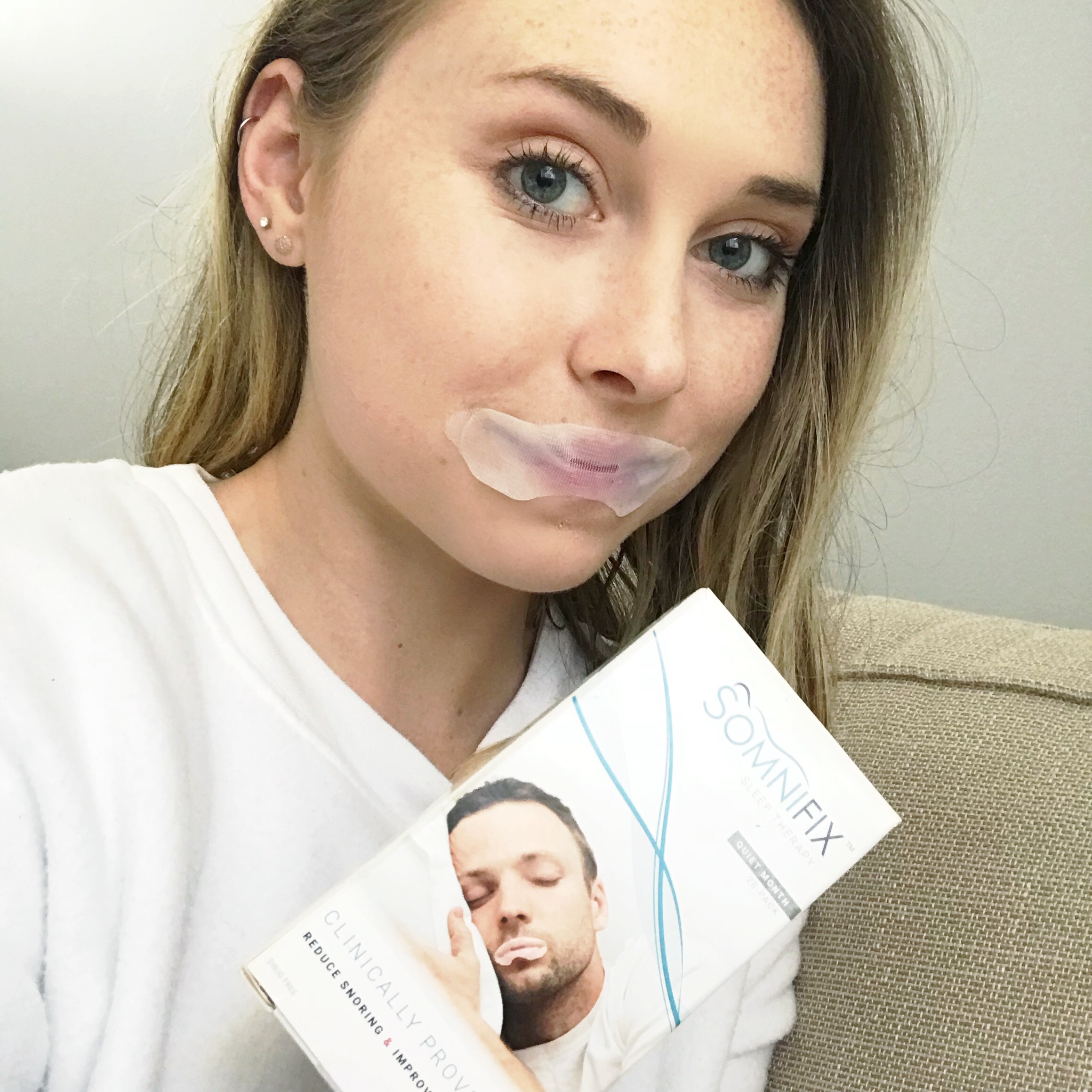
Somnifix is well-studied. They’ve done clinical trials with researchers from Harvard showing that the strips are extremely effective in reducing “mouth” snores and improving breathing efficiency. Plus, everything inside the box is totally recyclable, which is another plus. Everyone I’ve recommended this to so far has loved it, and SO many readers / podcast listeners have told me that Somnifix has totally transformed their sleep, too. I know a lot of people who have finally stopped snoring because of this, so if you or a significant other has a snoring problem, give this a shot! Turns out that many people snore simply because their mouths are open while they sleep! It also helps with drooling…
If you’re ready to try, give it a few days or weeks to get acclimated to the mouth-tape. After that, get ready for a lifetime of better sleep.
If you have a medical condition that makes it so you physically cannot breathe through your nose, then you should not be taping your mouth shut while you sleep. You need to breathe! However, most of the population CAN breathe through their nose. If that’s you, I HIGHLY recommend trying out Somnifix mouth tape! It has seriously changed my life. I’m proud that Somnifix is a sponsor of both of my podcasts, and grateful that I have an amazing discount code for you to get 15% off! You can use the code “CRWSLEEP” for 15% off – and you can order right from Amazon.
If you decide to buy a box and try it out, I would love to hear about your experience. I also love seeing your mouth-tape selfies, so if you snap a picture, be sure to tag me! Happy sleeping!

by Christina | Mar 26, 2018 | Recipes, Wellness

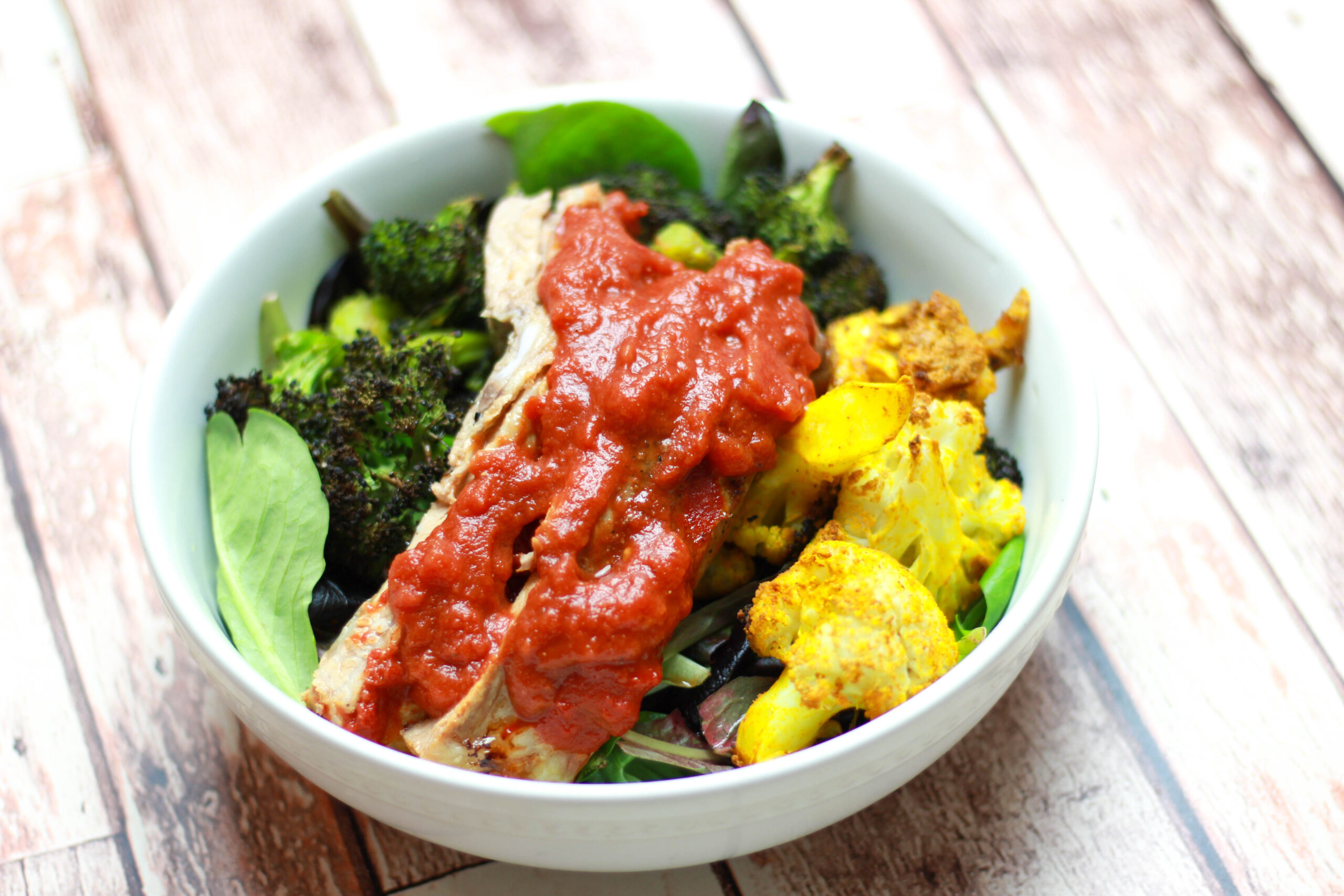
Growing up, ribs were another one of my dad’s specialties – he’s the grill master. I always think of him whenever I think of BBQ sauce and ribs. Does anyone else remember the song from the Chili’s commercial about their baby back ribs? We used to sing that all the time. It was really good marketing. But when it came to taste, nothing could beat my dad’s ribs. 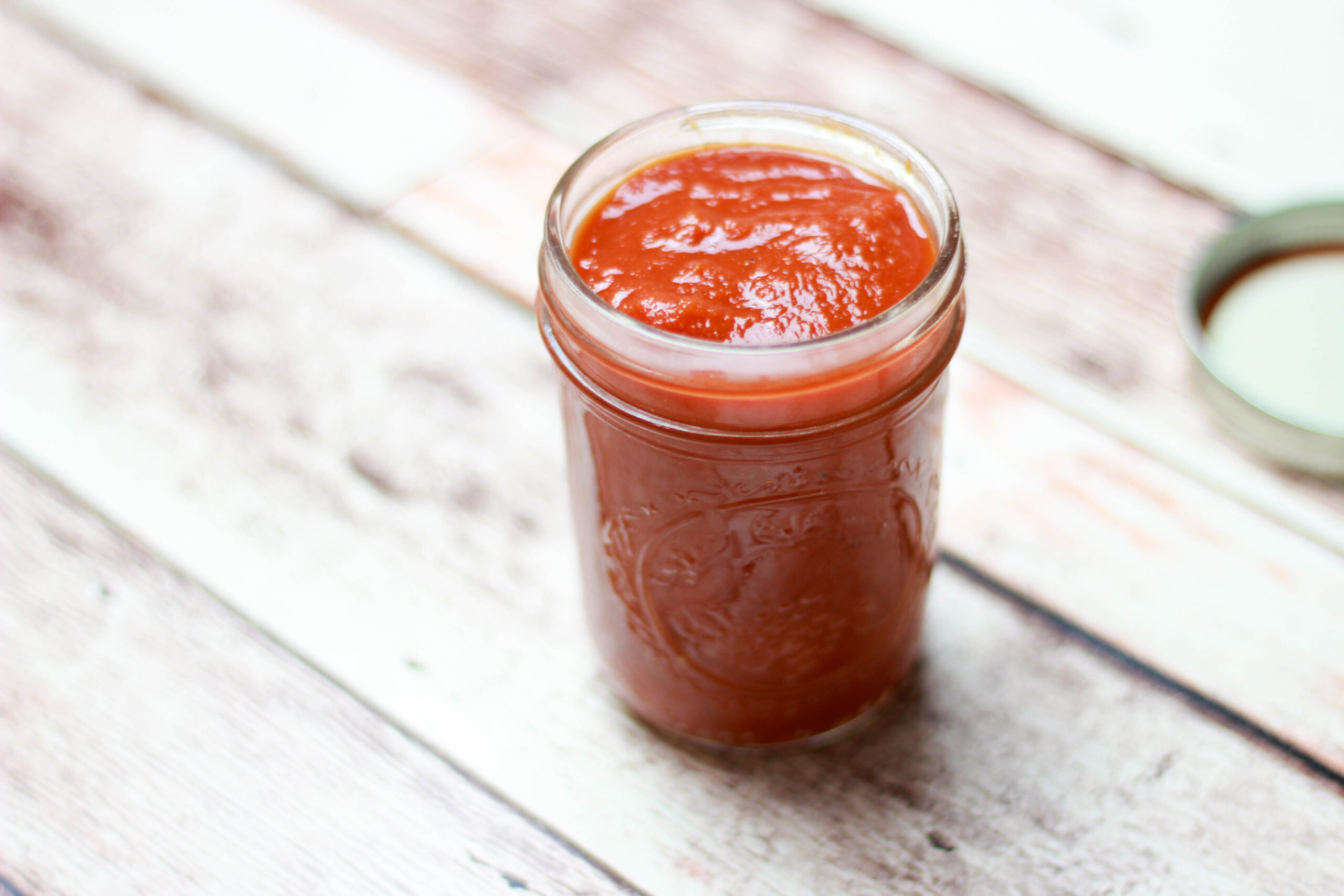
I hadn’t had barbecue sauce since going Paleo (so about three years now) up until a few weeks ago when I was in Portland. Clean barbecue sauces can be hard to find, although there are definitely some great Paleo BBQ sauces on the market. That being said, even those tend to be sweetened with dates, honey, or maple syrup. There is absolutely nothing wrong with those ingredients in small amounts, but I personally like to keep my sweeteners to desserts, and I’m also not technically supposed to be having any sweeteners right now while I’m still on my anti-Candida diet.

That being said, I went off plan a bit when I was in Portland. Gotta live it up when you’re on vacation! My stomach wasn’t too happy with me, but my mind was! Anyways, I got a burger with BBQ sauce on it, and I realized how much I missed it. I was slightly disappointed though, because the sauce wasn’t really that great. What a waste. It wasn’t bad, but definitely not standout. I decided it was about time I make my own, Christina-approved barbecue sauce. You know what they say… if you want something done right, you’ve gotta do it yourself.

Ribs are another thing I never tend to make myself. I don’t eat pork very often because it’s harder to find high-quality pork than other high-quality meats. When I do get my hands on high-quality pork, it tends to be cuts other than the ribs. I’ve been on the hunt for some high-quality ribs, though, because one of my best friends and I randomly decided we were craving them and really needed to make them soon. She used to eat my dad’s ribs with me growing up, and we got nostalgic…. you know how it goes. Anyways, I’ve been using Butcher Box recently to deliver grass-fed meat, organic, pasture-raised chicken, and pastured pork straight to my door (this is not sponsored, but I wish it was – ha!), and I saw that they had ribs! So of course I got some.
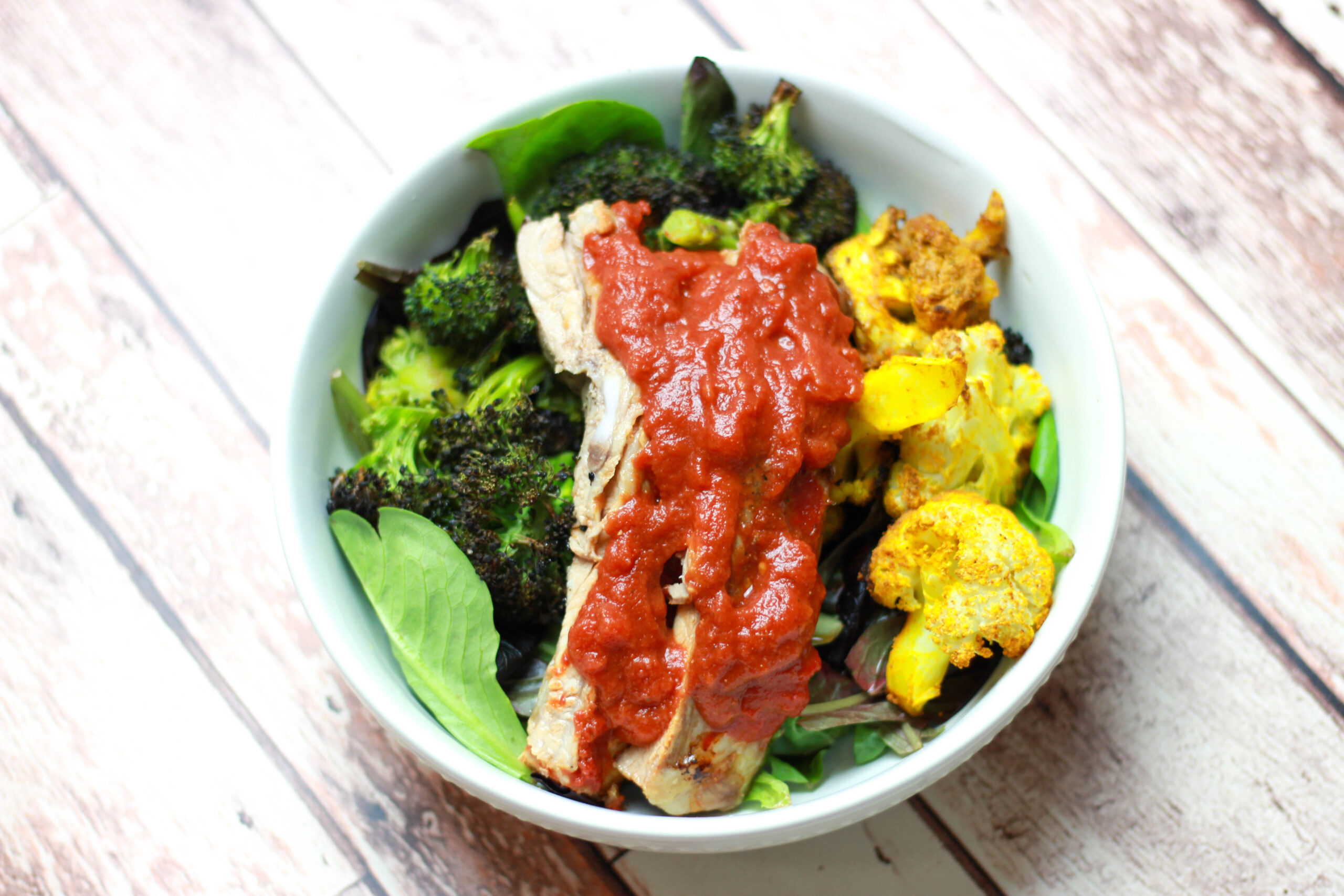
We planned a date, and I was determined to make the perfect paleo, Whole 30, sweetener-free / sugar-free, low-FODMAP barbecue sauce to go with some quick and easy ribs! Besides using sweeteners unnecessarily, it bothers me that most BBQ sauces also have garlic and onions in them, which are gut irritants for many people. I don’t avoid garlic and onions completely, but I am a bit sensitive to them, so I don’t usually use them whenever I’m cooking for myself. It’s more of a once-in-awhile thing. Although, I must tell you – I think my garlic tolerance is improving! Stay tuned.
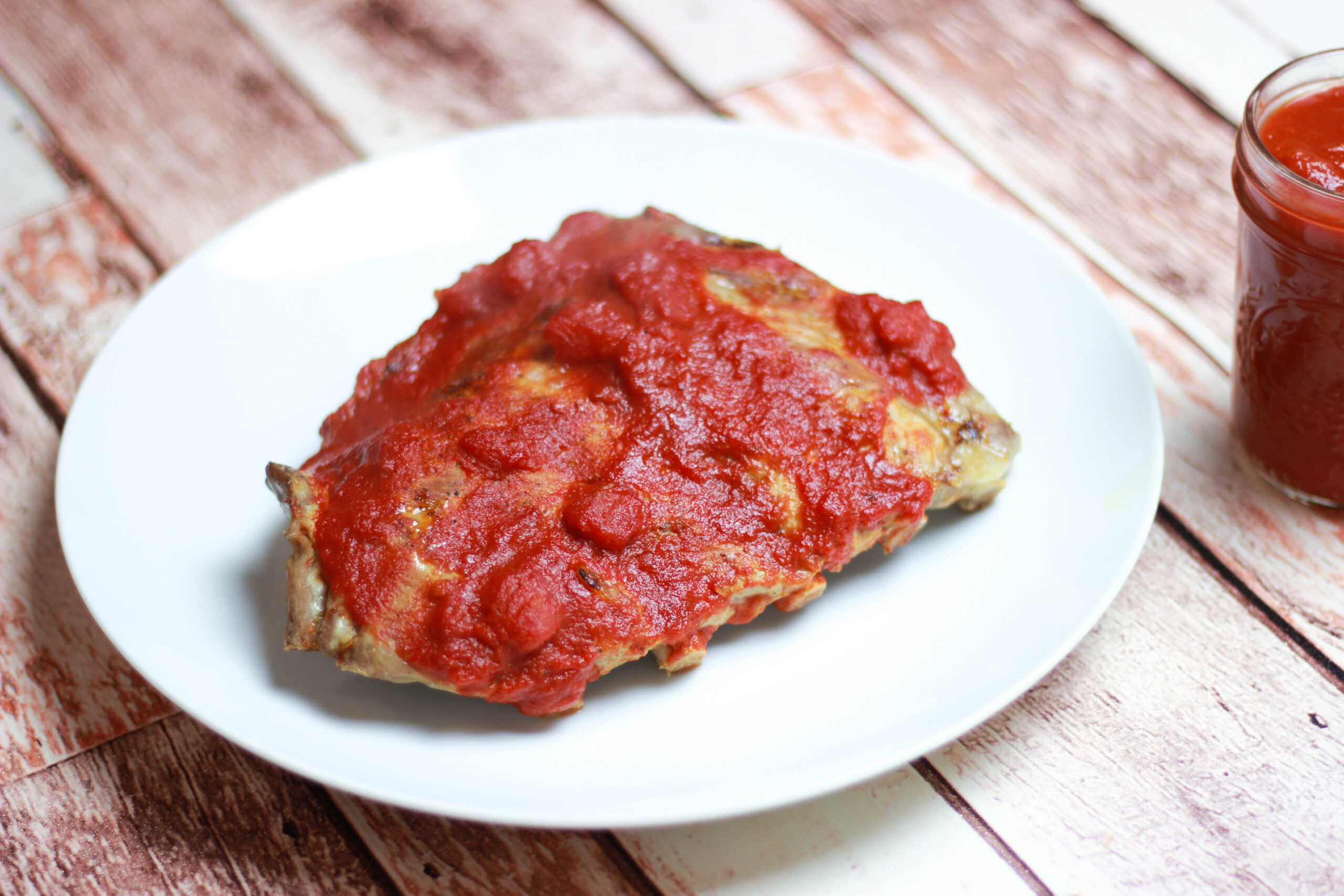
A lot of my clients are sensitive to garlic, onions, and other FODMAPs, though, so I wanted to make something they could enjoy, and also something that anyone on a sugar-free, anti-Candida, or ketogenic diet could have. Anyways, the sauce and ribs turned out amazing, and it was just what I wanted! You can literally throw the ribs in the Instant Pot, and it does all the work for you. If you don’t have an Instant Pot yet, I cannot recommend it enough. Use any type of ribs you want, but I used pork!
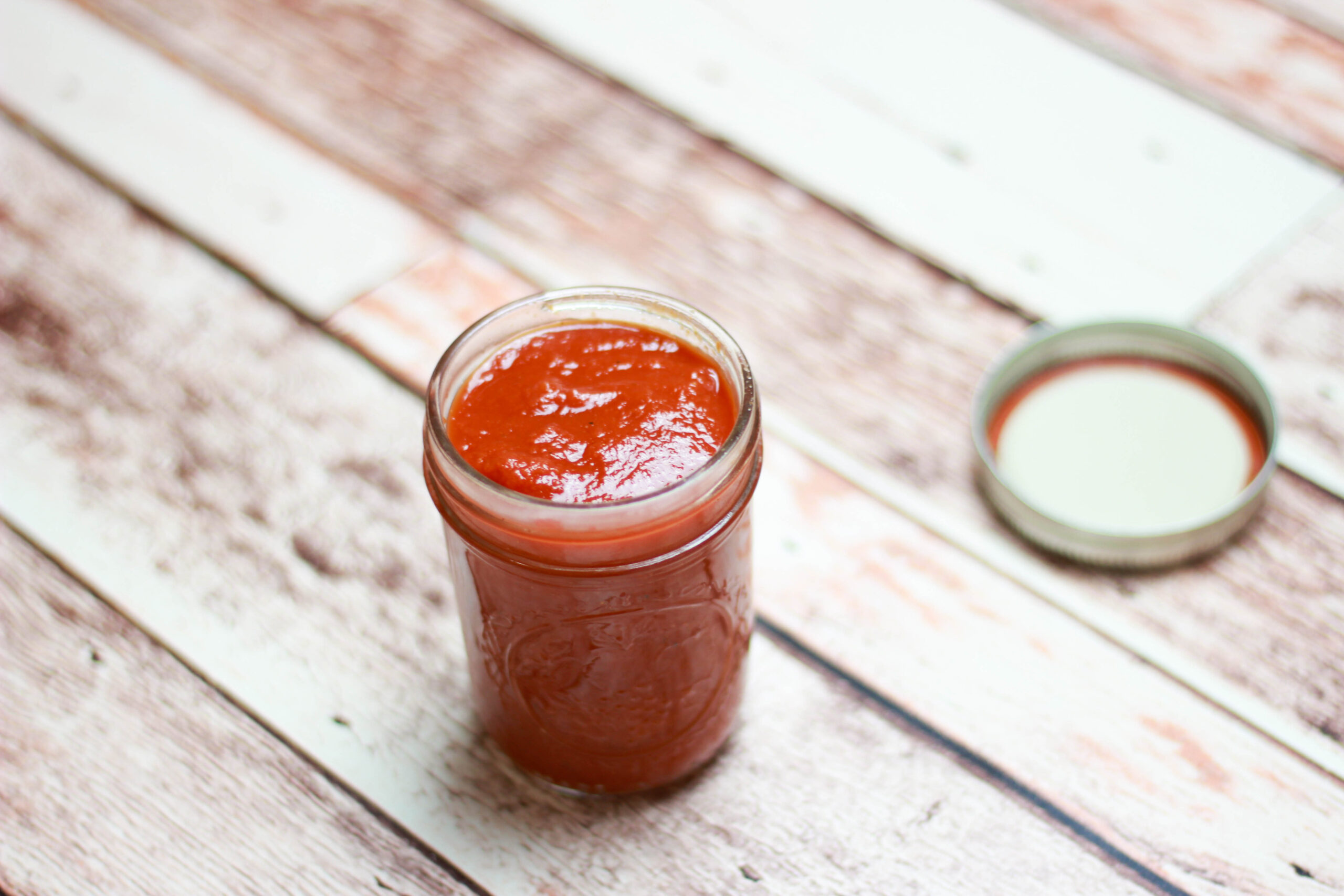
The BBQ sauce is also incredibly simple to make. All you have to do is toss everything into a sauce pan and let it simmer! The key to this sauce is the liquid smoke. If you’ve never used liquid smoke, it’s basically barbecue in a bottle. It can be hard to find an all-natural one, so I just get this one on Amazon. You won’t need to replenish the bottle often. I chose to put this sauce on ribs, but feel free to slather it on anything you want. I’ve basically been putting it on everything I can think of. Chicken, cauliflower crust pizza, eggs, burgers, cauliflower…it goes with everything.
If you haven’t had barbecue sauce in awhile either, I think it’s about time you brought some into your life! This is the perfect easy dish to whip up for a summer barbecue – that time is just around the corner! This recipe will make plenty of sauce, so you’ll have enough to feed everyone, or plenty of leftovers for yourself! Trust me – you’ll want the leftovers.

Whole 30, Low FODMAP BBQ Sauce
Ingredients:
Instructions:
- Add all ingredients to a small saucepan over medium heat. Stir until well combined.
- Simmer on low heat for about 20 minutes.
- Store in an airtight container if you have any leftovers!

Instant Pot Ribs
Ingredients:
- 1 rack of ribs
- sea salt
- pepper
- 1 cup filtered water
- 1/4 cup apple cider vinegar
- optional: 1 tsp liquid smoke
- BBQ Sauce (recipe above)
Instructions:
- Remove the lining from the bottom of the ribs by running a knife under the skin, and then pulling it off. (You don’t HAVE to do this, but it makes things easier.)
- Add salt and pepper to both sides of the ribs – apply to your liking.
- Place the rack inside your instant pot and put the ribs on the rack, wrapping them around the inside. Add the water, ACV, and liquid smoke to the pot. No need to stir anything.
- Secure the lid and make sure the instant pot is set to “sealing.” Set the Instant Pot to the meat setting and put the timer on 20 minutes.
- Remove the ribs carefully after they’re done, and put them on a baking sheet. Brush the BBQ sauce on top of the ribs, and place under the broiler for about 5 minutes.
- Remove and enjoy!

What else do you like to put BBQ sauce on other than ribs?! Also, if you make this, don’t forget to tag me on social media (@christinaricewellness) so I can see!

by Christina | Mar 20, 2018 | Wellness
Over the years, I have tried a lot of different techniques to optimize my digestion. What I found, though, is that I really saw the biggest improvement from changes that I originally overlooked and thought of as “too easy.” Dealing with digestive issues can be complicated, and that’s why it’s always so important to start with the basics. If you don’t have the basics down, then you’ll never be able to tackle the more complicated parts.
Something I always focus on with my clients is their mealtime ritual, because the way we eat is just as crucial as what we eat. If you want to digest your food properly, the way you eat matters. Unfortunately, most Americans do not eat their meals in a way that supports their digestion, and this can lead to serious symptoms. Bloating, diarrhea, constipation, indigestion, burping, gas, general discomfort – poor mealtime practices are a main contributing factor to all of these. In some cases, it is the sole cause.
Because I so often notice 99% of people around me eating in a way that will do anything but support their digestion, I wanted to share some basic, simple tips that will help you digest your food better, and therefore feel much better overall. A lot of these habits will also help with satiety, but that could be a whole other blog post! Don’t overlook any of these. I can’t tell you how many of my clients have told me that just focusing on a better mealtime “routine” with the tips I’m about to share has completely transformed their digestion.
- Only eat in a parasympathetic state. Our parasympathetic state is called the “rest and digest” mode for a reason – we must be in parasympathetic mode in order to properly digest our food! What does this mean? We need to be calm and relaxed at mealtime. Our body will not secrete the proper enzymes, hormones, and acids to break down our food if we are not in a relaxed state that tells the body it’s okay to put its resources towards digestion. When you’re in a stressed-out state, the body shuts off those digestive processes. If you were running away from a tiger, do you really think your body would be worried about putting energy towards digestion? Nope – it’ll deal with that later, when the threat is gone. Our bodies don’t know the difference between the stress from a tiger chasing you and the stress from that big project you have due. It’s all stress.
- There are a few techniques I suggest to get you in a parasympathetic state. First of all, always eat sitting down. If possible, eat on the floor. I always eat on the floor when I’m at home, because I can physically feel it put my body into a parasympathetic state. If you’re standing up, your body is still getting the signal that it should be ready to GO at any time. Let your body know that it’s time to relax and digest – it won’t need to “run away from a tiger” anytime soon.
Second, I really suggest taking a few deep breaths before you eat. Many people feel “weird” doing this, but you’ll get used to it. I suggest taking five really deep breaths in through your nose and out through your mouth before you start eating. Long, slow, deep breaths. Once again, this will help put your body in a parasympathetic state. You will physically notice the difference in your body after you do this, and you’ll feel much more relaxed.
- Eat mindfully. I’m sure you’ve heard that a million times, but it’s important. Digestion starts with the brain when we see our food, smell it, and get ready to taste it. Utilize all of your senses to send signals to your brain that it’s time to digest – this will begin the cascade of enzymes and hormones secreted during the digestive process to help properly break down our food. If you’re not really being mindful of what’s in front of you, your brain isn’t getting or sending the proper signals for digestion.
The standard advice for being mindful and being in a calm, relaxed state is to put away all distractions and to just eat alone with your meal, focusing only on your food. No phone, no TV, no books, no nothing. I understand where this advice is coming from, but I don’t necessarily agree with it in all cases. My advice is to do whatever you need to do to be fully present, relaxed, and mindful.
For some people, that might mean that they really do need to eat alone with nothing else but their meal in front of them, but that might not be true for everyone. This requires you to be totally honest with yourself, though. If sitting down with a meal and a good book makes you happy and relaxes you, and you’re able to read while also being present with your meal, then I say go for it. Same with TV or your phone. For me, personally, the TV relaxes me and doesn’t prevent me from paying full attention to my meal, and eating alone in silence actually stresses me out. My phone also stresses me out and distracts me too much. For that reason, I put my phone away while I’m eating, and I usually put something on TV while I enjoy my meal. This might be totally opposite for you. Just do whatever works for you to be fully present and relaxed. This is another reason why I like to sit on the floor! If you’re not able to pay complete attention to every bite, taste, texture, and smell of your food, then you need to eliminate whatever is distracting you from doing so.
- Chew thoroughly and completely, and take your time with your meals. Chew each bite at least 30 times. Whoa. 30 times? Yup, at least. 30-40. Your food should be broken down as much as possible in your mouth to make the digestive process easier later on. If you’re having a smoothie, find a way to chew it. Take your time – meals will be a much slower process if you’re doing this correctly. Your food should almost be like liquid before you swallow it! The process of chewing and the secretion of saliva also stimulate important enzymes and hormones that aid in digestion further down the line. Salivary amylase, an enzyme that breaks down carbohydrates, is only secreted in the mouth. If you don’t chew your carbohydrates thoroughly enough before swallowing, then they won’t get fully broken down in your stomach. Chewing this much will take you longer than you’re used to, but you’ll get used to it. This is one practice that makes one of the biggest differences in my clients’ digestion. You might have to count how many times you’re chewing at first while you get in the habit of chewing this much, but pretty soon it will become automatic. I recommend putting down your fork in between every bite. SLOW DOWN. Too many people practically inhale their food and don’t take the time to fully chew it. This often happens when you’re out to a meal with friends or eating with family, and you’re all chatting. When you’re distracted and talking, it’s all too easy to basically swallow your food whole. FIGHT THE URGE! Your stomach will thank you later. On the plus side, when you chew more, you get to enjoy your meal for longer!
- Don’t drink water with your meals. This is a game changer – trust me. If you have to take supplements with your food, only drink enough water to take those pills, but not more than you need. Drinking water with your meals can dilute your stomach acid and make it harder for the body to break down your food in the stomach, causing problems throughout the rest of the digestive process. When your food doesn’t get broken down completely, the leftover carbohydrates will ferment, proteins will putrefy, and fats will rancidify. It’s best to drink water in between mealtimes so it doesn’t disrupt the digestive process. I also recommend not drinking immediately before or after meals. Try to leave 30 minutes before and after, if you can. If not, at least 15. I’ve also found that people tend to drink water with their meals as a way of getting their food down, instead of actually chewing their food! This is a really poor habit to have, so removing water from your meals will help force you to properly chew your food.
- Incorporate apple cider vinegar into your meals. You want to use raw, organic apple cider vinegar with the mother. I always try to just put a bit on top of my meals as a dressing or incorporate it into whatever dressing I’m already putting on my meal. If you don’t want to do that, I suggest putting a tablespoon of ACV in a few ounces of water and drinking that about 15 minutes before your meal. Contrary to popular belief, most people’s digestive issues are because they have too little stomach acid, so they are unable to properly break down their food. Apple cider vinegar is one of the best ways to help naturally increase stomach acid.
- Incorporate bitter foods into your meals. Bitter foods help to stimulate the release of gastric acid, enzymes, and bile flow, which are all incredibly important in the digestive process. Try adding some bitter greens like dandelion greens, arugula, kale, radicchio, and endive into your meals. If you won’t go for the greens, how about some cacao nibs? 😉
- Walk around after eating. Going on a quick walk around the block or simply making a point to get up and move in your own home (like moving around the kitchen to clean up, for example) will help with peristalsis and also has been shown to help balance your blood sugar after eating. Gravity does help with the digestive process to an extent, and moving around can help things move through the digestive tract more easily.
These may seem like small changes, but they can make the world of a difference. Unfortunately, most of us have gotten into poor mealtime habits without even realizing how much it affects our digestion. Instead of inhaling our food, hardly chewing, being distracted by what’s around us, and gulping down our food with water, we should make a point to have calm, relaxing mealtimes and be fully present with our food, chewing thoroughly and completely, and taking our time.

by Christina | Mar 16, 2018 | Wellness
It has been an incredibly busy two weeks, but I am slowly coming back to life! I traveled to Vancouver, Washington for the annual NTA conference, relaunched my website, and then had my NTA midterms / workshop weekend. And I picked up the flu along the way. It was hectic. Now that I’ve had some time to catch up on things and clear my head, I thought I would give a recap of the NTA conference for anyone who might be interested in what some of the speakers talked about. Kara and I recorded an episode of Straight Up Paleo all about the conference, so definitely listen to that, but I also wanted to fill you in here in case you’re more of a “reader” than a “listener.”
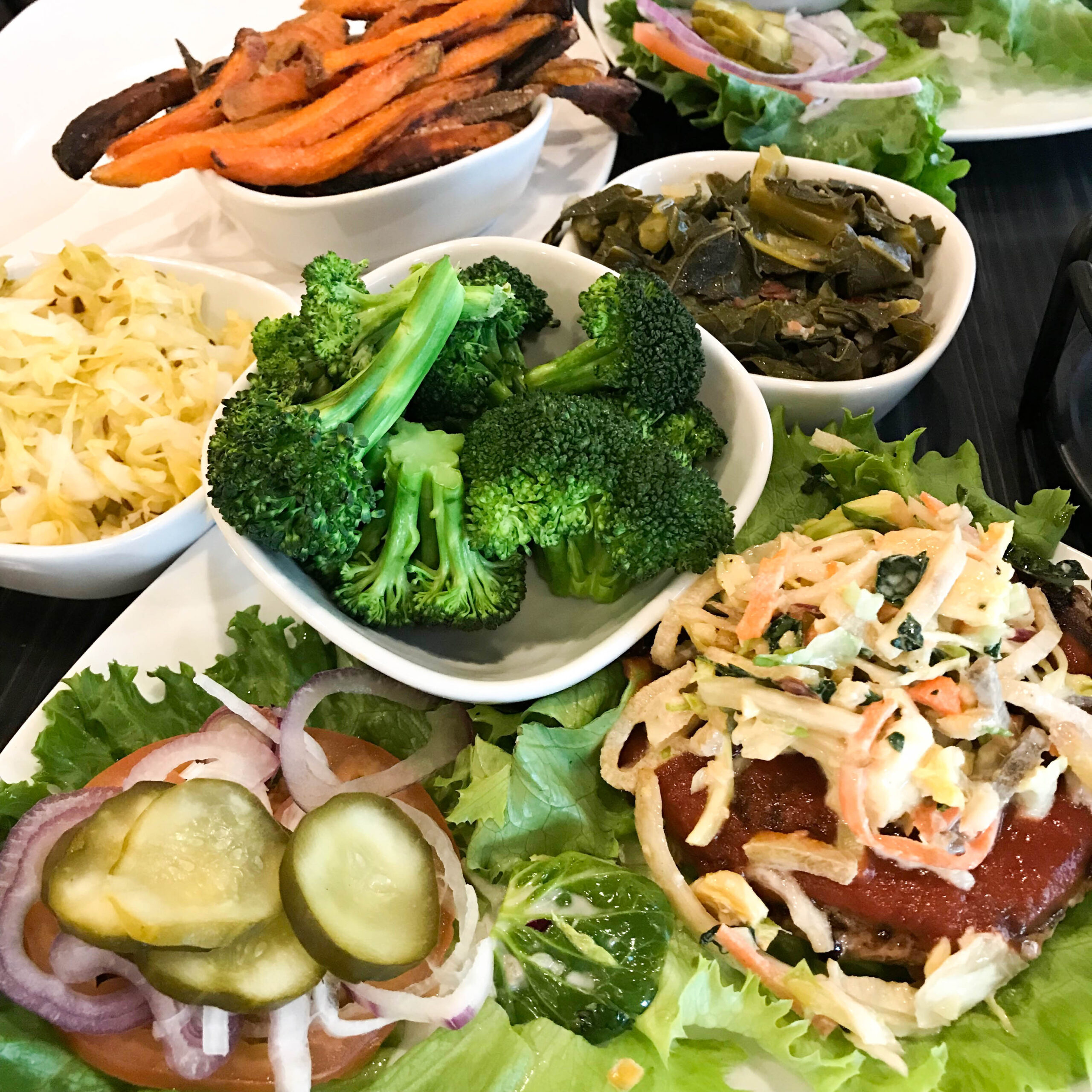
I flew to Portland, Oregon to meet up with Kara a day before the conference started so that we would have time to explore the city (I love Portland) and celebrate her birthday. We stayed at an adorable Airbnb in Vancouver, which is only about 15 minutes from all of the delicious restaurants in Portland. It’s definitely a foodie city, which is why I love it so much. My favorite place was Cultured Caveman, which is a completely paleo restaurant. Cultured Caveman was extremely crowded the whole weekend because I’m pretty sure everyone from the conference ate there at least once. It was worth the wait, though! We went multiple times, and I tried a bunch of different dishes – the Shepherd’s Pie, Chicken Curry, Chicken Parmesan, creamy turmeric veggies, broccoli bacon slaw, zoodles….just all of the things. If you visit Portland, I highly recommend you check it out!
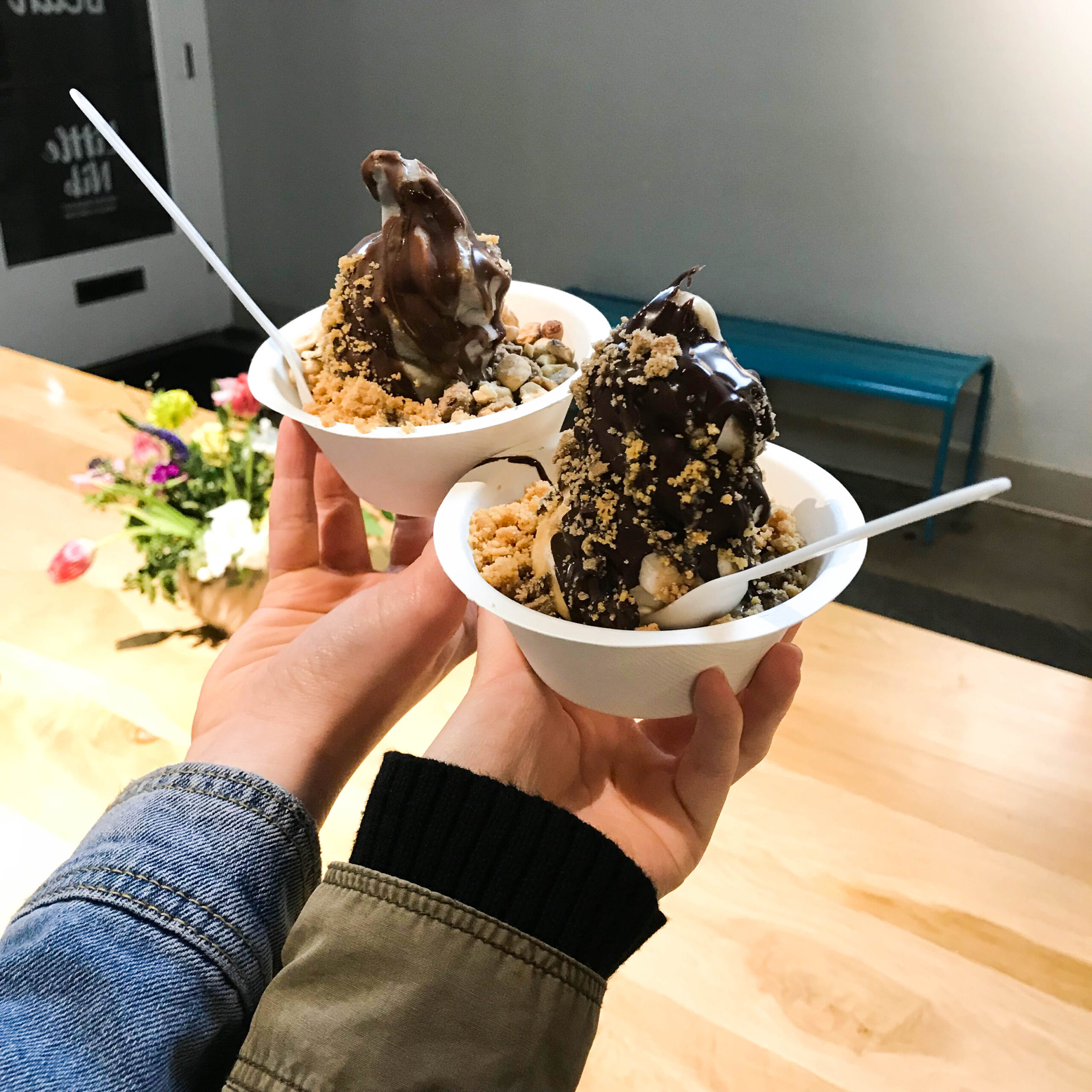
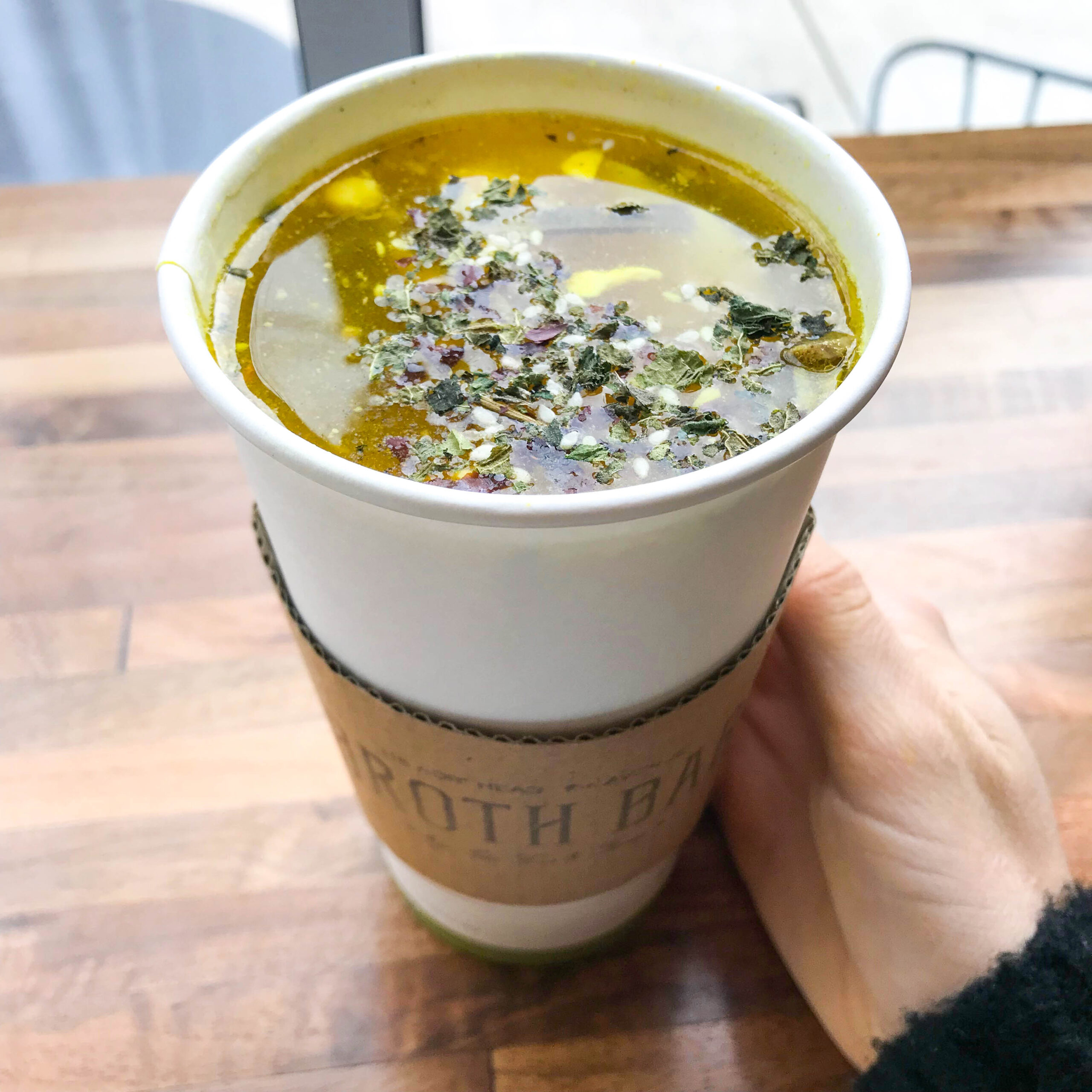
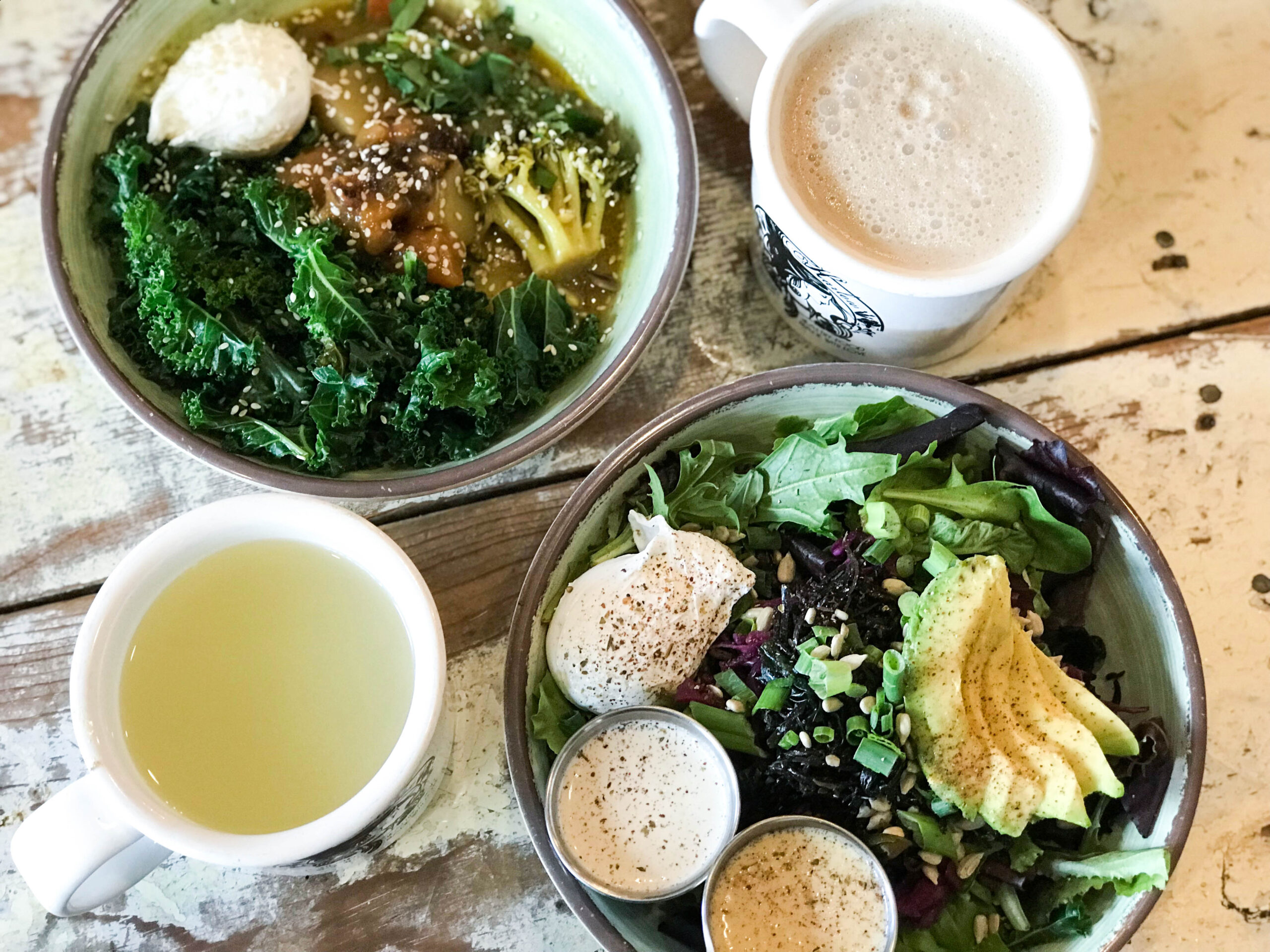
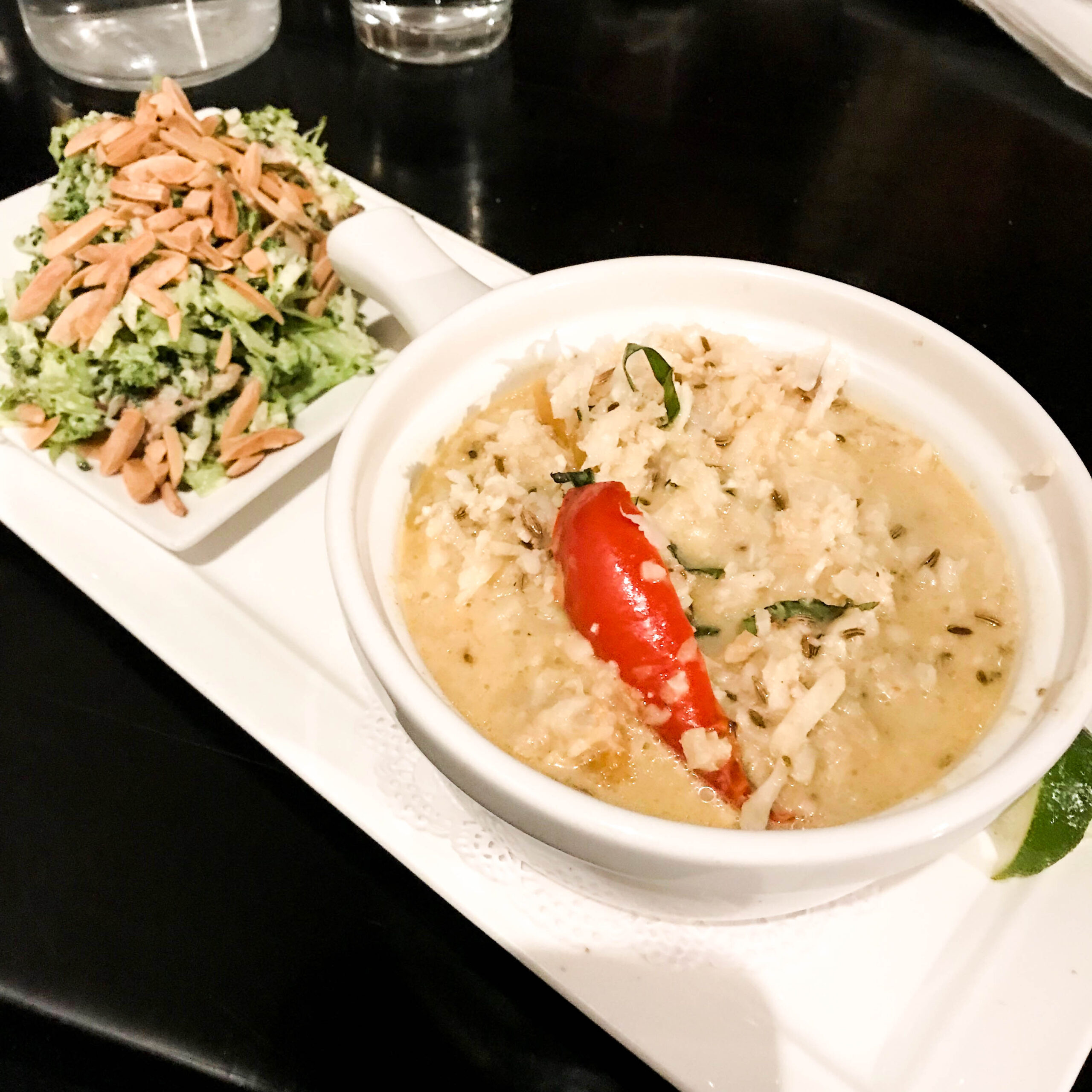
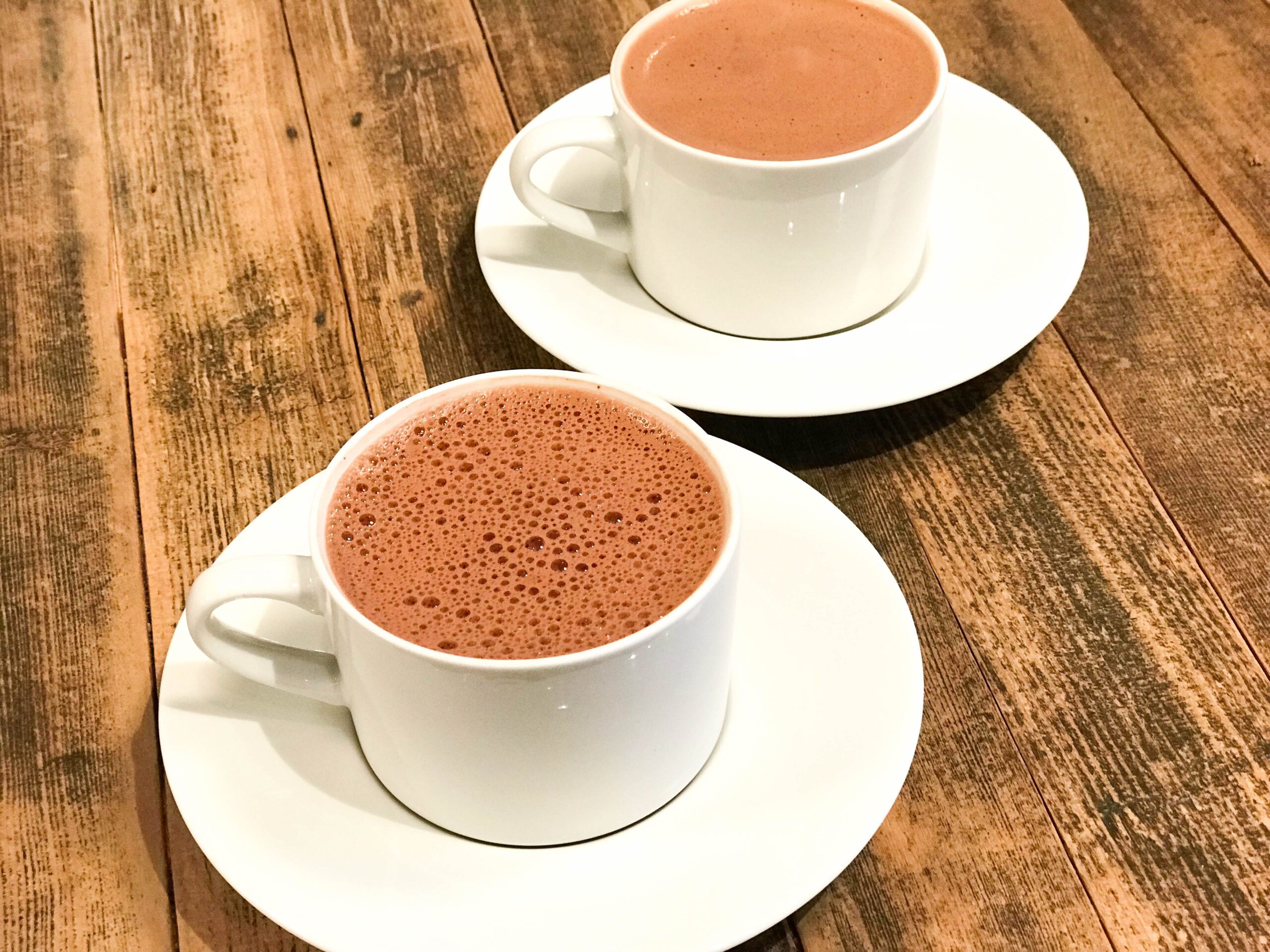
We also went to Dick’s Kitchen for burgers (their boar burger was amazing), Broth Bar to create our own bone broth soups (I got the braised beef tongue, of course), Verde Cocina (the paleo bowl and guac were on point), Harlow and Prasad (great for breakfast or lunch), Cacao (we died over the 100% drinking chocolate), Kure Juice, Gem Bakery (gluten-free bakery with vegan options), and Eb & Bean (delicious vegan soft serve filled with probiotics – make sure you get the newtella chocolate shell and coconut caramel). I highly recommend all of those places if you’re looking for eateries with healthy paleo / gluten-free / dairy-free / vegan options. For more recs and in-depth reviews, check out my blog post recapping the last time I went to Portland!
The entire weekend consisted of 1) eating and 2) watching the different talks and panels at the conference. There were three days of speakers, and in between we had breaks to visit the vendor floor outside, where a ton of different brands and services showcased their products with more information. I left with a lot of samples, and even some full-sized products. Some of my favorite brands like Vital Proteins, Herbal Element, Gold Nugget Ghee, and Pilli Nut Butter had booths there!
Let’s get into the speaker recaps, though, because that’s what you’re really here for. The theme of this year’s conference was “Live Nourished,” and it was all about “how to nourish our minds, bodies, and souls.” Basically, the theme this year was going beyond just the food. The focus was on mindset and other healing modalities besides nutrition, although nutrition was, of course, discussed. I think you’ll understand more as I recap some of the big ideas.
The opening keynote was with Dr. Param Dedhia, and the topic was “Integrative Approaches to Health & Performance.” This was the perfect way to kick off the conference because the talk was all about the overarching idea that our physical health is directly linked to our emotional and mental health, that our environment directly affects all of those, and that the different systems in the body all affect each other. For example, Dr. Dedhia talked about how any type of inflammation in the body, mind, or environment can put us at risk for cardiovascular disease, which is why we have to address all aspects of lifestyle in order to reduce that risk. Similarly, he discussed how our gut health is so linked to everything from oxidative stress to emotional stress. It’s common for people to only address what they think is the direct cause of a physical symptom, but it’s much more complicated than that. There are things that we can’t necessarily “see” or “test for” that have huge impacts on our health. Integrative medicine is so powerful because it tackles every aspect of health – physical, emotional, and spiritual – to create positive health outcomes.
This set the stage for the rest of the talks, which were all related to the idea that it’s not as simple as changing your diet or taking some supplements to feel better. There is a much bigger picture when it comes to health. Later on, we heard from Keesha Ewers on “The Psychology of Eating,” and she shared her own story of her struggle with rheumatoid arthritis and how she helps clients overcome similar diagnoses. We heard from Ritamarie Loscalzo on using food to optimize our gene expression, which is a topic I absolutely love. How incredible is it that we can literally turn our genes on or off according to what we eat? Along the same lines, she also discussed how our genes affect what foods work best for us, and how we should adjust our diets accordingly. For example, those of us with the MTHFR mutation need to adjust our supplements and our diets because we need to support our methylation processes, get folate from natural sources, pay extra attention to toxins, and so on. Our genes have a huge impact on us, but we also have a huge impact on how they are expressed. As they say, genes might load the gun, but environment pulls the trigger.
Later in the day, Darryl Edwards came and talked about movement as medicine. Darryl Edwards is the man behind “Primal Play” and is all about incorporating primal movement into our everyday lives. One of the key things he pointed out is that for optimal health, most people should be getting 1.5 to 2 hours of movement in a day, which is far from what most sedentary Americans are getting. In fact, he said this number should actually be higher, maybe even closer to 3 hours, but that he doesn’t use that recommendation because it seems so unrealistic for most people in the context of modern society. Let me be clear – that is NOT 1.5-2 hours of EXERCISE a day! That is 1.5-2 hours of movement, which includes just walking around throughout the day – to the bathroom, to the store, from room to room, outside, etc. He also emphasized the importance of including strength training into your routine, about 3 times a week. Darryl’s perspective is unique because he’s all about making movement and exercise not feel like exercise – he focuses on play. He recommends playing tag, playing tug-of-war, using a jungle gym, and so on. He had us stand up and “play” with partners – everyone was out of breath pretty quickly. Ha!
The last speaker of the day was Deanna Minich, who discussed nourishing yourself through color and creativity. I’ve read about Deanna’s work and heard her on podcasts before, and I think that her perspective is really fascinating. Deanna went through the colors of the rainbow and explained what each color represents in terms of food and life. She explained the correlations between what might be going on with your health and creativity and what colors or foods might be best to focus on, as well as what it means when you feel attracted to a particular color or food. For example, the color red corresponds to foods like beets and tomatoes, and this color also has to do with a sense of boundaries. Orange is related to our reproductive tract, ovaries, and testes, and orange foods that contain beta-carotene can help with ovulation. She explained that the color yellow can help us feel less anxious and happier overall, and you might be drawn to this if you struggle with perfectionism or judgment. This color can help empower you in times when people are taking away your energy. She went on through the different colors, and one of my favorites was white, since that is personally one of the colors I am always very drawn to. White is associated with purity and has to do with moving into healing and light. The associated foods include things like coconut, cauliflower, and sesame seeds – some of the foods I eat most often. How interesting is that? Once again, this is all about incorporating mind, body, soul, and environment, and connecting our emotions to our nutrition.
The next day started off with Stacy Schilter Pisano’s discussion about eating disorders. This was one of the talks I was most interested in since it’s one of the areas I focus on in my own practice after having struggled with multiple eating disorders myself. This talk was really interesting to me because I realized that the demographic most other NTPs work with is very, very different than most of my own clients. Because of that, a lot of the audience was pretty unfamiliar with knowing how to recognize possible eating disorders, how to support any clients who might struggle with them, when to refer out, and so on. A lot of this talk was really helping to raise awareness about how common and serious eating disorders are, and I was so grateful she made that clear. She pulled some very powerful statistics. Stacy mentioned that someone dies from an eating disorder every 62 minutes in America. 80% of ten-year-olds are afraid of being fat. The body image issues and eating disorders that plague society break my heart. I knew most of this information because I studied eating disorders in college and after, but one thing I learned was that they’ve actually changed the criteria for diagnosing anorexia so that the individual no longer has to be below a certain weight to be diagnosed.
Stacy also brought up orthorexia, which is still not officially in the DSM. To be honest, I wish this had been given even more attention than it was. I am still incredibly frustrated that orthorexia isn’t in the DSM, and it doesn’t get enough awareness considering how widespread it is. Questions were brought up and recommendations were made regarding what the difference is between orthorexia and caring about one’s health, and what to recommend nutritionally to someone who might be struggling with an eating disorder. To be honest, I disagreed with much of what was said, and it gave me a lot of ideas about potential blog posts to write with my own opinions on the matter. So instead of getting into it here, stay tuned for those. In sum, it was implied that someone cannot recover from an eating disorder if they are following a whole-foods diet, which I completely disagree with professionally and based on my own personal experience. That’s all I’ll say for now, but overall, I was really glad that this talk opened up so many people’s eyes to how serious these issues are.
After that, we listened in on a panel called “Cravings, Connections, and Mental Health in Nutrition” with Kristy Malone, Rachel Freeman, Nala Walla, Laurie Hammer, and Ellie Shortt. I loved this panel because they talked all about the connection between nutrition and mental health, which is something I’m really passionate about and always interested in learning more about. They talked about the nutritional interventions that can be made to support someone’s mental health, but also about the general idea that mental health needs to be addressed and is a huge component in healing. Food and supplements will not solve everything, and the support of a mental health professional is really key when dealing with a mental health issue.
Later on in the day we listened to the Low Carb panel with Jimmy Moore, Shawn Mynar, and Leah Williamson. I really enjoyed this panel and I know everyone else did, too – keto talk always gets people excited! Jimmy, Shawn, and Leah all have really engaging personalities as well, so they’re fun to listen to in general. If you’ve listened to any of their podcasts, then you’re probably familiar with the basics of what was discussed. In sum, they explained what a ketogenic diet is and its benefits, emphasizing that keto is NOT a low carb diet. Keto is a low carb, high fat, and moderate protein diet! I loved that they emphasized how bioindividual keto is and how people don’t need to stick to therapeutic keto macronutrient ratios – you need to listen to your body and find the macronutrient ratios that work for you. I also really loved Leah’s emphasis on nutrient density in the diet – she talked about getting people to incorporate really nutrient dense foods like organ meats, seaweed, and lots of leafy greens. They also talked about troubleshooting blood sugar issues, what to tweak if you’re having trouble getting into ketosis, how fasting fits into keto, and the importance of eating enough food on keto. I love that Shawn and Leah really focus on how a ketogenic diet is different for women, because most information out there is targeted toward a male audience. There were a lot of questions in the audience after this one, and it was a really interesting talk.
After that, we popped into Sara Russell’s talk about working with complex mind / body / spirit cases. Once again, the theme is to incorporate all aspects of health – mental, emotional, physical, spiritual – into a healing plan. We ended up leaving early to go to a gluten-free bakery before it closed (typical…), and then came back to visit more of the booths and check out the products. We ended our Saturday with the NTA banquet, which is basically like the NTA prom. Okay, not quite, but sort of. There was a ton of delicious food – alpaca chili, roasted beets, balsamic mushrooms, roasted brussels sprouts, braised cabbage with liver… all of the things you would expect from the NTA crowd, plus a big dance floor and a kickin’ band that played a lot of oldies but goodies. It was quite the party.
By the third day, we were totally exhausted. However, I was surprised to find that the last day of the conference was actually my favorite. We listened to a panel called “Complimentary Practices with Nutrition” with Lauren Geertsen, Tiffany Renee, Dr. David Ramaley, and Brian Hoyer, who are experts in energy medicine, urban medicine, grounding, light, and EMF Management. This was an incredibly interesting panel.. It started off with Brian Hoyer using an EMF meter to show us the difference in the room when everyone turned their phones on airplane mode. You could physically feel the difference, and we could hear it on the meter. Feeling and hearing that were big reminders that EMF does have a big impact on us, even though we can’t see it. We hear about the effects of blue light and the electromagnetic fields of technology all the time, but most of us don’t really do anything to try to mitigate their effects. Many of us just don’t really take it seriously. I’m someone who thinks about it all the time, but I also don’t really do anything about it because so much of my business is on my phone and computer. It made me wonder how much this might have impacted my own health issues.
He gave simple tips like turning off our data as much as we can, using airplane mode, making sure to use blue blockers, and putting our phones in these little bags that block their fields from affecting us. I don’t remember what they were called… but I should probably get one. He also said that the first thing everyone should do is throw out Alexa. The truth is, I’m not going to hold my phone away from my body by 3 feet with a selfie stick all the time, so we need to find more realistic ways for a lot of us to use these devices less. It’s also just a big reminder that we should not be glued to technology as often as we are, not just for psychological reasons, but also because they can actually have a huge impact on our health. EMF management has been used to treat everything from cancer to poor sleep to digestive issues, which is pretty impressive.
I’ve noticed that a lot of integrative medicine doctors, especially in LA, are really focusing on energy medicine now as an important part of their practice, which I think is amazing. The more we utilize more modalities of healing, the greater the chance we have at helping those who suffer from chronic, seemingly untreatable illnesses. Even though you can’t necessarily see the way energy impacts our bodies, it does on a deep level, and for some people it is the most important missing piece to the puzzle when it comes to healing.
Next up, Dr. Donna Jackson Nakazawa talked about how biography influences biology, and her book Childhood Disrupted. This was one of my favorite speakers. I took a class on this topic in college and it was one of the few lectures that I was genuinely excited to attend. Dr. Nakazawa talked all about the lifelong emotional and physical consequences that occur from adverse childhood experiences and how those experiences affect our abilities to heal later on. ACEs, or adverse childhood experiences, are a big topic in psychology, and I think they’re particularly important to discuss because most people don’t realize the wide variety of events and scenarios that are included in that category. At first we might think of events like physical abuse, sexual abuse, or partner violence, but adverse childhood experiences also include parental divorce, being around parents who deal with substance abuse, getting bullied or teased, and feeling ignored. The main point is that ACEs are incredibly common and important to address. The typical model is that ACEs can lead to social, cognitive, and emotional impairment, which increases likelihood of health-risk behaviors, which then increases the likelihood of disease, illness, or social problems, which puts someone at risk for early death.
The original research behind ACEs was meant to help reduce the occurrence of serious behavioral problems like suicide attempts, depression, substance abuse, high-risk sexual behaviors, and endangered pregnancies. Anyone can take a test online to find their ACEs score. The higher the number, the more at-risk. What’s really unsettling is learning how many of us experience ACEs, though, and this talk was highlighting the fact that they don’t just put us at risk for high-risk behaviors, but they also are highly correlated with health issues like digestive disorders and autoimmunity. It was very interesting to me because I had learned about the ACEs and their risks so many times before, but never in terms of seemingly unrelated health issues like autoimmunity. It made me wonder how much my childhood experiences impacted my own health, and just reaffirmed the fact that emotional trauma is just as profound as physical. It also expands the definition of the term “trauma.” In the end, Dr. Nakazawa basically said that our best shot at preventing these is by caring for our children and making sure they know they’re loved. Sounds simple, but it’s important. It also did make me sad that in today’s world that’s sort of “the best we can do” – it should be a given that we make sure kids feel loved and safe. I wish there was more we could do.
Next up, Daniele Della Valle talked about her book, Happy Weight. This book is all about the intersection of self-love, body positivity, real nutrition, and ditching diets. This was my JAM. Daniele talked all about how so many women have grown up basing their self-worth on a number on the scale, and how society has bred us to always think we are not beautiful enough. Daniele talked about the importance of figuring out what really gives us value, embracing everything that makes us unique, and understanding that beauty is term we can define for ourselves. Screw society’s standards. I really recommend you check out her book, and all of her work, if you’re interested in all things self-love and positive body image. She’s my kinda woman.
The closing keynote was with Marie Manuchehri, a reiki master and energy intuitive, on free-flowing energy. This was INCREDIBLE. It blew my mind. It was the best way to end the weekend. Marie can perceive and facilitate energetic healing, and we even got to see her in action at the end when she was answering questions from the audience. She has incredible stories about helping people treat their chronic illnesses when they thought nothing would ever cure them. Energy healing amazes me. She explained the ways that different parts of our body correspond to different emotions, behaviors, and illnesses, and it just kind of tied together the theme of the weekend – healing is about mind, body, and soul. The energy around us, and in us, is incredibly powerful. Western medicine sometimes makes us feel like we don’t have any control over our own health, but this puts the power back in our own hands.
That pretty much wraps up the key takeaways, at least for me personally, of this year’s conference. I loved this year’s theme because this is exactly where functional medicine is headed. It’s exciting me that so many practitioners are recognizing that there are so many aspects to and modalities of healing, and people will have the best shot at finally reaching health if they explore all of those different avenues. If you’ve been struggling with any type of health issue, mental or physical, don’t feel discouraged if you haven’t found a road to healing yet. There are so many different modalities to explore, and you have more power than you think.
I hope you found this interesting, and if there are any topics that you’d like me to talk about more in depth, please let me know! I felt like the topics at the conference were very up my alley, and they’re all things I could talk about / study / think about for hours! What would you like to learn more about? If you went to the conference, I’d love to know what your favorite talk was!

by Christina | Mar 7, 2018 | Recipes, Wellness
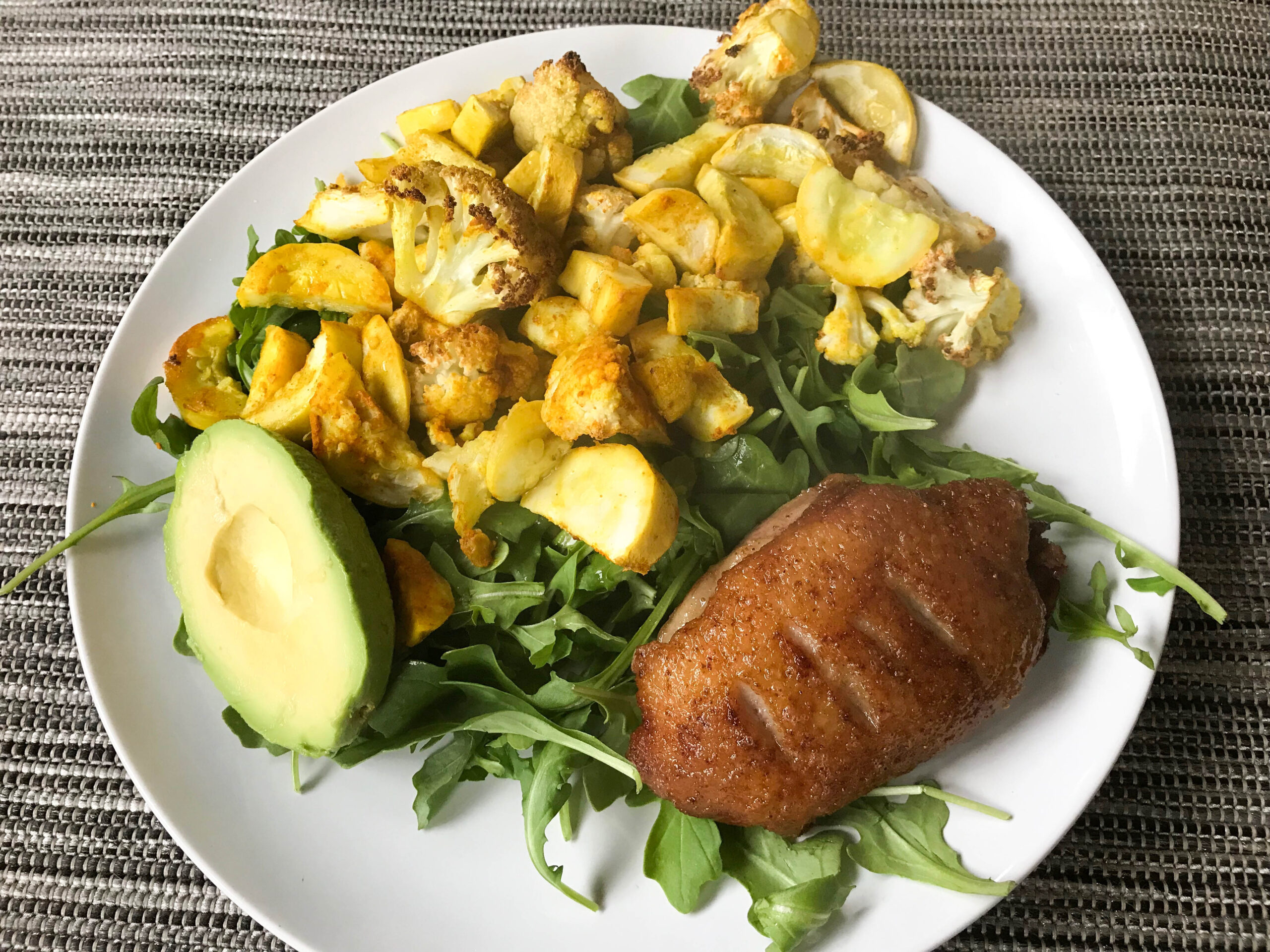
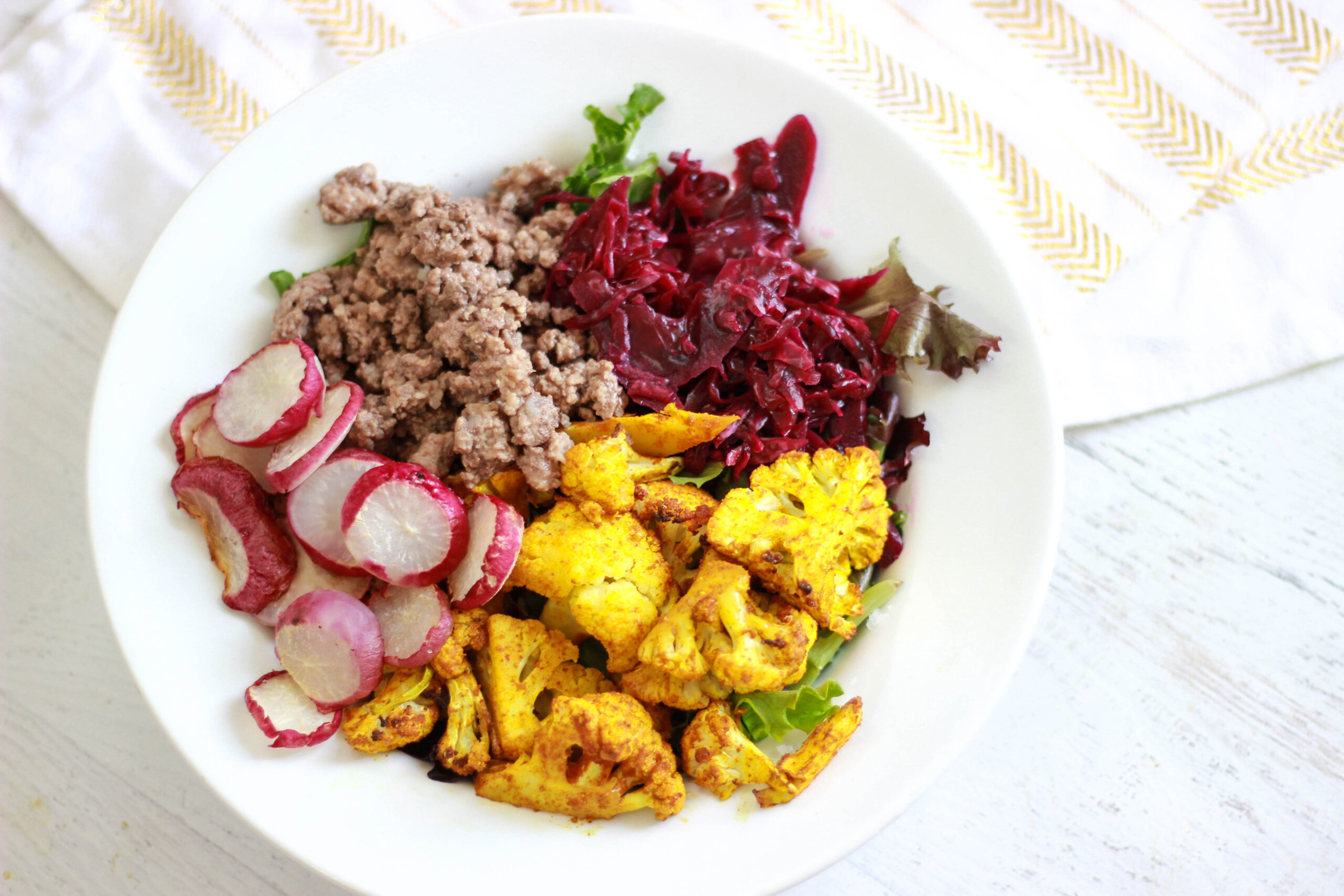
I always joke that I might turn into a cauliflower because I eat so much of it, but I actually think it could be a possibility. Cauliflower is probably my favorite vegetable, although brussels sprouts are really high up there. I love cauliflower so much because it’s incredibly versatile – it’s like the chameleon vegetable. You can use it in smoothies, as “rice,” in fake “oatmeal,” or just as a roasted veggie. It’s delicious with sweet OR savory spices.
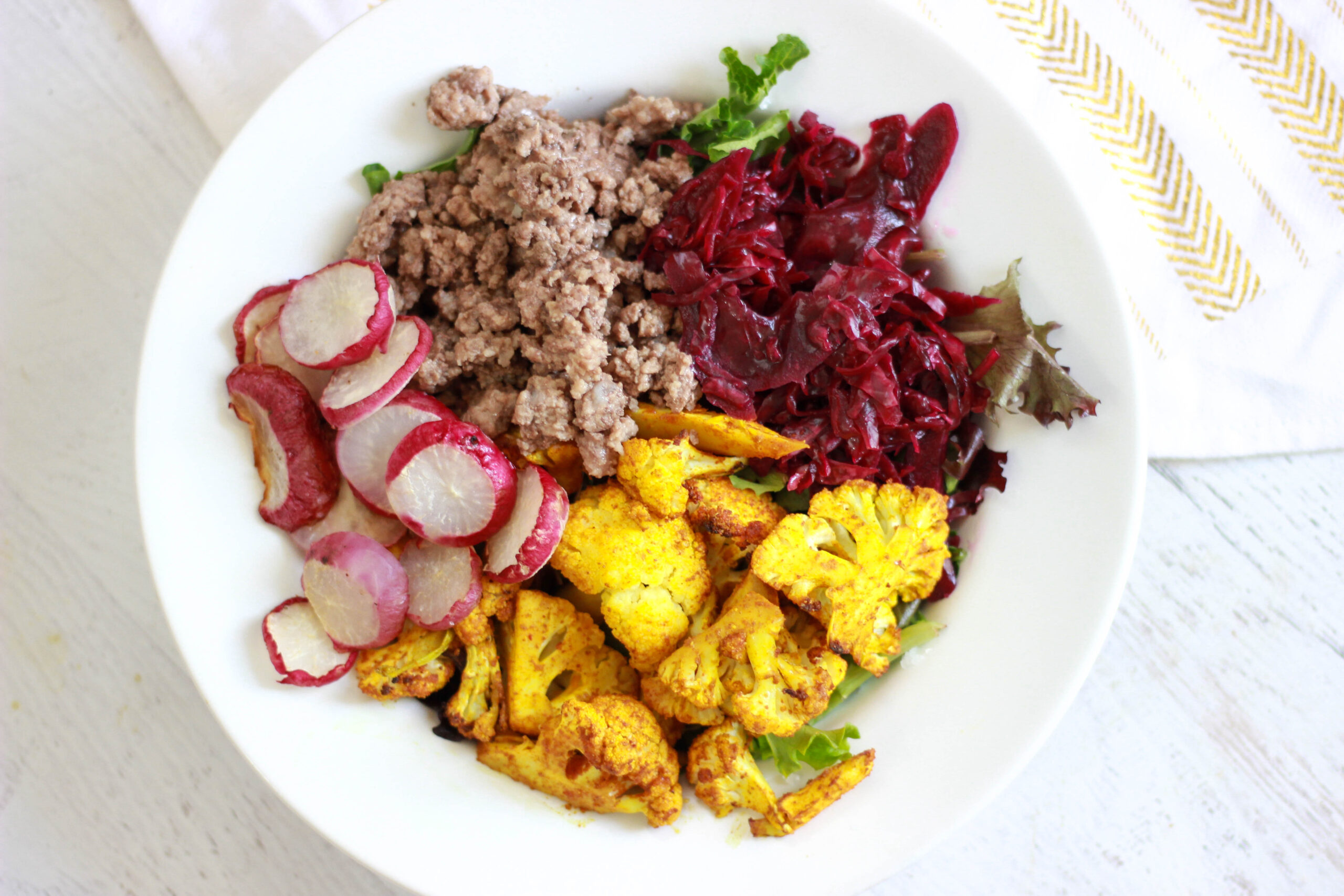
There are a million ways that I like to cook my cauliflower, but I do tend to use the same spice blend over and over. It’s become sort of my signature over the years with family and friends. If I ever can’t decide how I want to cook my cauliflower, this is my go-to!

Since people always send me messages and ask how I cook cauliflower, I thought I’d finally just post it on my blog. This is a simple, easy side that goes well with anything! I had no idea what to call this, because it doesn’t really have a “theme.” Since it’s pretty much just my favorite cauliflower blend, I decided to call it “Lovely Roasted Cauliflower” in remembrance of my old blog name, Addicted to Lovely. The word “lovely” will always have a special place in my heart!
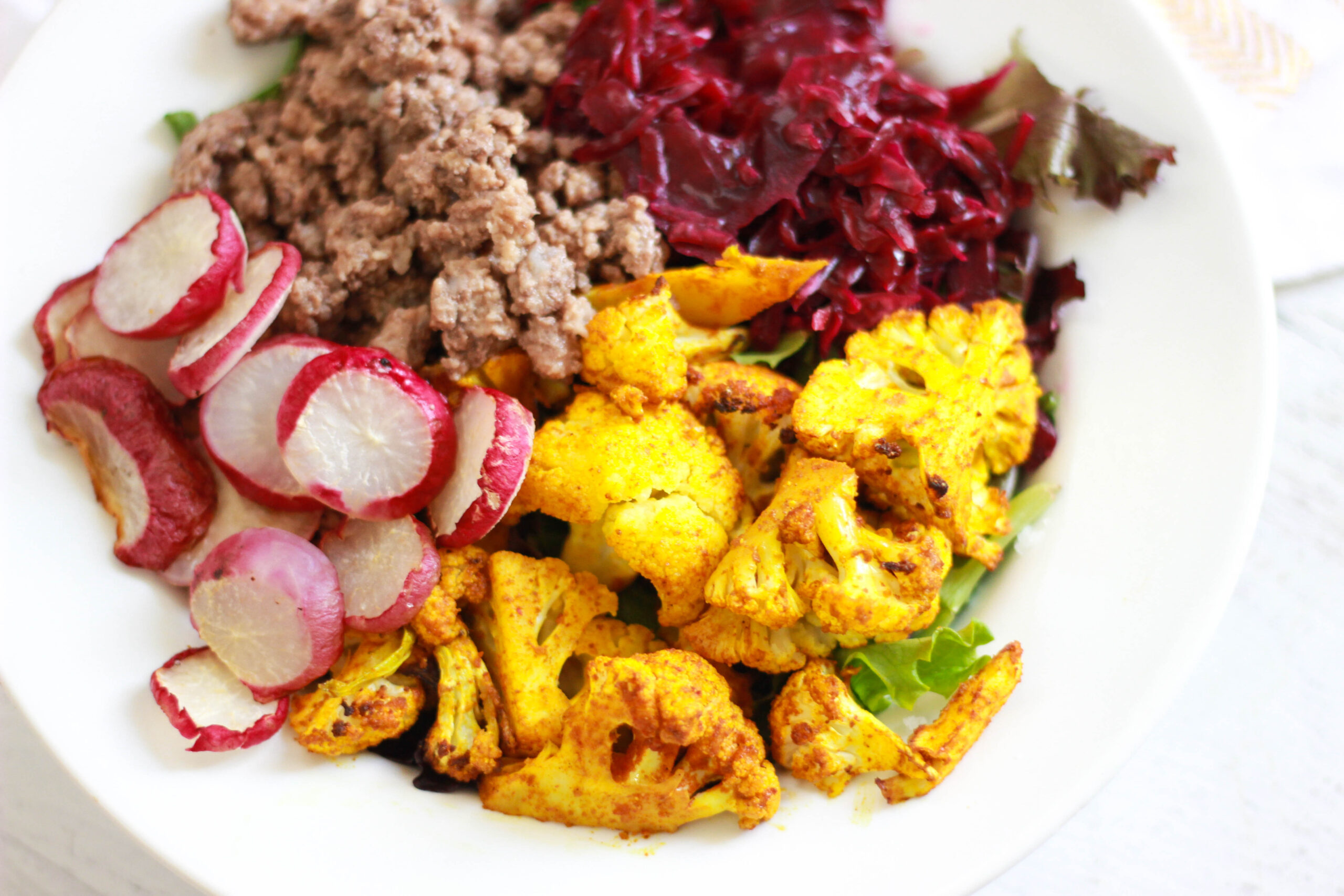
To be honest, I never measure when I’m cooking. These measurements can help guide you, but typically I just take all of the spices and shake them all over the cauliflower until all of the florets are really well coated. First I pour on the turmeric, salt, and paprika, and then then I add dashes of the other spices to “top it off.”

As far as roasting goes, I also usually wing that as well. I basically just throw the cauliflower in the oven at 415-425*F until it starts to get brown and crispy. When the florets’ edges are slightly burnt, it’s perfect!
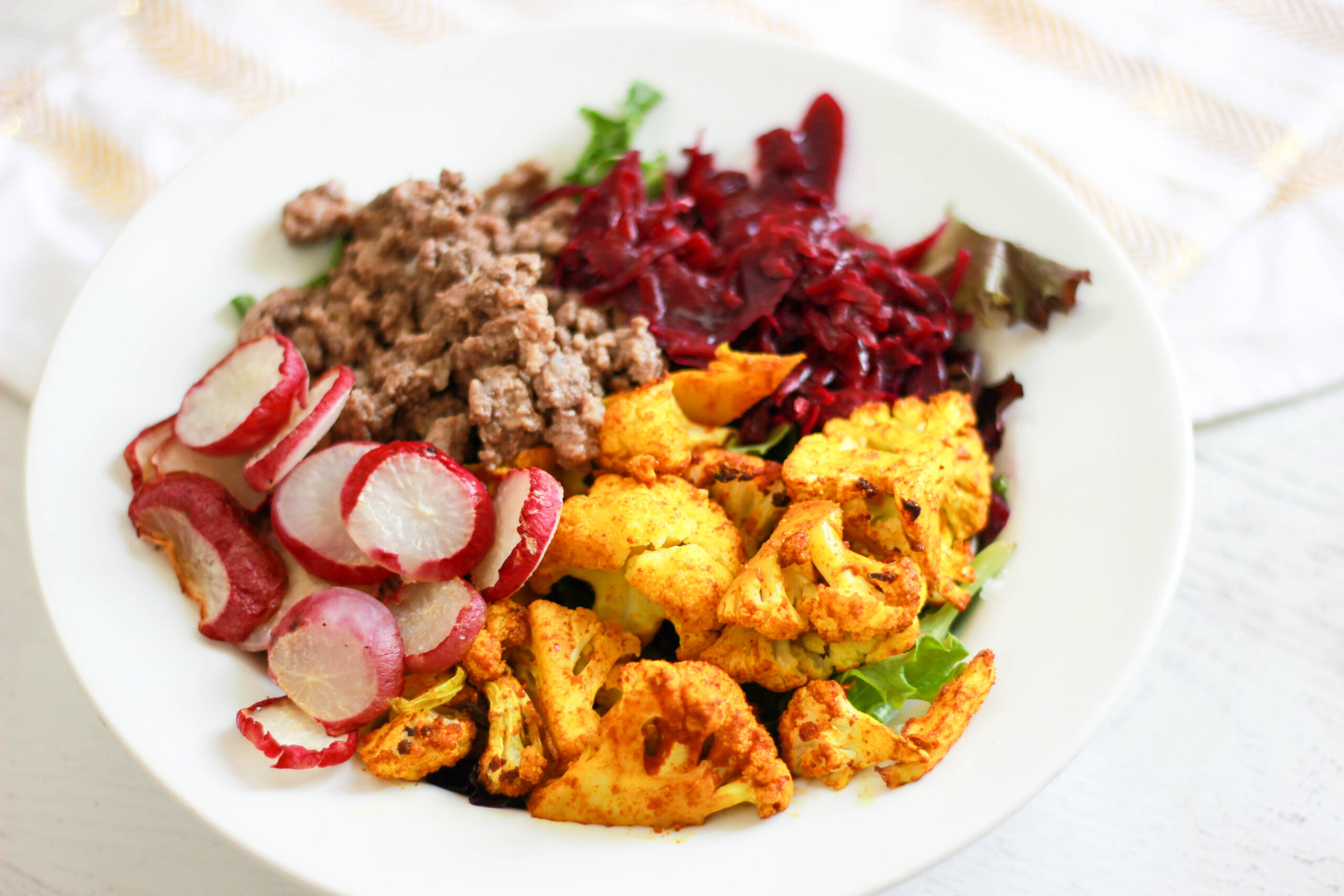
This is an easy side to pull together and have meal-prepped for the rest of the week! I’m convinced this tastes even better leftover than when you first make it. It just goes to show how you can completely change the taste of any vegetable with just a few spices.

I’ve included all of my favorite spices in here, like turmeric and ginger, which help with digestion and have anti-inflammatory properties. I also always like to add in paprika for an extra kick. The secret ingredient, though, is the dash of cinnamon! Most people wouldn’t think to add cinnamon to a savory dish, but it’s one of my favorite tricks. Not only does the cinnamon help to balance blood sugar, but it also takes the bite out of the rest of the savory spices! If you’re a cauliflower-lover like me, give this recipe a shot! It’s great for anyone looking to add some more vegetables into their diet.
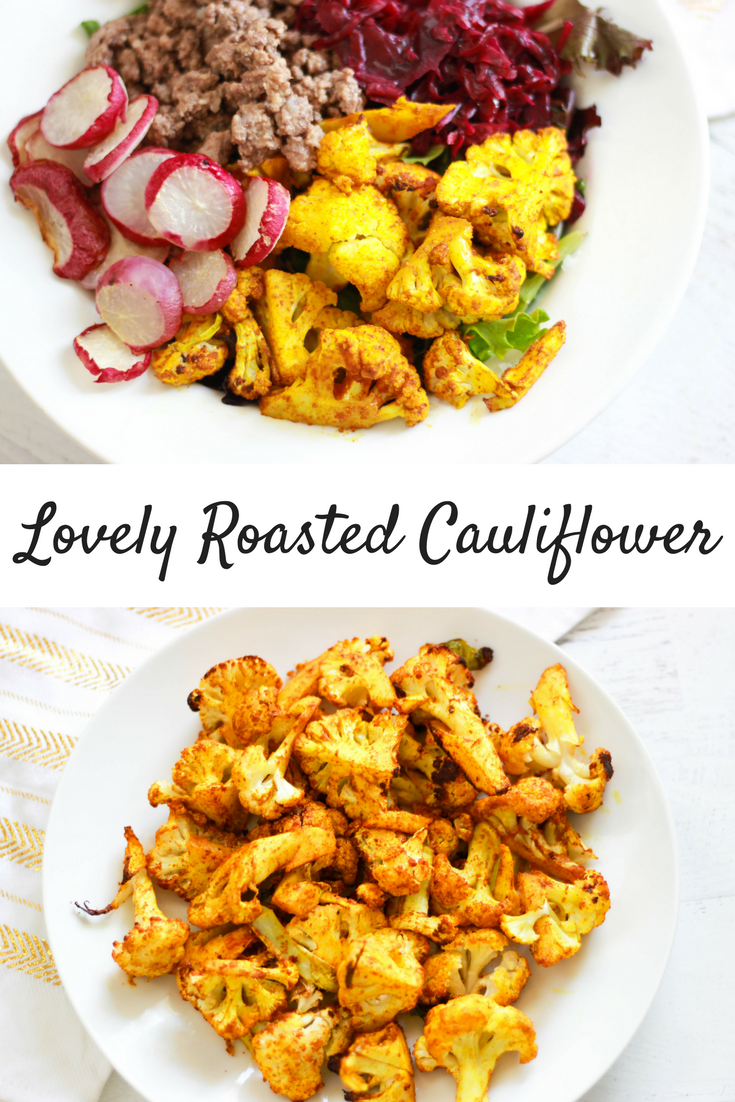
Lovely Roasted Cauliflower (Paleo / Vegan)
Ingredients:
- 1 head cauliflower
- 1-2 tbsp coconut oil or avocado oil
- 2 tsp Himalayan pink salt
- 3 tsp turmeric
- 3 tsp paprika
- 2 tsp ginger
- 1 tsp cinnamon
- 1/2 tsp black pepper
Instructions:
- Preheat your oven to 415*F. Line a baking tray with parchment paper.
- Cut the head of cauliflower into florets.
- Toss the florets in the oil and spices so that they’re evenly coated.
- Put the coated florets on the baking tray. Bake for 30 minutes, or until the florets start to brown.
- Remove from the oven and enjoy!
Do you have a favorite cauliflower blend?!
