
by Christina | Jul 30, 2018 | Wellness
In my last post, I talked all about what the carnivore diet is as an introduction to this post, which will detail my experience trying it out for two weeks. If you haven’t already read part one about the basics behind the carnivore diet, you can read that here. I also recorded a podcast about the carnivore diet and my experience, which you can listen to here.
Before I hop in, I want to explain why I even wanted to try the carnivore diet in the first place. Everyone was posting about it on the internet, and my initial reaction was an eye roll. I thought it was just another extreme trend to capture people’s attention. Plus, I love vegetables, so truthfully I didn’t want to even entertain the idea that there might be benefits to eliminating them.
Then I started to learn more about it, hear more anecdotes, and actually think about it. The carnivore diet does make sense to me in terms of evolution and human physiology, which I explained more in my last post. We need animal protein in order to be healthy, and prioritizing animal protein is a big reason why humans were able to develop bigger brains. If I was a hunter-gatherer and found animal protein, I’m sure I would prioritize eating that over any measly plants. Plus, our digestive systems aren’t really designed for large vegetable intake, and our bodies don’t technically require us to eat any carbohydrates for survival.
I have always been someone who emphasizes the importance of healthy fats and healthy proteins in the diet for overall health, and I’ve also always been someone who loves meat, so I started wondering what it might do for me, specifically. The testimonials about the digestive benefits and reduction in inflammation were what really drew me in.
I’m dealing with some health issues that are A) very rare and B) caused by multiple unhelpful genetic mutations, and figuring it all out has been quite the process. My body’s ability to detoxify is really compromised, and I had reached a point where I was reacting negatively to almost every vegetable I ate. I was in a lot of pain and discomfort and was at the end of my rope, especially since there’s not much information available about what to do in my situation since it’s so uncommon. I was about to start another elimination diet that combined low-thiol foods with low-FODMAP while I went on a supplement protocol, but the thought honestly exhausted me.
Since I was already curious about the carnivore diet, I figured I might as well do the ultimate elimination diet and just take everything out. Not eating any vegetables felt easier mentally than eating such a small, confusing list of vegetables. Plus, I had read and heard so many positive anecdotes that I thought it might be just what my body needed – a break from fiber. I knew instinctively that all of my beloved veggies were causing me major issues, but I didn’t want to admit it. I was shocked at how many people were turning carnivore who I never expected to. It made me think, maybe there is something to this.
I wasn’t concerned at all about the “healthiness” of trying the carnivore diet, especially because I didn’t plan to eat only meat for the rest of my life. I wanted to use it as an elimination diet and a gut reset. One thing I was worried about, though, was emotionally missing vegetables. They’re so good! However, I was willing to put that aside for the chance that this could finally help heal my gut.
Also, I was slightly worried it would make me constipated. I spent most of my life dealing with extreme constipation, and I do not want to go back to that. However, I had read plenty of testimonials from people saying that the carnivore diet actually eliminated their constipation. I was never going to know until I tried it out, and I didn’t have anything to lose.
I’m all about self-experimentation. I love the idea of testing every health trend out on myself, but I also don’t want to experiment with something that I know is going to make me feel horrible. This experiment, though, could actually benefit me.
Most people try the carnivore diet for at least 30 days to give their bodies enough time to adapt. I didn’t want to put any pressure on myself regarding how long I was going to try it, though, so I decided I would aim for a week but stop sooner if I hated it and keep going if I felt good.
The first week or so is typically the hardest part for people because they’re usually going through the low-carb / keto flu as their body adapts to a massive reduction in carbohydrates. Thankfully, I didn’t have any of those symptoms because my body has been fat-adapted for awhile. I did experience major protein sweats on the first day, though. Protein is very thermogenic, so I felt like it was 100*F in my apartment when it was really only 70*. I also felt a little hypoglycemic from all of the protein, but other than that, nothing negative happened. It was easy for me to go about my daily activities.
I think the social and mental aspects of the carnivore diet are the hardest parts. I knew it was going to be tricky doing anything social with friends or family. It’s easy enough to get meat when you’re out, but also sometimes awkward to order enough to satiate you. Plus, proteins from restaurants are often cooked in an oil that’s not allowed on the carnivore diet. Most restaurants use vegetable oil, butter, or olive oil. I can’t tolerate butter, don’t eat vegetable oil in general, and olive oil isn’t allowed on the carnivore diet. I planned on just eating in. I know that for many people, it’s hard for them to eat only meat while they watch others around them eat “more exciting” foods. Personally, I don’t struggle with food FOMO, so I had no problem eating a big hunk of meat while people around me ate whatever they wanted. I also live alone, though, so eating with other people only came up a few times. Thankfully all of my friends are used to my weird dietary restrictions, so no one questioned it.
Mentally, it can feel strange to eat so much meat at once. Because it is a lot. It’s easy for people to undereat on the carnivore diet for a few reasons. First of all, a diet that only contains protein and fat is very satiating, so most people simply don’t feel very hungry. Second, I think a lot of people still have a hard time getting past the mental block of sitting down and eating a whole pound of meat at a meal. They’re still stuck with an idea in their head of what “too much” meat is or what a “normal” serving size is, and they’re afraid to go over that. That can lead to weight loss, of course, but can also lead to downregulating your metabolism and undernourishing yourself if you’re really not eating enough calories. In order to get the benefits, you still have to eat enough food, especially during any sort of adaptation period. Your body is already under stress during adaptation and doesn’t need to deal with the added stressor of being underfed, in my opinion.
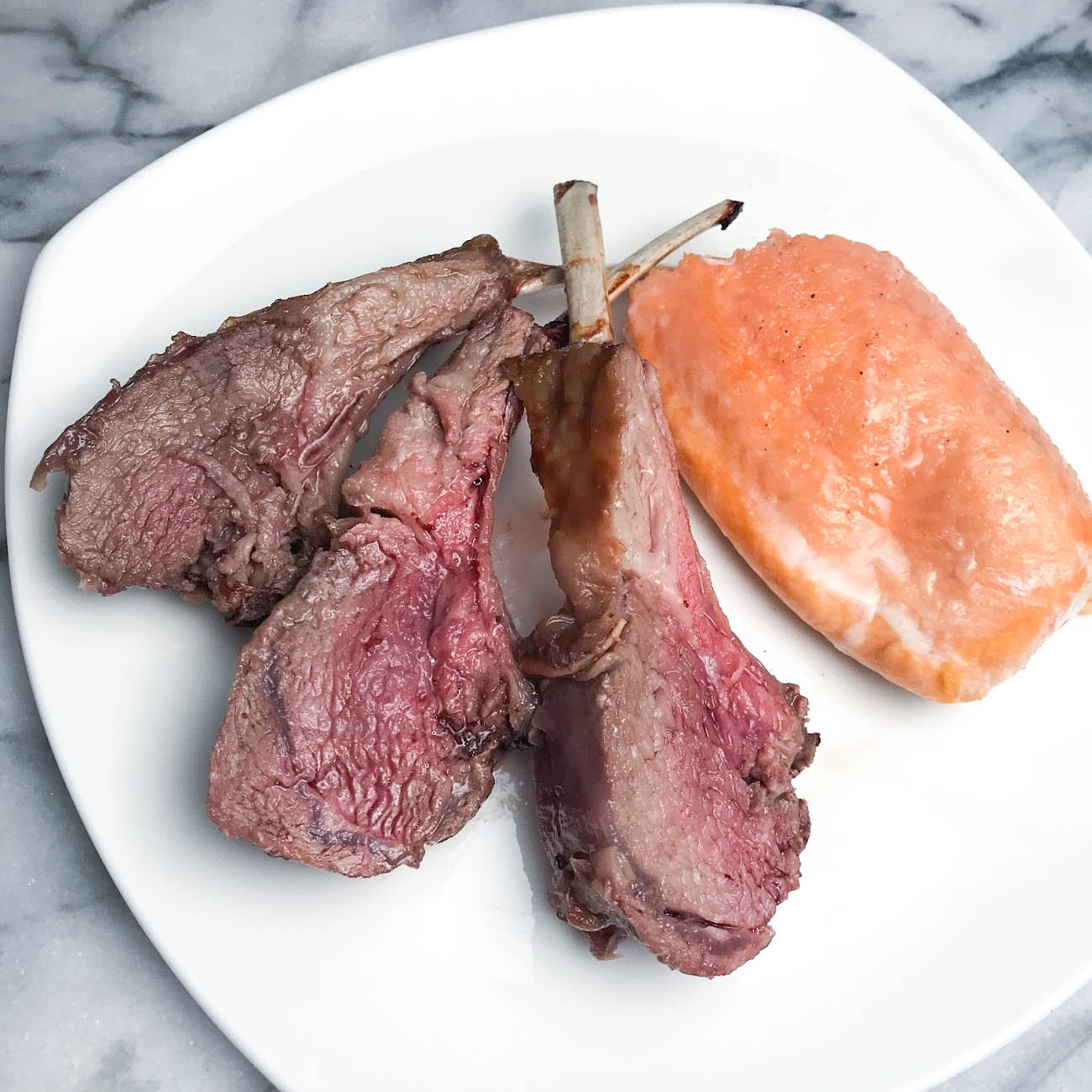
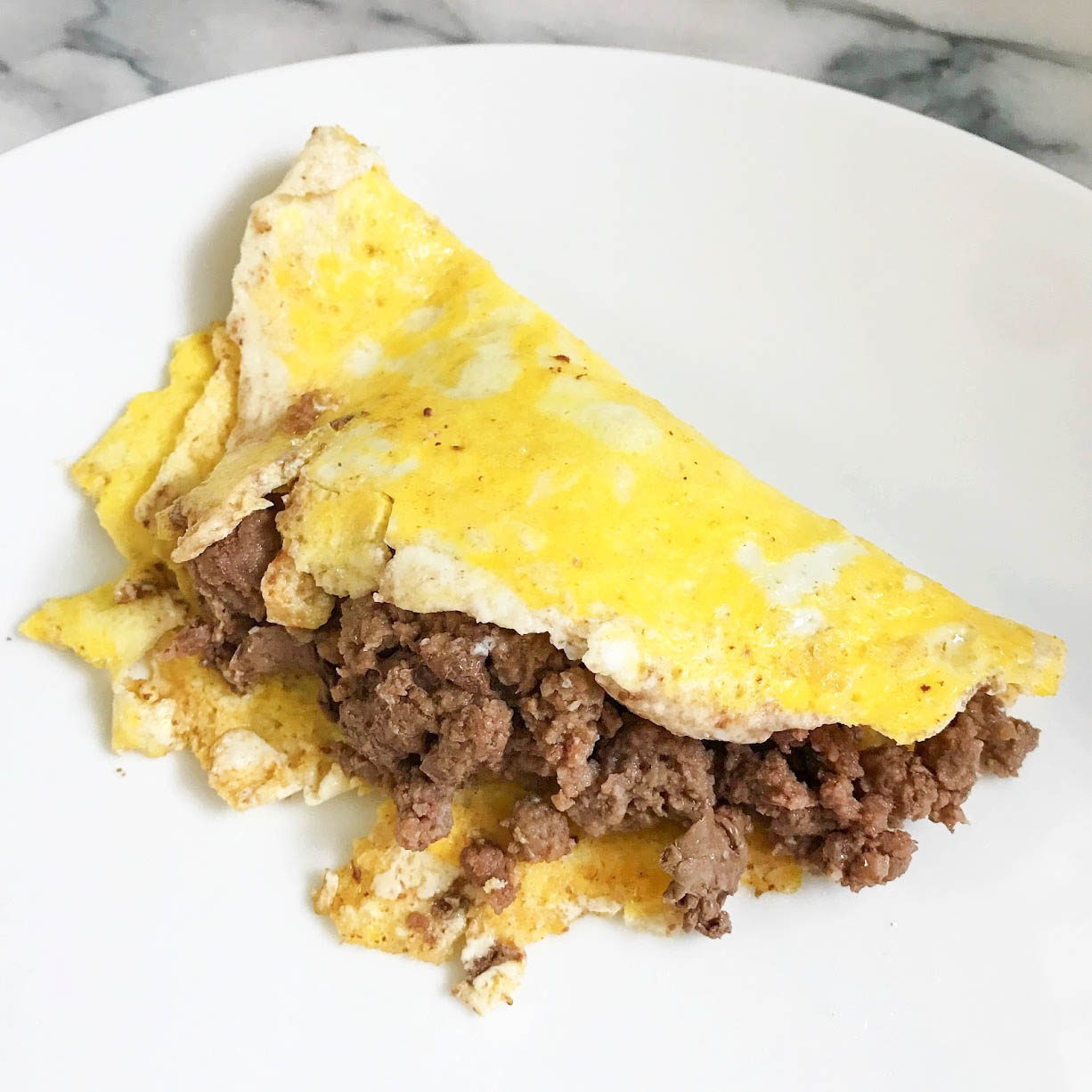
It was a little weird at first, but I had no problem going to town on my meat! In fact, I had a lot of fun with it. I love meat and felt like I was tapping into my primal instincts. I had fun with my cooking and trying new recipes. I roasted a whole duck, made a “meatza” (pizza made out of meat), cooked omelettes filled with beef, tried a few new organ meats, and included both cooked and raw meat.
It’s common for people to move to one or two meals a day on the carnivore diet, but I kept it to three. I think three meals a day is important for my body’s hormonal signaling, and I also wanted to make sure I didn’t lose any weight or downregulate my metabolism by eating less calories.
Portion sizes are an awkward subject when it comes to the carnivore diet.When I was getting the hang of it, I’d sit down with a decent serving of protein, eat, assess my satiety, and usually go for more. I underestimated my hunger at pretty much every meal. Again, it goes back to that mental block of the portions we’ve been conditioned to eat.
From what I can gather, it seems like most people eat about 2-3 pounds of meat per day, although others say 1-2. Dr. Shawn Baker says he eats 4-5 pounds, and he’s a very big, muscular man. Many people seem to eat “extra” during adaptation, and then their hunger balances out and they eat less. That’s another reason people try the carnivore diet – appetite regulation. I was curious how it would affect my hunger, because I have a huge appetite. The first few days, I ate about 4.5 pounds each day, and then the rest of the experiment I ate about 3-4 pounds a day.
It’s also common for people to do the exact opposite of what I just described – they might accidentally not eat enough at the beginning because they’re not used to hefty meat portions, and then they end up increasing their intake after they realize their bodies need more fuel.
At first I was nervous about how expensive all of this grass-fed meat would be, but I later realized that it ended up being cheaper than how I ate before. Even though grass-fed meat can be expensive, it’s also the only thing you’re buying, so it evened out once I saw how much I actually ate.
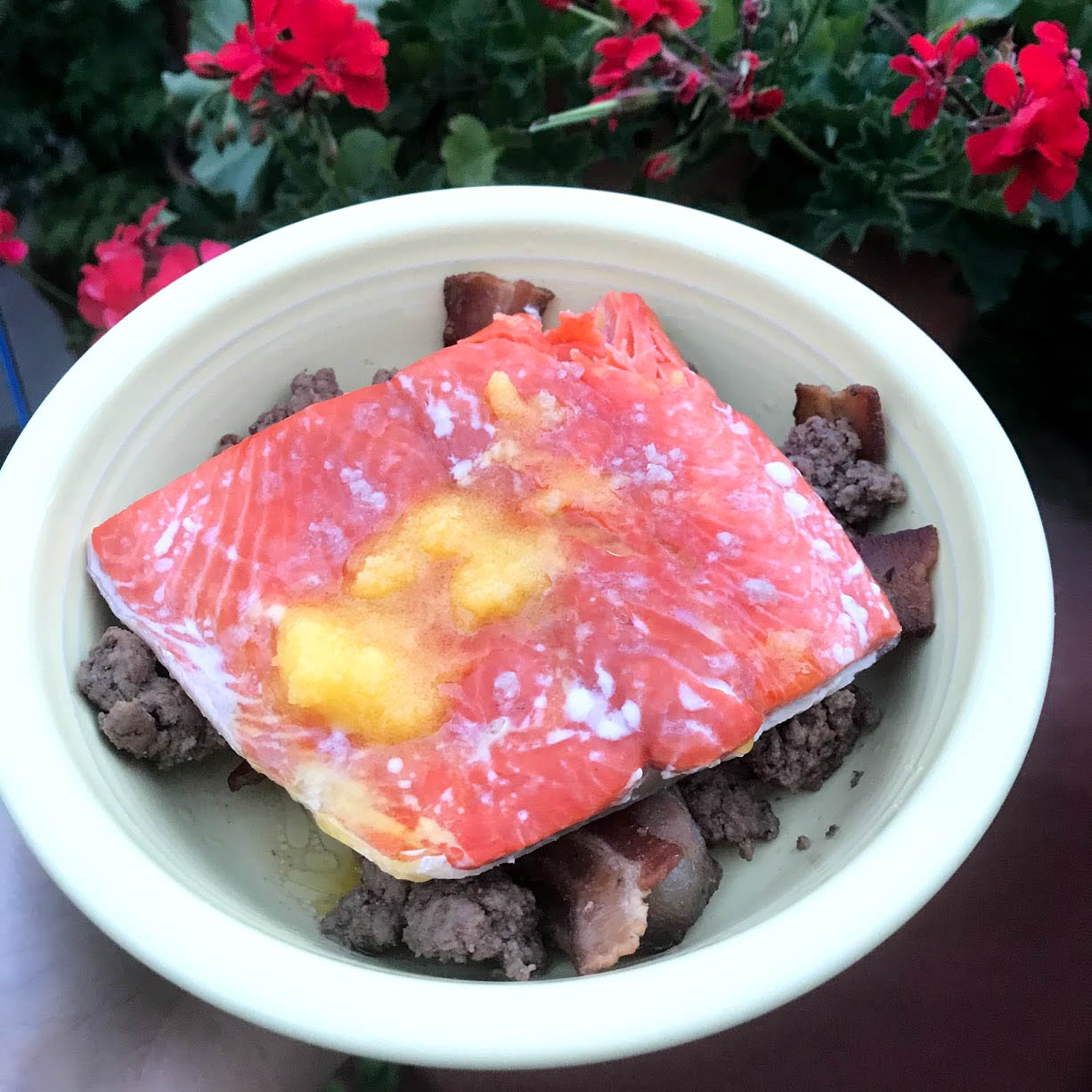
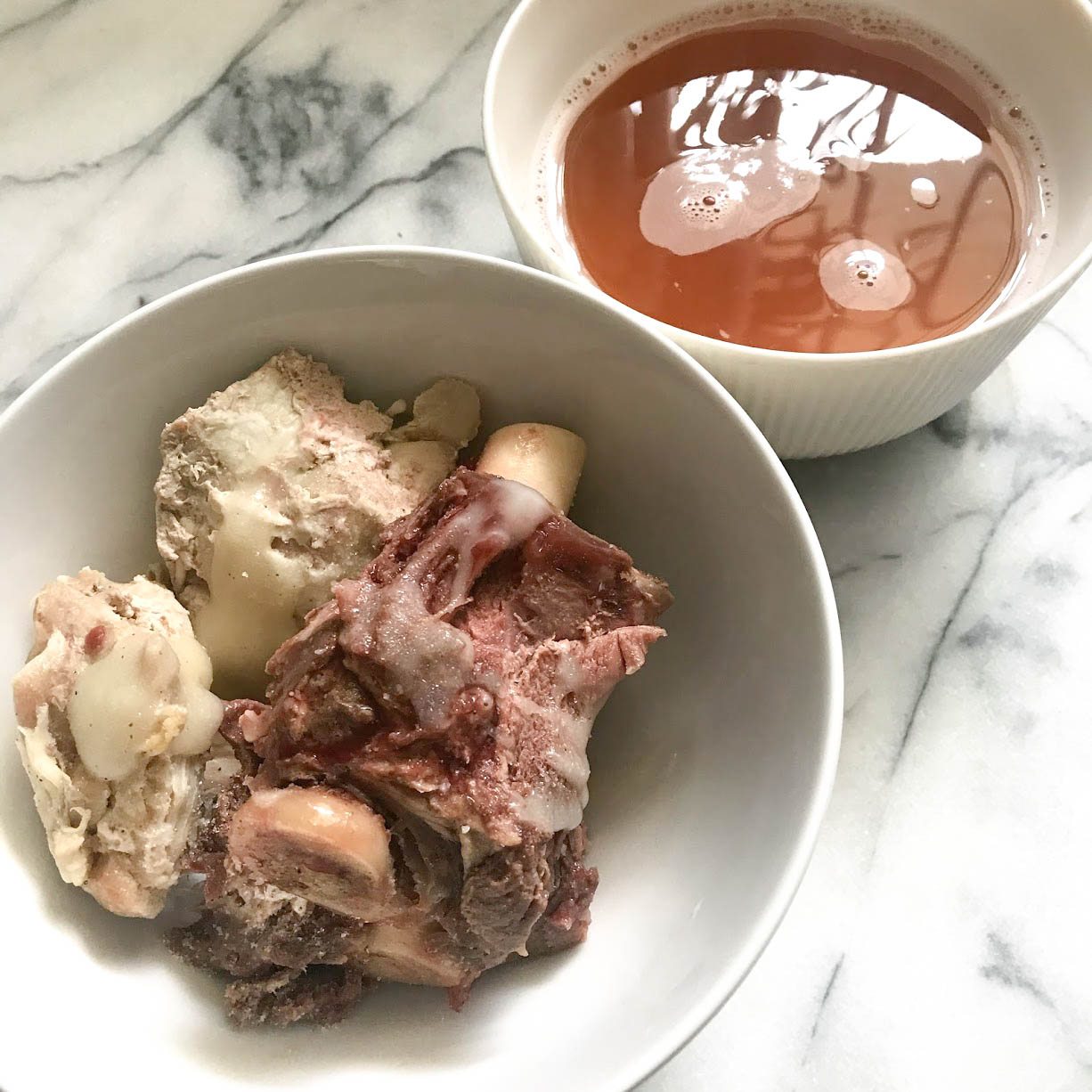
The first week, I stuck to straight animal products – red meat, some chicken thighs, duck, bacon, some salmon. It was mostly red meat, though – ground beef, ribeyes, lamb, and so on. I ate every cut I could get my hands on. In terms of nutrient density, fatty cuts of 100% grass-fed beef are your best bet. I also included bone broth every day, plenty of organ meats like liver and heart, and a combination of raw and cooked meat. I cooked in duck fat, bison tallow, and ghee (more on that in a bit), and usually topped my meals off with a bit of added fat as well. Most people on the carnivore diet sit down and eat a huge piece of their one protein of choice, but (typical) I wanted to keep things more interesting. I usually ate 2 types of protein at one meal… just so I didn’t get bored. Beware: the bacon and ground beef combination is dangerous.
I only used salt to season my foods. I also only drank water, but my one “cheat” was that I had a tablespoon of ACV in my warm water each morning. My stomach acid is low, so I felt like I needed a bit of ACV in the mornings to help digest all of that protein.
By the second day, I felt really good. The protein sweats and hypoglycemia were gone. My inflammation went down dramatically and I could already tell how much better my digestion was. My bloating was gone. I also had a lot more energy, and my mood dramatically improved. I told my friends I felt like I was on happy pills.
All around, I felt amazing the first week, especially with my digestion. I was wrong to worry about becoming constipated because, if anything, the opposite happened. There were about two days when I had loose stools, but that evened out. I’m still not sure if that was because of the ghee I was using (I do react to ghee when I use too much of it), or because my fat:protein ratio was too high. I stopped using ghee and ate slightly less fat, and things evened out. After that, I had never had better bowel movements in my life! That obviously put me in a good mood.
I also quickly realized how much I loved the simplicity of this way of eating and how much time it saved me during the day. Eating and cooking are much faster on the carnivore diet, and you also don’t have to make many decisions when it comes to food. I didn’t have to chop or roast any vegetables, which I realized took me more time than I thought. It was easy for me to throw a few pounds of meat in my Instant Pot and have plenty of leftovers to last a few meals.
Since I felt so great the first week, I continued for a second week. The second week, I eased up on some of the “rules” and brought tea and adaptogenic drinks back into my diet, and I also didn’t worry about whether or not my food was cooked in any seasoning. I didn’t use any seasoning myself besides salt, but I went out a few times and got chicken that had thyme and pepper on it. That was my go-to when eating out, by the way – a rotisserie chicken. I also went to a dinner party and had no problems at all sticking to carnivore. I just ate all of the protein options! I felt like I was on a high because I felt so good, and at the time I felt like I could eat carnivore forever.
Later in the second week, things started to get a little weird. Some people said days 13-14 were the hardest, so I wasn’t sure if I just needed to stick it out or if it was time to call it quits. I had felt so amazing before that I was biased towards sticking it out. I started to get intense cravings for carbs, which hasn’t happened to me in probably 3 years. I definitely “crave” things at certain times, but these were intense “I NEED TO EAT THIS NOW / I FEEL LIKE A RABID ANIMAL” cravings that I was not used to… and I did not like them. I was craving a huge bowl of cinnamon roasted veggies dripping in 100% dark chocolate. I know, I’m so weird.
I also started to feel some strange mental effects. I was getting brain fog and I felt like I was on toxic overload. It felt like there was a balloon in my head. I also started to get even hungrier than before. But my excellent digestion made me want to keep going.
Then I had an issue with my digestion and had really bad diarrhea for a day. Once again, I wasn’t sure if it was the ghee (because I started eating it again), or if it was because I was eating way too much fat in comparison to protein. I wasn’t shooting for any specific fat:protein ratio during the experiment, so it was easy for me to accidentally eat too much fat because that’s what I generally gravitate towards. Once I stopped with the ghee again and moved to proteins that weren’t as high in fat for a few meals (still not lean, though!), I felt better (just like what happened the week before as well). I’m talking about moving from ribeyes, duck, and bacon to ground beef and chicken thighs.
Even though my digestion went back to normal, I was still struggling with what was happening with my brain, and I felt off. I decided to stop the experiment after two weeks and eat some vegetables. I felt like my body needed a balance, and after I ate some greens, I felt a lot better.
It was at about the same time that I figured out the connection between my genetic mutations and my body’s poor detoxification processes. Long story short, sulfur and ammonia easily build up in my body (and brain), which explains what I was feeling. My situation is very uncommon, so for most people that would never be an issue. If I didn’t have those genetic mutations giving me symptoms, I probably would have stayed carnivore a lot longer. It ended up being exactly what I needed in terms of an elimination diet, though, because reintroductions showed me quite clearly exactly which vegetables were causing me issues, and that vegetables, in general, are rough on my system. Can’t deny it now.
Even though I only did it for two weeks, I felt like the carnivore diet was a total success for me because it taught me a lot about my body. In fact, knowing how good I feel on meat-only (short term, apparently), is really useful information to have.
A few weeks later while traveling, I decided to eat any vegetables I wanted rather than stick to low-sulfur, just to make my life easier. I quickly realized that was a horrible idea. I had a lot of intense symptoms that made me actually miss some things I had planned, but it was my sister’s wedding week so I needed to pull it together ASAP. I ended up going back to mostly carnivore during that time, and it made me feel 1000 times better. I mostly ate rotisserie chickens rather than red meat (which can be a trigger for those who react to sulfur), and I felt really good, which was interesting to find out. I ate only animal products when I was by myself, and then if a vegetable “came up” (at a few dinners), I ate the vegetable. This definitely worked to reset my body.
Since then, I’ve basically just been using carnivore short-term, intermittently, if my digestion is off. I think of it as a tool to keep in my back pocket.
My Final Thoughts
Trying out the carnivore diet definitely challenged my beliefs about what makes up a “balanced” plate, which is why I’m so glad I did it. Maybe more people really would feel much better eating more animal protein than plants. Maybe a lot of people in the paleo space are eating more vegetables than their bodies would like. Then again, maybe not. It really just confirmed for me that there is no single way of eating or macronutrient ratio that works best for everyone. Some people might thrive on mostly plants with a bit of animal protein as a “condimeat,” as Dr. Mark Hyman likes to say, while others might do better with half of their plate (or more) as animal protein. What’s too much for you might be too little for me, and vice versa.
That being said, I do think that most people I personally run across aren’t eating enough animal products, which I’m sure is a function of the type of people I’m usually around / working with. I still think a lot of people are nervous about eating protein and fat, for some reason. If I was in the bodybuilding world though, for instance, I probably wouldn’t have that perspective. However, considering the fact that most of America struggles with their weight, blood sugar dysregulation, and digestive issues, I’m inclined to think that most people aren’t eating enough protein and fat.
This experiment also opened my eyes to using this as an option for an elimination diet for people who have major gut issues and aren’t seeing results with anything else. It doesn’t seem crazy to me anymore. I really do think that people who have gut problems need to take it easier on the fiber, and anecdotes from many people on the carnivore diet, myself included, show just how much fiber can sometimes negatively impact digestion.
Like I said, I like having this in my back pocket as a tool to use. I don’t think anyone should be eating the same macronutrient ratios forever, because in terms of evolution it doesn’t make sense for our macros to remain constant. For myself, I like the idea of cycling the carnivore diet in every once in awhile to give my gut a break, and then maybe after that I focus more on plants and eat less animal protein. Our ancestors didn’t have access to all foods at all times like we do now, so they naturally cycled their food / macronutrient ratios.
Regarding the carnivore diet’s “safety” longterm, my personal hunch is that it’s perfectly safe, but just might not necessarily be optimal. Remember, there are no longterm studies on the carnivore diet, so we don’t really know. These are just my current thoughts. I think it’s optimal to get plenty of animal protein, but also to include as many plant foods as you can without negative effects so that you get plenty of beneficial phytonutrients and feed your gut flora. I also worry that the carnivore diet longterm could have negative effects on leptin signaling. I don’t think the carnivore diet is for everyone, but I can see how it could be life-changing for others.
That being said, I think a lot of people are jumping to the carnivore diet without trying other options first, and I would encourage them to try those other options first. I think the goal should be to include as many foods into our diets as possible. It makes sense that the carnivore diet acts as a good reset for people, but I think it’s a little lazy, honestly, to get good results with carnivore and never try to reintroduce food later on. If the carnivore diet is working really well for someone and they have a hard time reintroducing any vegetables, that’s a symptom of a deeper problem, and the diet is just acting as symptom management. I think it’s important to address the root issue in the body (like gut dysbiosis, as I believe the problem is for many) so that your body can tolerate foods other than meat. I see the benefits of the carnivore diet as a reset or elimination diet, but when it becomes a lifestyle, I fear that it’s just a way to avoid addressing the underlying root issue of why those plant foods are causing such extreme reactions in the body. I think the carnivore diet can be helpful on the path to healing, but I’m not sure it’s a real solution.
If someone wants to try it out, my advice is to make sure you’re eating enough food, and to invest in high-quality proteins. There are many people who argue you don’t need to worry about meat quality, but personally I do think it’s important to focus on well-sourced protein as often as you can for nutritional and ethical reasons. Also, don’t be afraid to eat to satiety! I think this is harder for women than men because of cultural conditioning, and it’s incredibly important. Lastly, make sure you’re choosing fatty cuts of meat. A few people emailed me saying they were trying it out, felt horrible, and didn’t know why. Then I found out they were eating turkey, chicken and other leaner cuts of protein instead of the fatty cuts. Of course you won’t feel well if you’re eating lean meats! Your body needs fat for fuel. Give yourself healthy animal fats so you have plenty of fuel to function off of!
Maybe my opinion will change as I learn more, but for right now, this is what I think about the carnivore diet. I hope that sharing my own experience inspires others to be open to different ways of eating and to respect everybody’s experiences and choices!

by Christina | Jul 27, 2018 | Wellness
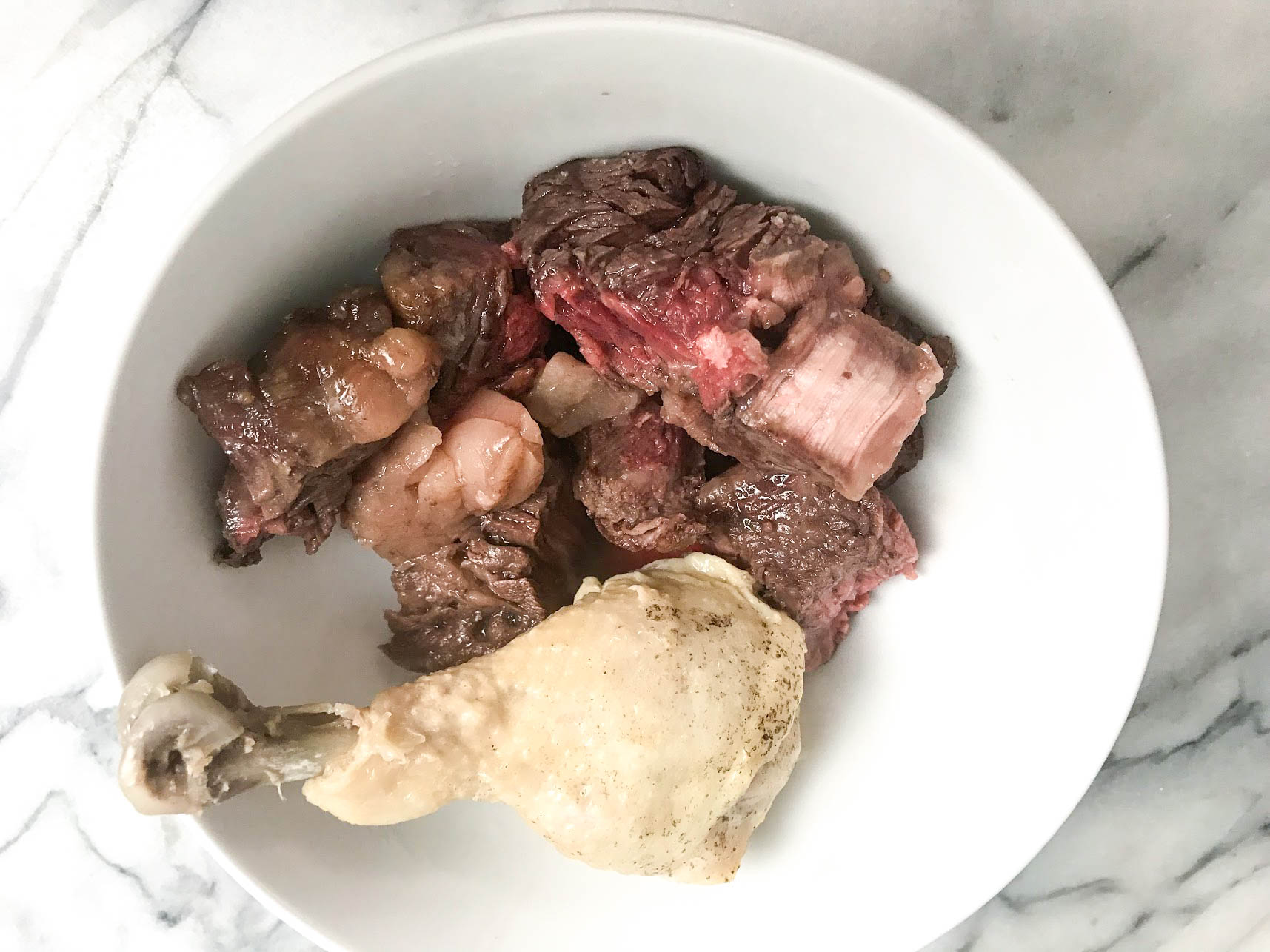
If you’re in the paleo or keto world, you’ve probably heard about the carnivore diet, which has gained a lot of popularity recently. If not, then don’t worry – I’m about to explain exactly what it is. I also recorded a podcast episode all about the carnivore diet and my experience trying it, which you can listen to here. For those of you who prefer reading to listening, this blog post is for you! This post will be all about what the carnivore diet is, and I’ll detail my personal experience trying it out in a separate post.
What is the Carnivore Diet?
There are different ideas about what the “official” carnivore diet is, but to put it simply – it’s a diet consisting only of animal products. Strict carnivore diet enthusiasts stick to red meat, but others are more flexible and allow any animal products. Others allow most animal products, but not others. For example, I have a few friends who follow the carnivore diet and eat all types of red meat but don’t allow pork or eggs. Meanwhile, others allow red meat, chicken, bacon, eggs, fatty fish, butter, duck fat, bison tallow, and so on. It varies from person to person. The classic carnivore diet meal, though, is a big ribeye steak. The key with the carnivore diet is to pick fatty cuts of meat, not only for nutritional purposes (the nutrients are in the fat, and the fat provides a source of fuel), but also because the idea is to emulate what our ancestors would have eaten. Our ancestors were definitely not living off of chicken breasts.
Let me emphasize, animal products only. This means no cooking in coconut oil or using olive oil. No carbohydrates. Just meat.
This is where the “rules” start to get blurred, though. Technically, herbs, spices, tea, and coffee should be off the menu, but many carnivore dieters still include these in their diets. Everyone does it a bit differently, but most people are sticking with red meat and salt, and cooking in animal fats like butter and ghee. The carnivore diet is pretty much the exact opposite of veganism.
Also, in my opinion, a well-formulated carnivore diet should consist of 100% grass-fed meat and include a variety of cuts, organ meats, and bone broth. That’s not necessarily “standard,” but I do think it’s a good idea.
To put it succinctly, the idea of the carnivore diet is to eat meat, and eat to satiety. That’s all you need.
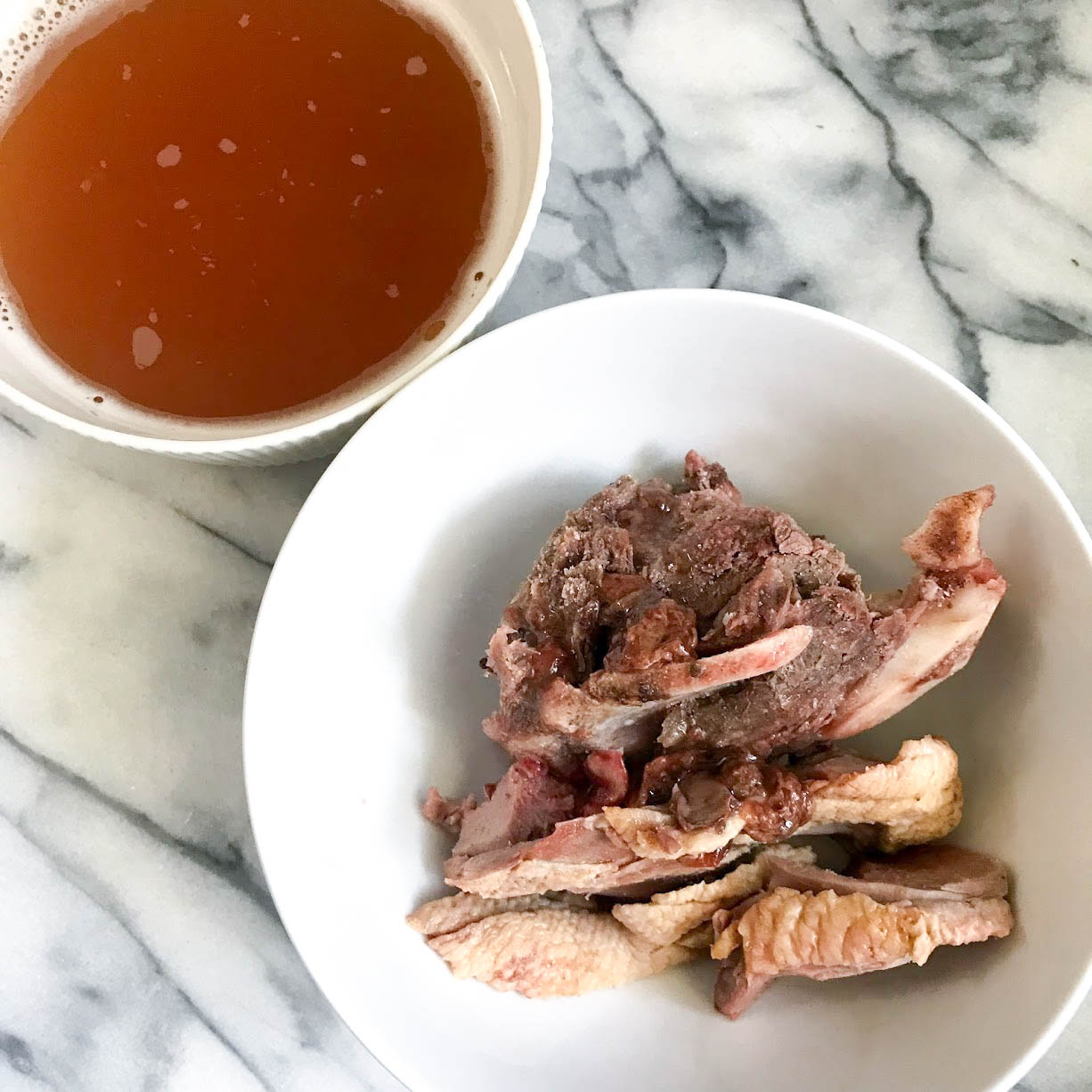
Why do the carnivore diet?
The carnivore diet has been popularized recently by Dr. Shawn Baker, an orthopedic surgeon and natural athlete who has set a few world records and eaten nothing but meat for over a year. There are many others who have eaten a meat-only diet for much longer, but Dr. Baker has been the one really bringing it to the media. Others like Mikhaila Peterson, Kelly Hogan, Dr. Anthony Gustin, and Vivica Menegaz have shared their experiences on the diet as well.
What’s the point? Why ONLY eat meat? Well, there are actually a number of benefits that many people experience, including better digestive function, mental clarity, reduced inflammation, relief from autoimmune diseases, less joint pain, weight loss, better athletic performance, appetite regulation, and mental health improvement. Plus, it’s incredibly satiating and a simple way to eat. Less decisions to make, less cooking time, less thinking.
In terms of evolution and human history, there has never been a healthy human population that has thrived on plant products alone, but there have been populations that ate primarily carnivore diets. This includes people like the Canadian Inuits, the Masai from East Africa, the Russian Arctic Chukotka, and Gaucho Brazilians. In fact, these populations were actually incredibly healthy when considering markers like triglyceride levels and heart disease, and comparing those markers to that of today’s American population. Our bodies must get fat and protein in order to survive, but we can actually survive without consuming any carbohydrates at all. The body can create any glucose it needs from proteins or fatty acids via a process called gluconeogenesis.
The carnivore diet is different from the ketogenic diet in a few ways. First, the goal of the ketogenic diet is to be in a state of ketosis (a metabolic state in which we are producing ketones and using fat for fuel), but ketosis isn’t necessarily the goal of the carnivore diet, although it is a common side effect. The goal of the carnivore diet is simply to eat only animal products (as much as you need to be satiated), without any specific fat:protein ratio. Keto, on the other hand, does recommend macronutrient ratios, and it allows carbohydrates. The ketogenic diet is typically 60-80% fat, 15-30% protein, and 5-10% carbs. There’s definitely a range in there, but you get the gist. High fat, moderate protein, low carb. Low carb is not the same as no carb, though. In fact, many people eat plenty of vegetables on a ketogenic diet.
In terms of nutrients, red meat from grass-fed animals contains a large amount of vitamins and minerals. Organ meats, in particular, are much more nutrient-dense than plants are.
The one nutrient that is scarce on the carnivore diet is vitamin C, but some argue that vitamin C requirements are lower when someone is eating only meat. Some say that the ketone beta-hydroxybutyrate might partly replace the body’s need for vitamin C. On a normal diet, one of the ways the body uses vitamin C is to form collagen, but the high amount of meat intake on the carnivore diet provides so many amino acids that you might not even need as much vitamin C to do so. So far, there haven’t been any anecdotal experiences of scurvy!
It’s hard to know what the body’s requirements for different nutrients really are on the carnivore diet, or what someone’s “ideal” bloodwork would look like, because all of our standards have been created based on someone eating a diet that includes carbohydrates. Since we don’t have a reference, people are definitely having a difficult time figuring out if they think the carnivore diet is improving people’s health or not (based on bloodwork, not subjective experience).
By excluding carbohydrates, a person would be missing out on the beneficial phytonutrients from plant foods that can help with DNA protection. Some speculate that carnivore dieters might be at higher risk of colon cancer because they’re missing out on the inflammation-reducing butyrate created in the GI tract and colon when bacteria ferment fiber.
Regarding the fat intake – there is no clear link between the consumption of saturated fat and heart disease. There is actually evidence that saturated fat can improve heart health. Dietary cholesterol is not to be feared. It’s not going to clog your arteries.
Regarding prebiotics, collagen is actually the second most effective prebiotic out there. If you’re on the carnivore diet, you can easily get your prebiotics if you go for the collagen in animal bones, tendons, and ligaments – eat your ribs, wings, and sardines! While fiber has its benefits, it’s importance for digestion has been widely overstated, and many people find that their digestion improves when they reduce fiber.
I’ve heard anecdotes of the carnivore diet completely resetting people’s digestive systems. I know a few people who went carnivore for 30 days and then were able to reintroduce a ton of different foods that used to severely bother them. It makes sense to me that the carnivore diet would offer such profound digestive benefits to so many people. First of all, when you’re removing plants, you’re removing all types of antinutrients that cause GI distress for many. You’re eliminating gluten, lectins, and phytates that contribute to leaky gut, bloating, constipation, diarrhea, and other types of digestive distress. It’s really like the ultimate elimination diet. Instead of removing nightshades or lectins or FODMAPs or some other type of specific carbohydrate, you just take them all out at once. Maybe drastic, but can be effective. Eliminating all plant foods that could potentially lead to inflammation and intestinal permeability gives the gut a break so that it can heal.
Also, our digestive systems are actually much more like that of pure carnivores than pure vegans. The cecum is a small pouch in the intestines that is specifically used to digest fibrous plants. A panda’s cecum, for instance, is a long pouch that can hold a lot of plant material so it can be fermented before it’s digested, but our cecum is tiny. Because our small cecums can’t fully ferment vegetables like a true herbivore, we don’t digest fiber the same way true omnivores do. In terms of evolution, we prioritized more nutrient dense-foods in our diets, like animal protein, in order to evolve larger brains. We traded out a bigger cecum for a smaller one so that we could exchange a smaller brain for a bigger one.
The carnivore diet is stirring the pot in the health space right now, probably because it hasn’t been studied. People get nervous about things they can’t find studies on. Right now everything out there is pretty much just anecdote, and there are some pretty powerful testimonials from people saying that this has been the only thing to transform their health. There are many people who are saying that the carnivore diet is dangerous, and others saying it’s perfectly safe. I’m not sure how someone can definitively say it one way or the other, considering there just isn’t enough longterm information on it yet.
Based on my own knowledge, my hunch would be that longterm it’s safe, but not necessarily optimal. I think it could be a really useful elimination diet. An extreme one, but very useful for certain people. I see no harm in eating only meat for a period of time if someone feels good doing so, and I can see how for many this would actually enhance their health. I think that many people undereat animal products, personally. I also definitely don’t think it’s for everybody, but I can see how some might thrive on this diet.
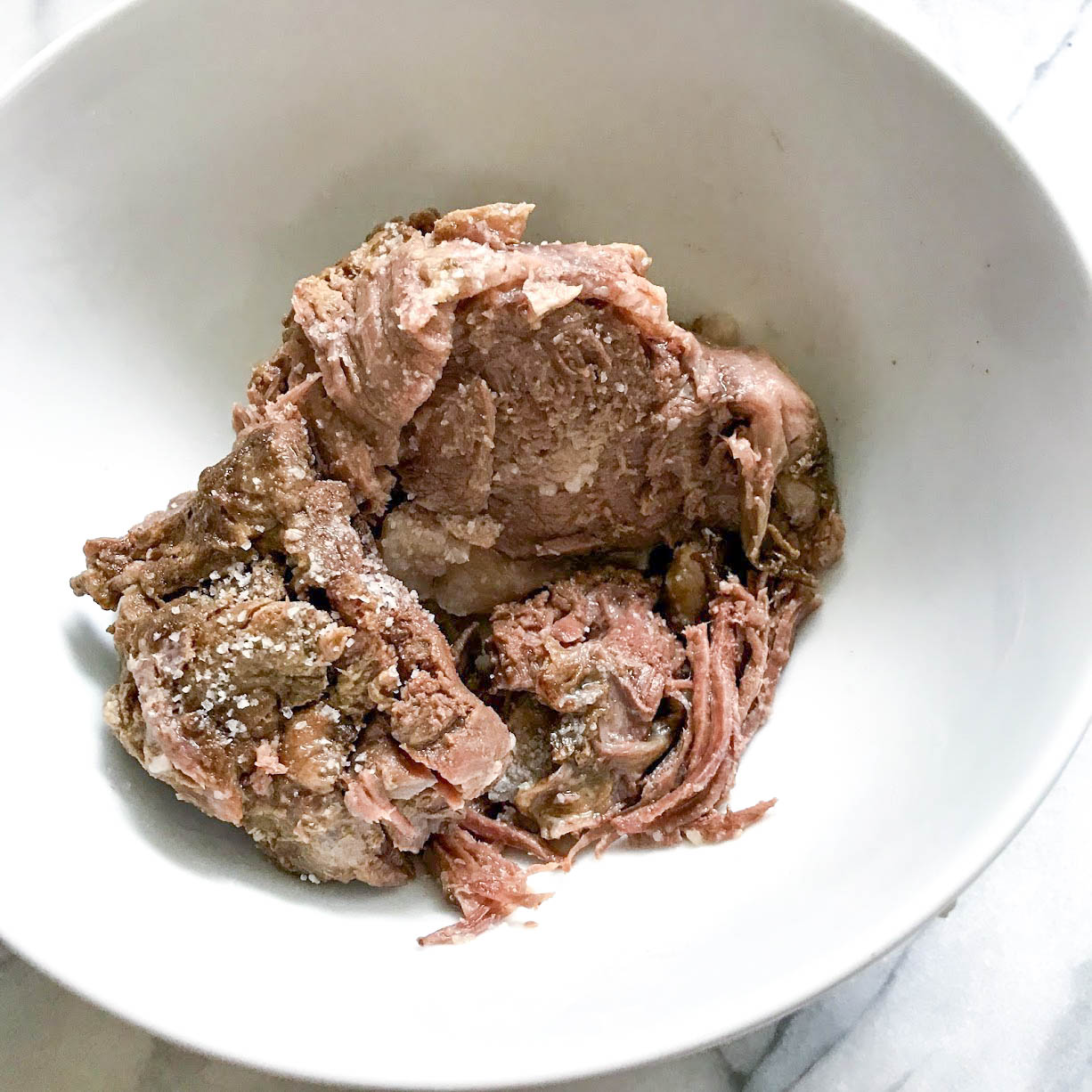
After hearing so much about the carnivore diet, I decided to give it a short trial run of my own. In my next post, I’ll explain all about my personal experience trying it for two weeks, and my final thoughts. Spoiler: I’m definitely not against it!

by Christina | Jul 17, 2018 | Recipes, Wellness
Didn’t know you could make a vegetable taste like a churro? YOU CAN. This recipe is about to blow your mind.
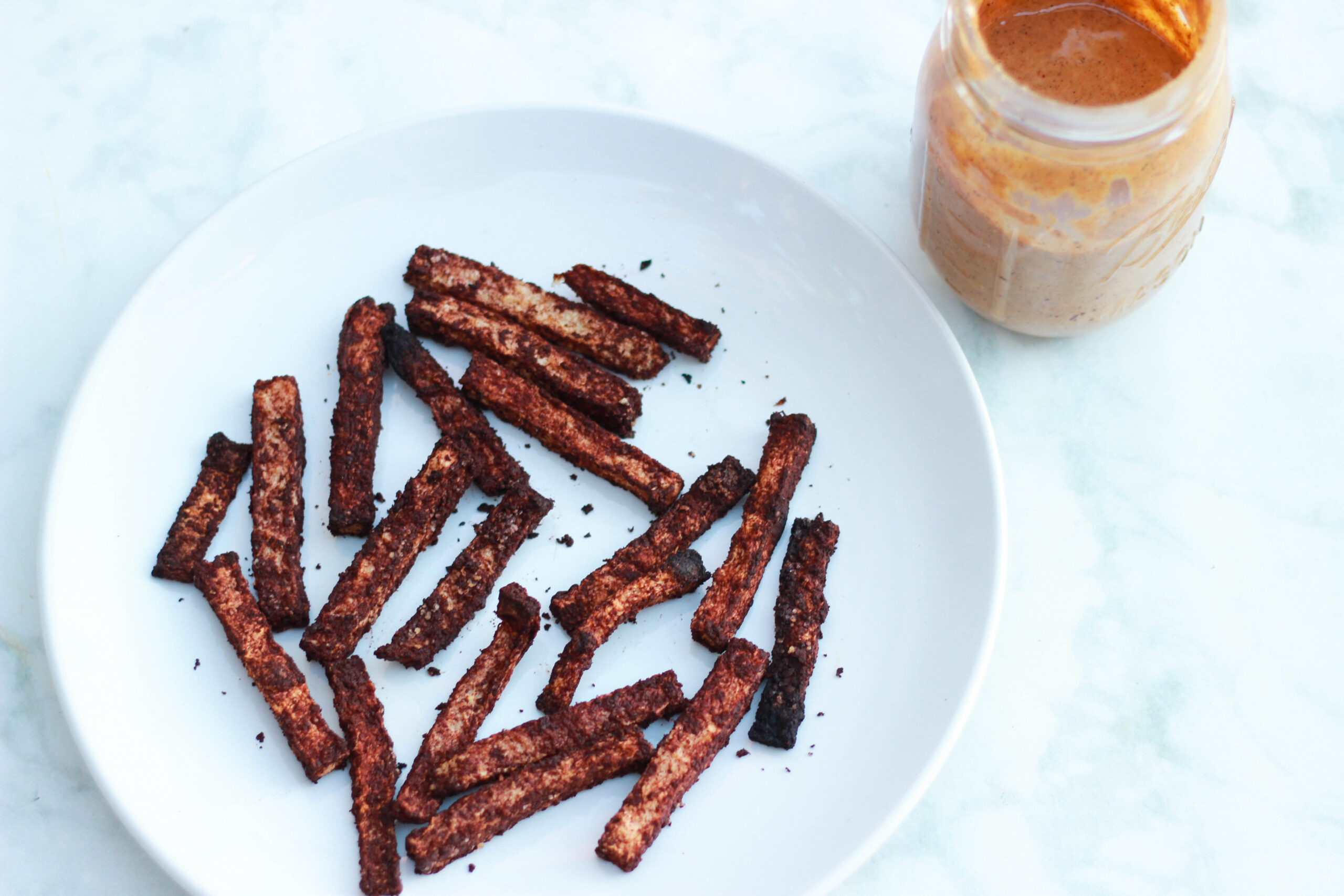
The idea for veggie churros was born last weekend when I visited my cabin with my friend Kelly. We decided to make jicama fries – one of my favorite roasted veggies. When they came out of the oven, Kelly tasted one and said, “Is it just me, or do these taste like churros?” I tried one, and oddly enough, they really did. I’m sure that was partly because our taste buds are so “adjusted” from eating paleo and low sugar for so long, but the jicama fries really did have a churro-like flavor.
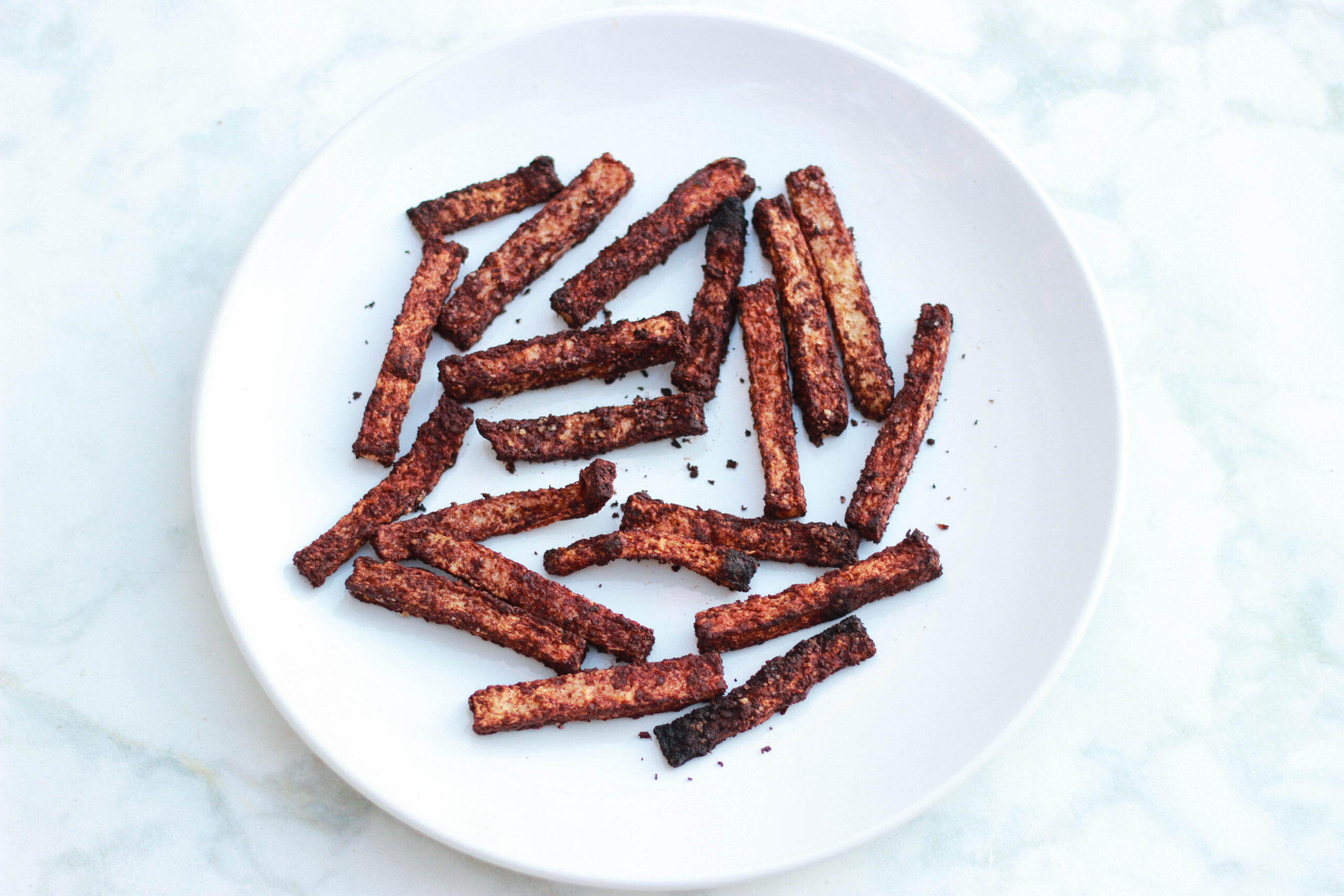
We couldn’t wrap our brains around it the rest of the night, especially because we didn’t put any sweet seasonings on top. I actually think Kelly might have used cumin, but it was the jicama itself that became sweet. Everyone knows how much I love cinnamon roasted veggies, but I had never thought to try jicama that way. My go-to with jicama is usually something savory, like turmeric or paprika.
This got us thinking…if jicama can taste almost like a churro without anything sweet on it, imagine how much it could taste like a churro if we actually TRIED to make it taste like a one?!
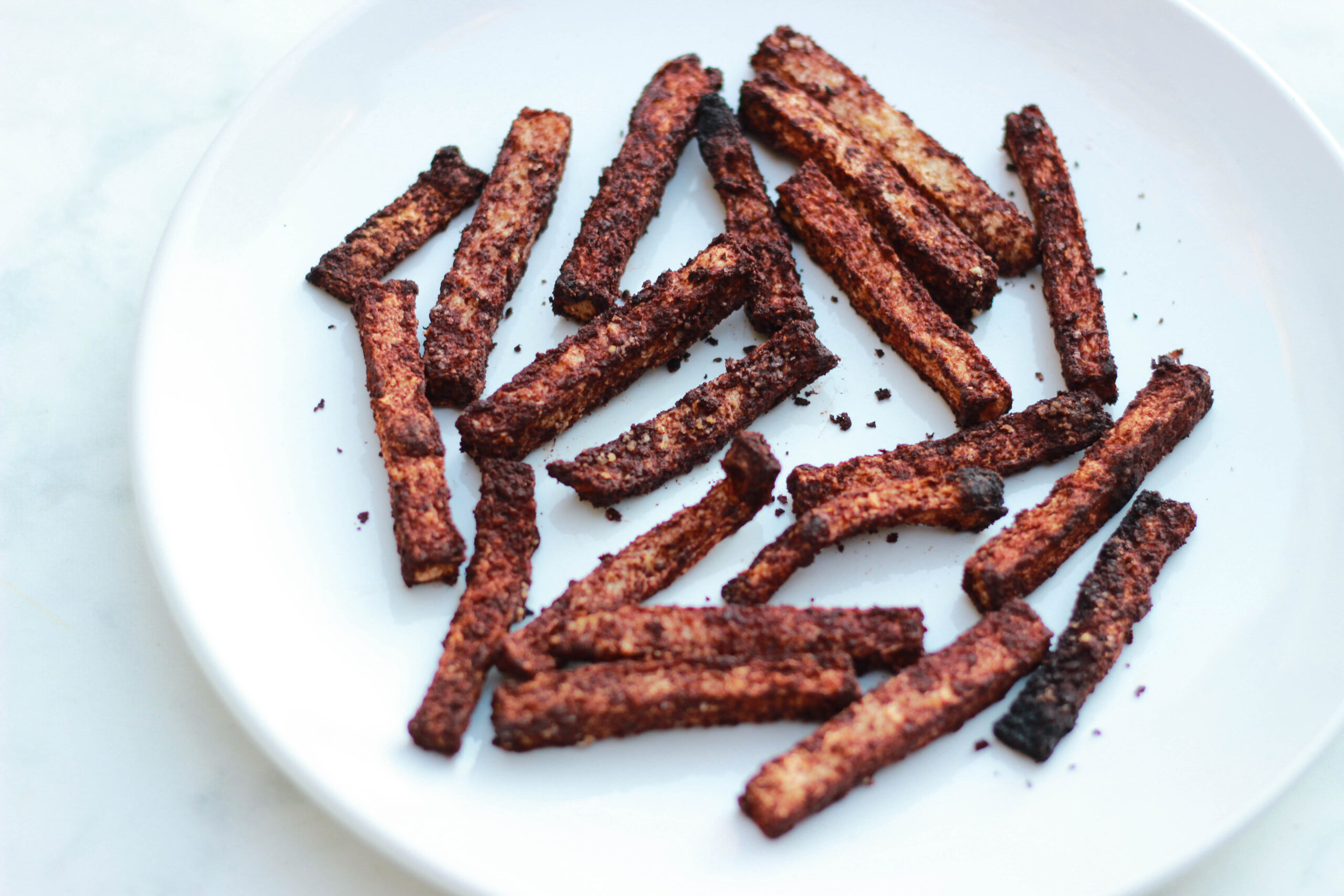
As soon as I got back from my trip, I bought some more jicama sticks and tested it out. TOTAL SUCCESS.
I haven’t had a churro in over 3 years. It’s pretty hard to find a gluten-free, dairy-free churro! It used to be one of my favorite foods, though. It wasn’t a trip to a theme park or baseball game without one! Churros might not be healthy, but they are undeniably delicious.
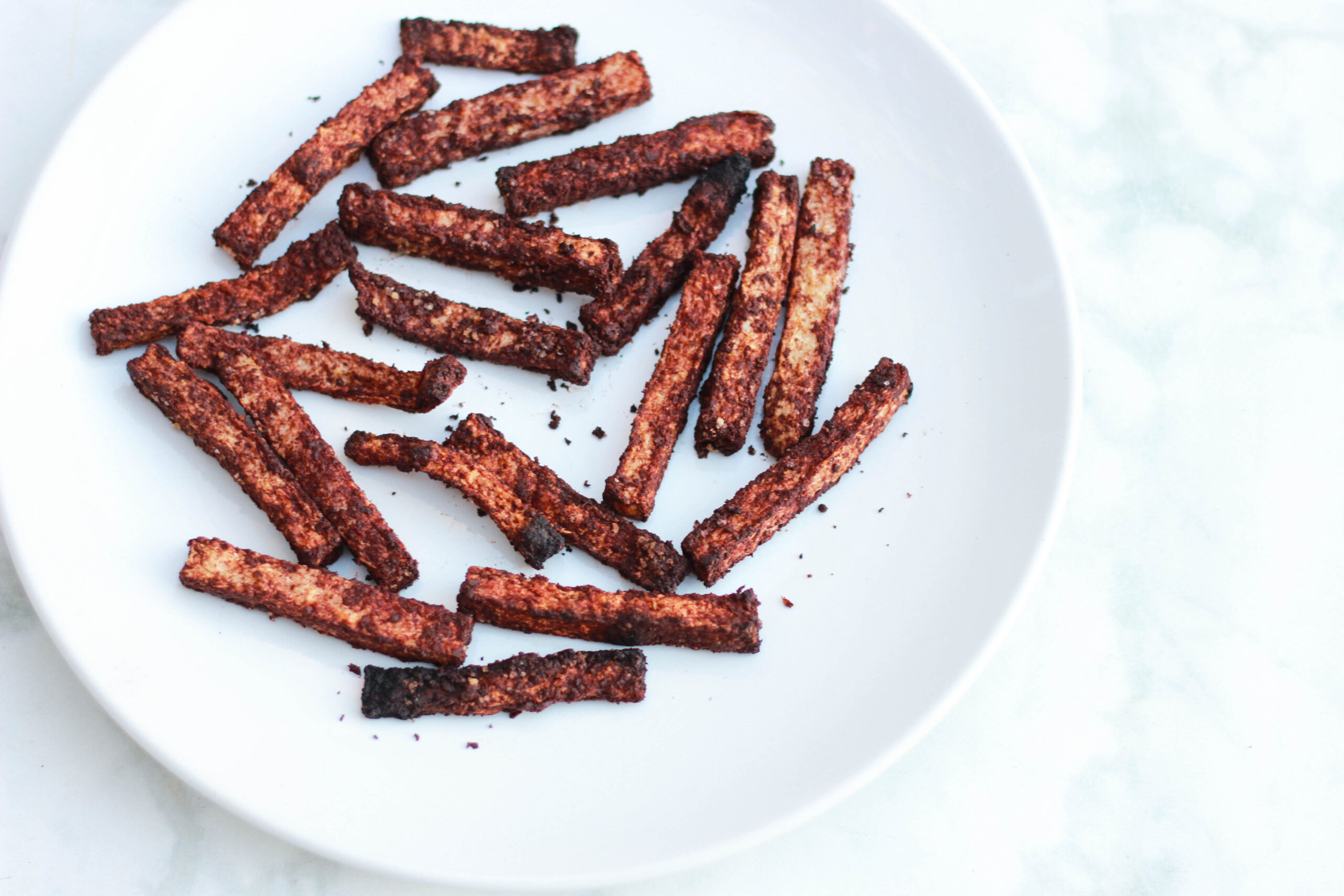
Obviously I was BEYOND excited when I found out that jicama sticks could be made to taste JUST. LIKE. CHURROS. So here they are – “churros” made out of vegetables. With no sugar. Is there anything you can’t make out of vegetables?!
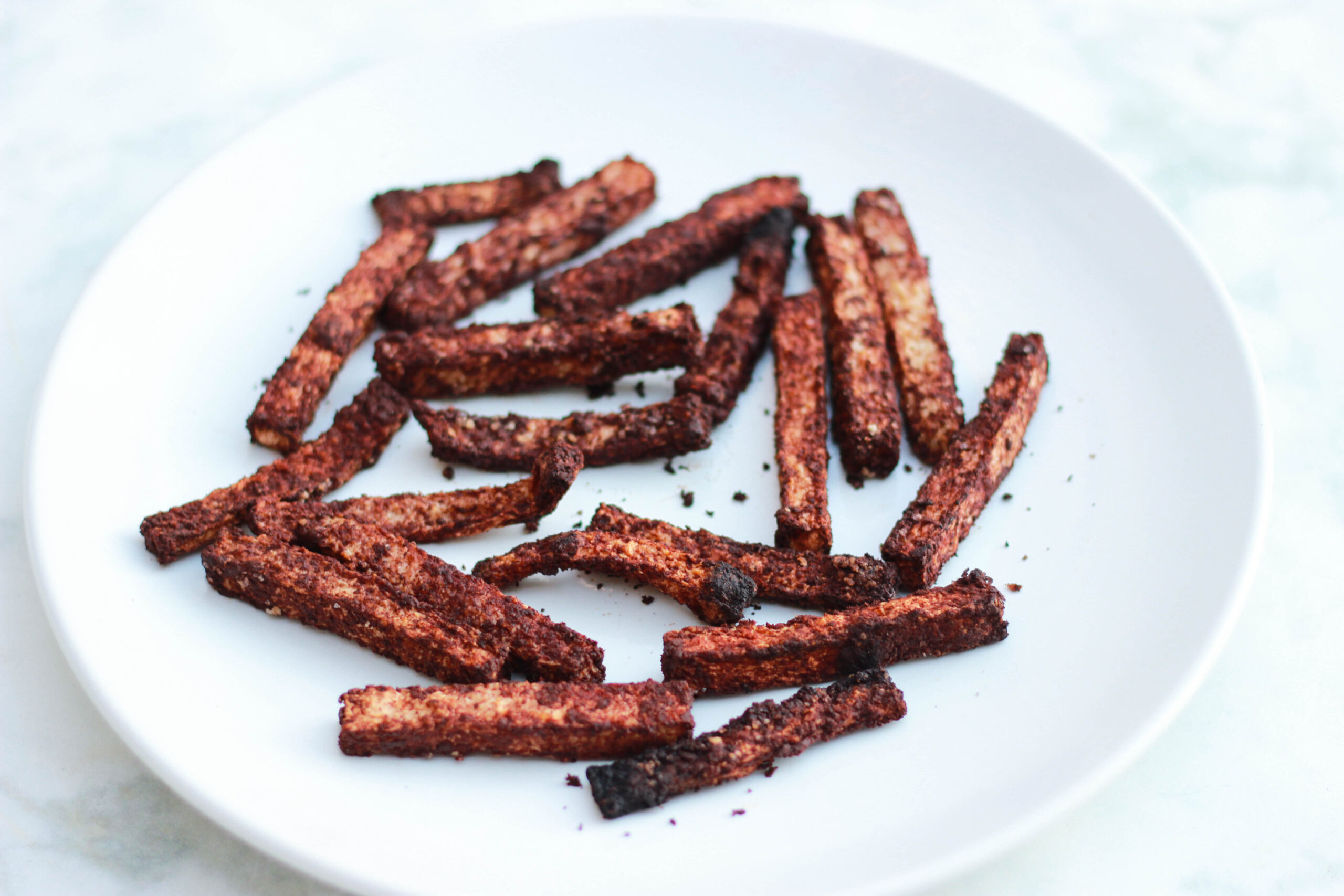
If you ever want your churro fix but don’t want any of the sugar or gluten, give these a shot. You won’t be disappointed. All it takes is a little roasting and you’ve got yourself a paleo, vegan, healthy “churro” with hardly any prep work.
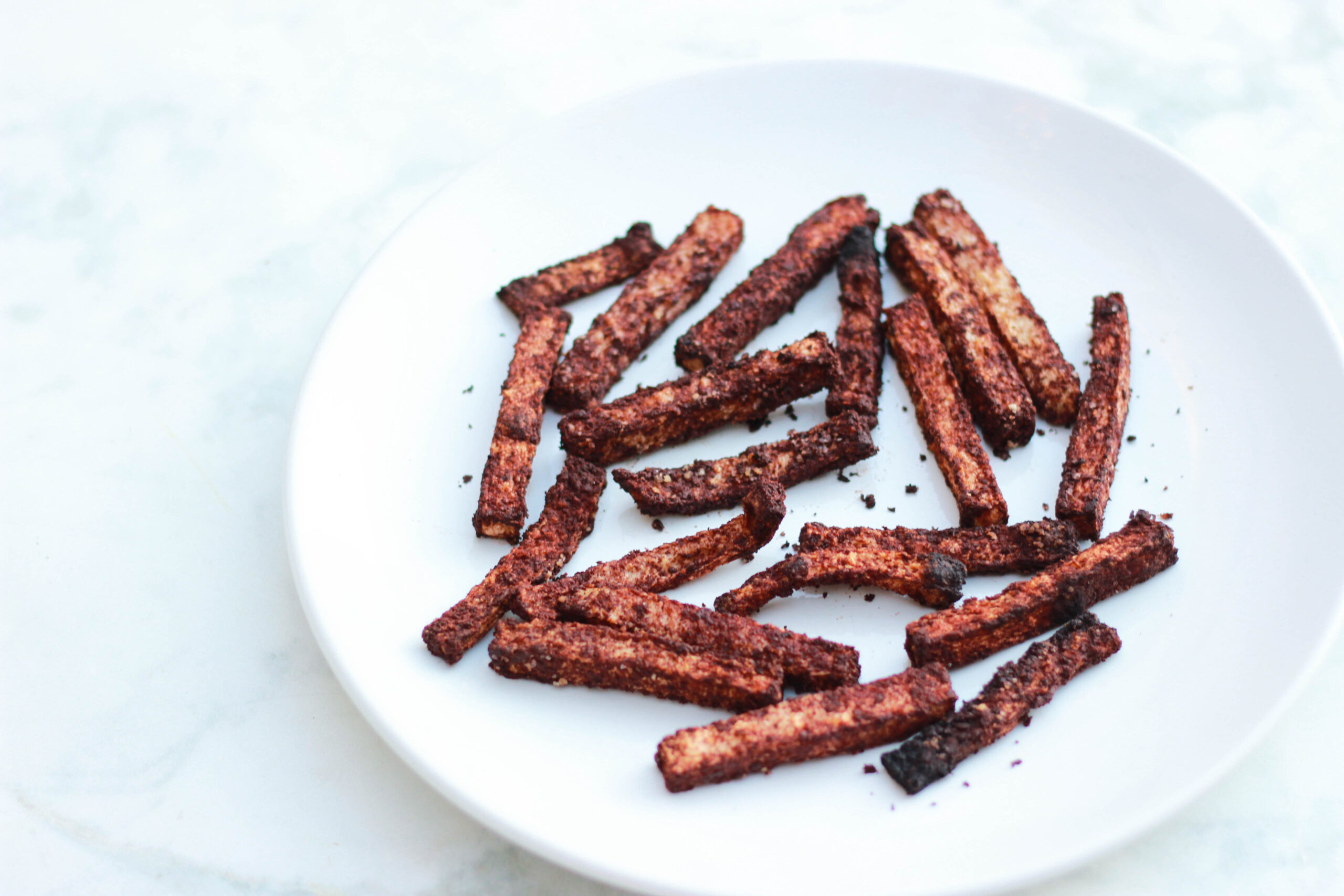
I gave measurements in the recipe, but I don’t use measurements myself. Toss in some oil and the spices to taste, or until everything’s coated well. I like to use a lot of cinnamon to really give it that churro flavor. And when I say a lot, I mean enough to make sure every jicama stick is completely coated. Don’t be scared! When the cinnamon roasts in with the salt, vanilla, and coconut oil, true magic happens.
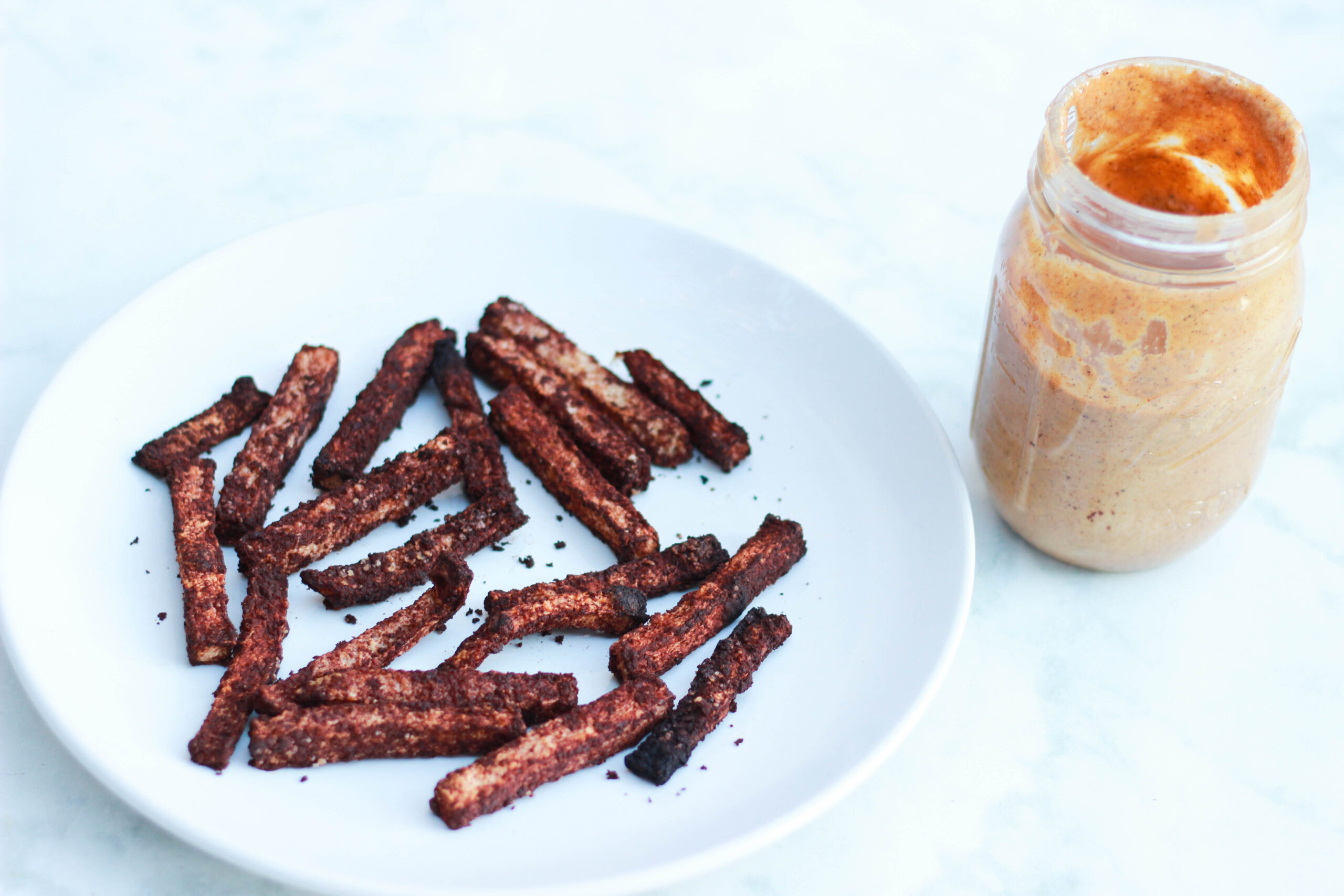
I like to roast these for awhile – at least until they start to crisp up! You can either use a whole jicama or a pre-chopped jicama to make things easier. I prefer to use the pre-cut jicama sticks from Trader Joe’s or Whole Foods so I don’t have to chop and peel an entire jicama, but either way works!
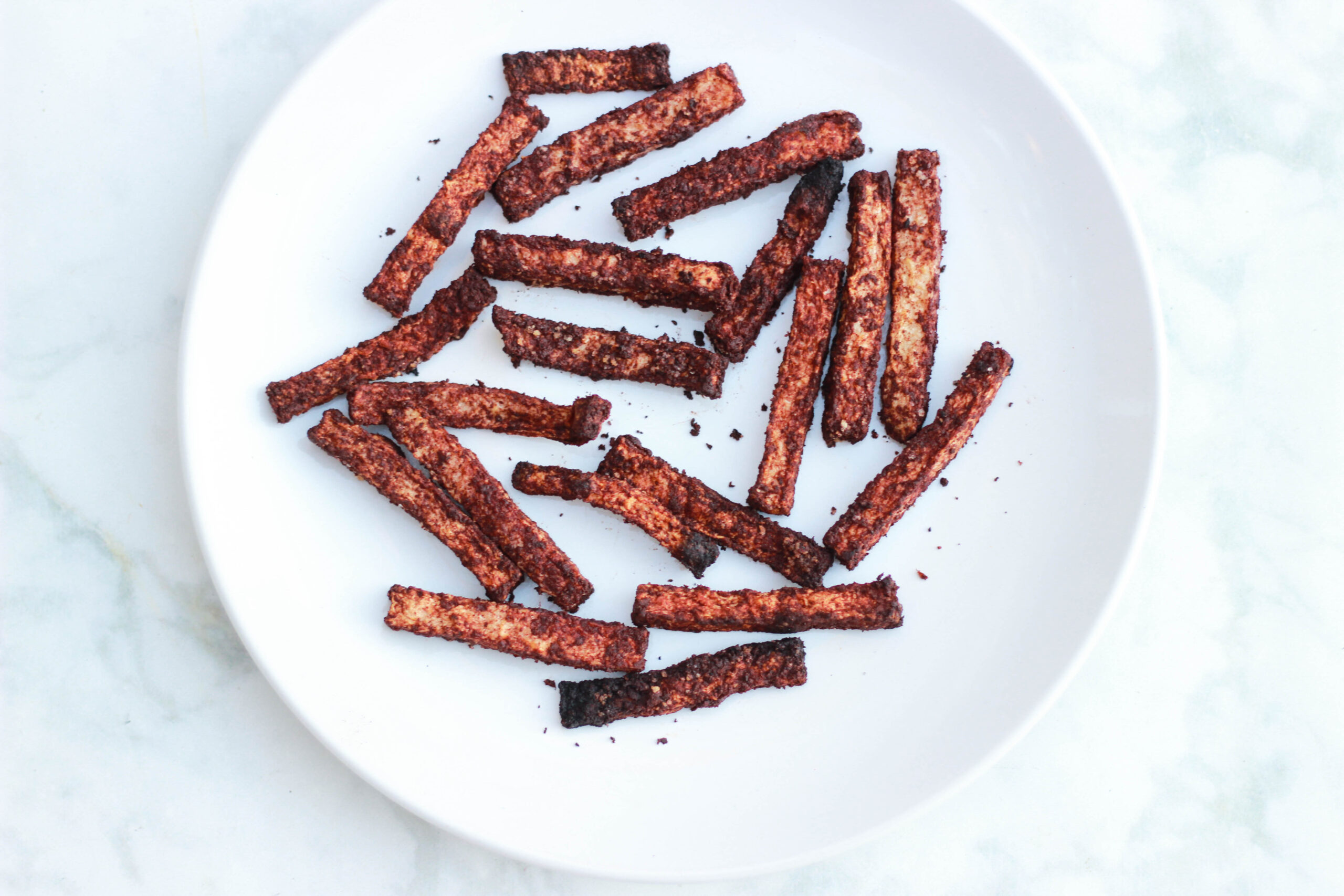
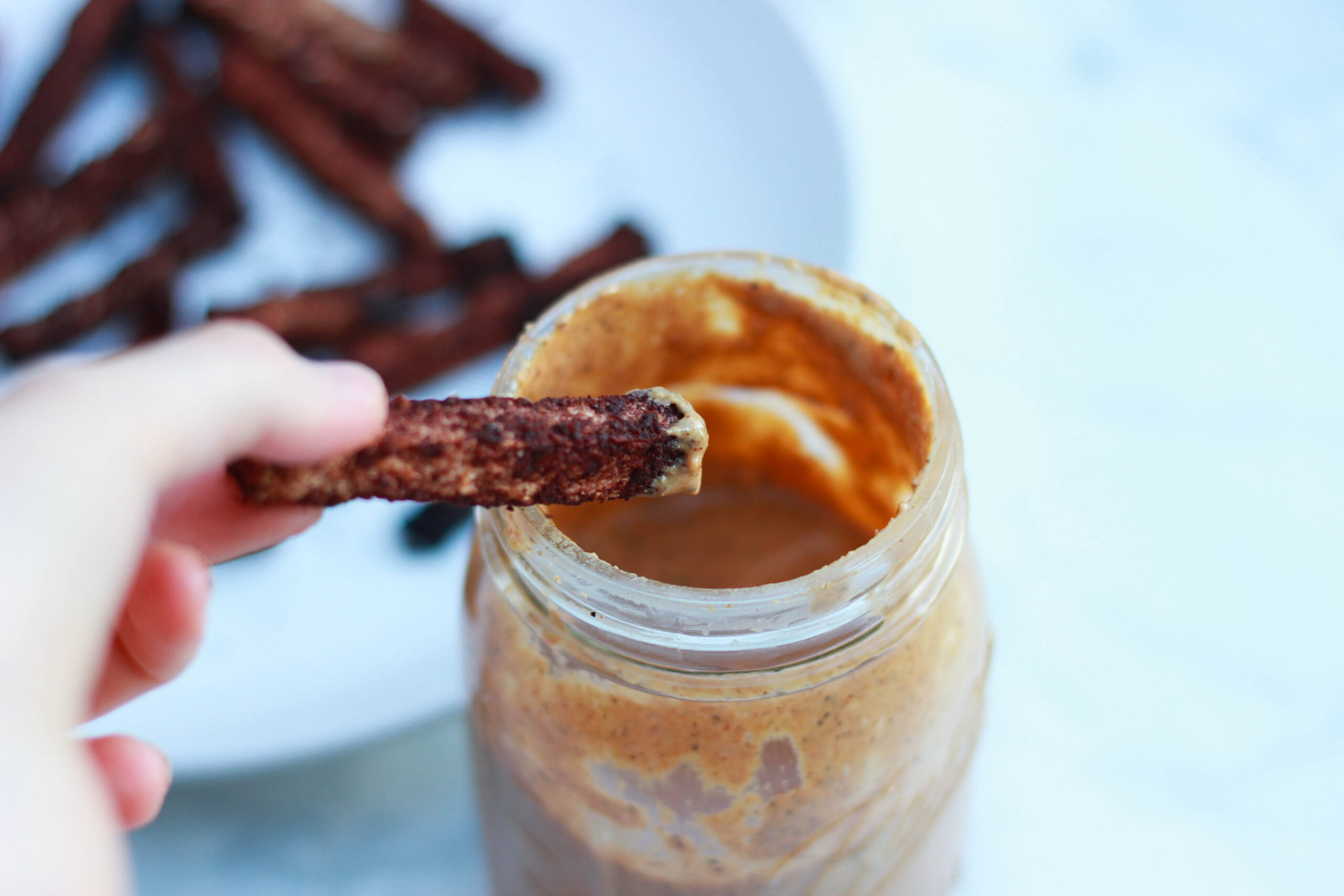
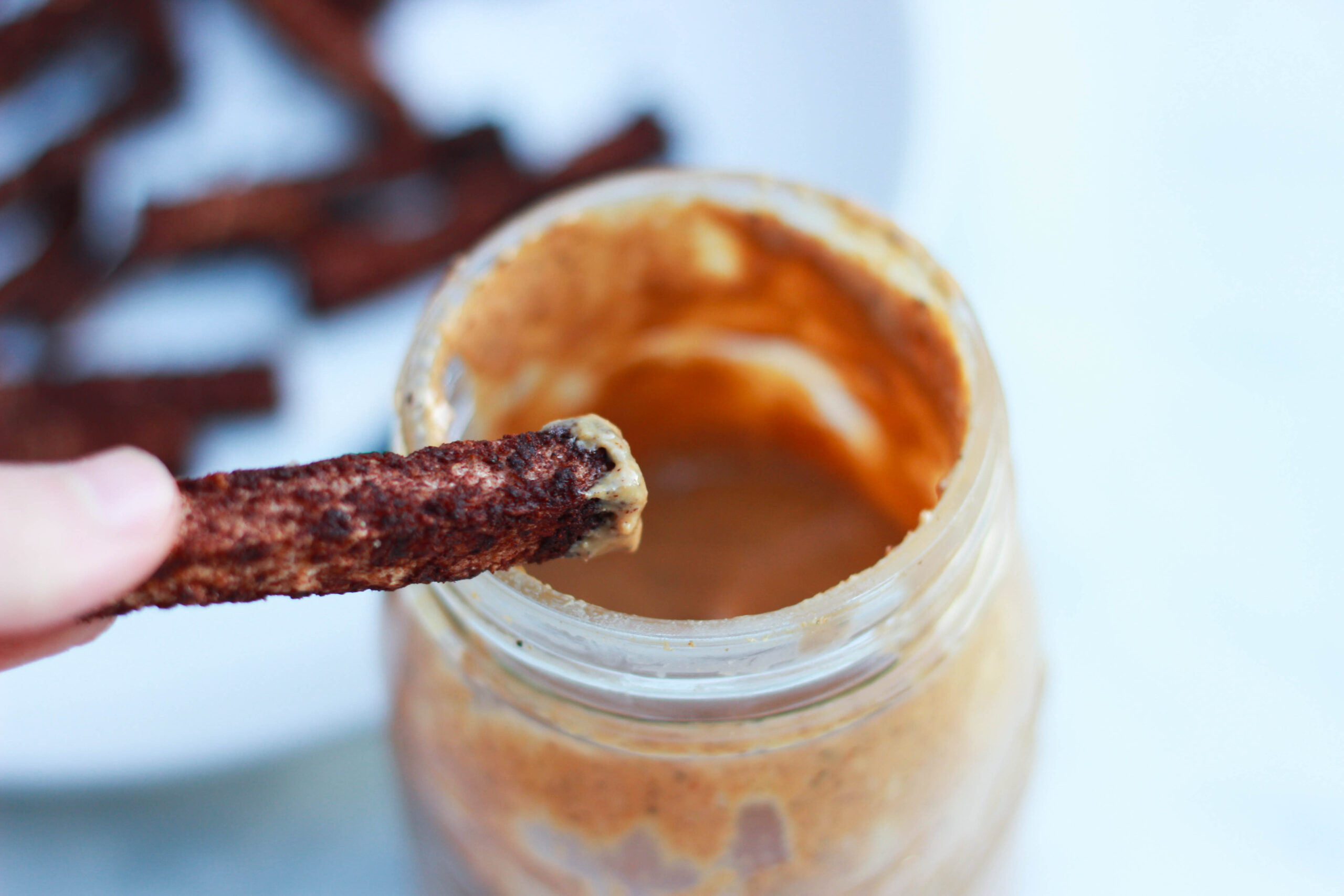
These are fabulous by themselves, but they’re also a great addition to cinnamon roasted veggie bowls. I also found that they’re delicious dipped in nut butter or drizzled with coconut butter! The sky’s the limit.
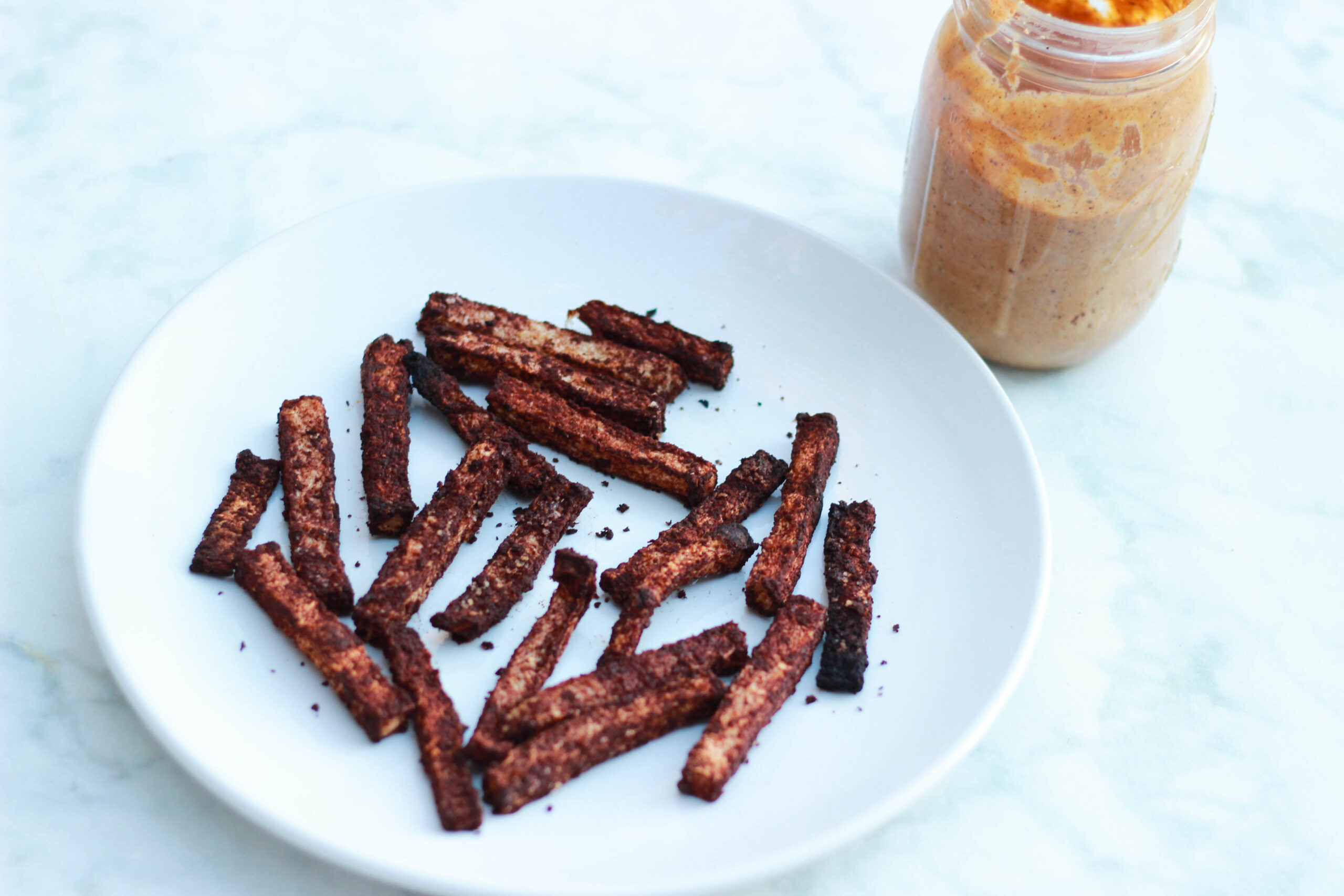
I think this recipe is another perfect example of the fact that there is a healthy alternative for truly everything. Want a churro? Here’s your sugar-free, gluten-free, dairy-free option that won’t make ya feel sick after. Plus, they’re actually HEALTHY for you. Jicama is an excellent source of inulin, which acts as a prebiotic. Prebiotics encourage the growth of the beneficial microorganisms in our guts, and you know I’m all about a healthy gut!
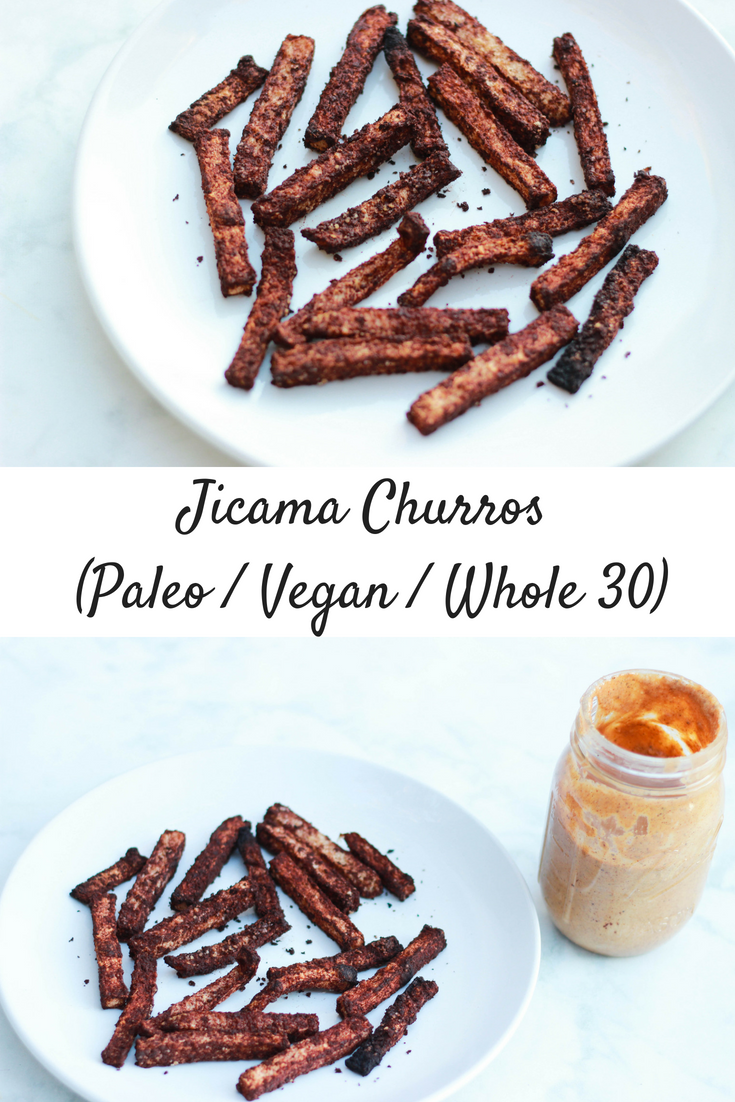
Jicama Churros (Paleo / Vegan / Whole 30)
Ingredients:
- One container of jicama sticks (I get mine pre-cut from Trader Joe’s or Whole Foods. You can also peel and cut a whole jicama.)
- 1 tbsp cinnamon (to start, but you will probably want more)
- 1/2 tsp Himalayan pink salt
- 1-2 tbsp melted coconut oil
- 1/2 tbsp vanilla
Instructions:
- Preheat your oven to 415*F and line a baking sheet with parchment paper (or prep your baking sheet any way you prefer).
- Toss your jicama sticks with the cinnamon, salt, coconut oil, and vanilla. Add more if desired. I like to keep adding cinnamon until the jicama sticks are completely coated!
- Spread the coated jicama sticks out on the baking tray so they’re not touching.
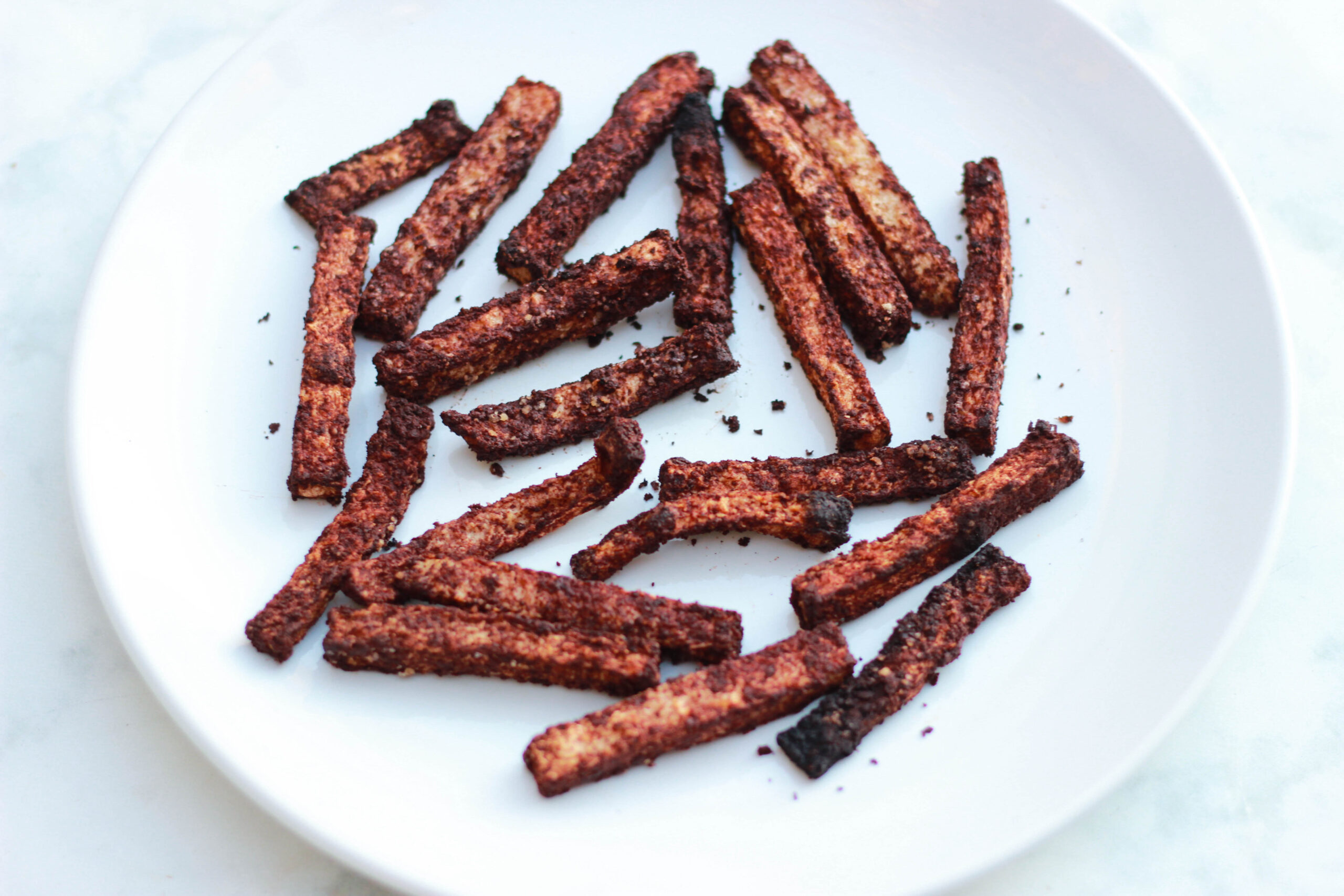
- Bake in the oven for about 30 minutes, and then flip them over. Bake for another 15-20 minutes or until the sticks start to get crispy.
- Remove from the oven and enjoy! They’re excellent dipped in nut butter and as part of a cinnamon roasted veggie bowl.

by Christina | Jul 5, 2018 | Business, Wellness
This post is a follow-up to my last blog all about what exactly a Nutritional Therapy Practitioner is and what it’s like to work with one, which you can read here. I receive a lot of questions about the NTA program itself, because I know many of my readers are also interested in becoming NTPs or NTCs! In this post, I’m going to share all of my thoughts about the NTA!
Why did I choose to become an NTP? Why choose the NTA?
There are many different schooling options when it comes to pursuing your education in holistic nutrition, but I chose the Nutritional Therapy Association for a few reasons. The reason I was initially drawn to it, before I started really even looking at different program options, was simply because a lot of people I admire in the field are also NTPs. Certain types of practitioners have similar ideologies, and I felt like my own personal philosophies surrounding health and nutrition also aligned with many other NTPs. This was a few years ago when I started to listen to podcasts, and I noticed that a lot of the podcasters I often agreed with were also NTPs. Not exclusively, but it was a trend.
Meanwhile, when my health issues were at their worst a few years ago, I saw a number of different practitioners, including different western medicine doctors, functional medicine doctors, dietitians, health coaches, and NTPs. I personally made the most progress with my health when working with an NTP, and her approach really resonated with me. She focused on addressing the root causes of dysfunction and went beyond surface-level information, and I felt like that was the type of practitioner I wanted to be someday too. My personal experience definitely biased me toward the NTA.
When it was time to actually sign up for a program, I reviewed the curriculum at a few different places. Still, the NTA was what resonated most with me personally. It was important to me to find a program that took an ancestral approach and focused on a real-foods diet, and also one that emphasized bioindividuality. I also wanted something more in-depth and “science-y” than my health coaching program, because I wanted to learn more about the body’s systems and processes. I found these things with the NTA.
The NTA focuses on a properly prepared, nutrient-dense diet and addressing root causes by balancing the body’s foundations. It emphasizes bioindividuality and the fact that every person has unique nutritional needs. I don’t believe in a one-size-fits-all approach, and I am wary of anyone who promotes that. The NTA focuses on natural healing by giving the body the proper building blocks it needs to rebalance itself. Nutrition and optimizing digestion are at the core of this – my two favorite things! The NTA takes an ancestral approach to diet and lifestyle and takes much of its teachings from the work of Dr. Weston A. Price and Dr. Francis M. Pottenger, Jr. (I’m a huge Weston A. Price fan. #FanGirl)
The philosophy about proper nutrition was the most important thing to me when picking a program. People ask me why I didn’t take the RD route, and that’s the reason why. I don’t personally agree with that curriculum, so it wasn’t the best choice for me personally. When choosing a program, I encourage you to choose what resonates most with you and will help you reach your own personal goals – don’t just do what everyone else is doing. Being an RD gives you more flexibility legally and more opportunities depending on your state. If you want to work in a hospital, that requires being an RD. Becoming an NTP does not give you a license, so keep that in mind! I didn’t want to work in a hospital, and I also am not the type of person who can sit through schooling that teaches me things I don’t agree with, so it wasn’t the best choice for me. There are a lot of truly amazing RDs out there, but it just wasn’t my path!
I also chose the program because the NTA is known for creating a strong sense of community. When you join the NTA, you really find your tribe. People who get you and have the same goal of promoting true health. No one bats an eye when you’re eating sardines and organ meats, geeking out over flavors of ghee, spreading 50 essential oils out on your desk, testing out digestive bitters, and carrying around a container of supplements and travel olive oil. We’re all health geeks. The NTP program really bonds you with your classmates – you can’t practice functional evaluations on each other for hours on end without major bonding. Everyone is incredibly supportive and helpful, and everyone wants each other to succeed. It’s a really positive learning experience. Basically, it’s a great place to make lifelong friends!
The length of the program was another contributing factor regarding my decision to join the NTA. The NTP program is only 9 months, which is much faster than many other options. I loved that it was a shorter program because I was antsy to get my certificate! It does squish a lot of information into a short time period, but that worked for me. I was on the quarter system in college. ;P
My other main option was Bauman College, which is a longer program. I believe Bauman has slightly different nutritional philosophies than the NTA, but still very similar. I have many close friends who have graduated from Bauman College and absolutely loved it! It’s another great option, and they have a distance (online) option or in-person schooling where you’re in an actual classroom. Bauman also gives each student a mentor that they check in with throughout the program, so if you would like a longer program with more 1:1 attention, or would prefer an in-person setting, that could be a great fit for you.
Again, when it comes to choosing a program, pick what is best for you! There are many different options for nutrition programs, and there’s no “right” or “wrong” answer. Some people want to be licensed as an RD or CNS, others would rather pursue a health coaching certification, others want to pursue Chinese medicine or become a functional medicine doctor…. there are many paths to take!
What’s the difference between a health coach and a Nutritional Therapy Practitioner?
Definitions: A health coach is a coach who helps clients reach their health goals through food & lifestyle programs, which is also a main component of being an NTP. NTPs are trained to make nutritional recommendations to balance the body, as well as perform the functional evaluation to evaluate clients’ imbalances and nutrient deficiencies.
Prior to becoming an NTP, I was certified as a Primal Health Coach. There are many different health coaching programs, and I personally loved my health coaching program! I highly recommend it to others. Based on my personal experience and the experiences of friends and colleagues who have also been certified as health coaches, the NTP program is different from health coaching programs because it goes much more in-depth about the body and it’s processes. From my perspective, it’s more “science-y.” Health coaching programs typically teach you the “what,” and the NTA taught me the “why.” We’re also taught about nutritional supplementation, which I don’t think most health coaching programs cover. Additionally, we learn the hands-on Functional Evaluation. I saw the NTA as my continuing education past my health coaching program. The NTP program was also more work than my health coaching program.
In terms of the types of clients you see, most health coaches are typically helping clients with things like accountability, weight loss, basic digestive discomfort, stress management, clearing up skin, and the like, while NTPs tend to work with those types of clients as well as those who have more complicated cases or chronic conditions. That’s definitely an over-generalization, to be clear. Every practitioner is different, and you definitely can’t assume what type of clients someone sees based on their title. For the purposes of this blog post though, I’m going to make the generalization that NTPs typically see a wider variety of clients, probably because we learn about a wider variety of conditions.
Also, a key difference is that being a health coach doesn’t allow you to sit for the exam to become board certified in Holistic Nutrition, which is a goal for many NTPs. The NANP (National Association of Nutrition Professionals) has a list of programs that can be used as prerequisites to sit for the board exam, and the NTA program is one of them. This is probably because the curriculum of most health coaching programs isn’t as in-depth as other programs. So if you want to become Board Certified in Holistic Nutrition, then you would need education beyond a health coaching program.
How does the actual program work?
The NTA program is 9 months long, and almost all of it is done online. For each module, you’ll get video lectures, audio lectures, PDFs for notes, required reading, quizzes, and essays. You also have to do book reviews on a number of outside books (most of which have become some of my all-time favorite books). You also have regular video conference calls with the other students and your instructors to talk about the content modules.
I get a lot of questions about the workload. I’m sure everyone has a different opinion on this, but I think the work can be pretty overwhelming because it can be time-consuming to get through everything. It’s important to stay organized. Before I did the program, people told me it wasn’t that much work, so I was a little surprised when I saw everything we were supposed to do. Then I started to realize that when it comes to the workload, it really just depends on what you choose to do. Like any type of education, people make different decisions about how much they’re going to put into it. The truth is that you can get through the program without doing all of the work “full out.” You could ignore the readings, for example, but you’re going to get more out of it if you complete everything. The amount of effort you put into the program is going to correspond to how prepared you are as a practitioner. It’s like college – there are some people who do EVERYTHING they are assigned and feel like they have a lot of work, some who do NOTHING and say it’s a piece of cake, and some in between. I think most people in my class (myself included) were pretty Type A, though, so many of us felt like there was a lot of work to be done.
Because the work could be overwhelming, I know a lot of us decided to just complete what we needed to get done to meet due dates, and then we went back later when we had more time to really go through the material. I definitely had to prioritize things, and I didn’t get a lot of the reading done on time. I think that if I didn’t have prior knowledge going into the program, this might have made it much more difficult. I think that someone who doesn’t have a prior background in nutrition / health education would probably need to make sure they completed more readings on time.
I went back and caught up on what I missed after things were due, but I honestly didn’t like not finishing everything on time. I’ve always been an overachiever in school, and this was the first time I ever got this behind on schoolwork. Obviously I turned in everything that was mandatory when it needed to be turned in, but I was late on the things that weren’t “checked.” That probably wouldn’t bother a lot of other people, but it bothered me because I’m used to being so punctual with everything! I had to be really disciplined with time management. It’s nice because there is plenty of flexibility with when you turn things in, but that also means that you need to hold yourself accountable so you don’t leave EVERYTHING until the last minute! If you have a full-time job, you’ll need to spend nights and weekends studying. That being said, you’ll probably end up overstudying (we all do) for the exams, but it’s worth it. If you are only focusing on the NTA and don’t have a full-time job at the same time, I don’t think you need to worry at all when it comes to time management.
I’ve been asked how many hours a week someone would need to dedicate to the course, and again, that depends. It depends how long it takes you to do readings and write some essays (these are short essays, so don’t be intimidated!). There are some things you can’t “speed up,” though, like video lectures, audio lectures, and conference calls. For instance, I always blocked out a full day each week to watch all of the video lectures, and sometimes I needed a second day as well. On those days, the only thing I did all day was watch videos. Then you can expect another 3 -4 hours for audio lectures (although again, it varies based on the module), an hour and a half for the conference call, and the time it takes you to do your readings for each module. You have required readings and then the outside readings for book reviews, which are regular “books.” I would pace out your outside readings so that you’re reading about one book a week / every two weeks, and that will keep you on track. The outside readings took me less time than the “required reading” – I’m a slow reader when it comes to things like anatomy. I only needed about an hour total each week to complete the quizzes and essays. Again, that was my own experience, and it’s different for everyone!
I was able to complete the program, but not able to do EVERYTHING on time, and my “commitments” at the time included my daily job meeting with clients, hosting two podcasts, writing my blog, running my Beautycounter and doTERRA business, and traveling A LOT. You can make it work! I had a lot on my plate…and if I can do it, you can definitely do it! I have an untraditional job in terms of my schedule, so I fit things in at strange times, and sometimes would have weeks where I didn’t do any NTA work and then weeks where ALL I did was NTA work. I’ve chatted with some of my friends who have more traditional schedules (working 9-5), and most of them said they just would have to study after dinner until bed and then spent the weekends doing work as well.
If you’re in the NTP program, you have three in-person workshop weekends (3-4 days long each), as well. These workshops are very long and exhausting – the first weekend I was not expecting to be as tired as I was. They are draining physically and emotionally. This is when you take your exams and learn the Functional Evaluation, and it’s also when you get to meet everyone in person! Like I said, this is where the real connections form. I was literally sobbing on graduation day.
Before I went into the NTP program, something I didn’t realize was how much the program is focused on the body’s systems, the Functional Evaluation, and learning to figure out the best supplements for different clients. I expected there to be a lot more about actual food and nutrition than there was. That’s where my prior education really came in handy. Also, every class is a bit different depending on the instructor and what the instructor chooses to focus on when they’re teaching. I personally didn’t realize how much emphasis was put on the Functional Evaluation in the course (I honestly didn’t even know what it was when I signed up), so I wanted to mention that here.
I’ve gotten asked if I think it was worth it to become an NTP instead of an NTC. For me, it was, even though I won’t really use the Functional Evaluation in practice very often since my clients are all online. However, I think knowing the FE and how to LNT for supplements are incredibly helpful skills to have. I also am really glad I had the workshop weekends with my peers and instructors in real life, instead of everything being online.
Also, I just want to mention that the NTA is completely redoing their courses. I feel bad because, taking that into consideration, I’m not sure how much this will help. For all I know, the course will be entirely different next year! But this was the experience I had in 2018.
Any tips for anyone starting out in the course?
Yes, a few.
- Don’t leave everything until the last minute. Be organized and stay on top of things! Make flashcards as you go, and study as you go. Even though there aren’t “strict deadlines” until workshop weekends, pretend there are so that you stay on track!
- Finish your practice client folders BEFORE the week of your workshop weekend so that you’re not stressed out about it and can focus SOLELY on studying for your exams. I recommend meeting with your practice client sooner rather than later!
- Listen to the audio lectures. They were “optional” for us, but so many of the essay answers were in the audios, and there is a ton of really useful, important information in there as well. I personally felt like I learned more from the audio lectures than the video lectures.
- Use part of your winter and spring breaks to do NO work for the NTA. Breaks are a great time to do catch up work, but you need some time to NOT THINK about nutritional therapy. Give yourself a true break and THEN use the rest of the time to catch up!
- Don’t be afraid to hop right in and chat with people at your workshop weekends. You only have three weekends together, and the time is going to fly by. No time to be nervous! Start bonding!
What job opportunities can you get as an NTP?
There are a wide variety of job opportunities available for NTPs! You can start your own practice, of course, but there are many other ways to use your certification. You can join an already existing practice and work alongside another practitioner like a doctor or acupuncturist, you could work as the nutritionist for a fitness center, you could be the on-staff nutritionist for a food brand or food company, you could write a book, start a blog or podcast, make a YouTube channel, you could become a personal chef, you could do nutritional consulting for restaurants or other businesses, you could work for the NTA itself, you could do any type of recipe development or food product development, you could consult for schools, write for a magazine or online publication, or look for other related jobs in nearby wellness centers. There are a lot of possibilities – you just have to think outside the box!
Being an NTP is a part of my business in many ways. Obviously, I have my own practice, but I also have a group coaching program (the Paleo Women Lifestyle Program), develop recipes and write health related articles for my website, and host a podcast (Wellness Realness). Like I said, there are many different routes you can take, and some people don’t even make it a career path at all. Some people just want the information for themselves and their families! There is no “right” way to do it, and no requirements!
I hope that gives a helpful overview of the NTA and what it’s like to become an NTP. I really do recommend the program, and I am so glad I did it! You’ll learn a lot about health, but also about yourself. Like I said, it was the best learning environment I have ever experienced. There was plenty of autonomy, but also plenty of support. The instructors want you to succeed and will do everything they can to make sure you do! Looking back, I definitely would not have changed my decision. If you have any further questions, feel free to leave them below!
