
by Christina | Jun 29, 2017 | Wellness
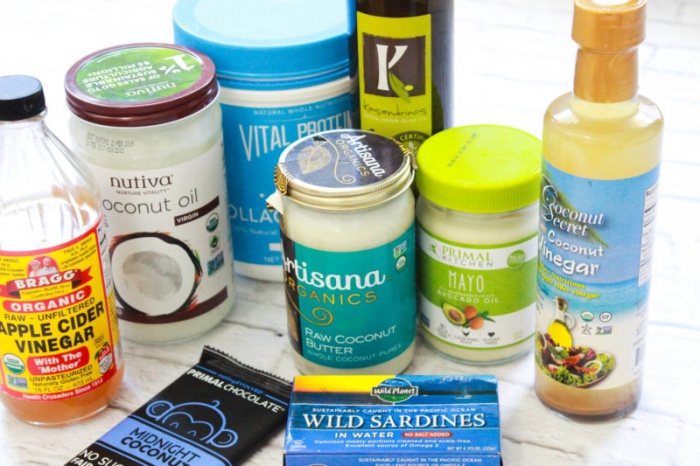
I’ve been planning on writing a post about my pantry staples for awhile now, and I thought it would be pretty simple. Turns out… it wasn’t.
It’s honestly laughable that I thought I’d be able to quickly bust out a list of 4-5 things that are my staple pantry items. Unfortunately, that’s just not Christina-style. I am not a minimalist. I am so indecisive, which sometimes makes no sense to me considering how opinionated I am. When I tried to grab my “staples,” I had about 35 things out in front of me. Typical.
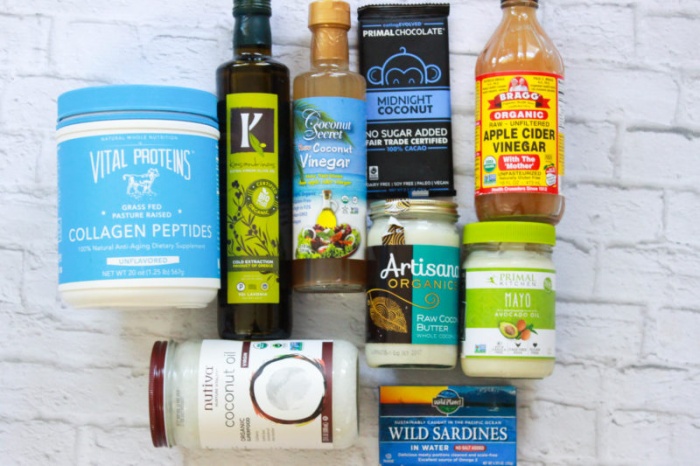
I narrowed it down, though, and I did eventually settle on a list of my favorite pantry items that I always keep on hand. Since I love to cook and bake, and because I create a lot of recipes for my blog, I have a bigger “staples” list than the average person needs. I will let you know at the end of this post which items I think are ABSOLUTELY necessary for everyone to have in their kitchen – bare minimum. I, however, am a bit more high maintenance than the bare minimum…
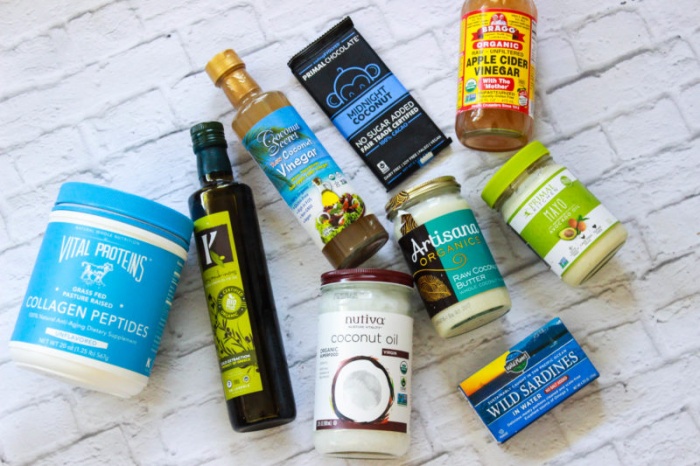
This will include both regular, everyday cooking staples as well as baking staples. I like to stay stocked up just in case of emergencies. You never know when the urge for a baking sesh is going to pop up! All of these items make it easy for me to follow a paleo, gluten-free, dairy-free diet. If you’re new to the paleo lifestyle, this can be a great list to inspire you to stock up your own kitchen! And if your diet is high-fat, you’ll especially love these picks.
I get most of my pantry staples from Thrive Market, which I’ve talked about before. I love Thrive because they have most of the brands I love most, and it’s much cheaper than getting things at the store. Plus, I’m lazy and like to have it all delivered to my door. Especially when I’m doing a full pantry re-stock… that’s a HEAVY load! I end up saving a ton of money every year from having a Thrive membership, so it’s well worth it. I’m all about ease, convenience, and saving cash! If you buy through this link, you can get a free jar of almond butter with your first order! (That almond butter happens to be on this pantry staples list… just saying.)
If there is something that I can’t get on Thrive, I usually order it through the company’s specific website or Amazon. If I really need it right then, I’ll go to Whole Foods! I’m the type of person who always has to have an immediate backup on hand, though. I don’t wait until I’m out of something to go get it. Maybe that’s paranoia, but maybe it’s just me trying to stay as stress-free as possible. You decide.
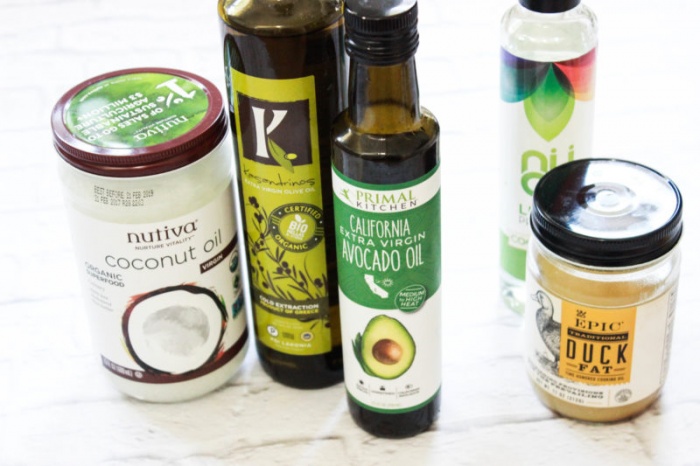
The most-used section in my pantry is the cooking oil section. I switch up my oils depending on what I’m cooking and how high of heat I’m cooking it in. If you haven’t read my blog post about the cooking oils you should be using and why, you can read that here. I also like to switch up my cooking oils just for different flavoring! All of these oils have different properties that will benefit your health, so try to switch it up instead of just sticking to one!
- Coconut oil is the oil I use most often. I use coconut oil to cook at high temperatures. I also put it in smoothies, use it as a moisturizer on my legs after I shave (separate container for this), oil pull with it every morning, use it to make coconut oil fat bombs, and more. I also just spoon it when I need energy/when I’m hungry. I’m not too picky about brands, but I tend to buy Nutiva or Dr. Bronner’s.
- Liquid coconut oil is something I always have just for convenience. During summer my coconut oil is usually melted, but when it’s not hot out, sometimes I’m too lazy to melt my own coconut oil first! I like Nuco the best. If you bake a lot, this will definitely come in handy.
- I also always keep Primal Kitchen’s Avocado Oil on hand. This is what I coat my cast iron skillet with. I use it on salad dressings and for high heat cooking, as well. (If you buy it through the Primal Kitchen website, you’ll get 10% off if you use the code “ADDICTEDTOLOVELY” at checkout.)
- I also like to keep duck fat in my pantry because it tastes amazing. I love cooking eggs and other meats in this.
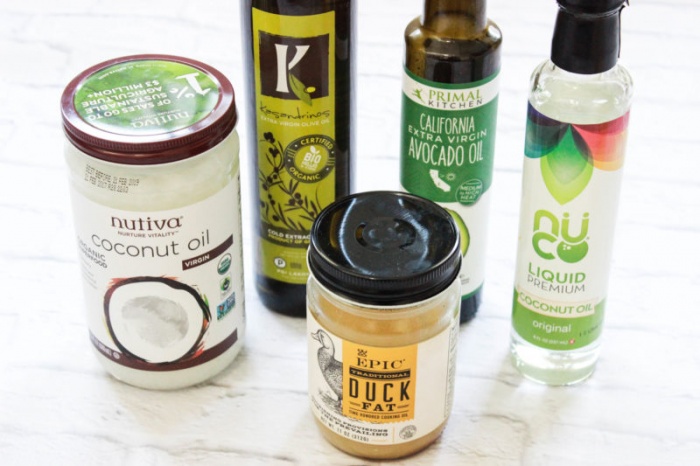
- My favorite olive oil is from Kasandrino’s, which I get directly from their website. I’m extremely picky about olive oil because most olive oils are secretly cut with vegetable oil. I trust Kasandrino’s, so I buy this in bulk and always keep it in my kitchen.
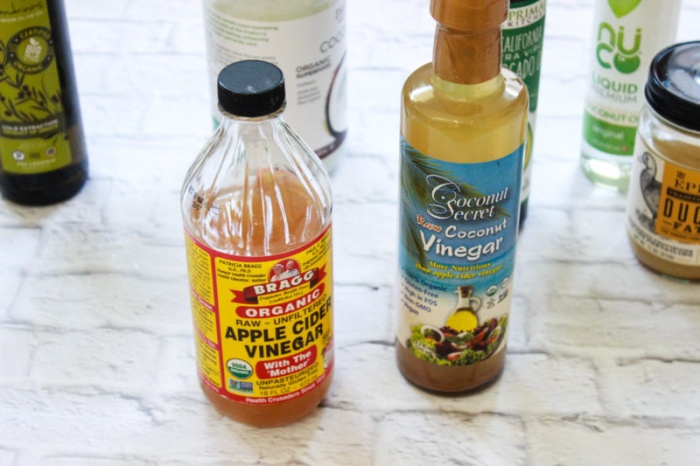
When it comes to vinegars, there are two I always have on hand. Both of these are safe for healing diet protocols (like Candida / SIBO diets), so they always work for me.
- Apple Cider Vinegar is one thing I cannot live without! I drink it every morning to help aid in digestion and increase my stomach acid, and I love to use it in salad dressings and marinades. I also sometimes use this as a facial toner! Make sure you get organic, raw, unfiltered ACV with the mother.
- Coconut Vinegar was something I didn’t discover until about 2 years ago, but it has been a staple in my kitchen ever since. Game changer, right here. I use it on my salads every day. When I run out of ACV, I’ll drink this. It has a less intense taste than ACV, so more people can stomach it! If you don’t like the taste of ACV, I recommend trying this out.
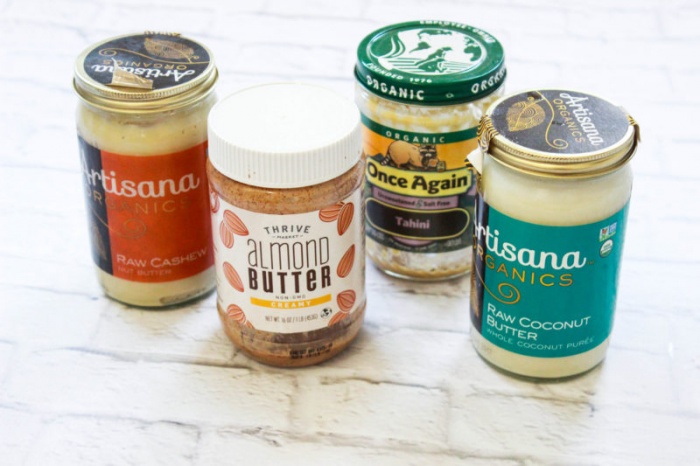
Trying to narrow down nut butters was a huge challenge, but these are the four that I use the most. I don’t always use these specific brands, but these are the brands I do usually buy. My requirement for nut butters is that the only ingredient is the nut. I don’t like any added salt, and definitely no added oils!
- I always keep almond butter on hand because, I mean, it’s almond butter! You can use it in smoothies, on top of smoothies, to dip fruit or veggies in, for baking, and so on. I love Thrive’s creamy almond butter, or any other raw/plain almond butter I can find. Artisana, MaraNatha, 365, and Trader Joe’s all have great options.
- Raw Coconut butter is the nut butter I use the most. It hardens on smoothies and ice cream like a shell, and it literally tastes like dessert. It’s also a really important ingredient for baking, because it makes things thick and creamy! I eat this by the spoonful every single day. My favorite is Artisana, but sometimes I use Nutiva.
- Cashew butter is my favorite nut butter. I like it on smoothies, in smoothies, on baked goods, by the spoonful, etc.
- Tahini is truly my weakness. You can use tahini like any other nut/seed butter, but I love drizzling it on roasted veggies. It’s unbelievable.
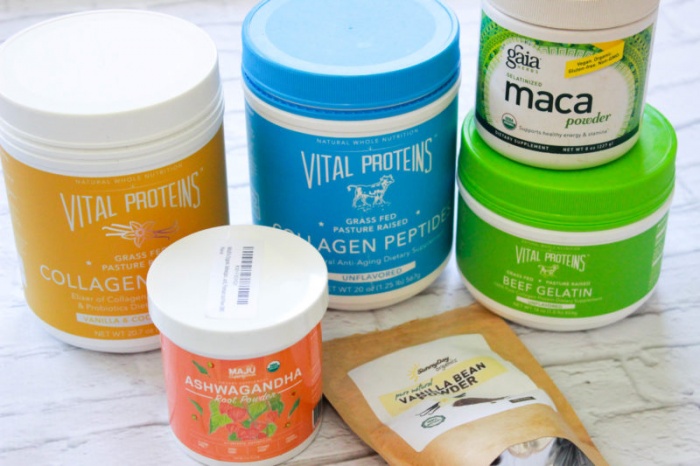
Next up are my “powders.”
- Collagen is a staple in my diet, as I’m sure you know by now! Be sure to read my post all about why I love collagen so much and all of its health benefits, which you can find here. I always keep the Vanilla-Coconut, plain collagen peptides, and beef gelatin on hand. I use them in a ton of my recipes, and especially as a protein powder replacement!
- I always keep ashwagandha in my pantry because it’s the one adaptogen I’ve always seen noticeable results with. It’s great for easing anxiety and calming you down. I’ve used this to help with my adrenals for a few years, and I truly love it. I’ve been using Maju recently, and you can use the code “ADDICTEDTOLOVELY” for 10% off if you want to try any of Maju’s products! (I also love the Maca!)
- I keep vanilla bean powder in my pantry for baking or smoothies. I don’t like to use vanilla extract because it often has other additives, but the vanilla bean powder is completely pure and can be used even if you’re on a Candida protocol.
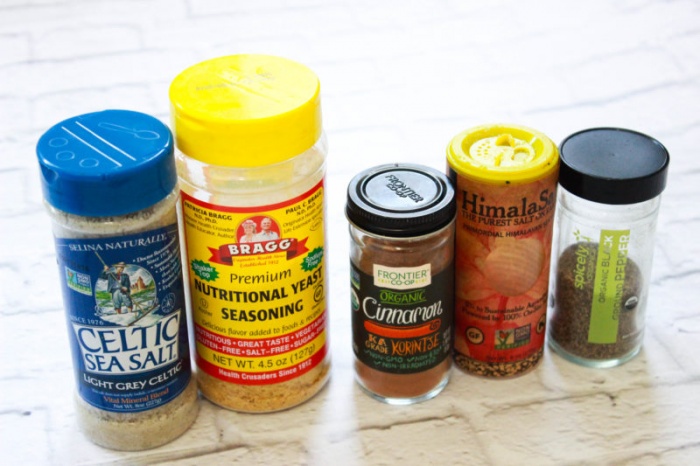
In terms of spices and seasonings, I’m keeping it really basic. When I first wrote this list I included a lot more spices, but I realized it was getting out of hand. These are good starters.
- I always have Himalayan Pink Salt and Celtic Sea Salt. I cook everything in salt, and healthy salt (not typical table salt at restaurants!) is extremely important to include in our diets! Definitely read my post about why you shouldn’t fear salt, which you can find here.
- Black pepper is just another basic. Put salt and pepper on anything – you can’t go wrong.
- Nutritional yeast is the trick of the trade. It has a cheesey flavor and is vegan-friendly. Plus, it’s filled with B vitamins!
- Cinnamon is something I truly cannot live without. It’s amazing at balancing blood sugar, and it’s one of my favorite natural sweeteners. I love using this for my cinnamon roasted veggies, of course, but also in smoothies, baked goods, and to spoon with coconut oil.
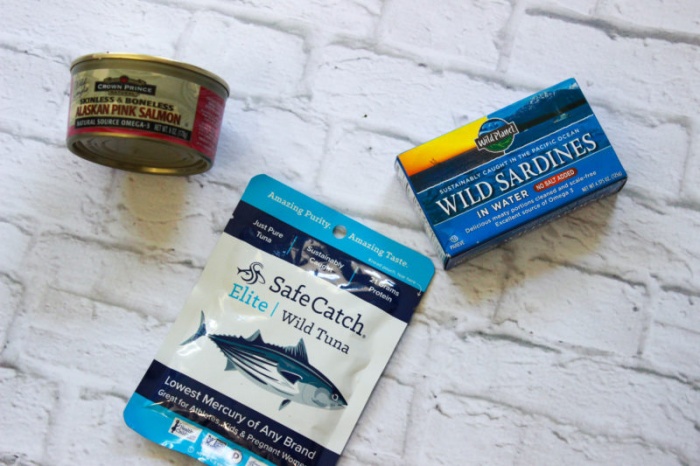
I always keep canned fish on hand in case of emergency. Canned fish is perfect for traveling, especially on airplanes, or for a quick snack. I like to keep canned wild salmon, wild sardines, and SafeCatch tuna in my pantry. SafeCatch is a great brand because it’s the lowest in mercury when it comes to tuna – such a trustworthy company. When it comes to sardines… more people need to add them into their diets! They are incredibly nutrient dense, and I personally love the taste.
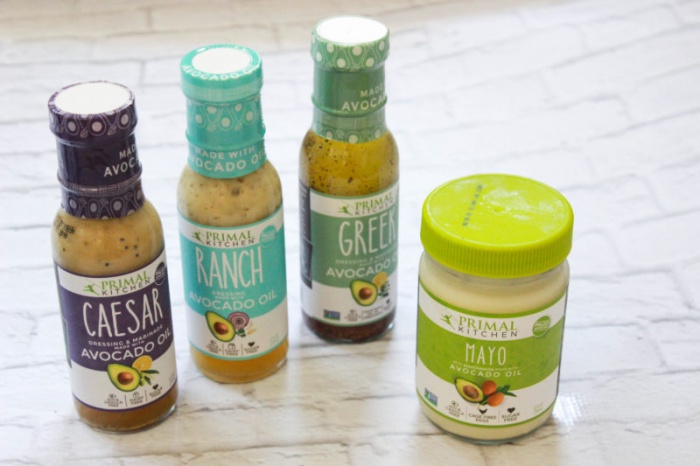
The only pre-made salad dressings I personally buy are from Primal Kitchen, and they are incredibly delicious. They’re all paleo-friendly, of course. My three staples are the Caesar, Ranch, and Greek. I could live off of these! They’re not just for salads… I like to put them on salmon or other fish, or just on roasted veggies. The ranch is also amazing on my cauliflower pizza crust!
The Primal Kitchen Mayo is a must-have. I cannot explain to you how delicious this is! I’m truly addicted. Mayo is incredibly versatile and can be used in so many recipes. I got my dad hooked on this. It’s great on burgers and in salads, but the best combo is with wild-caught salmon and roasted cauliflower. NOM.
(Again, if you order any of these through the actual Primal Kitchen website, use the code “ADDICTEDTOLOVELY” for 10% off!)
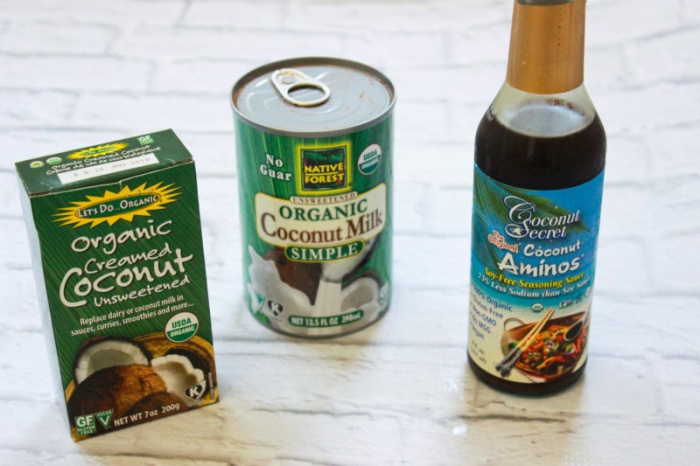
There are a few other coconut-related products I always have to keep on hand.
- Coconut cream is something I use quite often for baking. It’s a really great way to thicken sauces or to make paleo frostings. It’s also perfect to put in smoothies if you want them really thick and creamy. I also love to make fat bombs with coconut cream!
- I always have canned coconut milk for cooking, baking, smoothies, chia puddings, or any other recipe I need a milk replacement for. You can use it in sweet or savory dishes, and it’s better than nut milk because it’s thick. Most canned coconut milks have guar gum in them, which I avoid. Look for an organic coconut milk with no guar gum and no other added ingredients besides coconut and water.
- Coconut aminos are definitely a staple in my kitchen! These are the perfect soy sauce replacement, and I love adding them to pretty much any asian-inspired dish. You can also use this as a marinade – great on salmon!
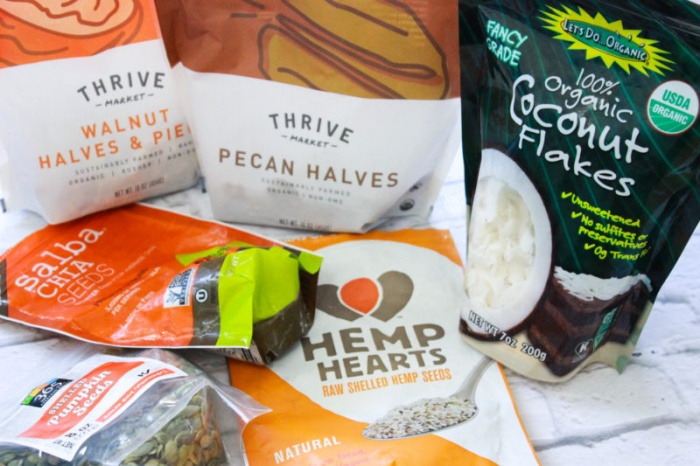
I also keep a collection of nuts and seeds on hand for snacks, smoothie toppings, and baking!
- My favorite nuts to keep on hand are almonds, pecans, and walnuts. I always choose organic and raw nuts.
- Coconut flakes are very necessary in my kitchen! They are my favorite smoothie bowl topping, great for a snack, and perfect for baking.
- I also love to keep pumpkin seeds and hemp seeds in my pantry. Both have high amounts of plant-based protein, and seeds tend to be easier on my digestion than nuts.
- I also always keep chia seeds and flax seeds in my pantry. These are great thickeners for smoothies, and you can also make chia and flax puddings with them! They’re also great egg substitutes in baking.
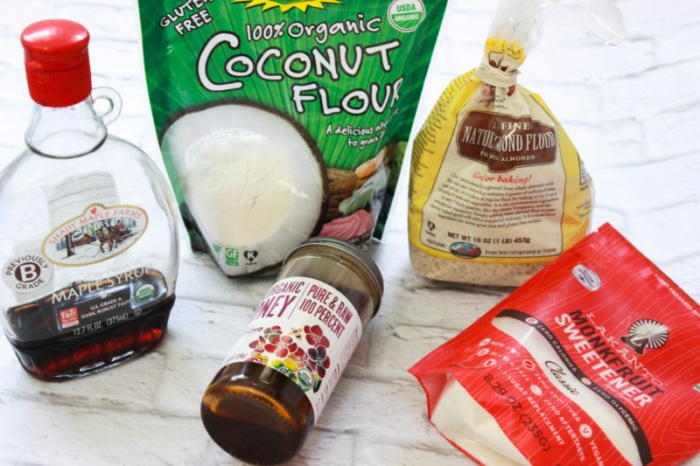
There are a few things I always keep stocked on my baking shelf, just so that I always have the basics available. You never know when a paleo cookie craving is going to strike!
- Coconut flour and almond flour are the two types of flours I use for baking. If you like paleo treats, always keep these on hand!
- Organic, pure maple syrup and raw, organic honey are usually my sweeteners of choice in baked goods. I’m really particular about these, though! I would never use honey out of a Bear-shaped jar. You know what I’m talking about. And Aunt Jemima’s is off the table! Make sure it’s organic and pure, and you’re in good shape.
- I also always keep either coconut sugar or Lakanto’s Monkfruit sweetener on hand. I like to use coconut sugar in place of brown sugar, and the monkfruit in keto/low-carb friendly recipes.
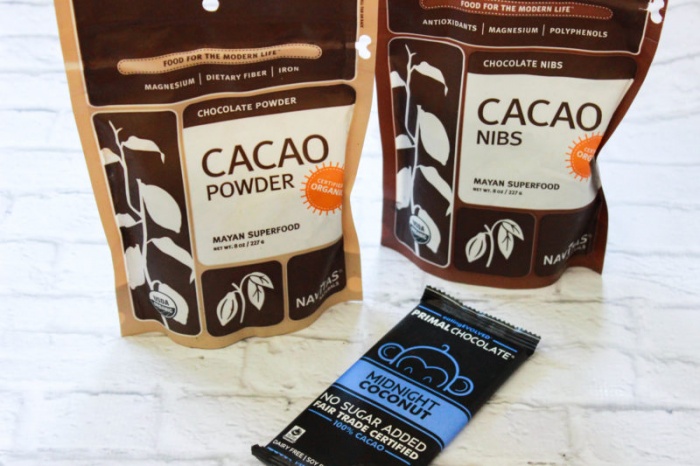
In terms of chocolate, this is what I ALWAYS have available:
- Organic cacao powder is full of antioxidants and is great for baking, hot chocolate, chocolate smoothies… you get the idea.
- Organic cacao nibs are also full of a ton of antioxidants and offer the same health benefits as cacao powder, just in nib form. They’re a great replacement for chocolate chips and one of my favorite toppings for pretty much everything! If you haven’t tried cacao before, you’ll have to get used to the taste. It’s bitter compared to the chocolate you’re probably used to. This is real food people. Not Hershey’s.
- I always keep a bar of 100% cacao on hand. I know not everyone likes pure cacao, but I am certainly a purist. I love extremely bitter chocolate. Eating Evolved also has lower percentages of dark chocolate if you can’t handle 100%, but I love their Midnight Coconut because it has some coconut in there, too! This is great for baking or just snacking on!
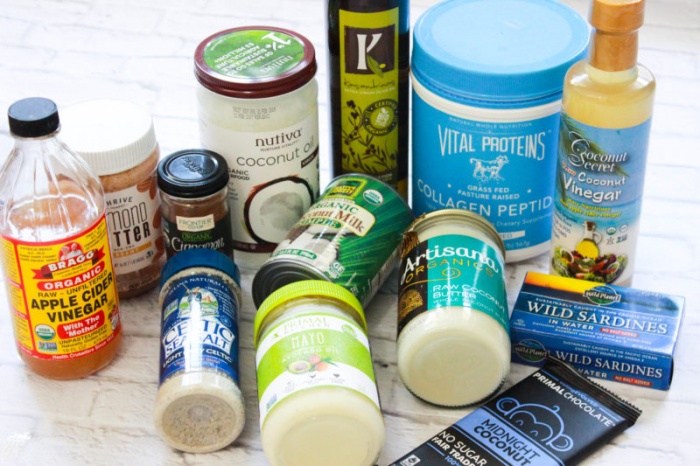
Those are my personal staples! I might do a follow-up post with the others that I do like to have in my pantry but that didn’t make the cut for this post because of the length, so let me know if you’d like to see those. Since I promised to tell you my absolute bare minimum staples, those would be:
- Coconut oil
- Olive oil
- Himalayan pink salt
- Apple Cider Vinegar
When I’m traveling, those are the four things I always bring with me, because I truly cannot live without them!
Do you have pantry staples that aren’t on this list? I’d love to know what you can’t live without!
SaveSaveSaveSave
SaveSave
SaveSaveSaveSaveSaveSaveSaveSaveSaveSaveSaveSaveSaveSaveSaveSave
SaveSaveSaveSave

by Christina | Jun 23, 2017 | Wellness
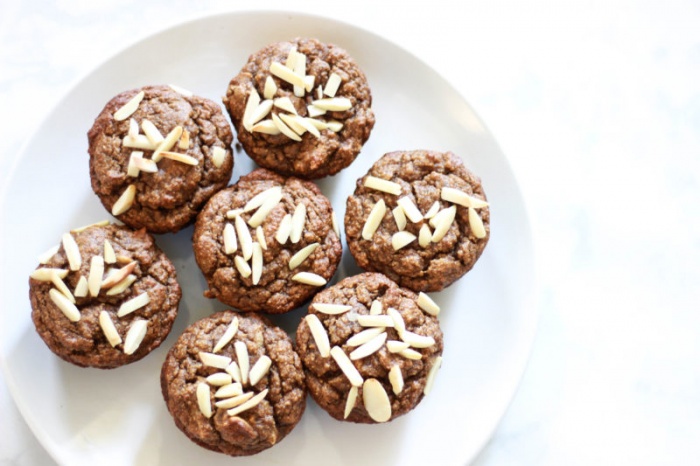
This week is Mind Body Green‘s No Sugar Week, and it has caused a lot of controversy on Instagram. I’ve been biting my tongue all week, but that didn’t last long. I really want to share my thoughts on the topic because I have been genuinely confused and frustrated because of people’s reactions.
When I first heard about MBG’s No Sugar Week, I really didn’t think twice about it. People go on sugar detoxes all the time! Whole 30s are huge. Mark Hyman’s 10 day sugar detox is huge. Diane Sanfilippo’s 21 day sugar detox is huge. There are so many sugar detoxes everywhere… so MBG’s didn’t really feel out of the ordinary.
Suddenly, though, I saw negative responses popping up all over social media. People were really upset over MBG’s No Sugar Week. Like, extra upset. The first day, I was extremely confused by this because of all of the other popular sugar detoxes that have been around for some time, as previously mentioned. Why was this one in particular causing so many complaints? I felt like I was missing something, so I obviously tried to figure it out.
After watching a number of people talk about their problems with MBG’s No Sugar Week, I had a better understanding of their points of view. However, I am still confused about why this no-sugar-week has caused such an uproar while so many others receive minimal attention. It seems very random. Kind of like the attention toward that silly article saying that coconut oil is unhealthy for you. The American Heart Association has been spreading lies for years and putting out ridiculous articles for quite some time. Why did that one get so much attention? I can assure you, coconut oil is healthy. Don’t worry about it. Moving on.
All I can conclude is that this No Sugar Week made people upset because Mind Body Green is hosting it, and MBG gets a ton of publicity and is one media outlet that the entire health and wellness community pays a lot of attention to, no matter what your dietary philosophy is. I’m going to assume that’s what made this one stand out.
Now, let’s discuss the arguments against No Sugar Week. In short, a lot of people were saying that they don’t agree with limiting fruit consumption. That natural sugars shouldn’t be limited. Some have claimed that we need fruit in our diets in order to be healthy. Some people were saying that No Sugar Week might trigger eating disorders and food fears. That this is promoting dieting, and shaming people for the food they eat.
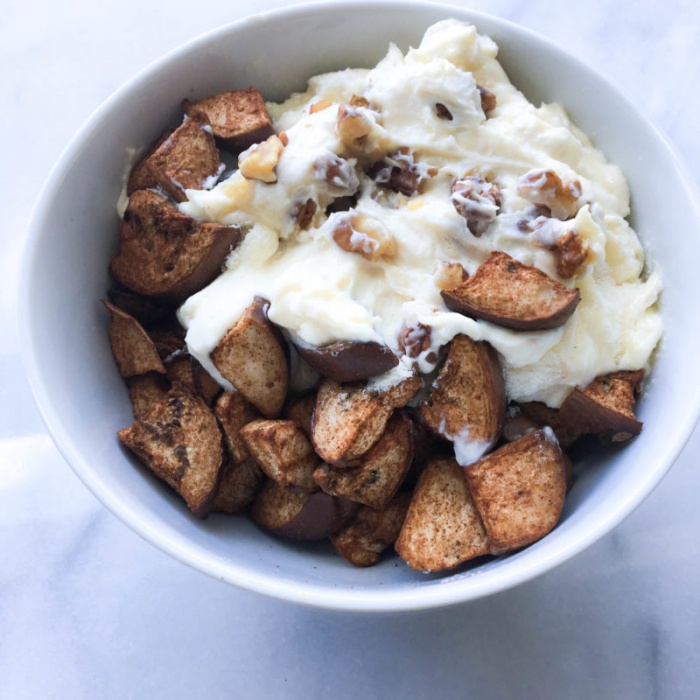
To be clear, let’s talk about the guidelines of No Sugar Week. It’s very simple. MBG says that for one week, anyone participating pledges not to consume any added sugar of any kind (maple syrup, honey, coconut sugar), but sugar from fruits is okay in limited quantities.
One.
Week.
One week, guys. It’s not a lifetime! I have never heard anyone shame Whole 30 the way they have shamed MBG’s No Sugar Week, and 30 days is much longer than 7 days.
The other thing is, MBG is not forcing anyone to do anything. Like any other sugar detox / diet reset, this is completely optional. Basically, if someone wants to do it, this offers a way for them to try out reducing their sugar consumption with the support of a community, a hashtag to find recipe inspo, and other support methods. If someone doesn’t want to do it, then they certainly don’t have to.
I want to go back to what I said before. I have never heard anyone shame Whole 30 the way they have shamed MBG’s No Sugar Week.
That is what a lot of these arguments have come down to. Shaming. I hate to say it, but it’s how I feel. I am not personally participating in MBG’s No Sugar Week, but I am on a no-sugar diet to heal my gut right now, so I take the attacks personally. I also know from working with clients, and from personal experience, how much sugar consumption can affect someone’s health and well-being, and I can’t help but think how the hate on NSW is making all of those people feel.
People are arguing that NSW (No Sugar Week) is shaming people who eat sugar, but all of the responses to NSW are shaming the people who are choosing not to eat sugar for a week.
I don’t think that’s cool.
People have the right to consume or not consume any foods they want. We all have the right to OUR OWN bodies. More than that, though, how can you shame someone for doing something that can jumpstart them into healing their bodies?
This cuts to a deeper issue of health shaming that I have seen too often on the Internet recently. Orthorexia is on the rise, and it is dangerous when someone’s lifestyle becomes “too healthy” and leads them into disordered eating. There is no such thing as a perfect diet, and it is certainly dangerous when someone is trying to achieve a “perfectly clean” diet.
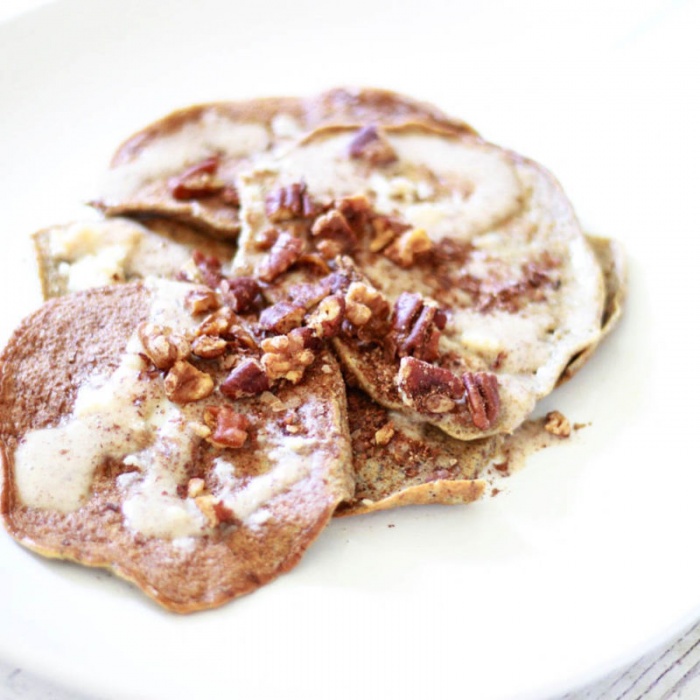
However, eating healthy should not be shamed. In response to the rise of orthorexia, a lot of people have started to shame generally healthy eaters. People are using orthorexia and other eating disorders as an excuse to make people feel bad about choosing foods low in sugar, for example, over cookies and brownies. In other words, the pendulum sometimes swings too far the other way. No one is ever satisfied. There are people who are making others feel bad if they don’t eat a cookie and ice cream every night after dinner, and that’s not fair either. There are people on the Internet who are making others feel like they have to prove they aren’t “afraid” of certain foods, and that if they don’t, they’re somehow less than or disordered.
There is a fine line between stepping in when someone’s behaviors are truly disordered and dangerous, and unfairly judging someone for eating what makes them feel their best. It’s difficult because the difference is somewhat subjective. Having struggled with orthorexia, I understand the line from personal experience. There is a difference between not eating a food because you are afraid of it and not eating a food because you know it doesn’t support your health or makes you physically feel like garbage. Someone might think that not wanting to eat dessert is disordered eating, but I think it very much depends on the situation. It’s not so black and white. Maybe someone who doesn’t want dessert is struggling with disordered eating, but there’s a good chance they’re also not. Maybe they just don’t want dessert.
The line is fuzzy. Unless you’re giving diagnoses, it’s probably not fair to make that serious judgment so “officially” toward such a broad spectrum of people. I think that being aware of health shaming is very important. No one should ever feel guilty for wanting to be healthy.
For a moment, I want to represent the girl who has a history of an eating disorder but also cares a lot about her health. I have a history of orthorexia, but I also have struggled with a lot of digestive issues amongst a number of other complicated health problems, and my diet is a key part in allowing me to feel good enough to walk around and not be in physical pain all day long.
One of the biggest issues I have with the way eating disorder treatment is commonly carried out in today’s world is that girls are often shamed into feeling like they are not allowed to be health-conscious. I completely disagree with that sentiment, and I feel like it can be very detrimental to someone’s recovery, even causing them to rebound into another eating disorder.
You are allowed to recover from an eating disorder and still eat healthy food. You do not have to binge on dessert to be recovered. Eating dessert does not “prove” recovery. If you want dessert, EAT IT. If you don’t, DON’T. Nourishing your body is what is important, and that is what is different for everyone. Sometimes I want to nourish my body with avocados and nuts and lots of veggies and turmeric-coated salmon. I’m not a bad person for that. Other times I want to nourish my body, in a different way, with a huge ice cream cookie sandwich. I’m not a bad person for that, either.
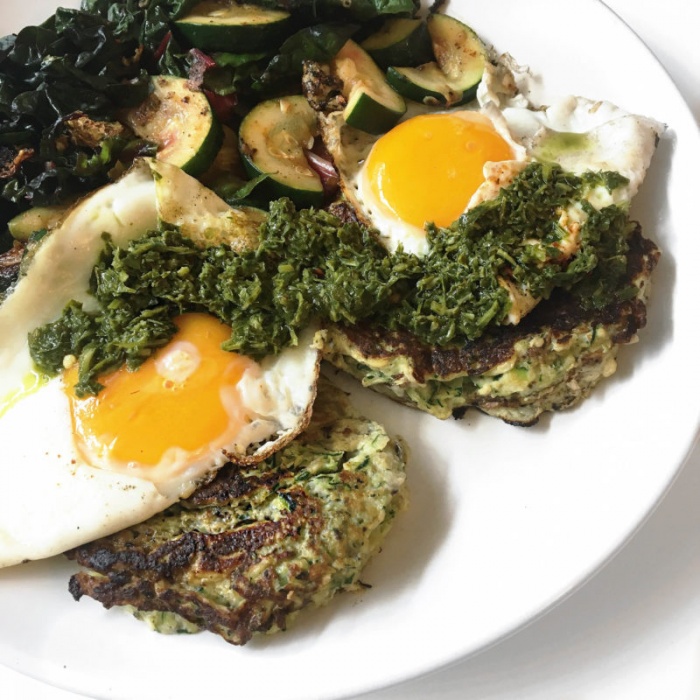
There are millions of people, including myself, who struggle with health issues, especially digestive issues. Sugar is a large contributing factor to many of those health problems. Sugar has been linked to almost every disease. At this point, I think everyone knows that excessive consumption of processed sugars does nothing but harm our brains and bodies. Beyond processed sugars, though, many people react to “natural sugars” as well. Insulin resistance is extremely prevalent in our society, and following a lower carbohydrate diet can be crucial in managing it. What about carbohydrate intolerance or fructose intolerance? What about general food intolerances? What about diabetes and other instances of blood sugar disregulation? Beyond that, what about gut issues? Candida overgrowth is overwhelmingly common in this nation. There’s SIBO, endometriosis, parasites, Crohn’s, and a million other infections and diseases, autoimmune and not, that require low-sugar diets for periods of time, if not long-term.
As someone who has been diagnosed with insulin resistance, carbohydrate intolerance, SIBO, Candida overgrowth, and a number of other health issues in the past that have required specialized “diets” for treatment, it frustrates me to see people shame others when they remove sugars from their diet for any period of time, let alone a week. It is completely ridiculous for anyone to make others feel like a bad person for doing something to help heal their bodies. If they really want to take it up with someone, they can take it up with a functional medicine doctor. But really, they should just focus on themselves.
Even if the naysayers are not trying to address these “special cases,” sadly, most people are one of those “special cases” in today’s world. The truth is, when you look at our general population, almost everyone is either a) consuming a lot of sugar on a daily basis without realizing it or b) struggling with digestive distress. In both of those situations, I see a weeklong sugar detox as a way test out healing their bodies. It might open their eyes to what they’re really eating every day. One week of no sugar is not going to heal anyone, but it could open their eyes to how much better they might feel if they nourished their bodies in other ways. And no one should be shamed for that. I think a lot of people might be forgetting the wide population that a media outlet like Mind Body Green reaches. You get the health junkies, yes, but you also get the people who eat the Standard American Diet and don’t get off the couch for days on end but are curious about making a lifestyle change.
In response to people who are saying fruit is necessary for survival – this is absolutely false. Fruit is not necessary in our diets. Does that mean we have to be afraid of it or avoid it? No. But let’s not spread rumors to make people scared to NOT eat fruit, either. A lot of people’s bodies don’t do well with fruit. The other side of the pendulum… again. Also, MBG isn’t saying that people aren’t allowed to eat fruit. They just suggest limiting the quantity. So let’s not get ahead of ourselves and get upset with people for replacing 10 bananas a day with one if they so desire. I think it is a very far reach to conclude that the suggestion to eat a little less fruit for 7 days is causing eating disorders. If you’re going to make a claim like that, then pretty much every piece of health information put out on the Internet should be accused of causing eating disorders.
At the end of the day, it saddens me that something as simple as a sugar detox has set off such an uproar. This sugar detox was meant to help people, but it has been turned into something else. Doing a no-sugar week does not mean someone has an eating disorder. If someone is using this type of challenge to justify their eating disorder behaviors, that is a different story and should certainly be addressed. However, that doesn’t mean the rest of the population should be condemned for trying to improve their health. If you had an eating disorder, you are allowed to enjoy healthy eating, and you do not have to consume any particular amount of sugar. If you have a health issue, you are allowed and encouraged to do whatever you need to do to feel your best, which might require a healing diet. Because food can heal. It can harm, but it can heal.
The health shaming isn’t fair to anyone. I think we all need to take a step back and allow people to participate in whatever program they want to participate in. If someone wants to cut sugars out of their diet for a week, let them. It doesn’t affect you. If someone doesn’t want to cut sugars out of their diet for a week, let them. It still doesn’t affect you. You shouldn’t be afraid of sugar. But you also shouldn’t be afraid to not have sugar at risk of upsetting others who, for some reason, think you need to “prove” to them that you’re not afraid of it.
In sum, do what works for your body. Support people for trying to make the best decisions for their health. If you disagree with what someone is doing, do it in a loving, caring, and educated way, rather than in an accusing and attacking manner.
You do you.
SaveSaveSaveSaveSaveSave

by Christina | Jun 22, 2017 | Recipes, Wellness
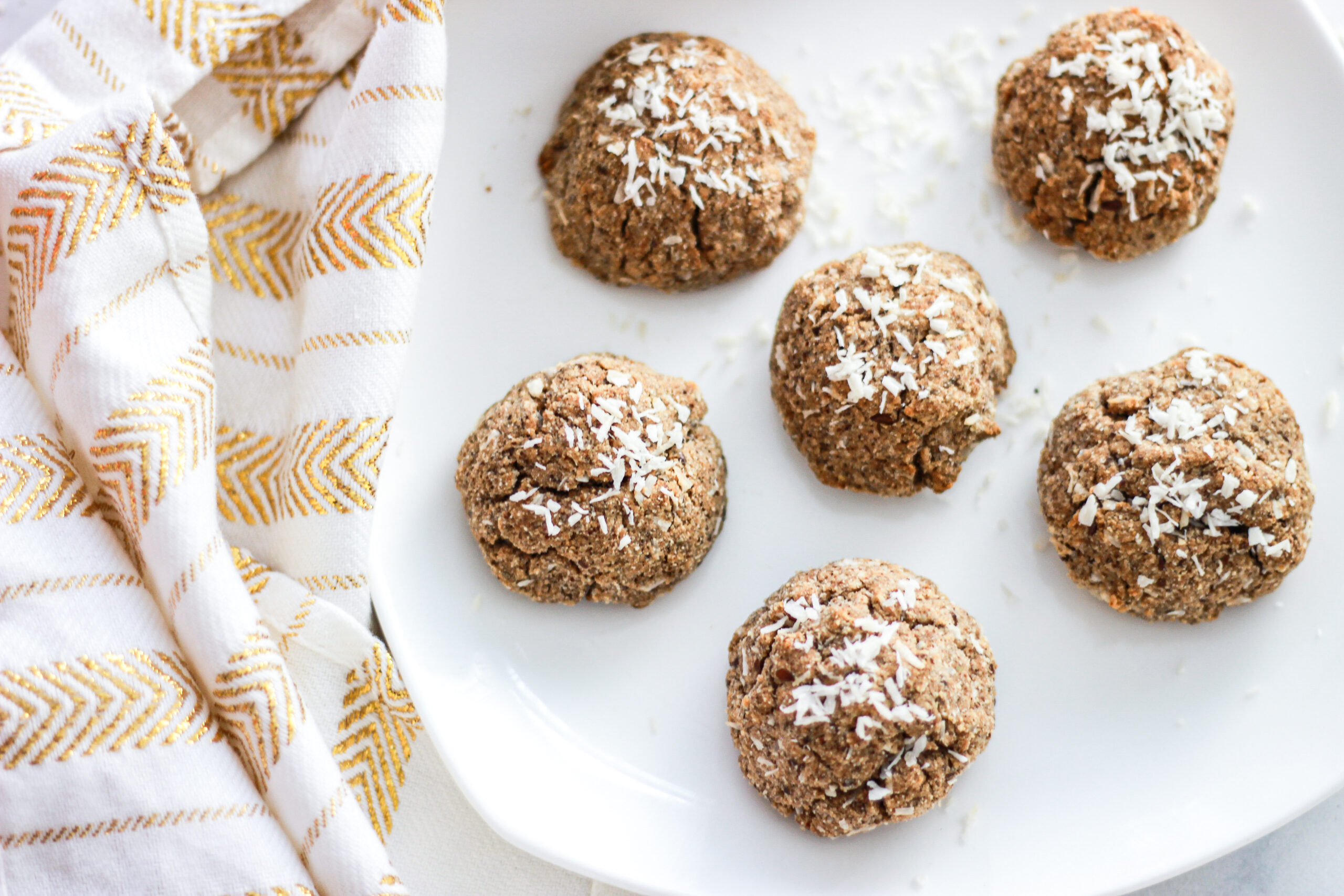
This week just happens to be Mind Body Green’s No Sugar Week, so I figured these incredibly delicious no-sugar cookies were very appropriate. MBG’s No Sugar Week has caused quite a stir on the Internet, but I won’t get into that here. I say, DO WHAT WORKS FOR YOU. For anyone who is doing a sugar detox, who is on any sort of formal sugar-free protocol relating to their health like I currently am, or who just wants some sugar-free cookies – this one’s for you. If you’re following a ketogenic or low-carb diet, these cookies are the perfect treat.
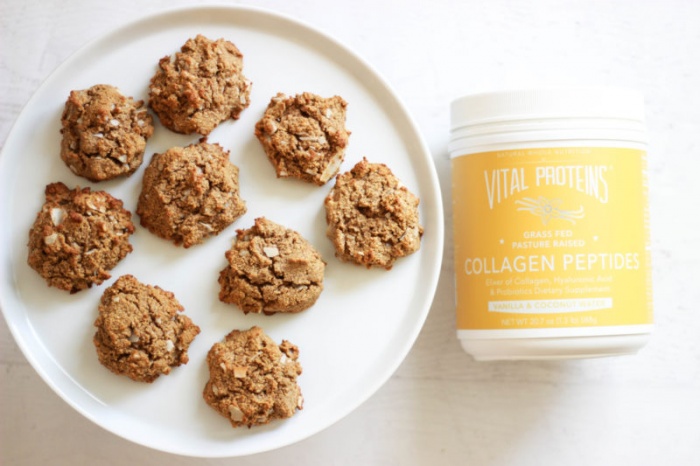
I have never gotten so many requests to post a recipe before. I’m glad you guys are into my sugar-free-baking-fest! It also makes me really excited because this is one of my favorite things I’ve ever made. I’m truly addicted to them. They take almost no time to whip together, they have zero sugar, and they’re completely delicious. All you need is one bowl, a few ingredients, and an oven. I like ’em plain, covered in coconut butter, dipped in almond butter… every way possible.
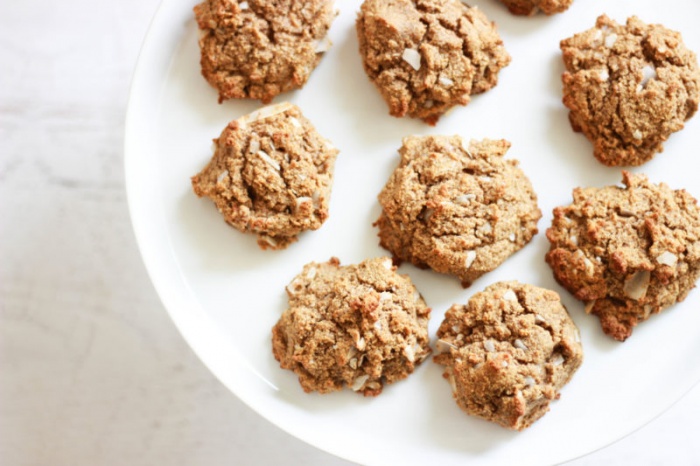
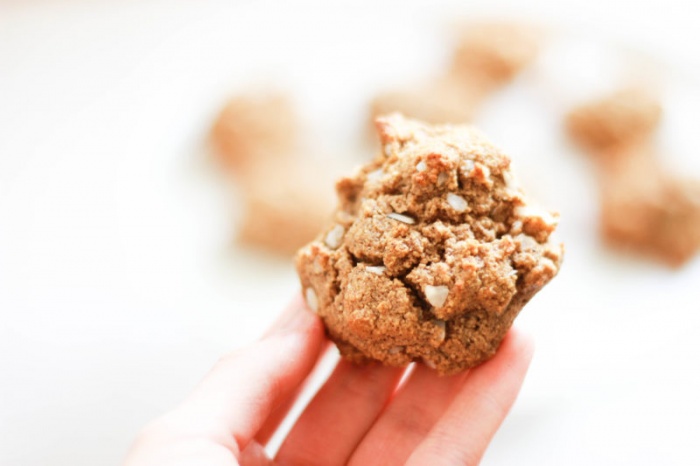
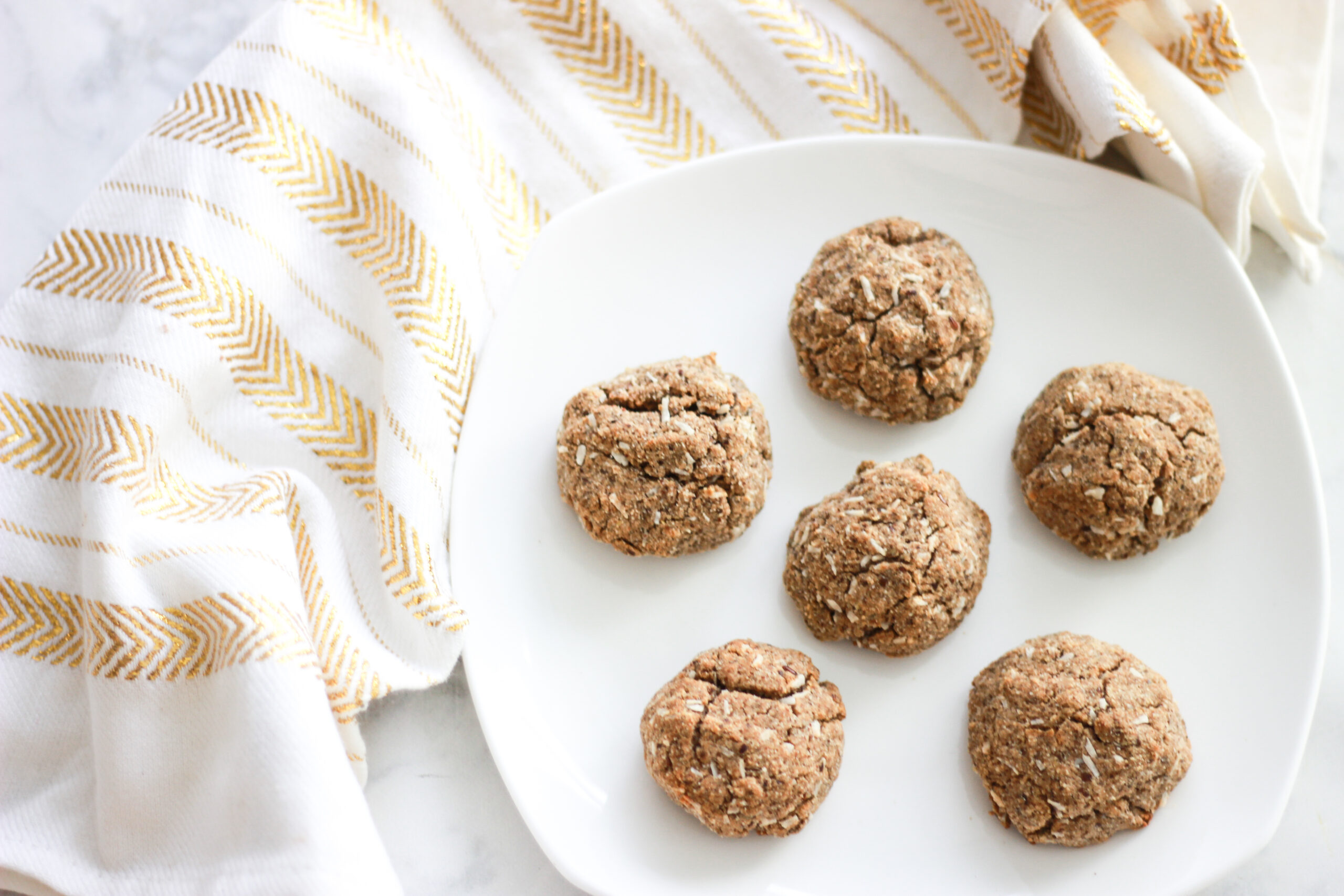
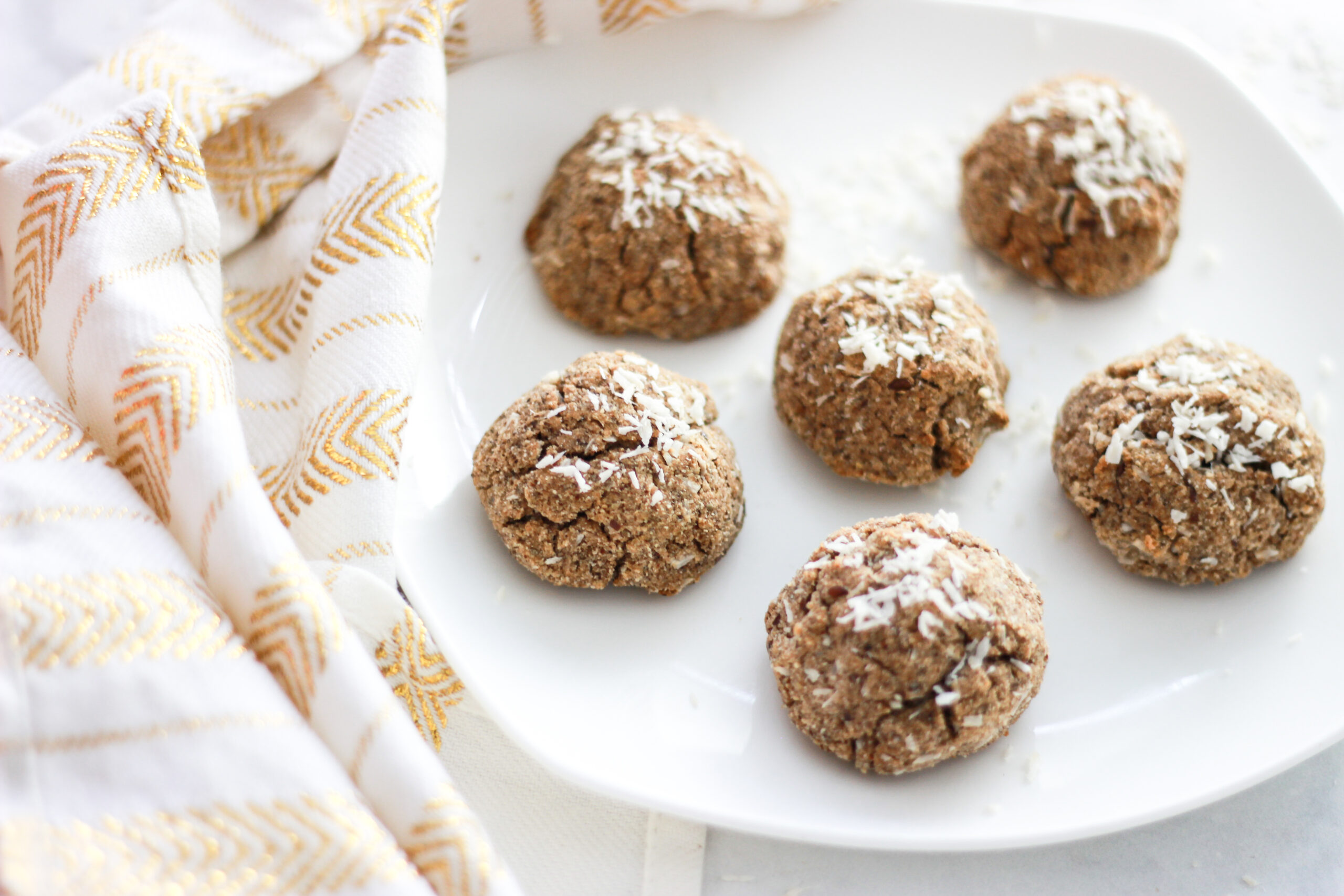
These paleo, sugar-free vanilla coconut collagen cookies are moist, fluffy, coconut-vanilla heaven. They’re so soft and scrumptious. Not too sweet, obviously, since there’s no sugar, but they are sweet enough to curb the cookie craving. Sometimes you just need a cookie, ya know? At first I thought that maybe I would be the only person who would like these. You know, me with the overly sensitive taste buds. Red bell peppers are truly too sweet for me sometimes. That’s the thing about detoxing from sugar – it really does retrain your taste buds.
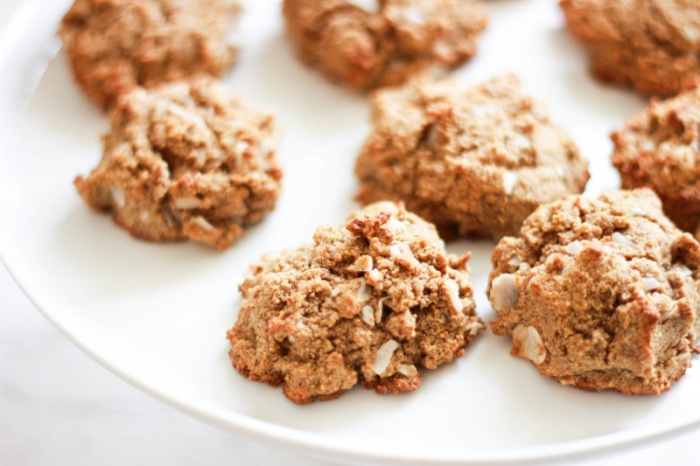
However, I had quite a few people taste test these for me so that I could test that theory out. I was wrong, thankfully. All of my taste testers were thoroughly obsessed. Two of my friends ate them all in one sitting. One of my friends had me make another batch for her within 12 hours. I’m very proud of that success rate.
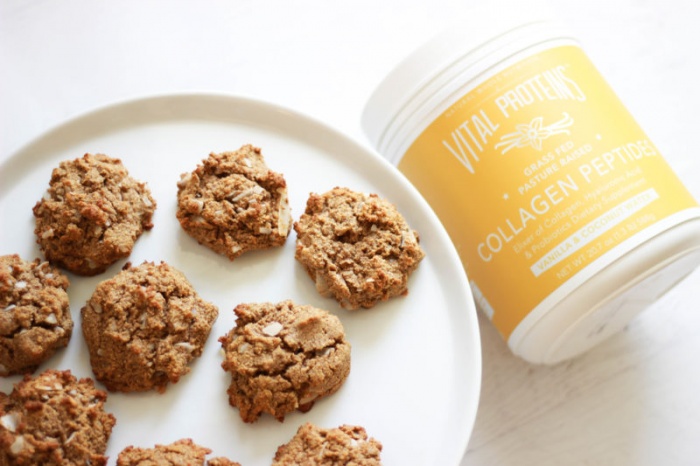
Not only are these cookies sugar-free and delicious, but they’re also COLLAGEN COOKIES. I can’t stress enough how much I love collagen and how incredible it is to add into your diet. (You can read all about why I love collagen here.) Collagen rebuilds the gut lining, promotes healthy joints, aids in muscle repair and recovery, supports strong and healthy hair, skin, and nails, and much much more. You def get your protein in these, that’s for sure. If you follow me on social media, you know that the Vital Proteins Vanilla & Coconut Collagen is my absolute favorite. That collagen protein is exactly what inspired these cookies, and it’s the key to their deliciousness.
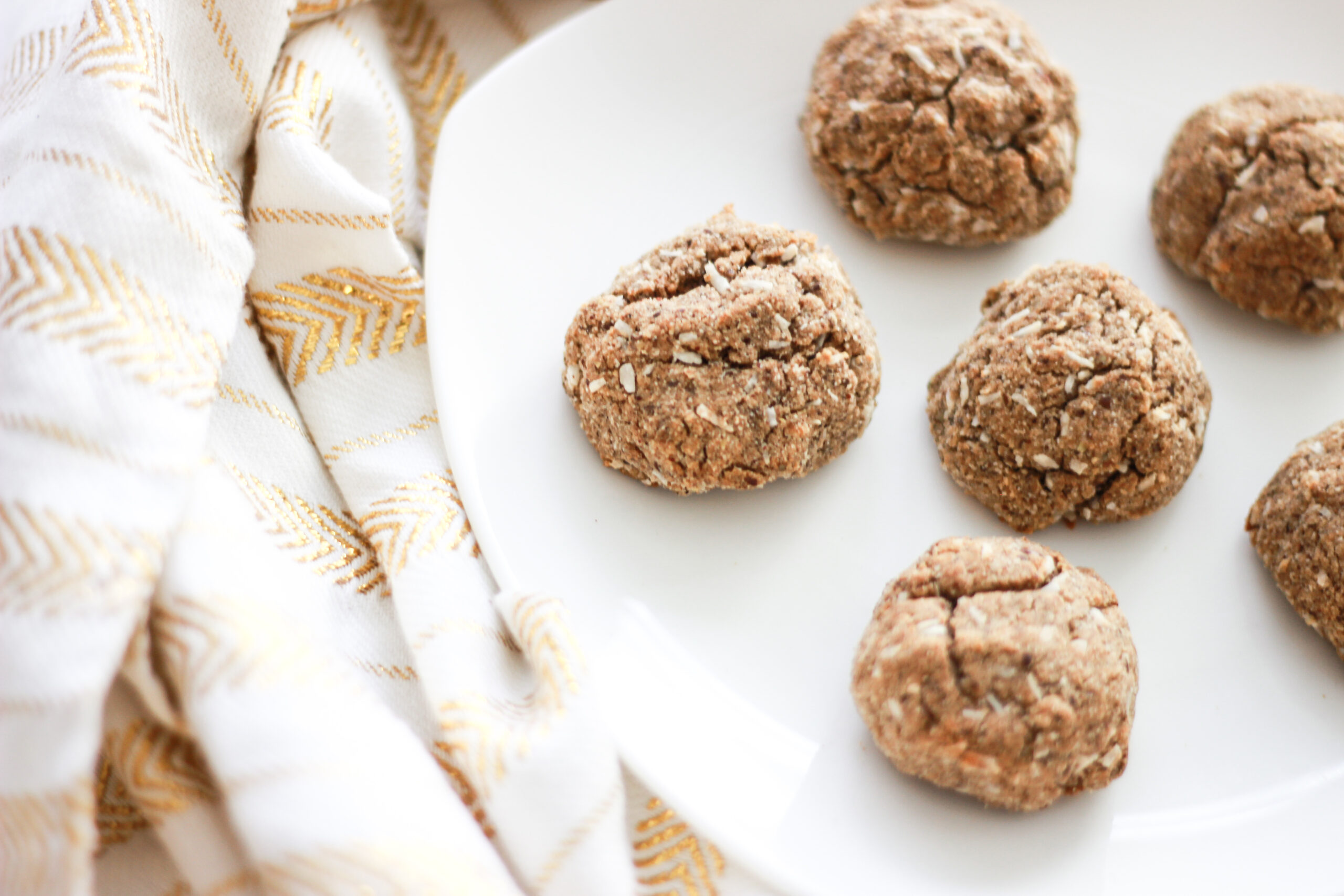
There is no better investment than a container of this stuff. Truly. I absolutely credit it for how quickly my hair grows.
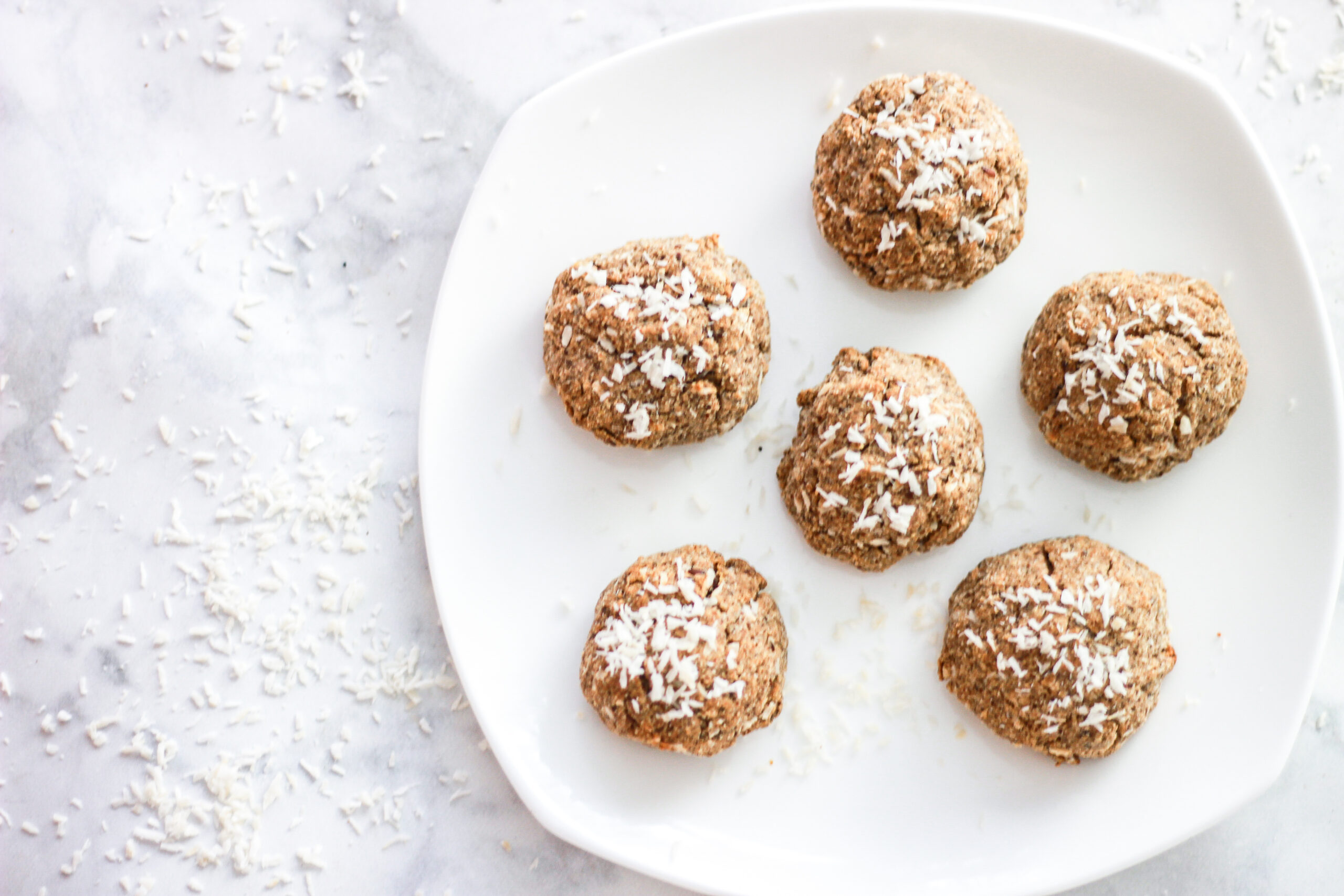
Anyways, this cookie recipe has become a staple in my kitchen and is probably the only cookie I will ever need in my life. Vanilla and coconut are two of my favorite flavors, and the combination does not get old. Even if you don’t usually like coconut, I would suggest giving these a try! They’re not “tropical” at all – they’re mellow and divine.
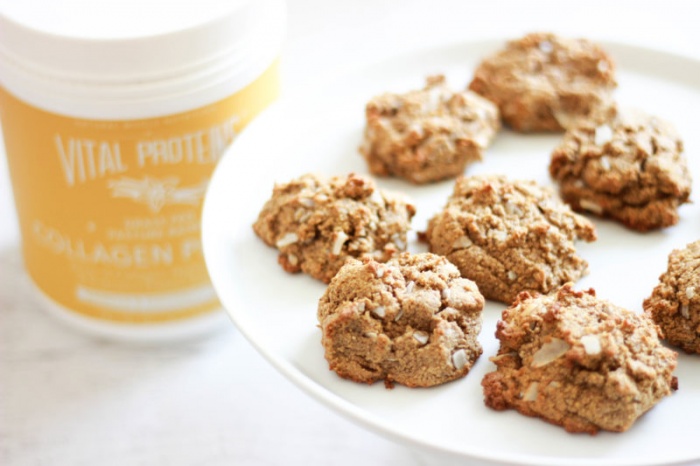
The way you get sweetness from these sugar-free cookies is from the Vital Proteins, cinnamon, vanilla, and almond butter. I love adding nut butter to baked goods because it improves the texture and adds a little bit of sweetness. The nut butter I always use for baking is the one from Thrive Market, which I talked about in my post about my Caffeine-Free Coffee Almond Banana Bread Muffins! Those also happen to be sugar-free, if you’re in the market for another sugar-free recipe!
Like I’ve said before, I get almost all of my baking supplies from Thrive Market, for convenience and to save money. If you don’t already know about Thrive, they have a ton of healthy food brands and safe personal care items in stock. You order online and they deliver straight to your door, and the prices are much cheaper than at the grocery store. When it comes to baking, this is especially important. Coconut flour, almond flour, nuts, nut butters, coconut flakes, and most other items that I commonly use for baking happen to be some of the most expensive at the grocery store. I save hundreds of dollars every year with a Thrive Membership.
Anyways, Thrive is offering a free jar of my fave almond butter with your first order if you shop here! So if you’re swooning over this recipe already, hop onto Thrive Market, get your baking supplies, snag a free jar of almond butter to use in this recipe, AND GET COOKIN’!
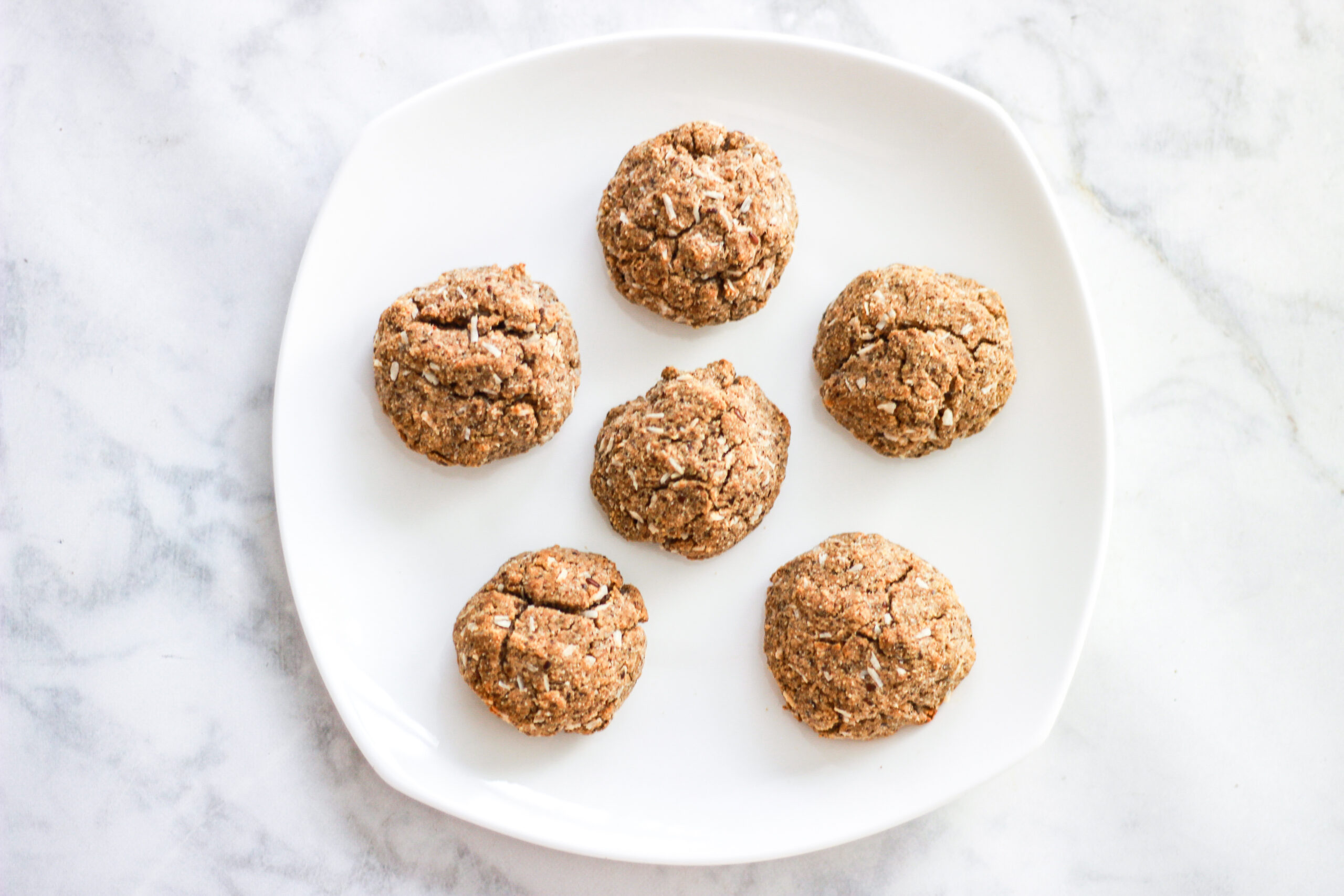
I think these are the perfect summer cookie. Chocolate doesn’t scream summer to me. Vanilla and coconut are very seasonal, don’t you think? Unlike other cookies, these will not leave you feeling heavy, overloaded with sugar, and like you need a big glass of milk followed by an immediate dentist appointment.
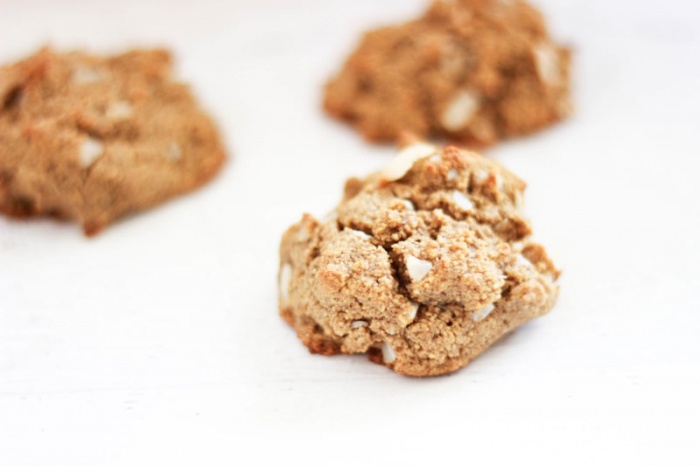
They’re not too heavy, but also not too light. I hate when I eat a cookie and immediately want 20 more afterward because I felt like I ate air. You’ll definitely be satisfied after these. That’s the beauty of having a protein and fat-filled cookie – it actually fills you up. Normal, sugar-filled cookies spike your blood sugar and just make you even hungrier, which leads to the out-of-control sugar cravings and the whole-box binges on the unhealthy treats. Let’s avoid that. I mean, there’s definitely a time for a classic sugar-filled cookie. But not always.
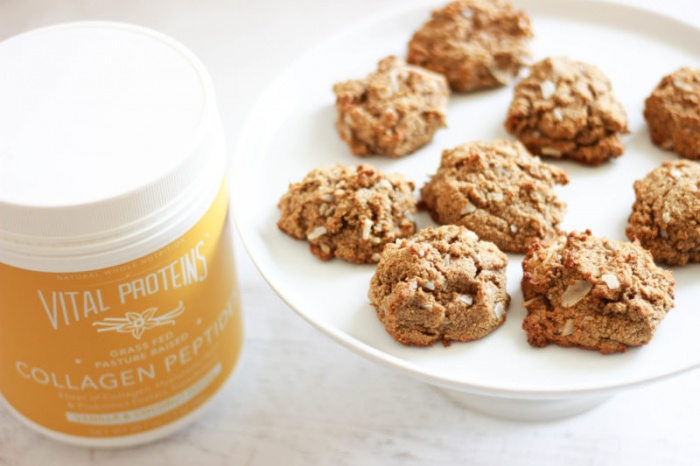
The good news is, these cookies are actually healthy. Eat them for breakfast, lunch, dinner, dessert, snack – ALL THE TIME. If you’re limiting sugar for any reason, want to be extra health-conscious, or just want a YUMMY, QUICK COOKIE, you must try these!
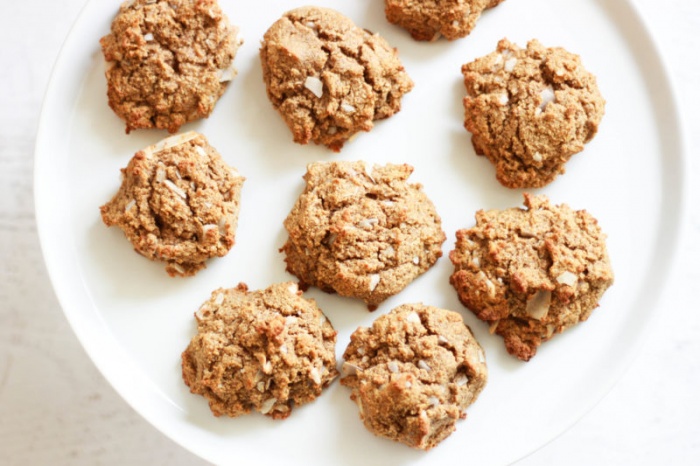
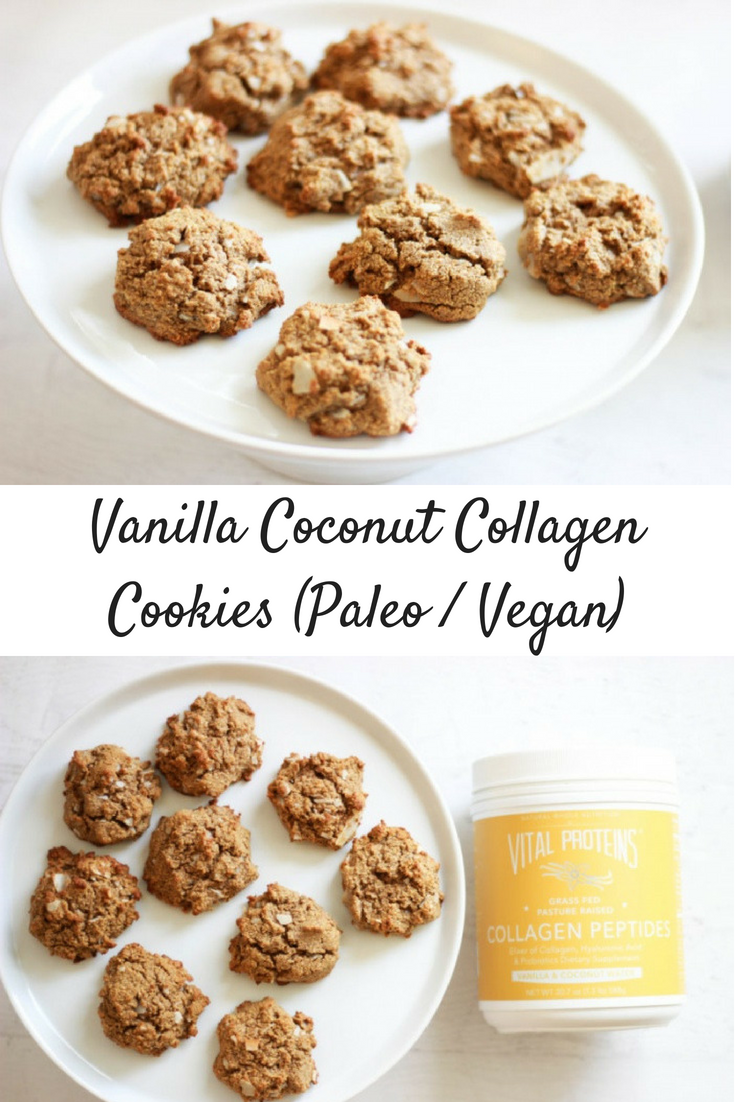
Sugar-Free Vanilla Coconut Collagen Cookies (Paleo w/ Vegan Option)
Total time: 20 minutes
Makes: About 10 cookies (depending on how big you make them)
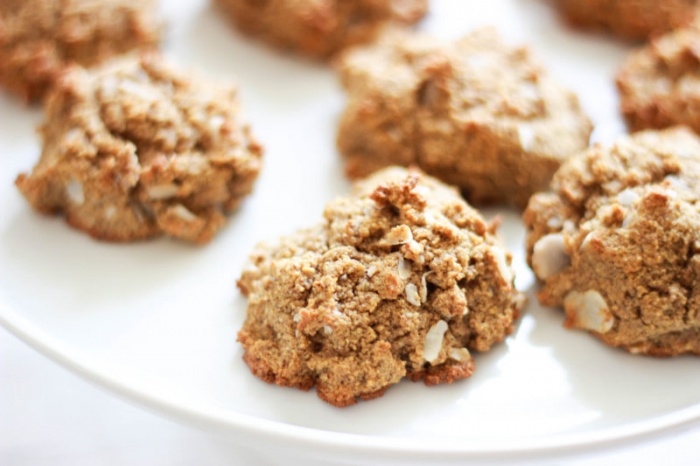
Ingredients:
- 2 eggs (You can also sub two chia eggs or two flax eggs to make these vegan. To make one chia or flax egg, mix one tablespoon of chia or flax with 3 tablespoons of water. Make two of those, then leave in the fridge to gel up for at least 5 minutes.)
- 1/3 cup coconut flour
- 1/4 tsp salt
- 2 tbsp coconut oil
- 2 tbsp almond butter (Make sure it’s sugar-free! I like the one from Thrive Market, Artisana, or MaraNatha.)
- 1/2 tsp baking soda
- 1 tbsp vanilla (also check that it’s sugar-free)
- 1/2 tsp cinnamon
- 1 scoop Vital Proteins Vanilla & Coconut Collagen Peptides
- 1/4 cup unsweetened coconut flakes
Instructions: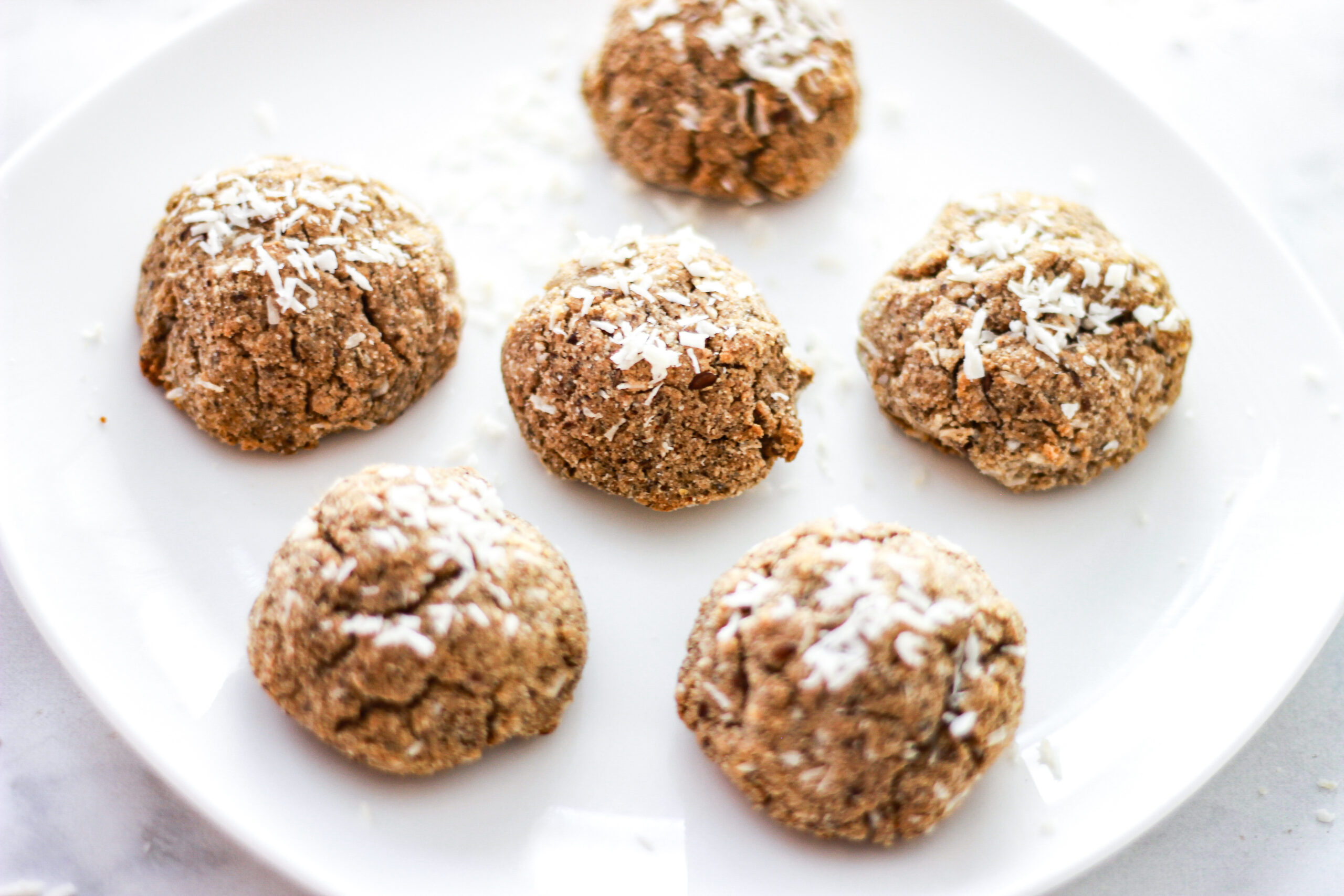
- Preheat your oven to 350*F. Line a baking sheet with parchment paper.
- Mix the coconut flour, sea salt, baking soda, Vital Proteins, and cinnamon in a bowl.
- Add in the eggs, coconut oil, almond butter, and vanilla. Mix everything thoroughly until it’s all well-combined.
- Mix in the coconut flakes until they’re spread evenly throughout the batter.
- Use a spoon or your hands to grab some dough and form cookies on the parchment paper. I prefer to make mine about two inches wide. You can press down a little to flatten them.
- Cook for 10-12 minutes, or until the edges start to turn golden. Remove from the oven and allow to cool for about 20 minutes.
- Enjoy!
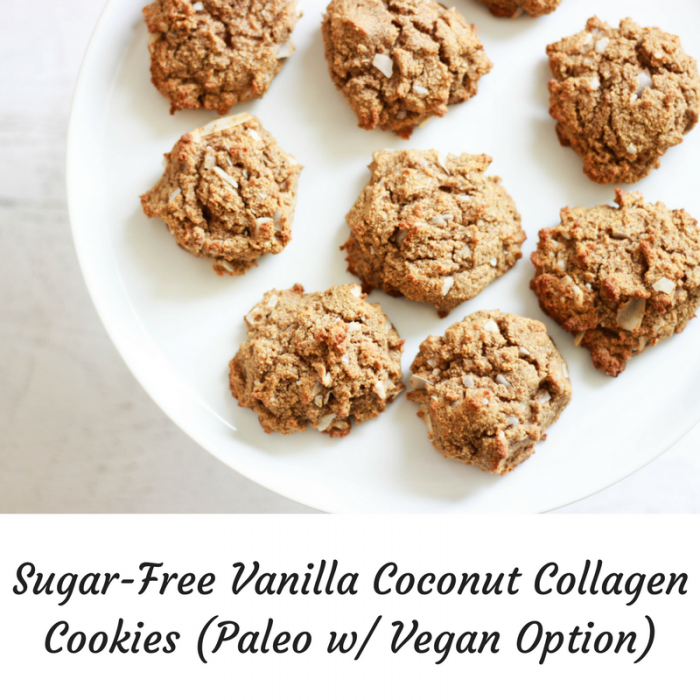
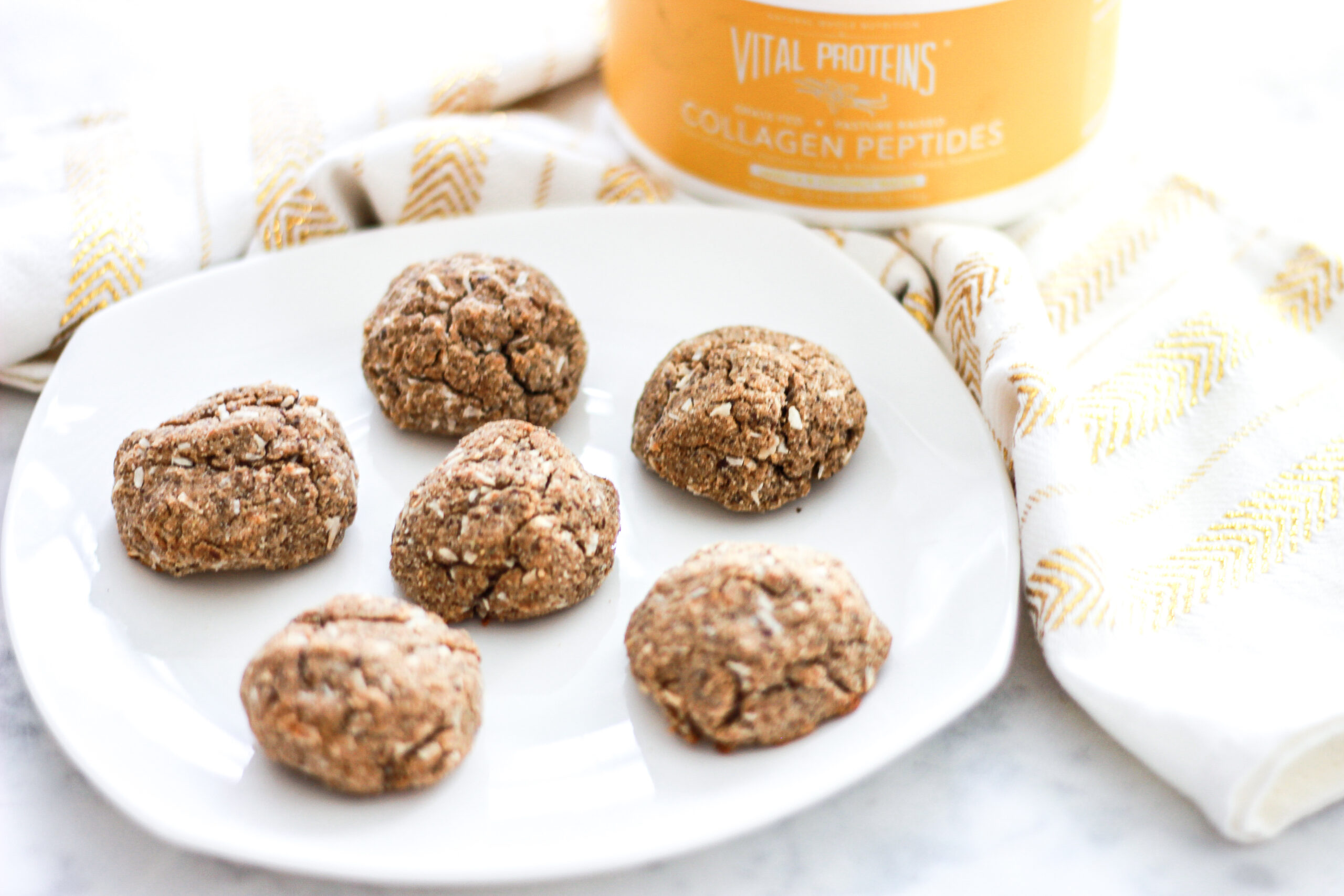
If you make these, be sure to tag me in a photo! I would love to hear how you like them! What sugar-free recipe should I do next?!
SaveSave

by Christina | Jun 16, 2017 | Recipes, Wellness
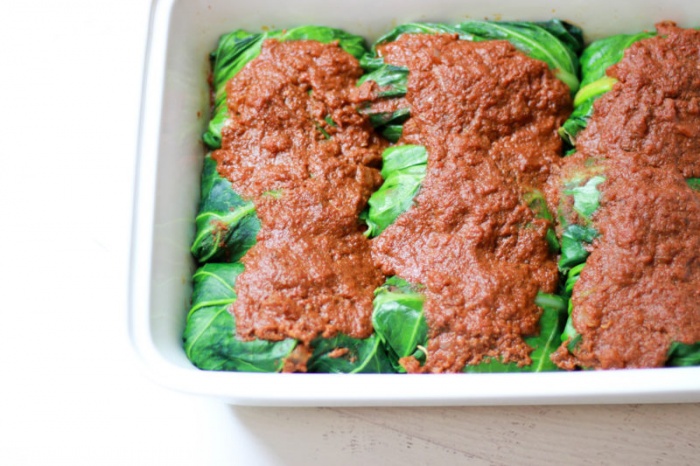
Hands down, this dish is one of the best things I’ve ever eaten in my life. It’s also one of the most visually appealing things I’ve ever pulled together, so I’m very proud of that.
WHO’S READY FOR A FIESTA?!
I cannot tell you the last time I had an enchilada. Actually, I can. It was a crappy chicken enchilada from the Mexican to-go restaurant by the dorms at UCLA. They only served enchiladas one day each week, and I always looked forward to enchilada day. I ate the same meals over and over again every other day of the week. Sadly, though, they weren’t very good enchiladas. They were soggy and tasted artificial. It wasn’t real Mexican food. It was dorm food. Beggars can’t be choosers, though.
Anyways, the very last time I had an enchilada was after a few weeks of turning my diet around and actually eating healthy food. After a few weeks of “clean eating,” downing that soggy dorm enchilada made me feel… not so great. My stomach was not happy with me, if you know what I mean.
After that, I avoided Mexican food for awhile. At least until I could get a handle on my digestive issues and overall health. When things calmed down a bit, I learned that Mexican food is actually one of the easiest things to eat when you’re gluten-free. Authentic Mexican restaurants usually use corn tortillas, and beans and rice are gluten-free. A loaded salad at Chipotle was always an option on the go. If you’re new to the gluten-free life, Mexican food can be a great option when eating out!
As time went on and my health issues persisted, I learned that beans and rice weren’t doing my digestion any favors, either. After I transitioned to a paleo diet, I ate Mexican food much less often. I can always order a salad at a Mexican restaurant, but I can’t usually get any of the “fun” Mexican food. You know, the dishes with pizzazz.
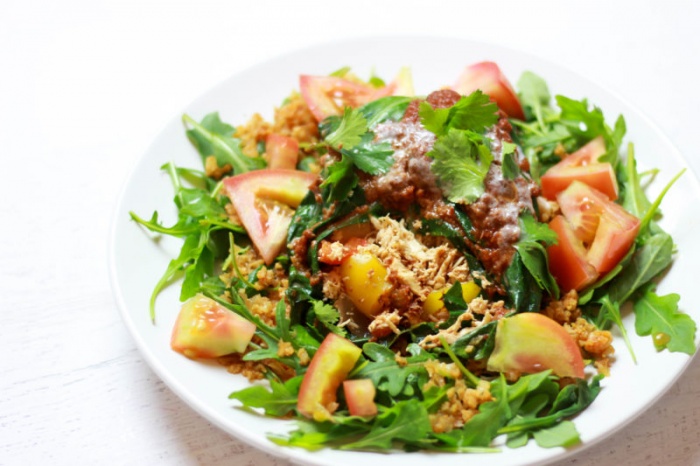
Enchiladas are a “fun” Mexican dish, by my standards. I never made enchiladas myself, so it was my favorite thing to order out. I can think of so many specific memories relating to enchiladas, as weird as that sounds. At the beautiful, outdoor Mexican restaurant in San Diego with my sister and her friends when she was leaving college, at the hole-in-the-wall shop with two of my co-workers at my first internship, at my favorite place in my hometown right after finding out I got into college, and so many more. Enchiladas stick out in my mind. The food, the memories…all of it.
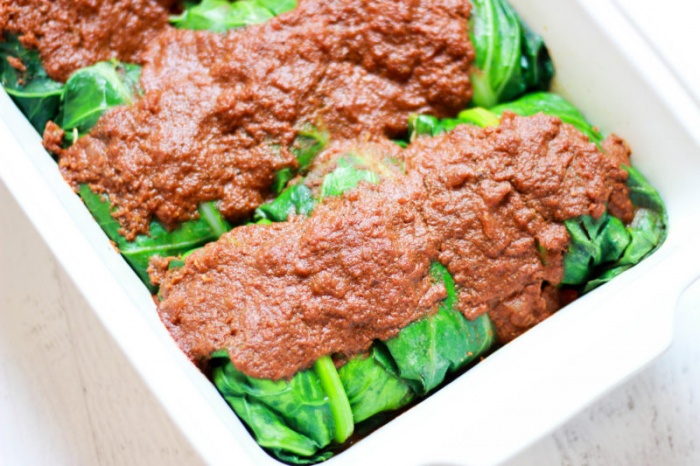
Anyways, like I said, in the past few years I haven’t really eaten any enchiladas. It wasn’t going to happen unless I made it. I missed the gloriously stuffed creation, the yummy sauce dripping down the sides, the bite of the sour cream melded in with all of the other textures and flavors. Enchiladas were on my mind. Obviously, it was time to satisfy the craving.
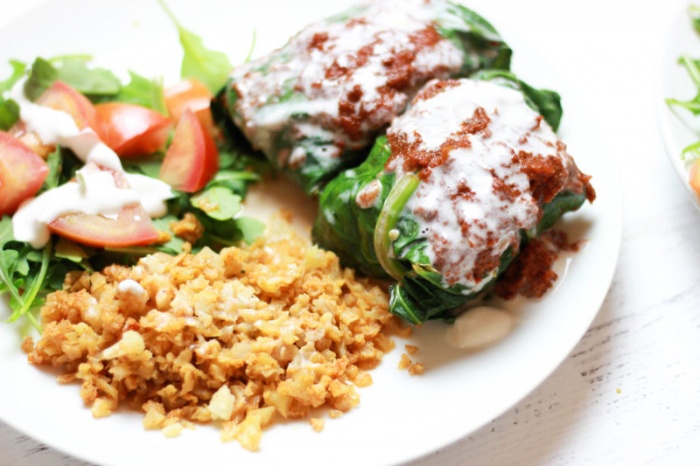
Unfortunately, this recipe isn’t a one pan kinda deal. There are multiple parts to it, but it’s worth it. And it makes a ton, so you’ll have leftovers. These are extremely healthy, paleo homemade enchiladas that are completely drool-worthy. You can also completely customize them to give them you’re own flair!
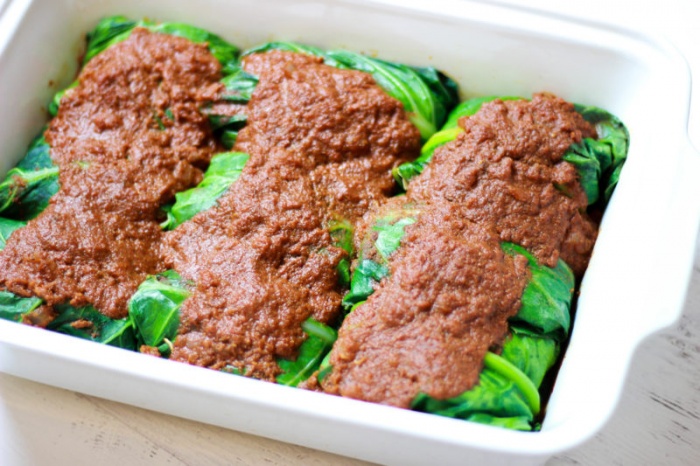
You can follow these steps exactly and include every part of the recipe, or you can just make some parts of it. The first part of the meal is the protein – I used shredded chicken, but you could also use beef or another protein. You could also leave that out and make vegan enchiladas with all vegetables! I love shredded chicken or shredded beef in this recipe though because it goes so nicely with the sauce! The key is to use the crockpot to cook the meat ahead of time. Crockpot chicken is so soft and moist – perfect for inside the enchiladas! You want to cook it on low verrrrrry slowly for the best results.
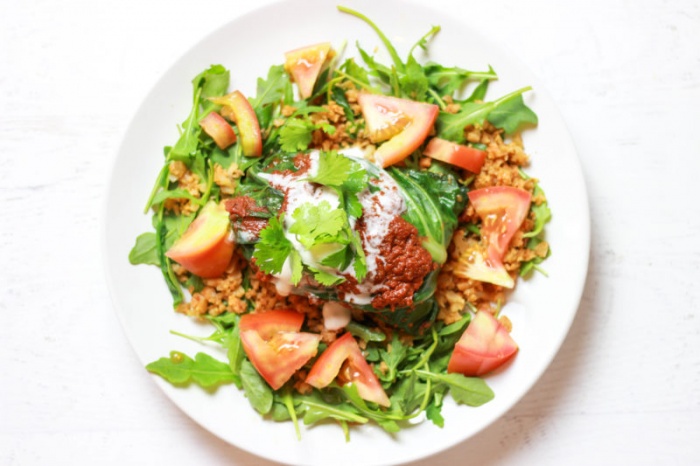
Then there are the actual enchiladas. You’ll need to prep the collard wraps, which is a super easy process. Collard wraps are one of my favorite healthy tortilla replacements. They hold up better than any other leaf, and it’s important to have something strong to hold all of the goodies inside of the wrap! Collard leaves do the job quite nicely.
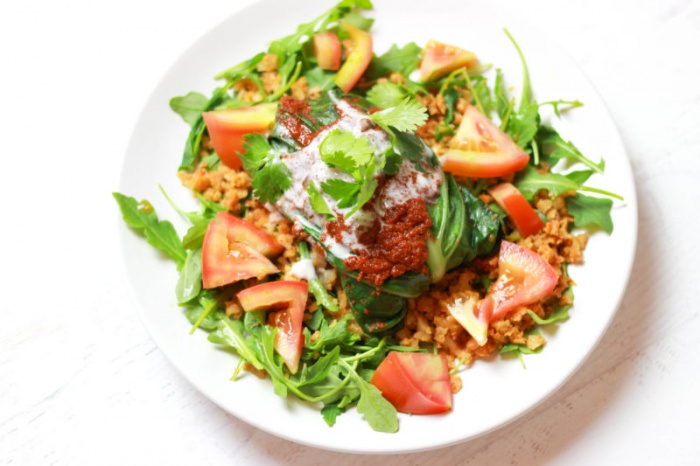
Like I said, feel free to use any vegetables inside the enchiladas that you want! I opted for bell peppers and onions, but I thought about using cauliflower rice or zucchini instead. There are so many options! You don’t want to put too much inside, though — make sure you can still roll it up!
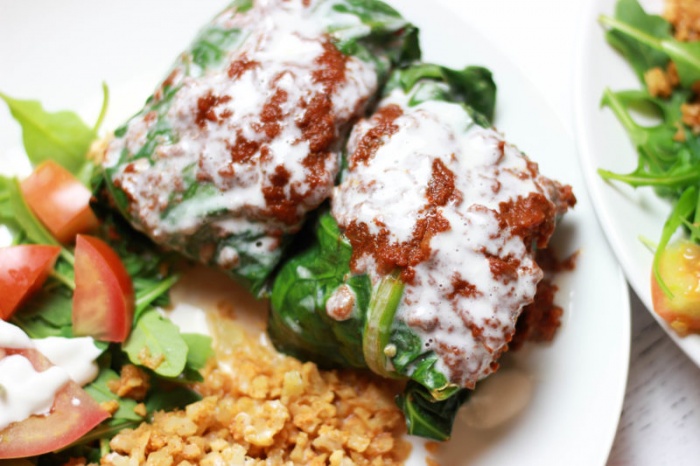
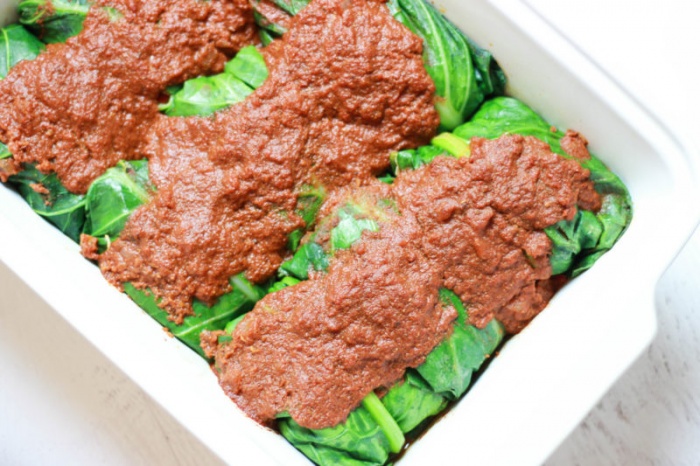
The next piece, and the most important, is the enchilada sauce. This sauce has just a hint of a kick to it – nothing too crazy because I’m a wimp when it comes to spices! I’m going to argue that you pretty much have to make the enchilada sauce for these to be enchiladas. However, you can also totally just make this sauce and pour it on something else. For example, I like to just put this sauce on chicken or with eggs. You can use enchilada sauce for anything!
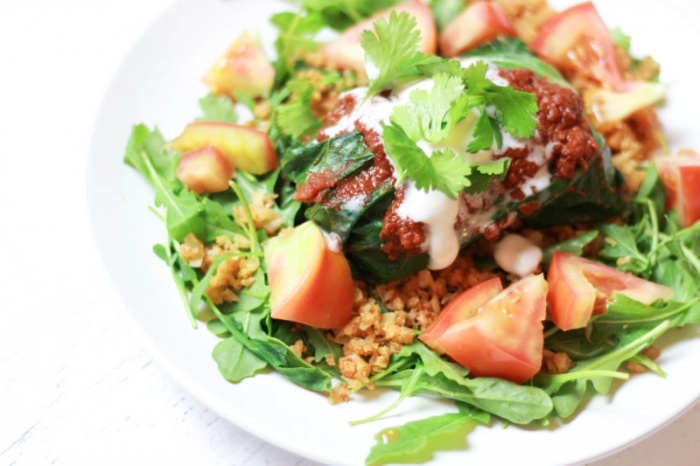
My other favorite part? The vegan sour cream. I usually make vegan sour cream with cashews, but since I can’t eat cashews right now while I’m on my elimination diet, I made it with coconut milk. It was so much faster than with cashews, and SO INCREDIBLY DELICIOUS. I’ve just been spooning the leftovers as a snack. Honestly, it tastes really similar to dairy. I can’t imagine anyone not loving this healthy sour cream… it’s addicting.
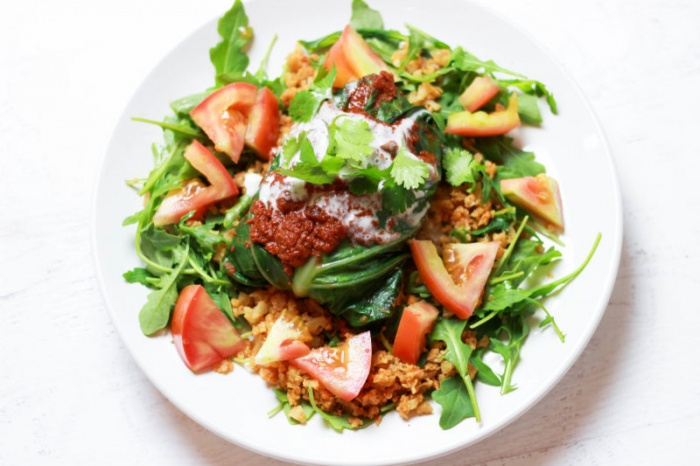
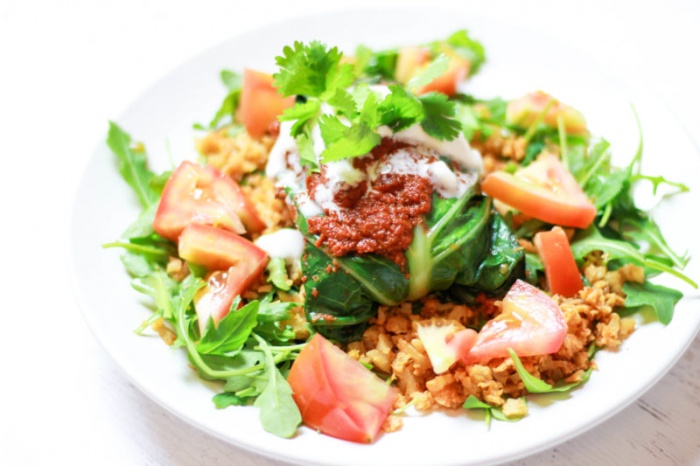
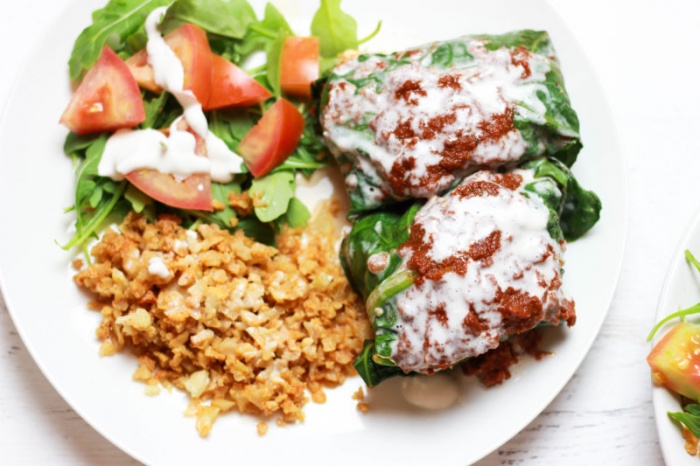
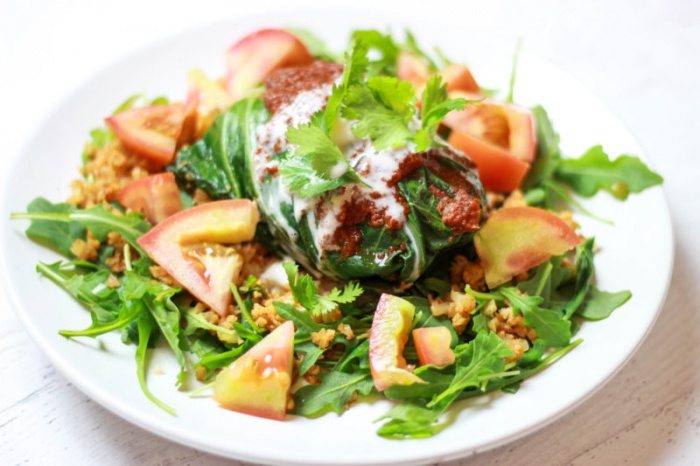
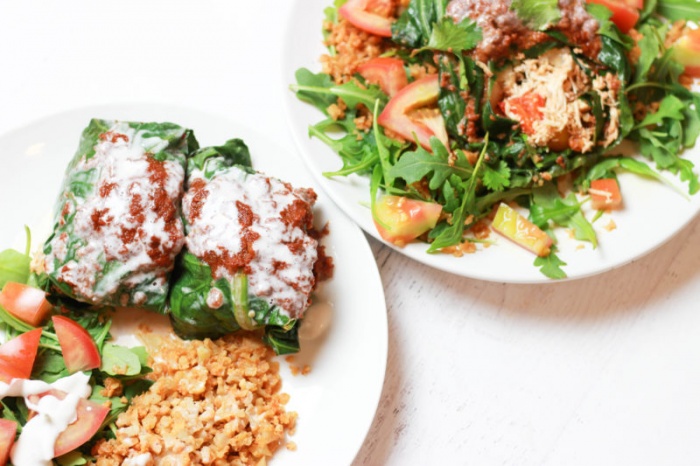
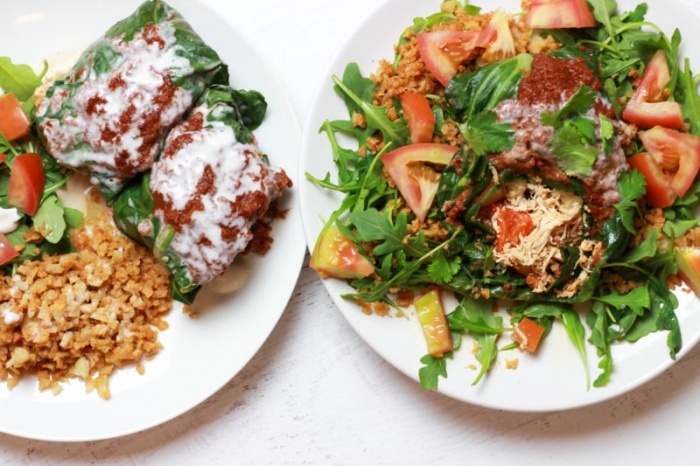
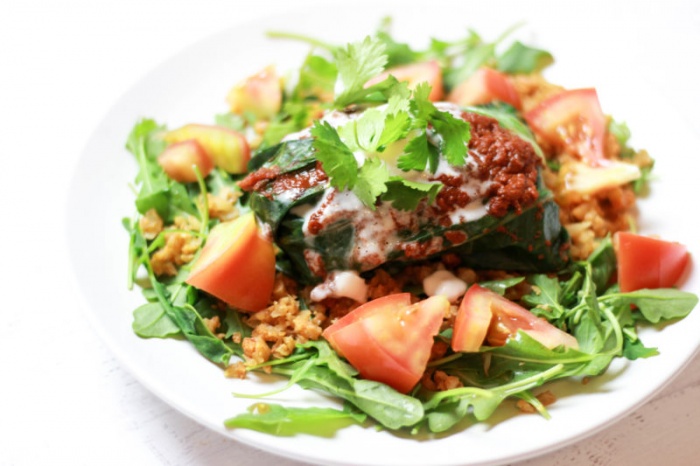
After that, serve it however you like! You can eat the enchiladas alone or serve them alongside other things. I served these with cauliflower rice, arugula, and diced tomatoes. It was a fiesta on a plate. And an even bigger party in my mouth!
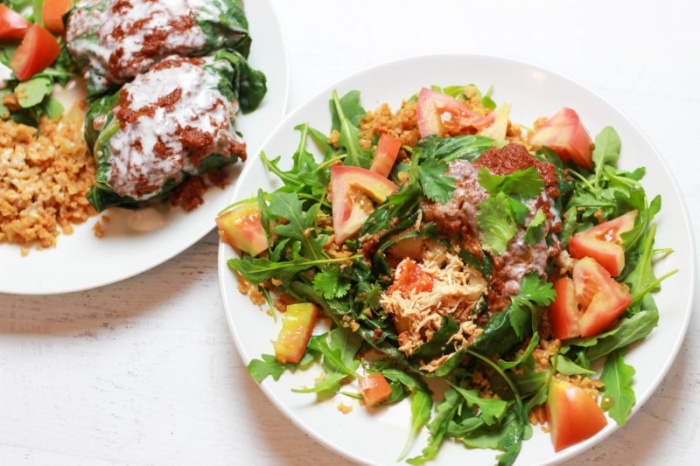
I’m practically bursting at the seams for you to make these because they’re truly all I can think about. Never have I wanted to get a recipe up on my blog so badly before! YOU NEED THESE IN YOUR LIFE. They are incredibly healthy, and absolutely mouthwatering. These are paleo, gluten-free, dairy-free, grain-free, soy-free, nut-free…all the goods. They can be made vegan if you don’t add in the chicken. You can remove the onions to make them low-FODMAP too, and they can be made SCD-friendly very easily. Any vegetables you don’t like can easily be replaced with vegetables that you do like! Remember, recipes are not rules. You can always adjust anything!
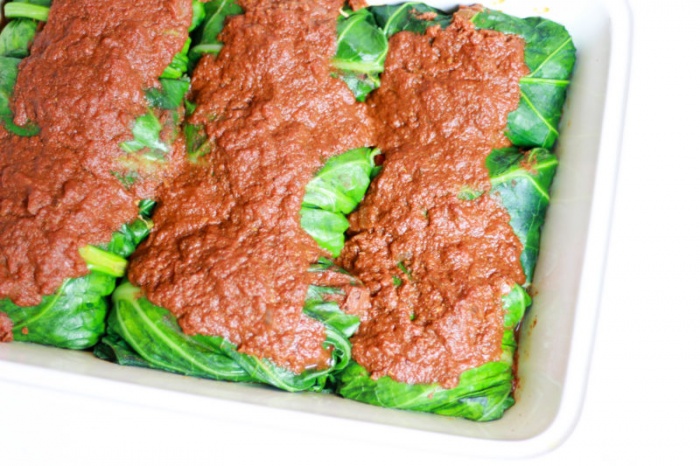
Although there are quite a few different parts to this dish, each part doesn’t take too much time to pull together. I’ll walk you through piece by piece. Pick and choose what you want to do. I hope you enjoy! (I sure did.)
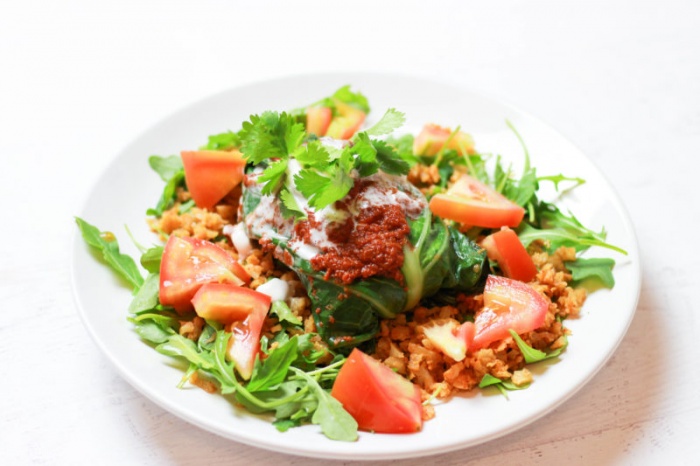
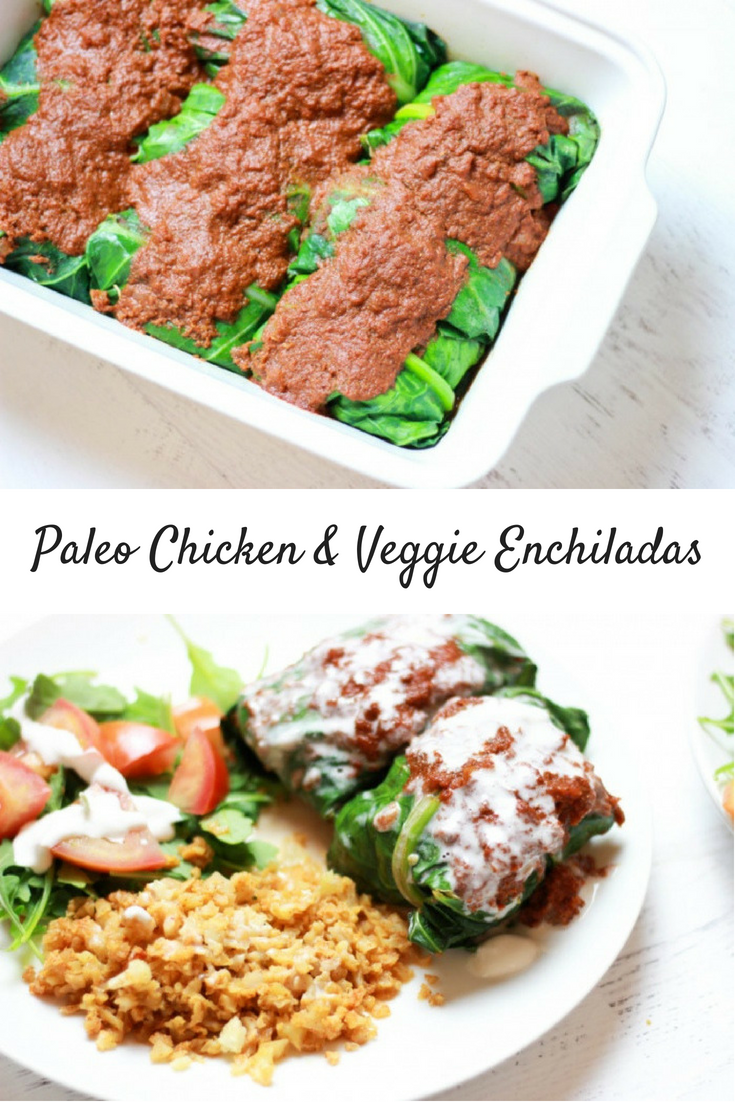
Paleo Chicken and Veggie Enchiladas (Easy Enchilada Sauce & Vegan Sour Cream)
Makes: 9 stuffed enchiladas
Total time: 1 hour 15 minutes, plus time to cook chicken
Easy Paleo Enchilada Sauce
Ingredients:
- 1 tbsp Avocado oil/olive oil/coconut oil
- 1 tbsp cumin
- 2 tsp celtic sea salt
- 1.5 tsp paprika
- 1/4 tsp cayenne pepper
- 1 tbsp oregano
- 1 tsp cloves
- 3 tbsp diced white onion
- 2 tbsp apple cider vinegar
- 1 tbsp nutritional yeast
- 1 jar organic tomato puree (about 18 oz)
- 1/2 – 1 cup filtered water or chicken stock, depending on how thick you like your sauce
Instructions:
- In a small saucepan, heat up your cooking oil. Toss in the onion, cumin, paprika, pepper, oregano, and cloves, and let them cook on the bottom for a few minutes over medium heat.
- Pour in the tomato puree, ACV, salt, and water or chicken stock. Use more/less water depending on how thick you like the sauce. Stir everything together, and cover with a lid until it reaches a boil.
- Remove the lid and allow the sauce to simmer until it thickens. Stir in the nutritional yeast.
- Allow the sauce to thicken for about 10 minutes. Remove from the heat.
- You can leave the sauce as is, or you can puree it to make it extra smooth. I prefer to puree it after it’s cooled.
- Store the sauce in the fridge until you’re ready to use it.
Vegan/Paleo Sour Cream
Ingredients:
- 1 can full-fat canned coconut milk, chilled overnight in the fridge
- 1.5 tbsp lemon juice
- 1 tbsp apple cider vinegar
- 1/2 tsp salt
Instructions:
- Flip the chilled coconut milk can over, and open the container. Pour out the excess liquid on top. (You can throw it away or save it for smoothies or something else, but we just want the cream for this recipe.)
- Put the thick cream at the bottom of the can into a bowl. Toss in the lemon juice, ACV, and salt. Use a beater to whip the ingredients together until they’re all well incorporated and the texture is thick like sour cream.
- Store in the fridge until ready to use. If there are leftovers, keep them stored in the fridge.
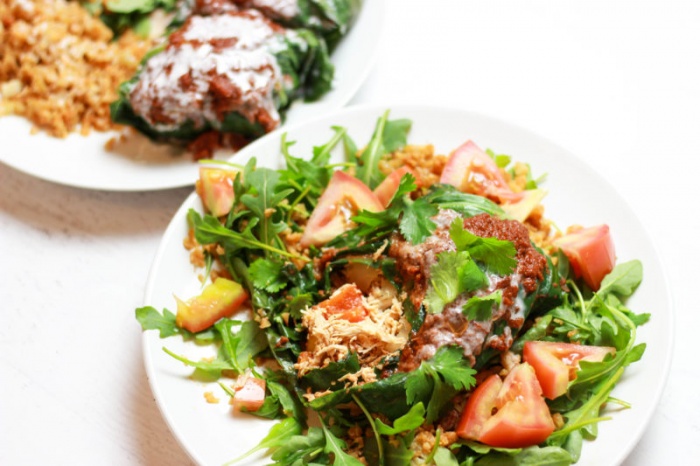
Shredded Crockpot Chicken
Ingredients:
- 1-1.5 lbs organic chicken breast
- salt
- pepper
- 2 cups filtered water
Instructions:
- Put your chicken in the crockpot and toss as much salt and pepper as you want on top.
- Put the filtered water on top of the chicken – it should be at least halfway covered.
- Set the crockpot on low for 5.5 hours. Let the chicken cook.
- Remove the chicken from the crockpot when it’s done and put it in a bowl. Use two forks to “shred” the chicken until it’s all shredded up into little bits.
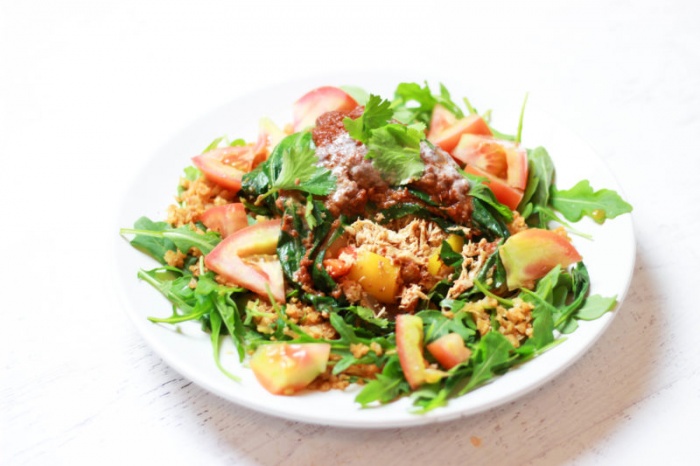
Paleo Chicken Enchiladas
Ingredients:
- 1 – 1.5 lbs shredded chicken or beef (shredded crockpot chicken above)
- Paleo enchilada sauce (see above)
- Paleo sour cream (see above)
- 9 collard leaves
- Vegetables to fill the enchiladas (use whatever veggies you want!)
- 3 yellow bell peppers
- 2 red bell peppers
- 1 white onion
- Celtic sea salt
- Pepper
- Cooking oil (I used avocado oil)
- Cilantro for garnish
- Optional: vegetables to serve with (I used arugula, tomato, and cauliflower rice.)
Instructions:
- Prepare the collard leaves. First, cut off the stems at the bottom of each collard leaf. Use a potato peeler or knife (carefully) to shave down the stems in the middle of the leaves so they don’t jut out so far.
- Bring a huge pot of water to a boil. Place the collard leaves in the water for about 30 seconds, until they turn bright green. Transfer to a strainer and run under cold water. You might have to do this in batches.
- Dry the collard leaves thoroughly. If making these ahead of time, store them in the fridge covered with a paper towel so they stay dry.
- Preheat the oven to 350*F.
- Prepare the vegetables that will go inside the collard wraps. Cut up the onion and bell peppers. Heat up a skillet with your cooking oil, and toss in the onion and bell peppers with the salt and pepper. Sauté everything until cooked through, about 7 minutes. Remove the veggies from the heat.
- Pour a thin layer of the enchilada sauce onto the bottom of a 13×9 baking dish.
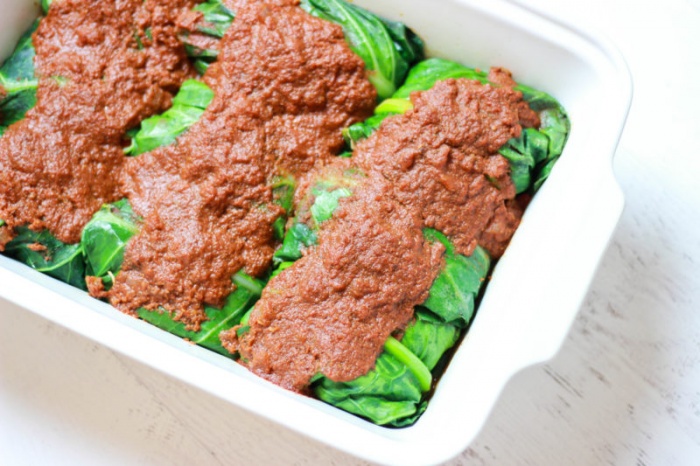
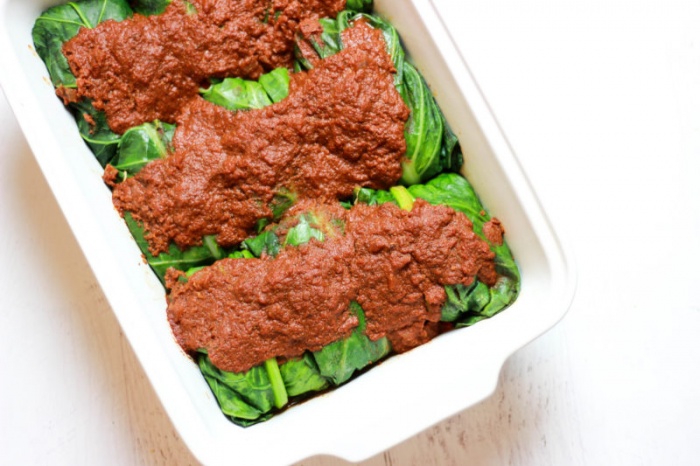
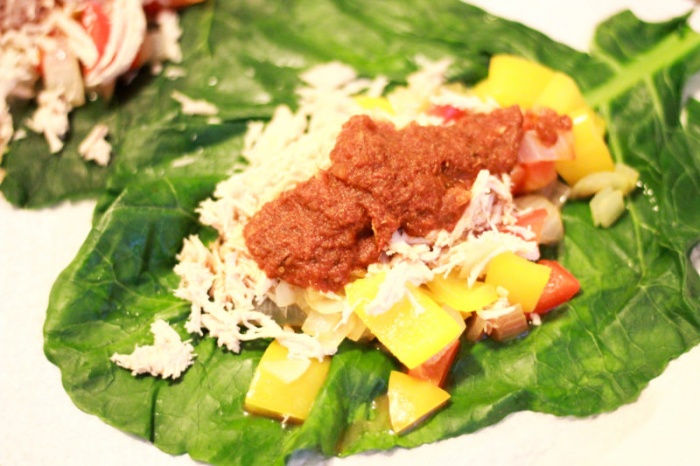 Now prepare the enchiladas. Take a collard leaf and place some vegetables and shredded chicken in the center. Pour some enchilada sauce inside (a few spoonfuls). Then wrap up the collard leaf by folding up from the bottom, folding in the sides, and then folding down the top. Flip the wrap over so the opening is on the bottom and place it in the baking dish.
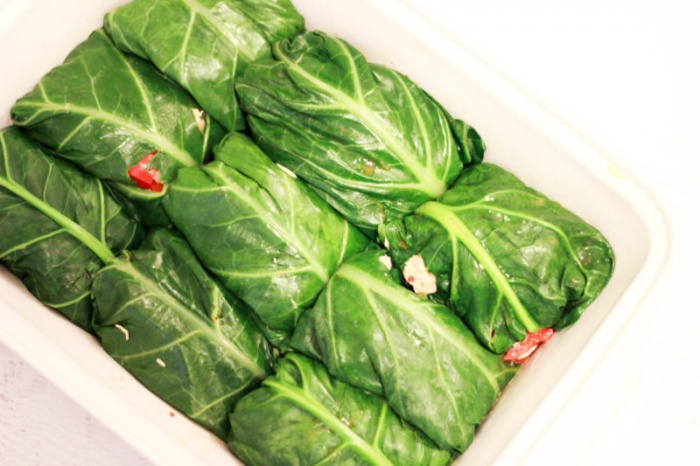 Repeat this step until you’ve filled all of your collard wraps and the baking dish is full.
- Pour the remaining enchilada sauce on top of the enchiladas.
- Bake in the oven for 10-15 minutes. This is really just to get all of the flavors to meld together and to get it all warmed up! If the wraps start to crisp, that’s great.
- Remove from the oven and plate. You can serve with any veggies you like, or eat them alone!
- Top with paleo sour cream, and garnish with cilantro.
- Enjoy!
If you make these, I would LOVE to hear how you like them! Be sure to tag me in your photos so I can see! What’s your favorite Mexican dish?!

by Christina | Jun 13, 2017 | Wellness
The protein powder post.
It’s finally here.
I have a lot of strong opinions when it comes to protein powders. In general, I am not a big fan of them. I think that people are way too dependent on protein powders, and I don’t think they should be consumed on a daily basis… unless it’s a certain type of protein. Will get to that in a second.
I understand the appeal of protein powders. They’re a convenient way to get protein into smoothies. And when you’re making a smoothie, I do think it’s important to add some protein to round out the meal and increase satiety. They’re also a convenient way to get protein into a soup or sauce if you’re not having another source of protein with your meal.
As I’ve mentioned before, though, I don’t think protein powders should be something that people depend on on a daily basis. I am a strong believer in a whole foods diet, and I avoid processed foods. Protein powders are highly processed. The proteins are often heated at incredibly high temperatures and therefore highly damaged. Our bodies weren’t designed to process that kind of protein. Because of the way they’re processed, many also contain some amount of heavy metals, like lead and mercury. Yikes.
Protein powders are also just… straight protein. There’s a reason why straight protein isn’t found in nature. Sources of protein found in nature are balanced with fats and carbohydrates so that our bodies receive and absorb the right amount of nutrients together, protecting against imbalances in our bodies.
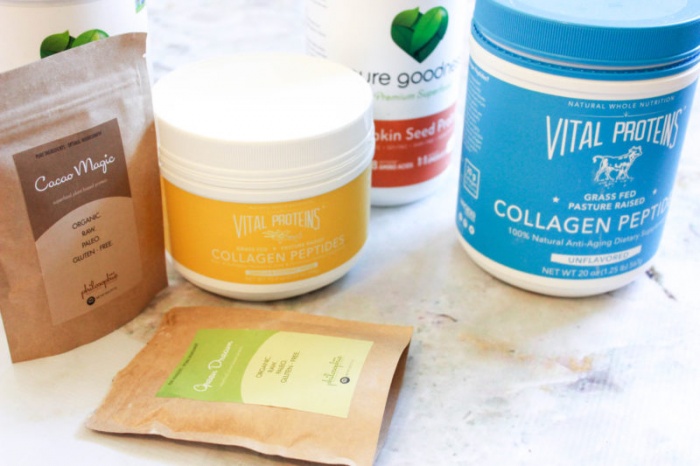
The real problem I have with protein powders, however, is all of the unhealthy ingredients added into them. SO. MANY. UNNECESSARY. INGREDIENTS. That’s what really gets me riled up. If you look at the ingredients label, most protein powders have about fifty different things in them. That’s the first problem. Why is that necessary? They add these ingredients to make the highly processed powder palatable. They add sweeteners and thickeners, turning the protein powder into something that’s will turn your “protein shake” into a low-calorie, sugar-filled dessert smoothie.
This is a bit of a side rant from the nutritional-aspect-argument, but you have to understand that protein powders are mainly a way for people in the dieting and fitness industry to make money. First of all, the myth has been spread far and wide that people need HUGE amounts of protein all the time, especially after they workout, or else all of their efforts are a waste and horrible things are going to happen to their bodies. This is simply untrue. Meanwhile, the dieting industry has also used protein powders as a way for people to easily drink low-calorie, low-fat smoothies instead of real meals, tricking themselves into eating less food (and less nutrients) than they need to. Do you really think that almond milk mixed with chocolate-flavored protein powder is a healthy or sufficient meal replacement? I could go on about this forever, but I’ll move on. I think you get the point.
Back to the ingredients. There are honestly too many to go through them all here, but I do want to call attention to a few that are found in even the most popular protein powders that people think are “clean.” I see a lot of people promoting protein powders saying they have “clean” ingredients, when that’s not always the case. Just because the protein powder only has a few ingredients (which is much better than protein powders with 20 or more, of course), doesn’t mean that those few ingredients are the best choices for your body. Also, just because a blogger says a protein powder has “great ingredients” doesn’t mean it’s true. Always do your own research.
Let’s begin with the actual protein itself. What source of protein is it? There are so many different types of protein – whey, pea, rice, hemp, and so on. What’s tricky is that within each of those categories, there can be good and bad sources of each. For example, if you’re going with whey protein, you want to make sure it’s a non-denatured whey protein from a grass-fed source. 100% egg-white proteins can also be another good option, but again, what’s the source? Also, it’s common for people to react negatively to egg whites, unfortunately. If you don’t do well with whey, either, then you might turn to a vegan source of protein. Pea and rice protein are common ones, but I’ve found that for many people, these types of protein are difficult to digest. My personal experience has been that pea and rice protein leave me bloated and in severe digestive discomfort, even when there are no other ingredients in the protein powders.
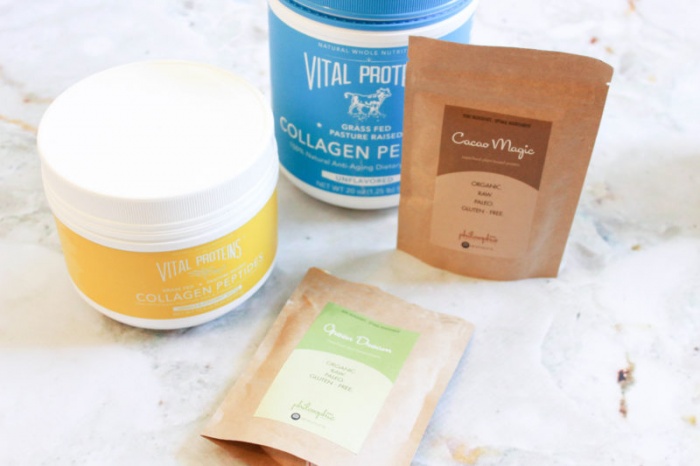
Xantham gum and guar gum are two more ingredients that are found in a lot of popular protein powders but can cause issues for many. These ingredients are thickeners and emulsifiers, and they are very difficult to digest. They’ve been shown to increase intestinal permeability (a.k.a. contribute to leaky gut) and feed bacterial overgrowths in the body. For reference, I took guar gum powder for a week to GROW my small intestinal bacterial overgrowth prior to treating it, just to make sure we eradicated as much of it as possible. Most people don’t realize that these ingredients are causing such digestive upset. Sometimes it happens immediately, but sometimes it’s over time.
Lecithins are another culprit. Lecithin are emulsifiers and antinutrients that create inflammation in the body and reduce our bodies’ abilities to absorb important minerals and nutrients.
I encourage you to research how xantham gum, guar gum, and lecithins are created. You will quickly see that these are far from “whole foods,” and they’re probably not something you want to ingest.
The other ingredient to be wary of is “natural flavors.” These could basically be anything. They’re usually artificial flavors created in labs, filled with toxins and chemicals. Sometimes it means they slip gluten in there. That is very oversimplified, but it’s the important piece to know. Unless you call the company and find out exactly what those “natural flavors” are… I would stay away.
Then we have the sweeteners. This is the big one. First of all, check for sugar. The majority of protein powders on the market contain some kind of sugar to mask their taste. (It tastes bad, by the way, because it’s so highly processed.) Some have plain old cane sugar, others have coconut sugar. The new popular sweeteners are monk fruit and stevia.
When it comes to sugar, I don’t think it needs to be in a protein powder at all. Why unnecessarily add sugar to your diet when you don’t need it? There is a time and a place for sugar in a healthy lifestyle, but it’s not something you should be consuming every day when it has been linked to metabolic disease, digestive distress, neurodegenerative diseases, heart disease, high blood pressure, abdominal obesity, and more. If you want to sweeten your smoothie, that’s what fruit and spices are for!
Let’s talk about stevia for a second. I will most likely write a whole post on stevia, but to sum up my feelings on it – I would stay away from the stevia in protein powders on a daily basis, especially if you are struggling with digestive issues. It is one of the main gut irritants affecting people today. There are other downsides of stevia, and there isn’t enough research for people to agree on its longterm health effects. I agree with Dr. Mercola who says that stevia is guilty until proven innocent. While real stevia might not be a problem, the stevia in protein powders, I can guarantee you, is not real stevia. Real stevia is more expensive and harder to find. The stevia in protein powders is, like the powders themselves, highly processed, which is doing your body more harm than good. Plus, stevia has a weird aftertaste anyways.
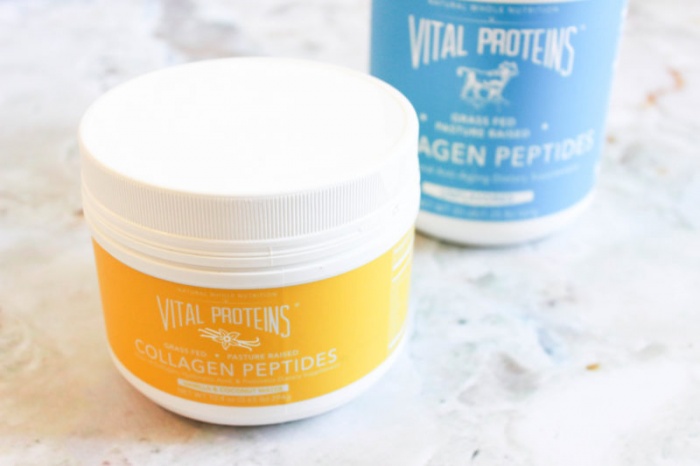
Overall, my impression of protein powders is that most of them contain unnecessary sugars and also cause major digestive distress. If you’re struggling with digestive discomfort, are having trouble reaching a balanced weight, or are having flare-ups with acne or other skin conditions, try eliminating your protein powder. I can’t tell you how many times people have completely eliminated their bloating simply from getting rid of their protein powder, or have effortlessly lost their last ten pounds just by replacing it with something else. It is a processed food, after all.
The other thing that is very important to consider is that many protein powders do include potentially harmful ingredients in such small amounts that the companies don’t even have to include these on the label. Even if you think it’s totally “clean” because the ingredient label says “100% pea protein” or “pure hemp protein,” doesn’t necessarily mean it is. There are companies who also include thickeners, vegetable gums, and ingredients like maltodextrin in their powders but don’t even have to put that on the label. These ingredients can cause digestive upset for many, and are important to know about if you are avoiding allergens.
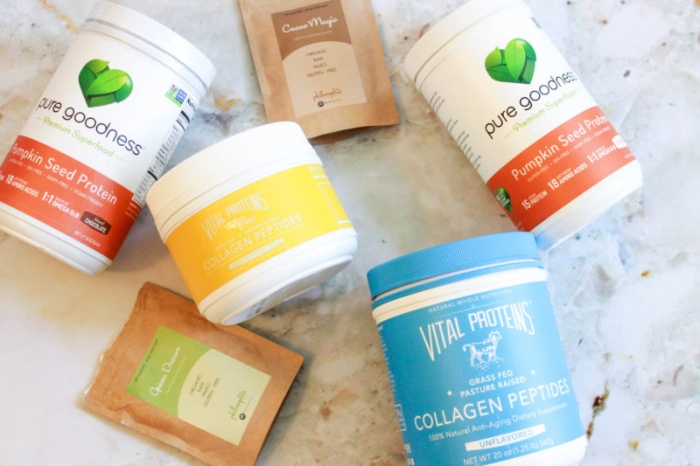
Similarly, there are protein powders that are processed in gluten-containing facilities, and therefore are not gluten-free even though they otherwise should be. For example, I recently discovered that one of my old favorites that was 100% pure pumpkin seed powder, which should naturally be gluten-free, was not actually gluten-free because of the facility it was processed in. I would never had known this had I not spoken with the company directly. That’s why it’s extra important to make sure your protein powder, if you’re using it, is verified gluten-free, no matter what the ingredients say.
My preferred type of protein? REAL FOOD. Simple as that. I don’t see the need for protein powders in people’s diets. After I workout, I eat a meal. Whole foods. There is protein in chicken, turkey, eggs, meat, nuts, seeds, and even vegetables. I think that protein powders should be more of a once in awhile thing than an every day staple, with one exception. Let’s get to that.
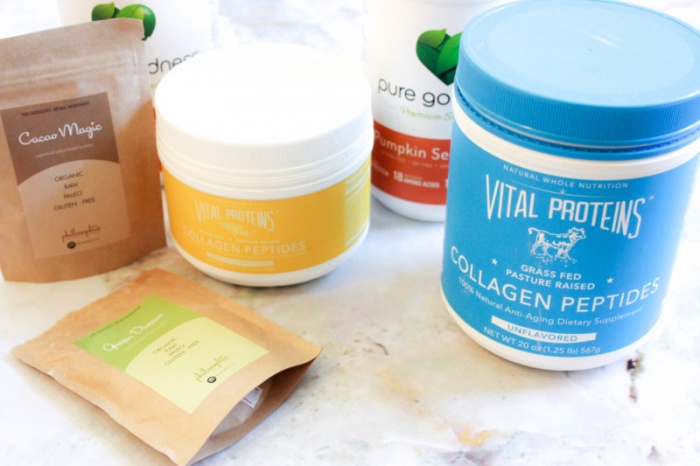
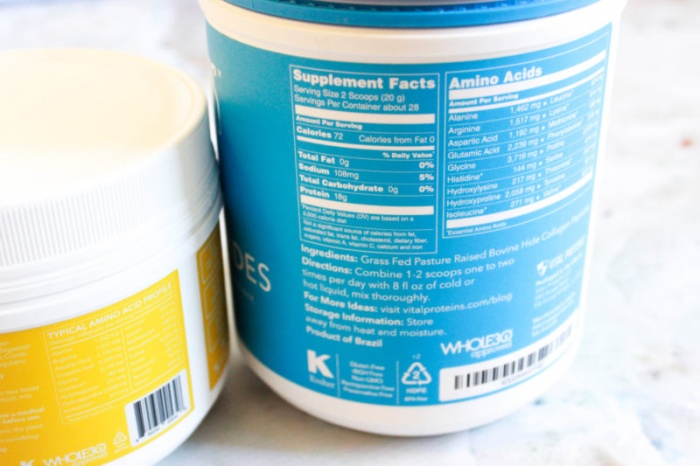
If you want a protein powder for daily use, I recommend using Vital Proteins Collagen instead. Collagen has a ton of amazing benefits – it heals the gut lining, helps with joint pain and muscle repair, improves the health of your hair, skin, and nails, and much more. You can read about the benefits of collagen here. Collagen is not a typical “protein powder.” I fully support the daily use of collagen because of it’s wide health benefits. It has personally transformed my health! You can get the unflavored collagen or one of the flavored versions (I love Vanilla Coconut).
If you absolutely have to have a protein powder, here are my tips when looking for the best one. When looking at protein powders, I first look at the source of protein. I prefer a seed-based protein, because they tend to be safe for most people. A lot of people react to dairy and whey, and pea and rice cause digestive distress in most sensitive stomachs. For that reason, I usually like hemp protein or pumpkin seed protein. Beyond that, I look for minimal ingredients. I would prefer one ingredient. If there are more ingredients, they need to be things I would add on my own to the smoothie, even if they weren’t in the powder. No artificial sweeteners or words I can’t understand.
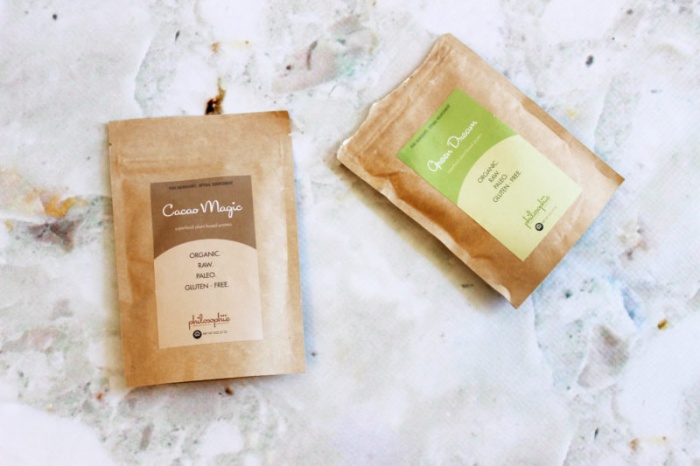
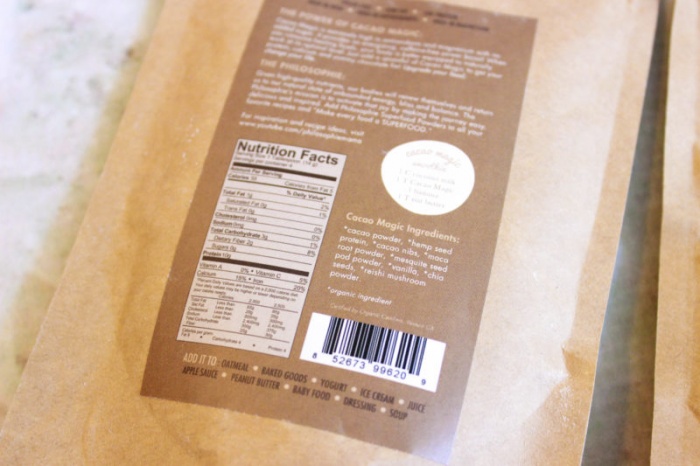
The only protein powders I personally use are Philosophie’s Green Dream and Cacao Magic. They both have ingredients beyond hemp protein, but those ingredients are actually benefiting your health. They don’t have stevia or anything I can’t pronounce in them. The Green Dream is perfect for green smoothies or savory dishes, which makes it really versatile. It contains spirulina, maca, mesquite, chia seeds, vanilla, and hemp powder. All organic. The Cacao Magic contains cacao powder, cacao nibs, reishi, mesquite, mama, chia seeds, hemp protein, and vanilla. Also all organic. These powders are filled with antioxidants, and I love that they make it so much easier to get extra “superfoods” into your diet. Each of those ingredients are things that I would add separately to my smoothies anyways – so using these just saves me time. Plus, they taste amazing.
Aaaaand those are my thoughts on protein powders. Not a fan of 99% of them. If you need a powder for daily use, I suggest using collagen to get the added health benefits. If you don’t want collagen, I love the Philosophie products. In the end, though, I will always be a supporter of real food! Most people don’t realize how big an effect their protein powder is having on their health. If you’re experiencing health issues and consuming protein powder on a daily basis, I highly recommend checking the ingredients and seeing if that is contributing to the problem!
