The ladies in my Paleo Women Lifestyle Program joke that I'm the "period whisperer" because so many women regain their missing periods once they join the group. I'm not sure if I'm officially qualified for that title or not, but I have helped countless women get their periods back, and I plan to help many more do the same. If you haven't read my other posts on amenorrhea yet, check out this post on the causes of amenorrhea, and this post on why you need your period back if it's missing.
Head to my post on the causes of amenorrhea for a more in-depth explanation, but Hypothalamic Amenorrhea (also known as HA) refers to when a woman's period is absent because her body is stressed out in some way, sending the hypothalamus signals that she's not "safe" enough to have children. Remember, the female body is biologically designed to bear children, and if the brain thinks a woman is not safe enough to do so, it will shut down her reproductive function rather than allow her to potentially get pregnant and have a child in an unsafe environment. The brain wants offspring to survive. Think back to the cavewoman days. It would be a bad idea to get pregnant if you were in a situation where food was scarce and mountain lions might attack you at any moment, ya know? When the hypothalamus senses stress, our LH and FSH levels decrease, which then leads to a drop in estrogen and progesterone.
In modern life, there are many things that can make the body feel "safe" or "unsafe." We need to think of the term "stress" in as wide a context as possible - stressors can be psychological and/or physiological. Some of the common stressors that can cause amenorrhea include overtraining, undereating, fasting, not getting enough sleep, being too low in body fat, and losing weight too quickly. Common psychological stressors that lead to amenorrhea include pressure from work, not liking your career, stressful friends, unhealthy relationships in general, body image issues, perfectionism, lacking self-confidence, and having a strained relationship with food.
So, how do you overcome Hypothalamic Amenorrhea? You have to address whatever that stressor is. It sounds simple at first, but it's not usually quick, and it's often an emotionally complicated process.
Every woman has a slightly different main trigger for HA. There's usually one thing that we know, deep down, is the main issue. The key is to figure out what that is for each woman, and to focus on that. Do you have a really low body fat percentage? Are you someone who loves exercise and probably trains too much? How is your relationship with food? Do you tend to undereat? What about life stressors? Are you someone who is doing a million things at once and works way too hard at her job? How much sleep are you getting? If you're reading this and you have HA, one or two of those things are probably resonating with you more than others, even if it's hard to admit. (Or, maybe they all are.)
Why do you think that your body thinks she isn't safe? Listen to that little voice in your head. Even if it's a quiet voice, she knows. Remember, if you want to overcome Hypothalamic Amenorrhea, you have to convince your body that she's safe and doesn't need to be in stress-mode anymore. This requires making some lifestyle changes to reassure her that she's nourished and taken care of.
I believe that most women intuitively know deep down what "it" is that's causing their missing period, but the struggle is in getting them to finally admit it to themselves and then actually make the necessary changes, which usually requires support. Often women get so used to their lifestyle patterns that it becomes a part of their identity, so it's not always easy for them to change. Many women have learned to identify as the "thin one," "the runner," "the athlete," "the workaholic," and so on, and making lifestyle adjustments that challenge that "identity" can be very difficult emotionally.
Another thing that can make the process difficult is when women compare their own amenorrhea journey to another woman's. You need to stay in your own lane. Just because Jane got her period back while exercising doesn't necessarily mean you'll be able to keep exercising to get your period back. Just because Sarah got hers back while eating less carbs than you are, doesn't mean that you don't need to increase your carbs. Remember, every woman's HA trigger is different, so every woman's steps to recovery will be slightly different, as well.
So, what are these potential lifestyle factors you need to address in order to overcome Hypothalamic Amenorrhea? In general, the theme of your life while recovering should be: relax, have fun, and eat food. Pretty sweet, if you ask me!
There's more than that to it, though. While not all of the following will apply to everyone, here are some of the steps women commonly have to make in order to get their periods back:
- Eat more food. Personally, I'm on team "eat at least 2500 calories a day" when you have HA. Some women might need even more, especially if they are still exercising (more on this in a moment). I've had some clients need to consistently eat between 3000-4000 calories a day to regain their periods. That's not everyone, but it happens. I always recommend starting with at least 2500 per day, though. Remember, even if you need to eat a LOT of extra calories to get your period back, that doesn't mean you will necessarily have to eat all of those calories forever! Focus on what you need to do to heal NOW before psyching yourself out. Also, it's important to give your body plenty of time of consistently eating more food. Eating 2500 calories for one week isn't gonna do it.
Eat whenever you're hungry, even if it's at "weird" times. Don't fast. You might find that as you increase your caloric intake, you feel like a ravenous beast. Don't be alarmed - your hunger signals are turning back on. Your body doesn't think it will get this many calories again soon, so it makes you extra hungry. It's trying to catch up after being undernourished for awhile. Keep feeding your body so it knows it can depend on an increased food intake regularly, and your hunger will even out eventually.
Also, don't be afraid to feel full. Satisfy your body! The concept of eating until you're 80% full, as the 1990s dieters like to promote, should be out of your mind. If you're unsure of whether or not you ate enough, you probably didn't eat enough.
- Make sure you're getting plenty of every macronutrient. Many women struggling with amenorrhea have spent a period of time restricting one or two macronutrients - usually carbs or fat. I recommend consuming at least 100 g- 150 g carbohydrates per day if you're trying to get your period back, if not more. Make sure you eat plenty of fat - cook in it and add healthy fats to your meals. You also definitely need to make sure you're eating plenty of protein, but I like to highlight carbs and fat since those macros tend to get demonized most often.
As you add in more of certain macronutrients and increase your food intake in general, you might find that your digestion is off. If you're bloated at first, give your body a chance to readjust to digesting more food, and to digesting all of the macronutrients. Digestive enzymes might also help. When it comes to food, you're going to have to work through some psychological and physical discomfort at first in order to heal longterm.
- Eat a nutrient-dense, hormone-balancing diet. I'll never be one to advocate for shoving junk food into your mouth, even when you need to gain weight. That doesn't mean you can't enjoy treats, and it doesn't mean you need to have a "squeaky clean" diet (in fact, this is the best time to enjoy foods you didn't use to let yourself enjoy!), but you do also need to provide your body with the nutrients it needs to build and rebalance your hormones. Like mentioned before, this means eating plenty of carbohydrates, proteins, and fats. Saturated fats are necessary for hormone production, so don't leave those out. Focus on foods that help build healthy hormones and support liver detox. Some of my favorite foods to include are organ meats, fatty fish, bone broth, eggs, leafy greens, cruciferous vegetables, and fermented foods.
- Exercise less. Not every woman has to cut out exercise completely, but she should definitely be reducing any type of exercise that's too stressful on the body. If you are going to exercise, I recommend low intensity workouts like walking, yoga, pilates, or even classic resistance training with lower weights and less reps, depending on the situation. However, many women do need to completely cut out all formal exercise for awhile.
I definitely recommend avoiding any high intensity exercise - you want your body to calm down. Even though it's performed in a short interval, I still personally think your best bet is to cut out HIIT while your period is missing. My number one priority, though, is to always have my clients cut out any type of chronic cardio. Even if you love it, you need to drop it until your period comes back. Long distance runs are not doing your body any favors.
With any type of movement, it's important to listen to your body. If your body is tired, don't push it. Rest. You'll get your period back sooner if you do less exercise.
- Gain some weight. Sometimes women need to gain 5 pounds, and some need to gain 20 or 30. Some women don't need to gain any weight, and some need to gain a lot. In general, though, most women I've worked with end up needing to gain between 5-15 pounds. (Again, that is a huge generalization.) Women need more body fat than men in order to be healthy. Having a healthy amount of body fat is a sign to the body that we are fit for reproduction, which is why having a low body fat percentage can lead to a loss of period.
Gaining weight is often the most emotionally difficult part of healing for women. I recommend checking out this post for more information on coping with healthy weight gain.
If you lost weight and then lost your period, you might have to gain more than your original weight for your period to come back. This is often shocking for women, which is why I wanted to mention it here. I don't recommend having a specific "goal weight" in mind. Throw away your scale. MANDATORY. The scale is a psychological stressor, and your weight doesn't matter. Your weight is going to change - there is no point checking on it. You'll know you're at the "right weight" when you get your period back!
The process of gaining weight is often very eye-opening for women. It requires a new appreciation for their bodies and their health, and an understanding that their "ideal" body type might not actually represent a healthy body for them.
- Sleep more. So many women, and people in general, do not get enough sleep. This is a major stressor on the body. Focus on getting at least 8 hours of sleep a night, if not more, and try to be in bed by 10 PM.
- Cut out life stressors. This means addressing your job, significant other, friendships, living situation, and so on. This is not easy, but it is PIVOTAL. There are many women who are eating plenty of food and not overexercising, but they still don't have a period because they are avoiding addressing their life stressors and making tough decisions. Sometimes women really do need to quit their jobs, end relationships, or even move locations to get their periods back. This can be a tough pill to swallow, which is why it's so important to have support.
- Relax. HAVE FUN! Now is the time to truly RELAX, "let your hair down," and focus on what you need to do to be happy. You have a medical excuse to do so, girl! Prioritize self-care. Take some baths. Have a calm morning. Meditate. Do face masks. Read a book. Go to bed early. Have a girls' night in. Orgasm. Walk in nature. Lay on the floor and stare at the ceiling in silence. Listen to your favorite music. Put your phone on airplane mode for the day. Try a pottery class. Date someone new. Try a new sport. The point is - do things that make you smile!
- Embrace your sexuality. I recommend listening to this podcast all about how tapping into your sexuality can help balance your sacral chakra, which helps many women get their periods back! Embracing your sexuality includes, but is not limited to, dating, flirting, having sex, masturbating, talking about sex, watching a romantic movie, reading a romance novel, and so on.
- Address any other underlying health issues. Any underlying health issues left unaddressed will act as stressors on the body, which could prevent you back from getting your period back. It's especially important to address gut infections like SIBO, Candida overgrowth, parasites, or any other bacterial overgrowths. It's common for women to lose their periods while struggling with these gut problems, because the body is focused on fighting those infections and gets trapped in a stressed-out state.
Women always ask how long it will take to get their periods back, but it takes every woman a different amount of time. Some women only need a few months (some women claim it only took them one week of radical changes) of zero exercise and eating a ton of calories to get it back. Others need 6 months to a year of consistent changes. In general, though, women tend to recover more quickly when they go "balls to the wall" with their diet and lifestyle changes. If you increase your calories to 3000 instead of 2500, if you cut out all exercise rather than just reducing it, if you quit your stressful job rather than working through it, and if you completely cut out every negative person in your life rather than just trying to put some boundaries up with them, you'll probably get your period back much faster than if not. In general, though, I recommend women give any plan at least 3 months to start working before they pivot.
Remember that after your period comes back, your work is not done. I recommend keeping up with the changes you made for at least a few months after your period returns, until you have a regular, healthy cycle again. Once your cycle is regular and healthy, then you could start trying to make changes, like adding in a bit more exercise if you want. You might be able to go back to some of your old habits, but you also might not be able to - it's different for everyone. If your period goes missing again while you're toying with your diet and lifestyle, then you pushed your body too far and need to go back toward the patterns that you were following when your period was healthy and regular. You might find that you will always need to do less exercise, eat more food, or maintain a higher body fat percentage than you did before if you want to keep your period.
If this topic resonates with you, I highly recommend checking out the book No Period. Now What?. This book gives an in-depth scientific explanation of HA and shares a ton of personal stories from women about what they had to do to recover from amenorrhea. If you're struggling, it can be very encouraging to hear from hundreds of other women who have gone through the same thing.
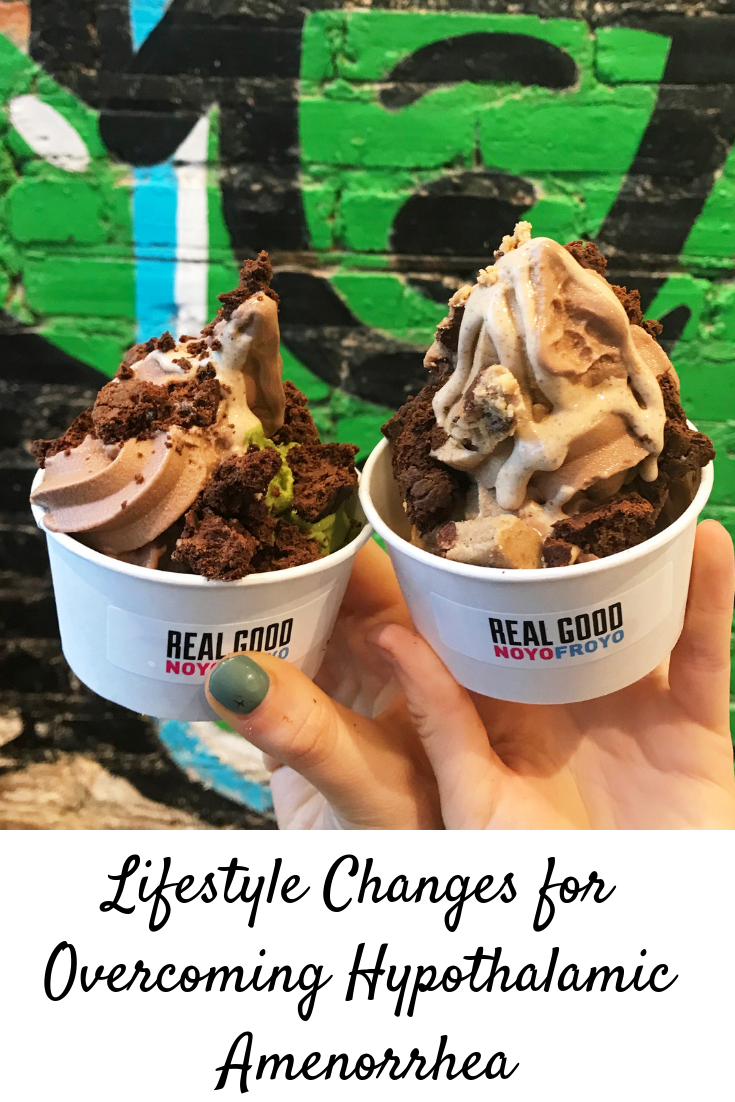
Getting your period back can actually be fun, if you let it. Don't resist the changes, embrace them. Throw in some of my paleo sugar-free desserts. They're a delicious, easy way to get calories in! Work out less and enjoy having free time, eat more foods than you ever have before, be more social, "let loose", and really just HAVE FUN IN YOUR LIFE. It's often a process of releasing perfectionism, which will serve many women very well in many ways, far beyond gaining back their periods!
Those are the main lifestyle changes that need to be addressed by women struggling with Hypothalamic Amenorrhea. In my next post, I'll include a list of ways to get your period back beyond those mentioned above, including supplements that can help move things along.
If you or a loved one struggles with HA, please share this article with them! If you've recovered from Hypothalamic Amenorrhea, I would love to hear below what worked for YOU!
**Remember, this information is not meant as medical advice and should not be taken as such. Always check with your qualified healthcare professional before incorporating a new supplement into your routine. A Nutritional Therapy Practitioner is trained to evaluate nutritional needs and make recommendations of dietary changes and nutritional supplements. An NTP is not trained to provide medical diagnoses, and no comment or recommendation should be construed as being a medical diagnosis. Since every human being is unique, I cannot guarantee any specific result from recommendations. If you are under the care of a healthcare provider, it is important that you contact them and alert them to your use of nutritional supplements. Nutritional therapy may be a beneficial adjunct to more traditional care, and it may also alter your need for medication, so it is important you always keep your physician informed of changes in your nutritional program.


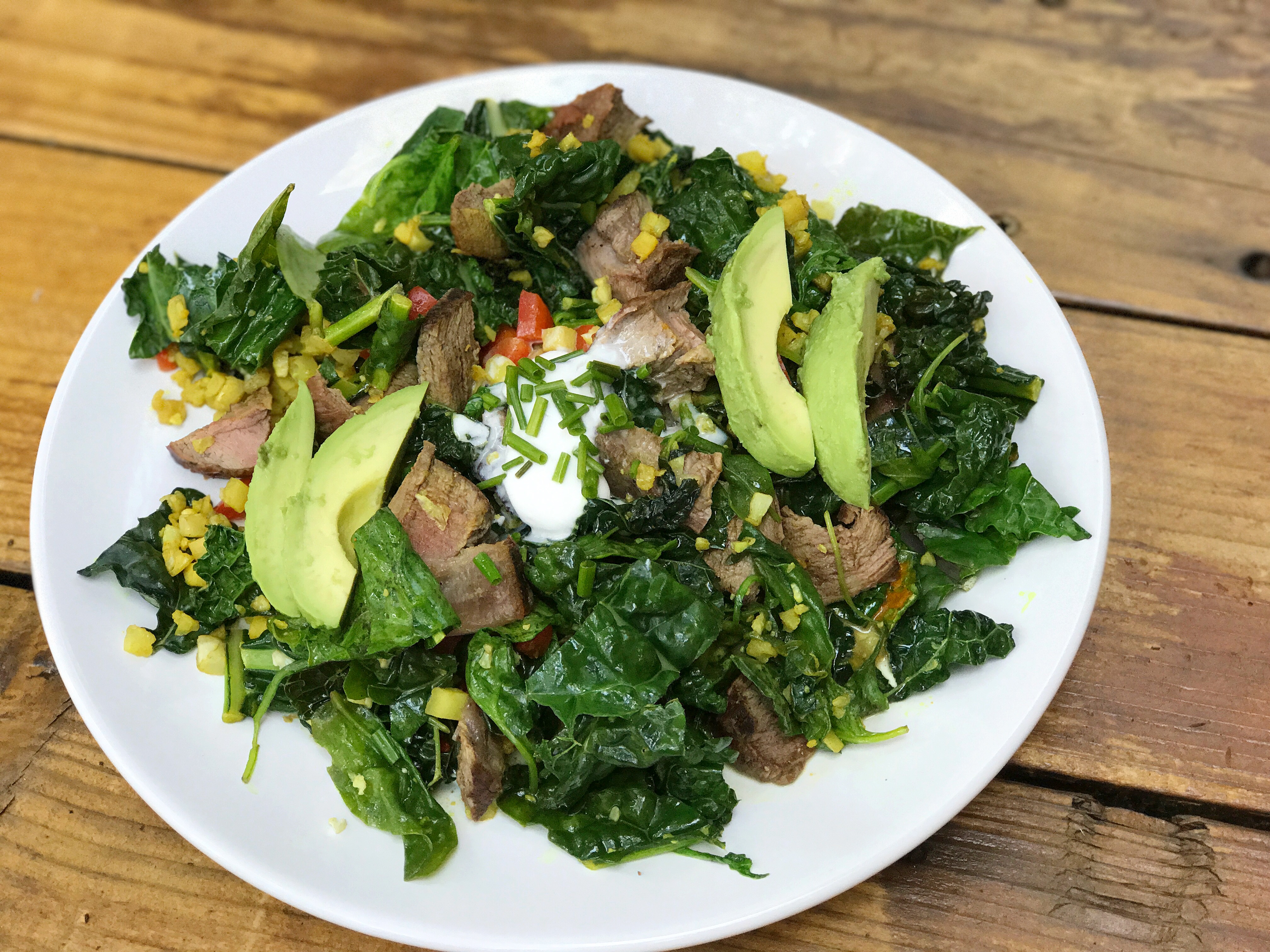
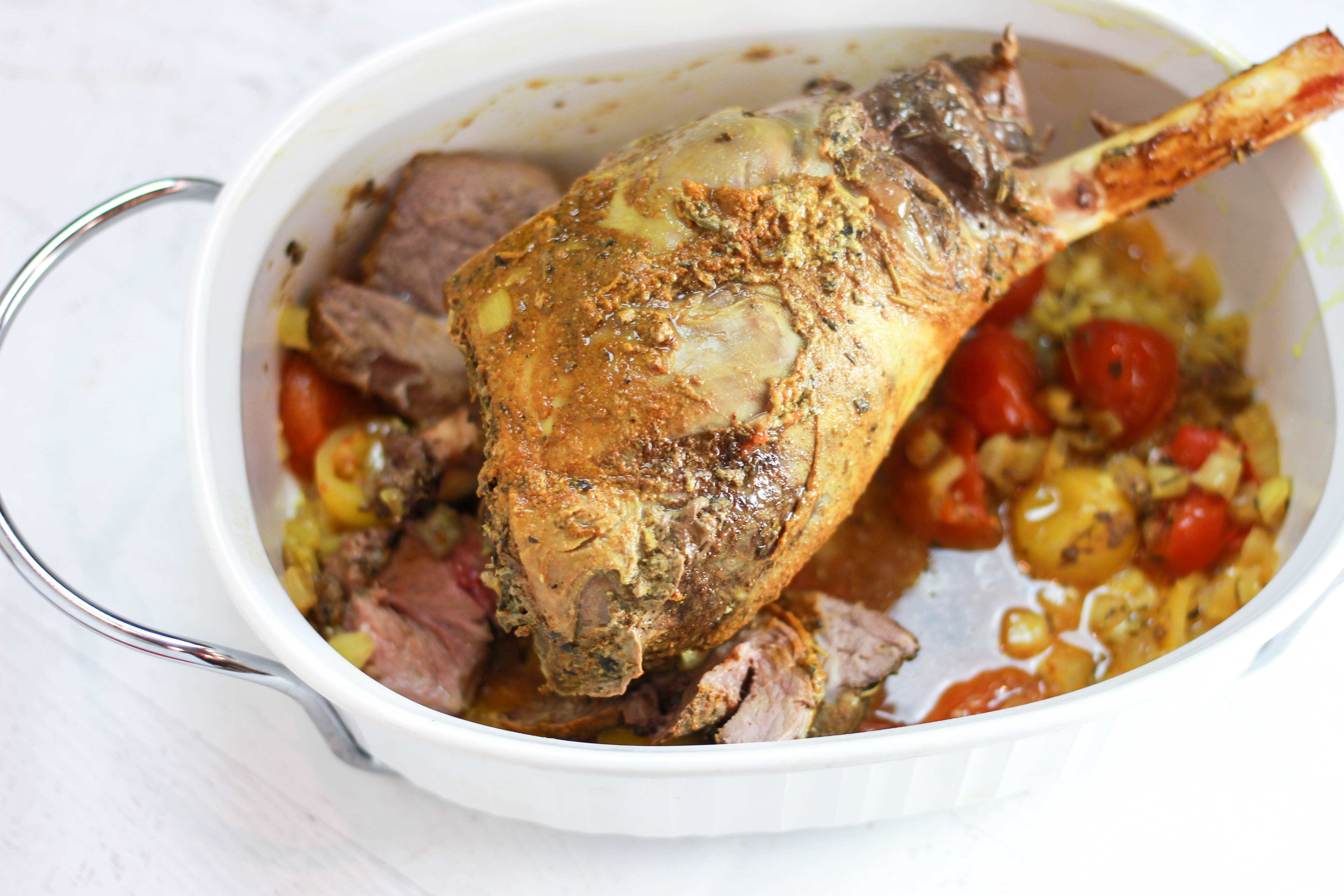
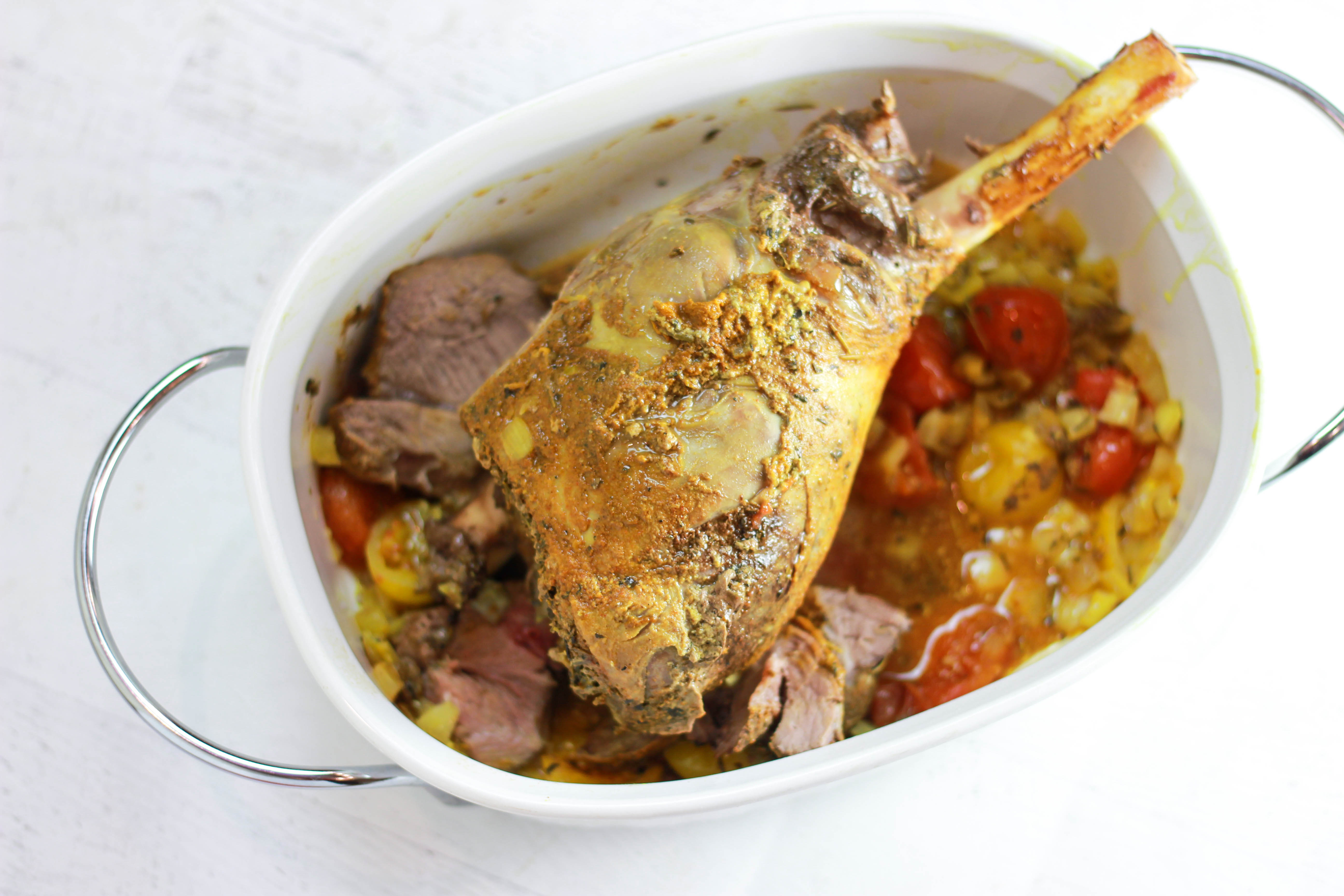
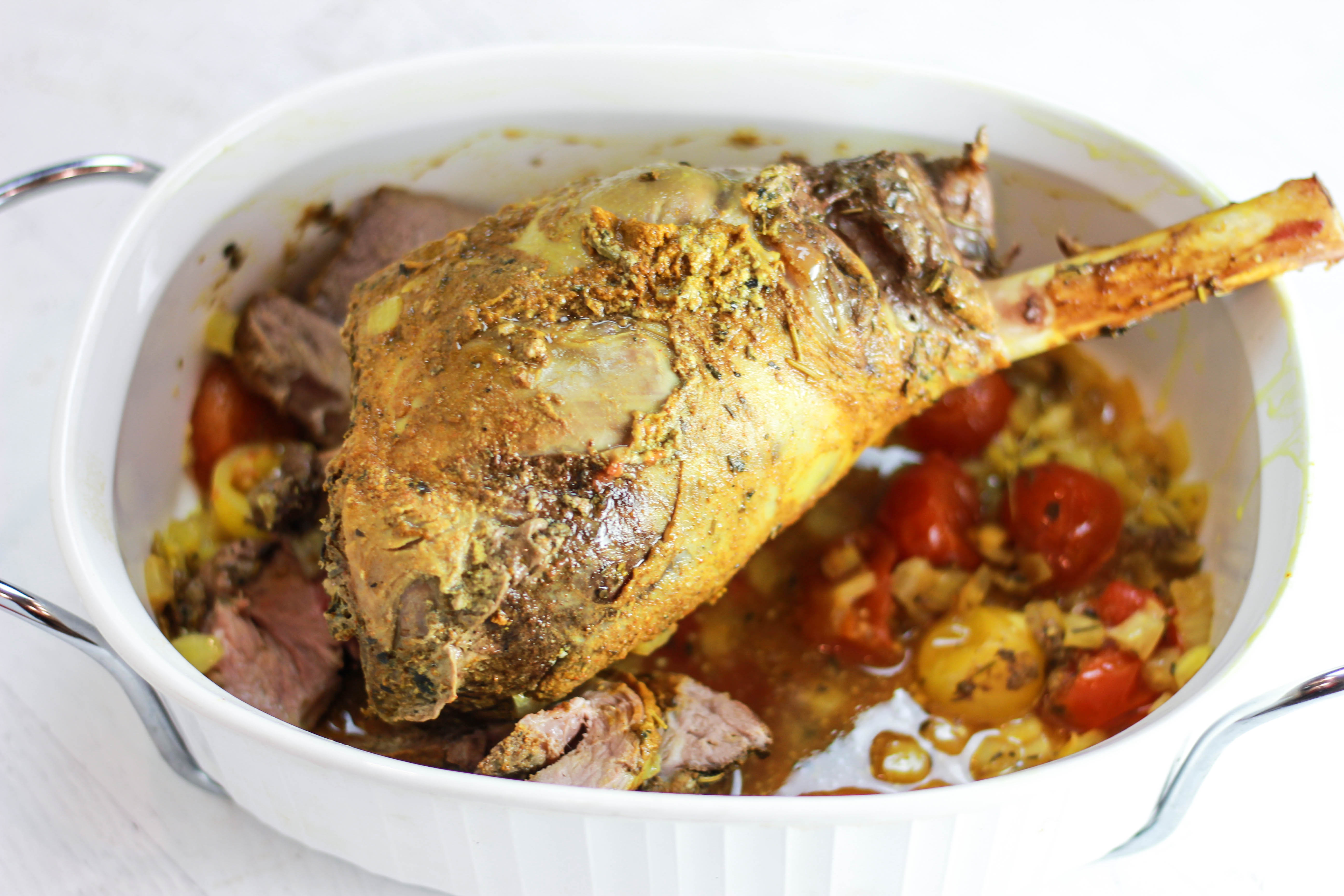
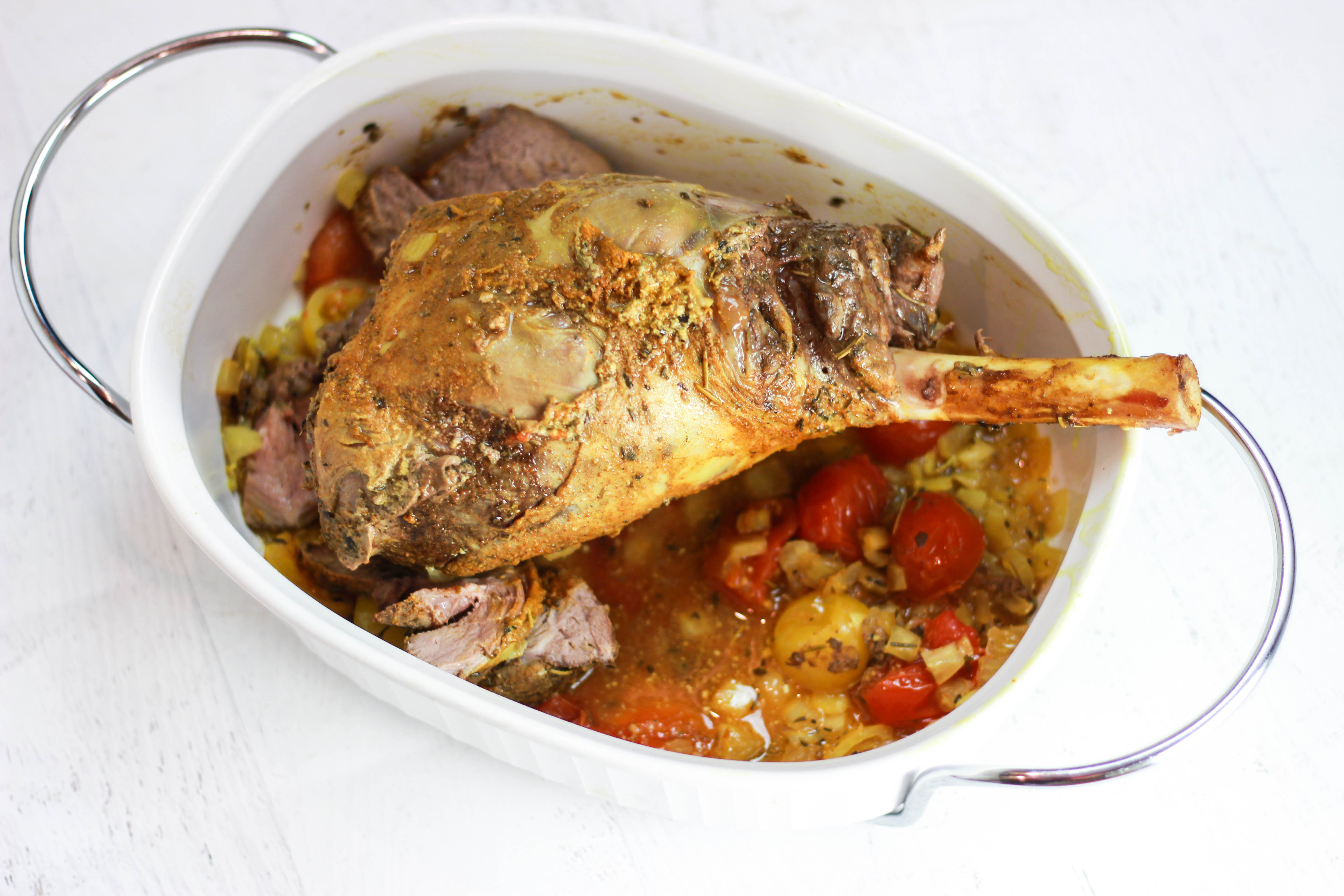
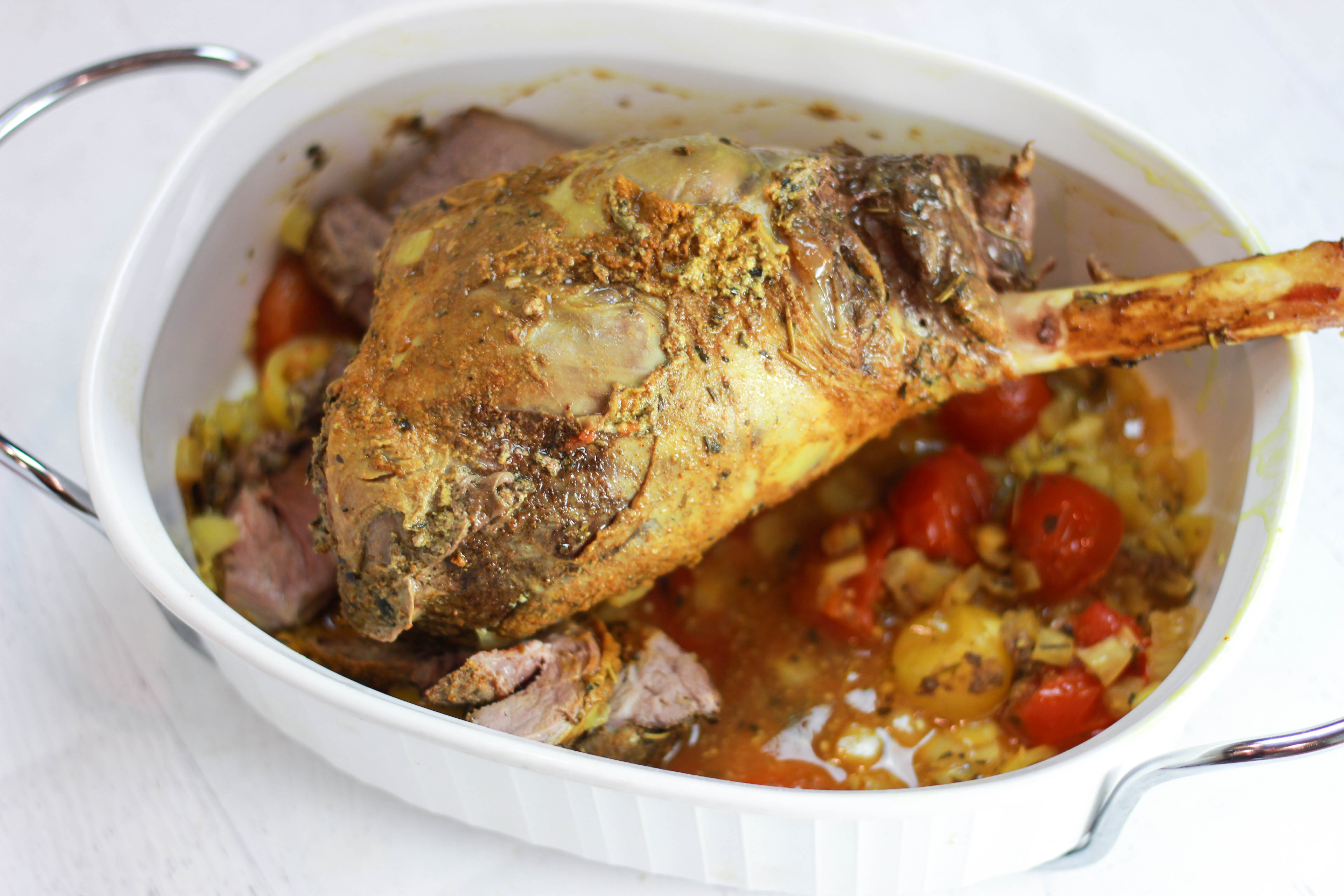
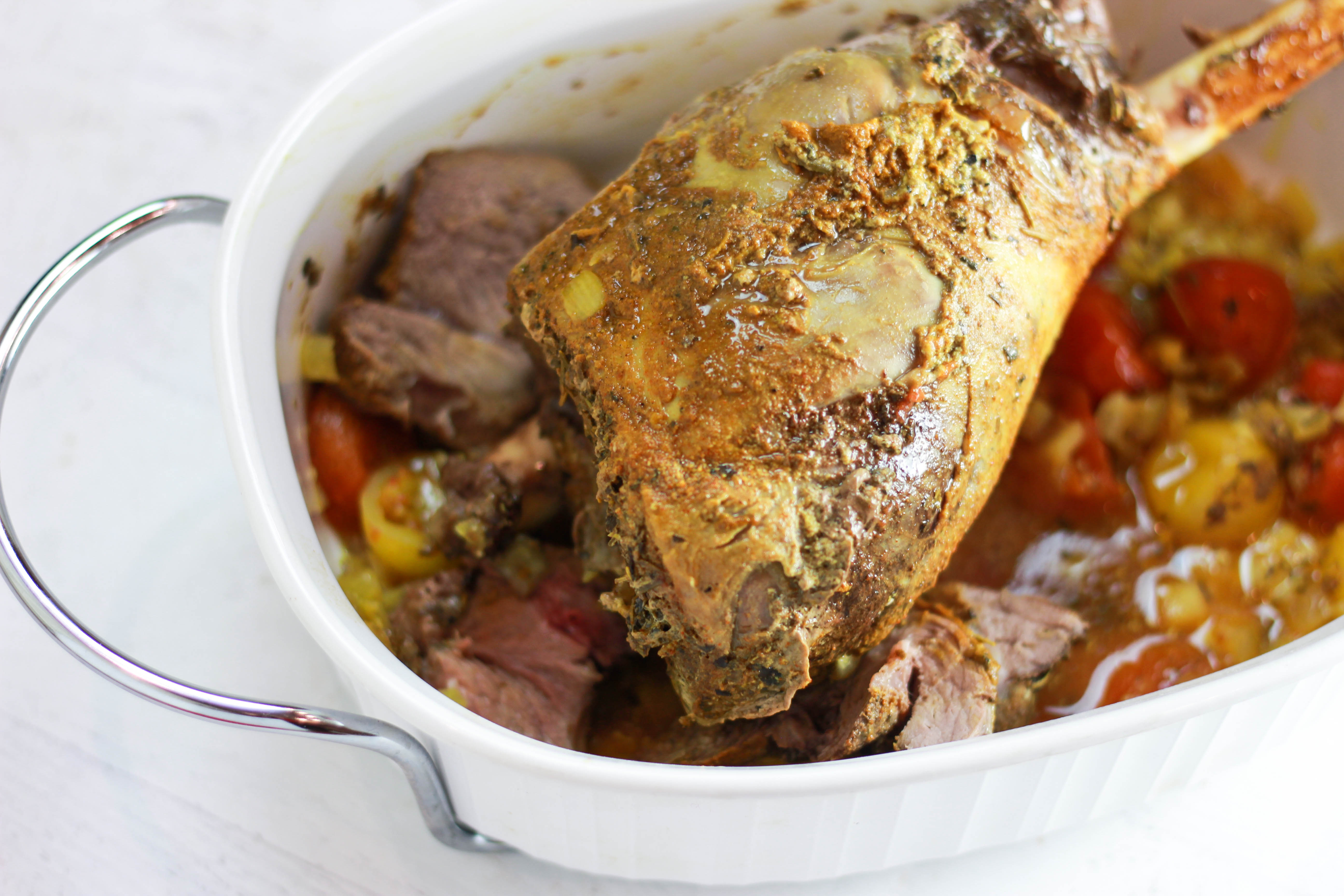 If you’ve been looking for a new way to make a leg of lamb, or if you’ve been intimidated to cook lamb, try out this recipe! You really just need to throw everything together in a slow cooker and you’re good to go. Easy as pie, but way easier. Plus, this main is a great way to impress a crowd, because they’ve probably never gotten this flavor combination from a restaurant! This recipe is paleo, Whole 30-friendly, low-carb, and keto-friendly. Serve it with any sides you like!