
by Christina | Jun 26, 2018 | Wellness
Since I get asked pretty regularly about being an NTP, who should work with an NTP, what the NTA is like, and everything in between, I thought it would be helpful to write up a few posts answering all of these questions! Today I’ll be talking about what an NTP is and who would benefit from working with one, and my next post will be all about the program itself, since I know many of you are thinking about joining the program!
What is a Nutritional Therapy Practitioner?
I am certified as a Nutritional Therapy Practitioner (NTP) through the Nutritional Therapy Association (NTA), but what even is an NTP?!
“A Nutritional Therapy Practitioner is a nutritional therapist certified by the NTA to evaluate nutritional needs and make recommendations for dietary changes, helping clients balance body chemistry and achieve optimal wellness. NTPs are not trained to diagnose or treat pathological conditions, injuries, or diseases.”
That’s the official definition from my course materials, which pretty much sums it up. Let’s break that apart, though! Basically, what it means is that the NTA teaches students/graduates how to help clients tap into their body’s own “innate intelligence” and support the foundations of health to rebalance the body and get its different systems working properly again.
The NTA is all about the foundations of health, a.k.a. the Foundations. These foundations are a properly prepared, nutrient-dense diet, digestion, blood sugar regulation, fatty acid balance, mineral balance, and hydration. In order to support those foundations, we need to give the body the nutrients it needs and make sure the body is actually absorbing the right things, and health will naturally follow from there.
As NTPs, we cannot and do not diagnose or treat any medical conditions, but we also don’t need to diagnose or “treat” in order to get phenomenal results with clients. The key is to balance out the body and support its processes so that it heals itself. NTPs learn all about how the body works and what causes dysfunction so that we can evaluate clients’ diets and lifestyles to figure out what they can adjust to address different imbalances and deficiencies. We focus on the root cause of any issues or symptoms, and addressing the root of the dysfunction is what balances the body out. This is very important to me, because I strongly believe in addressing root causes rather than utilizing symptom management, which, sadly, many other practitioners still rely on.
Why focus on getting to the root of the issue rather than a band-aid approach? Well, getting to the root cause will ultimately allow the client to move forward feeling their best without additional support in the long run. Who wants to use a “band-aid,” so to speak, their whole lives? Addressing diet and lifestyle support the foundations for an overall healthy body and mind, and it’s important to me to teach my clients the skills they need in order to rebalance their bodies now and also prevent any health issues from occurring in the future. Many people come to Nutritional Therapy looking to address one or two things, and they leave having transformed far more than that. For example, it’s not uncommon for someone to come to me wanting to clear up their skin, and in the process they find that their digestion and energy levels improve, weight balances out, mood and mental clarity enhance, and more – symptoms they might not have even noticed they were struggling with before. Oftentimes, people get so used to the way their bodies are feeling that that’s their “normal,” so they don’t fully recognize all of their symptoms.
Nutritional Therapy Practitioners are also trained to perform the Functional Evaluation and utilize Lingual-Neuro Testing Techniques with clients. The Functional Evaluation uses a series of palpations and other physical assessments to identify deficiencies and imbalances in the body, and then the NTP can recommend diet, lifestyle, and supplement changes based on that to help strengthen the body’s foundations again. Not all NTPs actually utilize the FE, but we are all trained to perform it. Lingual-Neuro Testing allows us to determine which specific supplements will work best to support the client’s unique body.
You might have heard of NTCs, or Nutritional Therapy Consultants. The difference between NTCs and NTPs are that NTPs also learn the Functional Evaluation and Lingual-Neuro Testing to help further support clients through supplementation beyond diet and lifestyle changes, and the NTC program doesn’t teach the FE or LNT skills. NTPs and NTCs are incredibly similar – we learn the same information about the foundations.
What can nutritional therapy address?
Well, A LOT. Nutritional therapy is incredibly powerful! That’s the beauty of looking at root causes and supporting the body’s foundations (digestion, blood sugar regulation, fatty acids, minerals, and hydration) through diet and lifestyle. When you get the body’s systems back into balance, a lot of different symptoms start to naturally take care of themselves.
Obviously, NTPs can help you when it comes to nutrition and finding a way of eating that works with your unique body type. We pride ourselves on taking bioindividuality into account. NTPs can help anyone improve their diet and lifestyle for overall general health, and also act as preventative care for the future to prevent you from struggling with health problems years down the line. Many of the common signs or diseases of aging can be prevented by adjusting diet and lifestyle NOW.
Besides prevention, however, NTPs can help you address problems like digestive discomfort, bloating, constipation, gut dysbiosis, acid reflux, detoxification, acne, eczema and psoriasis, other skin conditions, joint pain, mental health issues like anxiety and depression, hormonal imbalances, period regulation, fertility, improved athletic performance, autoimmune conditions, chronic health conditions, energy levels, stress, weight loss or weight gain, and much more. Again, we don’t “cure” and can’t guarantee any results, but we help you support your body so that it is able to heal on its own.
Who should work with an NTP?
I’m obviously biased, but I think anyone struggling with any health symptoms could use the help of an NTP. If you are interested in working with someone who takes a real-food, holistic approach, then NTPs are a great option. If you require in-depth testing, there are certain NTPs who can help you with that if they’ve continued their education. That being said, there is a lot that can be done without any testing at all. In fact, I would urge you to work with a nutritionist prior to spending extra money on tests, because lab results can completely change after you’ve spent some time adjusting your diet and lifestyle. I think it’s best to adjust diet and lifestyle and then see where that brings your body.
If you’re interested in working with a naturopath or FMD, my recommendation is to start working with an NTP first in most situations. The NTP can help you work through all of the same diet and lifestyle factors that a functional medicine doc will have you start with anyways, but it tends to be much more cost effective to work with an NTP and then move to an FMD if it’s necessary to do so. However, many of my clients who are planning to work with an FMD eventually find that they never even need to – it just depends on the case. Huge changes can be made with diet, lifestyle, and proper supplementation. I think it’s a good idea to start with those changes, let the body balance out and start healing, and then see if there is anything left to address that would require testing or more work with an FMD. This also makes it much easier for functional medicine doctors to see what’s really going on and help you more effectively, because they don’t have to waste time working through diet, lifestyle, and nutrient balance if you’ve already done that work. If you are diagnosed with a health condition that requires the care of a doctor, however, then of course please make sure you are under the care of a doctor! Remember, recommendations from NTPs are not medical advice and should not be taken as such.
Many people find that NTPs are able to give them more individualized and in-depth attention regarding diet and lifestyle than naturopaths are, simply because of time constraints, which is also often why FMDs work in conjunction with NTPs or another type of nutritionist. More and more FMDs are now requiring their patients to work with a nutritionist before even seeing them, so that they can figure out the patient’s true health status after making lifestyle changes and then go from there. Looking back on my own health journey, I wish I had started working with an NTP before seeing an FMD, because I know it would have saved me a lot of time and money.
I also have many clients who choose to work with me in conjunction with their doctor, as part of their health team. This is a great option to get full support, and also have a few different opinions. For example, a common “health team” (and what I personally used to have) for people who are working through more difficult health issues consists of an NTP, a doctor, and a therapist. I also have clients who will also be working with an acupuncturist or energy healer as well. Usually people whittle that team down over time, but it can be really helpful to have people with different specialties all supporting your health from different angles. Plus, they all kind of overlap. For example, I know that I used to feel like I was getting mini therapy sessions from my NTP and acupuncturist in addition to my actual therapist. And if you can find someone you really connect with who is trained in multiple skills, then even better! There are NTPs who are also therapists, NTPs who are also energy healers, and so on. It’s certainly not necessary for everyone to see multiple practitioners, but for some people it is incredibly helpful.
I think that is a key component to every health journey – addressing all angles. That is why in my practice I take a holistic approach and focus on all aspects of lifestyle – nutrition, exercise, stress, sleep, mental health, energy work, and supplementation. I think it’s incredibly important to utilize other natural healing methods as well, like essential oils. I’m interested in helping my clients make lifestyle changes that will last rather than quick fixes, and I want to teach them skills to support themselves in the long run – not feel like they need to depend on a practitioner forever.
What’s it like to work with an NTP?
All NTPs do things a bit differently. You might go into an office, they might come to you, or they might see clients online or by phone. When it comes to nutritional therapy, though, remember that it’s not a quick-fix, band-aid approach. It’s a kind of “program” that requires commitment and regular check-ins to hold you accountable. The NTP will make recommendations for you, and as the body balances out those recommendations will adjust and change over time. I am committed to my clients and am with them on the journey.
Different NTPs tend to have different specialties and “styles,” so look for one that resonates with you! Some NTPs focus heavily on nutrition and supplementation, others are slanted more towards energy and mindset, some are exercise experts, and so on. Some specialize in fertility, some in weight loss, some in autoimmune conditions, etc. This often relates to their own personal health journeys.
Personally, I tend to focus a lot on tweaking nutrition (I am definitely a nutrition nerd) with a heavy emphasis on lifestyle factors because of my start as a health coach. I also focus a lot on mental health because I received my degree in Psychology, and mental health is something I’m very passionate about. I work with a wide variety of clients, but my emphasis is on gut health, mental health/body image/ED recovery, and healthy weight management, and this all relates back to how I found nutritional therapy in the first place. I personally experienced the power of a healing diet and healthy lifestyle in helping me work through gut issues like leaky gut, SIBO, and Candida, mental health issues like anxiety and depression, eating disorders, acne, weight fluctuations, and more. Experiencing it for myself was empowering, and it is what drove me to pursue a career where I could help others along that same healing journey by working with clients 1:1 and in my group coaching program, the Paleo Women Lifestyle Program!
In my next post, I’ll be talking all about the NTA and the actual NTP program for those of you interested in potentially becoming NTPs. If you have any questions, please feel free to leave a comment!

by Christina | Jun 21, 2018 | Recipes, Wellness
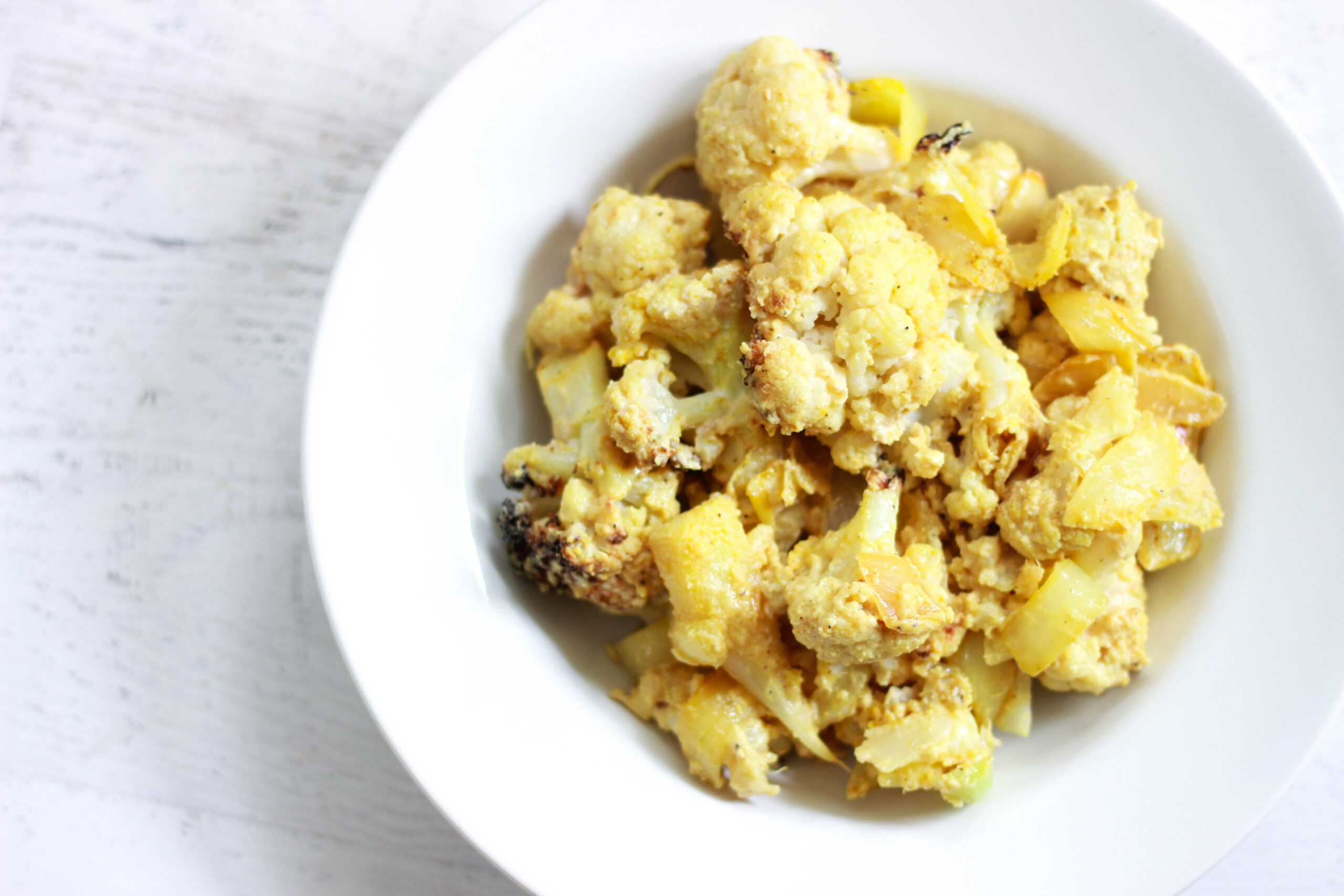
There are some recipes that are truly so delicious that I’m almost afraid to make them. This is one of those recipes. I can’t trust myself around it….
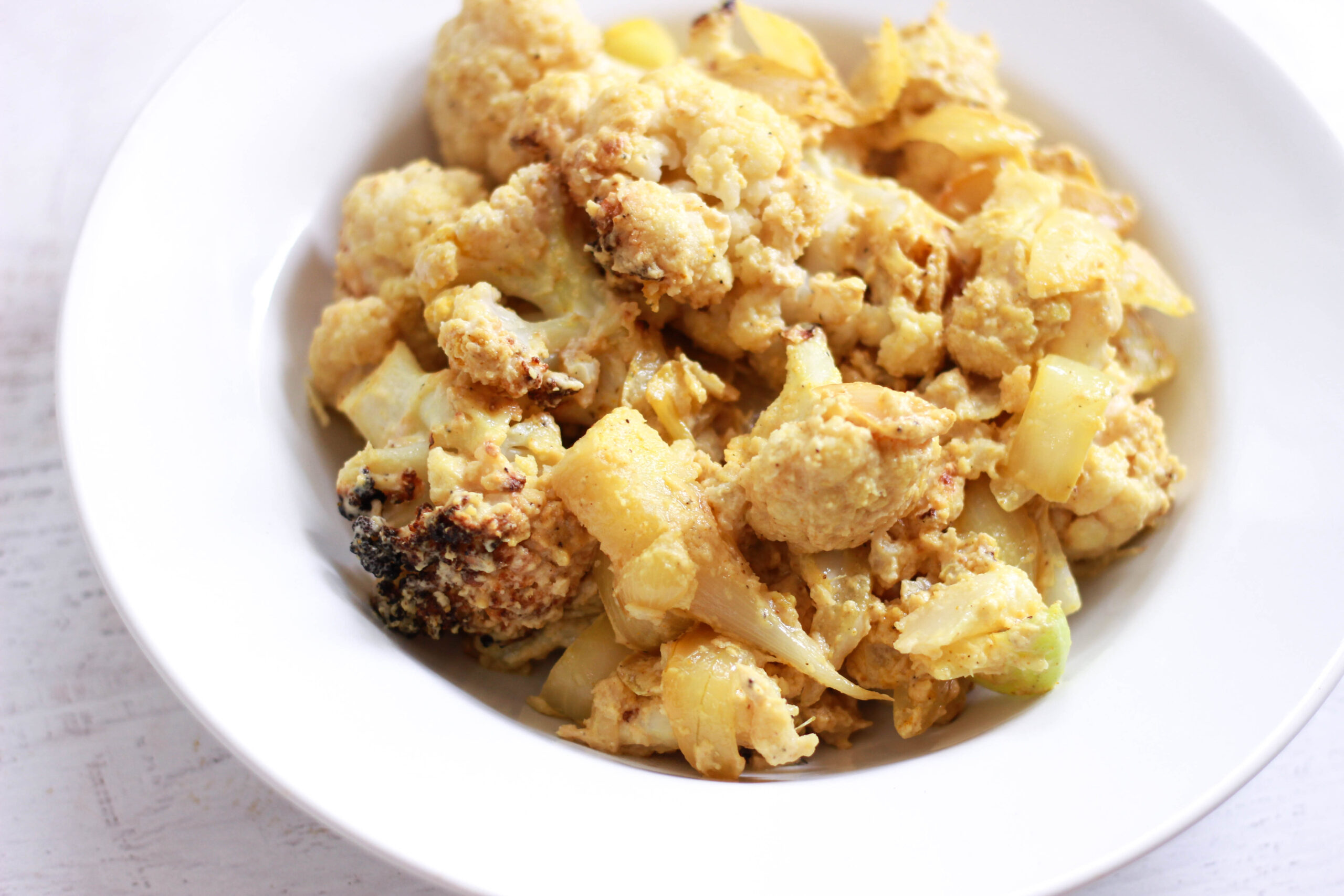
This is the second in my series of Telhami family recipes! If you haven’t made the Telhami Baba Ganoush yet, then I highly recommend you check that out. I am so grateful that the Telhami family is allowing me to share some of their recipes on my blog with you! With something this delicious, it would be a shame not to share it. When Jamila Telhami made me this dish for the first time, I just about died and went to heaven. Tahini and cauliflower are the two foods I’m most addicted to. Paired together? I have no words.
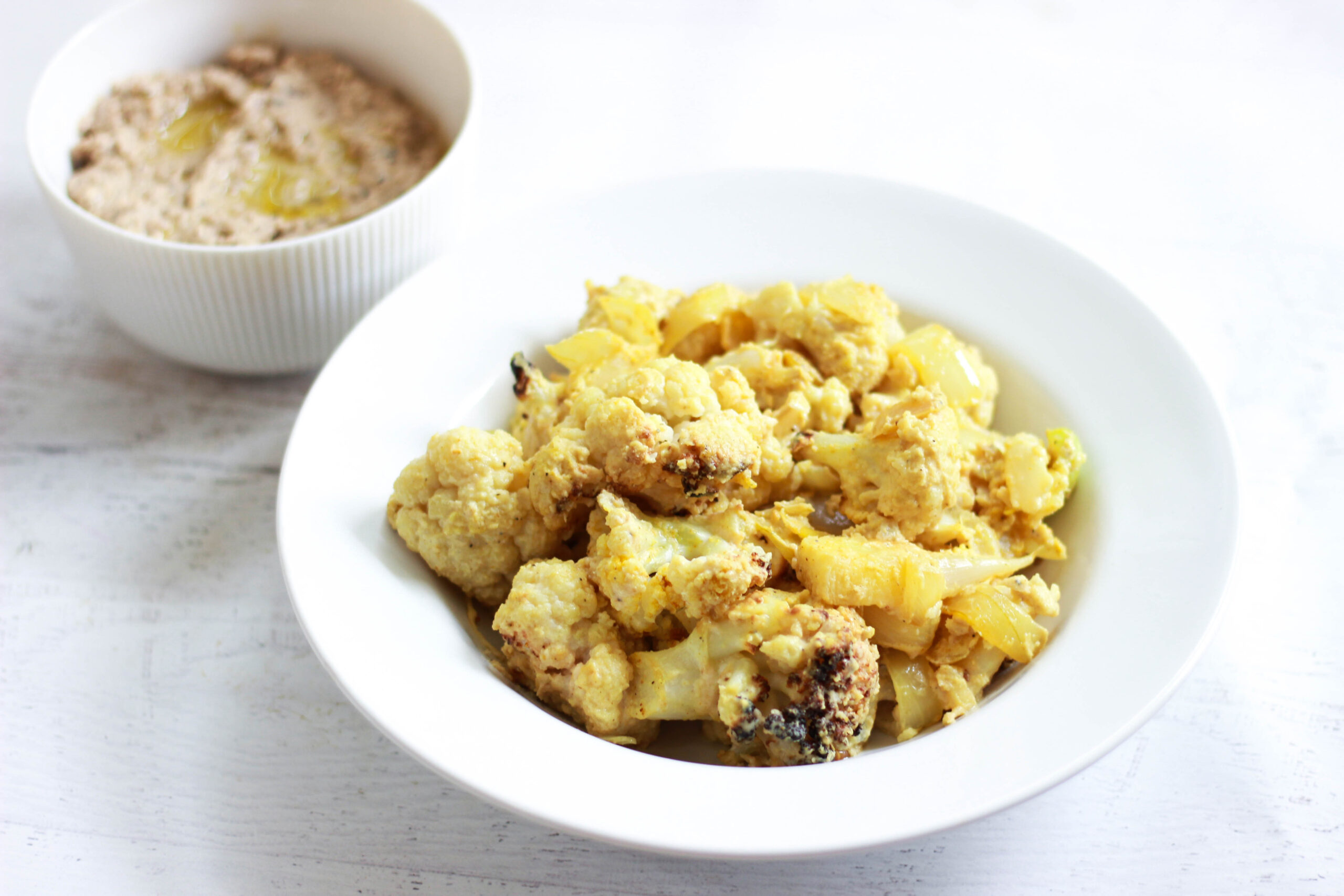
One of my favorite snacks has always been roasted cauliflower with tahini on top, but when you actually cook them together and let the tahini melt into the cauliflower, it brings the flavor to a whole new level! I don’t typically use onions in recipes, but my stomach does fine with this. Jamila Telhami explained to me that the onion provides a very necessary extra dimension of flavor – and she is definitely right.
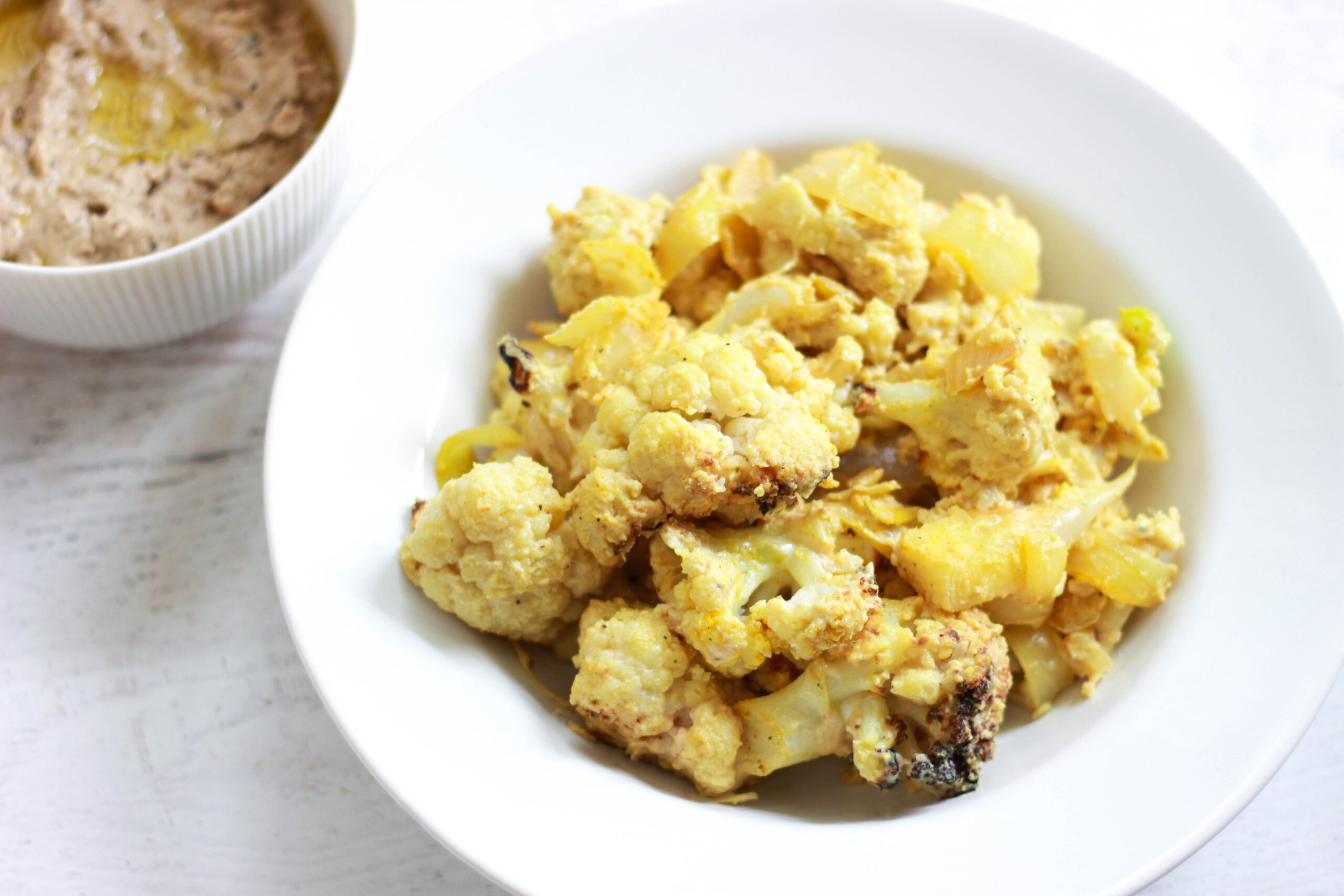
This is the perfect, easy side dish to cook up if you’re looking for something that packs a BIG flavor and will impress anyone you’re serving. Like I said, though, watch out. It takes all of my willpower to save any leftovers of this. I am so grateful that Jamila taught me how to make this – it’s my favorite of her recipes. Cauliflower and tahini go together like peanut butter and jelly. They were meant to be. Pair those with a few of my other favorite flavors like lemon and curry, and it’s a done deal.
Speaking of leftovers, I actually think this does get better with time (if you happen to not eat it all at once). In general I tend to like leftover veggies even more than freshly roasted, because the vegetables have had time to soak in any spices, seasonings, and oils they were cooked in. This is especially true in this case, because the cauliflower gets the chance to fully soak in the flavors of the tahini, lemon, and salt.
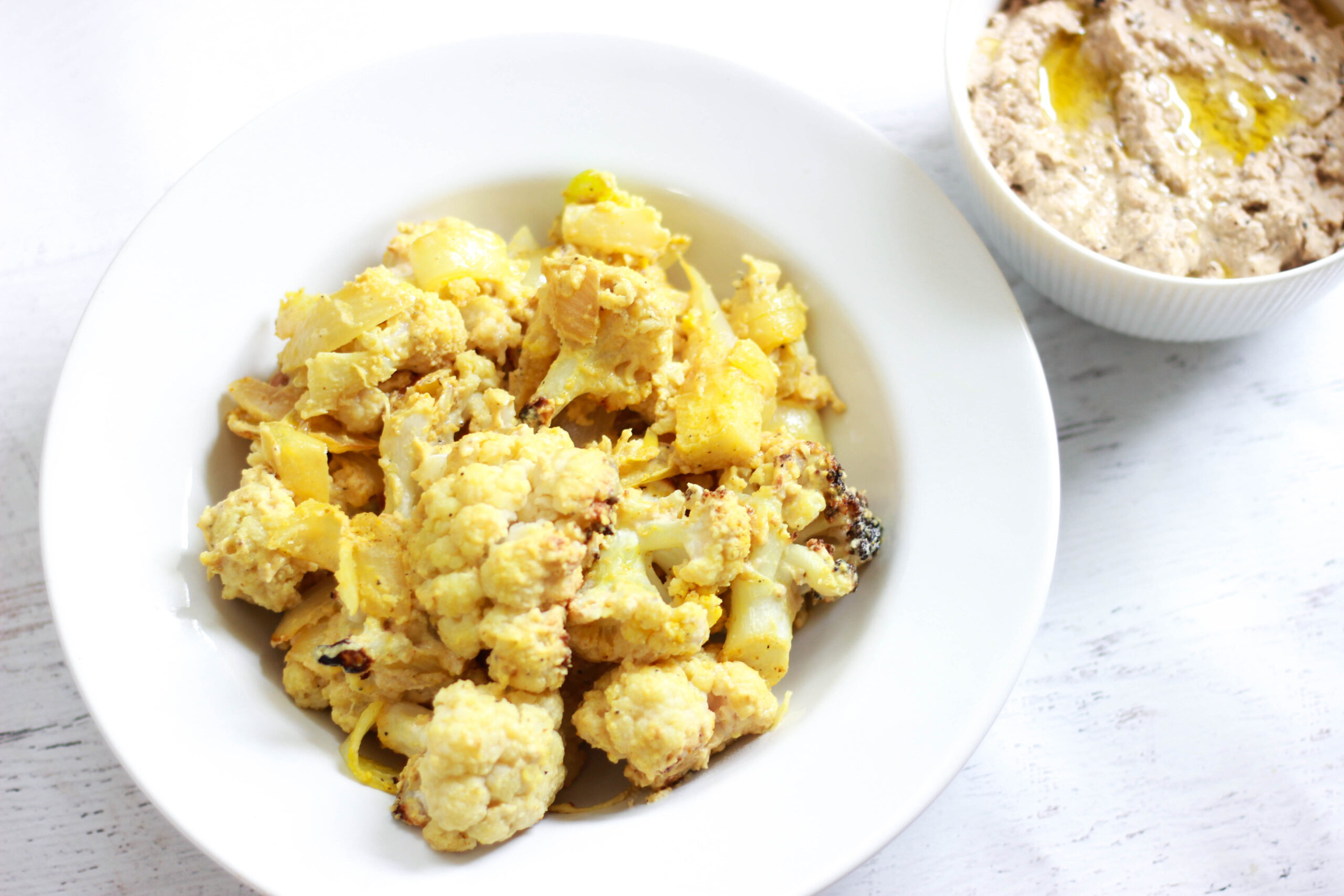
Feel free to adjust the thickness of the tahini “sauce” however you like it. Personally, I like a thick sauce on top, but you can add more liquid if you’d like it a bit thinner. You can leave the onion out if you are sensitive to it. It will still taste delicious, but I admit – I think the caramelized onion really does add something special. Leave it in if you can! For the curry powder, I like to use my DIY blend because it’s not spicy and doesn’t contain any strange ingredients. Feel free to use whatever curry powder is YOUR favorite! 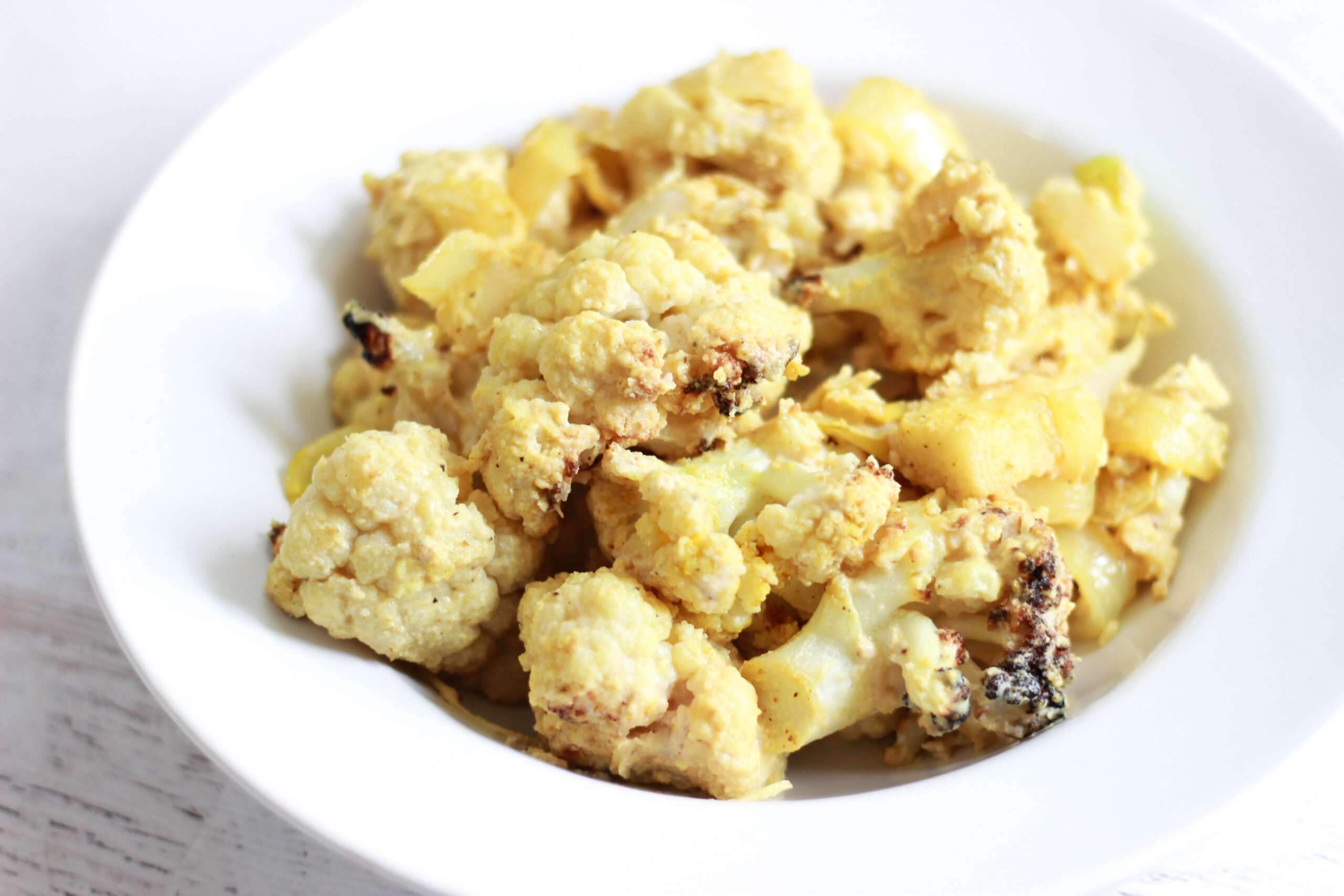
This dish is gluten-free, dairy-free, paleo, vegan, vegetarian, sugar-free, Whole 30 approved — the whole shebang. If you love cauliflower and/or tahini, this recipe was made for you! It’ll go well with anything, but I especially love pairing it with some ground beef or lamb. There are a lot of variations of tahini cauliflower out there, but there’s something about this recipe in particular that hits it right on the head! If you make it, be sure to tag me!
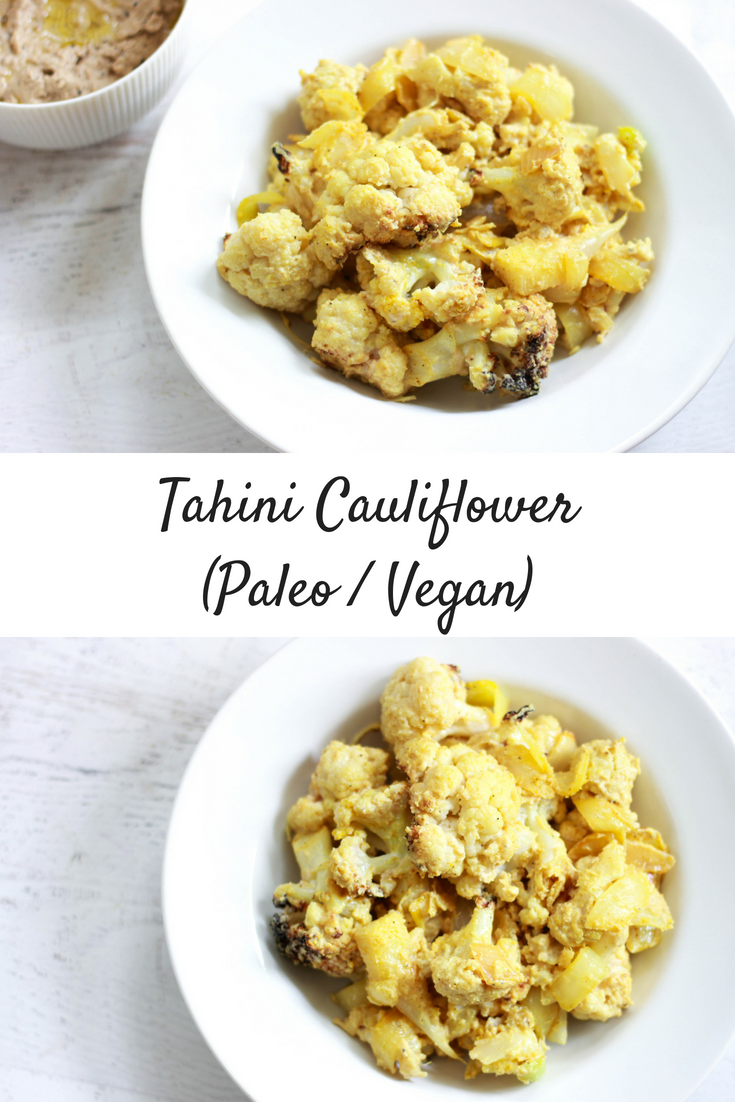
Tahini Cauliflower (Paleo / Vegan)
Ingredients:
Tahini Sauce:
- 1/4 cup lemon juice
- 1/2 cup tahini
- 1/4 cup water
- pinch of Himalayan pink salt
Instructions:
- Preheat your oven to 400*F. Roast the cauliflower in the oven for 20-30 minutes until cooked and toasted. The edges should start to get crispy / browned.
- While the cauliflower is roasting, make the tahini sauce. Add the tahini, water, lemon juice, and pinch of salt into a small bowl. Stir everything together vigorously until the mixture is more like a liquid. You can add a bit more water if you need to thin it.
- Sauté the yellow onion with a mixture of avocado oil and olive oil in a sauté pan. Add curry powder, salt, and pepper, and let the onion caramelize.
- Once everything is cooked through, add the roasted cauliflower and store it all together with the onion for one minute.
- Add the tahini sauce on top and mix it all together so that everything is coated.
- Let this cook for 2-5 minutes until it’s all coated together, and the sauce has melted into the cauliflower and onion.
- If you feel like the sauce is too thick, you can add a little more lemon juice to loosen it up.
- Enjoy!


by Christina | Jun 20, 2018 | Recipes, Wellness
I don’t like spicy food. Believe me – I really, really wish I did. If I enjoyed spicy food, it would open up a whole new world of flavors for me. There are so many flavor combinations and traditional dishes that center themselves around heavier spices, but sadly, that’s just not in the cards for me. My spice tolerance has always been low – I wasn’t able to chew mint gum until I was in college because it was too spicy for me. MINT. GUM. I roll my eyes at myself sometimes.
I’ve gotten better, but I still can’t tolerate anything beyond mild. It’s too hot for me, and also doesn’t go well with my digestion. Heavy spices, garlic, and onions – what makes food flavorful for most people aren’t on my menu often, or in large amounts. Trust me, though – I’m working on building up my tolerance.
Because of that, I always thought that certain types of cuisine, like Indian food or Thai food, would always be off the table for me. I never bothered to even try it because I assumed it all had to be spicy. As I got older, started cooking for myself, and came across many other cooks, I discovered it didn’t have to be. It wasn’t until this past year that I fell deeply in love with curry. Not just any curry, though – only the “not spicy” curry. Very mild. Green curry tends to be the most mild, but that’s not really what I like. I like yellow curry, but the mild version. While it’s definitely not impossible to find, it’s harder to get ahold of, so I tend to only eat curry when I’m making it for myself or when one of my lovely friends cooks it up for me. I think I ask every person I visit to make me a “not spicy curry.”
After I found out how much I adore curry, I made it my mission to find a curry powder that worked for my taste buds. It was very difficult. Every curry I found at the store had cayenne, red pepper flakes, or too much black pepper for my liking. (Or sugar – don’t get me started.) If it didn’t have any of those, it had a strange undertone in flavor that I didn’t like. I eventually found one in a little spice shop in San Diego, but I quickly ran out. I can’t go to San Diego every time I need to refill my curry powder, so I decided to just start making my own to have stocked in my kitchen!
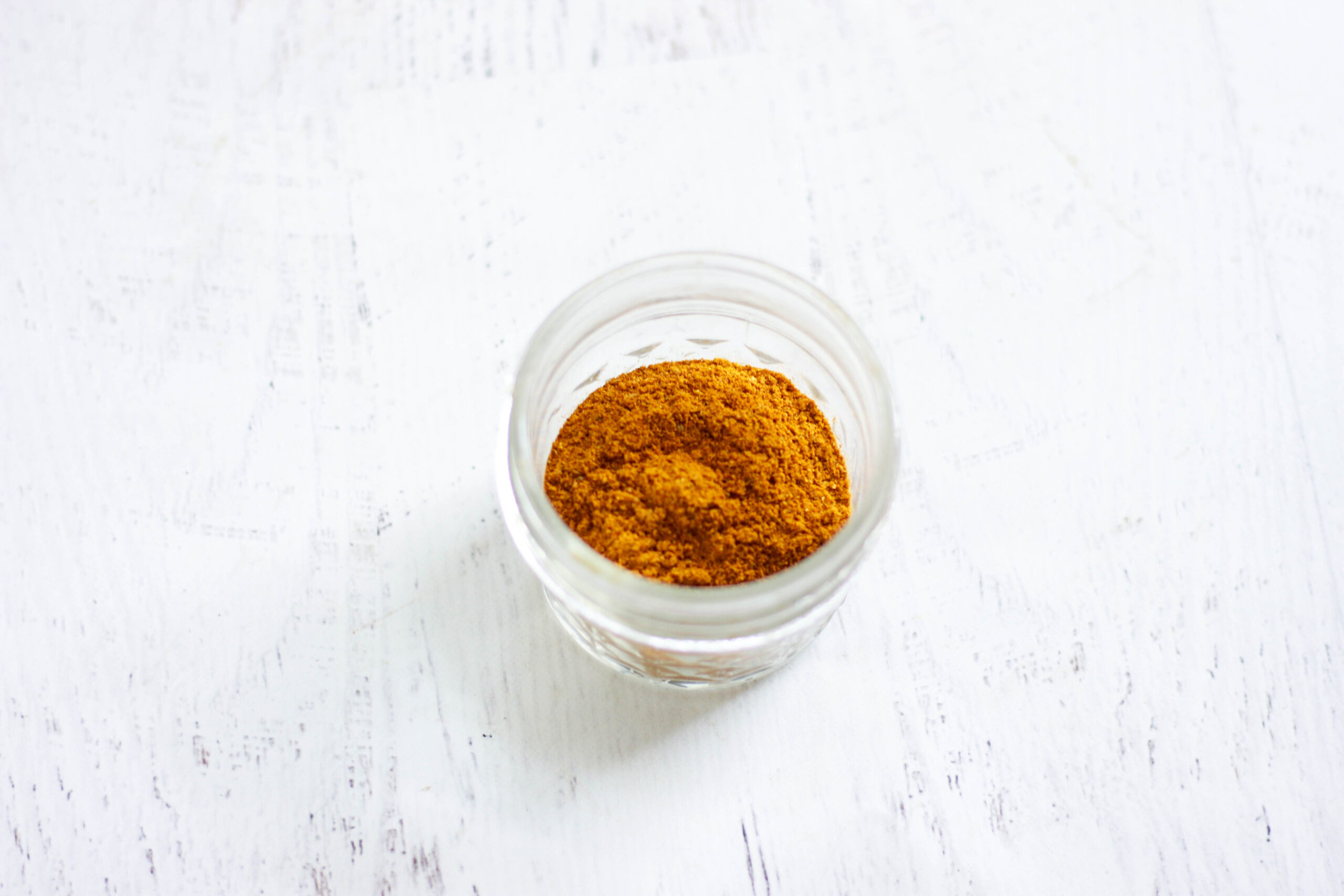
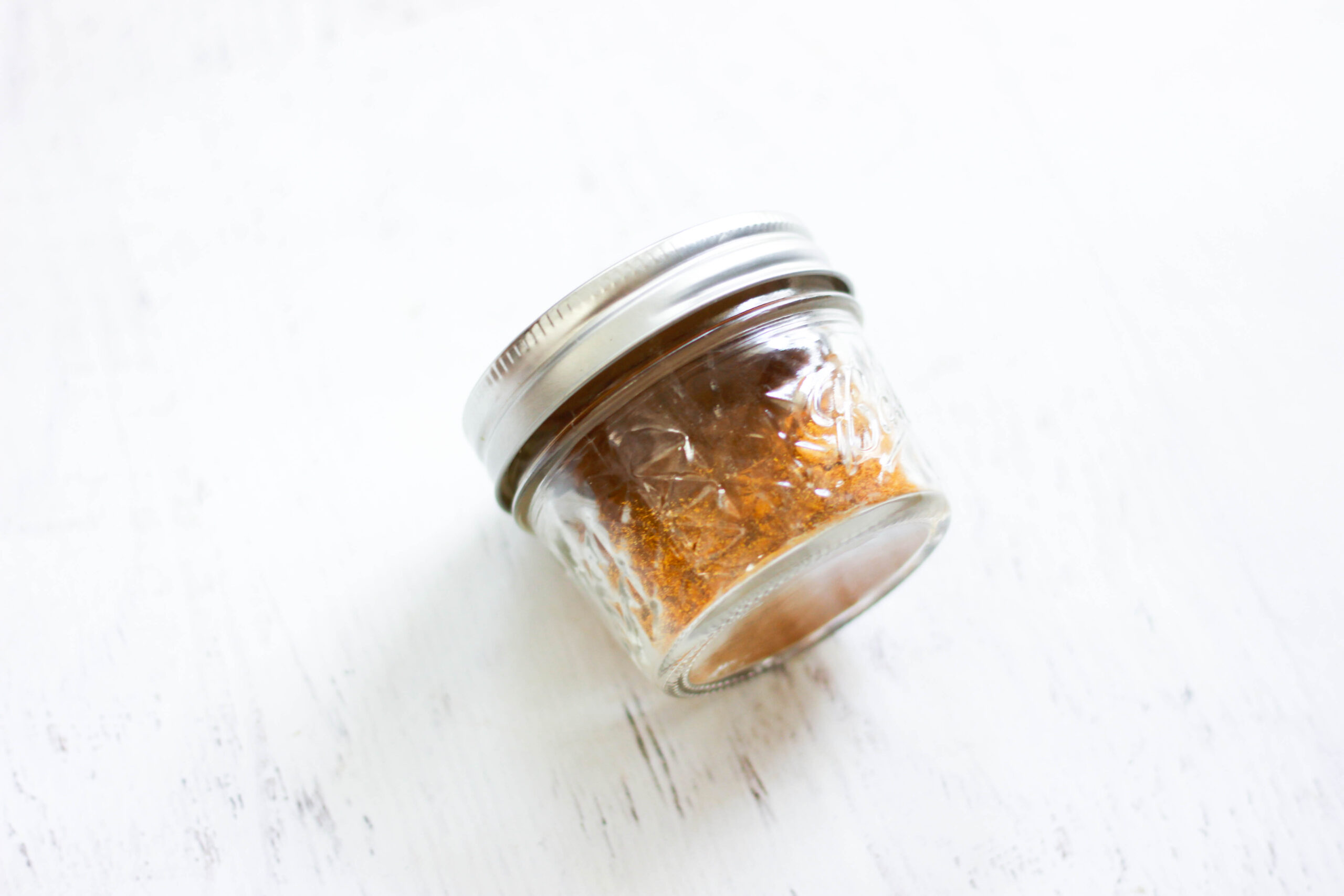
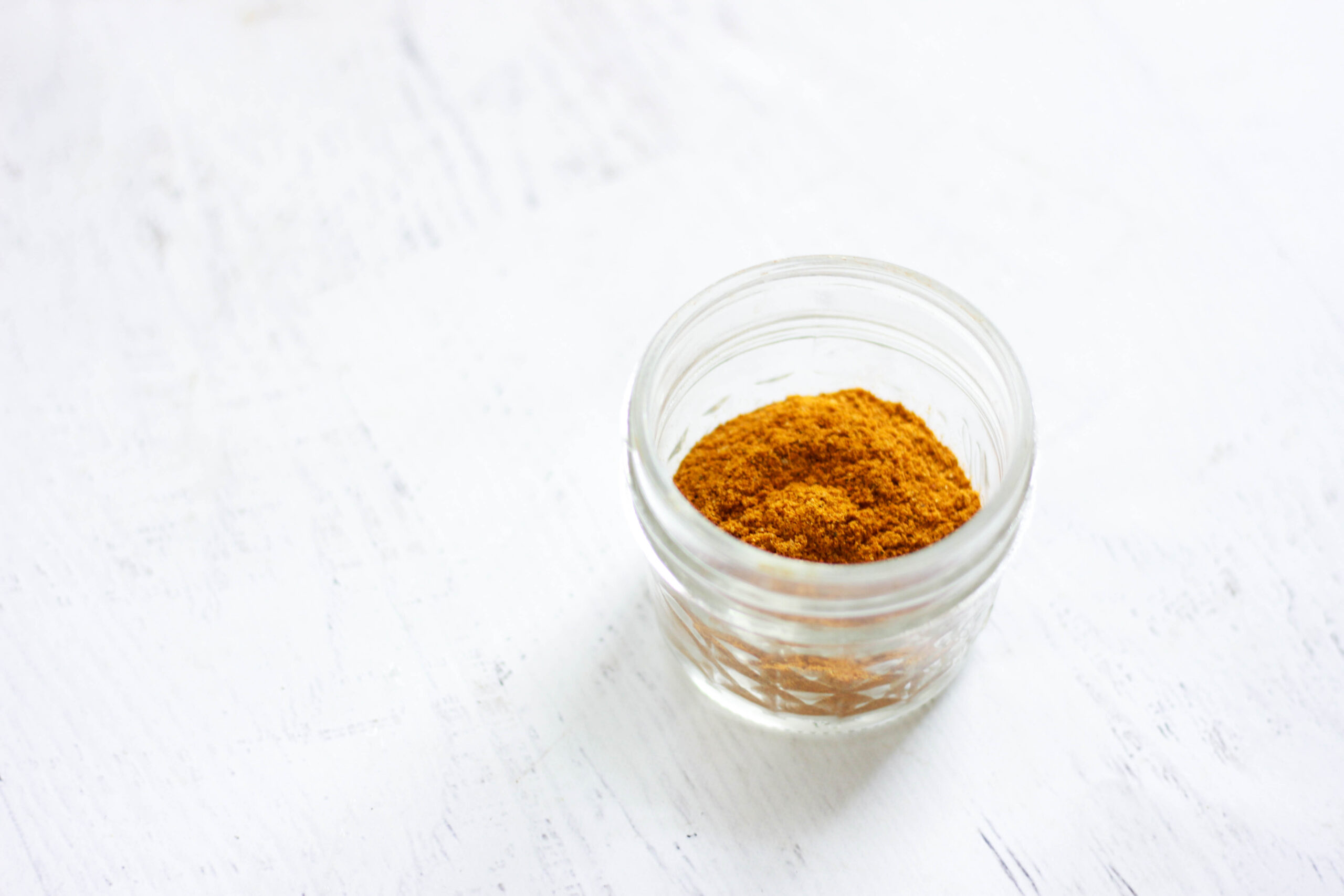
This recipe is very simple, and I’m sure there are plenty of people out there who make this same thing, which is why this is not typically the type of recipe I post. I try to avoid posting anything I feel is too easy to find elsewhere. However, I have a few recipes coming up that call for curry powder, so I wanted to post this recipe so you can see the exact curry powder I like to use. I know that many of my readers have similar taste buds to mine, and many of you also can’t tolerate anything too spicy! I suggest going to a grocery store that has bulk containers of spices and getting a bit of each of these ingredients rather than buying entire jars. Once you make this batch, it will last you awhile! The best part about making your own spice blends is that you can adjust it to your liking – the sky’s the limit!
Curry powder is great on pretty much every type of meat and vegetable. I especially love it on lamb and chicken. Roast some cauliflower in this and you’ll definitely fall in love. Whether you’re vegan, vegetarian, paleo, keto, low-FODMAP, or anything in between, I highly recommend you rotate some curry into your routine. The easiest way to make a lazy girl curry is to put some coconut milk or cream into a mason jar, pour in a few tablespoons of curry powder, and shake it up! Pour that over your food, and you’re in for a real treat.
Homemade Curry Powder (Not Spicy)
Makes: About 1/3 cup
Ingredients:
- 2 tbsp ground coriander
- 2 tbsp ground cumin
- 2 tbsp ground turmeric
- 2 tsp ground ginger
- 1 tsp dry mustard
- 1 tsp ground cinnamon
- 1/2 tsp ground cardamom
- 1/2 tsp ground black pepper
- 1/2 tsp paprika
Instructions:
- Mix everything together in a small bowl until combined evenly.
- Transfer into a small spice container or tiny mason jar to stay fresh.
- Enjoy!
What’s your favorite thing to put curry powder on?

by Christina | Jun 15, 2018 | Wellness
A little background on my skin…
I struggled with oily, acne-prone skin for most of my life, and my skin was always one of my biggest insecurities. I was embarrassed by my acne and let it hold me back from a lot of things, and then I became even more embarrassed by the scars and hyperpigmentation it left behind. I mostly dealt with deep, under-the-surface cystic zits that were really painful – sorry if that’s TMI, but I’m just being honest! It felt impossible for me to focus on anything because I could FEEL the acne under my skin. I felt like everyone was looking at my zits, and not ME. I got really good at covering it up with makeup, but because my skin was so oily, it didn’t last long throughout the day.
I became obsessed with trying every new skincare product and acne treatment I could find that promised it would transform my skin. I tried it all – high-end, drugstore, serums, masks, cleansers, multi-step programs, prescription-based topical products, and everything in between. And eventually antibiotics. No matter what I did, though, nothing gave me the results I wanted.
It wasn’t until years later that I finally found a skincare routine that worked well for me. When I made the decision to go off of the birth control pill a few years ago, I was scared that my acne would come back, but I was underestimating all of the changes I had made in my diet, lifestyle, and skincare routine. Cleaning up my diet and lifestyle were pivotal for me to clear up my skin, but the products I was using on my skin were the other main factor.
In terms of skincare itself, I changed my approach and stopped using all of the harsh chemical products that were drying out my skin and stripping it of its natural oils. As I learned more about the dangers of the ingredients in conventional skincare, I decided to switch to nontoxic beauty products. I tried many different companies and products, but I was not getting good results. My breakouts got worse, and my skin got oilier. I was torn, though, because I wanted to have clear skin, but I did not want to keep using conventional personal care products that were filled with toxins and hormone disruptors.
Bloodwork from my doctor showed that I had a high level of toxins in my body, and my FMD at the time told me I really needed to switch over to safer skincare products if I wanted to protect my health and balance out my hormones. Looking back, I also believe that using all of those toxic lipsticks for years definitely contributed to my heavy metal toxicity.
The beauty industry in America is hardly regulated. There hasn’t been a major federal law passed governing the personal care industry since 1938, and 80% of the ingredients we use on our skin have never even been tested for human safety. The U.S. only bans 30 ingredients…but the European Union bans nearly 1,400 toxic chemicals. With the rising rates of cancer and infertility in our nation, (amongst many other health issues) it’s important that we avoid as many carcinogens, toxins, and endocrine disruptors as we can. And that means paying attention to what we put on our skin, because so much of what we put on our skin is absorbed into our bodies. If I was so worried about what I was putting in my body in terms of food, it only made sense that I should start paying attention to what I was putting on it, and what was then getting into my bloodstream. After going off of the pill, it was especially important I use safer products if I wanted to bring my hormones back into balance again.
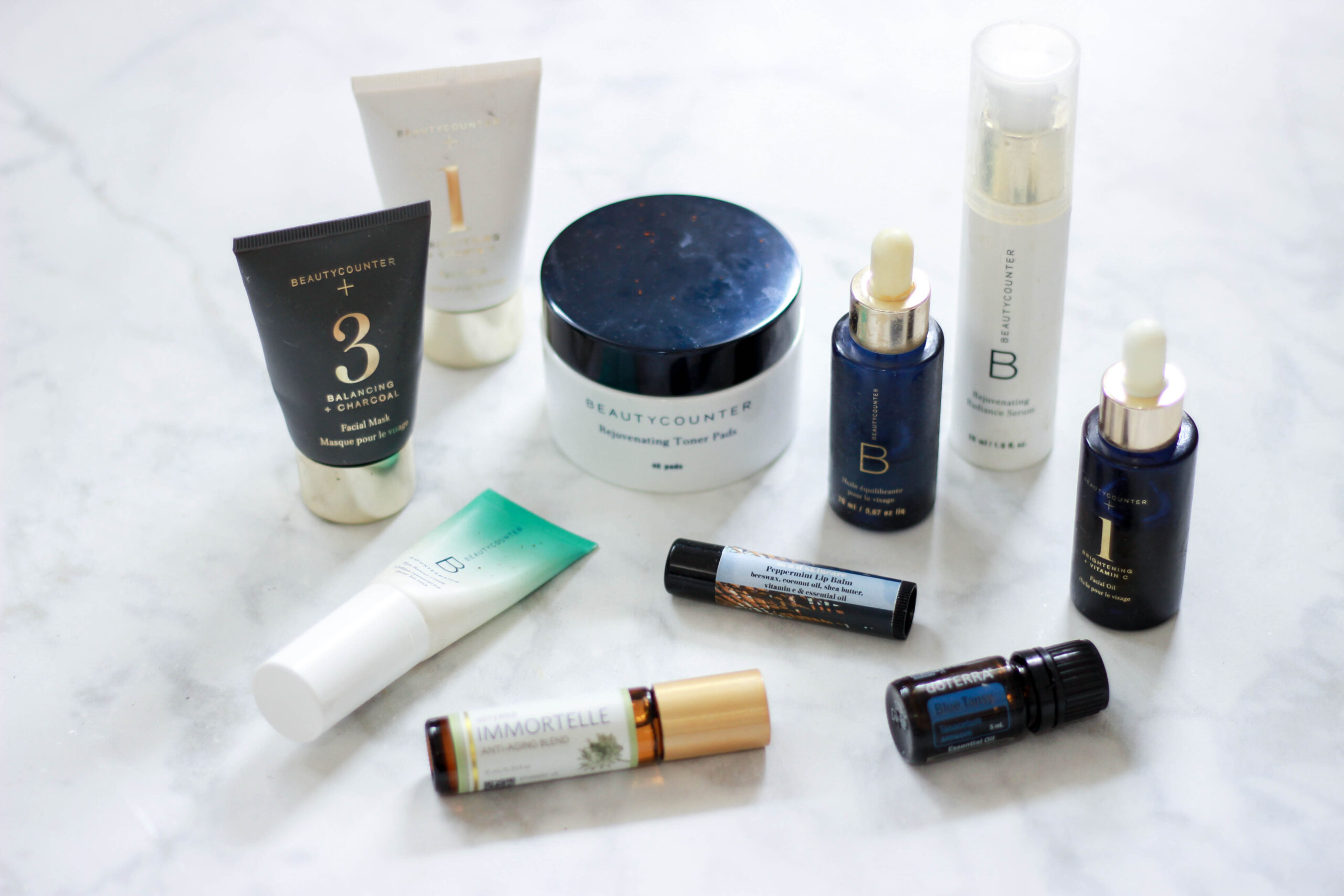
Eventually, I stumbled across Beautycounter, and it was the first skincare line I stuck with because it actually worked for me. That includes all of the conventional skincare I had tried years before – everything from the drugstore, Sephora, the department store, weird late-night infomercials, and the dermatologist. I was shocked.
I think a big reason why my skin finally calmed down was because I calmed down with the products, in the sense that I wasn’t using so many harsh chemicals anymore. I was nourishing my skin instead of fighting it! I should’ve realized this was the way to go years ago when I noticed that plain water was giving me better results than my $100 face serums and cleansers.
My skin isn’t perfect, but I don’t stress out about it anymore because I’m comfortable with it. Anytime I do have a breakout, I know exactly what caused it. It’s either because I tried a new product or because I ate something that doesn’t agree with my body. Years ago, I used to have no idea what was causing my acne, which made me feel hopeless because I thought I couldn’t avoid it. Thankfully, now I feel much more in control of my skin.
I still have acne scars and hyperpigmentation, but they’ve been fading over time as I’ve stuck with my routine. There are actually a lot of nontoxic options that really improve my skin, and work better than anything I tried previously. My skin is MUCH less oily than it used to be, as well. I used to have to redo my makeup at least twice a day – it was a major hassle. My skin still leans toward the oily side, but I feel like it’s pretty balanced most days. I never have to touch up my makeup now unless I’m going to a special event at night and want to freshen up after the day.
My skin is sensitive in the sense that it will break out very easily if I give it something it doesn’t like, but it’s NOT sensitive in terms of its resistance to strong products. For example, my skin can handle a laser treatment or a chemical peel pretty easily, probably because it’s built a tolerance from all of those years of harsh products!
I will probably always be a product junkie, and I love to try every new nontoxic beauty product that comes out to see how it works. Even so, I always come back to the same “routine.”
Also, because I am a product junkie, my skincare routine probably involves more steps than other people might want or need. I don’t really need this many steps… I just like them! I think that skincare can be really effective when you keep it simple…I’m just the kind of person who likes to use all of the things! It’s my way of pampering myself on the daily. The bulk of my skincare routine consists of Beautycounter products, but I don’t exclusively use Beautycounter. I like to try everything I can get my hands on, and then I will continue to use whatever works the best for me. It just ends up that Beautycounter tends to always give me the best results. Hence, why I am a Consultant!
One thing I’ve also learned over the years is to be flexible with my products. For example, instead of having one favorite oil that I always use, I like to use different oils depending on how my skin is feeling or the time of year. The same way we listen to our bodies when it comes to food, I listen to my skin when it comes to skincare!
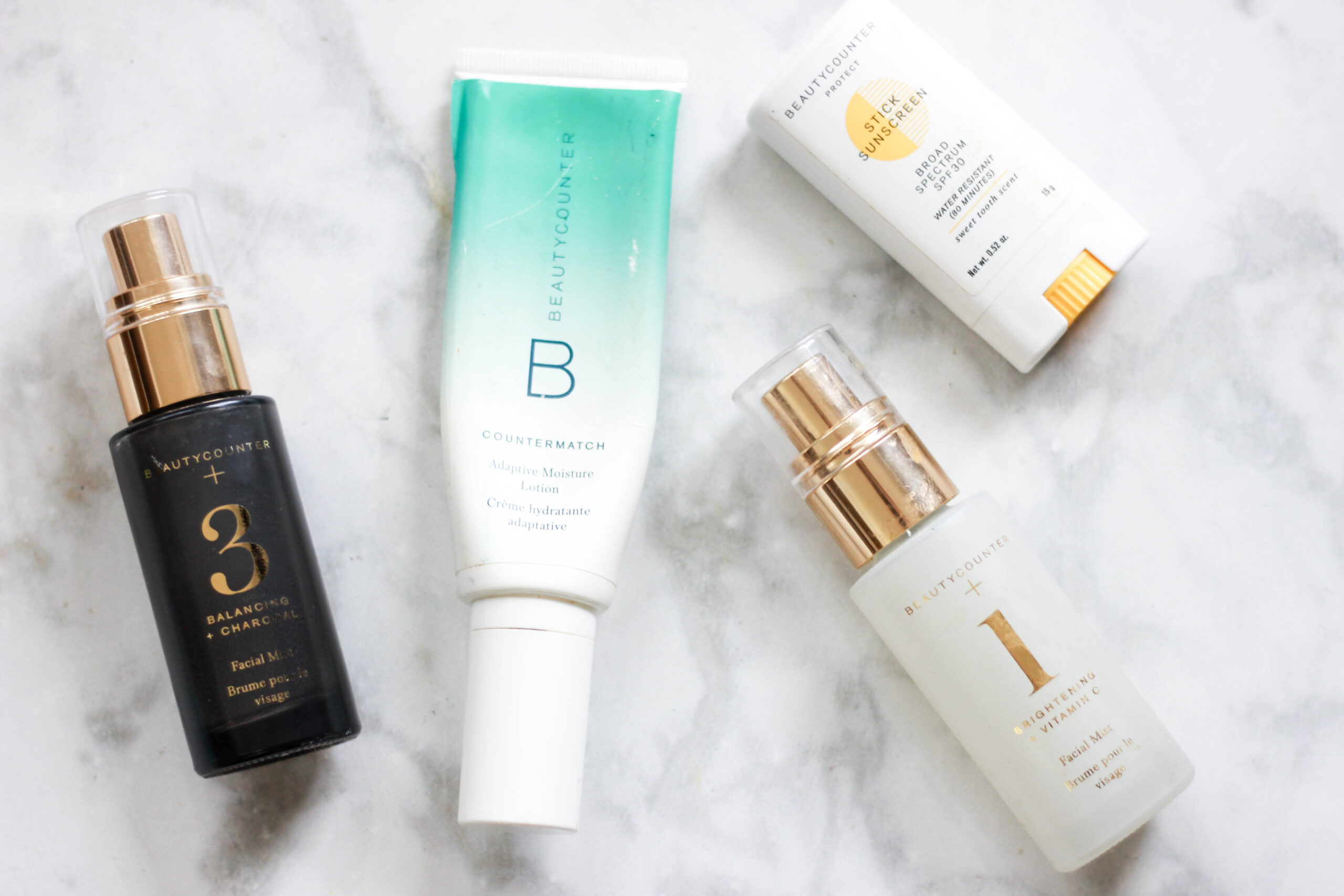
My Morning Skincare Routine
Let’s start with my morning skincare routine, which is pretty simple. I always wash my face with plain warm water and a washcloth in the morning. I like to rinse off anything from the night before, especially if I had a spot treatment on. After I wash my face, if my skin still feels a bit clogged or not as “clean” as I want it, then I’ll use a toner. I’ll spray the Beautycounter No. 3 Balancing Facial Mist or the No. 1 Brightening Facial Mist onto a cotton pad and spread it across my face to tone. I use the No.3 if I feel like my skin might break out, because it has acne-fighting ingredients, or if my skin feels extra oily, because it contains charcoal to soak up that oil. I use the No.1 if I want anti-aging effects or to help reduce any red spots or hyperpigmentation.
After that, I apply my moisturizer. I’ve been using the Countermatch Adaptive Moisture Lotion, which somehow miraculously works well for people with both dry and oily skin. It adapts to your skin’s natural moisture levels to give you exactly what you need, and it’s incredibly light so it soaks in quickly. Some days I prefer to use the Rejuvenating Day Cream, which contains anti-aging properties. The texture is a bit thicker than Countermatch, but Countermatch is more moisturizing! It really just depends on how my skin is feeling, but recently I’ve been using Countermatch more often.
After my moisturizer has soaked in, I like to apply the Beautycounter Countersun Face Stick for some extra SPF, and also to act as a primer for my makeup. I don’t use this every single day, but I make sure I do if I’m going to be outside for a good amount of time.
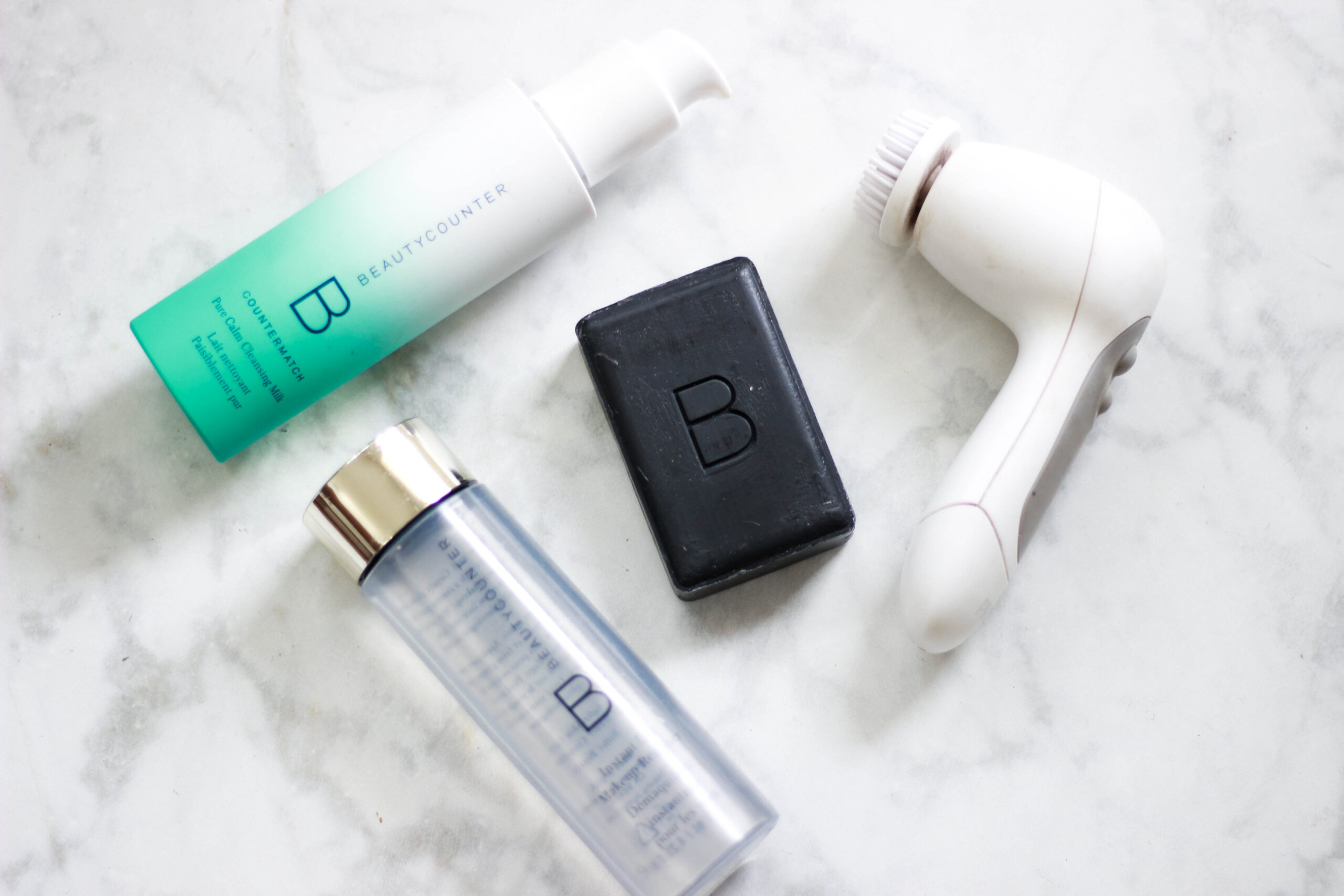
My Nighttime Skincare Routine
I do more with my skincare at night – this is when it gets fun! First, I use the Beautycounter Makeup Remover on a cotton pad to take off my makeup, or the Beautycounter Makeup Wipes if I’m traveling. After that, I wash my face with a wash cloth and warm water, and then I use my Charcoal bar to really wash my face. The Charcoal bar is definitely one of my holy grail beauty products – it is a GAME CHANGER. I recommend this to anyone who has acne-prone or combo/oily skin. It pulls the impurities out of your skin, keeps acne away, and keeps the oils at bay. You can also use this on your body.
I like to use my Olay Pro-X spin brush to work the soap from the charcoal bar into my skin so that I get maximum benefits. It’s basically a knockoff of a Clarisonic, and I’ve been using it for years with great results. If my skin is feeling dry, or if I was wearing a lot of makeup that day and want to make sure I get everything off, I’ll use the Countermatch Cleansing Milk for a double-clean. The Cleansing Milk makes my skin extra soft and smooth, and it leaves my skin feeling very hydrated.
After that, I dry my face. If I’m using a dermaroller, I will do so at this point. If not, then a few times a week I like to use a face mask. There are a ton of face masks that I love, but my most-used masks are the No. 1 Brightening face mask from Beautycounter and the No. 3 Charcoal Balancing face mask. The No.1 tingles a bit and is great for anti-aging effects and reducing pigmentation and dark spots, and the No.3 is amazing for oily, acne-prone skin and pulling out all of your impurities and blackheads! The charcoal mask is another product that I think every person needs in his or her skincare arsenal. It has saved my skin. If you struggle with acne, I would use this a few times a week.
After either of those steps, or if I’m doing neither of those steps, I move on to toner. I like to use the Rejuvenating Toner Pads from Beautycounter most days. I use one side at a time so that I get double usage out of one container, and you can also cut them in half to get even more uses out of a single container. These are incredible for balancing out the pH of the skin without stripping it if its natural oils, and they’re incredibly soothing. They’re marketed as an anti-aging product, and while they do really help with lines, dark marks, and red spots, I think this product is great for keeping acne away, as well. I notice that I breakout more often when I’m not using these consistently. When I’m traveling, I’ll use the No.1 or No.3 mists on a cotton pad as my toner instead, so I don’ have to carry the whole jar of toner pads with me.
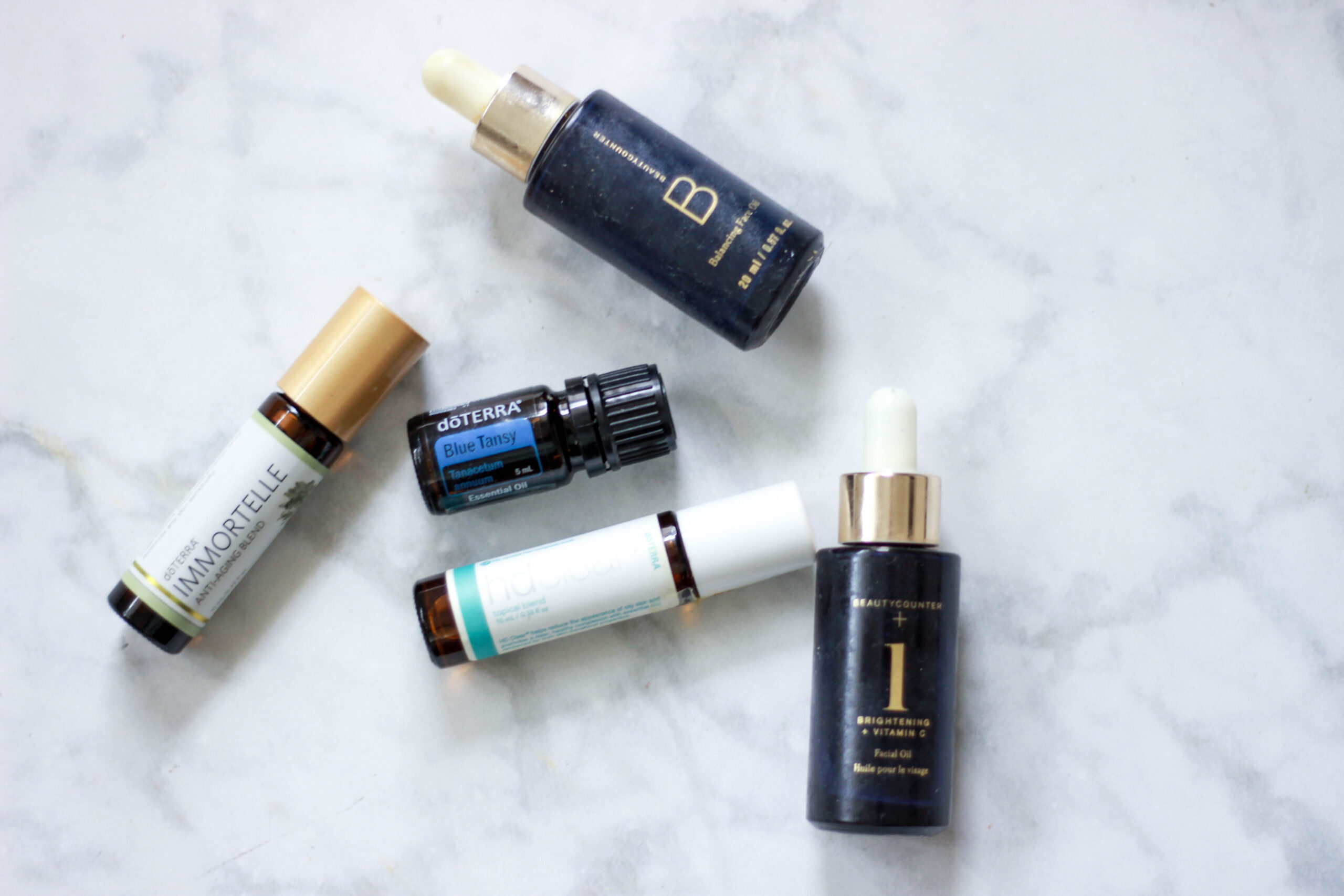
After I’ve used a toner, I apply the Countermatch Eye Rescue Cream under my eyes to hopefully prevent my skin from sagging as I age! I also like to keep that area hydrated since I wear undereye concealer every day. I then apply a thin layer of the Beautycounter Rejuvenating Radiance Serum all over my face to help with anti-aging and to give my skin some extra vitamin C to help reduce my old acne scars and pigmentation.
Next, I’ll apply an oil. I used to be so afraid of using oils on my skin because I thought it would make my already-oily skin even worse. The oils I used to use from Sephora and department stores always broke me out, so I was a little nervous. However, once I found the right oils for my skin, I realized that they actually make my skin less oily. When our skin senses it doesn’t have enough oil (like when we dry it out with products), it will produce even more oil to compensate! So when I supply the oil myself, the skin downregulates its own oil production. You don’t need to use much oil – just a few drops cover my entire face. This is when I like to “listen to my skin,” because I have a few oils I love to apply for different reasons, and I’ll decide which one depending on how my skin feels.
My most-used oil is the Beautycounter No. 1 Brightening oil. It smells like citrus and has extra vitamin C to help reduce spots, fine lines, and wrinkles, and to increase collagen production. However, I also think this oil helps keep acne away. This is my go-to. On other nights when my skin feels very out of balance or is acting up, I will use the No. 3 Balancing facial oil, which is designed to naturally balance out the oils in your skin and help with acne or sensitive skin types.
Many nights I will layer these oils with my doTERRA essential oils for an extra punch! I pick between two – Blue Tansy and Immortelle. Blue Tansy has a blue tint, and you just need the smallest drop to cover your face! Blue Tansy is one of the best oils for the skin and is known for its soothing properties and ability to fight blemishes. Remember – a little goes a LONG way. On other nights, I’ll use Immortelle on my skin, which is doTERRA’s anti-aging blend that helps with fine lines, wrinkles, and any other signs of aging. I’m young, but I’m all about prevention. This blend is a mixture of some of the most powerful oils for creating radiant, vibrant skin, including Frankincense, Myrrh, Rose, Lavender, and Sandalwood. Blue Tansy and Immortelle are both very thin because they aren’t mixed with a carrier oil, so I will apply one of these first, and THEN put my Beautycounter oils on top if I’m layering. Basically, I use the Beautycounter oil as the carrier oil.
A recent release that is truly one of the best skincare products I have ever tried is the new Beautycounter Overnight Resurfacing Peel. I have been using this for about a month and half, but it’s already made my skin so much more vibrant and radiant. It’s a blend of 15 botanically-derived acids, and it acts as a gentle AHA/BHA peel that reduces the appearance of fine lines, wrinkles, pores, dark spots, and hyperpigmentation. I LOVE peels, but I rarely use them because most peels are filled with chemicals that are doing my body no favors internally. That’s why I was SO excited when this released, and I really think every woman needs this in her beauty kit! It’s extremely effective, but it’s gentle enough to be left on overnight. It’s similar to a really powerful serum. I use this about three times a week. I will apply it to clean skin, and after it soaks in I apply a facial oil on top. Now that I’ve had this in my life, I can’t live without it.
After that, I always apply chapstick. My favorite is the lip balm from Maddie’s Market, and I like to use the Peppermint flavor! It’s all natural and has very few ingredients, and it’s EXTREMELY hydrating. I’m really picky about lip balms because I had a longterm problem with dry, cracked lips, and this totally gets rid of that issue. Plus, it tastes amazing. I can’t recommend this enough! (You can use the code WELLNESS15 for 15% off!)
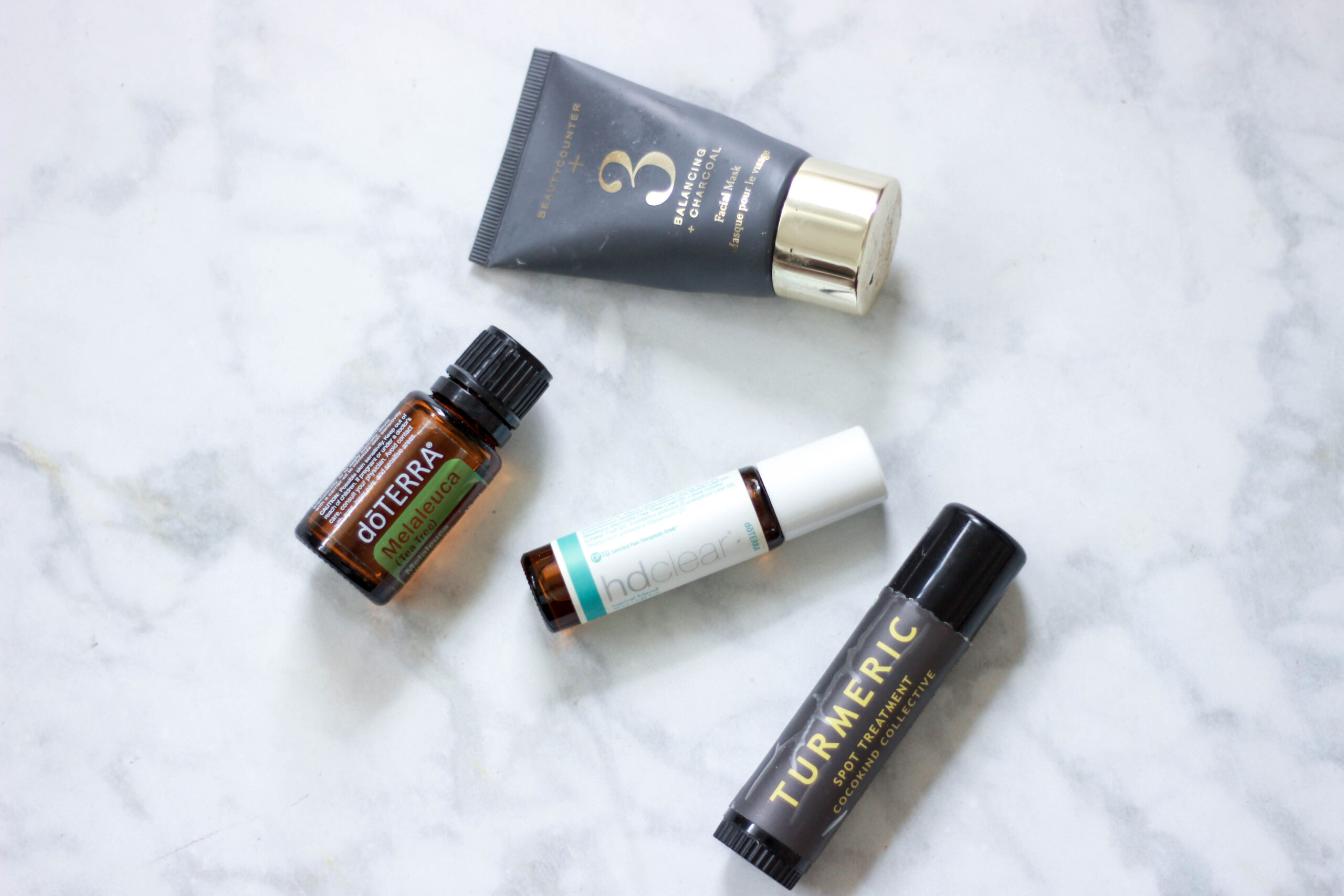
If I have any type of breakout, I have a few weapons in my kit to get rid of it! The first is Melaleuca oil, also known as tea tree oil. I only use the doTERRA oil because it is well-sourced and completely pure. I had tried tea tree oil for acne in the past and thought it didn’t work, but it was really because I was just using the wrong essential oil brands. Tea tree oil is POWERFUL, so be careful. It can dry your skin out if you use it too often or use too much. Tea tree oil is very antibacterial, which is why it’s perfect for spots. If I really want to kill a zit, I’ll apply the Melaleuca and then put the No. 3 Charcoal Mask on top. That combo gets rid of anything stubborn. The charcoal mask is a great spot treatment on its own for blemishes, too, but just make sure you use a thin layer so that it doesn’t get too thick and crack off!
If my blemish is somewhat dried out and I don’t want to use anything else that’s drying, I’ll use doTERRA’s HD Clear, which is their anti-acne blend. It contains tea tree oil as well as other acne-fighting essential oils, and it’s already mixed in with a carrier oil, so you can just roll it on!
If I have a small spot, sometimes I’ll use the CocoKind Turmeric Stick on the blemish – it goes on like a big chapstick. I don’t like to use too much of this because I don’t want it to stain my pillow, and if I go too heavy with it, it can stain my skin the next morning since I’m so pale. That being said, it’s a great product that works really well on typical zits, thanks to the anti-inflammatory effects of turmeric!
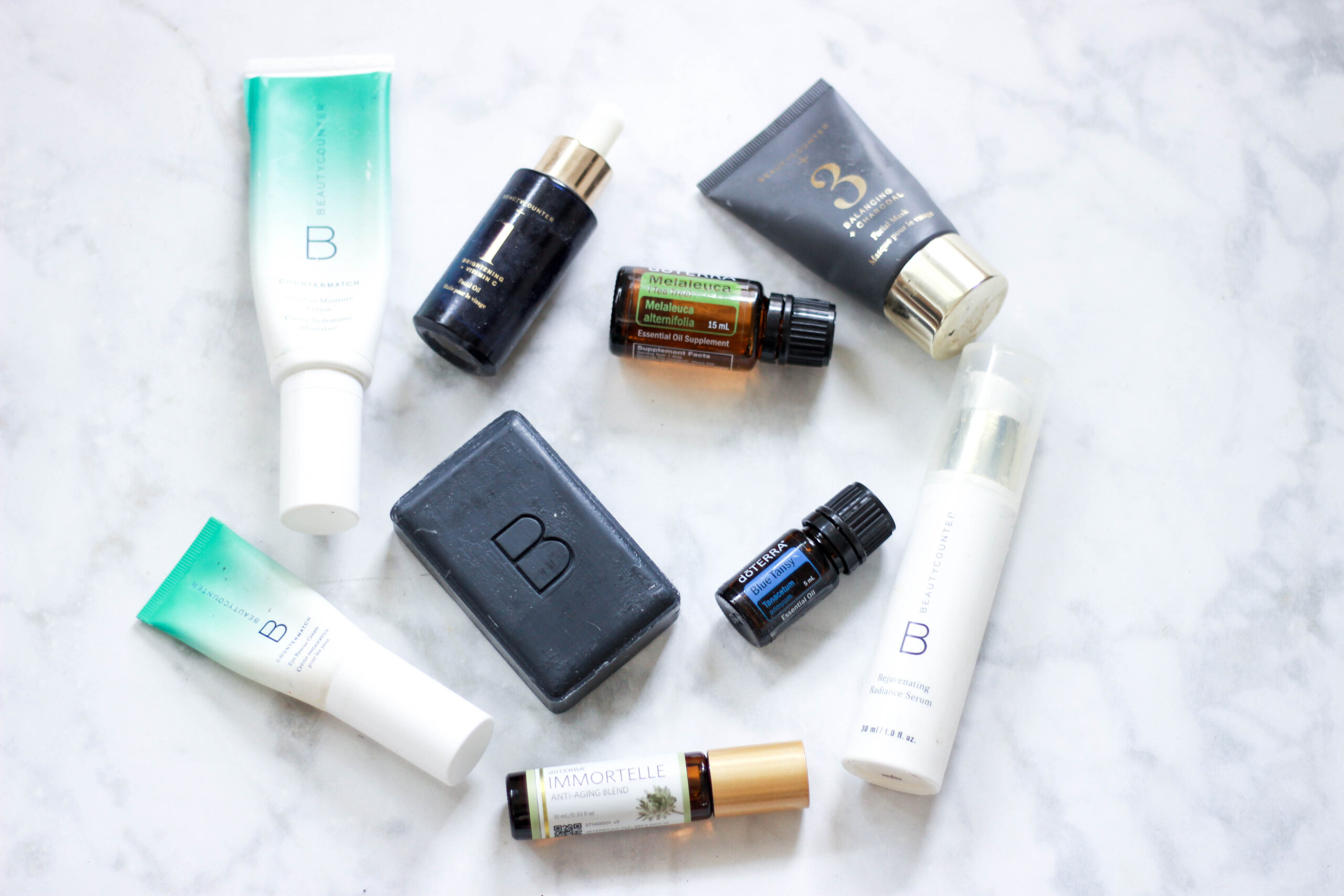
Aaaand that’s my skincare routine! I love to try out new nontoxic beauty products when I hear about them, but this is what I always go back to. I’m pretty flexible with it and adjust things according to what my skin needs on that day, which ends up being fun for me because I like to try different oils with different benefits. I use more products than most people really need to, but like I said, it’s my form of pampering! I think I’ll always be a product junkie. Also, these products last me a long time. The only ones I’ve had to replace in the past two years have been the toner pads and the charcoal mask. For everything else, I’m still on my first container! So it lasts a long time. If I had to pick my absolute must-have products from this list, I would choose the the Beautycounter Charcoal Bar, Charcoal Mask, Rejuvenating Toner Pads, Overnight Resurfacing Peel, and No. 1 Brightening Facial Oil.
It took me a long time to find the right routine that actually gives me results, but this is what has worked for me for about a year and a half! These products help keep my skin clear and slowly lighten all of the red spots, pigmentation, and scars I have from years of abusing my skin, plus they will help prevent signs of aging as I get older! In my opinion, you’re never too young for prevention! I would like to avoid as many wrinkles as I can. ;P
Plus, I feel confident and safe putting this products on my skin, because I am incredibly passionate about using safer skincare to protect my overall health. These products work far better for me than what I used to pay hundreds of dollars for from the dermatologist, so it’s a win all around!
