by Christina | Nov 19, 2017 | Wellness

I had an especially active day in terms of social phone calls the other day. Four friends called me (I’m not usually that popular), and the same topic came up every single time. Amenorrhea. Meanwhile, three other friends were texting me about the same exact thing. It hit me like a ton of bricks in that moment. This is becoming way too common.
Amenorrhea is something that weighs heavy on my heart, because I see it all around me. In the wellness space that I am in, it’s more common for me to meet people who struggle with amenorrhea or irregular periods than to meet people with normal cycles. Or, they’re on birth control. In other words, it’s rare for me to find someone with a truly normal, balanced cycle.
Of course, I understand that it’s more common for me to come across this issue because of my job. That’s part of the reason why it wasn’t until the past few months that I really, truly started getting upset on a much deeper level over this issue. The truth is that this isn’t just an issue among people who are searching for health services, or just an issue among people in the health space. It really does seem to be everywhere, but it’s talked about even less outside of the wellness space.
I have amenorrhea, and I really want my period back. Having a normal, regular period is the ultimate sign of health for women. Women are meant to have periods, and we were designed to carry babies. As someone who prioritizes health before everything else, not having my period is very upsetting and worrisome, and I think about it every day. I want it back. So I’m doing as much as I can to address it.
What worries me even more, though, is the total nonchalance and lack of worry in women around me. There are many reasons why someone could lose her period, and some make complete sense in the context of a person’s health situation. But what about all of the cases of amenorrhea that are rooted in things we have brought upon ourselves, often without meaning to? Undereating, overtraining, and chronic stress are three common underlying causes of hypothalamic amenorrhea. And because so many women don’t have their periods, amenorrhea has become almost normalized. Because of that, too many girls don’t recognize the severity of the situation and therefore don’t feel the immediate need to make the lifestyle changes necessary to work on getting their periods back.
It pops up again and again, often from people I would never expect.
“Oh, I haven’t had my period in over 6 months.”
“Oh yeah, I’ve been trying to get pregnant for years but I can’t.”
“I just use the pill to give me a regular cycle.”
There is an infertility epidemic among us, and we need to start talking about it more. Not just talking about it, though – admitting that it is a big problem and that we must change it. I talk to woman after woman who knows she needs to get her period back, but there’s often something holding her back from really making changes that would help her body head in that direction.
Sometimes she just doesn’t really want her period back at all. Let’s be honest – it’s easier not having to deal with tampons or pads or cramps or anything else relating to periods. One less thing to think about. We all have enough on our plates, and a period is just one more thing to prepare for. This is a sad excuse, but it definitely comes up.
Sometimes she does want her period back because she understands its importance for health, but she doesn’t really have the drive. She’s not fully motivated because she doesn’t truly understand what it means to not have her period. Often because she’s not at a time in her life when she wants to have children, so it seems irrelevant. The truth is, though, that you don’t want to take that option away from yourself.
There are many doctors who will either offer to induce your period, or they’ll tell you to just give it more time. And sometimes giving it more time really does solve the problem. If you’ve just come off of birth control, then it can definitely take some time for your hormones to start working properly on their own so you can have a regular cycle.
What if you have given it time, though, and it’s not coming back? At that point…what’s the cause? You might know the cause, but you might not. Could you be doing more to get it back? Is there a larger underlying health issue that needs to be addressed? Since the majority of people don’t do a ton of testing when it comes to things these, you might not ever know if there is something more serious going on unless you start taking the measures necessary to rule out the other potential reasons your period is coming back. The reasons relating to your lifestyle.
That brings me to the other type of woman – the one who knows she needs to get her period back and wants it back (or says she does), but is afraid of doing what might be necessary to bring it back. In other words, she is afraid to do what it takes to reduce the stress on her body.
There are many ways we stress our bodies out as women, and it does often require a total lifestyle change to address that. The most common ones I see are overtraining and/or undereating. Those have become normalized in our society, as well. When it comes to overtraining and undereating, sometimes women don’t even realize that’s what’s going on. We’ve gotten used to the idea of women eating like birds and working out too hard, too often. That’s what we see in the media, so that’s what people think equates to “health.” Finding out that their “normal” is actually not enough food or too many workouts is usually shocking to people, and sometimes that’s enough to change the behavior. What’s much harder, though, is when the woman knows deep down that that’s what’s happening, but she has a fear of stopping. She’s afraid that if she works out less and/or eats more, she’ll gain weight.
Let’s talk about that. There is no way to know how your body is going to respond. It’s possible you might actually lose weight, because your body will be under less stress. When you reduce your cortisol levels, that can reduce inflammation, and that might help someone drop unnecessary weight.
On the other hand, yes, you might gain weight. If you do, that’s probably because your body needs it. When you don’t have enough body fat, that is a signal to the body that it’s under stress, and therefore it shouldn’t reproduce. Hence, no period. Or, it might be because you have slowed your metabolism down through undereating / overtraining. Your body is used to being starved, so as soon as it gets some more food, it wants to hang on to it. It’s been trained to think that it won’t get more food in the future, so it holds onto those calories as fat for survival.
I know the thought of weight gain might scare you, and I can certainly write a whole blog post dedicated to that in the future. To sum it up, though, you have to remember your long term goal. Health. Remember, a regular period is a sign of health. If that means that you have to be uncomfortable for a short period of time and do something that scares you in order to reach that goal, I think it’s well worth it. Don’t keep yourself in the undereating / overtraining trap. It’s unsustainable. Get out of that as soon as you can. Otherwise, you’ll just make it harder for yourself later on.
The point is, in terms of weight, your body will balance out to where it needs to be for health.
It’s not just the overtraining and undereating, though. It’s also just the general life stress. Never saying no. Having too many things on your plate. Worrying about what others are going to think of you. Running from activity to activity. Not getting enough sleep. Checking social media and comparing yourself to others. Never slowing down.

We have to stop and look around at what is happening. Infertility is far too common, and we need to take it seriously. Amenorrhea should be the exception, not the rule. Our world is filled with hormone disruptors. We have toxins in our homes, personal care items, and food supply, and we perpetuate the cycle with our lifestyle habits like undereating, overtraining, and chronically stressing ourselves out that just worsen the problem. There are so many different routes to infertility, and so many potential causes for dysregulated hormones. Sometimes we know the root cause, but sometimes we don’t. Either way, I believe that we always have the power to try something to put ourselves in a better position to reach optimal health.
If you have amenorrhea or your hormones are out of balance in any way, do something. There are so many changes you can make. Have you eliminated your exposure to hormone disruptors in your home and skincare? Those are easy fixes. Eat whole foods, and nourish your body with enough of them. Stop counting your calories. Move in a way that serves your body, not in a way that stresses it out. Rest when you need it. Sleep. Slow down. Say no to people and relationships that don’t serve you. That’s not being selfish. It’s truly for your health. Putting yourself first is just as much a prescription as a pill or supplement any doctor could give you.
Take action now. Don’t just say you’ll taper down your training soon, but never really do it. Don’t just say you’ll eat more, but really just have a little bit more food on random days, then go back to how you usually eat on others. There is no time to waste. If you are young, don’t wait around for it to feel urgent. Take it seriously. Maybe you don’t want to have kids now and you don’t think you want kids in the future. Don’t you want to have the choice, though? Personally, I want to have the choice of fertility. I have no idea if I will want kids or not, and I don’t have to decide that anytime soon. But I do know that if I decide that I don’t want to have kids, I want to choose that myself. I don’t want to not have kids because my body wouldn’t allow me to, even if I did want them. I want to have the option.
Choose health. It might seem scary at first, but remember the longterm goal. Are you really willing to sacrifice your fertility because you were scared to reduce your workouts, nervous to eat more food, worried what other people will think if you “do less,” or too stubborn to switch out the products you use? I don’t think any of those things are worth it. When you’re 35, you don’t want to look back and regret caring so much about what you looked like at 18 years old that it cost you your fertility. Remind yourself of what’s really important, because you do have the courage to make a change.

by Christina | Nov 17, 2017 | Recipes, Wellness

I cannot contain my excitement about this announcement.
I’ve been hinting for awhile about a secret project I’ve been working on, and I have been waiting for what feels like forever to give you the details.
It’s finally time.
MY NEW EBOOK IS OUT!
#NoSugarNoProblems: A Lovely Collection of Paleo Sweetener-Free Desserts is my new baby. I worked very, very hard on it, and I’m very, very proud of this creation.
What is #NoSugarNoProblems? Well, like I mentioned, it’s an ebook filled with 30 paleo, sweetener-free desserts. When I say sweetener-free, I really mean sweetener-free. Obviously, that means no sugar. However, that also means no sugar substitutes. No coconut sugar, no stevia, no xylitol, no erythritol, no monkfruit, no maple syrup, no honey, and no yacon syrup. No bananas or dates, either. I kept everything as low glycemic as possible. I want this to be useful for everyone, whether you’re low-carb, keto, diabetic, on a Candida protocol, following low-FODMAP, generally sugar-free, paleo, primal, vegan, vegetarian, or anything in between. I want to give options for people who want a quick treat that they can throw together in just a few minutes, as well as options for those who want a more extravagant dessert that requires a few more steps.

What’s included? Cookies, cupcakes, brownies, cheesecake, cream pie, puddings, milkshakes, fudge… the list goes on. This ebook is very me. It’s a collection of sweetener-free desserts that I personally love, many of which are always stocked in my freezer for backup. I’ve been making some of these for years, while others are newer recipes, but I truly adore them all. This is my ideal dessert ebook. Many of you know what my dessert preferences are like based on what I post to social media and based on the recipes I’ve posted to my blog, so that should give you an idea of the type of recipes inside!
Why was I inspired to create this? Ohhhh, it’s been building. I have been on a Candida diet for almost 10 months now, which means no fruit or sugar. Many people ask me how I survive on a restricted diet for so long, saying they couldn’t do it. Well, I think you could. I know what it’s like to actually feel good, and that is highly motivating. It’s all about mindset and finding ways around your “restrictions.” I truly believe there is a replacement for everything.
I’ve been on a number of elimination diets in the past few years. It started off with a Candida protocol a few years ago, then moved to low-FODMAP, SCD, food intolerance diets, and a few other “trial” elimination diets sprinkled in here and there, all in an effort to help heal my gut. I got used to it. There were many times I felt restricted, angry, and desperate to just give in and eat the things I wasn’t “supposed to.” Sometimes I did, and I felt worse. Sometimes I did, and I felt fine. Sometimes I didn’t, and I regretted it. Sometimes I didn’t, and I was glad I stuck to the protocol.

What I realized, though, was that the difficult part was in my head. It was because of my mindset and an emotional attachment to food. So I learned to flip my mindset, and I told myself there was a replacement for everything. I could always find another option. I challenged myself to prove that, again and again.
Awhile back, I posted the recipe for my Sugar-Free Vanilla Coconut Collagen cookies, and I was shocked at the overwhelmingly positive response. I thought I was the only weirdo who liked totally sugar-free dessert recipes! By this point, my taste buds had gotten very used to real, whole foods, and I was finally able to fully appreciate the natural sweetness of food. I didn’t know if others would be able to taste that natural sweetness, too. However, so many of you became obsessed with that recipe as well. How great is it to be able to eat cookies and not get stomach pains or a sugar crash after? To keep your blood sugar stable, and to have a sweet treat while still complying with the Candida protocol or sugar-free diet that your practitioner put you on?

I’ve had people message me and tell me that those cookies are now a family staple. I’ve had women tell me that they made them every week for their diabetic husbands. I had a girl with severe gut issues who has been sugar-free for over 5 years tell me that she had never been so excited because she could finally eat dessert again. This response made me so insanely happy. Then, I posted my Sugar-Free Chocolate Chip Coconut Zucchini Muffins. Again, the response was incredible. So many mothers have told me that their kids adore these, and it’s their go-to sweet treat for an after-school snack. I’ve had girls tell me that they bake them all the time with friends, and that girls’ night no longer means having a stomachache for two days after, feeling bloated and sluggish after a sugar binge.
After that, I received many more requests for sugar-free recipes. There are a lot of sugar-free desserts I’ve kept up my sleeve, but I didn’t realize other people would be interested in them as well. I’ve been sugar-free for so long, and I know most people don’t have to be. Why would they want a sugar-free mug cake when they could have a super sweet, sugar-filled one?

Well, times are changing. People are realizing what sugar truly does to our bodies and brains. I don’t want to make it out as evil, or sound like no one should ever eat sugar again. That’s unrealistic and a little too extreme. However, we do need to recognize its consequences, because the overconsumption of sugar causes far too many issues to ignore. High-sugar diets are linked to brain and mood disorders like depression, anxiety, Parkinson’s, and Alzheimer’s, and autoimmune conditions like type 1 diabetes, multiple sclerosis, colitis, and Crohn’s disease. They’re linked to weight gain, gut issues, skin issues, and hormonal imbalances. Even if you’re not struggling with any of these issues now, it’s important to do what you can in this moment to prevent negative outcomes later on. Like I’ve said before, don’t wait for a diagnosis. Being aware of your sugar consumption is a huge part of this. As functional medicine progresses, people are finally understanding the value of nutritional therapy, and how much changing your diet can truly change your life.

I’ve seen this firsthand, as have many of my friends, family members, and clients. That being said, food, and dessert, is part of our culture. We must be realistic about that. I understand how difficult it is to be the only one who can’t have birthday cake at the party, who can’t eat the cookies during movie night, or who can’t enjoy a chocolate fudge brownie every so often. When you’re on a sugar-free protocol for any reason, it’s usually mainly in social situations when you feel left out and resentful. Food is very social in our society, and it can be stressful to feel like you can’t take part in that.
This is especially true during the holidays, which is why I wanted to release my ebook before Thanksgiving and Christmas. I’ve spent a holiday season on a Candida protocol before, and it was emotionally very difficult for me at first. A lot of my Christmas traditions revolved around food – baking, drinking cocoa and watching movies, decorating and eating the gingerbread house, throwing a holiday dessert party, decorating sugar cookies…you know how it is. After going through an entire holiday season without a mug of hot chocolate or Christmas cookies, my attitude around what made Christmas Christmas changed. At the same time, though, how nice would it have been to have been able to keep some of those traditions without deviating from my Candida protocol?

As I approach another holiday season sugar-free, I know that so many others are in a similar situation. I see it with clients, family, friends, and those I’ve connected with on social media. They feel like they have to choose between being social and doing what is best for their health. I don’t want anyone to feel like they have to choose. And that’s why this ebook is my passion project.
Beyond that, I know how confusing it is to choose a sweetener to begin with. That’s one of the top questions I get asked – “Should I use honey, maple syrup, stevia, xylitol…?” The truth is that there are going to be pros and cons with every single sweetener, and there isn’t always enough information out about a lot of the newer sugar-substitutes to really make a fully informed judgment about them. What if you didn’t have to choose? What if you could have all of your favorite desserts without the sugar or sweetener at all? Now you can.

How do I make things taste like dessert without using sweetener? I do so by taking advantage of the natural sweetness found in foods without sugar. Vanilla, salt, cinnamon, and other spices are the key. Cacao, cocoa, carob, coconut, almonds, pecans…they all have a natural sweetness that can be enhanced when paired with the right ingredients. Of course, these recipes aren’t going to taste like sugar bombs. But if you’re the type of person who appreciates a nice bar of dark chocolate over a bar of Hershey’s, you’ll definitely fall in love with this ebook. This ebook might even help you retrain your taste buds to appreciate those natural flavors. Foods that didn’t seem sweet before might magically start to have a whole new flavor. You can have your sweet treat, and still feel amazing afterward.

What kinds of recipes are inside? Like I mentioned, they are all sugar-free, sweetener-free, and low-glycemic. They’re all paleo and most are vegan, or can be made vegan. Only three contain fruit, and the fruits used are blueberries, strawberries, and raspberries. Those fruits have very low glycemic loads and can usually even fit into ketogenic diets.
Well, there’s also lemon. But I don’t count that as a fruit…even though it is. ;P

Anyways, here is a list of some recipes you’ll find inside:
- Brownie Mug Cake with Chocolate Filling
- Chocolate Hazelnut Cream Pie
- Blueberry Crumble
- Chai Ice Cream
- Coffee Cookie Sandwiches
- Horchata Milkshake
- Edible Cookie Dough
- Gingersnap Cupcakes with Spiced Cashew Cream Frosting
- Lemon Pound Cake with Coconut Lemon Frosting
- No-Bake Vanilla Cinnamon Cheesecake
- Peppermint Fudge Brownies
- Yellow Cake with Dark Chocolate Frosting
- Pumpkin Cookies with Pumpkin Spice Frosting
…and many more! There’s a mixture of super easy, “pull-it-together in 5 minutes” recipes, and a few that are a bit more complex and require more prep time. There is something here for everyone. I kept the ingredients as basic as possible without compromising flavor, and also gave ideas on substitutions where possible!

If you’re limiting sugar in your diet for any reason, I know you’ll adore this ebook. The point of eating a whole-foods diet is definitely not to simply create paleo versions of all of your old favorite unhealthy foods. However, it’s nice to know that when you want to have a cookie or cupcake or piece of cake, you certainly can.
If you have a health issue that can be helped through a change in diet, I don’t want you to ever feel like that has to limit your life. If you don’t have a specific health issue but you’re simply trying to be more aware of your sugar consumption, I don’t want you to feel like that causes difficulties socially or emotionally. I want you to be able to enjoy some cake and not feel like a moody, sluggish wreck afterward when the sugar coma hits. I want you to enjoy the benefits of a real food diet, without feeling like you have to make any compromises. If your dietary changes feel unsustainable, it can be very challenging to stick with them. I think this ebook will make things a lot easier.

I know it was long-winded, but this is my explanation of why this project means so much to me. I’m so proud of it, and I wanted the chance to explain why. Honestly, I was nervous to release it, because I still wonder if I’m the only person who enjoys totally sweetener-free desserts. Thankfully, though, I’ve learned that I’m definitely not. These recipes passed multiple taste tests with family and friends, so I know I have at least a few votes! Despite the nerves, I’ve been so excited about this release that I could barely sleep. I know how many people this can help, and I want to provide that resource for you. This is the ebook I wish I had two years ago on my first Candida protocol to get me through that sugar-free holiday season. I didn’t have it then, but I have it now. I hope it helps you, too!
You can get your copy by heading to the ebooks tab at the top of my site, or directly by heading to this link. I’m so happy to see how many of you are already making the desserts – it lights up my heart! If you make something from the ebook, please tag me in a photo and use the hashtag #NoSugarNoProblems! That way, I can see your beautiful creation! 🙂


by Christina | Nov 12, 2017 | Wellness
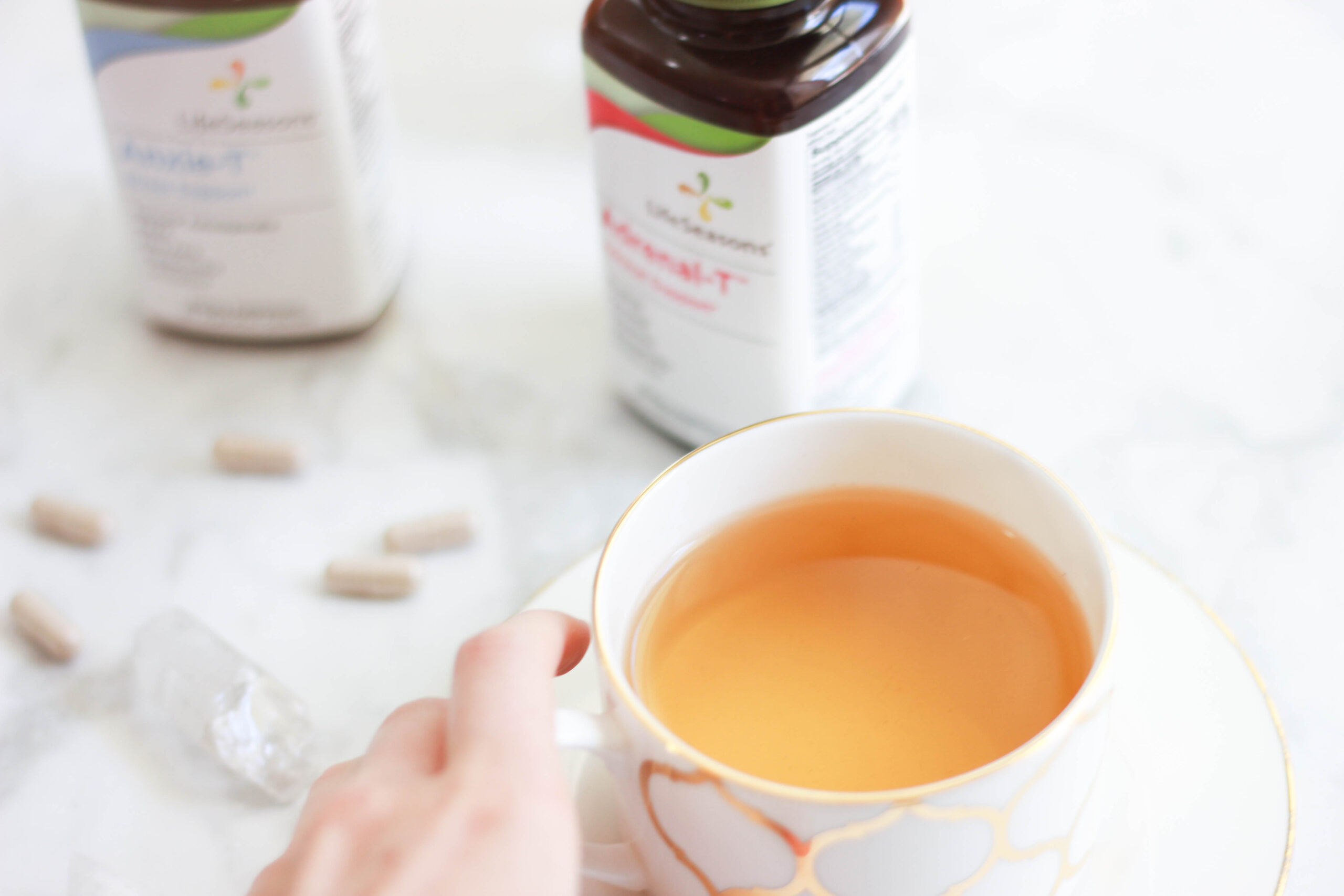
One of the questions I get asked most often is if I’ll share my supplement routine. Many of you know that I have quite the supplement regimen, but I don’t like to share all of the details because my supplement routine is very specific to my body and my personal health status. I think it’s really unwise to blindly copy someone else’s supplement routine without understanding why they take the things they take. Every person’s situation is very unique, and the supplements they use should be tailored to that. Taking a supplement that doesn’t address your body’s unique needs can sometimes do more harm than good, so it’s important to focus on what’s best for you, specifically, instead of taking supplements just to take them or just because you heard someone else is taking them and has seen good results.
Stress is something many of us struggle with, so I wanted to share more about a few of the herbs I’ve used in the past few years to manage it. Over the years, I’ve tried a lot of different holistic remedies to help reduce my cortisol, ease my anxiety, and lower my stress, and they really have helped me feel much better overall. I’m still a Type A individual, but I’m actually much calmer and more relaxed nowadays than I ever have been in my whole life.
Adaptogens and different anxiety-reducing herbs are mentioned a lot in the media and are getting stuffed into every food product nowadays, and it seems like many people just take them to be “trendy,” without even knowing what the herbs actually do. Adaptogens are really powerful, though, and they work to bring the body back to its level of homeostasis. They “adapt” to what your body needs, which is why the same adaptogens can work very differently for different people. They might make one person more energetic if that’s what that body needs, and they might make someone else much calmer and relaxed if that’s what that person needs. In today’s stressful society, most people tend to need the calming effect. My dysfunction robs me of my joy of life. My specific problem is that everything may be going well when we jump in the bed – but in just a quarter of an hour it would shrink back, leaving me excited… in my head only. I got a box of Levitra from www.trendingdownward.com/generic-levitra-cheap/ and indeed it works! My happiness is immense.
Over the years, I’ve built up an arsenal of adaptogens, amino acids, herbs, and other supplements based on products recommended to me by different practitioners. I’ve tried many things out, seen how my body and mood has responded, and discovered what works best for me. Not everything given to me by doctors over the years has worked. There are a lot of supplements I’ve tried that I really noticed no difference with. There are a few, though, that I’ve kept in my rotation because I love the effect they have on helping to reduce my stress levels.
- Ashwagandha is by far my favorite adaptogen, and I’ve been using it religiously in different forms for about two years. Compared to everything else I’ve tried, this adaptogen has made the biggest difference in my stress levels. It’s popular in Ayurvedic medicine and is used to support the body’s natural energy levels and moderate the effects of stress. It can also strengthen the immune system, increase mental focus and memory, reduce fatigue, and reduce symptoms of anxiety and depression. Since taking this constantly in the morning and evening, I’ve noticed a huge reduction in my anxiety levels. Ashwagandha is a nightshade, though, so be aware if you have an autoimmune disease and react to nightshades.
- Rhodiola is another adaptogen, and it’s known to to help boost energy, mood, and brain power. Rhodiola is linked to a reduction in cortisol and depression, and it supports the body’s ability to resist different stressors. This paired with Ashwagandha are my adaptogen dream team when it comes to natural remedies for anxiety and depression.
- L-Theanine is a relaxing amino acid that has helped me a lot with winding down after a long day. It helps to support the body’s ability to relax, and I definitely notice the difference.
- Reishi – Reishi mushroom is known to help calm you down, relieve feelings of stress, and also support sleep. I like to drink a mug of Four Sigmatic Reishi elixir every night to help me wind down, and it makes a huge difference in my evening routine. (My code “CRW” will get you 15% off Four Sigmatic products!)
- GABA – If you’ve ever taken a Psych class, you’ve probably heard of GABA. It’s an inhibitory neurotransmitter with relaxant effects, helping the body to maintain balance. GABA is often out of balance in people who struggle with anxiety. I first started supplementing with GABA about five years ago, at the recommendation of my psychologist since I didn’t want to go on medication, and I found it made a huge difference in the way I reacted to stressors in my life.
- Kava Kava is an extract / plant / root that helps the body manage stress. It can help with anxiety, restlessness, and sleeping. It can also help with muscle tension and pain. However, there are some medications and supplements that Kava Kava should not be taken in conjunction with, which is another reminder why it’s so important to get supplement recommendations from a practitioner who knows everything you’re taking! My practitioner put me on this about a year ago, and I noticed much better sleep and even energy levels throughout the day.
- Holy Basil is another adaptogen that is popular in Ayurvedic medicine. The compounds in holy basil have been shown in clinical trials to support the pancreas and help generate healthy new beta cells. It’s been shown to reduce stress, help with sleep problems, reduce exhaustion, and have antidepressant properties. I have taken this on and off for about two years, and I do notice that I feel more “even” overall whenever I take it consistently.
These are just a few of the natural remedies I’ve used in my battle against stress and anxiety. Remember, adaptogens work differently for everyone, so sometimes it can be a guessing game to figure out what works best with your body. For example, ashwagandha might help me wind down, but it might make you more energetic. Listen to your body to find what works for you!
Do you have a favorite adaptogen? I’d love to hear!

by Christina | Nov 8, 2017 | Recipes, Wellness
I have to be honest… I’ve been craving a good Sloppy Joe since 2015. And it’s finally here.
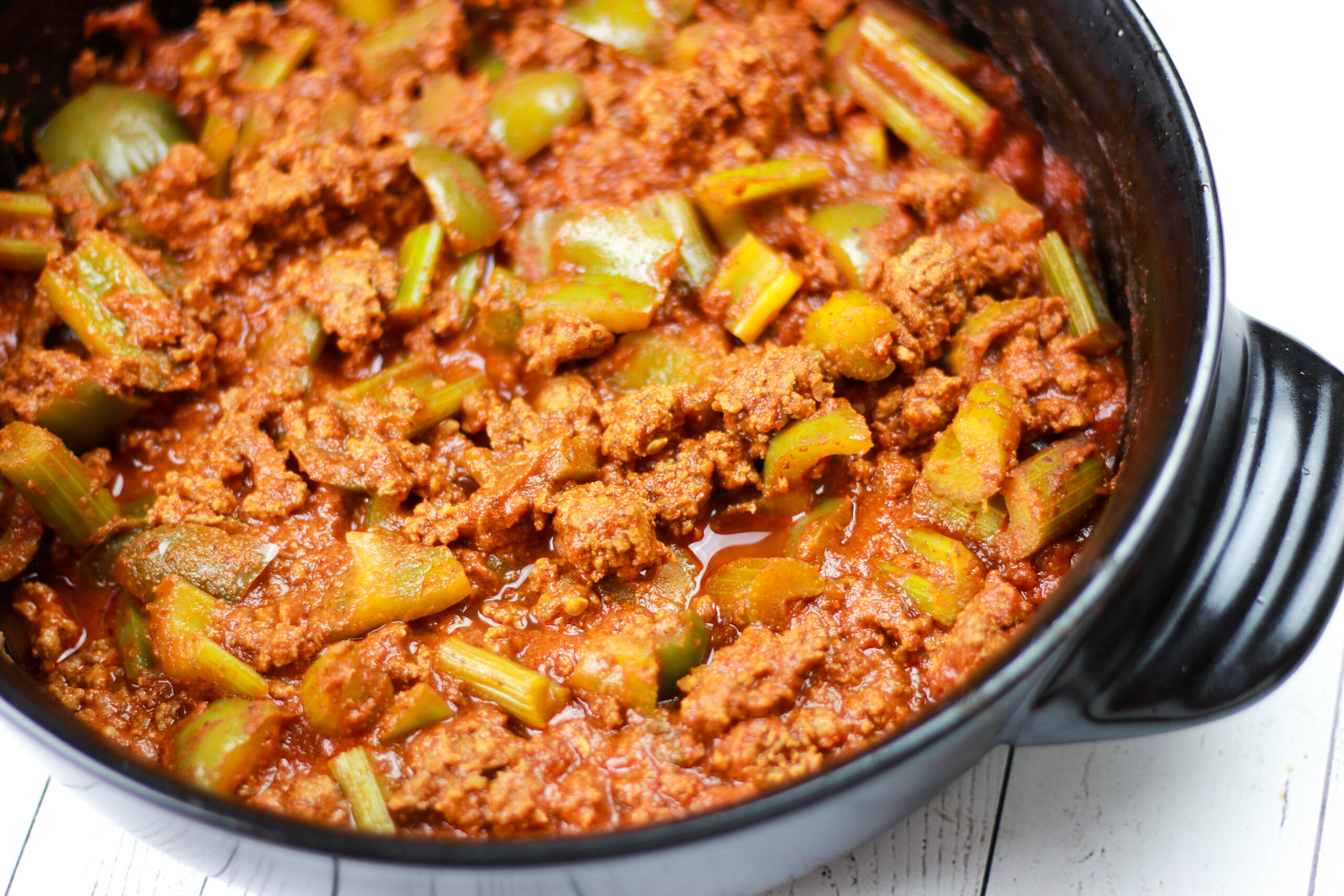
Growing up, Sloppy Joes were a family staple. You know those meals that feel like stereotypical meals for your family in particular? Sloppy Joes were a stereotypical, classic Rice family meal. Every night was family night in my house, but Sloppy Joe night was even moreso. It meant a special occasion. Usually dinner with a movie, and maybe some dessert after. Probably a weird board game, too.
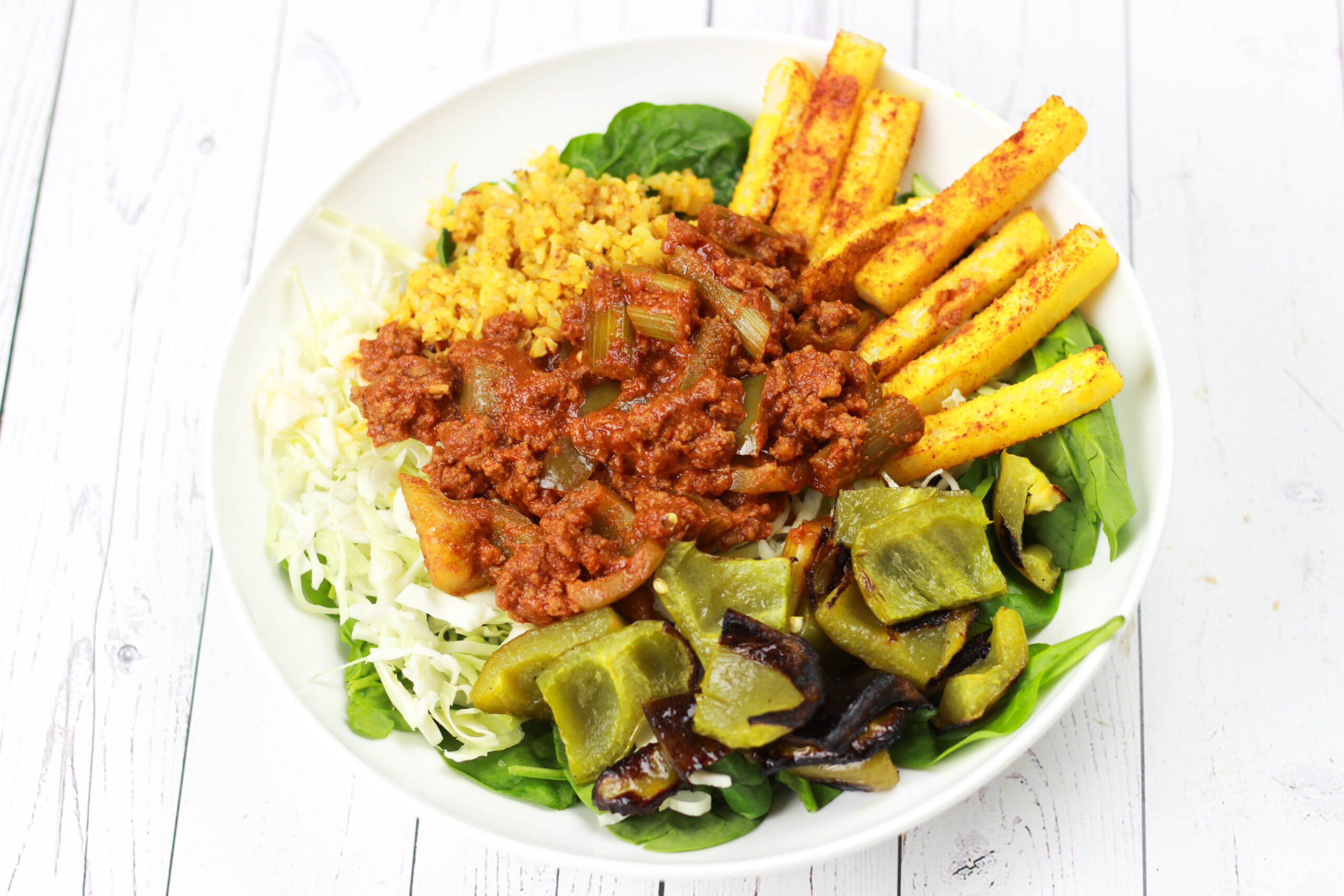
OR it meant the complete opposite. On the rare occasion Mom was gone and couldn’t cook, I could always count on Jimbo (Dad) for a killer Sloppy Joe. It was his go-to, probably because it’s a “manly” meal. My sister and I used to joke that they should really be called Sloppy Jimbos.
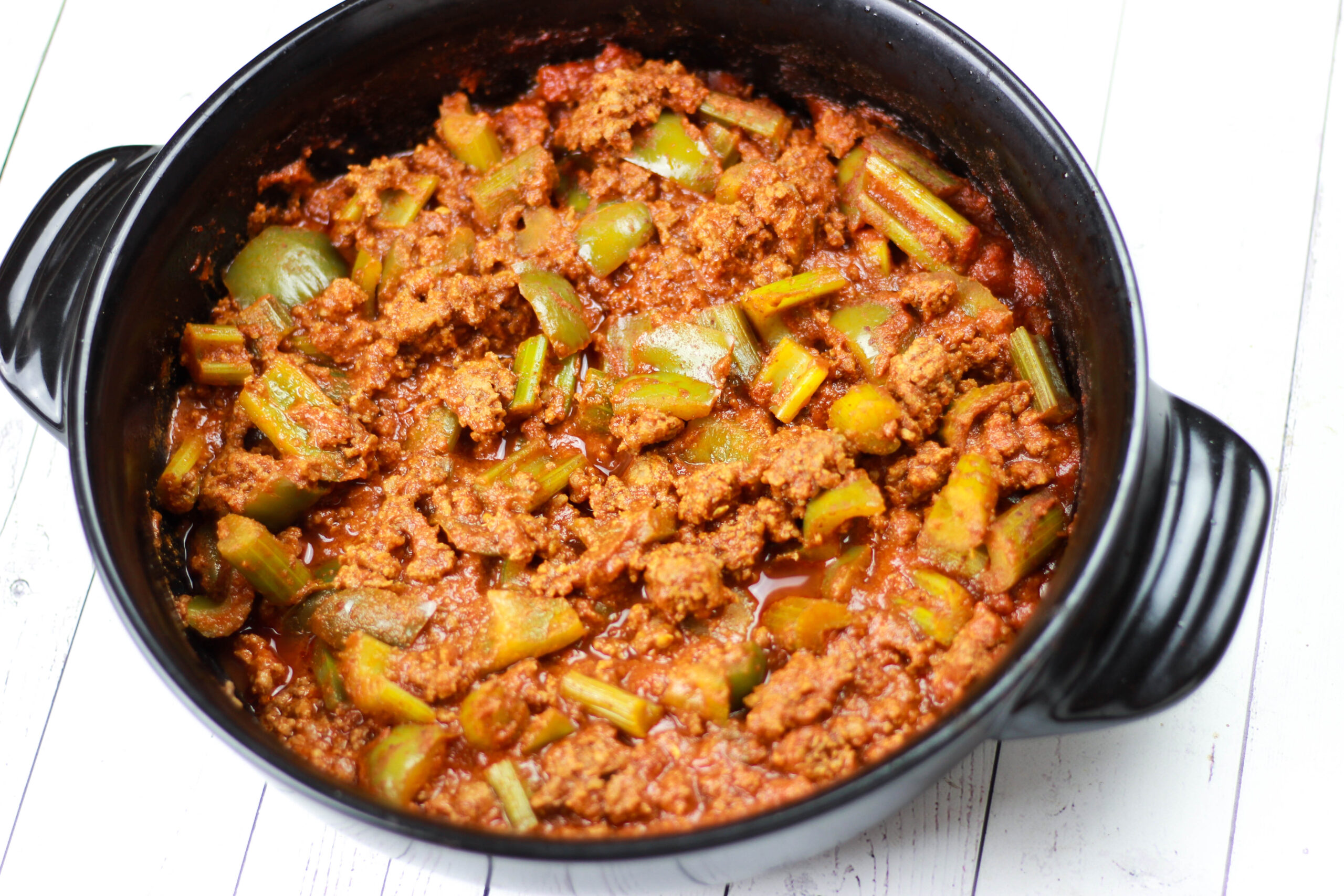
I was always obsessed with Sloppy Joes. There’s something about rich, meaty sauce in between a bun with a side of fries that’s irresistible. Our go-to combo? Sloppy Joes with Tater Tots. Doesn’t get more American than that.
I never had any idea what was actually in a Sloppy Joe, though. All I knew was that it was delicious. At that point in my life, I truly did not care what was in it, either. I knew there was meat… and a sauce… and it wasn’t a regular hamburger… Whatever. All I cared about was being able to wipe up the extra Sloppy Joe sauce with my Tater Tots. If I could do that, I was a happy camper.
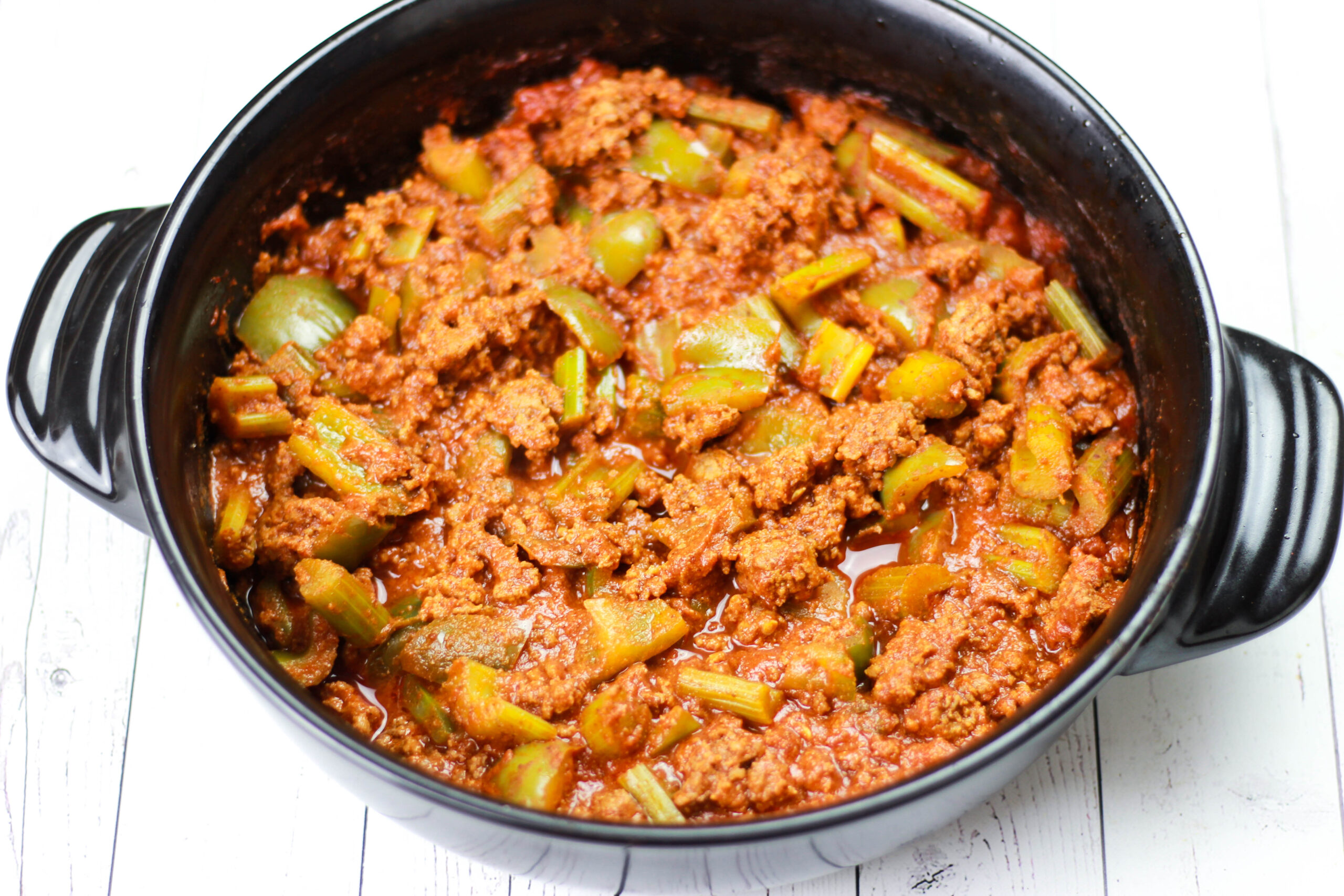
I also grew up thinking that my family literally invented Sloppy Joes. I thought it was something my parents made up, and that no one else had ever had one unless they had been to my house. That had to be the case, considering how ridiculous the name was! Imagine my horror as I strolled through the grocery store aisles while my mom shopped, and I saw a Sloppy Joe mix on the shelves.
Oh. My. God.
I freaked out. My first instinct was, “I can’t believe someone stole our Sloppy Joe recipe!”
Then I realized that was ridiculous.
My next thought was, “Okay, so my parents clearly didn’t make up Sloppy Joes. Still, though, there’s a MIX?!”
The mix infuriated me. As much as I loved packaged food at that point in my life, I still knew that a mix was cheating when it came to Sloppy Joes! A mix in a packet could not make a real Sloppy Joe. I was irritated AF.
I remember going to school the next day and asking all of my friends if they had ever tried a Sloppy Joe. I couldn’t believe other people ate them, too. Everyone said yes, they had eaten a Sloppy Joe. What they also said, though, was that they didn’t like them.
I could not believe that. SLOPPY JOES ARE SO DELICIOUS! It was definitely because they never had a real Sloppy Joe. A homemade one. The mix was an imposter.
I tried the mix once later on, and I was truly horrified. I had a whole new appreciation for my family recipe. Whenever anyone told me they didn’t like Sloppy Joes, I told them to come over to my house for dinner. I’d prove ya wrong.
Anyways, Sloppy Joes are my ultimate comfort food. They’re very nostalgic for me. The truth is, I haven’t had one since going Paleo a few years ago. I was honestly really scared that I would have to adjust the recipe and it wouldn’t turn out the same. I remember clearly what it tasted like growing up, and I didn’t want to taint that memory. The problem was, though, that I always get the craving whenever I’m feeling like I need some hometown vibes. Whenever I’m around my family or think about them, I wish I could have a Sloppy Joe. So I decided to make one.
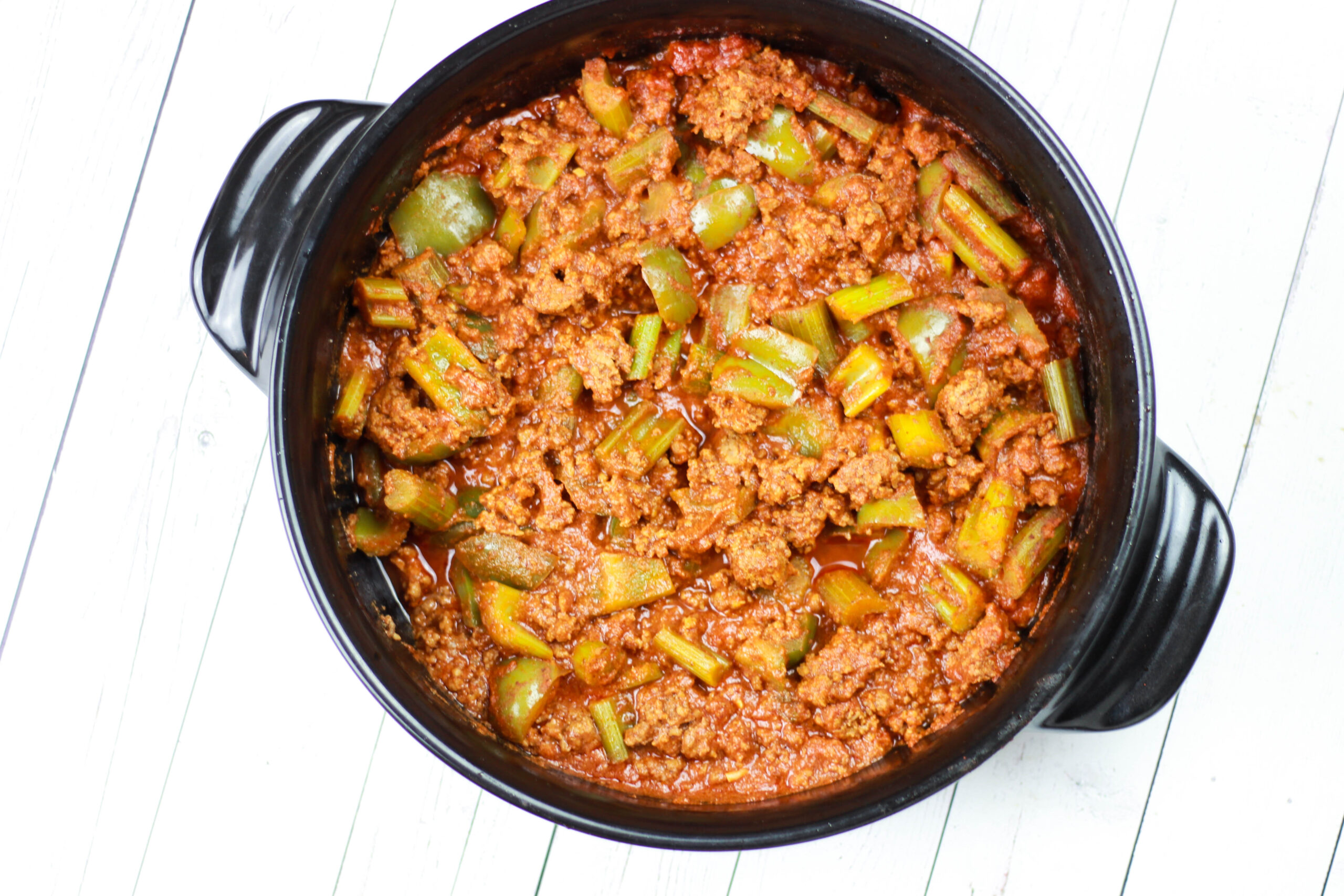
The problem with most Sloppy Joe recipes, though, are that they often contain ingredients that are a bit too much for my stomach. I don’t do well with garlic or onions or hot peppers, like many others with sensitive stomachs, and those ingredients are usually included. As I researched more, though, it seemed pretty easy to work around that. I was going to make an onion-free, garlic-free, not spicy Sloppy Joe that wouldn’t kill my gut.
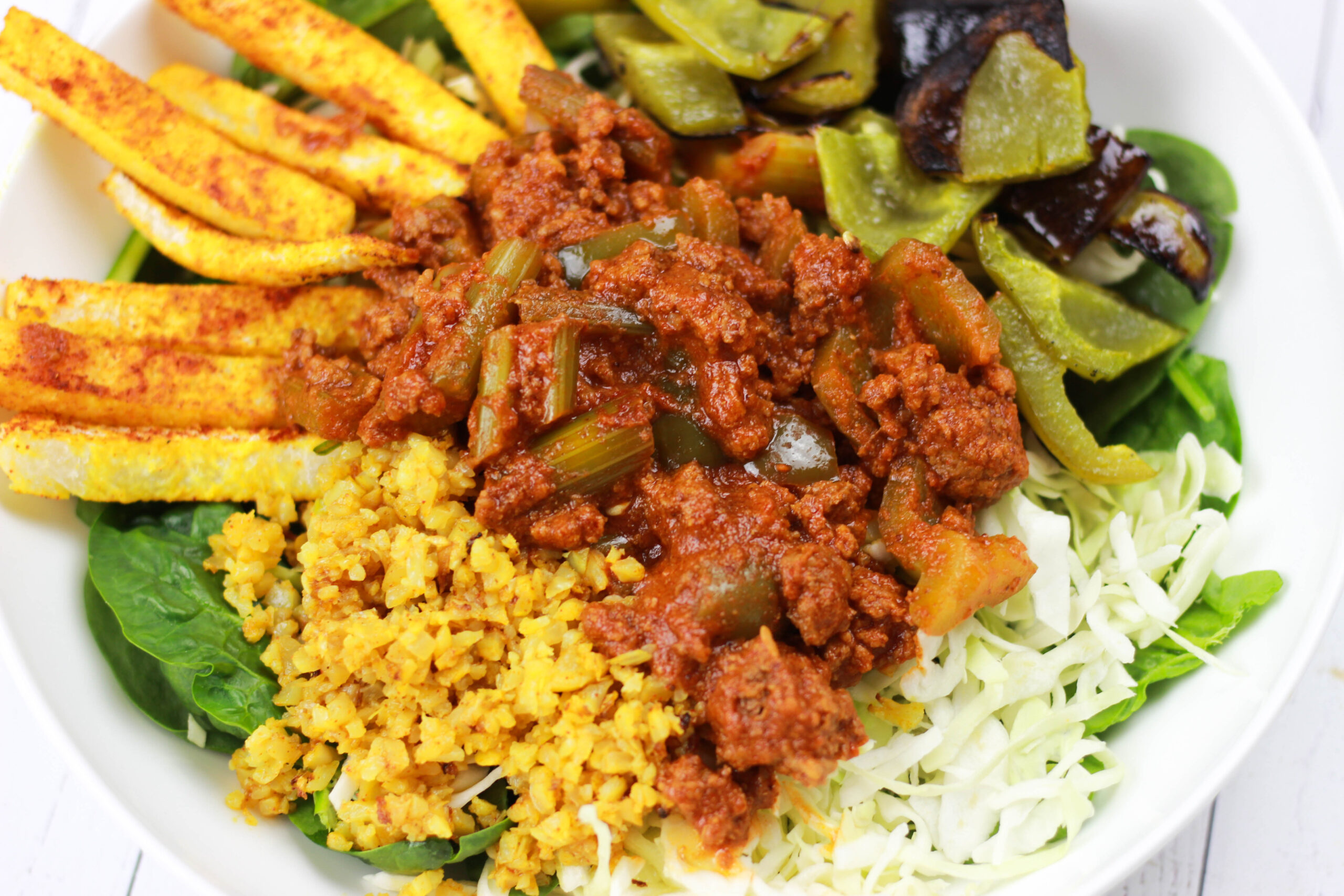
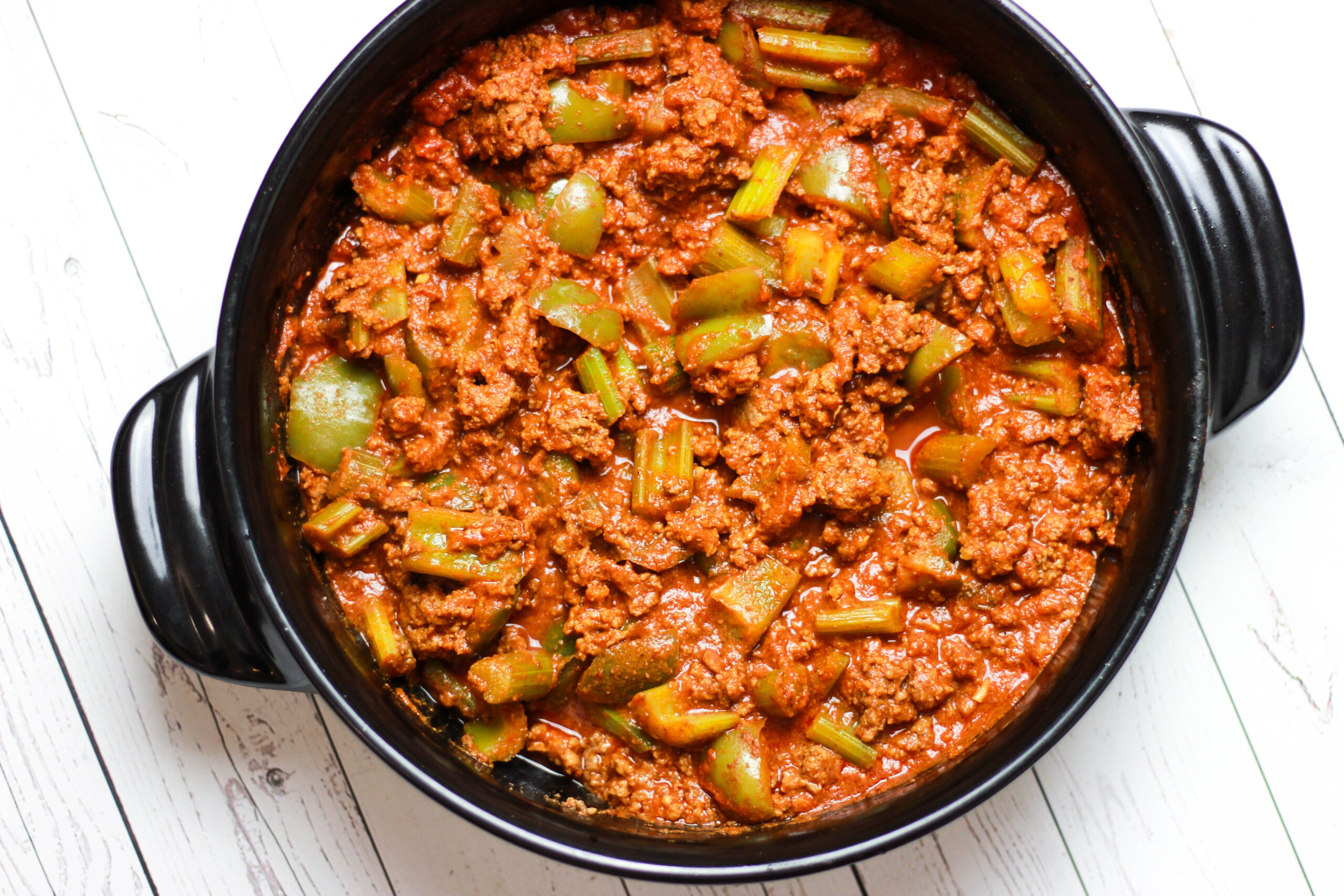
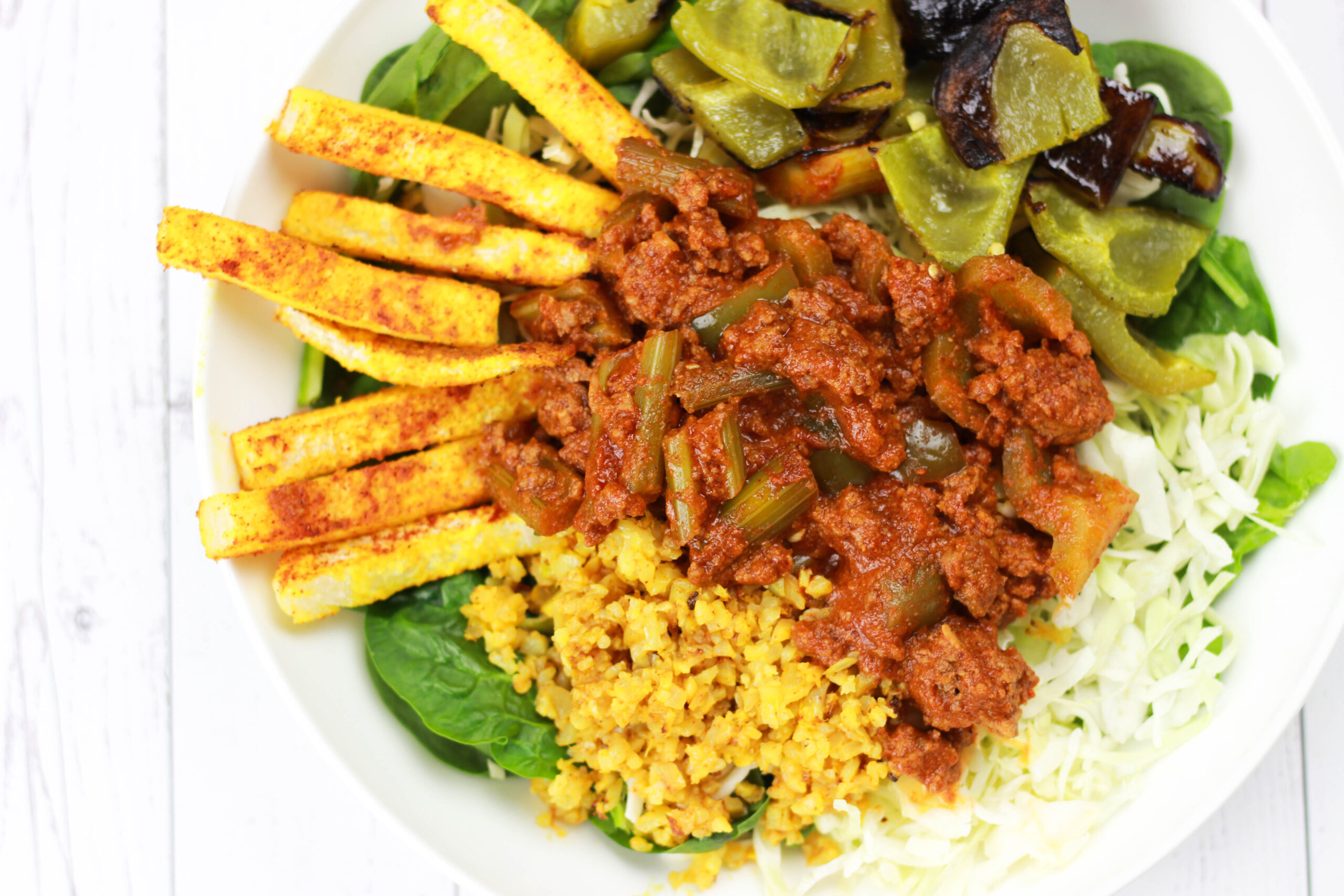
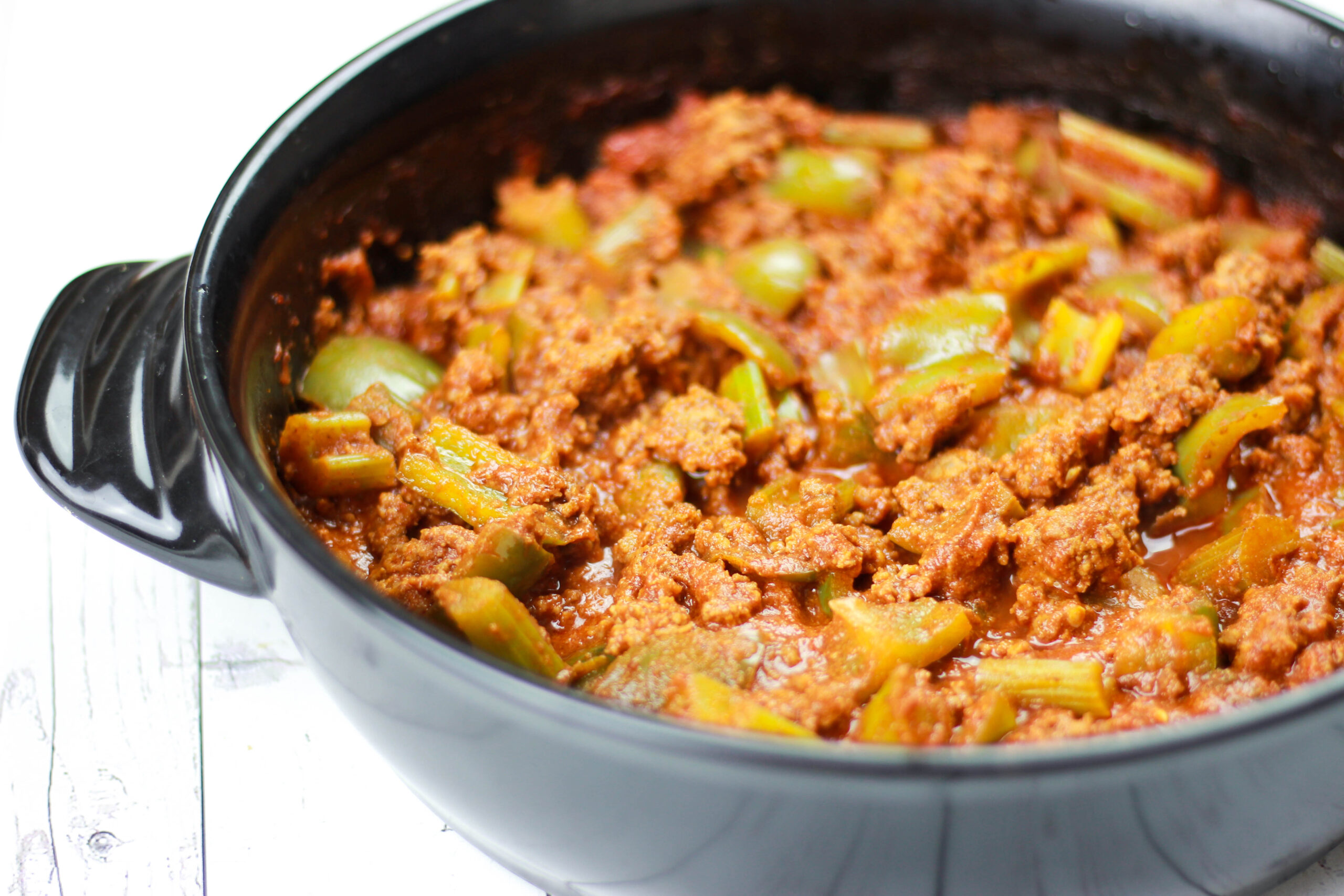
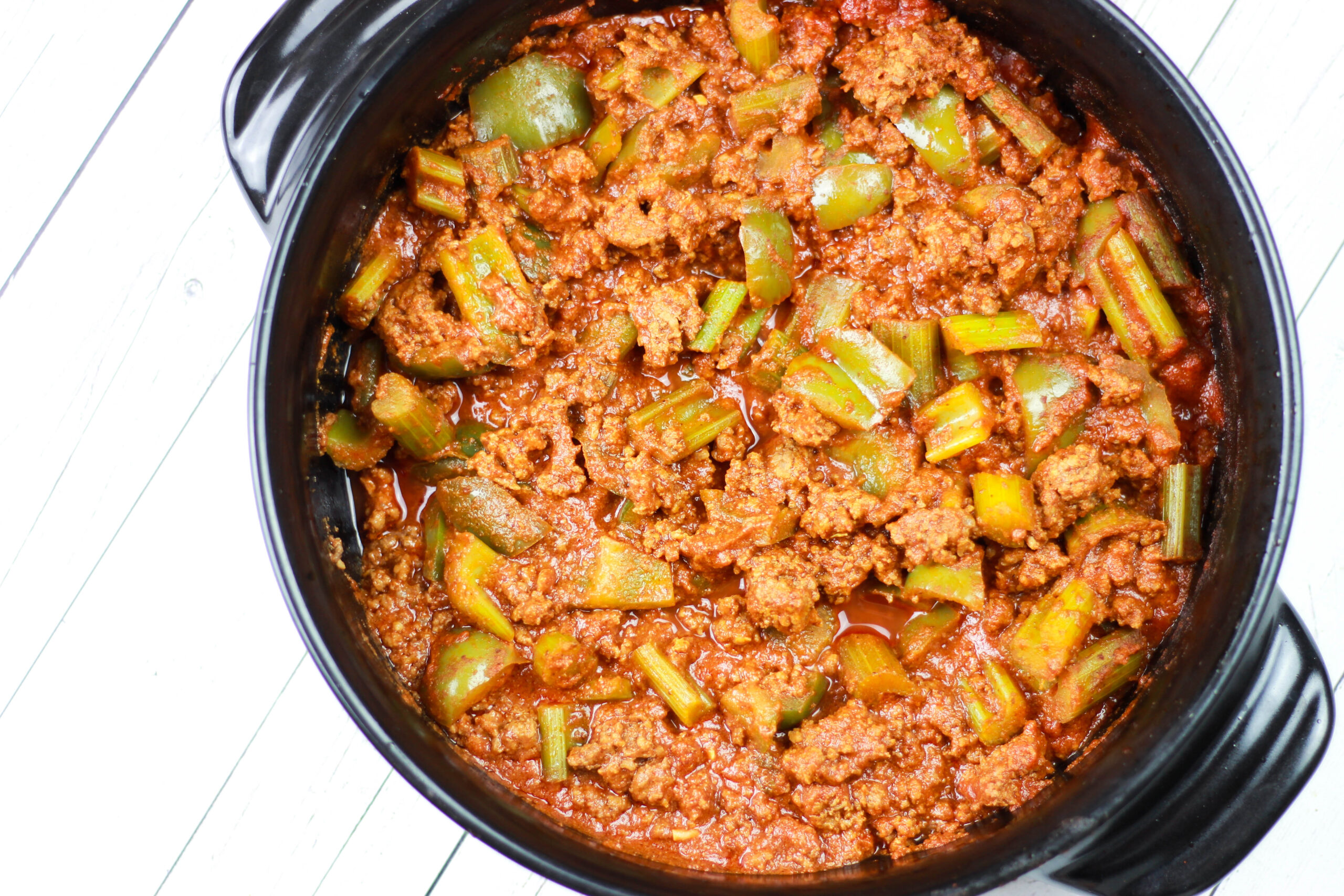
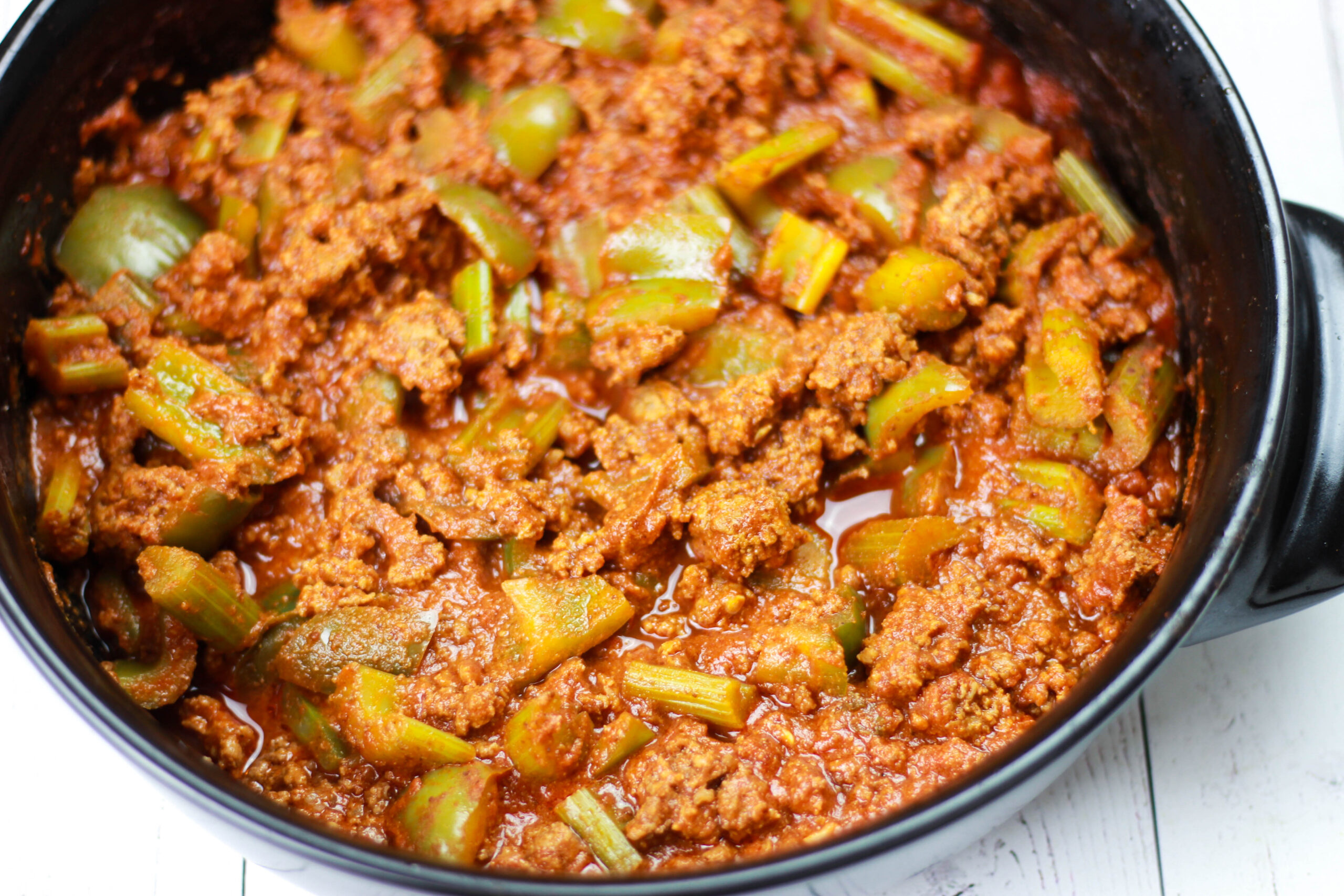
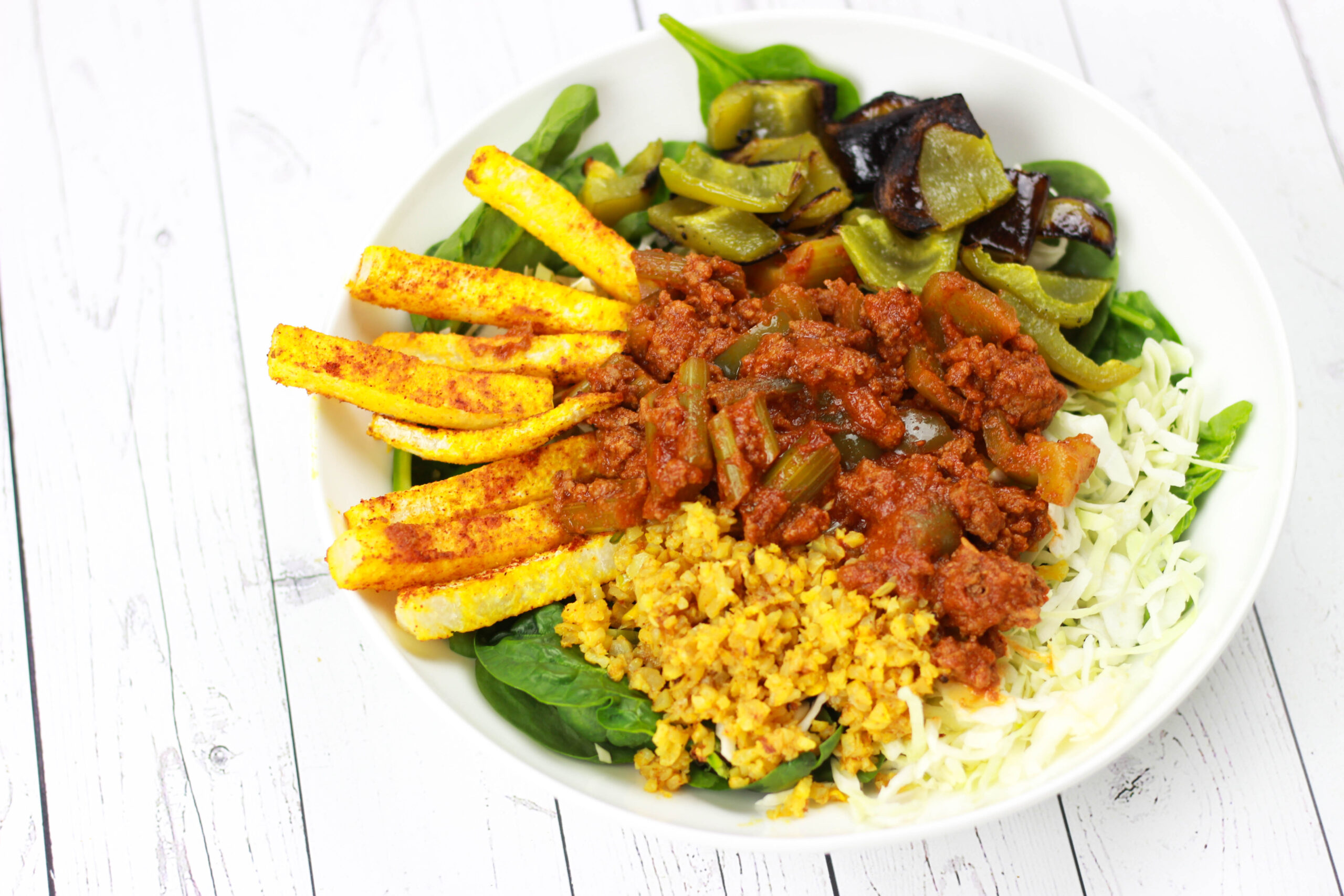
And I did it! I cannot tell you how excited I am about this recipe, because it is truly everything I ever wanted it to be. It tasted just like I remembered it growing up. I even paired it with some jicama fries, because you’ve gotta have fries with a Sloppy Joe! You could serve this with portobello mushrooms as a bun, in between sweet potato slices, or in a sweet potato. If you want to go lower carb, you could serve it over zoodles, cauliflower rice, or greens! And of course — the fries! Jicama fries and sweet potato fries are two of my favorites. How else are you going to get every last drip of sauce?
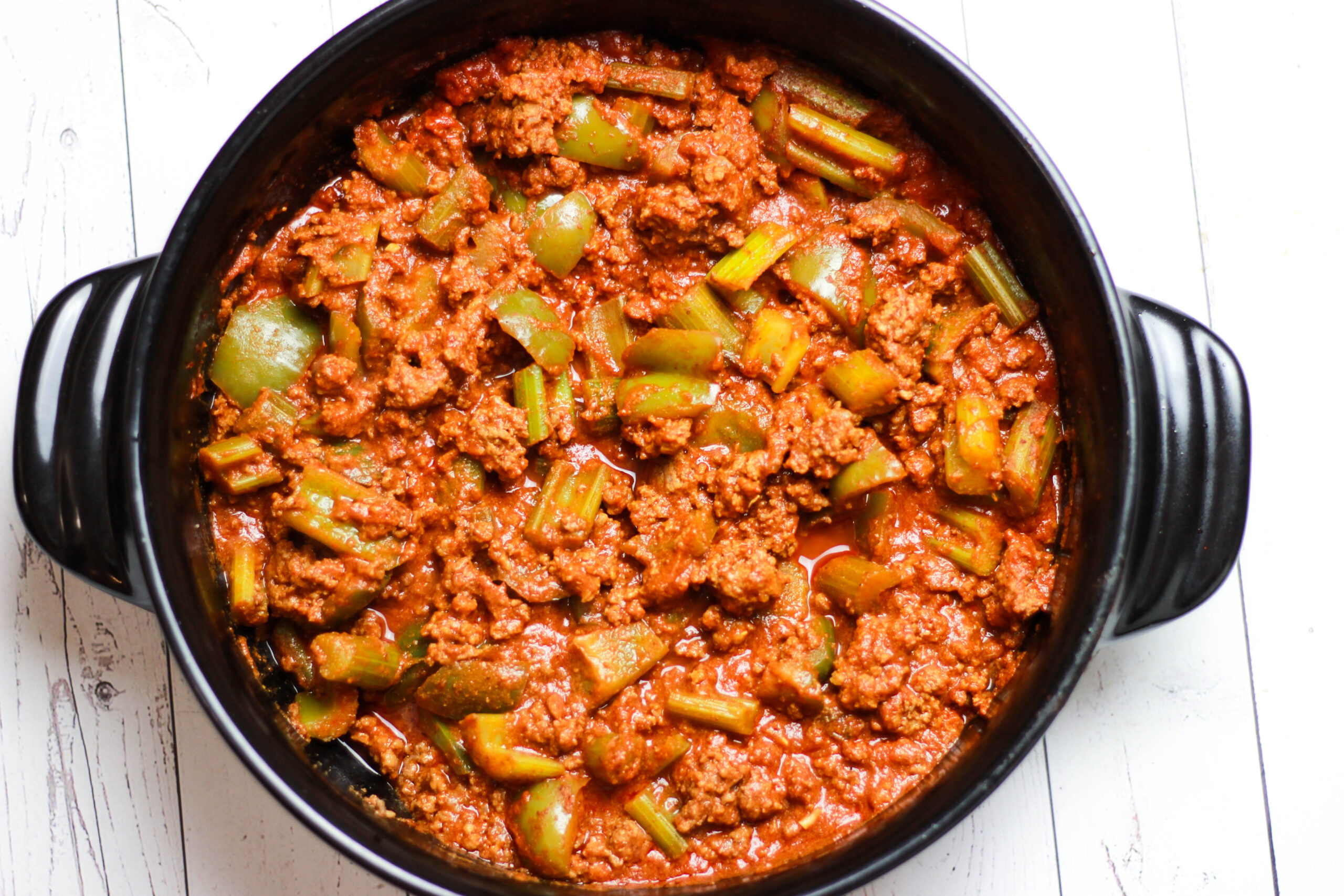
If you love a good Sloppy Joe, I highly recommend you try this out. And if you’ve never had a Sloppy Joe before, YOU NEED TO TRY THIS! If you’re sensitive to garlic and onions, then I know you’ll appreciate this spin on the old classic! Nothing’s more paleo than some Sloppy Joe sauce, if you ask me!
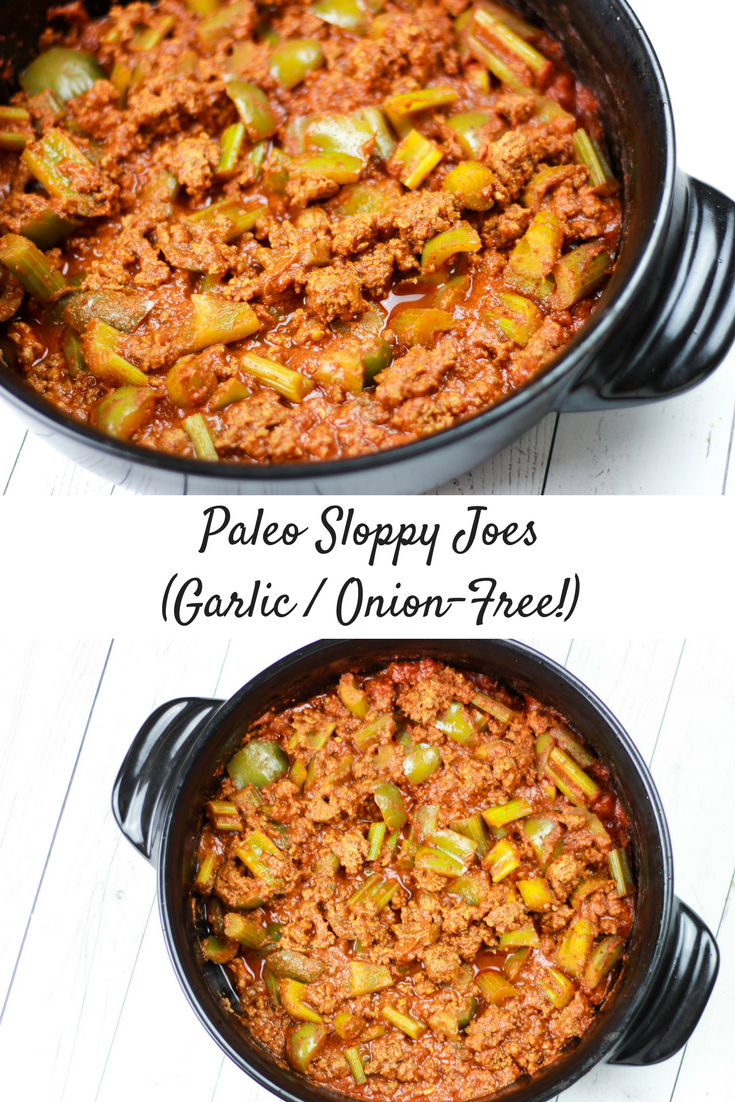
Paleo Sloppy Joes (Garlic / Onion-Free)
Serves: 3-4
Time: 30 minutes
Ingredients:
- 1 lb 100% grass-fed ground beef
- 2-3 tbsp avocado oil
- 3-4 stalks celery
- 1 bell pepper (I used green)
- 2 tbsp coconut aminos
- 1.5 tsp pink Himalayan salt / Celtic sea salt
- 2 tbsp brown mustard (I prefer Whole Foods 365 brand or Eden Brown Mustard)
- 2 tsp paprika
- 1 tsp cumin
- 7 oz organic tomato paste
- 1 tbsp apple cider vinegar
- 3/4 cups filtered water
Instructions:
- Add avocado oil (or other cooking oil of your choice) to a large pan on medium heat. Add the ground beef and cook until browned, breaking up the meat as it cooks.
- While the meat is cooking, chop up your celery and bell pepper into small pieces. Toss in the cut up celery and bell pepper while the beef is cooking.
- Add in the salt, paprika, and cumin. Mix together and cover with a lid.
- Once the beef is browned, reduce the heat to low. Add in the rest of the ingredients and mix everything together.
- Allow the mixture to simmer for at least another 10 minutes, stirring every so often. You can allow the Sloppy Joes to simmer as long as you’d like. The longer you do, the more flavor it will have! I prefer to leave mine for about 30 minutes if I can.
- Remove from the heat and serve over any vegetables you’d like! This is great over a sweet potato, zoodles, cauliflower rice, or greens!
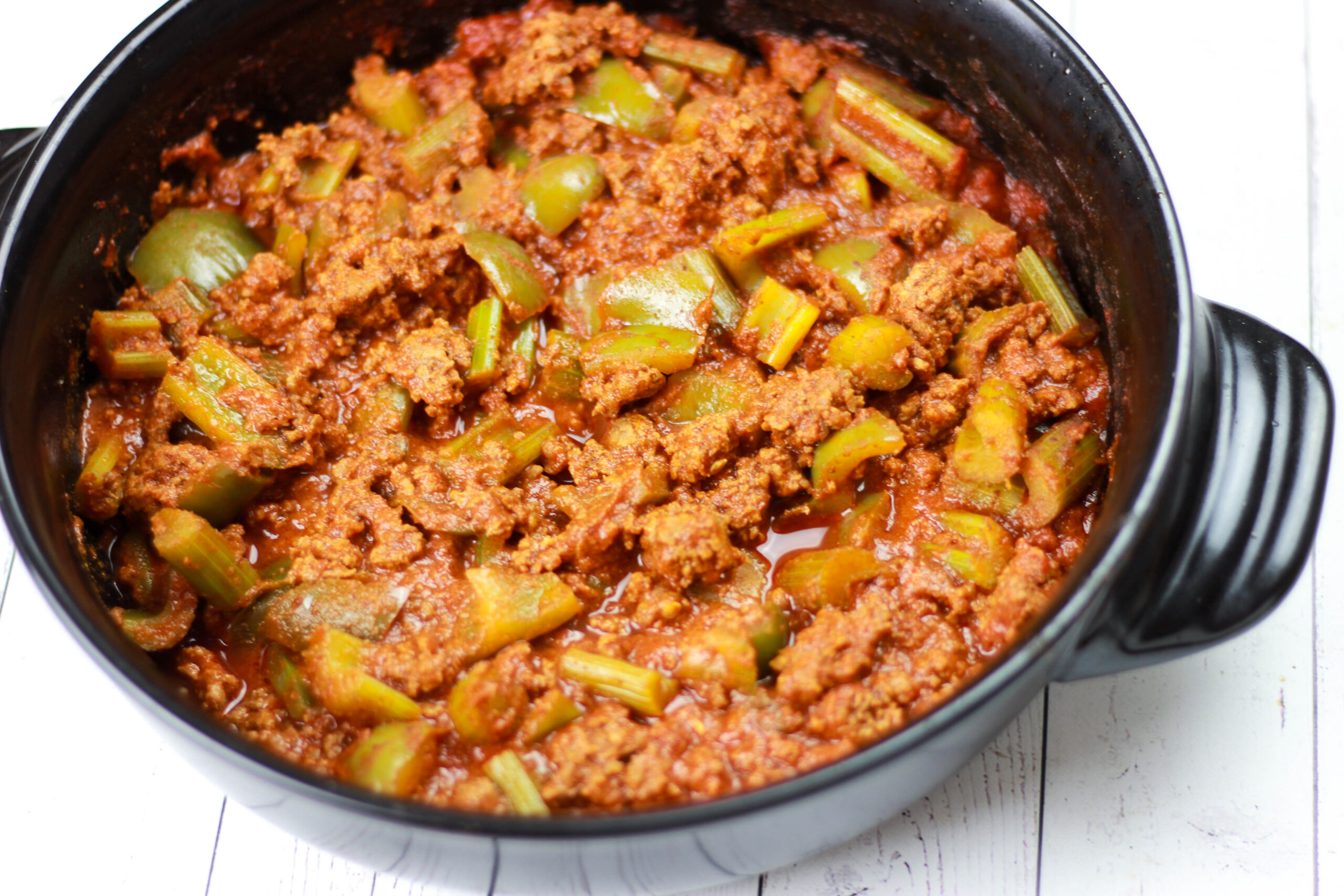
If you make this, I would love to see it! Make sure you tag me in a photo! I want to know – what was your favorite family meal growing up?!

by Christina | Oct 28, 2017 | Recipes, Wellness
Today it FINALLY feels like fall, and I could not be happier! I’m currently in Seattle for a quick Halloweekend getaway to visit my friend Les from The Balanced Berry. I cannot begin to tell you how nice it is to get out of the 100 degree L.A. heat and go to a city where I can finally wear a sweater! Plus, I have the best company.
With Halloween so close, it’s been killing me that I haven’t really been feelin’ those fall vibes yet. The weather has a huge effect on that! I need seasons. Even just a few days surrounded by orange leaves is all I need to feel like it’s actually October, so a trip to Seattle was the perfect choice. Plus, Les and I are planning on watching some Halloween movies to really get in the mood. Hocus Pocus, anyone?!
One thing that always makes it really feel like fall, though, is baking. Even before I liked to cook or adopted a healthy lifestyle, baking was always something that truly defined the holiday season for me, as it does for many! There’s nothing that puts me in a better mood than making my favorite recipes and enjoying them with family and friends.
Since transitioning to a Paleo diet, I’m obsessed with recreating old classics and Paleo-fying them. That’s exactly what Kayleigh and I did in our newly released holiday e-book, Gratitude: A Healthy Holiday Guide for a Paleo Thanksgiving! (Use the code “earlybird20” for 20% off if you buy the e-book before November 6th!) We took all of our Thanksgiving favorites and turned them into much healthier versions of the standard recipes. I’ll be doing a quick post all about the e-book soon, don’t you worry!
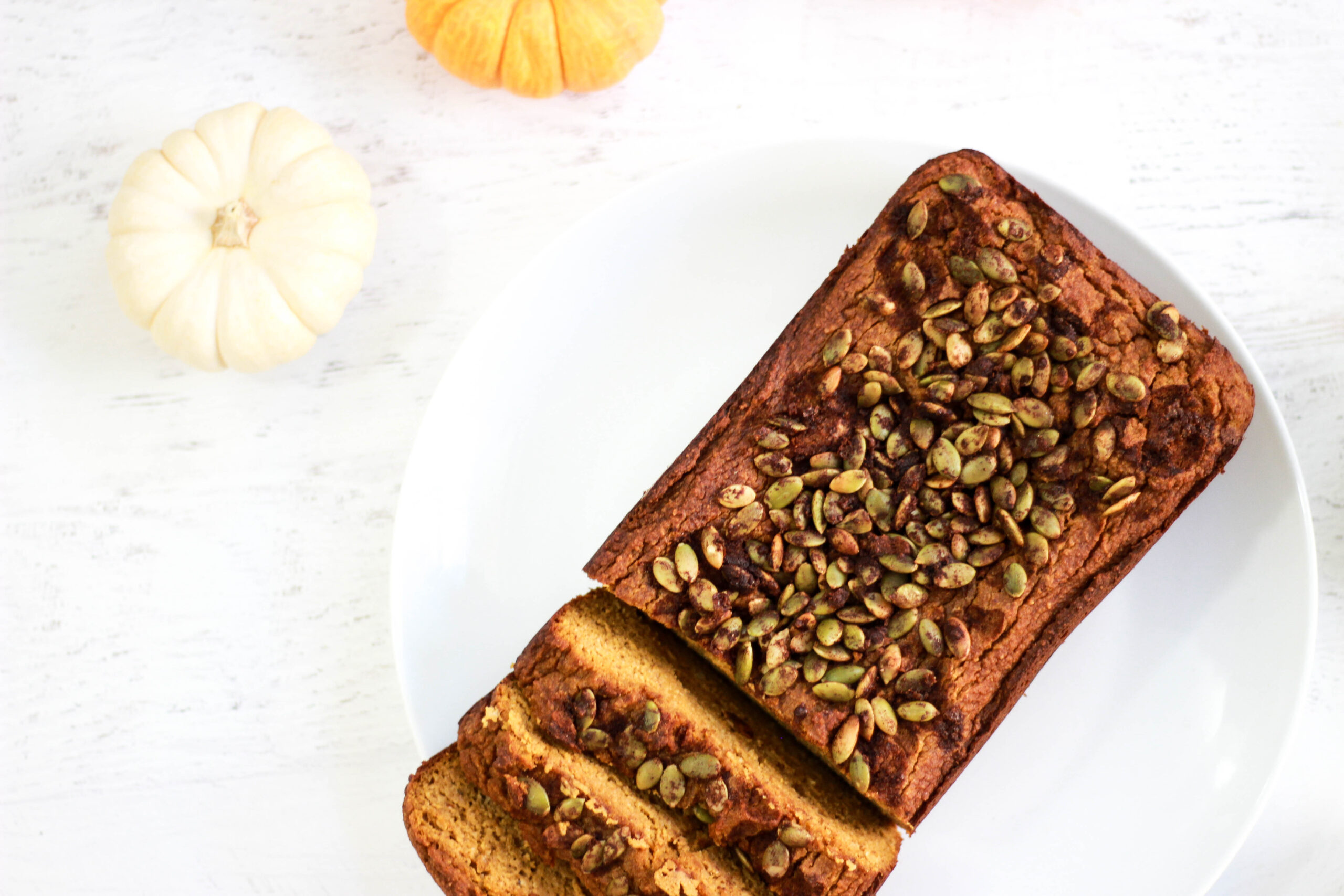
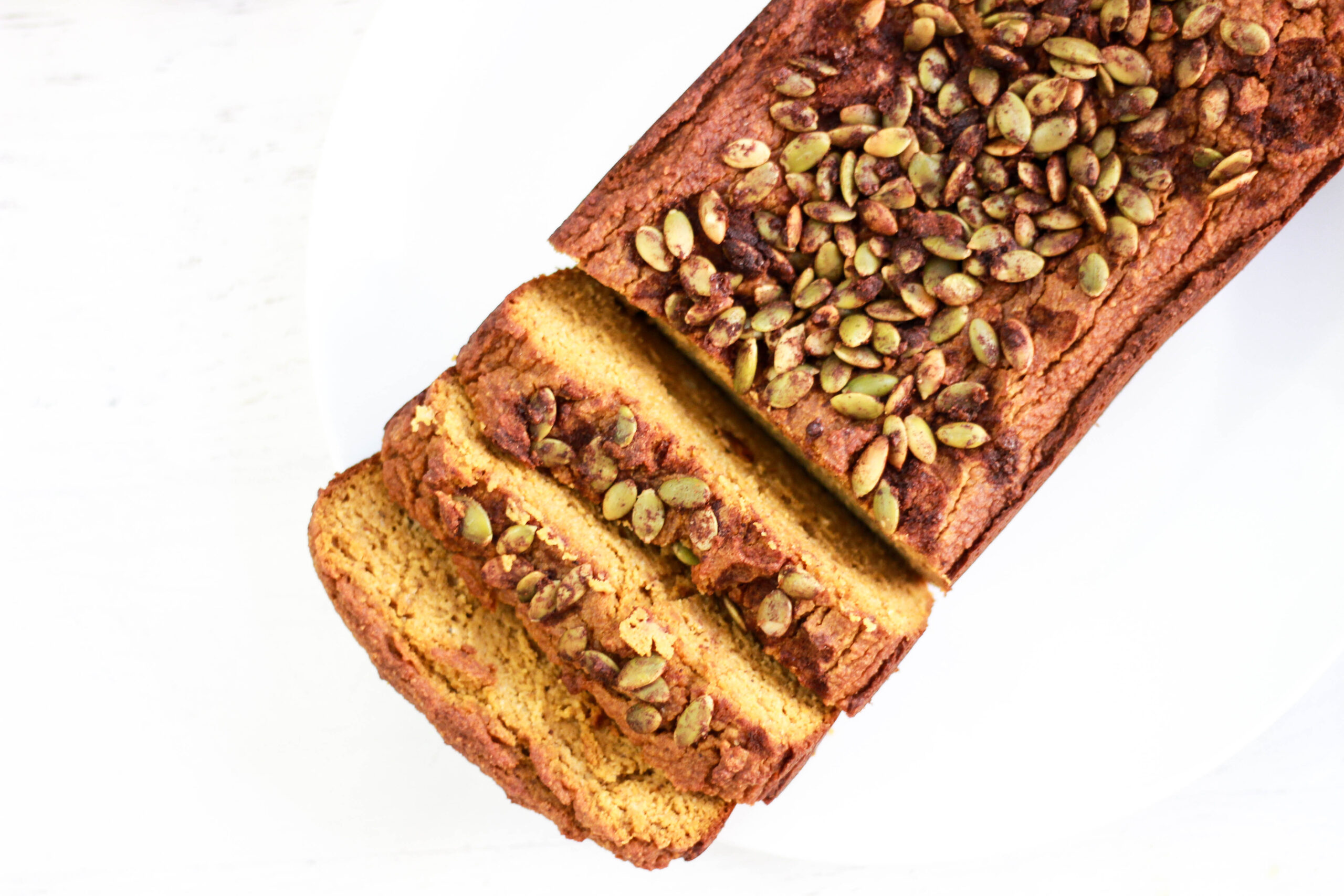
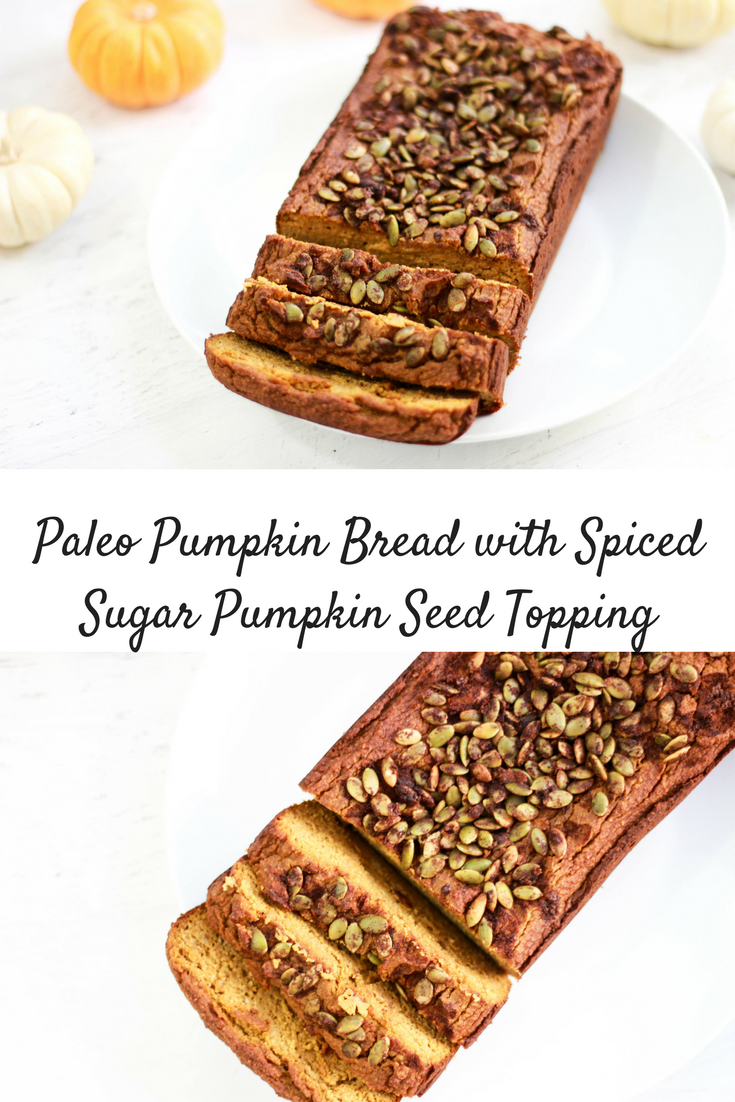
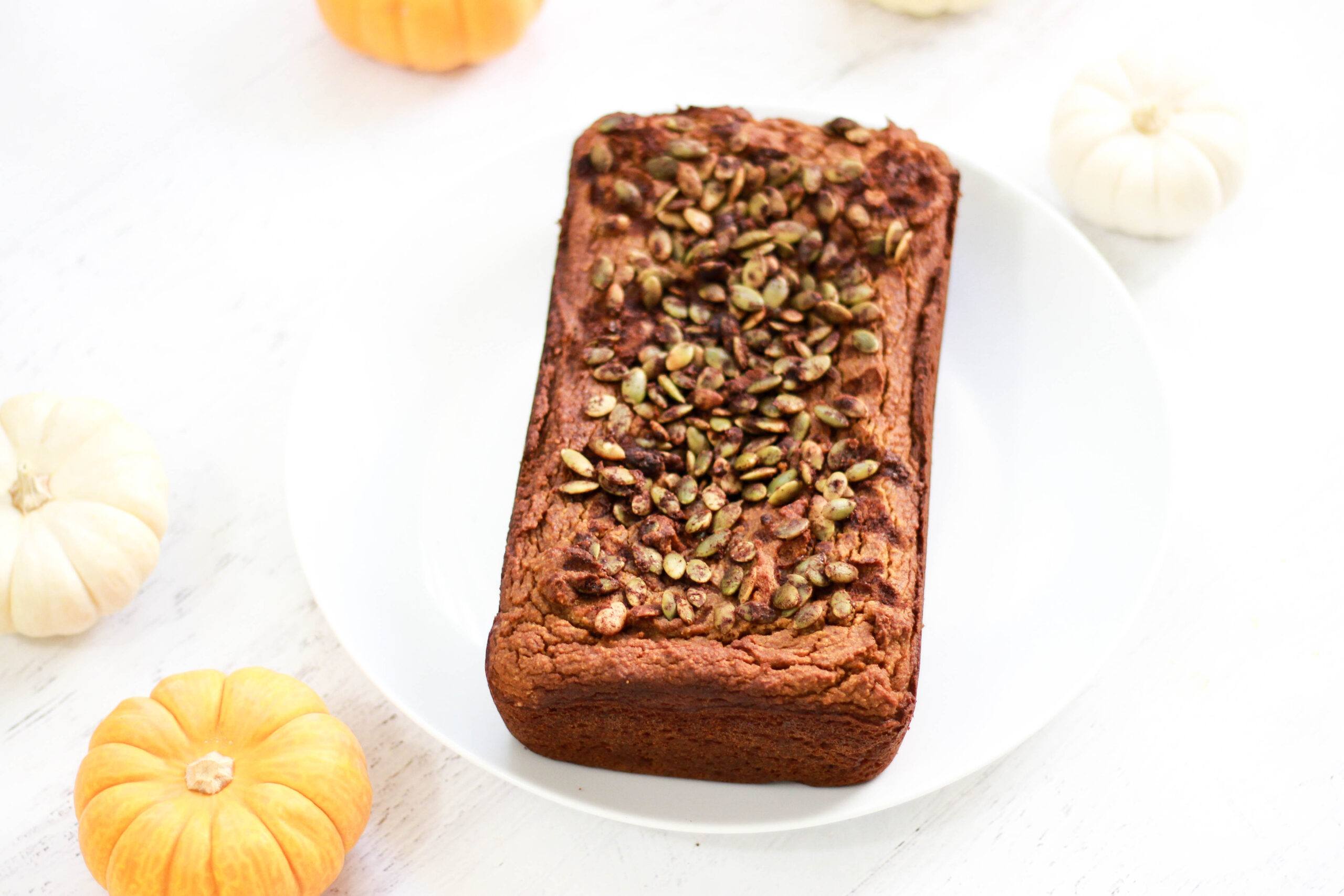
One of my favorite fall classics is pumpkin bread. Since there’s not a pumpkin bread recipe in our e-book (there is an amazing pumpkin pie recipe, though!), I thought it was about time I put one on my blog. The recipe for my beloved Paleo Chai Banana Pumpkin Bread will always be one of my faves, but I thought it was time for a more classic version.
Growing up, fall and winter were always filled with lots of holiday movies and baking parties with my childhood best friend, Annalise. Her mom made the most delicious pumpkin bread in this world, and it was the only pumpkin bread I would ever eat. As we got older and I became less lazy (I was always the child and teen who wanted things made for me, so high maintenance), Annalise and I would bake her family recipe together. I’ll be honest though, it’s always better when a mom makes it for ya.
This pumpkin bread was heaven! The recipe is a family classic and prized possession, all thanks to Grandma Anderson! Those are the best types of recipes – the ones that have been passed down and shared between family members. They’re not just about the ingredients. They’re about the memories and people associated with the recipe.
The pumpkin bread was delicious not only because the recipe was spot on, but also just because it was Granny’s. It was her recipe, which made it special to her kids, and extra special for her kids’ kids. And I was very honored that I was allowed to take part in the tradition of making it, as well.
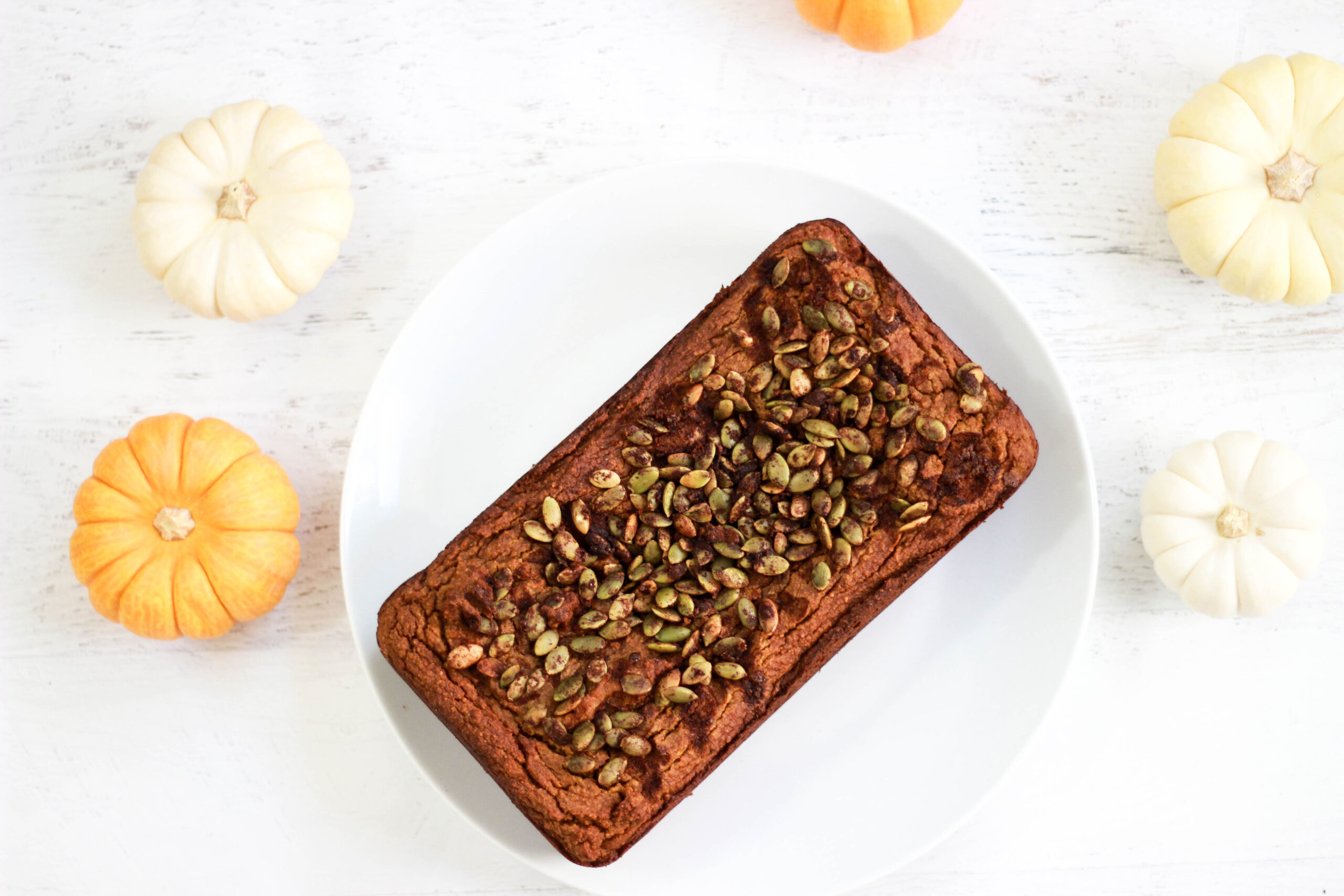
I haven’t had that pumpkin bread in a few years since going gluten-free, and this year I decided to make a paleo version with a few of my own twists, inspired by Granny’s recipe. I can’t share the family secret, but Annalise gave me permission to play around and put my own spin on it.
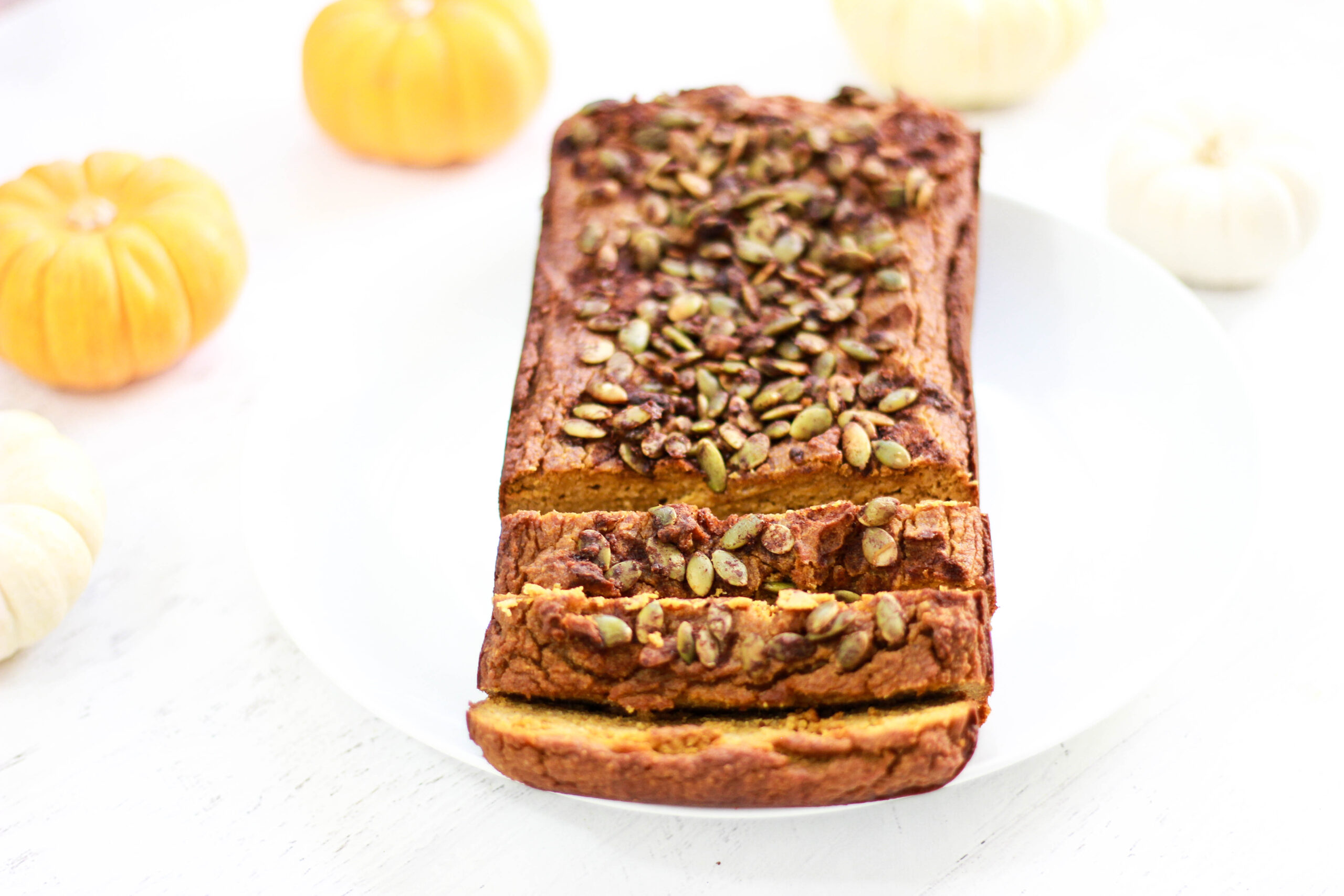
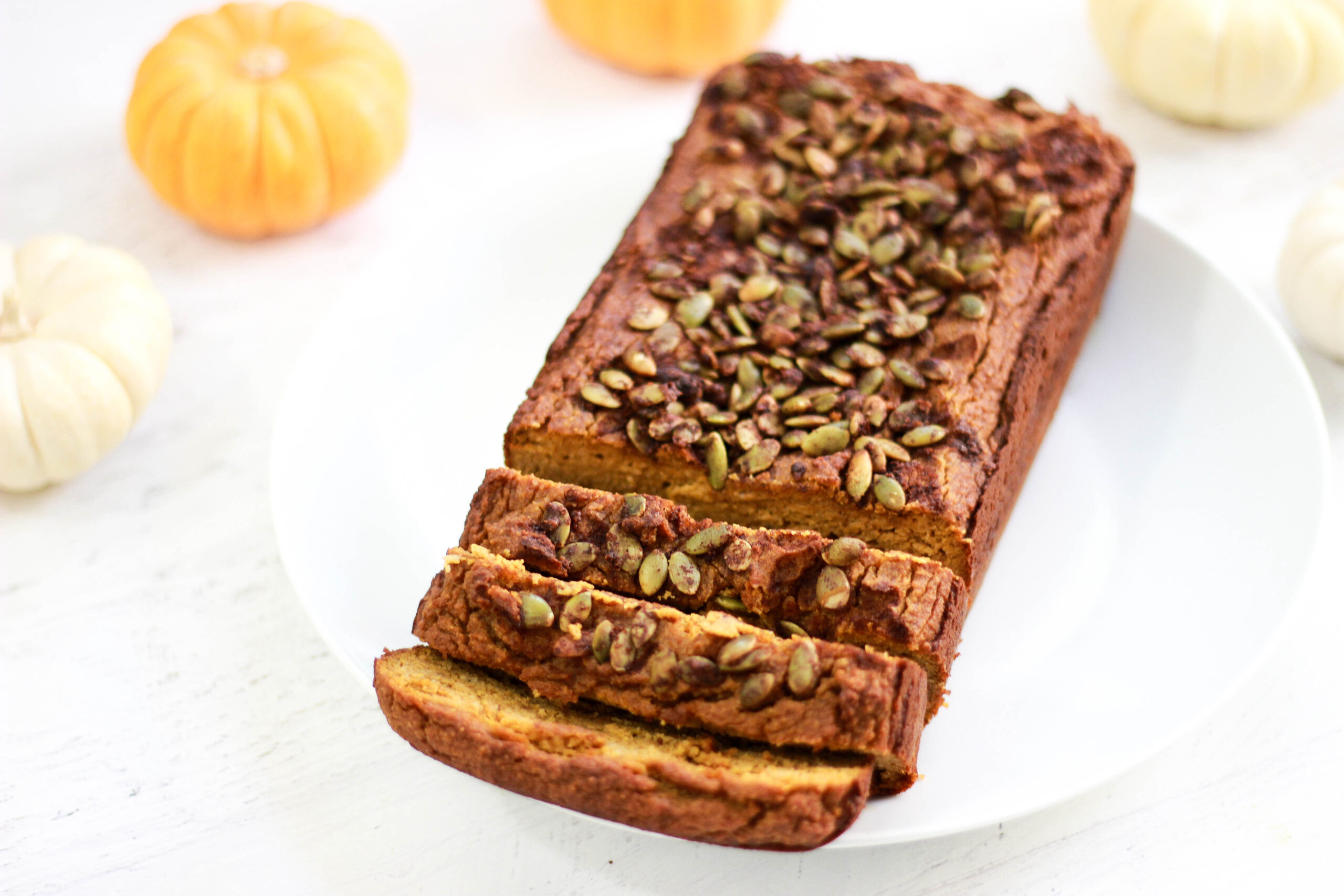
There’s nothing quite like a good ole’ slice of pumpkin bread in the fall. You can dress it up or dress it down – put some nut butter on it, pair it with a little bit of ghee, or eat it plain. There’s a bit of sweetness, but nothing too overpowering – which means you can easily eat this as dessert, a sweeter breakfast, or a snack! Make it extra desserty with some coconut milk ice cream. Not a dessert person? Pair it with some coffee or tea as an afternoon treat. You can never go wrong with pumpkin bread.
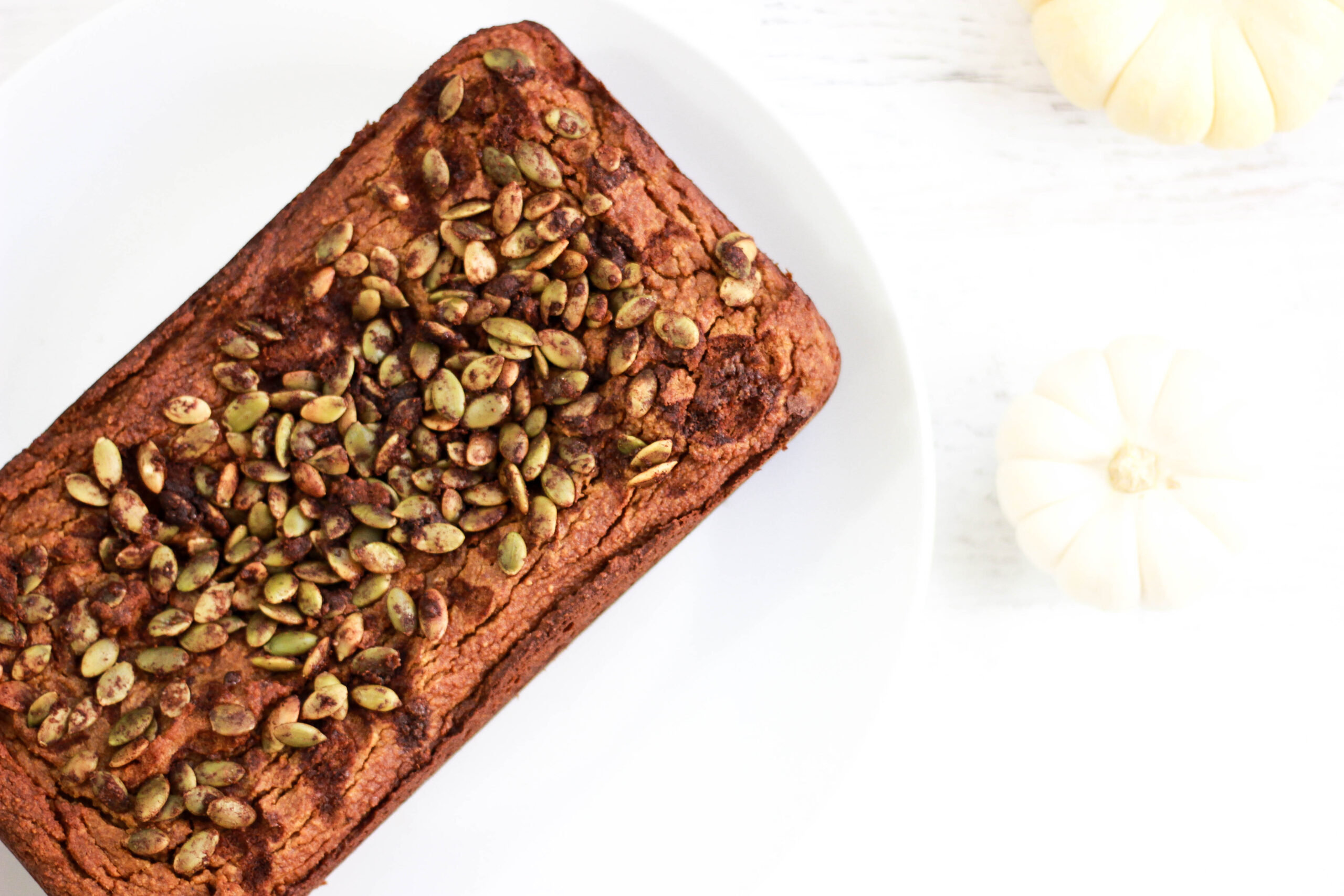
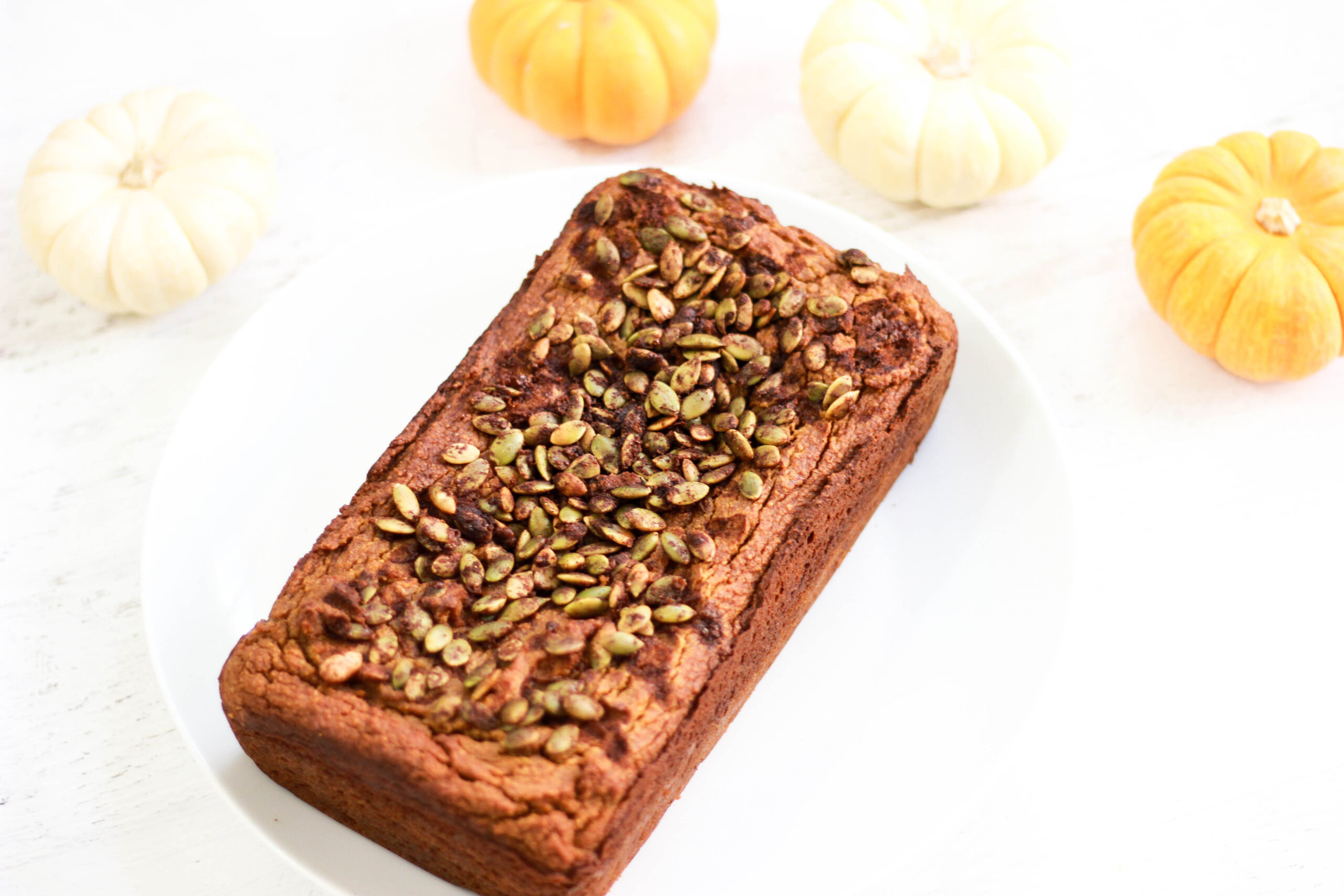
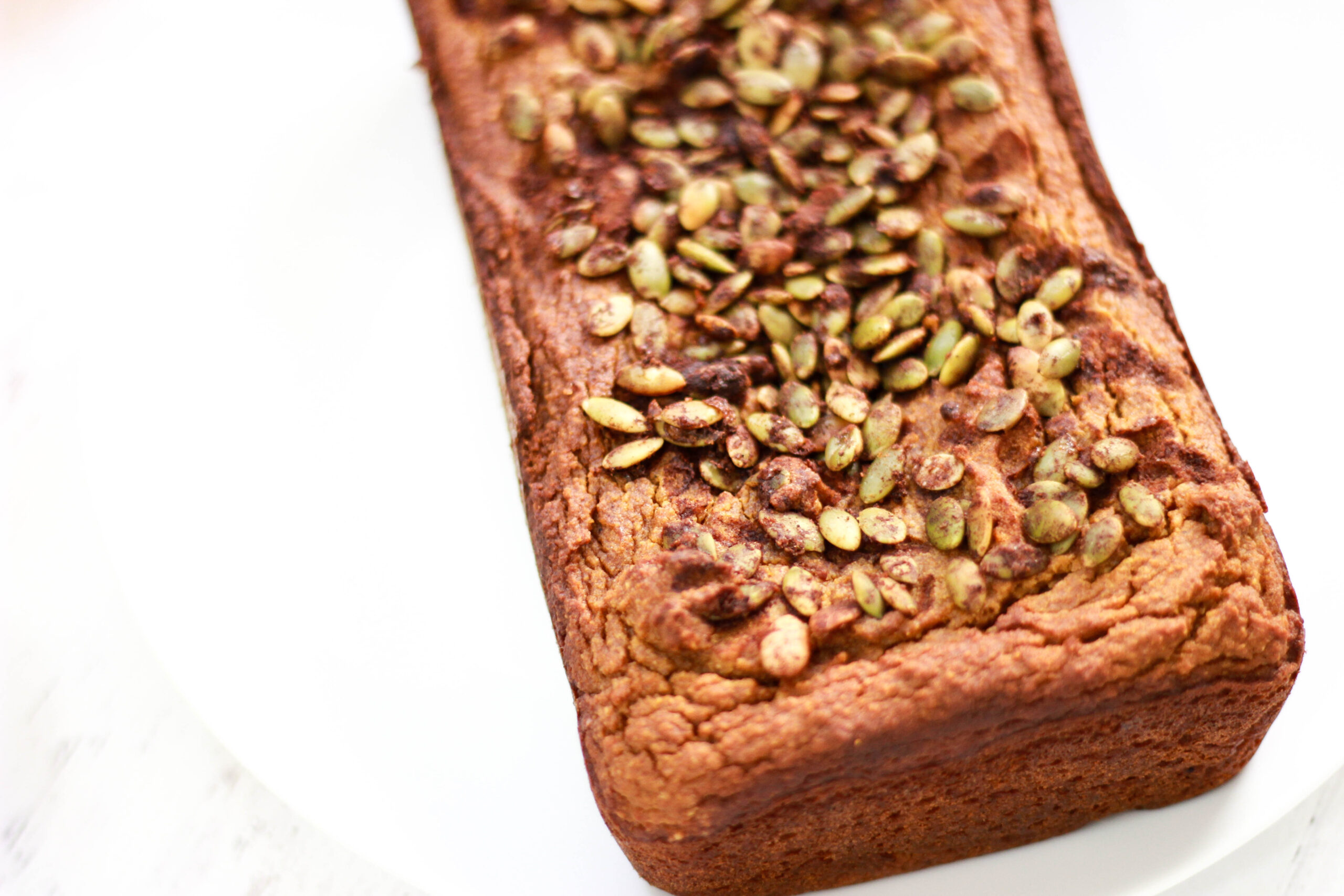
This paleo pumpkin bread also has a spiced sugar pumpkin seed topping! Sometimes I put this on the top, and sometimes I mix the seeds into the batter! Just depends on what you like. When buying pumpkin seeds, raw, sprouted, and organic work best – but use whatever you can find! Just make sure the shells are removed.
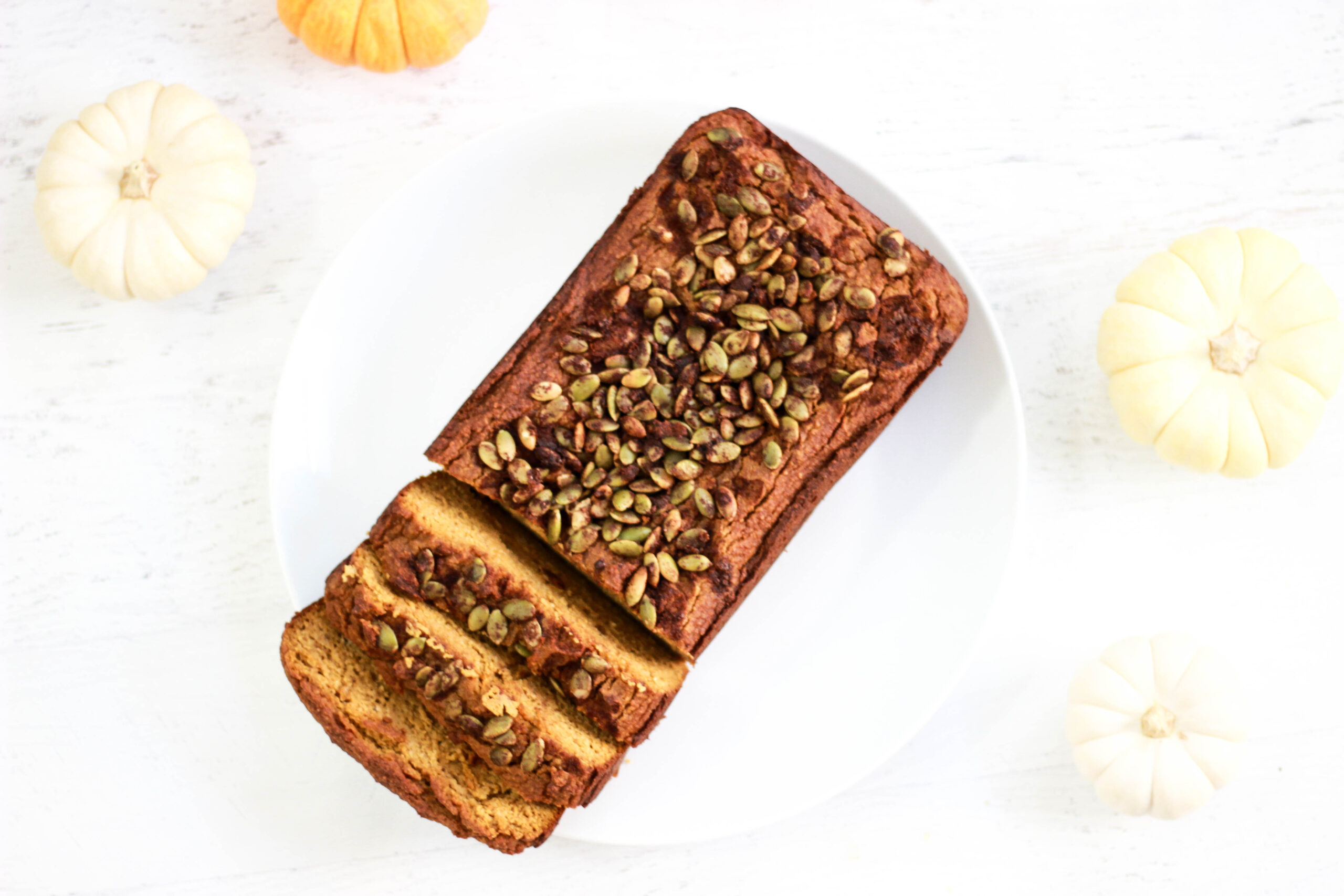
I love adding the pumpkin seed topping for an extra bit of crunch and protein, and the spiced sugar flavor gives it a little something extra! This bread is soft, moist, and perfectly divine. Pumpkin bread is one of those things that everyone will love, whether or not they like sweets. I think this is the perfect recipe to make with someone you care about, and maybe you can turn baking into your tradition, too. Attach some of your own memories to this bread, and make it your own!
This pumpkin bread is paleo, gluten-free, grain-free, and dairy-free! It’s sweetened with a bit of coconut sugar and lots of delicious, fall spices. It’s a pumpkin lover’s dream!
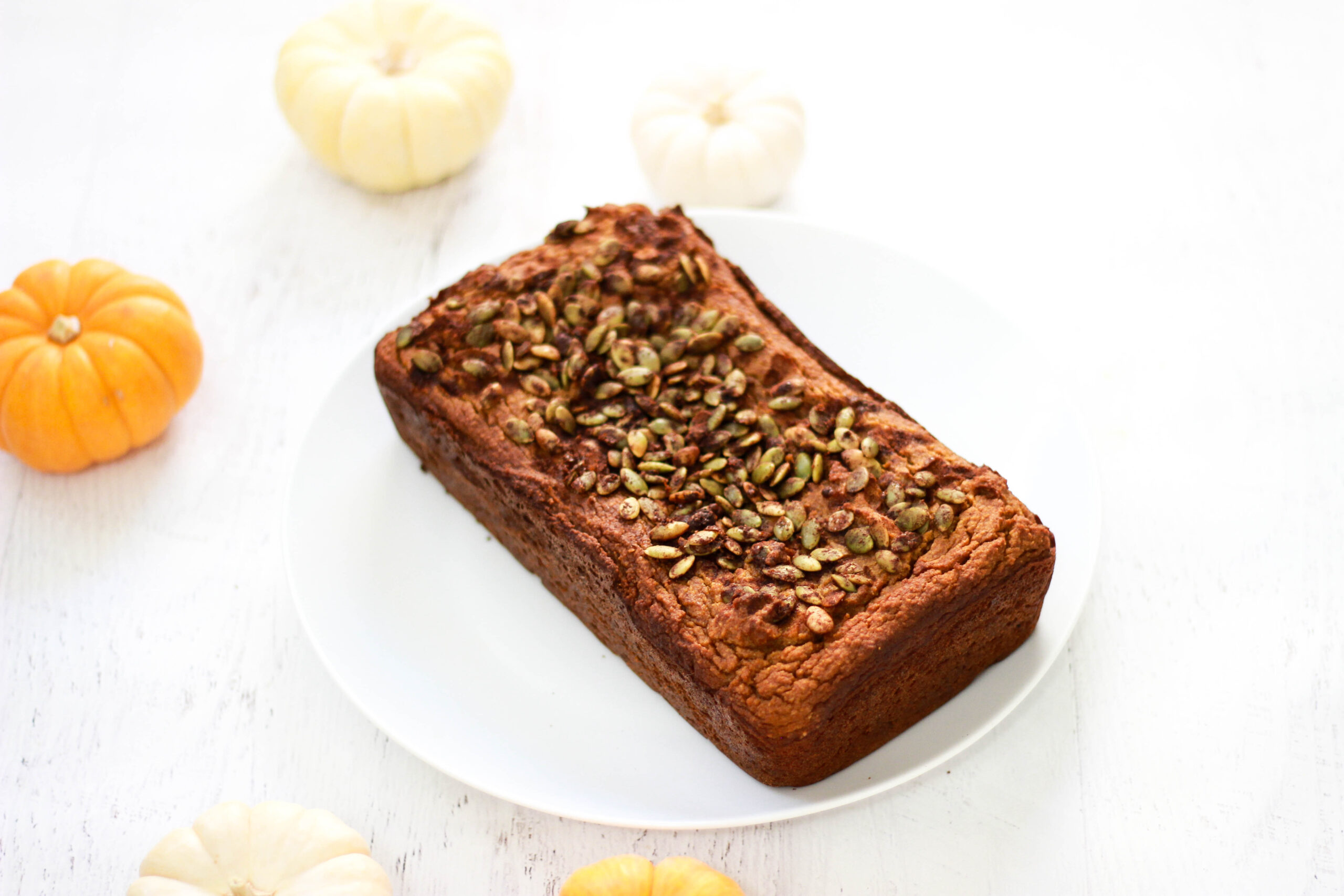
Paleo Pumpkin Bread with Spiced Sugar Pumpkin Seed Topping
Total Time: About 1 hour
Ingredients:
Pumpkin Bread:
- 1 can organic pumpkin
- 3 eggs
- 1 tsp baking soda
- 1/2 tsp cinnamon
- 1/2 tsp cloves
- 1/2 tsp nutmeg
- 1/2 tsp celtic sea salt / Himalayan pink salt
- 1/4 tsp ginger
- 1/2 cup coconut sugar
- 2 3/4 cups almond flour
- 1/4 cup melted coconut oil
Sugared Pumpkin Seed Topping:
- 1/4 cup raw pumpkin seeds
- 1/2 tsp cinnamon
- 1/2 tsp nutmeg
- 1/2 tsp cloves
- 2 tsp coconut oil
- 1/2 tbsp coconut sugar
Instructions:
- Preheat your oven to 350* F. Grease a 9×5 loaf pan with coconut oil thoroughly.
- Mix all of the pumpkin seed topping ingredients in a small bowl so that all of the pumpkin seeds are coated well. Allow to sit while you move onto the bread ingredients. You can pop them in the oven on a baking tray for 4-5 minutes if you’d like, but not necessary!
- Mix all of the pumpkin bread ingredients in a large bowl, combining well.
- Pour the pumpkin bread batter into the loaf pan. Place the coated pumpkin seeds on top of the batter. You can push the seeds down if you want to ensure they stay in the bread.
- Bake in the oven for about 45-50 minutes, or until a toothpick comes out clean.
- Serve and enjoy!
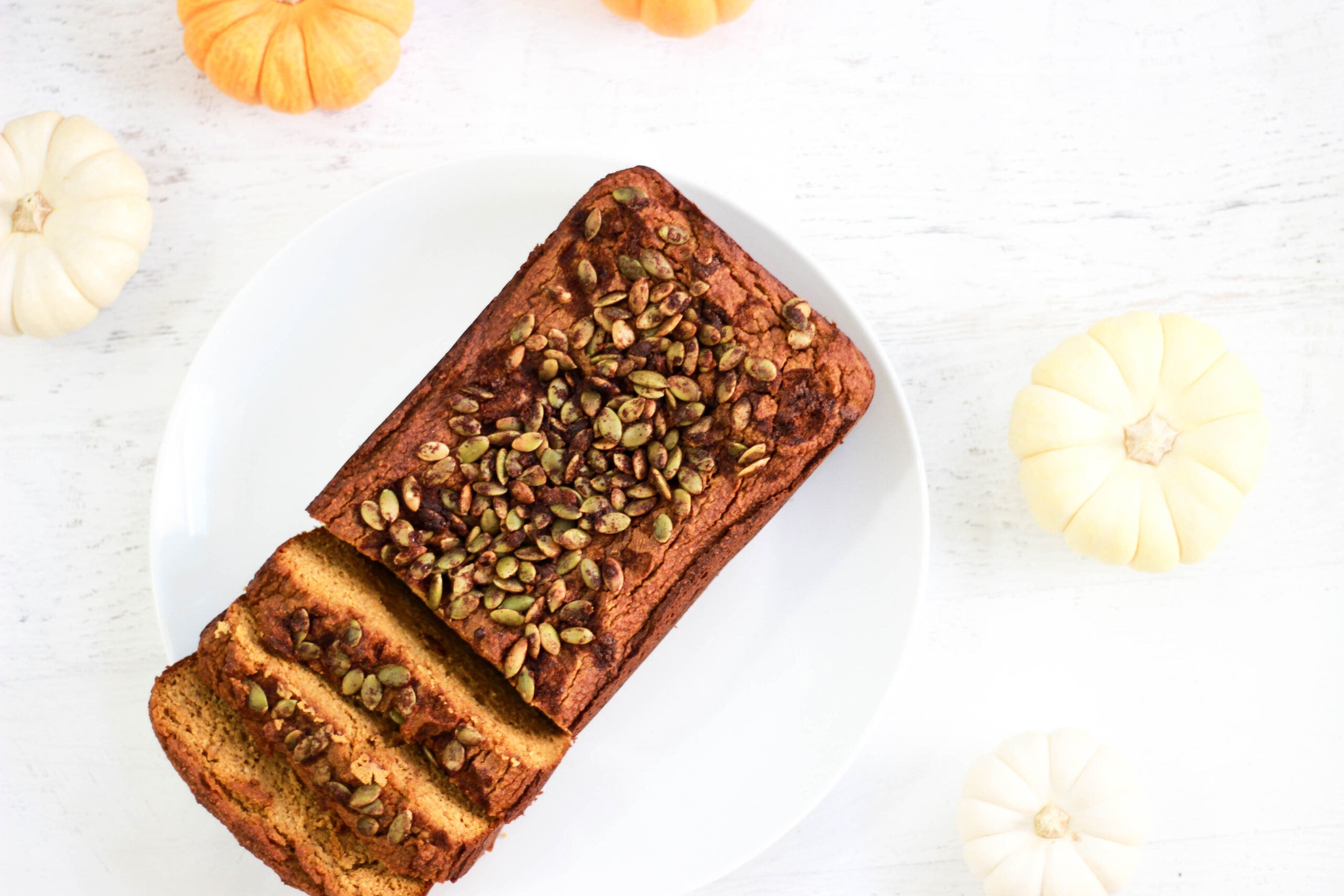
Do you have any favorite, secret family recipes?! My own family recipe is for chocolate chip banana bread – might have to share that one soon, too!