by Christina | Sep 14, 2018 | Recipes, Wellness
If I’m ever feeling uninspired in the kitchen, all I have to do is eat out. Well, I don’t even really have to eat out. I just have to look at a menu from a good restaurant, and I’ll usually always see something that inspires me.
Better than that, though, is when I actually taste a dish that instantly becomes a favorite. When that happens, I immediately need to go home and try to recreate it for myself. If a restaurant is sneaky with its ingredients, it can be difficult, but thankfully most menus are very telling.
This recipe is a recreation of one of my all-time favorite side dishes when eating out, but I think my version is actually better. If you’re familiar with the Los Angeles area, I’m sure you’ve heard of Erewhon.
Erewhon is a very upscale grocery store that has multiple locations in L.A. It’s like Whole Foods on steroids. It’s filled with healthy, expensive, hard-to-find-elsewhere food, in addition to general health and wellness products and supplements. It’s probably the healthiest grocery store in America, but also the most expensive. It also has a killer hot food bar. Once you go to Erewhon, you never want to go back to Whole Foods.
People always ask me where my favorite place to eat at is in Los Angeles, but if I’m eating out, I am usually eating at Erewhon. 98% of the time. This is hard for people from out of town to understand, until they see it. When I suggest we go to Erewhon for dinner, they look at me like I’m crazy and tell me they don’t want to eat at a grocery store.
If they’d ever been, they’d understand. Everyone eats at Erewhon, because it really is the best place to eat. First of all, the food is better than any traditional restaurant. Second, the options are limitless. You can always try new entrees and sides so that you get a different meal every time, which is better than a restaurant with a set menu. Although, let’s be honest, I usually get the same things again and again.
Plus, the quality is much better than anywhere else you’ll eat out at. They have grass-fed meat, wild-caught fish, organic vegetables, and food cooked in olive oil. Not everything is “perfect,” but it’s generally very high-quality. Most importantly, it’s the most delicious food in L.A.
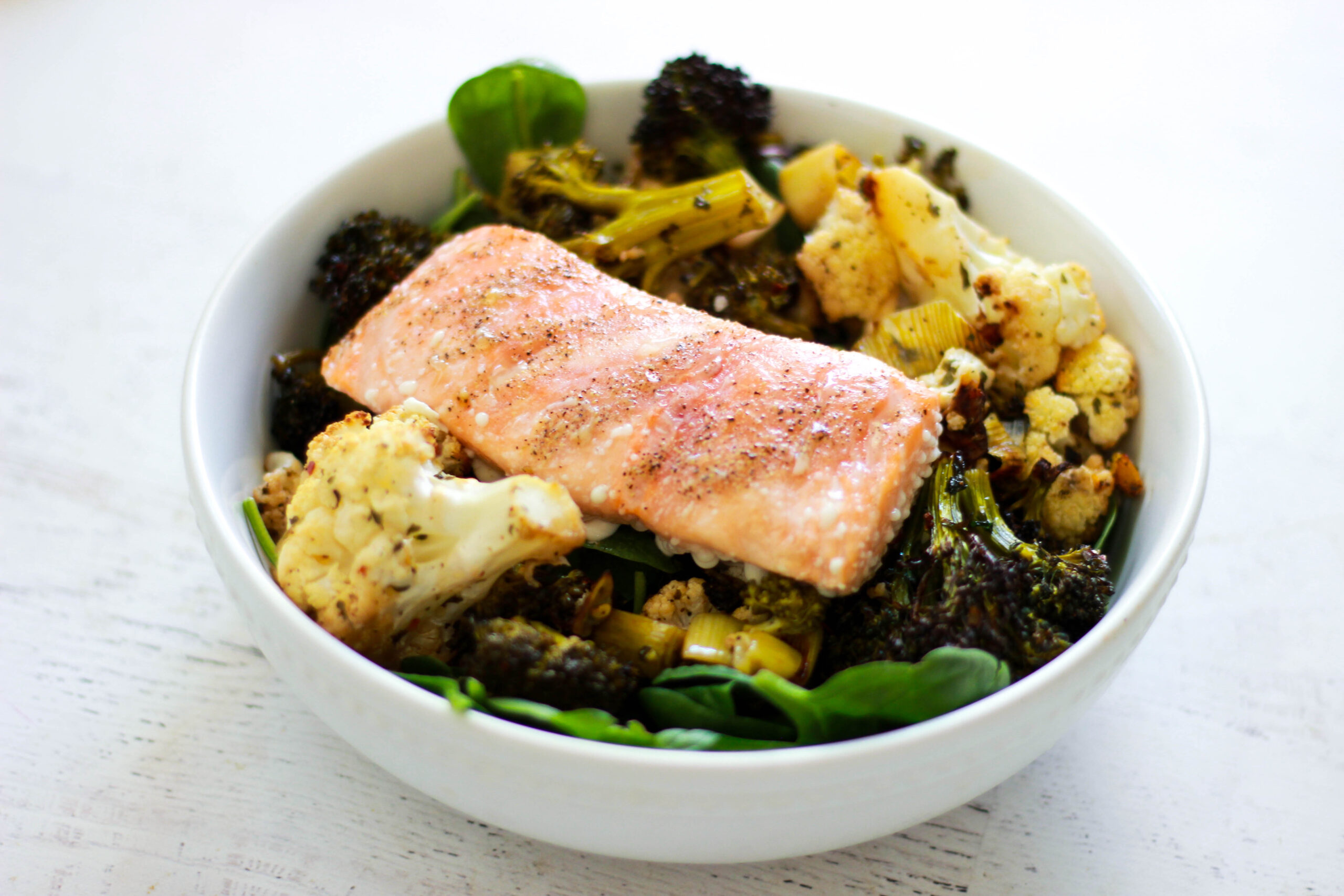
Anyways, one of my favorite sides is called the Zingy Cauliflower. I’m not sure why they call it that, since it has other vegetables besides cauliflower, but that’s what they call it! Erewhon rotates its food, so it’s not always there. If the Zingy Cauliflower is out, though, you KNOW I am getting it.
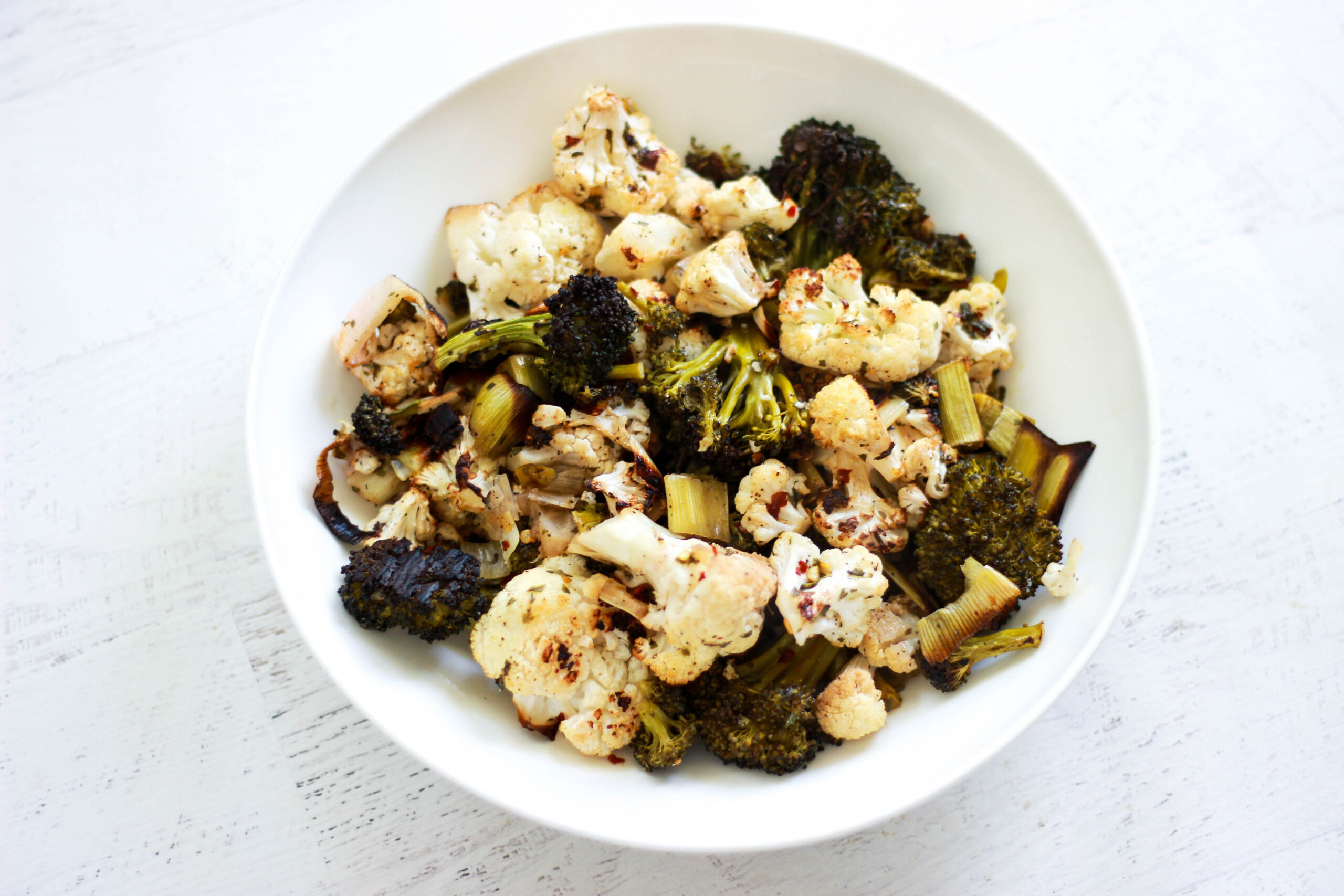
My go-to Erewhon order in a perfect world would be the eggplant lasagna with Zingy Cauliflower and the broccolini or Killer Cauliflower, depending on my mood. If it’s out, I’ll get the cauliflower mash. Can you tell I like cauliflower?
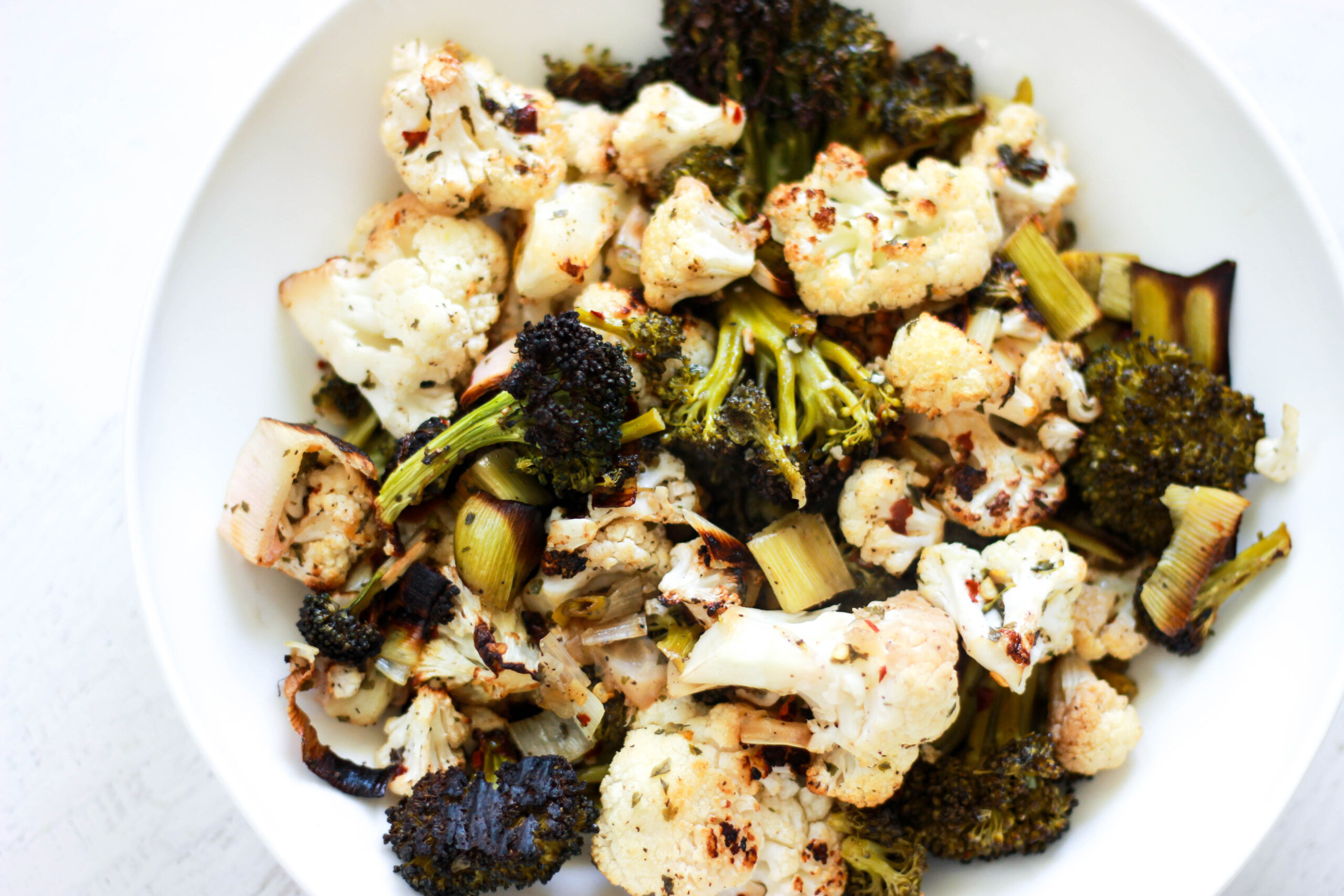
Anyways, for the last year this has RARELY been out as an option for sides, which made me very, very upset. I crave this Zingy Cauliflower!
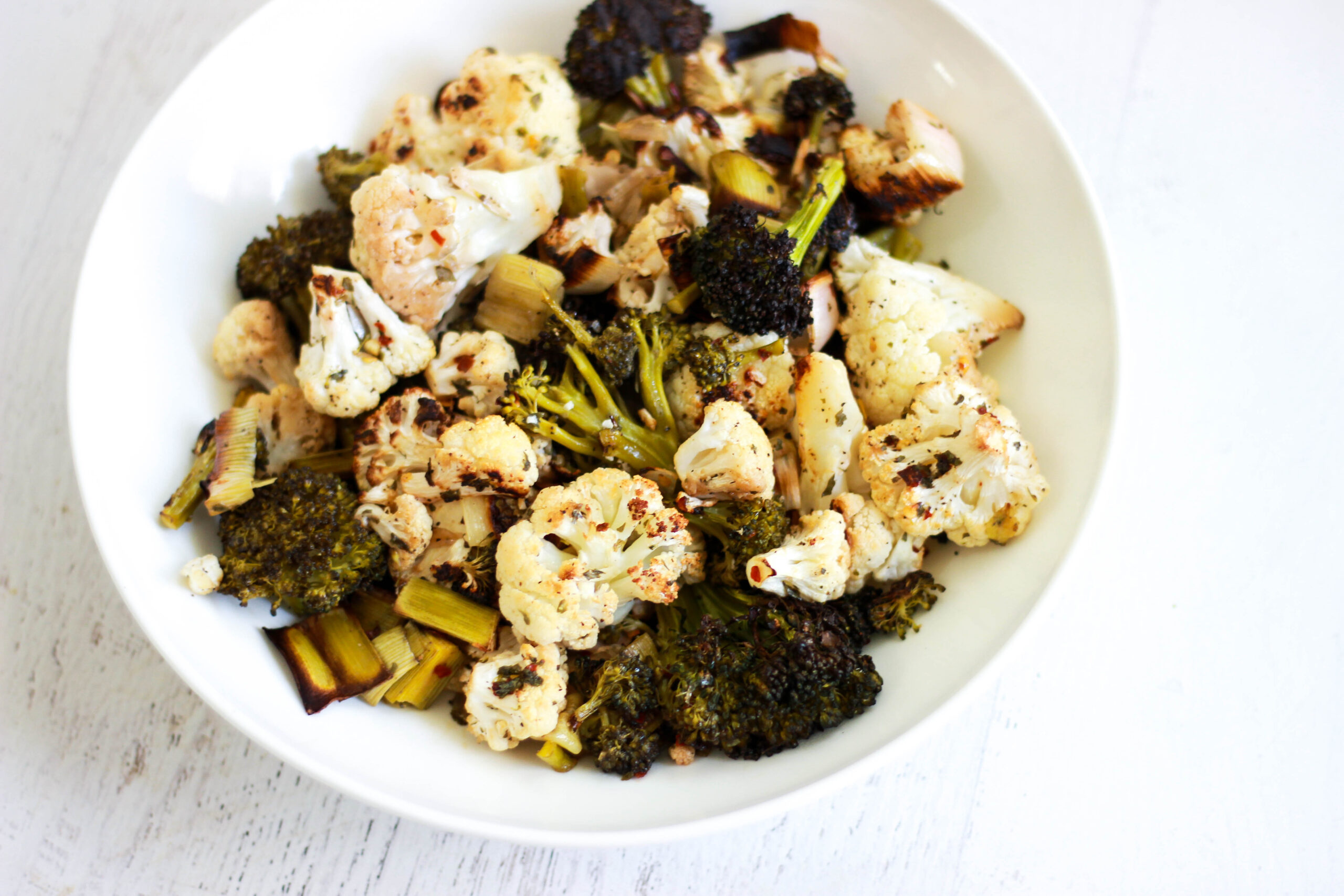
Then, in the last few months, they started bringing it out again, so I’ve obviously been getting it. Unfortunately, though, it has not been the same Zingy Cauliflower that I fell in love with. I think they’ve gotten lazy in the kitchen, because it’s just not as zingy.
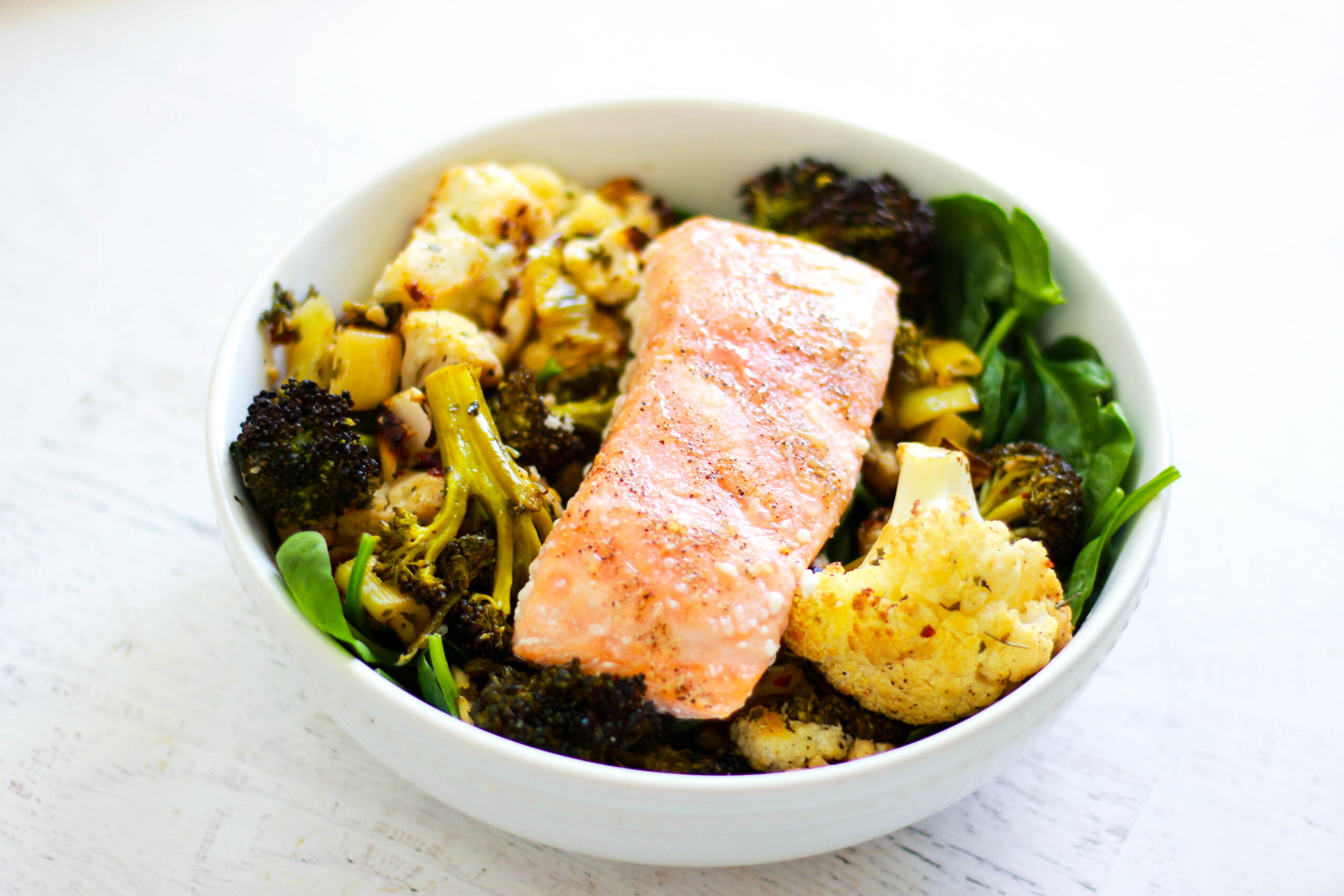
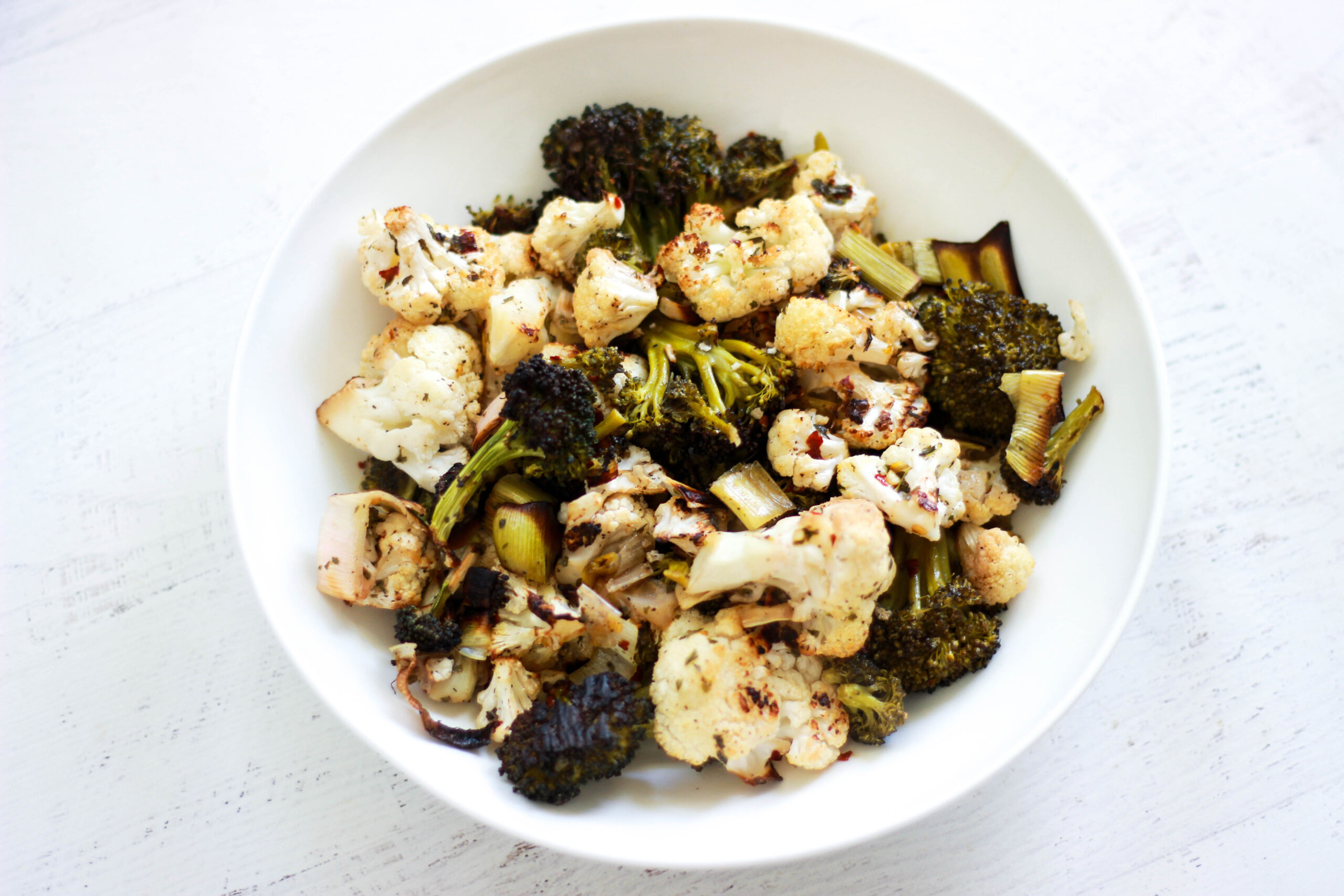
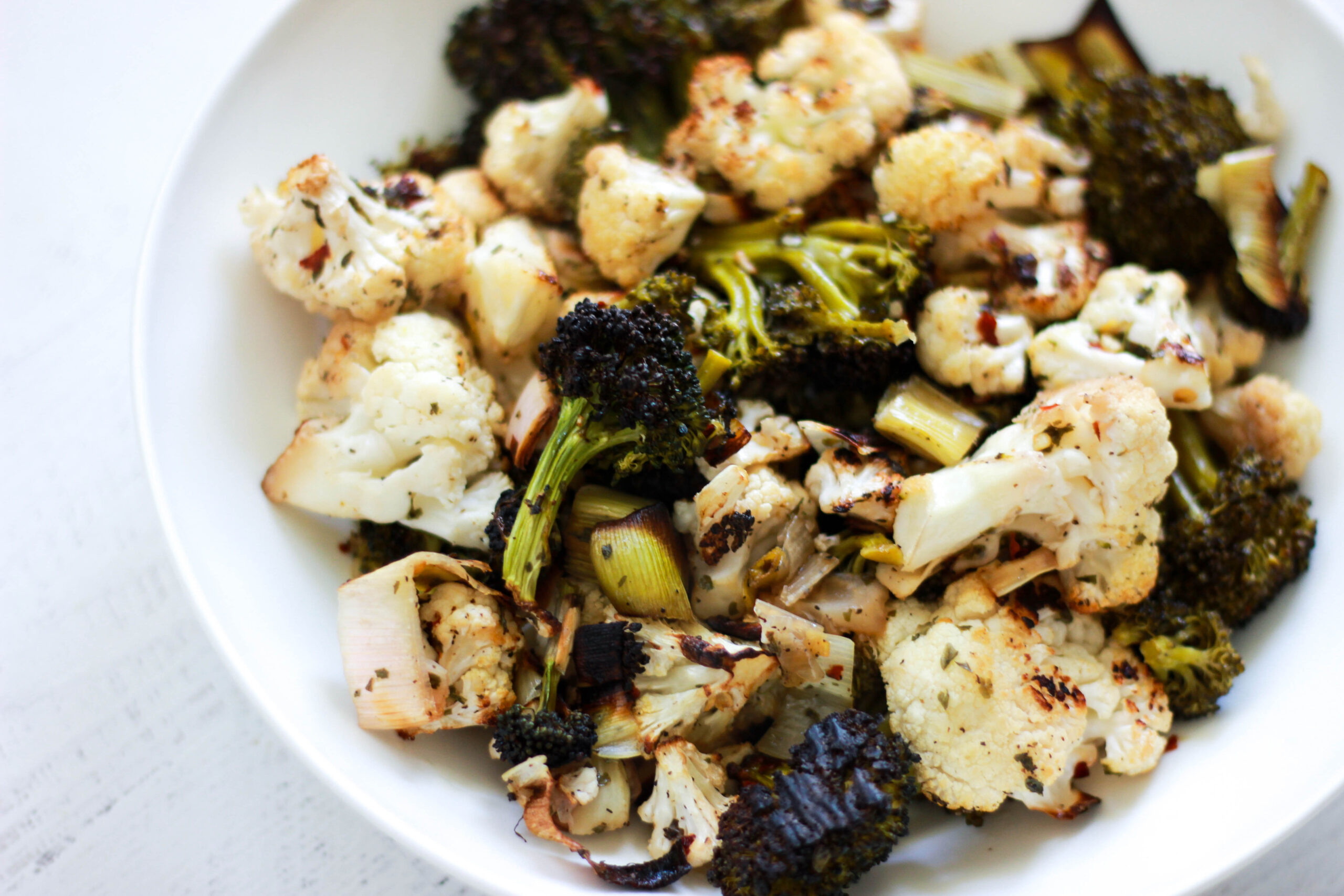
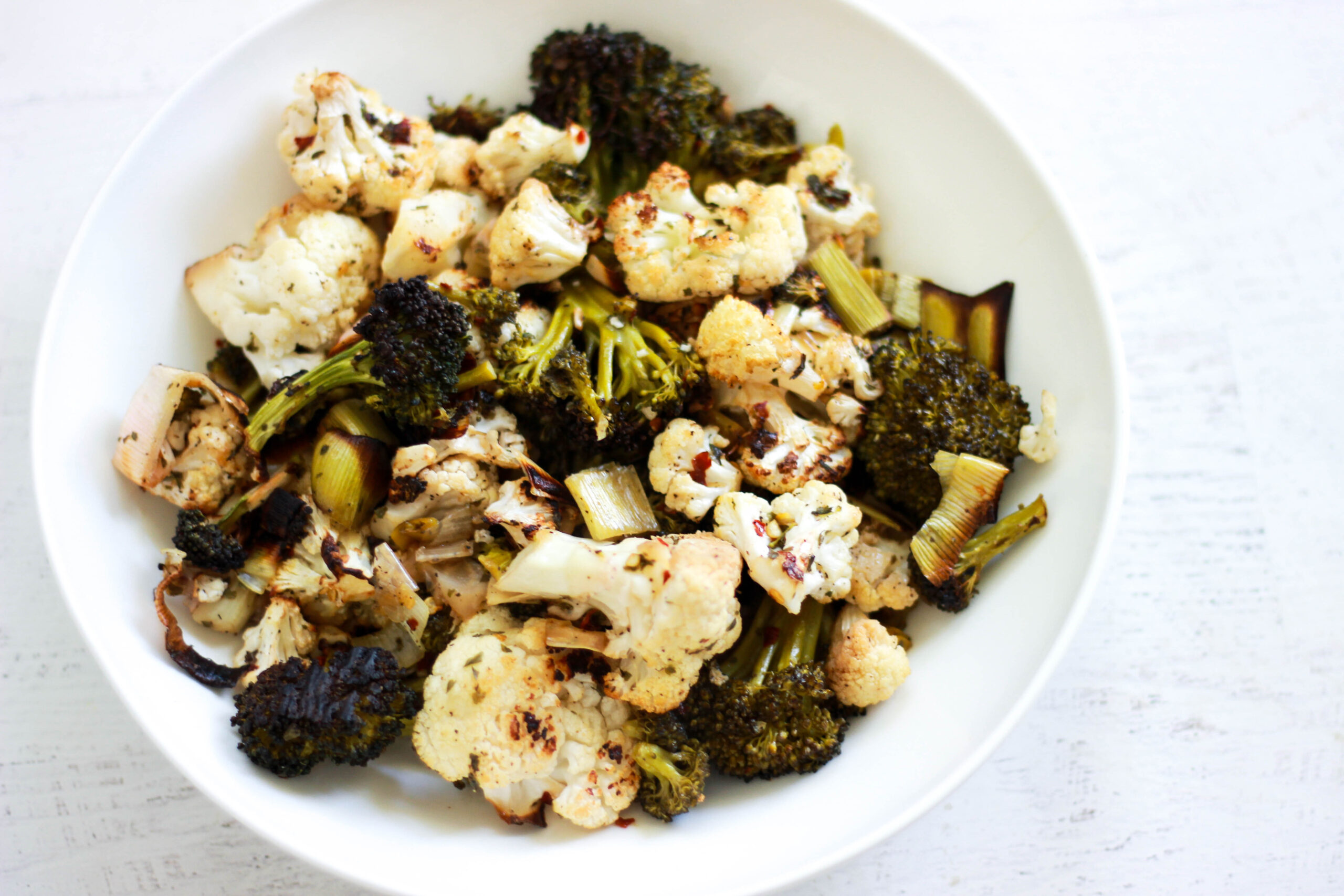
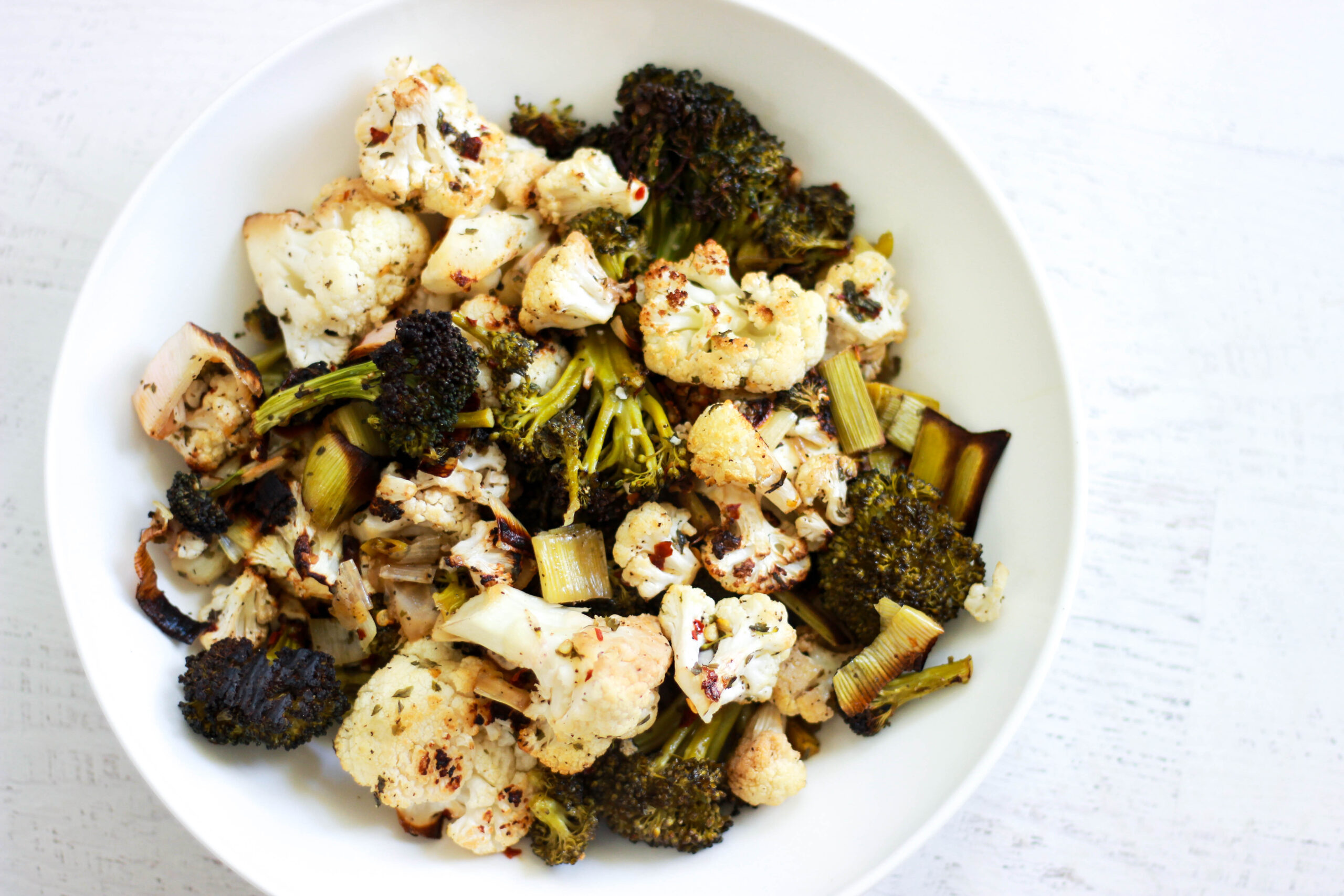
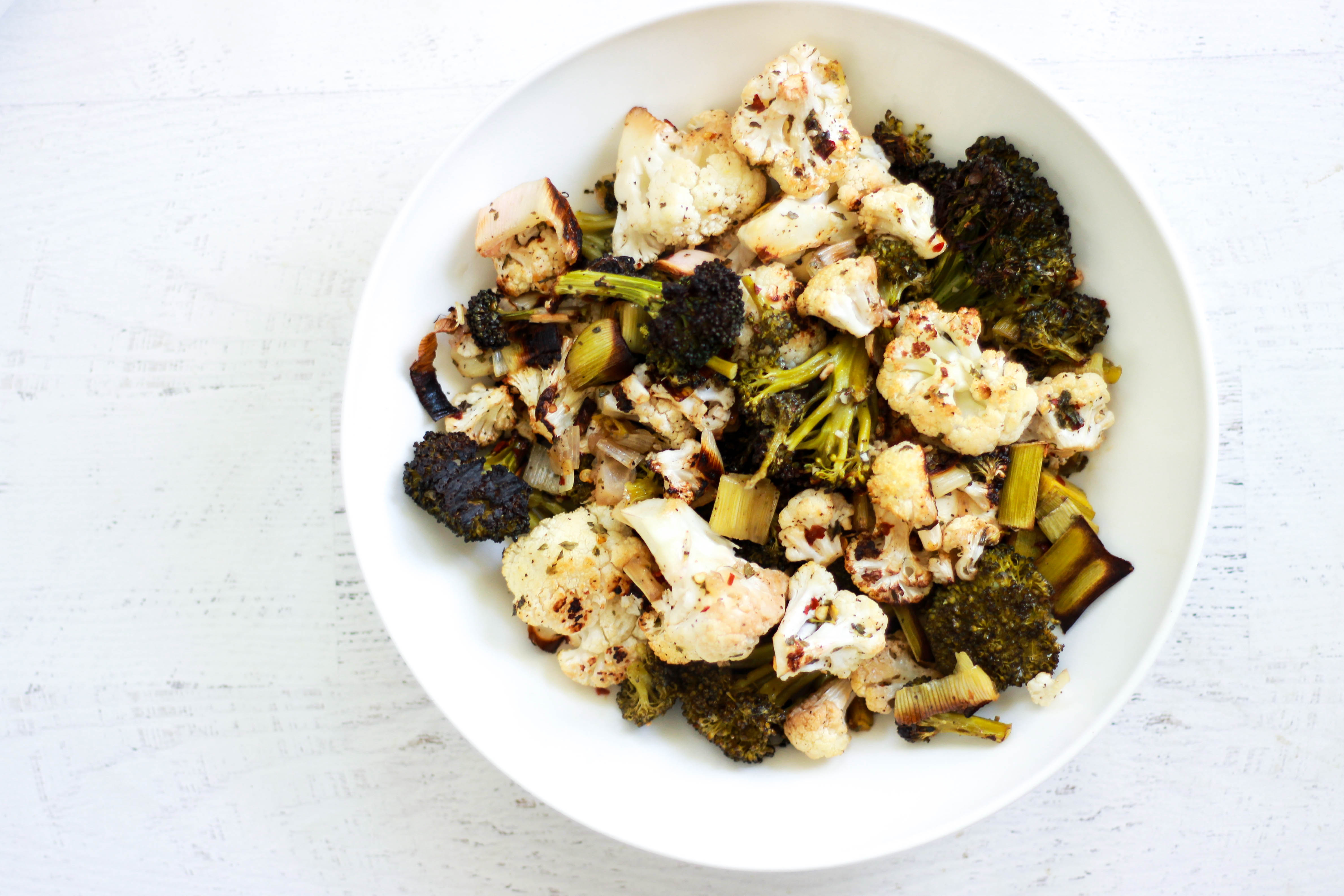
So I did what anyone would do – I went home and made it myself. I knew the ingredients, so it was just a matter of toying with amounts and methods. I nailed it, though, if I do say so myself. This version tastes exactly like the first Zingy Cauliflower I ever tried – the one I fell in love with. It’s a fun spin on roasted vegetables, because it involves a medley of veggies with a zesty dressing. The key is the dressing. That gives it the “zing”! Again, even though it’s called Zingy Cauliflower at Erewhon, it also has broccoli, leeks, and sometimes romanesco. Poor broccoli… got left out in the name.
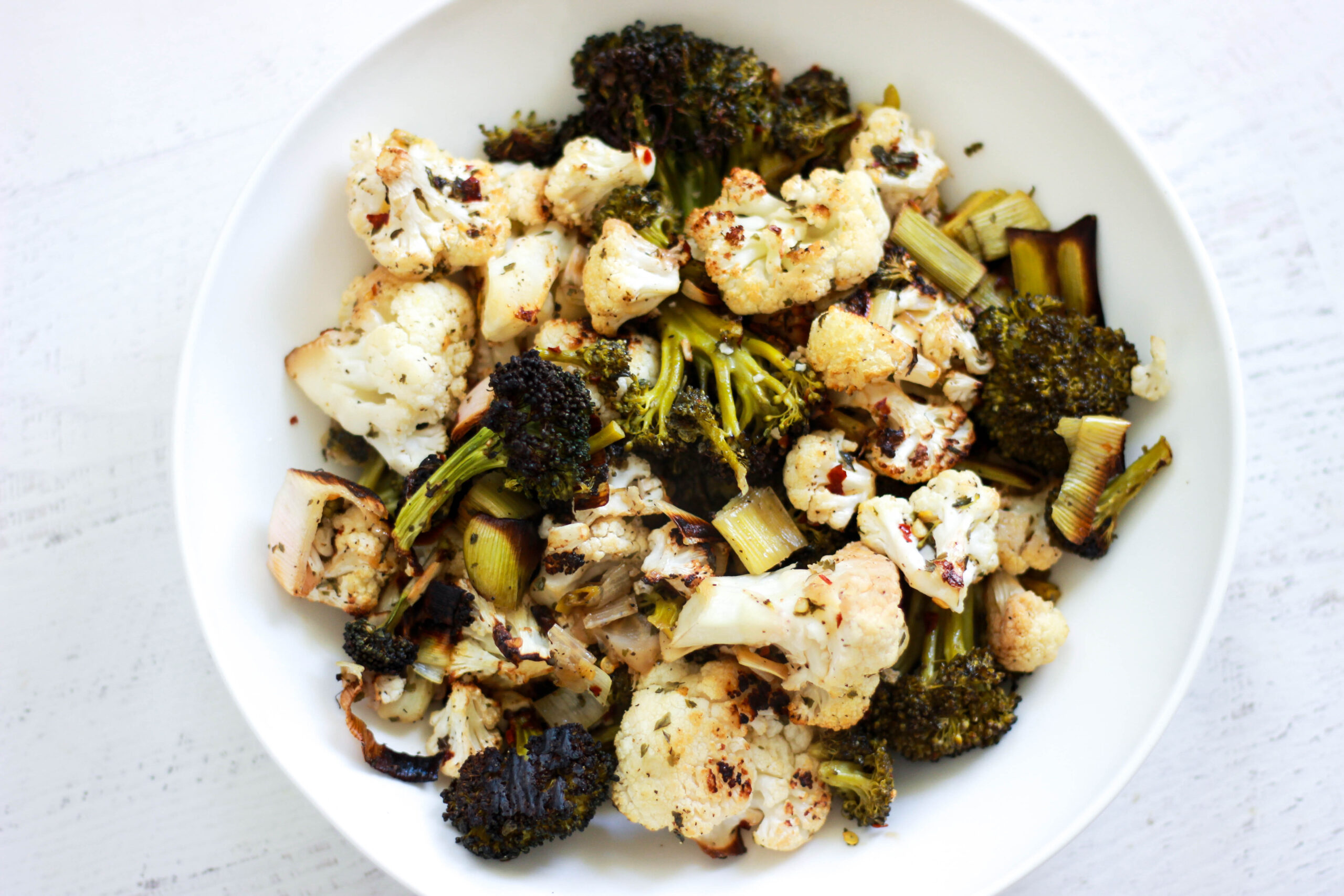
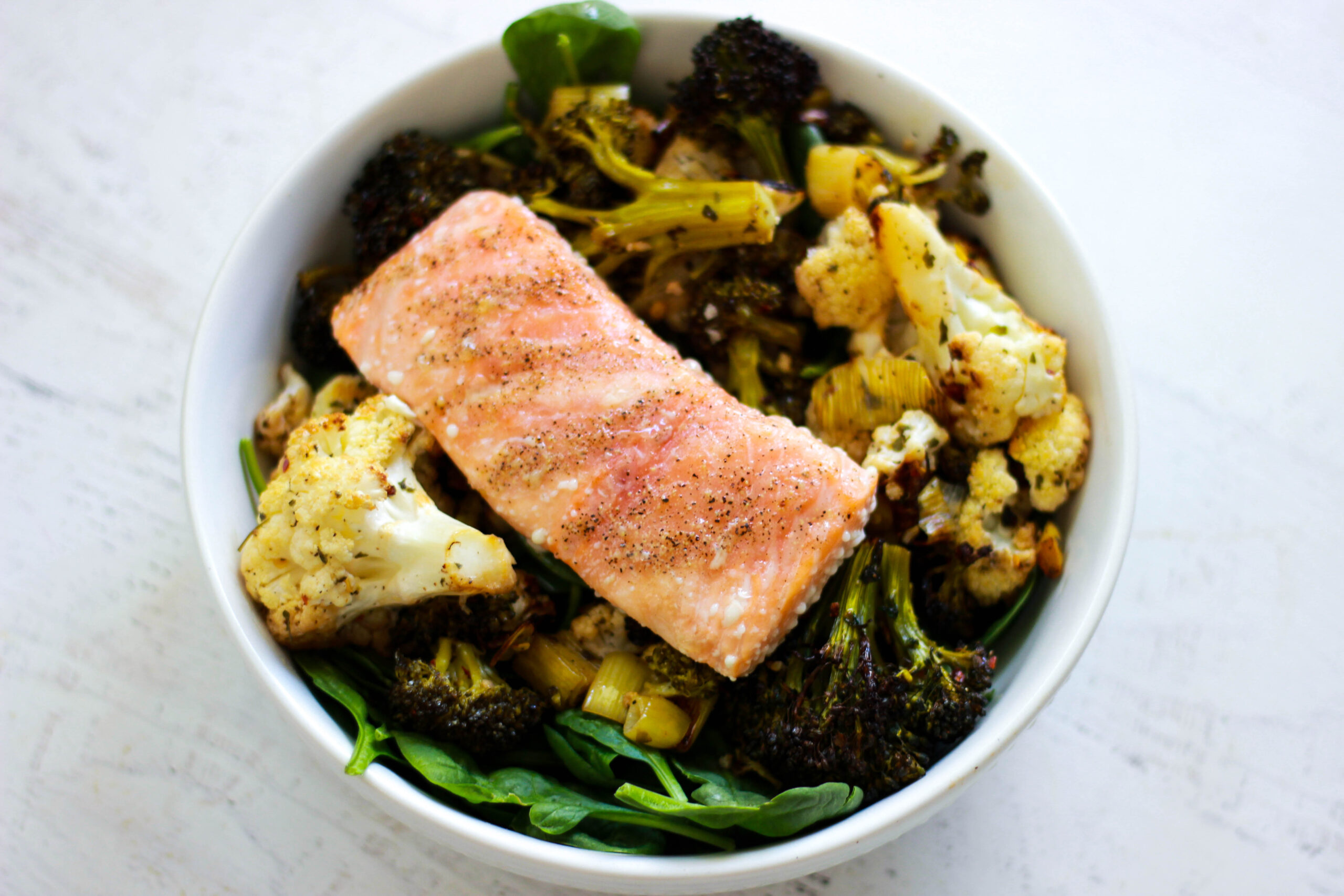
For this recipe, all you have to do is make a dressing, roast your vegetables in half of it, and then toss them in the other half! This method provides maximum flavor from what I’ve found, because the dressing will get roasted into the vegetables as well as top them. You can also roast the vegetables plain, and add all of the dressing on top at the end. The zing comes from the apple cider vinegar and the red chili flakes. The combination of everything might sound strange at first, but don’t knock it until you try it. If you make this, you’ll have tasted exactly what Zingy Cauliflower from Erewhon tastes like. It’s paleo, vegan, vegetarian, keto, Whole 30, low-carb, gluten-free, dairy-free – all of the things. The perfect veggie side to go with any meal! This is by far one of my all-time vegetable side dishes, and I would love for you to try it!
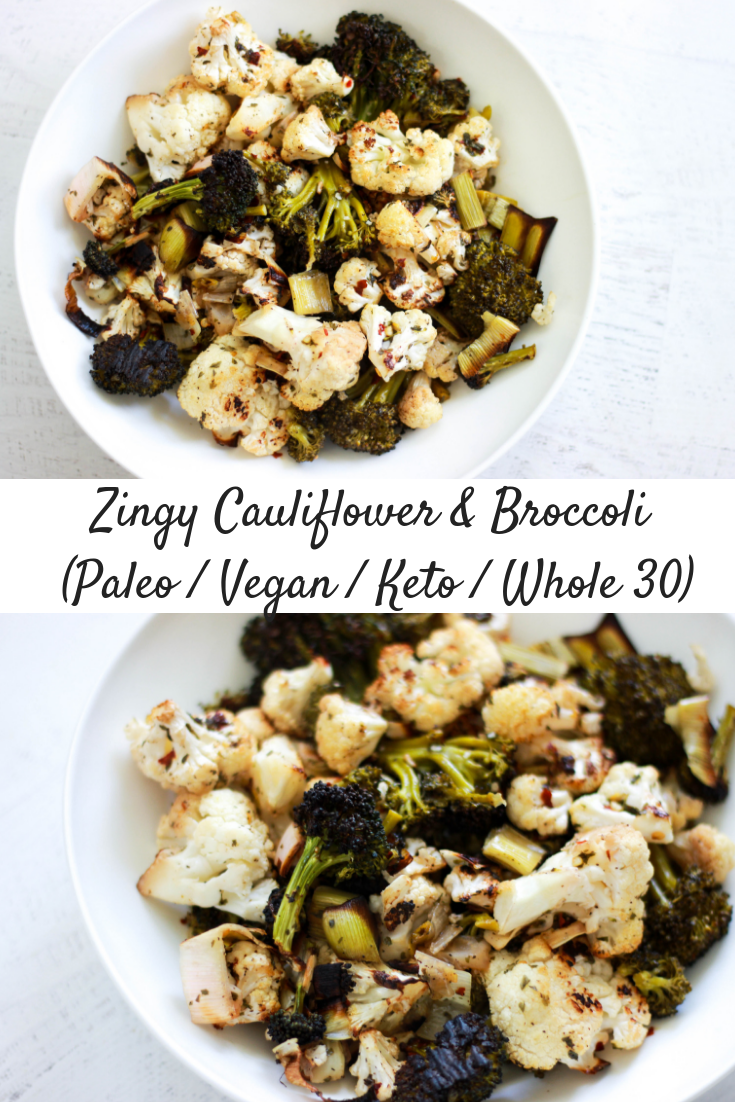
Zingy Cauliflower & Broccoli
(Paleo / Vegan / Keto / Whole 30)
Ingredients:
- 1 head of cauliflower, chopped
- 1 head of broccoli, chopped
- 1 chopped leek
- 3/4 cup organic unfiltered apple cider vinegar
- 3 tsp salt
- 3 tsp parsley
- 1.5 tsp black pepper
- 1.5 tsp red chili pepper flakes
- 1/4 cup olive oil
Instructions:
- Preheat your oven to 425*F. Line a large baking sheet (or two small ones) with parchment paper.
- Place the chopped cauliflower, broccoli, and leek into a large bowl, mixing everything together.
- Combine the apple cider vinegar, salt, parsley, black pepper, red pepper flakes, and olive oil in a small bowl to make a dressing.
- Pour half of the dressing over the vegetables, and set the other half aside. Mix the vegetables so that they are evenly coated in the dressing.
- Spread the coated vegetables evenly onto your baking sheet. Roast in the oven for about 30 minutes, or until the edges start to brown and get crispy. You can flip them halfway through so they cook evenly on both sides.
- Once the vegetables have finished roasting, remove them from the oven. Allow them to cool for a few minutes until they’re warm but not piping hot, and add them back into your large bowl.
- Pour the other half of the dressing over the vegetables, and toss them so that they’re evenly coated.
- Enjoy!
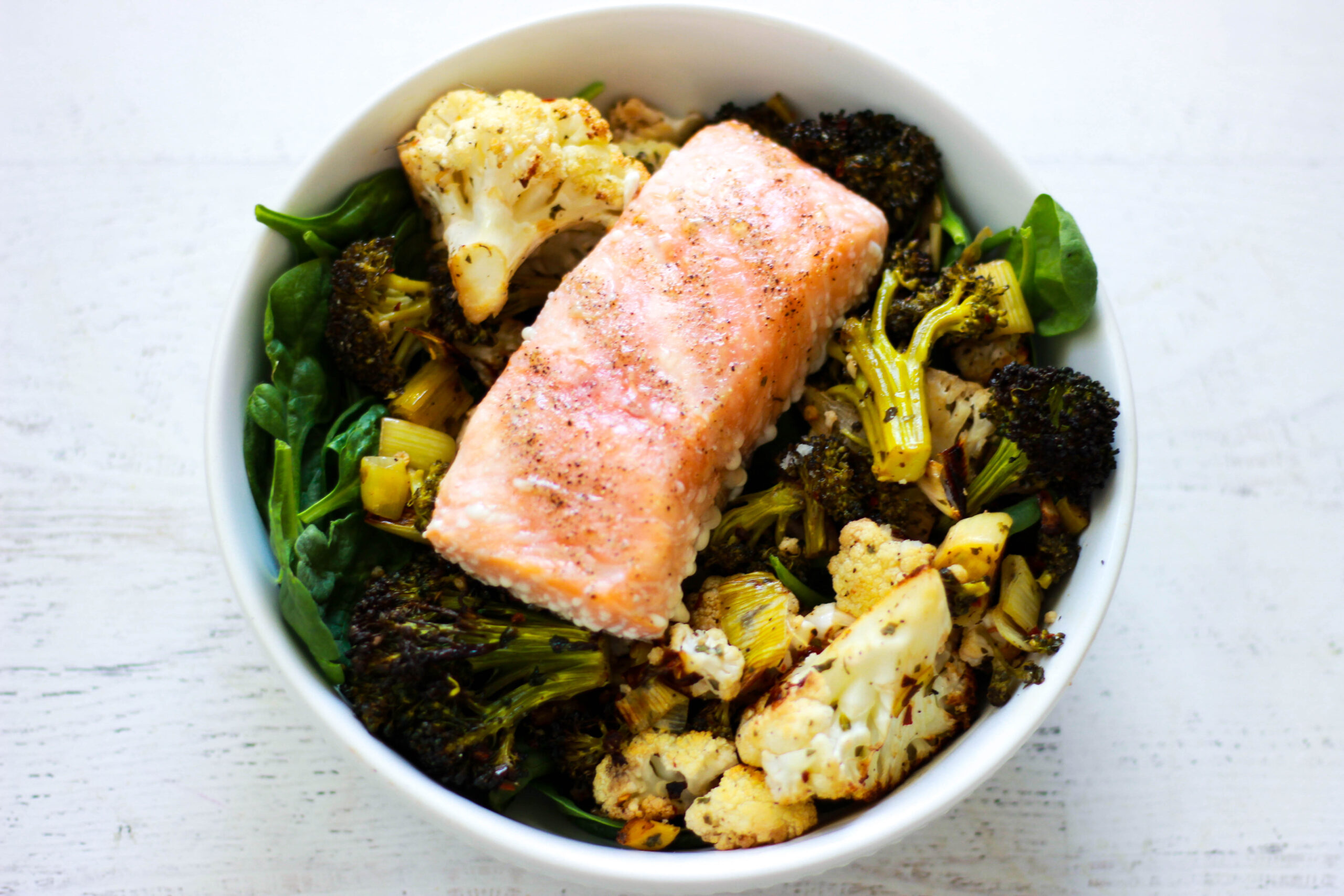
If you try this recipe, I’d love to know what you think!

by Christina | Sep 7, 2018 | Wellness
My last post was all about the causes of amenorrhea, and this week I want to focus on why it’s so important to get your period back if it’s gone missing. I’ve touched on this before in an earlier post about the normalization of amenorrhea, but I wanted to more clearly explain the negative effects amenorrhea can have on your health. It’s about much more than your fertility. It really upsets me when I see articles on the Internet or hear other health professionals tell women it’s not important to have a period, because this couldn’t be further from the truth.
Obviously, if you are pregnant or have gone through menopause, then you shouldn’t be concerned about not having a period. This is for women of reproductive age who are not pregnant.
When I encounter women with amenorrhea, it always interests me to hear how they feel about it. A good number of them are concerned and eager to know what they need to do to get it back. Most women with this attitude are in their twenties or thirties, and it also tends to be a bigger deal to women who are in a relationship. If starting a family one day is on a woman’s mind (or even just her partner’s mind), she’s definitely concerned about her amenorrhea.
There’s another group of women who seem pretty ambivalent about it. They know that they should get their periods back, and they say that they want to, but you can tell there’s no real sense of urgency behind it. Oftentimes these women know that they’re supposed to have a period, which is why they say they want it back, but I can tell they probably aren’t fully aware of the longterm repercussions of amenorrhea.
And then there’s another group – the ones who tell me straight up that they don’t want it back, or who just keep saying they don’t need it back because they don’t want to have kids. They typically don’t fully understand what can happen as a result of amenorrhea.
Look, I get it. Periods can be annoying, and not having a period saves you money on any period-care items like tampons, pads, or menstrual cups. Plus, it’s one less thing to think about and plan around. You don’t have to deal with any negative effects like fatigue or cramping that might come with your period, and you can wear white pants whenever you want! Awesome, right?! If only it were that simple.
To be completely honest, it really disappoints me when women don’t want their periods back. To try to convince every woman to love herself enough to take care of her health is beyond the scope of a single post, and you can’t convince people to work towards something they don’t want. At the end of the day, it’s your own decision if you want to put your health at risk because you feel like it’s inconvenient to have a period. That’s not the choice I would make, but I can’t make that choice for everyone.
That being said, I would like to educate women as much as possible about the importance of having a period. Even if you don’t struggle with amenorrhea, sometimes it helps us appreciate our bodies even more when we understand why they work the way they do. If you think you hate your period, learning more about why it’s necessary might change your mind. The female body is pretty damn magical.
First of all, it’s important to really take a step back and remember why women have periods in the first place. Throwback to the creation of humans! Our bodies were designed to reproduce. That is the body’s priority. This is also tied in with why the female body is more sensitive to stressors in general – it wants to always feel safe and relaxed so that it’s able to reproduce when necessary.
Trust me – I definitely don’t think that having a child is every woman’s sole purpose on the planet. Far from it. I personally have no idea if I want to have children. We are meant to contribute much more to this world than just offspring. From a biological standpoint, however, we were designed to reproduce. Men don’t have that ability, but we do. Since that is the female body’s biological purpose, a woman’s period is a key sign of not only her womanhood in general, but also her overall health. It’s the body’s way of telling us whether or not it is healthy, which means healthy and safe enough to carry a child. If it does not feel healthy or safe enough to carry a child, a.k.a. carry out its main biological function, then this is a problem.
This is why a missing period is a huge signal that SOMETHING ELSE IS GOING ON that you need to address. Even if your period isn’t completely missing, periods that are “off” in some way can also signal that something else is “off” in the body. Cycles that are totally missing, very irregular, painful, or causing extreme side effects could be a sign that something more serious is wrong. This could include autoimmunity, thyroid issues, gut issues, IBD, or even ovarian cancer.
Because a healthy period is such an important indicator of other issues going on in the body, it’s important to address the underlying dysfunction, infection, or stressor, which itself could have a host of unwanted negative side effects on your body short-term and longterm. Those risks will be different for every woman depending on the underlying cause of her missing period. That being said, there are some risks that every woman with amenorrhea faces, simply because of the amenorrhea itself.
Here’s the thing – whether or not you want to have a child, it’s important for your overall health to get your period back. Many people assume that the only downside of not having a period is that it might affect your fertility, but there’s much more to it than that. I want to highlight a few main risks of amenorrhea to help you further understand.
Decreased Bone Mineral Density… A.K.A. Bone Loss
Amenorrhea is a major threat to bone density and can lead to a number of conditions related to bone loss, like osteoporosis and osteopenia. Sadly, this could hit you at a young age, but it also might not really show itself for a few years down the line. If you don’t care about your amenorrhea because you think that your bones are fine right now, how do you know what they’ll be like in a year?
It saddens me to think about the number of women I talk to who are in their twenties and thirties, and even late teens, and have already been diagnosed with osteoporosis or osteopenia. I really wish that wasn’t the case, and I know it’s hard for people “on the outside” to believe it – but it is very, very true. How would you feel if you were 25 but had the bone health of a 70-year-old? This impacts women’s lives in a number of ways that they often don’t fully understand unless they experience it firsthand, by which time it is usually too late. Imagine not being able to go on long hikes with your friends, go out for a night of dancing, do your favorite workout… Imagine if your body felt like that of the stereotypical frail, old woman while your friends were out and about running around and being “young.” This affects women not only physically, but also emotionally.
Even if it doesn’t hit you in your twenties or thirties, though, do you really want to be even 40 or 50 with the bone health of a 75-year-old? Probably not. We live long lives now…40 or 50 isn’t old. When you take care of your health, your 40s and 50s can be your prime years!
Compromised bone health can lead to early death. You could fall and snap a bone very quickly. What if you fall, get put in the hospital, and then another complication arises while you’re there?! Personally, I don’t wanna go down at a young age because I have brittle bones. Aiming for 100.
How does amenorrhea affect bone health? Estrogen helps stimulate bone formation and bone remodeling, and it also helps suppress bone breakdown. Estrogen also helps vitamin D do its job to help build bones, because estrogen is needed for the expression of vitamin D receptors in the body. Additionally, chronic physical and emotional stress will increase cortisol in the body, and chronic cortisol is associated with less bone mineral density.
Age can also play a role in how much your bone health is at risk. We’ve gotten about 90% of our bone mass formation done by the time we are 18. About 40-50% of our peak bone mass is formed during puberty, which is why having amenorrhea as a teenager can be detrimental.
In a healthy body, once women are 30 they lose about 1% of their bone mineral density each year naturally. With amenorrhea, though, this rate of bone loss gets accelerated to that of a menopausal woman – up to five times greater than you should be losing.
The bone loss that occurs for women with amenorrhea is most likely irreversible, and the longer you don’t have your period, the worse your bone health can get. This is why it’s important to keep an eye on how long it’s been. Sometimes the body just needs a bit of time to naturally even out its hormones after coming off of birth control or overcoming an illness, for example, but once it gets past a certain point, it’s important to start to take action. I personally think that point is after 6 months, and definitely no longer than a year. When it comes to protecting your bone health, exercise and hormonal therapy aren’t good enough, and neither is a really good calcium supplement. You need to fix the underlying cause.
The best way to find out about the exact state of your bone health is to get a DEXA scan from your doctor.
Cardiovascular Health
Amenorrhea also puts a risk on your cardiovascular health, because estrogen is protective of the heart and cardiovascular system. Women in general are more likely than men to die from heart disease, but they actually tend to develop cardiovascular issues later on in life than men do. This includes health concerns like high blood pressure, clogged vessels, and heart attacks. Women tend to develop these problems later than men because estrogen levels drop during menopause, greatly increasing the risk for heart disease.
The endothelium is a thin membrane lining the inside of our blood vessels and heart. Amenorrhea can lead to endothelial dysfunction, which can make it difficult for the blood vessels to dilate and relax. When the blood vessels can’t dilate fully, this increases risk of cardiovascular disease and stroke, as well as impairs lipid and glucose metabolism in the body, further increasing the risk of cardiovascular disease.
Mental Health Issues, Weight Issues, and Blood Sugar Imbalances
Healthy levels of sex hormones play a key role in regulating your mood. Having low estrogen and high cortisol, as seen in women with amenorrhea, can have a major effect on serotonin and dopamine levels in the body, which can then lead to issues like anxiety and depression. These hormonal changes also cause a number of other related symptoms like mood swings, fatigue, and low libido.
No period can also mean low leptin, and low leptin means low estrogen. Having low leptin sends a starvation signal to the brain, which can lead to fat storage. Low leptin will also lead to increased hunger, but that’s probably a good thing because most women with amenorrhea need to eat much more food in order to restore their periods.
Besides that, estrogen helps us with insulin sensitivity, weight maintenance, and overall health. This is why low estrogen can lead to blood sugar imbalances and problems with weight down the line. Oftentimes women with missing periods are underweight for their body type, but the hormonal changes as a byproduct of the amenorrhea can eventually cause a rebound effect down the line. I see this often: a woman is incredibly thin in her twenties, but her body rebounds in her thirties because of her health status years before, she puts on extra weight despite not making any changes to her diet or exercise routine, and it won’t budge. That’s the power of hormones. Most people don’t want their bodies to rebound when they’re older. It’s about prevention.
Infertility and Birth Complications
Of course, amenorrhea puts your fertility at risk. If you’re not ovulating, then you can’t have a baby. If you never get your period back, you’ll be infertile. However, even if you do get your period back, there’s still a chance that your history of (or cause of) amenorrhea could cause fertility issues and/or birth complications down the line if you ever do decide you want a child.
There are a lot of young women who tell me that they’re not worried about becoming infertile or having birth complications later on because they don’t even want to get pregnant. I urge you to think about it a bit differently, though. First of all, do you want to not have a child because you literally cannot, or because you are CHOOSING to not have one? Maybe it’s just me, but if I decide I don’t want kids, I want that to actually be a choice, not a “well I couldn’t even if I wanted to” situation.
Beyond that, though, it’s unfair to assume you know for sure whether or not you ever want to have children in the future. Think about who you were a year ago or five years ago. I bet there are things you want now that you never thought about years ago, or even months ago. What if you meet someone, fall in love, and he wants kids? What if that shifts your perspective? What if you have some unexpected experience that completely changes your mindset? There’s nothing wrong with not wanting to have kids, but I think it’s unwise to take that choice completely off the table for yourself (and your partner) when you still have so much life to live.
Plus, whether or not you want kids…do you really want to put your bone health and heart health at such high risk anyways?!
Overcoming amenorrhea takes intrinsic motivation and also plenty of dedication. Your period won’t come back unless you make changes in your life, and making changes comes down to YOU. No one else can do it for you. Hopefully learning more about what can happen as a result of amenorrhea helps you understand why it is so important for your overall health to have a real, healthy period. It takes a lot of self-love and self-belief to say, “Okay. I’m committing to this. I’m going to change things and do what I need to do to get my period back.” Overcoming amenorrhea isn’t simple or quick – it’s a process. Placing your health as your top priority is the ultimate act of love you could ever show yourself.

by Christina | Sep 1, 2018 | Wellness
Recently on Instagram I asked what health topics you’d like me to talk more about, and an overwhelming number of people asked for more about amenorrhea. Ask and you shall receive – there is a lot to say about amenorrhea, and it’s something I see regularly with clients. I’ve already written a post about the unfortunate current epidemic of amenorrhea and its normalization in our society, but I want to do a few posts taking a step back and covering all of the basics when it comes to amenorrhea – what causes it, why you should care, and steps to address it.
The majority of women I speak to either have it or have had it, and that’s not only in working with clients. That’s just in speaking to women regularly – clients, family, friends, and acquaintances. This is affecting more women than we think. In this post, I’m going to focus on what the causes of amenorrhea are. Remember, this information is for educational purposes only and is not meant for diagnosis or treatment. Check in with your healthcare practitioner to learn more about YOUR specific health situation.
What is amenorrhea?
Amenorrhea refers to a lack of period. For women, having a regular monthly period is a key indicator of health – probably the easiest marker of our overall health for us to track. We were designed to reproduce and pass on our genes, but the female body will stop its menstrual cycle if something is threatening its health. The body’s main priority will always be survival, and reproduction will be put on the back burner if survival is threatened. Gotta run away from the tiger or fight the infection first – if you’re dealing with that, it’s not the right time to even have a baby because the baby’s survival will be at risk! Reproduction is stopped until the threat to our health is addressed and our body feels safe enough to create and support a child. Whether or not you want a child, this is how your body is designed to respond.
There are many possible causes of amenorrhea, and it’s important to figure out what YOUR cause is so that you can make sure you’ve addressed the root problem, and also so that later on in your life you don’t suffer the longterm health consequences of not having a period. Some of the possible reasons why your period might be missing are due to Post-Birth Control Syndrome (effects of getting off birth control), HPA axis dysregulation, high stress in general, primary ovarian insufficiency (early menopause), low bodyweight, overexercising, traumatic brain injuries, ovarian cancer, PCOS (Polycystic Ovarian Syndrome), malabsorption from gut disorders like Celiac or IBD, pituitary tumors, thyroid disease, and of course pregnancy and menopause. As you can see, those are all over the board, and this is clearly not an exhaustive list. Some of those potential causes might worry you more than others, but they should all worry you unless you’re pregnant or going through menopause (pretty sure all of us expect our periods to stop during those times). Not having a period is not healthy (again, unless you’re pregnant or menopausal), and amenorrhea indicates there is something else in your life that needs to be addressed.
I also want to note that if you are on hormonal birth control, you don’t know what the actual state of your period is. “Periods” while you’re on hormonal birth control are “fake bleeds.” You won’t know whether or not you have a regular cycle, or amenorrhea, unless you’re off of hormonal birth control so that your body can show you its natural state. For example, a few years ago I was very sick, at an incredibly low body fat percentage, severely hypothyroid, and not producing any sex hormones on my own according to blood tests. However, I still had a “period bleed” every month. This was not a real period – it was because I was still on the birth control pill. It wasn’t until I got off the pill that my body showed me it actually had amenorrhea, which then allowed me to see that I needed to address the underlying causes.
How do our cycles even work?
Understanding how the normal menstrual cycle works can help us understand what happens when things go wrong with our periods. The hypothalamus is the part of the brain that links the nervous system to the endocrine system. The hypothalamus and pituitary gland are best buddies – the hypothalamus sends signals to the pituitary telling it whether or not it should create certain hormones that affect the rest of the body. For a woman with a normal menstrual cycle, certain hormone levels in the blood will encourage the hypothalamus to release something called Gonadotropin Releasing Hormone (GnRH). GnRH tells the pituitary gland to go ahead and release gonadotropins – FSH (follicle stimulating hormone) and LH (luteinizing hormone).
FSH and LH are hormones that communicate with the ovaries and tell them to produce and secrete sex hormones, like estrogen and progesterone, at the proper times in our cycles. It’s not that we just need these hormones to be produced and secreted – we also need the right amounts in order for our ovaries to do their jobs prperly. FSH is released in the first part of the menstrual cycle and encourages egg development. LH is released in the second part of our cycle and helps the endometrium lining get ready to be shed. In order for FSH and LH to work properly, our HPA axis needs to be functioning correctly as well. To recap – our ovaries produce the follicles and the eggs, and they also produce estrogen and progesterone. The amount of estrogen and progesterone in our blood changes throughout the month, and that change tells the hypothalamus when to release FSH and LH, and we are back to where we started. See why it’s called a cycle?
Hormonal Changes that Can Lead to Amenorrhea
Amenorrhea can occur as a result of that delicate balance of hormones getting thrown off. There are a few different types of hormonal imbalances that can lead to irregular menstruation, so let’s talk about a few possibilities on the hormonal level.
First, if we have low levels of estrogen, then the pituitary doesn’t release FSH or LH, leading to problems with the menstrual cycle.
High levels of testosterone can also have an impact on estrogen levels, which then affects related hormones and bodily processes.
Next, low levels of leptin (typically called the satiety hormone) can also cause the pituitary to not secrete FSH or LH. If leptin is low, then the hypothalamus thinks the body is in a state of starvation. If the body perceives a lack of energy, the hypothalamus stops reproductive function. Leptin levels decrease as body fat decreases. Therefore, leptin levels might be low because of low body fat, or they can be perceived as being low if someone is leptin resistant. Leptin resistance occurs more often in overweight women, when the body learns to become insensitive to leptin signaling.
Lastly, high stress levels and therefore high cortisol levels can stop the hypothalamus and pituitary from releasing the hormones necessary to have a period.
While there are a wide variety of causes of amenorrhea, many of which are very intertwined, stress is at the root of most cases. That can be emotional stress, mental stress, physical stress, internal stress, external stress, perceived stress, hidden stress – any type of stress.
Hypothalamic Amenorrhea
Hypothalamic Amenorrhea (HA) is the health condition I see most often in particular, as it unfortunately affects many women in their late teens, twenties, and early thirties. Much of this is because of the “health norms” of modern culture – health norms that are actually putting many women’s health at risk rather than supporting it. HA is commonly seen in women who have a history of emotional stress, gut issues, undereating, and overtraining.
When someone is struggling with hypothalamic amenorrhea, then GnRH isn’t secreted like it should be due to stress, low body fat, undereating, or some type of low energy availability. Without enough GnRH, the ovaries don’t get the message to make sex hormones, and the body doesn’t menstruate.
The Female Athlete Triad
HA is also related to something called the Female Athlete Triad. There are three parts of the Female Athlete Triad – menstrual problems (irregular cycles or amenorrhea), low energy availability (this can be due to an eating disorder or can occur without an eating disorder), and low bone mineral density (related to or leading to osteoporosis and osteopenia). HA is common in athletes or women who exercise often and have low levels of body fat, and the Female Athlete Triad is a term that refers to three interrelated conditions that tend to come together in this population of women. Because these three often go hand in hand, if a female athlete is presenting with one of the conditions, it’s important to check on the other two.
More on the causes of Amenorrhea…
First of all, I want to differentiate between PCOS and HA. Many women with PCOS (Polycystic Ovarian Syndrome) have irregular periods or amenorrhea, and this is usually related to insulin resistance and elevated androgen levels. HA, on the other hand, is more related to a woman not having enough energy availability – typically from undereating, overexercising, or both. They are often mistaken for each other, but they are different. That being said, PCOS can become HA if a woman with PCOS isn’t eating enough or is overtraining.
I briefly went over a long list of potential causes of amenorrhea, but I want to highlight some of the most common underlying causes of amenorrhea that I see.
- Chronic stress. Almost every point that follows this is related to the issue of chronic stress. If our bodies are stressed out and releasing too much cortisol, this can halt reproduction. When cortisol is too high, this can decrease the secretion of GnRH from the hypothalamus, which then leads to low levels of FSH and LH. Low FSH and LH will then lead to low estrogen, testosterone, and progesterone. Low sex hormones can lead to amenorrhea. This is related to HPA axis dysregulation, an issue that leads to a myriad of other health concerns in addition to amenorrhea.
When I’m talking about chronic stress, this includes every type of stressor. This could be stress from work, school, where you live, your partner, an annoying friend, or kids. It could be stress from undereating or overtraining. It could be emotional stress from fear of the future. It could be stress from another underlying health condition, like an underlying infection or hormonal issue that hasn’t been treated. It could be stress from not getting enough sleep at night (this is common). It could even be stress from environmental toxins and toxic personal care products. Anything that stresses the body out emotionally, mentally, or physically, whether or not you actively recognize it as “stress” (many women struggle with chronic stress but have gotten used to it so don’t realize it), can lead to amenorrhea. Many of the following points will be types of chronic stressors.
- Not eating enough food. A large number of women are undereating calories, especially women on whole-food diets. Many are still stuck in diet culture, have some idea of how many calories they think they should be eating, or are afraid of eating a larger volume of food. Your body needs a certain number of calories each day to perform its daily functions – don’t try to outsmart it. If you’re active, you probably need more calories. A low calorie diet puts the woman in an energy deficit and stresses the body – the hypothalamus doesn’t like this. When you don’t eat enough calories, this creates a starvation response in the hypothalamus, which will then shut down the secretion of the hormones needed for ovulation.
- Overtraining. Overexercising is another major stressor on the body. Cardio, in particular, is the main type of exercise that most women seem to overdo. Again, the amount of exercise that is “too much” is different for every woman. Some women might be able to workout 5 or 6 days a week with no problems, and others might only be able to do 2 or 3. Likewise, different women can tolerate different types of training. Maybe running stops your period, but pilates doesn’t.
Overtraining can lead to amenorrhea for a few reasons. Overexercising can lead to a chronically high stress response (cortisol release), it can decrease leptin signaling, it can create an energy deficit the body doesn’t like, and it can lead to lower body fat levels that the body might interpret as starvation. If a woman is burning too many calories, especially when the body is also under other emotional and physical stressors, the body is going to stop reproduction and reserve energy for the functions necessary for survival.
- Not having enough body fat. This is a tough one for many women to accept, and it’s tied in with overexercising and undereating. Many women find that when their body fat gets below a certain number, their period stops. When their body fat goes up a little, it starts again. This is because estrogen and leptin are produced in fat cells, and as previously mentioned, a certain amount of these hormones is needed in the blood for the hypothalamus to move forward with the normal cascade of reproductive hormones. Without enough body fat, and therefore without enough estrogen and leptin, menstruation will stop. The amount of body fat your body needs to properly menstruate is going to be different for every woman. This is particularly difficult for women who have a specific “goal” body fat percentage and realize that at that body fat level, their period stops. This is why we throw societal standards and arbitrary “ideals” out the window and start listening to our bodies.
- Weight loss, especially when it happens quickly. Weight loss is related to the first three points. If you lose weight and reach a weight that is below that which your body wants in order to feel “safe,” menstruation will stop. This seems to be a bigger issue for people who lose weight very quickly, rather than those who lose weight over a longer period of time. When the body is used to running off of a certain weight and then your weight drops very suddenly, the body is more likely to think it’s starving. Another interesting point is that the female reproductive system learns to run on the nutrient stores she has when she is younger. If a girl has a higher body fat percentage at a younger age, then her hypothalamus gets used to sending signals to the ovaries based on the amount of estrogen produced from that amount of fat cells. This is why some women can be very thin their whole lives and never deal with fertility issues related to low bodyweight, whereas women who lose a lot of weight might be more likely to lose their periods. Again, every woman is different, and every woman is going to have a unique body fat percentage that her body doesn’t want to go below.
- Not eating enough carbohydrates. This is a very controversial one, and you’ll see a lot of people in the keto space arguing against this. This is my professional opinion based on what I see in practice and what I have read and studied myself. I think that every woman has a different level of carbohydrates her body needs to function properly. Some women can be really low carb and be totally fine, and others will lose their periods from going too low in carbohydrates. In general, though, women do need more carbohydrates than men. Sorry, but it’s true. It’s easier for the male body to run off of less carbs.
That being said, I see many women who go low carb also lose their periods. This is also a side effect that is seen in studies looking at the health effects of keto, but it’s never really highlighted because it wasn’t the purpose of the study. Many people in the keto space argue that it is the lack of calories, not the lack of carbohydrates, causing women to lose their periods. This might be true for some women, but there are plenty of women for which it is the carbohydrates specifically that are needed. Even if they’re getting enough calories, they might still have amenorrhea without enough carbs – and I’m talking about starches and fruit. This is why carb-ups are often important for women who are following a keto approach and dealing with hormonal issues, or why keto simply might not work for you.
Carbohydrates support the conversion of T4 into T3, the active form of the thyroid hormone, in the liver. Even though the liver can produce its own glycogen, the body can get worn out from doing this for too long, especially when a woman is already dealing with any other stressors. Carbs can also help to spike leptin levels because rises in insulin also raise leptin, so carbs let the hypothalamus know that we are being fed.
- Hypothyroidism, which can also be related to eating too little carbs. Without enough T3, the body can’t produce enough estrogen or create follicles, and then the woman can’t reproduce. Low thyroid can be a main cause of ovarian malfunction, because the reproductive organs are often the first organs affected when T3 is too low.
- Low-fat diets or bad-fat diets. Our bodies need healthy fats to create hormones, so your body isn’t even going to make the hormones needed for a proper menstrual cycle if you don’t eat enough healthy fats. Also, diets that are comprised of unhealthy fats can also lead to hormone issues. Unhealthy polyunsaturated fats can be highly unstable and oxidize in the body, creating inflammation. Plus, you don’t want your body trying to make hormones out of broken, rancid fats. This is why it’s important to avoid unhealthy fats like vegetable oil, peanut oil, canola oil, soybean oil, and margarine.
- High-dairy diet. Dairy is filled with hormones, even when it’s organic dairy from pasture-raised cows. Dairy is very androgenic and can increase levels of testosterone in the body. This is an even bigger issue for anyone eating conventional dairy, which contains added hormones and toxins. While well-sourced dairy might not be an issue for everyone, any women who are struggling to regulate their cycle should consider removing dairy from their diets. Going back to the problems with conventional sources of dairy – that is also why it’s important to avoid conventional sources of eggs, meats, and other animal products. Their hormone levels can affect yours.
- Phytoestrogens. Hormones from food are not as strong as hormones created in our own bodies, but they can still affect someone who has weakened reproductive function. For people without health issues, this isn’t as much of a problem. Phytoestrogens are plant estrogens that look like estrogen but aren’t exactly the same, and they are typically found in legumes, nuts, and seeds. Soy is the most powerful, and should be avoided in general. This is another reason why it’s important to pay attention to the sourcing of your food – if you’re eating animal products from animals that were fed soy, your diet is higher in soy, too. Sometimes phytoestrogens help people who have symptoms of low estrogen, but because it’s not real estrogen, it can still create problems if “real” estrogen isn’t there to set off the rest of the hormonal cascade in the body.
- Getting off of birth control. Being on hormonal birth control can downregulate your body’s production of its own natural hormones, which is why many women who get off the pill realize they aren’t menstruating on their own. Sometimes the body just needs time to get back on track and start producing enough hormones again, but sometimes time isn’t enough and there’s more that needs to be done. For more on the side effects of hormonal birth control, click here.
- SIBO and other underlying gut infections. I find that many women can’t get their periods back until they address any gut dysbiosis, which creates a stressful state in the body. Not only is the dysbiosis itself causing underlying stress in the body, but oftentimes women who have gut issues undereat calories or carbohydrates because too much food or too many carbohydrates worsens their symptoms. This is why it’s so important to address any underlying gut health issues if you have irregular cycles.
While I’ve offered many different potential causes of amenorrhea, many of them are related. At the end of the day, though, stress, undereating, overexercising, and having too little body fat are typically at the root of it and definitely the most common causes I see. This can be difficult for many women to accept due to societal pressures and the unrealistic standards we are subjected to.
When it comes to amenorrhea, your body is not betraying you. Your body is responding in the way that it needs to for survival – it wants to protect you. For a cavewoman, not having access to food for months at a time or being stressed out from the lion circling her cave were legitimate stressors that would warrant stopping reproduction. You don’t want to be reproducing with those threats around – your baby wouldn’t survive! Nowadays, though, modern stressors that don’t seem as “serious” as a lion attacking us still elicit the same response from our bodies. Our bodies can’t tell the difference – stress is stress.
If you’re struggling with amenorrhea, check with your healthcare practitioner to see if any of the previously mentioned causes might apply to you.
Have more amenorrhea questions? Let me know!

by Christina | Aug 21, 2018 | Wellness
As a teenager, I was desperate to get on the birth control pill. My period was wildly unpredictable and extremely heavy when it did come, and I was insecure about my acne. I had heard that birth control would regulate my period and clear up my skin, so it seemed like the perfect solution. Plus, I figured I would eventually need to start taking it so I wouldn’t get pregnant, anyways. I thought going on the pill was a given – doesn’t every woman of reproductive age go on it? I thought of it like a rite of passage. Grow up, get your period, go on the pill – as normal as taking a woman’s multi. My mother actually wouldn’t let me start taking the pill for a few years, but I eventually won that battle. My gynecologist reassured me that the pill would most likely get rid of my acne, finally give me a regular period, and even protect me against cancer! Plus, it would obviously prevent me from getting pregnant. Sounded great to me!
It wasn’t until a few years later that I learned more about what the pill was doing to my body and how it was playing a role in my other health issues. I was upset at myself for not having done my research earlier on – for blindly taking a pill just because I thought it was the norm and because a doctor told me it was safe. I’m still dealing with some of the repercussions even a few years later, and I’m glad I stopped taking it when I did so things didn’t get worse. I believe every woman has the right to take any form of birth control she wants, and I also believe that every woman has the right to be fully informed about what hormonal birth control is doing to her body so that she can make an educated decision. It’s a personal decision, and not everyone is going to decide the same thing. However, I do think it should be an informed choice, not a blind one.
In the U.S. alone, over 10 million women use oral contraception, and most don’t even really know what the pill is doing to their bodies. Doctors recommend the pill left and right to address a wide variety of symptoms and conditions including PMS, acne, period regulation, weight management, endometriosis, and PCOS. The pill is being given to women at very young ages as well, and many of these teens don’t fully understand the repercussions. In high school, I had friends who went on the pill for the sole reason of wanting bigger boobs. *Sigh.*
Back to the issue of birth control being handed out like candy — once again, this is a case of using a band-aid approach to address symptoms rather than addressing the root problem. This is a band-aid approach that can actually make the root problem much worse. Hormonal birth control can cause a lot of negative side effects, both short-term and long-term, and really affect a woman’s overall health. Hormonal birth control includes the pill, IUDs, shots, the patch, implants, and vaginal rings.
To understand the effects of hormonal birth control on the body, let’s take a step back and look at what it really is, because I think many women use hormonal birth control without really stopping to ponder it. I know I didn’t!
Our endocrine systems are made up of a number of glands that produce hormones to regulate our growth, development, metabolism, sexual function, reproduction, mood, and other bodily processes. The endocrine system works like a beautiful orchestra and depends on a number of delicate feedback loops to keep things in balance. When it comes to hormones, the body is always trying to maintain balance, and disruption of one hormone affects many others. Our bodies are very smart, and they adapt to make sure everything runs smoothly even when unexpected things are thrown its way.
When you use hormonal birth control, you are putting synthetic chemicals into your body. This is important to address on a few different levels. On a big level, you are putting something from outside of your system into your system. Something that your body wasn’t producing on its own. Why do you think it wasn’t producing it on its own? You’re throwing your body a big curveball that it needs to adapt to.
From there, let’s think about the effects of supplying the body with synthetic sex hormones in terms of natural sex hormone production. Birth control downregulates the body’s own sex hormone production not only because it might be literally suppressing the production of hormones but also because the body is now already getting the hormones it needs from an outside source. When you give your body something from an exogenous source, that will discourage it from making its own in proper amounts. The body downregulates hormone production because it wants to make sure everything stays in balance. If you’re giving it hormones, why make more of that hormone? If it’s been depending on that external source long enough, it can stop making that hormone on its own altogether. What do you think that means for someone who wants to go off the pill? This is why many women go months or years without getting their periods back after stopping the pill.
This leads me to my first point, so let’s get into it. Let’s talk about the negative side effects hormonal birth control can have on your body.
- As I hinted at before, there is a whole host of side effects that many women struggle with after coming off the pill, typically lasting 4-6 months. These include digestive problems, hormonal imbalances, inflammation, amenorrhea, acne, and a number of other issues as the body tries to recover from getting fake hormones. This is often called Post Birth Control Syndrome, and many doctors do not recognize it as a real thing. It is.
- Fertility issues and amenorrhea are becoming incredibly common as part of Post Birth Control Syndrome. Hormonal birth control can often delay women from getting their fertility back, or in some cases damage it completely. When your body is used to getting hormonal birth control, it can get lazy when it comes to producing its own hormones. Sometimes this means it stops communicating with your ovaries completely, and that stops ovulation. Using hormonal birth control is correlated with increased miscarriages and the need for treatments like IVF in order to get pregnant, which don’t always work.
- The birth control pill can also ruin the health of your gut microbiome and make you more susceptible to bacterial / yeast overgrowths in your digestive tract. When it comes to overall health, protecting our gut health is vital. Poor gut health can affect other areas of the body and lead to a wide variety of other health conditions and negative symptoms. Our gut influences our mood, immunity, energy, and weight, and a disrupted gut microbiome negatively impacts our mental health as well as our hormonal balance. If you don’t even consider what the synthetic hormones themselves are doing, compromised gut function can lead to estrogen dominance when estrogen isn’t able to leave the body when it needs to, which can lead to irregular or heavy periods, weight gain, mood swings, ovarian cysts, fibrocystic breasts, and other symptoms.
- My gynecologist told me that birth control would protect me against cancer, as I’m sure many others have been told, as well. It turns out, however, that the risk of breast, ovarian, liver, cervical, and uterine cancer are all higher if you’re taking oral contraceptives. IUDs specifically put you at higher risk for ovarian cancer.
- The pill depletes a wide variety of nutrients in the body that we need to stay healthy, including B vitamins, a number of antioxidants, and minerals like selenium, zinc, magnesium, and phosphorous. When our bodies are depleted of these nutrients, this can throw off our balance of neurotransmitters that help with mood, liver detoxification, hormone synthesis, and immune system regulation. The pill depletes B6, for instance, which is a cofactor in the production of serotonin and GABA, which explains why the pill is associated with a variety of mental health issues. For a woman who is planning on eventually becoming pregnant, her depleted nutrient stores can affect the health of the baby. Although copper IUDs are a nonhormonal form of birth control, they can increase levels of copper in the body and sometimes lead to copper toxicity.
- Birth control can also lead to an increase of the proteins Sex Hormone Binding Globulin and Thyroxine Binding Globulin, which bind free hormones and make them unavailable to the body. This can lead to lowered thyroid levels and testosterone levels. Low thyroid levels can lead to weight gain, depression, memory issues, constipation, dry skin, hair loss, cold intolerance, low libido, and increased risk of infertility and miscarriage. Low levels of testosterone make it difficult for women to maintain muscle mass (which is critical for our overall health), and also can contribute to low libido. Even when a woman comes off of birth control, the pill can lead to lasting hormonal imbalances.
- As mentioned briefly before, hormonal birth control can increase your risk for mental health issues like depression and anxiety because of both the estrogen and the depleted levels of B vitamins, which are critical for mood regulation and our neurological health.
- The daily dose of added estrogen from the pill can also increase your risk for blood clots, stroke, pulmonary embolism, and heart attacks, despite genetic predispositions. When we take genetic predispositions into account alongside age, smoking, or obesity, the risk of blood pressure-related health concerns like heart attack or stroke increases dramatically.
- Birth control also promotes oxidative stress in the body, reducing the body’s ability to cope with stressful internal demands. The increased oxidative stress and inflammation can lead to cancer, chronic pain, depression, autoimmune disease, and overly-stressed adrenals.
- Birth control can also majorly influence libido and reduce a woman’s sex drive. This is also related to other common birth controls side effects like depression, weight gain, acne, fatigue, and sore breasts.
- If you’re on the pill and bleeding, it’s not a real bleed. It’s actually a “withdrawal bleed,” which is not the same as menstruation. Hormonal birth control pills prevent pregnancy by blocking ovulation, so that our bodies don’t produce endogenous hormones. This stops the body from going through the typical process of preparing an egg for release, releasing it, and then preparing the uterus to accept a potentially fertilized egg. The hormones in the pill stop natural hormonal cycling which includes ovulation, the typical growth of the endometrium, and our natural periods.
The list of side effects from hormonal birth control is very long and includes hair loss, acne, abdominal pain, loss of bone density, breast pain, cramping, missing periods, loss of fertility, ovarian cysts, endometrial or cervical cancer, gallbladder problems, high blood pressure, nausea, weight gain, vaginal infections, pelvic infections, and much more. With how common the use of hormonal birth control has become, I think every woman should be aware of these risks.
If you couldn’t already guess, I am not a fan of hormonal birth control and see it causing a wide range of health issues that many of my clients deal with for years down the line. I myself have dealt with many of these symptoms, and I wish I had known this information prior to having ever taken the pill.
What’s a girl to do if she doesn’t want to get pregnant? This is a big topic that deserves its own post, but for now – my top recommendation when it comes to preventing pregnancy is to use the Fertility Awareness Method to track your cycle and figure out what days of the month you actually are at risk for getting pregnant. With technology like the Daysy fertility monitor and a number of helpful phone apps, this is very doable, and you can either abstain from sex or use condoms on days of the month when you could get pregnant.
If you’re coming off of birth control, it can be helpful to take extra care to rebalance your hormones and support your body through the process. To learn more about supporting your health as a woman and balancing hormones naturally, be sure to check out my online course, the Paleo Women Lifestyle Program!

by Christina | Aug 14, 2018 | Recipes, Wellness
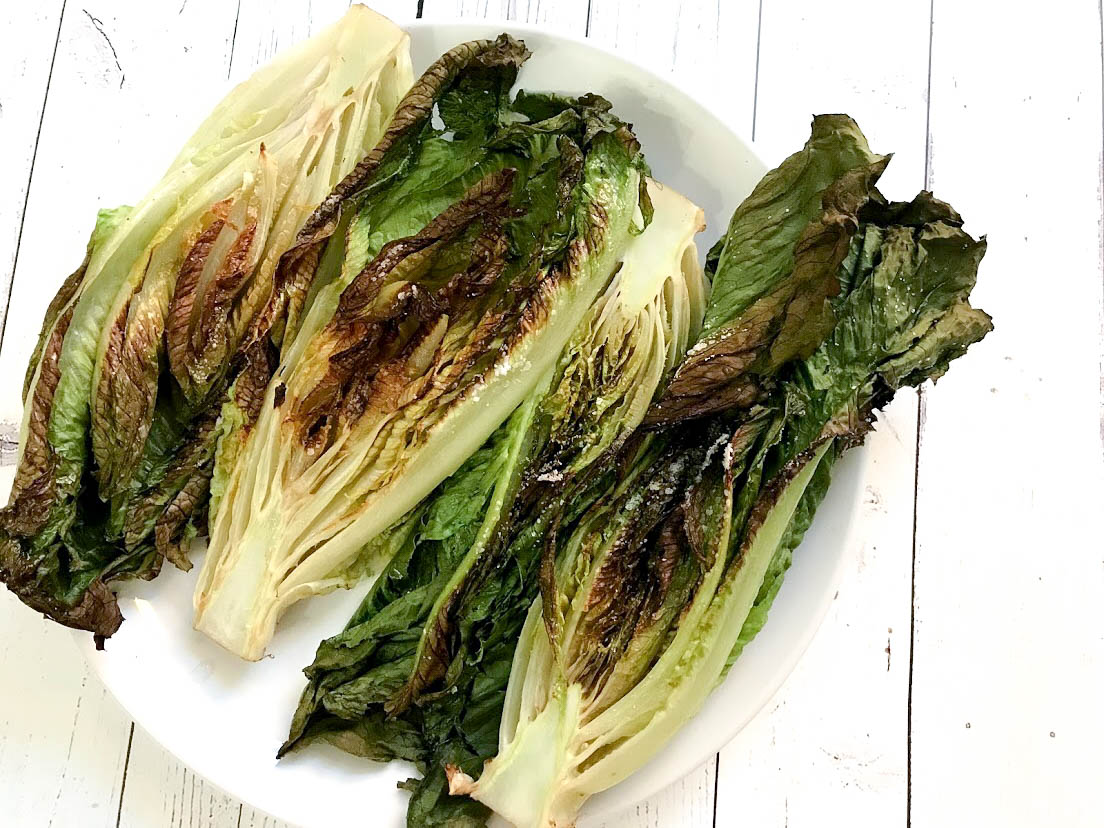
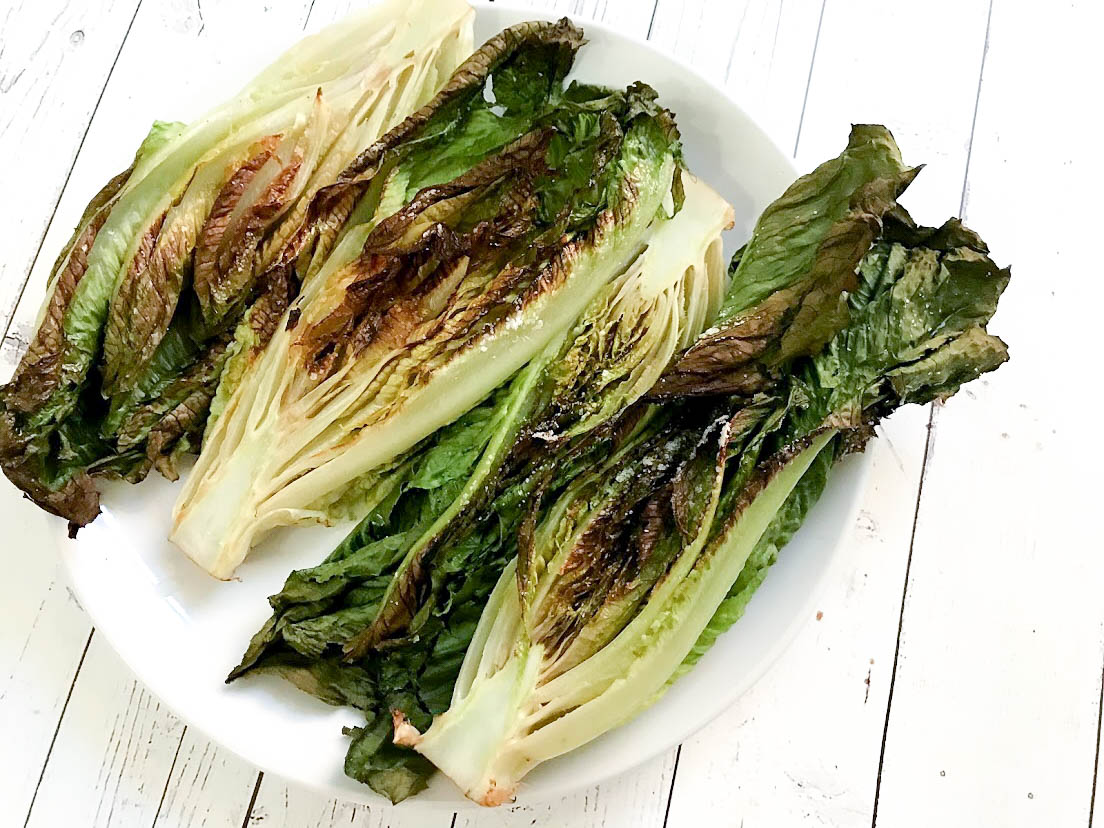
This is quite possibly the easiest side dish of all time! I feel bad for romaine – it gets a bad rap and doesn’t get used in many “fun” recipes. Romaine always seems to get thrown in the bottom of the bowl… never glorious enough to be a main attraction.
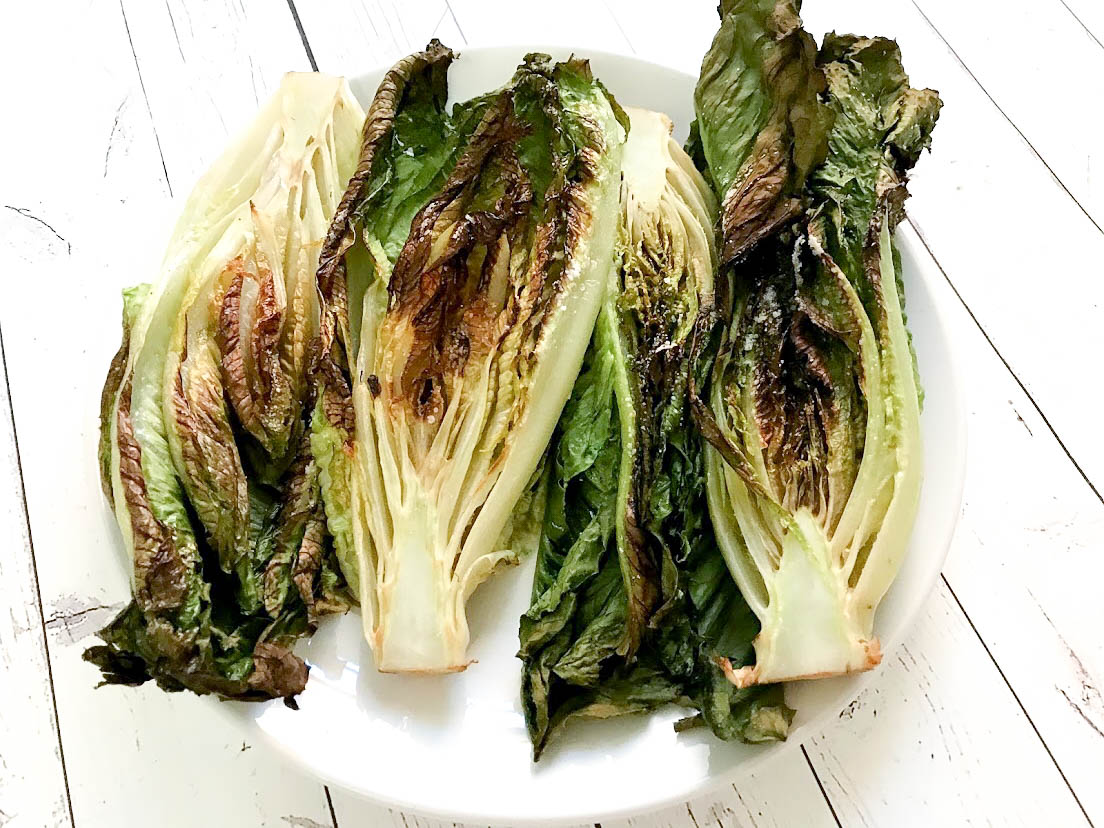
Grilled romaine, though, is a total game-changer. If you haven’t tried putting your romaine on the grill yet, IMMEDIATELY add it to your to-do list. Grilling romaine really brings out its flavor and makes it taste like a whole new vegetable! Pro tip – pair it with grilled avocado.
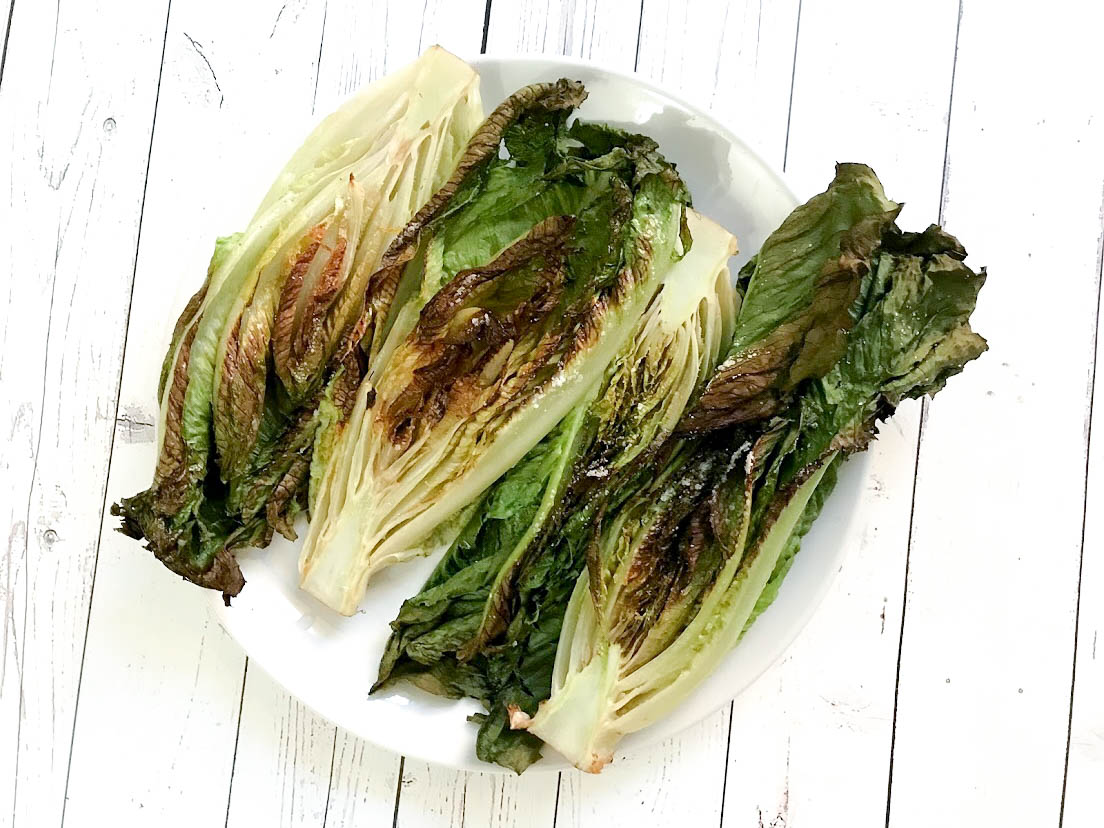
Unfortunately, I don’t have a grill in my studio apartment, so I only have grilled romaine when I visit home and use my parents’ grill. Even though I can’t grill romaine where I am, I wasn’t going to let that stop me from finding a way to replicate the flavor. I’m always looking for as many new ways to cook old, staple veggies as possible. Lettuce is easy to get and easy on my digestion, so if I can find more exciting ways to serve it – all the better. Which brings me to… roasted romaine!
This has honestly been a lifesaver for me recently, because I’m on a low-sulfur dietary protocol while I’m addressing my CBS mutation, which impairs my sulfur detoxification pathways. Because of that, my vegetable list has been limited. It’s easy to get bored when you eat the same foods over and over again, and I was tired of romaine. This makes me feel like I have a whole new veggie on my list! I love it roasted plain like in the recipe below, but it’s also great with a sauce or seed butter drizzled on top, a dollop of ghee, or (of course) avocado. I haven’t tried it yet, but I imagine it would pair perfectly with eggs as well!
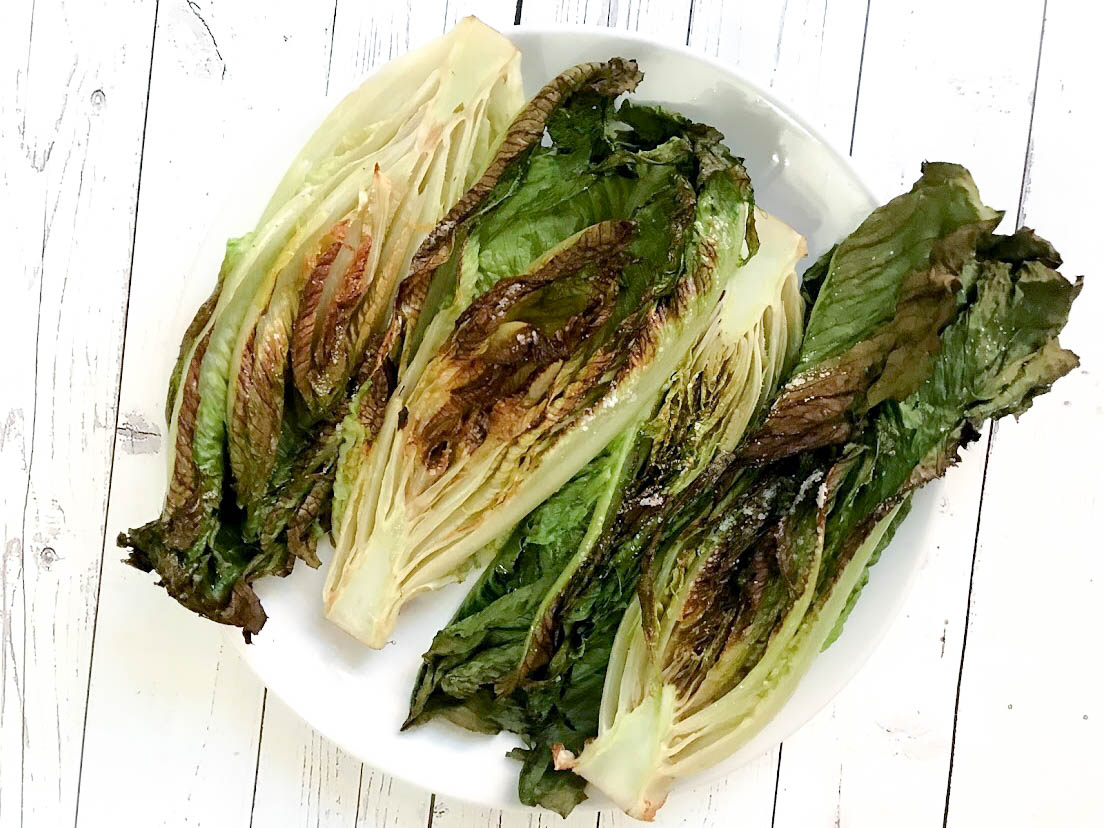
Roasted romaine tastes incredibly similar to grilled romaine, so it’s the perfect sub if you don’t have a grill. It’s the same idea as roasted bok choy, but with a different flavor. Romaine hearts are quick to cook, easy to make, and overall the perfect side to pair with any main. Just cut your romaine hearts in half, season them, and roast them in the oven! These are definitely a crowd pleaser, and you’ll get extra credit points for creativity! These roasted romaine hearts are paleo, vegan, Whole 30-friendly, low-carb, keto, SCD-friendly, low-FODMAP, AND low sulfur! If you’re looking for an easy way to switch up your veggies, this is for you.
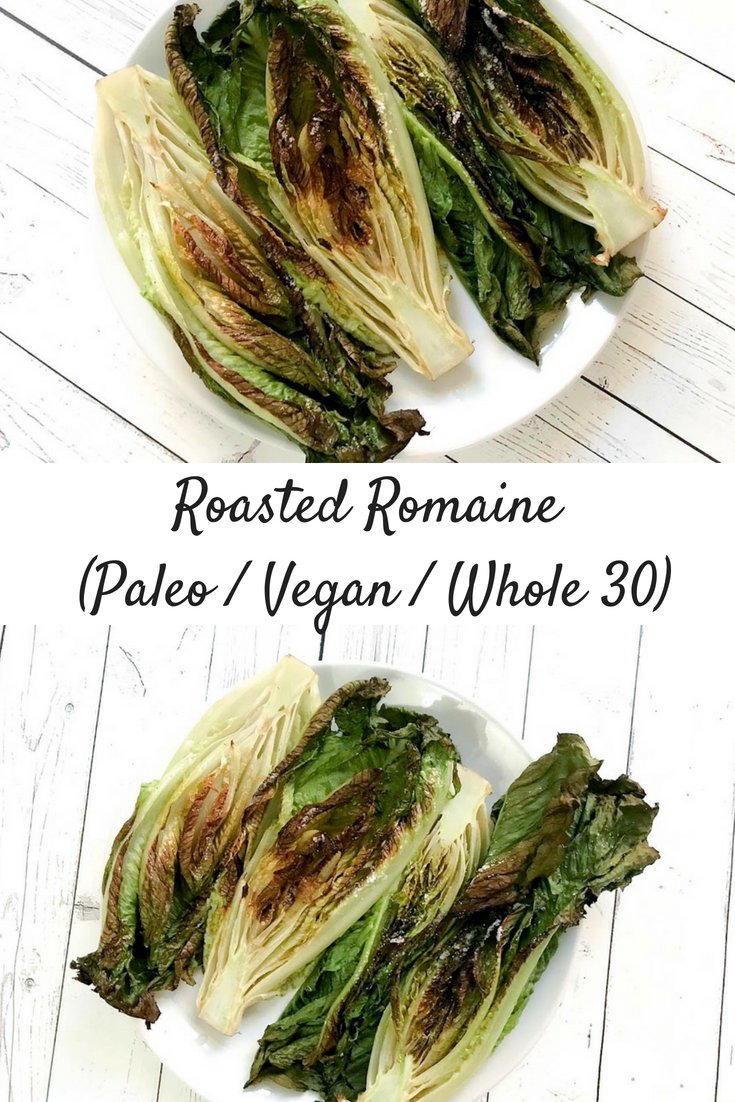
Roasted Romaine (Paleo / Vegan / Whole 30)
Ingredients:
Instructions:
- Preheat your oven to 415*F. Line a baking tray with parchment paper or grease it with cooking oil.
- Cut your romaine hearts in half and lay them on the baking tray face up (so you see the inside of the hearts).
- Drizzle with avocado oil or olive oil, or brush along the top. Season with salt and pepper to taste.
- Roast in the oven for 15-20 minutes, or until the hearts start to crisp. You can flip halfway through if desired, but I typically don’t.