
by Christina | Jun 14, 2016 | Wellness
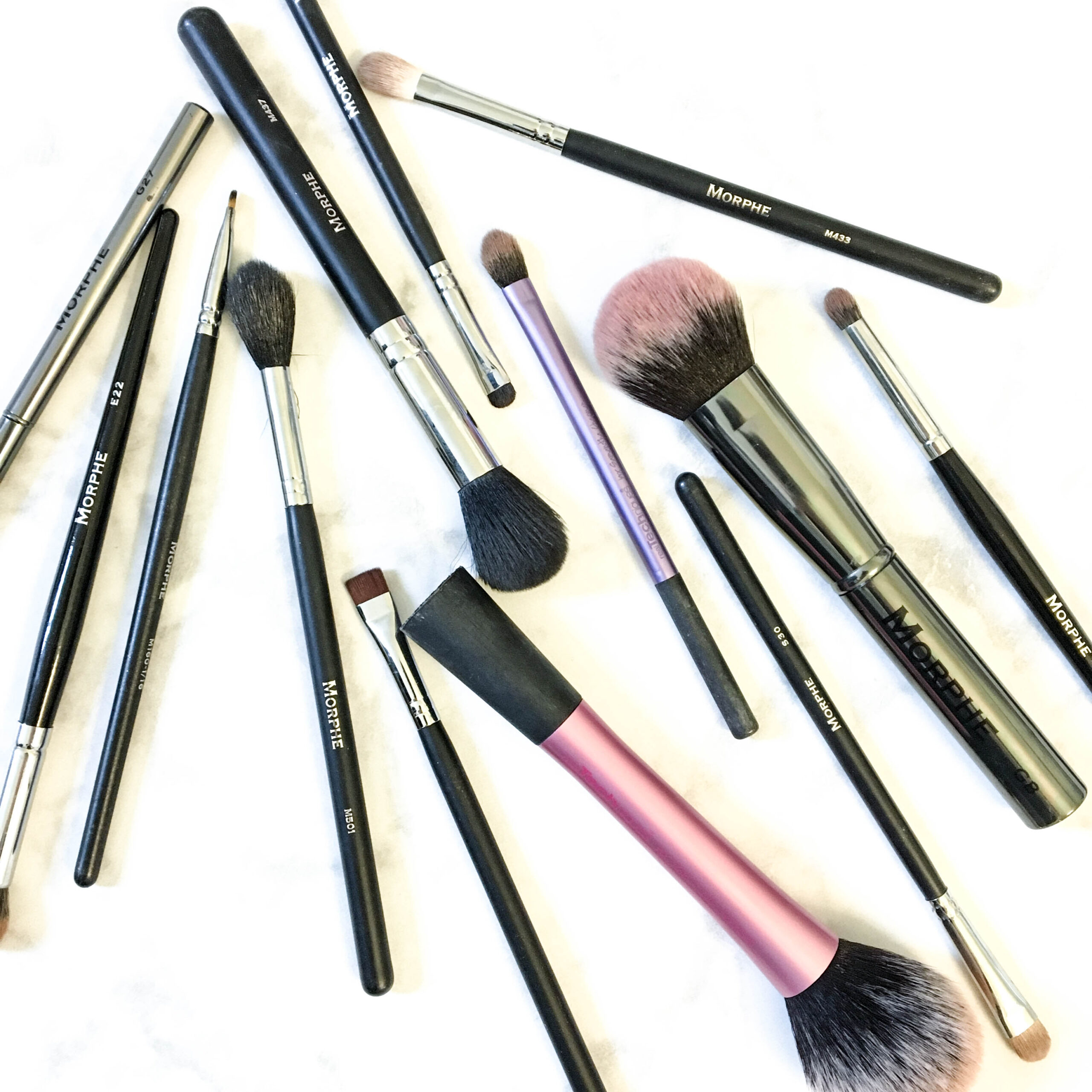
It has recently come to my attention that a lot of my friends are very overwhelmed with makeup brushes. They don’t know what brush to use for what, they don’t know what to buy, they don’t know where to buy it…the list goes on. There are SO many makeup brushes on the market that it can feel impossible to choose just a few to invest in if you’re not sure what you’re looking for.
Having good brushes is a total game-changer. It’s pointless to spend your money on great products if you don’t invest in high-quality tools to apply those products properly. Luckily, some of the best brushes in the game are NOT super expensive. I’m going to go over which brushes I think every woman needs in her collection, why she needs them, and what each brush does. These are my personal favorites, but it doesn’t necessarily mean you need them all! Just take this as information to help guide you through the makeup-brush-buying process.
FIRST. If you want to keep things as simple as possible, get a makeup brush set that’s already put together. This is how I officially started my brush collection back in the day, and it made things SO much easier. Once I started playing around with my new set, I figured out which brushes I liked the best, which I used the most, and what I wanted to get next.
If you have the money, my #1 suggestion would be to invest in the Sigma Essential Kit. It has every brush you might need, and the brushes come in a case that will SAVE YOUR LIFE. These brushes are so soft, versatile, and very long-lasting. I personally prefer Sigma brushes to MAC. Suuuuper high quality.
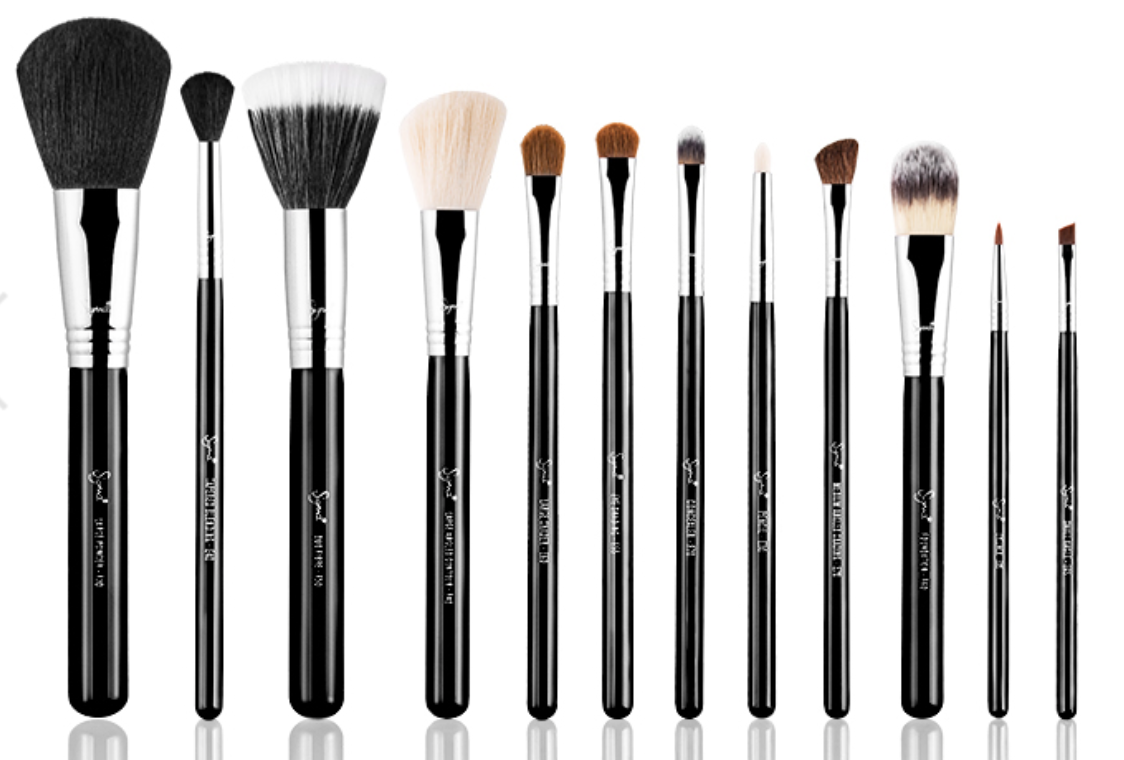
As much as I love my Sigma brushes, the price can be a bit steep, which brings me to my next love – Morphe Brushes.
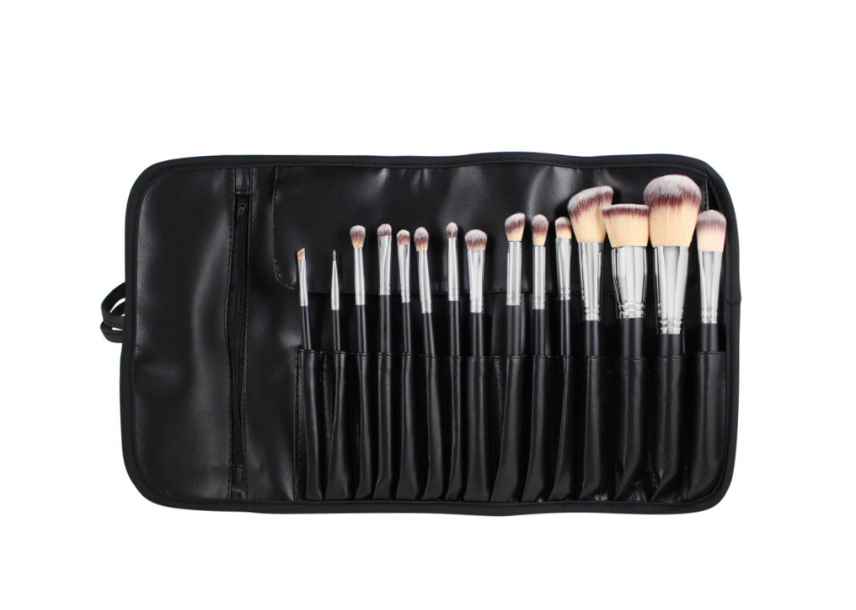
Once again, if you don’t want to have to think about it, go for a brush set. Morphe sets are less than half the price of Sigma, but they are still HIGH QUALITY. Trust me. Whenever I want a new brush nowadays, I always go straight to Morphe.
To get every brush you could possibly need, choose Set 697. It comes with 15 brushes in a snazzy little case (VERY USEFUL). Sidenote – if you’re ever going to buy a set of brushes, make sure it comes with a case.
NEXT OPTION: If you don’t want to invest in a set because you can tell straight off the bat that you don’t want or need all of the brushes in it, then buy your brushes individually! If I were to create my own brush set completely from scratch, here are my top picks:
(Note: These are not my ONLY picks for affordable makeup brushes. There are so many fabulous, inexpensive brushes that I’m obsessed with. I’m just choosing my absolute faves to share in this post… Tryin’ to keep things as simple as possible for anyone just starting out!)
Kabuki Brush
I NEED a Kabuki brush in my life at all times. Kabuki brushes are so versatile. You can use them to apply setting powder, powder foundation, blush, or bronzer. Personally, I use my Kabuki brush every day to apply translucent powder to set my foundation. I honestly prefer Kabukis to regular powder brushes just because they’re so small and cute. Normal powder brushes usually have a really long handle which can be super inconvenient to fit in your makeup bag. I find that a lot of brands carry excellent Kabuki brushes. I love this one from Morphe, but you can also get a great Kabuki brush from e.l.f at Target!
Beauty Blender
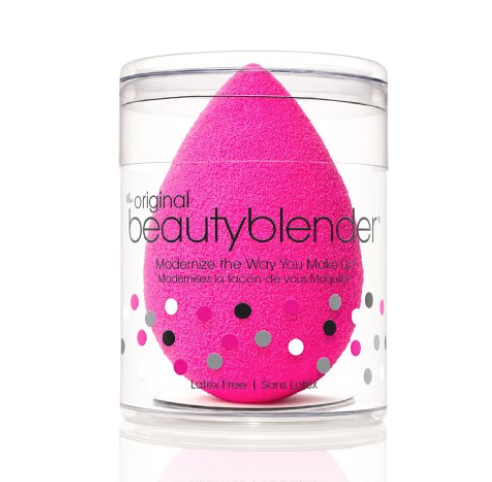
This isn’t technically a brush, but I think every woman needs a Beauty Blender in her collection. Beauty Blenders can be used for so many things and will last you FOREVER, so it’s beyond worth the $20. Just make sure you clean it regularly to ensure its longevity! The Beauty Blender is best for cream and liquid products. It blends foundation, concealer, cream blushes, cream contours, and liquid highlights like a dream. I could write an entire post about Beauty Blenders because they’re so freakin’ amazing. Basically, invest in one. It’ll change your life.
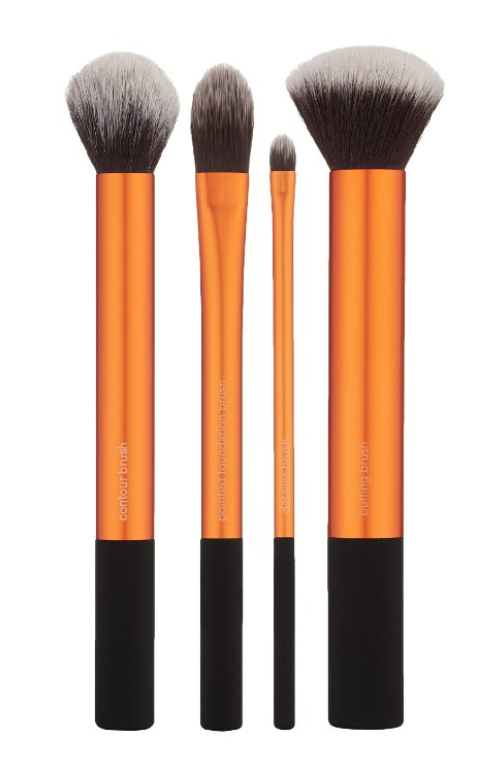
Real Techniques Core Collection Set
Most of my favorite affordable brushes for the face are in the Real Techniques Core Collection Set. These are ideal for face products because they have synthetic bristles, and synthetic bristles are exactly what you want when you’re dealing with cream and liquid products in order to get an even, buildable application (or you can use the Beauty Blender, as previously mentioned). Lemme break it down for ya.
On the far left we have the Contour Brush. This can be used to contour, as the name says, but I also sometimes use it for highlighting. Remember – there are no rules for makeup brushes! Do what works for you. This brush is on the smaller side and is rounded, so it works perfectly to carve out the hollows of your cheeks to achieve that extra-chiseled, sexy contoured look.
Second from the left we have the Pointed Foundation Brush, which can be used for foundation. However, I personally prefer a larger brush to apply my foundation so I can quickly cover a lot of area on my face. I prefer to use this brush to blend out my undereye concealer because it’s large enough to work quickly in the undereye area, but small enough to easily fit in the tight crevices under your eyes.
Second from the right is the Detailer Brush. This brush is perfect for concealing spots on your face because it’s extremely small, allowing for a very precise application. The synthetic bristles blend out cream or liquid concealers flawlessly. I also like to use this brush to apply glitter to my eyelids! I’ll wet the brush with my Fix+, tap the brush into my glitter, and voila! Party on my eyelids.
On the far right is the Buffing Brush. I am NOTHING without this brush. This is my favorite foundation brush, by far. It provides a perfectly even application and blends out foundation beautifully. BAM. DONE.
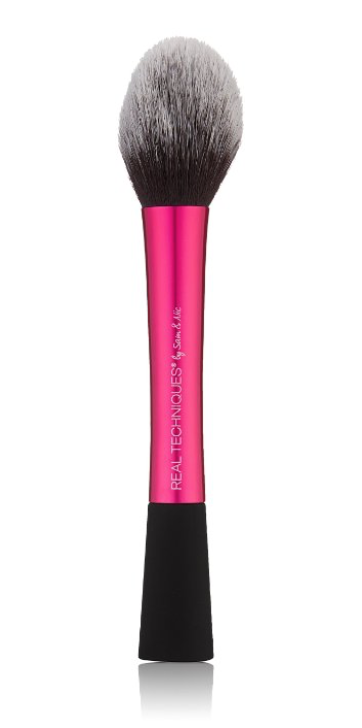
Real Techniques Blush Brush
I am obsessed with this brush. It’s big, it’s fluffy, and it’s SO SOFT. Like the name says, this brush is amazing for applying blush. However, I also like to use it to apply bronzer all over my face because it’s nice and large and not very dense. I also sometimes use this to apply powder all over my face when setting my makeup if I don’t want to use my Kabuki brush or if it’s dirty.
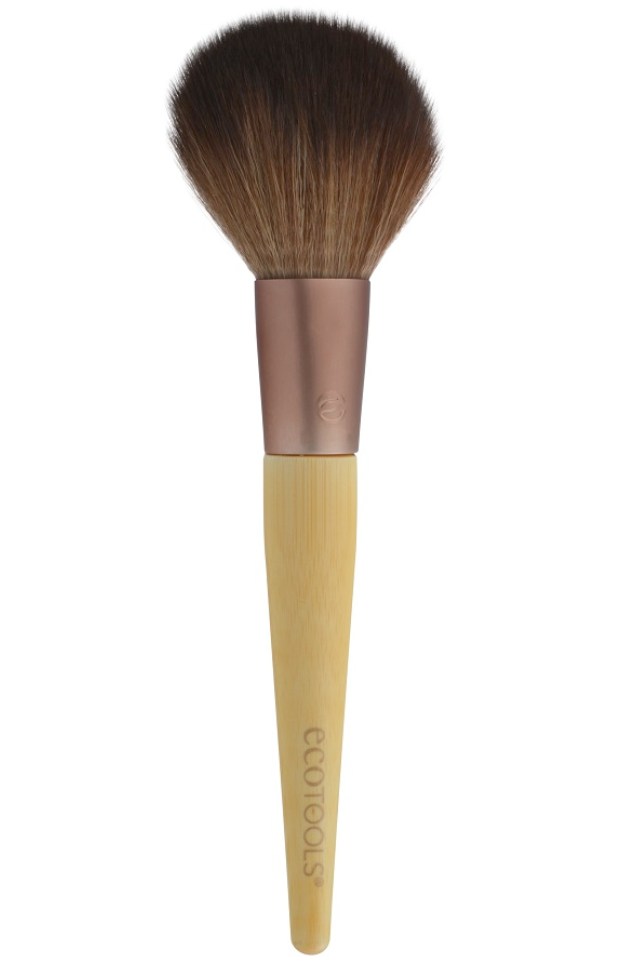
EcoTools Large Powder Brush
I love pretty much all EcoTools brushes, but this is my absolute favorite for bronzer! It’s sooo soft. It’s large enough to apply your bronzer quickly, but not so big that things get out of control. (Patchy bronzer face is NOT cute.) It’s also fab for setting your face with powder, like the name says, or for blush.
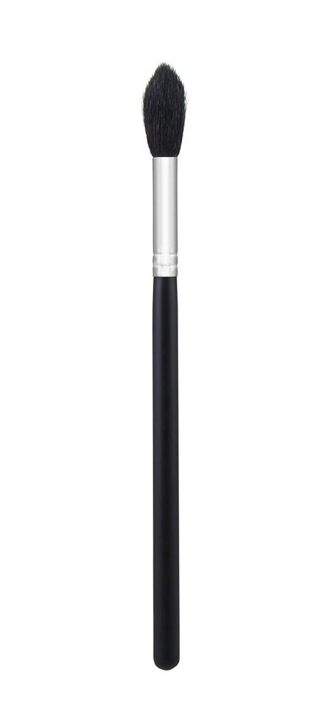
Morphe M501
If you want your highlight to be on fleek, YOU NEED THE MORPHE M501 BRUSH. I can’t not wear highlighter, and I can’t live without this brush. Fan brushes are also amazing for applying highlighter, but this is for sure my #1 choice. And Jaclyn Hill uses it, so you know it’s good.
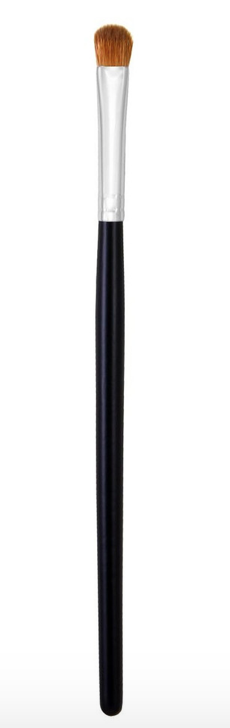
Morphe M124
Every woman needs at least one flat shader brush in her brush collection. I have about 10 of these, but I also use a lot of different colors all the time & pretend that I’m an actual makeup artist. You want a brush that is flat so that it can easily pack color onto the lid, and you want something medium-sized. Too small, and it will take forever to get the lid color on there. Too large, and you won’t have as much control over the color placement. When it comes to eyeshadow brushes, I prefer natural bristles because they tend to pick up and transfer pigment much better than synthetic bristles.
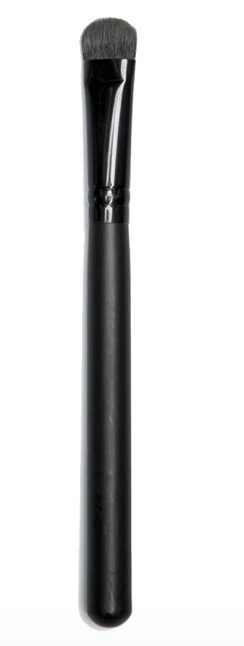
Morphe MB15
Alright, I admit this isn’t 100% necessary, but I use it every day so it’s one of my personal essentials. A small, dense brush like this is perfect not only for precisely packing color onto the lid, but also for applying your highlight shade underneath the brow bone. Because it is so dense and tiny, you get a very controlled application, and the pigment will REALLY show up.
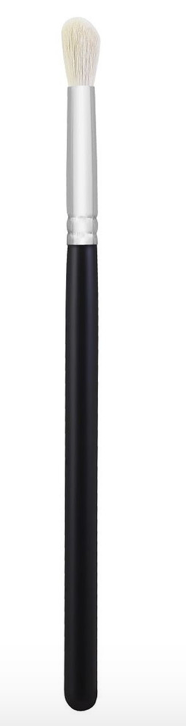
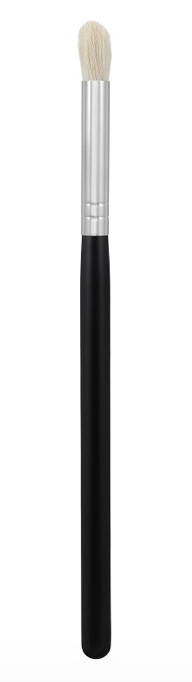
Morphe M441 & Morphe M519
Having a fluffy blending brush is ESSENTIAL. If you can only get one eyeshadow brush, get a fluffy blending brush. These are your dupes for the infamous MAC 217. I prefer to always have at least two on hand because I like to apply color with one and then use the clean one to blend everything out. I also like to have one blending brush that is slightly larger than the other. The smaller one is for precise crease work, and the other is for my transition shades. These fluffy brushes are both ideal for applying transition shades because they’re big enough to cover a large area, and they effortlessly diffuse the colors because they aren’t very dense.
For example, I might use the M441 to apply a color that’s 1-2 shades darker than my skin tone in my crease as a transition shade, and then I might go in with my M519 (SLIGHTLY smaller) to blend a brown shade into the crease. Then I would probably go back in with the M441 to fade everything out. Without a blending brush, your shadows will just awkwardly and bluntly start and stop, which isn’t very cute unless you’re going for a cut crease. Blending brushes are the key to a diffused, flawless look.
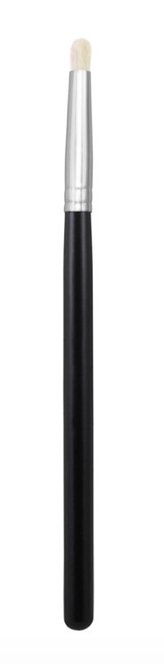
Morphe M431
A pencil brush is another key part of any brush collection. You can use a pencil brush to apply color precisely in the crease or in the outer V of the eye. I like to apply my darkest shades in the outer V of my eyelid and then use my fluffy blending brushes to blend it all out seamlessly. A pencil brush is also perfect for blending out colors on the lower lash line. It’s small enough to fit under your lower lashes, but large enough to blend out the color for a smokey look.
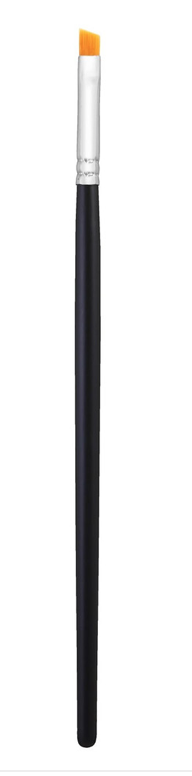
Morphe M160 1/8
You NEED a small angled brush in your life. Again, I own about 10 of these because I use them for so many different things. First of all, you can use this brush to apply eyeliner and create that perfect wing. Second, I love using this type of brush to apply dark shadows extremely close to my lower lash line. Then I go in with my pencil brush and smudge ’em out. A small angled brush is also exactly what you should use to apply your brow products (unless you’re a pencil kinda gal, like me). For your brows specifically, you can opt for a slightly larger angled brush, but nothing too crazy.
So there you have it! If I was starting my makeup brush collection from scratch and wanted only the essentials, this is exactly what I would get. I’d probably get doubles of many of the brushes mentioned because most have multiple uses, and it’s a hassle to try and use the same brush for two different things on the same day. Of course I could add a million more things to this list, but I’ll refrain. These brushes are all extremely affordable, but I promise that the quality is not sub-par in any way. Like I mentioned before, I reach for these more often than my MAC brushes. Why spend $20 on a single brush when you can spend $5?
Another note – Morphe has one store in Burbank, which means you’ll probably be ordering those brushes online. Real Techniques and EcoTools brushes can be found at Target (score!). If you don’t want to order brushes online, e.l.f. and Sonia Kashuk also have great options for eyeshadow brushes at Target, so feel free to check those out as well. Morphe is just my #1 true love. <3
What’s your fave makeup brush?! Let me know in the comments! XO

by Christina | Jun 12, 2016 | Wellness
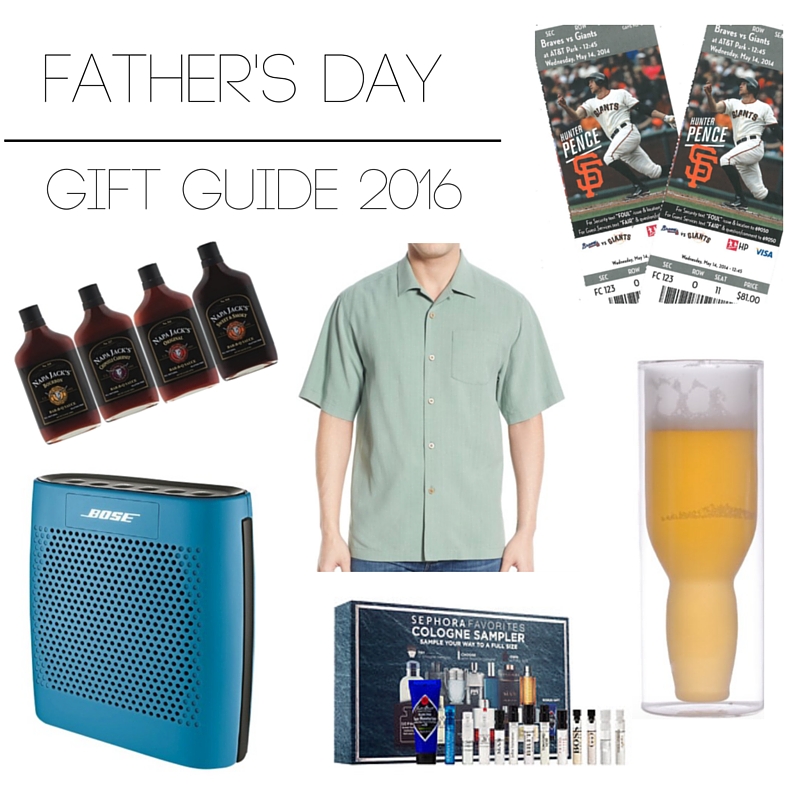
ALERT: FATHER’S DAY IS NEXT WEEKEND! Y’all know I take presents very seriously. If you’re on the struggle bus and you’re having a hard time coming up with something creative to give Daddy-O this year, I gotchu. I’m getting this gift guide up NOW because I always see gift guides popping up the day before the big event, whatever it may be, which seems pretty useless to me. You have a week from now to get ready, and Amazon Prime exists. YOU CAN DO IT. Here’s a list of some of my top gift picks, and most of these are things I have actually given my dad previously that he LOVED. I tried to cover different price ranges, so there should be something for everyone.
Just remember to try to tailor the gift to your father’s personality so that he knows you put real thought into it. If your dad’s a jokester, go for something funny. If he’s a classy kinda guy, go for something slightly more sophisticated. Tech-geek? Shoot for a gadget. You get the idea.
Honestly though, usually dads don’t even care what they actually get. It really is the thought the counts. A well-written card is far more impressive than any gift. YOU CAN’T GO WRONG WITH SENTIMENT. Heartfelt, personalized gifts are always the most beloved. If you’re really struggling, think simplicity. You could get him his favorite movie on DVD, you could give him a T-shirt supporting his favorite sports team, or you could just cook him a huge-ass steak for dinner. But cook it with love! If none of those sound appealing, check out the following recs:
Dollar Shave Club
First, if you haven’t heard of this or seen the commercial for it, THEN WHAT ARE YOU DOING WITH YOUR LIFE?! CLICK HERE AND WATCH. Second, you can never go wrong with a nice shaving set for the Pops. Ain’t nothin’ like a clean shave! Aaaand this is the gift that keeps on giving for mom, too. Amiright?! 😉
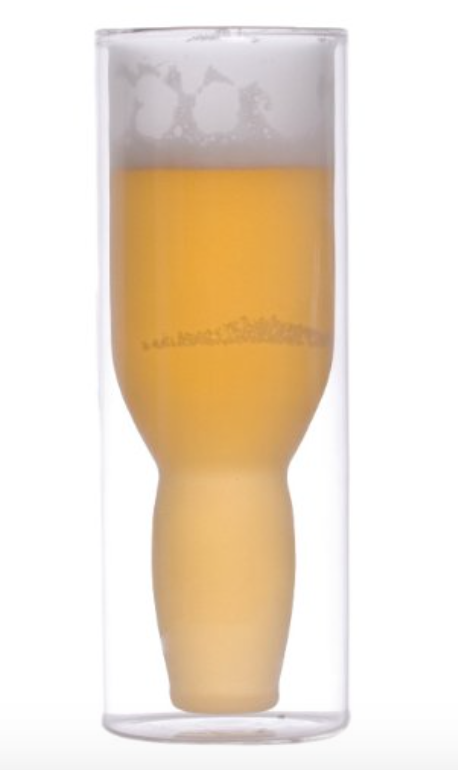
Australian Beer Glasses
If your dad is a beer-lover like mine, then he will be obsessed with these glasses. Each glass holds an entire beer bottle! Notice the shape of the upside down bottle inside of the glass? Let’s be honest, it looks cool. More importantly, though, the double-glass layer provides extra insulation to keep the beer ice-cold for a long period of time. Trust me when I say that any beer-connoisseur will think this is the most amazing glass in existence.
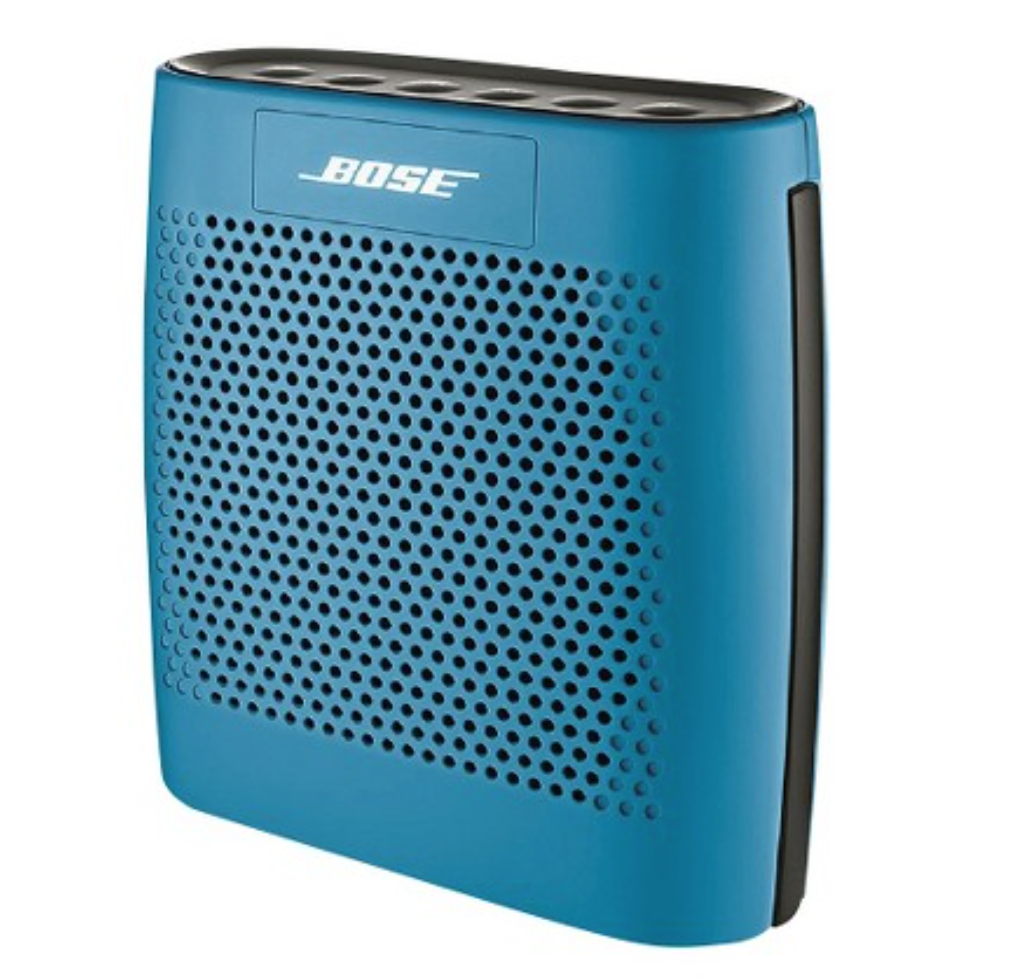
Bose SoundLink Color Bluetooth Speaker
If you feel like splurging or going in on a big gift, GO FOR THE SPEAKERS. My dad knows nothing about technology, but he became obsessed with these speakers as soon as I gave them to him last year. Suddenly he was carrying this thing around with him everywhere, jamming out to some Huey Lewis and the News with a big grin spread across his face. Too damn cute.
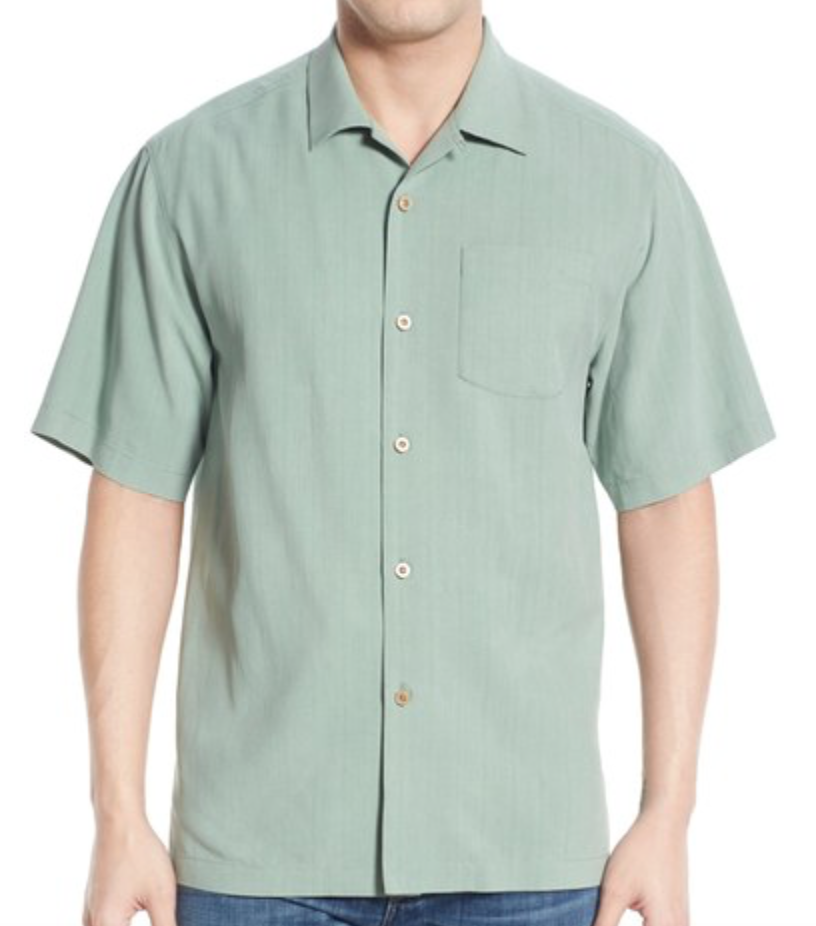
Tommy Bahama Fit Silk Camp Shirt
My dad literally refuses to wear shirts that were made after 1983. But Father’s Day is the perfect excuse to spruce up your dad’s wardrobe! Tommy Bahama has always been Jimbo’s fave designer, so I always gravitate towards a TB shirt when I get the chance. Since he already likes the brand, he’s less likely to resist wearing it and is more open to updating his wardrobe. I like to go for a clean-cut shirt that goes well with a variety of looks – something not too dressy, but also not too casual. If you know your dad likes a particular brand or designer, try to find something from that brand. Even if he doesn’t end up liking the exact shirt you choose, just knowing that you tried to get him something from his favorite designer will warm his heart.
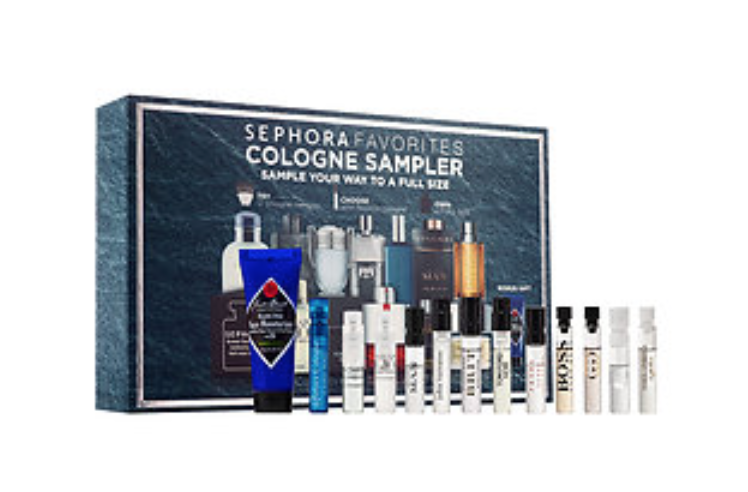
Sephora Favorites Cologne Sampler
My dad does have a “signature” scent, a cologne he’s worn for as long as I can remember. While I’m not sure what it is, I AM sure it hasn’t changed since 1970. It’s like something he found in a fancy hotel bathroom that literally smells like it’s trying too hard, but he just latched onto it. Actually, I wouldn’t be surprised if he did find this scent in a hotel gift shop somewhere…that’s the kinda guy he is. Anyways, it’s time to UPGRADE. This is the perfect set to give your dad because he can test out a bunch of different scents and ultimately choose his fave, rather than putting the pressure on YOU to shell out the big bucks for a cologne he might not even like. Scents are personal, and this gift allows him to find what he PERSONALLY likes.
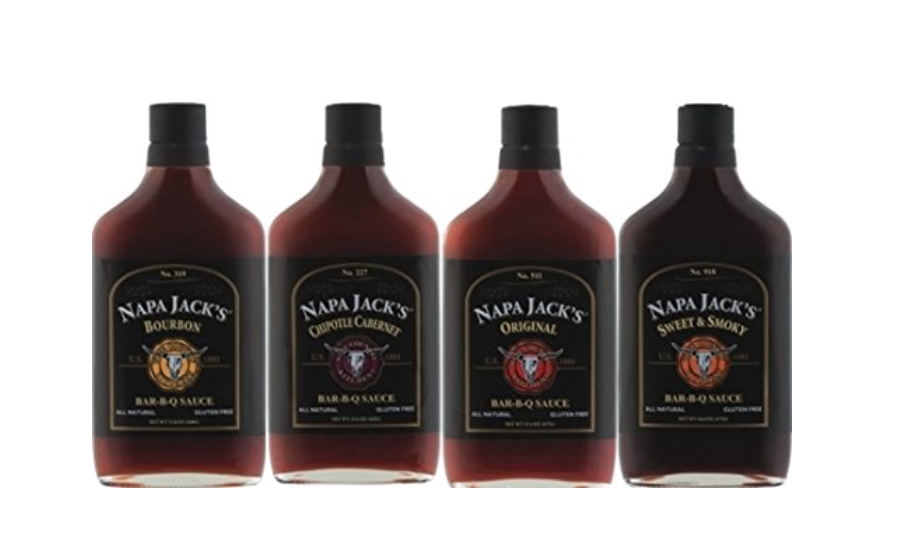
Napa Jack’s BBQ Sauce
If your dad is a BBQ master, he will DIE over these. Jimbo is straight-up obsessed. I thought he was going to cry when I gave these to him for his birthday. The variety of flavors gives him something fun to test out each time he’s at the grill so that he can literally spice things up every single day! This set comes with Original, Sweet and Smokey, Chipotle Cabernet, and Bourbon flavor BBQ sauces. Aaaand they’re are all natural and gluten-free! You know I had to choose something gluten-free…. HE WON’T KNOW THE DIFFERENCE, THOUGH. It tastes like BBQ heaven either way!
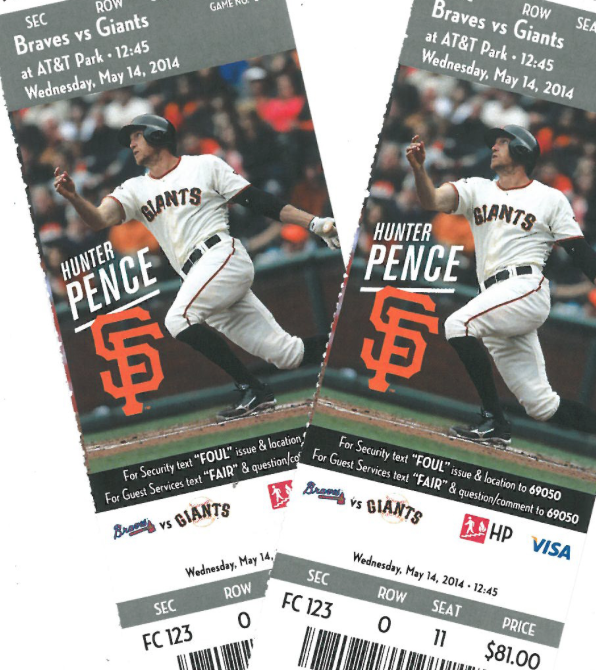
Tickets to A Sports Game
Any father will LOVE the chance to have a night out and watch his favorite sports team play live. My dad, like the rest of my fam, is a huge Giants fan, so Giants tickets are an obvious choice. This gift is perfect for the minimalist father who doesn’t need any more “things.” Instead, you’re giving him a memory! Depending on how much you want to spend, you could get him a cheap set of nosebleeds or some totally kickass seats. Either way, he’s gonna have a great time. And hey, if he likes you enough, he might even bring you with him!
What are you getting your dad this Father’s Day?! I’d love to hear!

by Christina | May 29, 2016 | Wellness
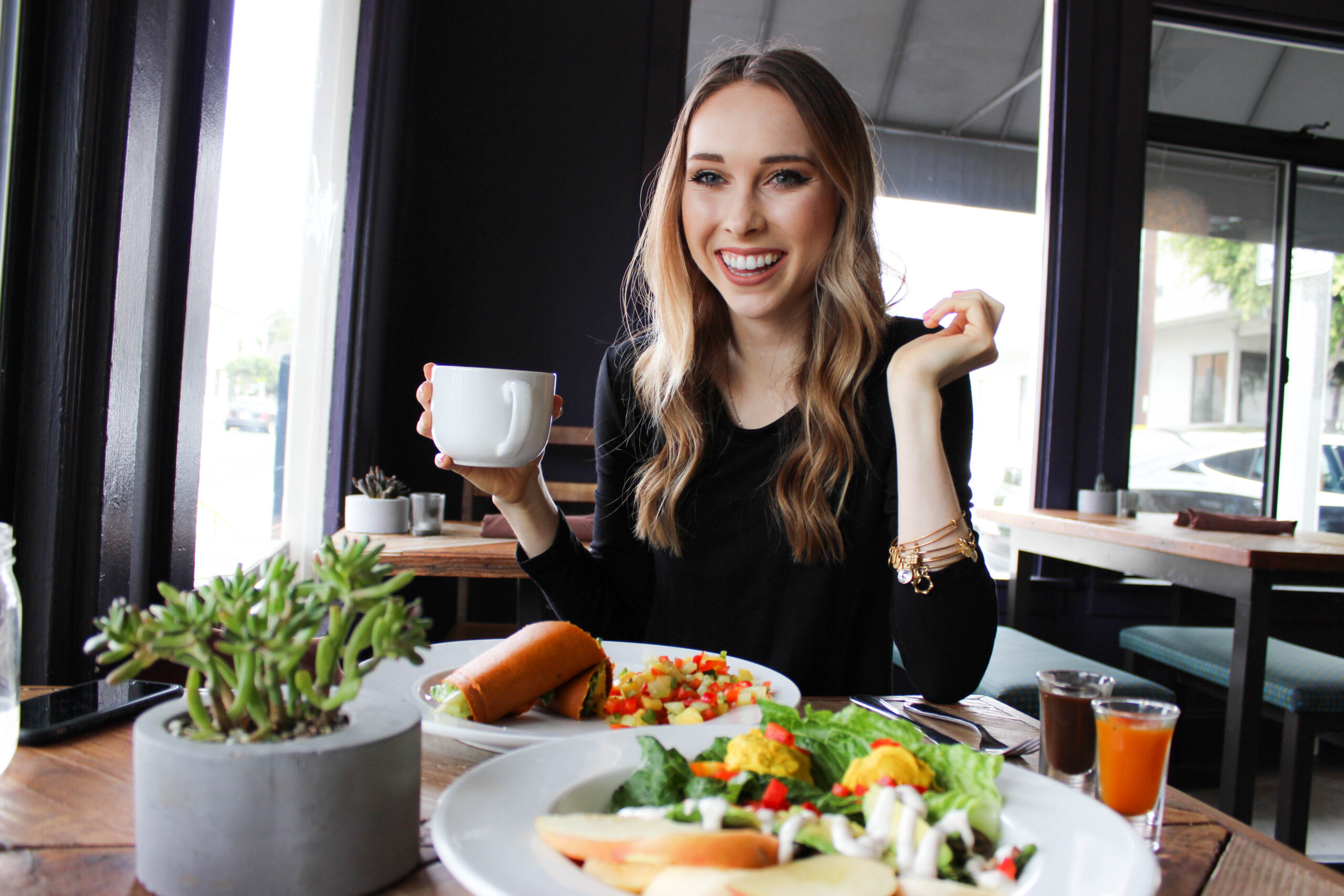
I’m a total foodie. Yes, I do adore cooking, but I loooooove to eat out. Always have, always will. I keep a running list of at least 100 restaurants on my phone that I’m plotting to test out next. New suggestions are always welcome.
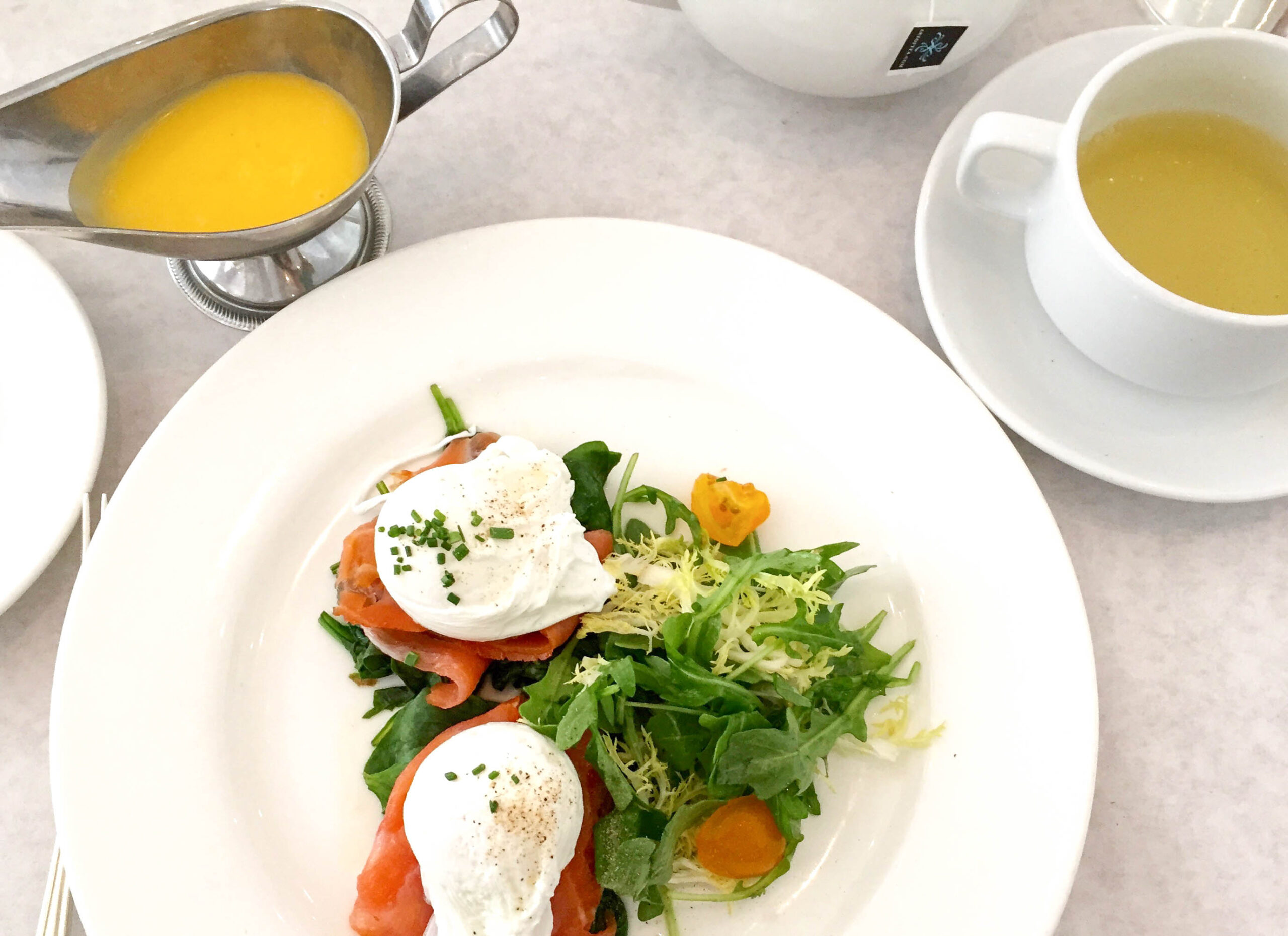
A lot of people are surprised by how much I like to eat out at restaurants. When it comes up, the response is usually, “Can you even eat there?” or, “How can you eat out so often with all of your food restrictions?”
Well, my friends, it’s really not as hard as it seems. There was definitely an adjustment period when I first discovered I could no longer eat gluten or dairy, and it continues to be an adjustment period as I discover more foods that I am allergic to. However, NOTHING WILL STOP ME FROM EATING ALL OF THE DELICIOUS FOODS I WANT AND ENJOYING LIFE.
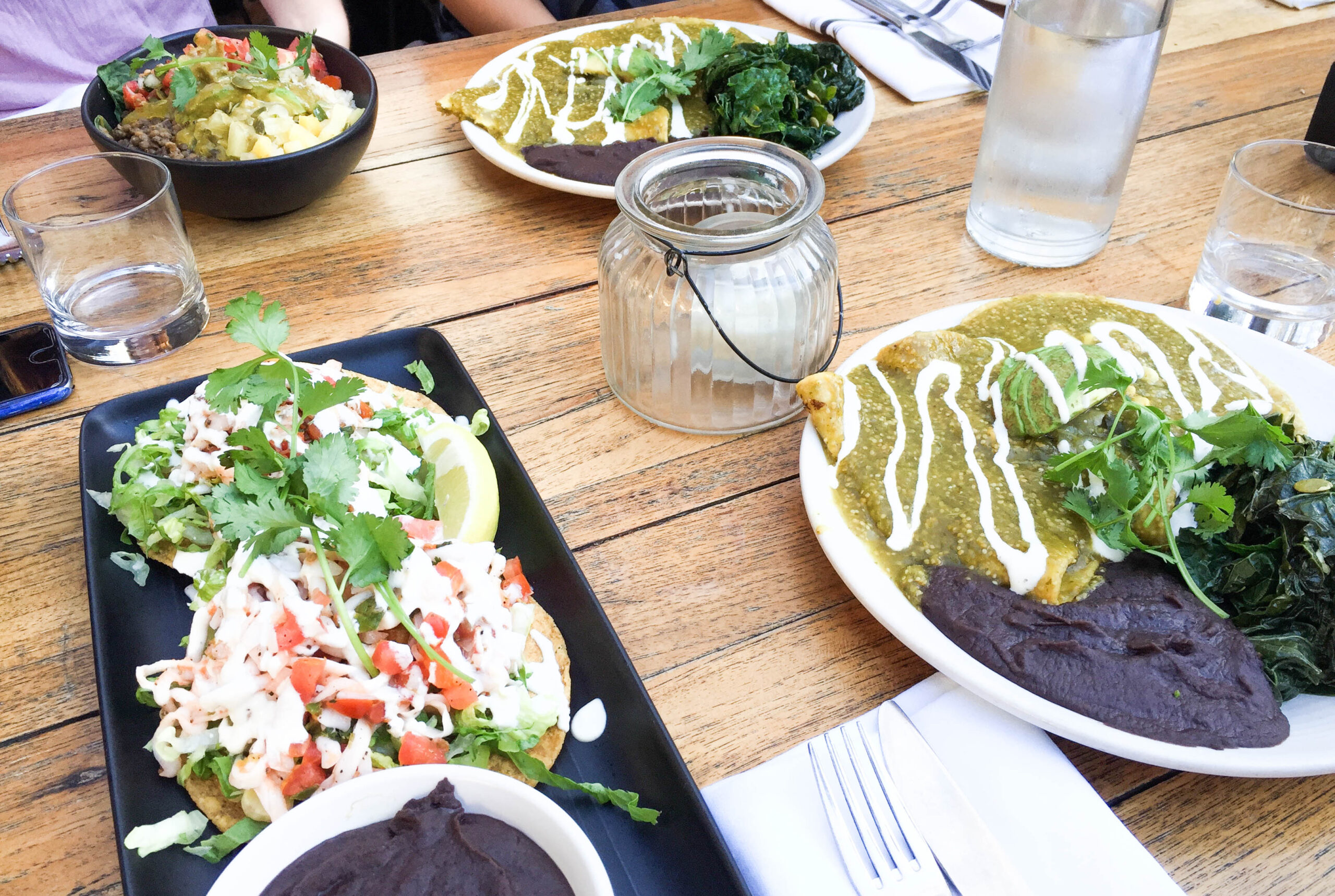
I have a system for ordering out, as I’m sure most people with food allergies do, so I thought I’d share mine in case you’re on the struggle bus and need some help navigating the restaurant scene. These recommendations are mainly targeted toward gluten and dairy allergies/intolerances, but they can be applied to any food that you’re allergic to. #AllergyProbz
- Hop on the Internet and check out the menu beforehand. Honestly, I can usually eat everywhere I want. The only places I absolutely can’t order from are places I would never want to eat at anyway, like Burger King (if that’s even a “restaurant”). Even so, check the menu early on to get a general idea of what the food is like and to prepare yourself for what you might want to order. If EVERYTHING is dairy-filled or gluten-heavy, then it will probs be easier if you just find a new place. If not, you can probably still make it work with the strategies described next.
- Don’t be afraid to be high maintenance. THIS IS THE BIG ONE. You need to be careful of what you’re putting into your body. Doing what you need to do for your health is something you should never be ashamed of. If your friends are embarrassed of how particular you are when you order, then get new friends. Just joking. But not really. If it makes you feel better, alert the person you’re eating with of your complicated ordering procedures before you go. But if they already know about your food intolerances/allergies, they probably won’t be surprised.
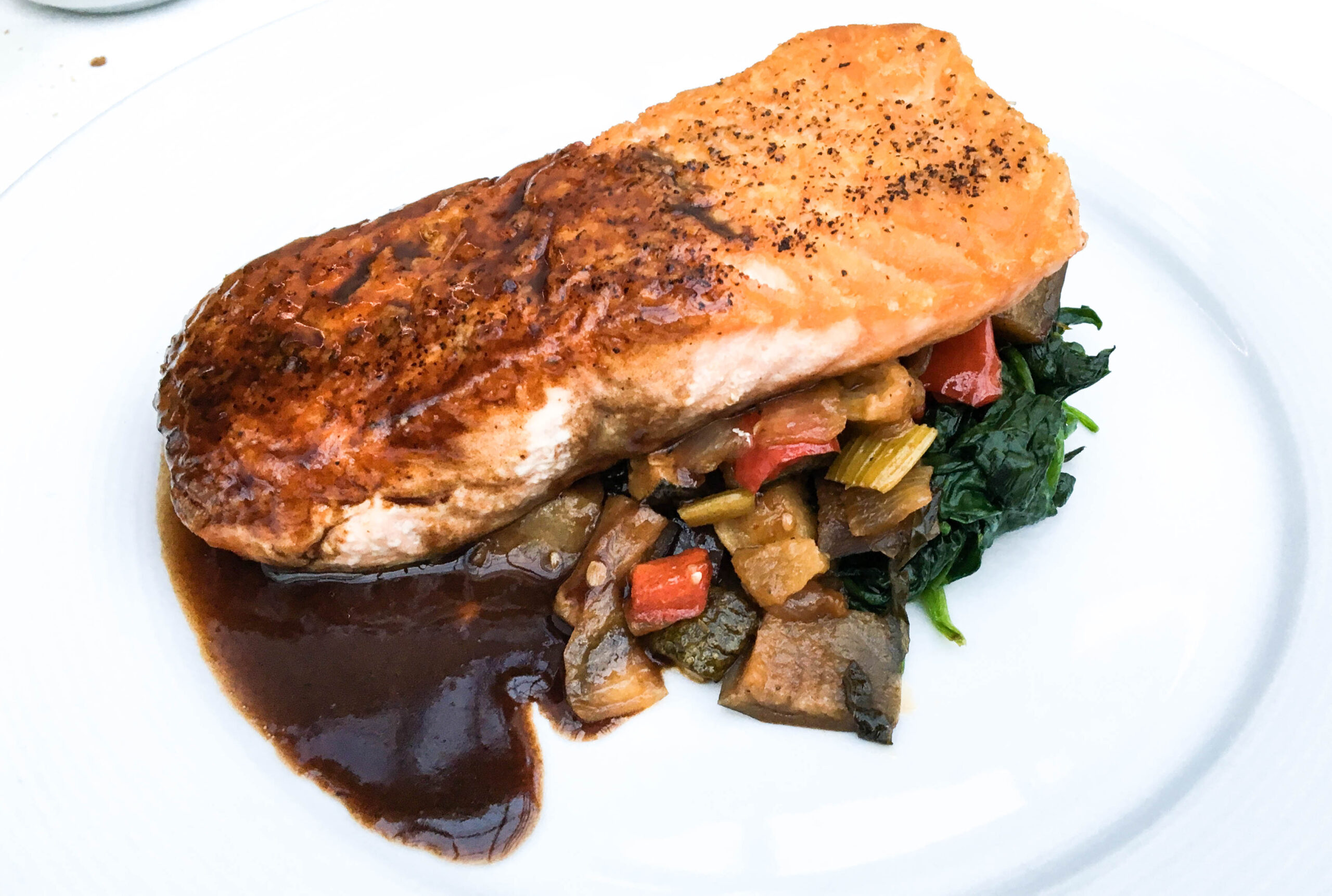
At first, I was embarrassed about having to ask so many questions when I ordered food at restaurants, but that made me forget to ask as many questions as I should have, which led to some seriously unfortunate consequences when I accidentally got gluten-ed or dairy-ed. After those experiences, I learned to not give a shit about how annoying I might seem to everyone around me when I order out. It really doesn’t matter what anyone else thinks – waiters or companions. I DON’T WANT TO GET SICK FROM MY FOOD.
- Immediately alert your waiter of your food allergies. You never know what kind of server you’ll have. Sometimes they will be no help whatsoever, and sometimes they will be gluten experts or Celiac themselves and will have amazing suggestions about what you should order. Either way, it’s important to let them know so they can tell the chef.
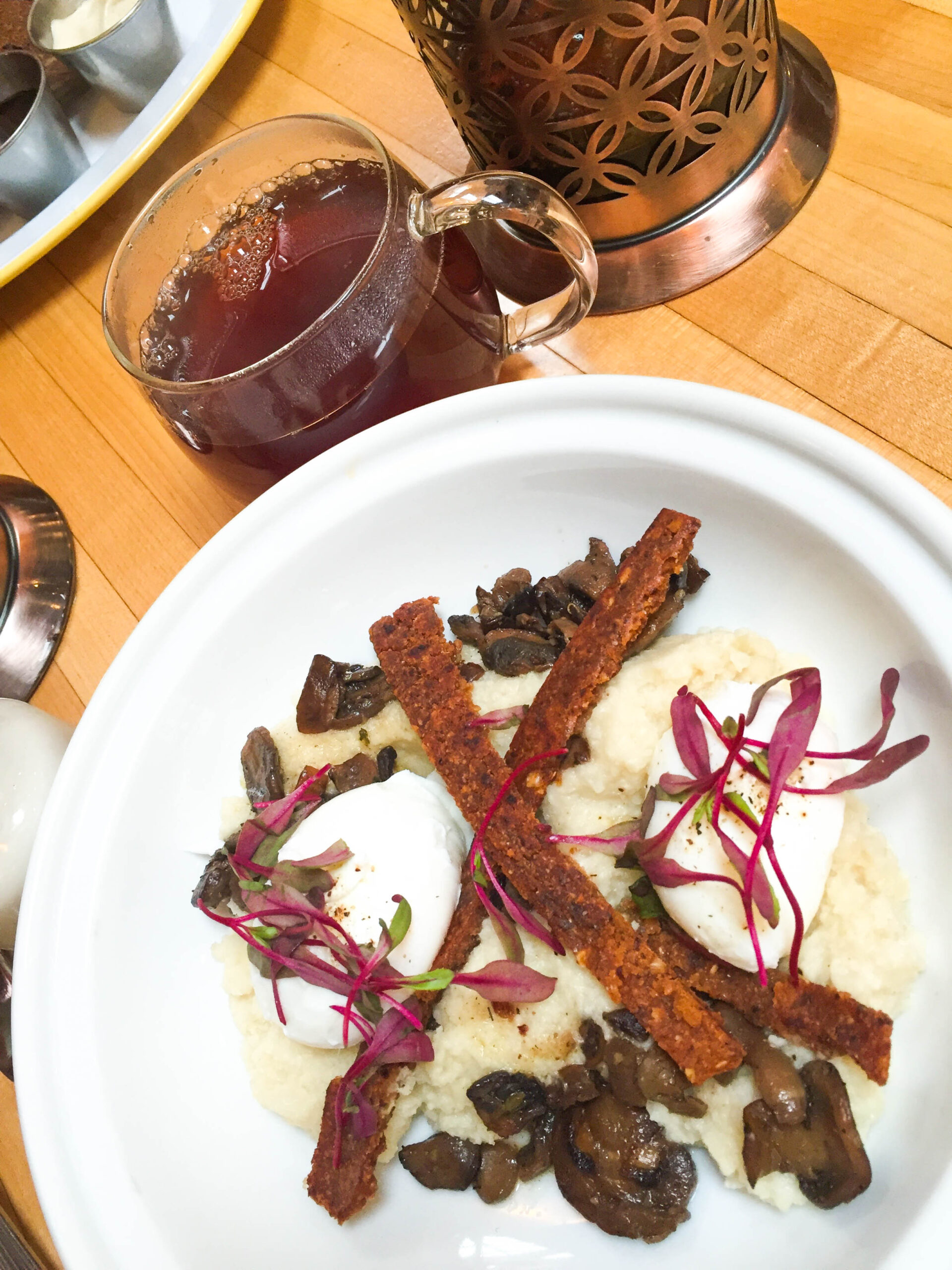
- Ask if there is a gluten-free menu. When you tell your server about your allergies, they’ll usually automatically give you the allergy-friendly menu if they have one, but in case they don’t, just ask.
- Don’t assume your waiter knows anything about which foods have allergy-containing ingredients and when there might be cross-contamination. Usually they do their best, but at most restaurants the waiters won’t be as knowledgeable about avoiding ingredients as is necessary to be totally safe. Ask direct questions about EVERYTHING. I’ve been to many restaurants where the waiters don’t even know what gluten is.
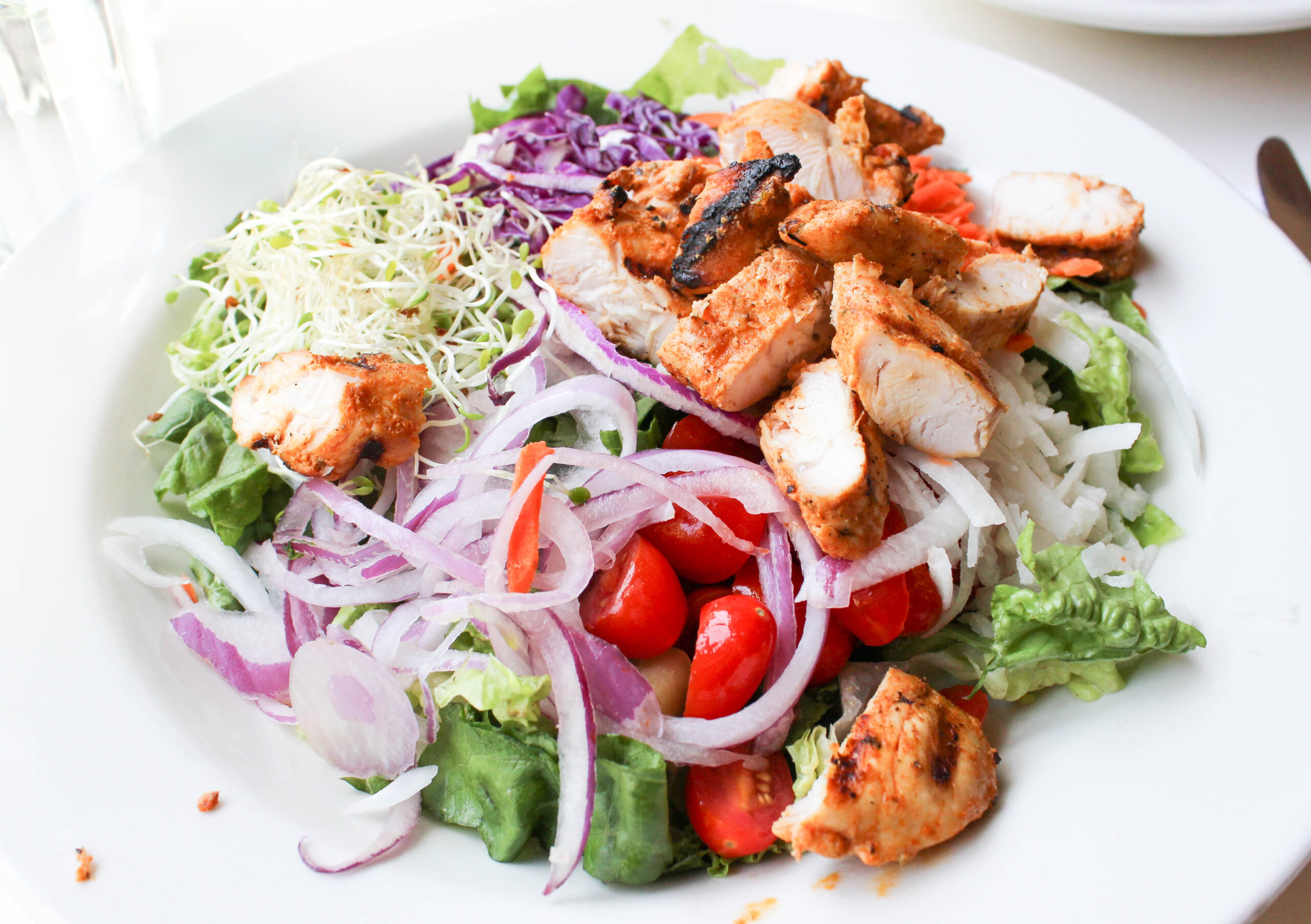
Even when servers are knowledgeable, they sometimes slip up. They’ve got a lot of people to serve and please, and there’s a lot going on in a restaurant! Take responsibility. There are always the servers that mean well and seem like they know everything but still don’t cover all the bases. For example, I’ve learned the hard way that a lot of people think butter is not dairy…
- Ask about cross-contamination. This is the more specific version of #5. At high-quality restaurants, the waiter will bring this up as soon as you mention your food allergies/intolerances. The BEST restaurants have an entire menu that tells you what foods are technically gluten/dairy/soy/whatever-free but might have cross-contamination. Like, some have an entire binder with alllll the info. You might be surprised at what has been cross-contaminated. For example, I could never figure out why the cauliflower from one of my favorite restaurants always made me horribly sick, but later on I learned it was cooked in the same fryer as gluten-containing foods. Moral of the story: foods that are typically harmless might not be when eating out.
- If you have an intolerance to something, don’t be afraid to lie and say it’s an allergy. I HATE lying, but this is an exception. This lie will not hurt anyone. From my own experience, I’ve found that unfortunately waiters don’t take people as seriously when they have a food intolerance as they do when they have a food allergy. I could write a novel about how annoying that is, but it’s just what tends to happen.
- Ask the waiter about a specific dish, not about the entire menu. You will completely, and unfairly, overwhelm your waiter if you say something like, “I’m allergic to gluten. What can I eat here?” Don’t expect your server to literally go through the entire menu with you. Ideally, know which dish you want and ask if that specific dish might be a problem in any way. Always have a few back-up choices to ask about, as well.
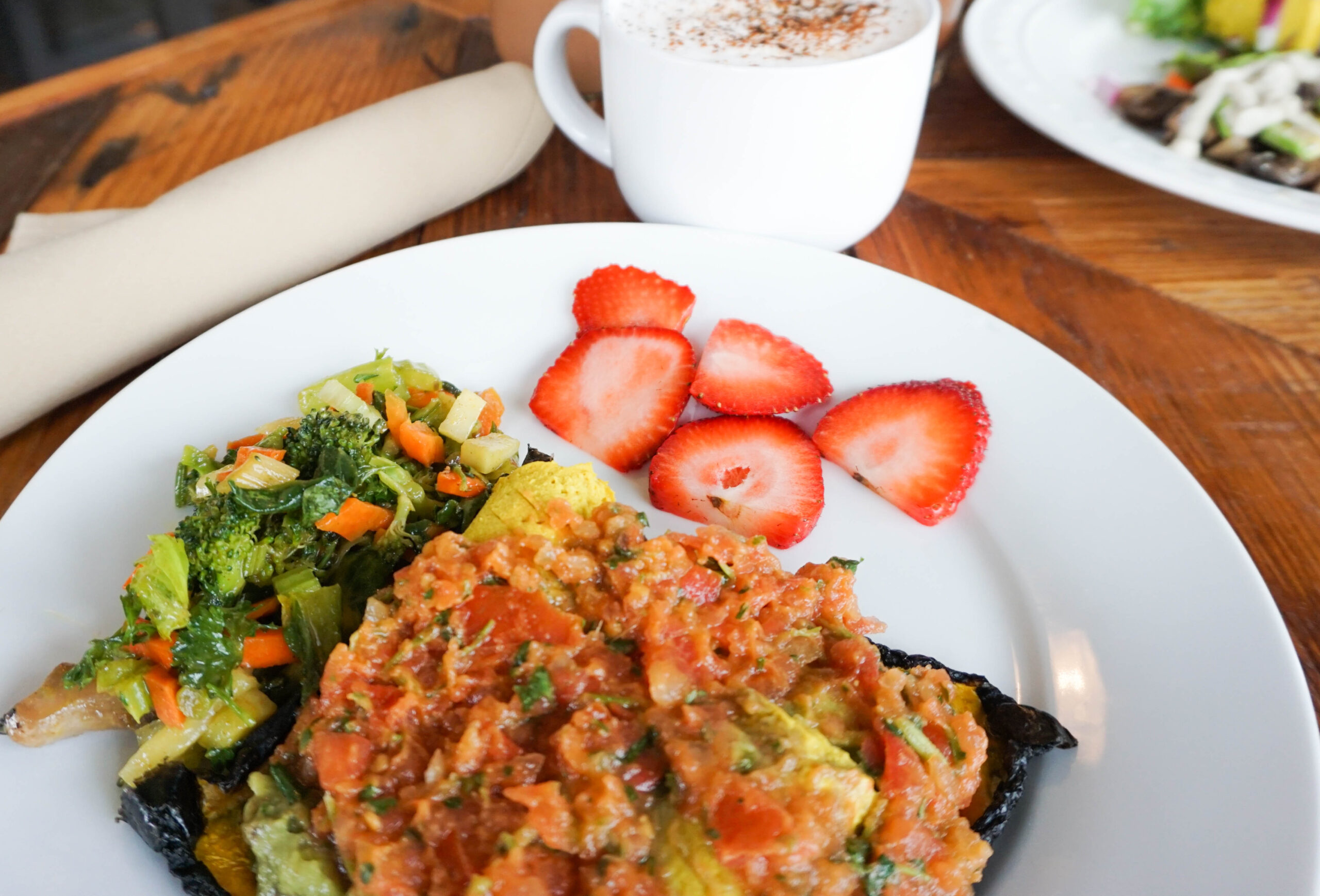
- Always ask, “How is that cooked?” When people first go gluten-free or dairy-free, a lot of times they forget to ask this because they’re so worried about avoiding the obvious offenders – bread, pasta, milk, etc. However, a lot of restaurants cook their meats/eggs in butter or add gluten somewhere in the cooking process (often unnecessarily, for reasons I will never really understand). Prime example: IHOP puts gluten in all of their omelettes. Also, if you’re like me and are super picky about the cooking oils used (vegetable oils – EW), then it’s extra important to ask how things are cooked to make sure they’re not throwing in any of that in there. Salmon cooked in olive oil is NOT the same as salmon cooked in canola oil.
- Don’t be afraid to mix and match in order to invent your own entree. Heather Dubrow once said that she sees a menu as a list of ingredients, and I couldn’t have said it better myself. There is no shame in taking the protein from one dish, the veggies from another, the sauce from another, and creating your own customized meal. Not all restaurants will do this, but most will because they’re usually scared of accidentally feeding you something that might result in a bad Yelp review. And always take advantage of the sides! A lot of times I order the protein from one of the entrees and order a bunch of sides to create my own meal. Much more fun.
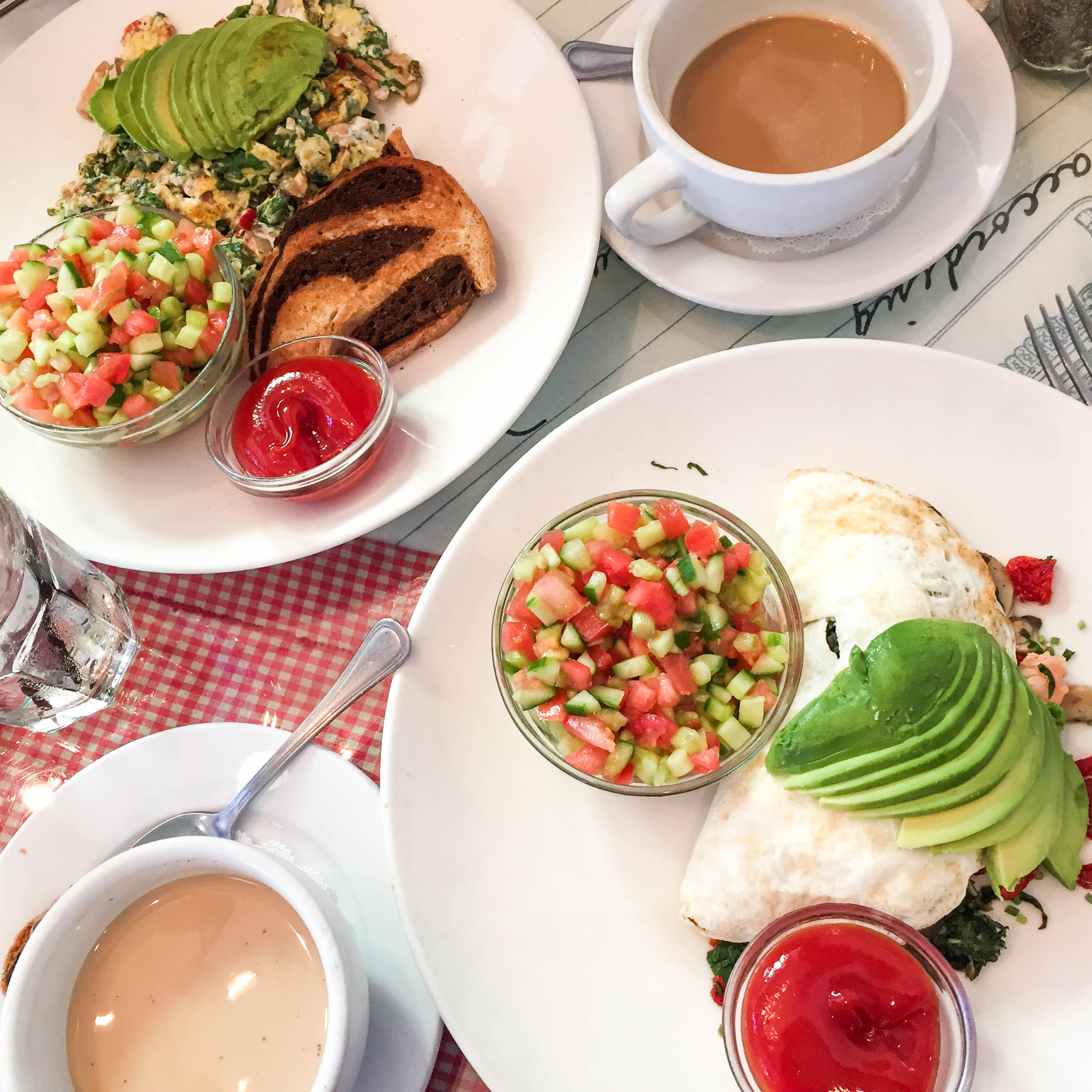
- Be prepared to pay a tad more. If a restaurant isn’t willing to let me mix around entree items to create my own plate, I’m more than willing to buy multiple dishes and just pick what I want off of each one. The “pick a protein and a few sides” strategy can also sometimes end up being slightly more expensive than a normal entree, as well. However, I would much rather pay more to get enough to eat and eat foods that agree with my body than be starving or make myself sick. Your health is worth it.
- Check salad dressings and lattes. I find that these are the most common slip-ups. SO many salad dressings contain gluten. Chai lattes and green tea lattes are often made from powder mixes, and many of these, sadly, contain gluten.
- If you have multiple food intolerances/allergies, always double check yourself. Sometimes it can be exhausting just finding one gluten-free option. When that happens, you might get so excited about victoriously finding something you can eat that you almost forget about your second or third food allergy. For example, sometimes I figure out what I’m ordering, I’m all happy because it’s gluten-free, and then at the last minute I realize I forgot to check for the dairy! And vice versa. So check yo’self.
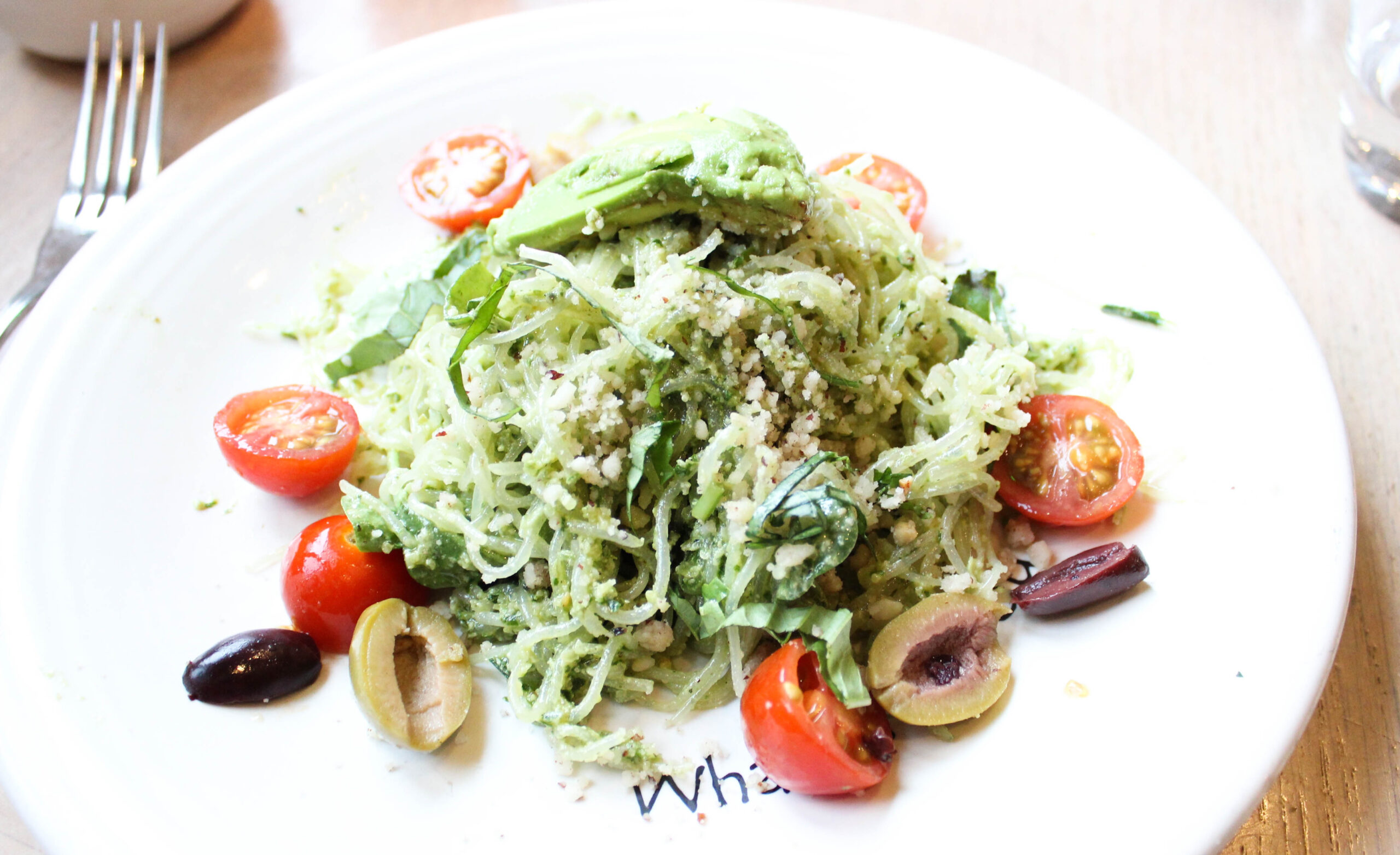
Other general recommendations:
Go for “healthy” restaurants that are known for being allergy-friendly. This may seem obvious, but JUST SAYING. It makes things a lot easier. I’m not personally vegan, but I love eating at vegan restaurants because they’re almost always extremely allergy-friendly (the waiters know what’s in what, they have separate menus, they’re hyper-aware of cross-contamination, etc.) and they usually use better ingredients overall, anyways. Organic, locally-sourced ingredients are the best.
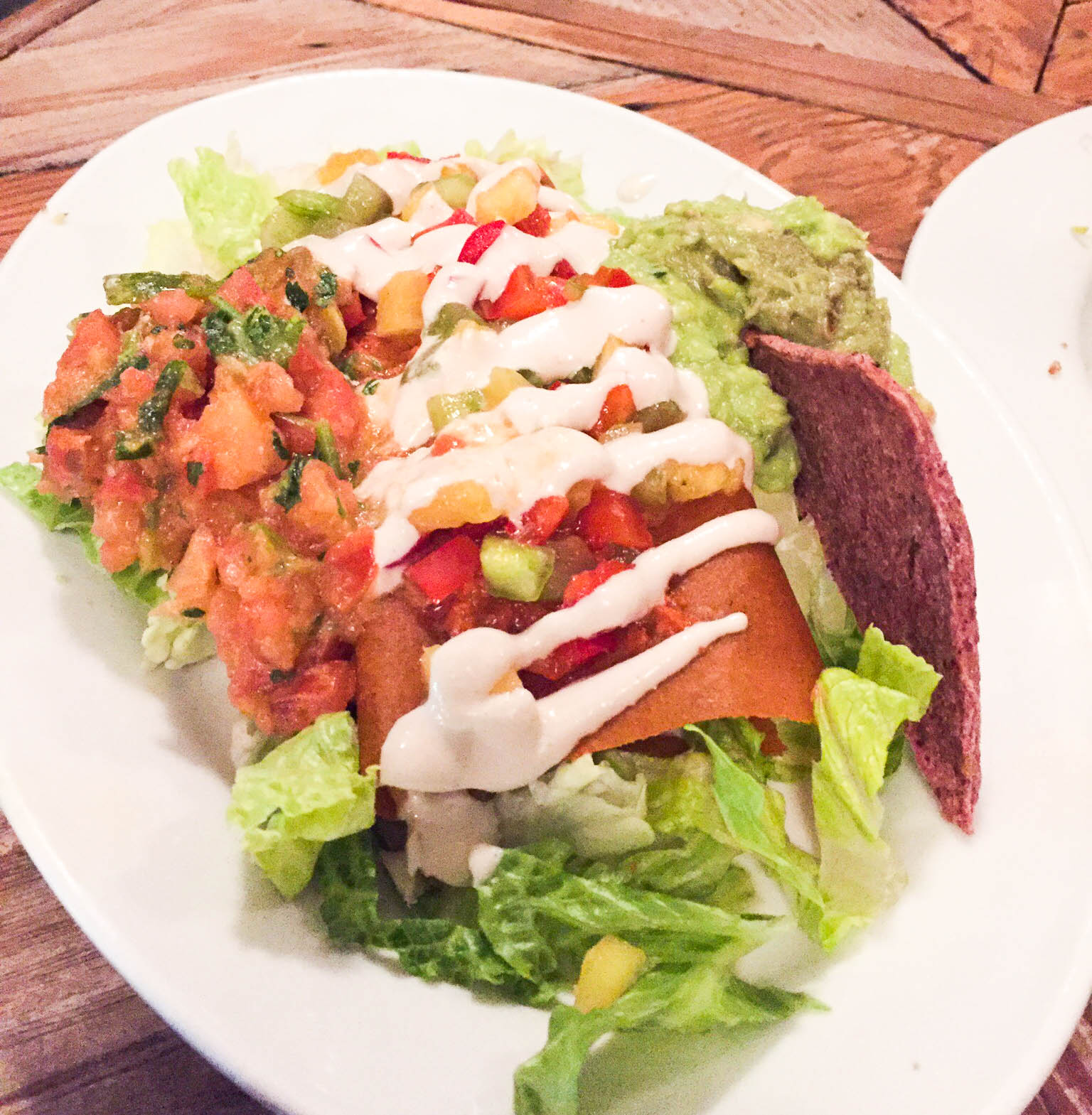
The safest things on the menu for me tend to be salads, entrees containing veggies and some kind of protein, omelettes/eggs for breakfast, and sides. I love me some sides. Even if it’s not listed, a lot of times you can get something that’s on the menu as part of an entree as a “side.”
DON’T BE SHY! Servers are usually extremely accommodating. They do not want to put your health at risk. If something seems sketchy or the chef/server “doesn’t know” if the food in question contains an ingredient you’re intolerant to, play it safe and avoid it.
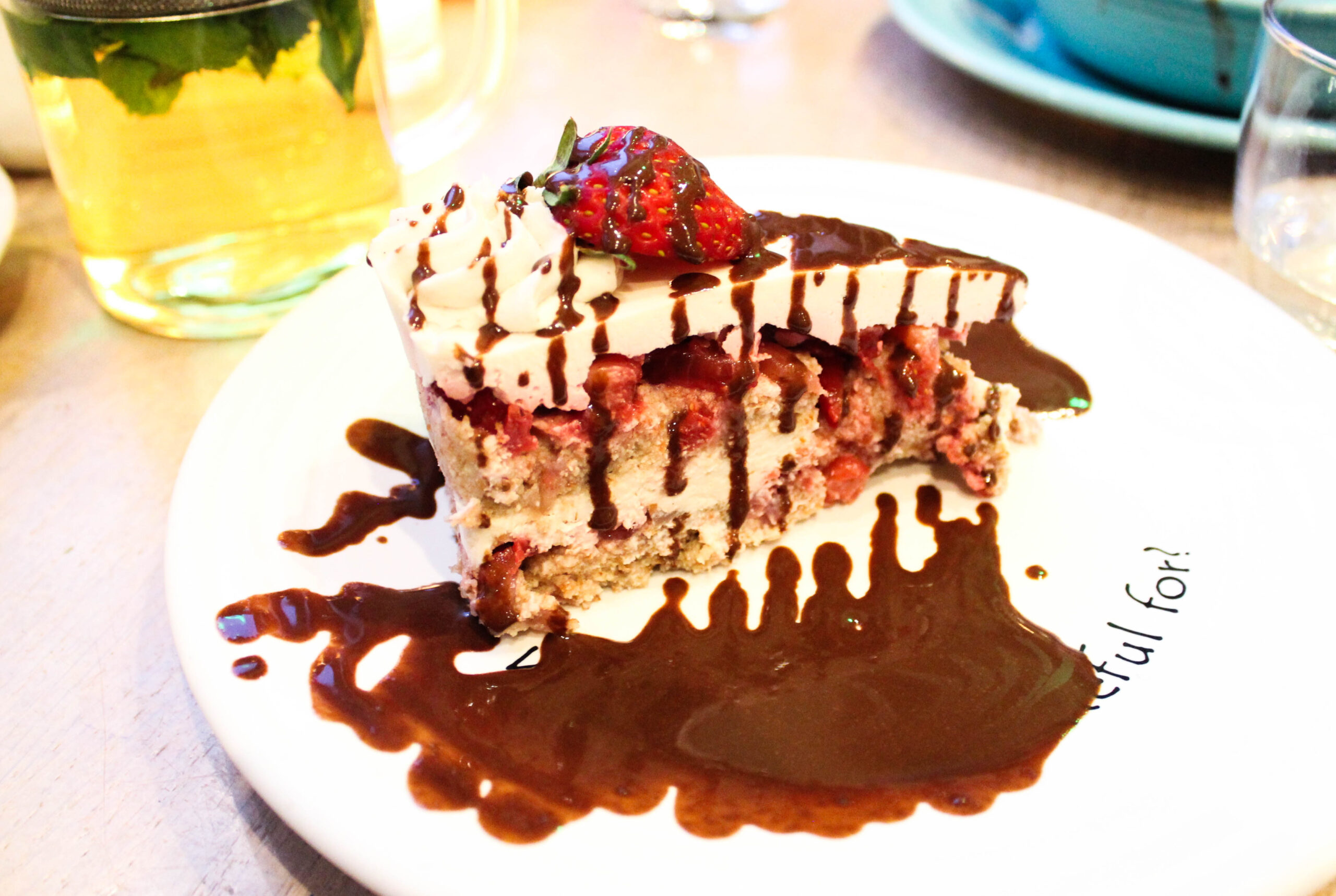
This might seem like a lot, but it quickly becomes second nature. You’re about to become a pro if you’re not already.
If you want to learn even more about this topic and EVERYTHING related to the paleo diet for women, make sure you check out my online course, the Paleo Women Lifestyle Program!

by Christina | May 25, 2016 | Wellness
STORY TIME!
Last week in my Health Psychology class, the topic was Eating & Exercise. We scratched the surface on “health,” myths behind dieting and exercise, and numerous psychological studies relating to various disordered eating patterns, like bingeing. I love when things regarding health and fitness come up in class, because I think it’s fascinating to see what the general public is being taught about those topics. If my health and fitness journey has taught me anything, it’s how many lies are perpetuated on the daily about what people need to do to be “healthy.”
One of the psychological studies we discussed examined how dieting can lead to bingeing, a revolutionary idea at the time because most people thought it was the other way around. While learning about these topics in class, I was very interested in others’ reactions. I noticed a lot of students making comments and looking uncomfortable. When the professor explained how dieting might lead to bingeing, many of my peers were in complete disbelief. The questions they asked the professor… It saddened me. For example, in one study, men were put on a “starvation diet” of about 1700 calories (putting that in quotes because that was what they called the diet). These men became completely malnourished, of course, and we were shown pictures of them after being on the diet for months. It was hard to look at, to say the least. Someone raised her hand and said, “But I thought that we are supposed to eat 1500 calories a day?”
I have no words.
The class was a much-needed mental slap in the face for me because I tend to forget that most people around me still not only believe in but also strictly follow dietary or exercise recommendations that are unhealthy, unsubstantiated, and won’t even get them the results they want in the first place. I forget that pretty much everyone my age still believes that it’s as simple as calories in versus calories out. That so many people track their calories every day and think they need to keep it from 1200 to 1500. They think that health is defined by a number on the scale, and that a lower number is always better. They think that low-fat, low-calorie diets are the key to weight loss. They think that if they work out for longer amounts of time, they’ll see even better results. That the only way to get to their “goal weight” is by restricting in some sense – whether that means food, happiness, or sanity.
I know in the back of my head that many people truly believe these myths, but sometimes I forget how widespread these beliefs are because I generally surround myself with people who don’t buy into those ideas. Being in the middle of a room where everyone was shocked to find out that those beliefs might not be well founded hit me hard. The professor took an anonymous poll – who had ever been on a diet before? That number was way too high for my liking. It physically hurt my heart.
The class sparked a conversation between me and my friend about eating, exercise, and body image. She mentioned how the diet-binge pattern was oh-too-familiar to her because it was exactly what she saw happening with a few of her friends, and how much that frustrated her. We talked about how in college, body image issues are way too prevalent. This topic is something I’m very passionate about. It deeply saddens me that so many people struggle with their body image, and I couldn’t tell you how much relief I felt when my friend voiced her frustrations about the whole college/body image situation. She said, “You know, it’s so weird. Before college, I never thought twice about what I ate or how much I exercised. But since I came to college, it seems like that’s all anyone talks about, and now I feel like I’m supposed to be thinking about what I eat.” I had never heard it stated so simply before by someone outside my own brain. She was absolutely right.
This problem really really REALLY frustrates me. For awhile I felt like it was something no one else wanted to change because everyone was so wrapped up in it. What is it about college, specifically, that heightens problems with body image issues? What is it about college that leads to an increase in eating disorders, exercise addiction, and feelings of depression? I’m no expert, but I have plenty of guesses based on personal experience.
In high school, plenty of girls went on “diets” or became obsessed with working out, getting in shape, or being a certain weight. Body image was certainly an issue. Hell, it was an issue in middle school. But in college, everything is more intense. You’re living in close quarters with tons of your peers, and everyone is constantly comparing themselves to each other. You’re changing in the same room, sharing clothes, eating together, working out together. You’re ALWAYS together, and you’re always seeing what everyone else is doing. There’s no escape.
When a girl goes to the gym, her roommate notices and feels guilty. She thinks, Maybe I should go to the gym too. When she’s at the dining hall and sees what her friend is putting on her plate, she gets insecure about what’s on her own. When she sees the Facebook pictures from the party, she feels like she needs to lose weight to wear a tight dress like that. When she sees her friend get attention for a cute new haircut and color, she gets jealous and wants to change her style, too. Everything turns into a comparison. You don’t have siblings or parents around to distract you and ground you on what the real problems in life are. People make a lot of comments in college. Comments to validate themselves. Comments to try to make other people feel bad. Comments to compare. Comments to test the waters and see if they’re “good enough.”
“Ugh, I haven’t worked out in a whole week.”
“I can’t eat that, I haven’t worked out.”
“I’m not eating because I’m going to drink my calories tonight.”
“I drank so much last night. I’m just going to eat dinner today.”
So many comparisons, and so much disordered thinking. Some have it worse than others, but I don’t believe that there is one person who has never compared him or herself to another human being in some way or another. At least one time. It’s how we function, nowadays. My health had to hit rock bottom before I truly figured out what was important to me in my life and realized how big a problem body image issues are for so many people.
As I’m writing this, I’m sitting at a lunch table on campus, and I’m not so casually eavesdropping on the girls at the table next to me. Well, is it considered eavesdropping if they’re shouting…? Let me tell you how the conversation is going. Girl 1 is saying that she hasn’t worked out in a month. She wants to know how often Girl 2 works out. Girl 2 says she works out 3 times a week but wants to up it to 5. She is planning on moving from the elliptical to the treadmill because she wants to burn more calories. Girl 3 says that she worked out yesterday and is SO sore. She really wants to get gelato today because she’s been craving it but she can’t because she needs to get in shape before her date party this weekend. Do they all want to go to the gym together that afternoon? Have they seen Girl 4? She dropped a ton of weight recently and looks really good. Girl 3 asks if they know what she’s been doing, because she wants to know. Has anyone tried a juice cleanse?
It’s honestly so hard for me to sit here and listen to this. Like, of course their conversation is 100% relevant to what I’m writing. It takes everything in me not to run over and scream, STOP! LET ME HELP YOU! YOU CAN ENJOY EXERCISE AND EAT LOTS OF DELICIOUS FOOD AND FEEL HEALTHY AND NOT RESTRICT AND NOT PUNISH YOURSELF AND BE HEALTHY! YOU CAN LIVE WITHOUT WORRYING CONSTANTLY ABOUT THESE THINGS, AND YOU CAN FEEL AMAZING! YOU CAN STOP COMPARING YOURSELF TO EVERYONE ELSE! It doesn’t have to be complicated. But more than that, reaching some body goal won’t solve all of your problems. What are the important things in life? What is health, really? To me, it’s not a number on the scale, or the way I look. It’s a feeling of wellness. It’s a happiness with who I am. It’s finding the beauty within myself.
We teach kids nowadays that the way they look is of monumental importance. That it has to do with their self-worth. Weight has become confused with health. “Skinny” has become the ideal. People are so worried about if they’re “good enough” – and to whose standards? And why? Who are we all trying to impress? Why are are putting ourselves down, making ourselves not feel good enough? Why are we torturing ourselves over things that are supposed to make us feel good? Food is meant to nourish us. Exercise is meant to give us energy and make us feel strong. Friendships are meant to foster love, not to create useless comparisons.
Being in this world can be fucking difficult. We are overloaded with information. Social information, health information, scientific information, fake information… just so much information. It’s also hard to ever really be alone, which plays a lot of mind games with you. All I know is, nothing is going to change if we don’t start talking about things openly, and if we don’t start finding out the right information. Like how the number on the scale, the number of Instagram followers you have, the food you ate last night, and how many friends you have do not indicate your self worth. That’s something you find within yourself.


by Christina | May 23, 2016 | Wellness
I want to talk about something that most people don’t even think is a real thing: OVERhydration. How many times a day do you read/hear/see a health or fitness expert saying that we all need to drink more water? Probably a freakin’ lot. It might be the most common piece of advice I hear health professionals give the general public. Dehydration is a serious problem. Tons of people do NOT drink enough throughout the day, and I used to be one of them. I used to hate water. I thought it tasted like rocks. (Like I know what rocks taste like?)
Fast forward a few years to when I became health/fitness obsessed. I fell in LOVE with water. I carry a water bottle with me everywhere I go, and I’m drinking it all the time. I kinda freak out if water is unavailable in case I get thirsty. Once I started drinking enough water, I noticed all of the amazing benefits that come along with actually being hydrated. First, let’s talk about what happens when you DON’T get enough water.
- Dehydration, obviously
- Poor digestion and elimination
- Poor detoxification, overall
- Slower metabolism
- Disrupted body temperature
- Chemical imbalances in the body
- Headaches
- Feeling fatigued and burnt out
- Misunderstood hunger signals (We’ve all heard it – sometimes when you think you’re hungry, you’re really just thirsty.)
- Muscle cramps
- Brain fog / trouble thinking clearly
- Poor concentration
- Dry/dull/inflamed skin
- Poor athletic performance
- Irritability
- Kidney damage
The list goes on and on. YES, you need to drink enough water! Buuuut, there’s a line. I crossed it, and I know I’m not the only one. I’m a perfectionist, an extremist, and very concerned about my health, which brainwashed me into thinking I could never drink too much. I pounded the water down, thinking that more water meant more benefits – faster metabolism, more detoxification, all the goodness!
WRONG. So, so wrong. I learned the hard way. It reached the point where I was pretty much FLOODING my body with water (not knowing what I was doing), and it was causing a number of extra issues that were just exacerbating my other health problems. It came from a place of trying to improve my health, but I was just worsening it. I couldn’t figure out what was going on, and none of my doctors ever brought up the possibility that I might be drinking too much water. Even when I asked them if too much water could be a problem, they looked at me like I was cray and said absolutely not. One intelligent nutritionist later and I quickly discovered those doctors were very wrong. The simple solution was just to drink less.
Let me tell you some of the PROBLEMS associated with drinking too much water.
- Feeling cold all the time
- Drinking so much that you always feel full, causing you to undereat (leading to a TON of other problems I can’t even scratch the surface of here)
- Nausea
- Headaches
- Confusion
- Muscle cramps
- Swelling in the lungs and legs
- Electrolyte imbalance
- Slowed metabolism
- Adrenal fatigue
- Peeing constantly
This list goes on and on, too. When I was drinking too much water, I couldn’t sleep through the night because I woke up with intense leg and foot cramps every hour. I was constantly nauseous. I couldn’t think straight, and I was super grumpy. I had to pee literally every 20 minutes, which made me not want to go out anywhere. I was FREEZING. Like, I turned the heater on when it was 90 degrees outside. My legs and ankles were swollen, and it hurt to stand or even to wear socks.
As you can see, a lot of the symptoms of OVERhydration are actually the same as dehydration symptoms. The key is to find a balance, especially before things get super serious. If you flood your body with too much water, your kidneys have a hard time maintaining the balance between water and sodium in your blood. This can basically drown your brain cells. Having such low levels of sodium in the blood from severe overhydration can cause something called hyponatremia, which is an extremely serious condition that can lead to symptoms like seizures and comas.
To all my athletes out there who like to pound down gallons of water while exercising – CALM DOWN. If your body becomes too flooded with water while you’re working out, your brain cells can actually swell up so much that you might get knocked out or die. That sounds really dramatic, and it takes A LOT of water for that to happen (it’s not super common for things to get that far), but it’s important to be aware of the risks. More isn’t always better.
How much water should you drink? The standard is to tell everyone to drink about 2 liters of water a day. This isn’t poor advice per say, but just like with anything else, it’s extremely important to take one’s individuality into account. 120-pound Jane needs less water each day than 180-pound Joe. Many of the guidelines put out there by different health organizations regarding how much water we should be drinking are just based on averages, or random “science”. You’re not an average. They also don’t take into account other individual factors, like diet. Someone who eats a healthy diet is probably getting much more water from the foods he or she eats (fruits, veggies, etc.) than someone who eats the SAD diet.
Also, please please please do not listen to the myth that your pee should be clear! It definitely should not be dark, but if it’s clear, you’re overdoing it!
Many professionals will tell you to listen to your body’s natural thirst signals to figure out how much water is appropriate for you, but it’s not as simple as that. When you’re dehydrated, you might not feel thirsty even when you should because your body is used to not drinking enough. On the flip side, if you’re overhydrated (HI!), you’ll probably feel super thirsty all the time because your body is used to being flooded with H2O.
My advice? Figure out how much water is appropriate for your body specifically, and aim for that amount until you get the hang of it. Best ballpark range is half of your body weight (in pounds) in ounces. Your body will adjust to this amount eventually, and then you’ll actually be able to use your thirst signals to figure out how much you should be drinking. If you adjust your water amounts and you’re still having weird symptoms, then you might need to drink more/less. Play around with it to find the right balance for YOUR body. Drinking water should not be a chore, and it should not be causing more problems!
Since figuring out that drinking too much H2O was actually the root of many of my weird symptoms, I’ve finally discovered how much water is the right amount for my body each day, and I feel 1243920748203 times better. Drinking the right amount does still mean I have to pee a lot (I know you feel my struggle if you’re well-hydrated), but at least I’ve ditched the leg cramps and swollen ankles. 😉
